Is Vesuvius Worth Visiting? Honest Verdict and Who Should Skip
Last updated November 2026: is Vesuvius worth visiting? Yes for most travelers who have three or more days around the Bay of Naples, with a few clear exceptions. Views, effort, cost, time and weather decide it, and the Mount Vesuvius guide covers the background in more depth.
Featured image: Erik Cleves Kristensen, CC BY 2.0, via Flickr.
Quick Verdict: Is Vesuvius Worth Visiting?
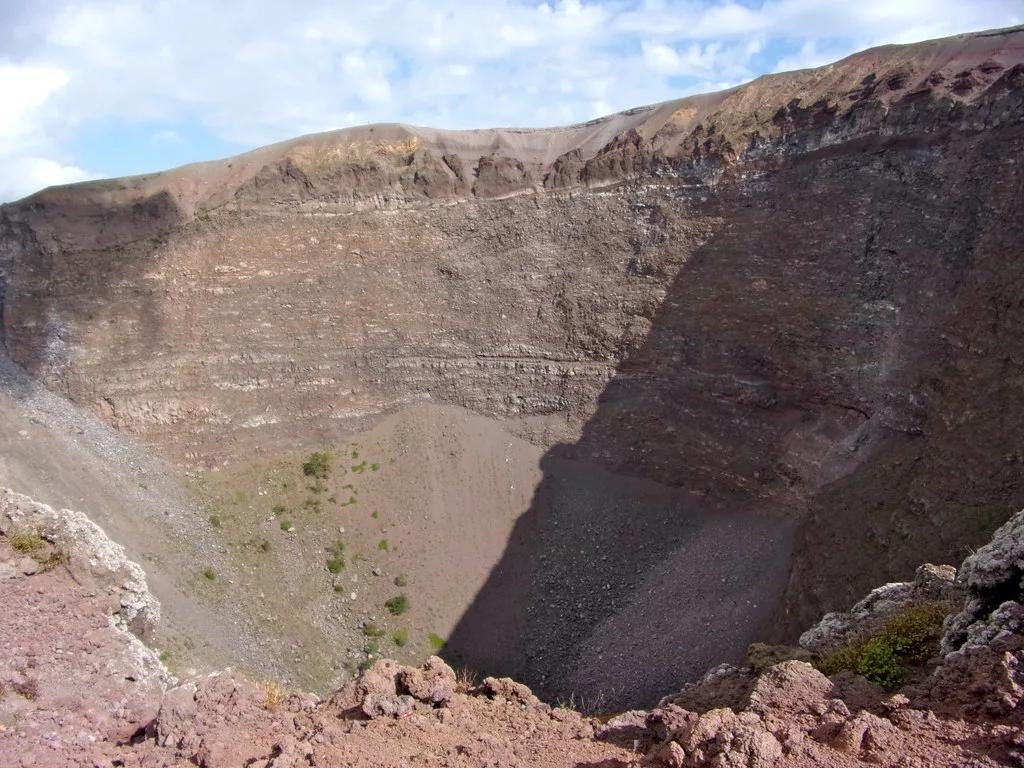
Go if you have a free half-day and a clear forecast. From the rim you look into a crater and across the Bay of Naples. That context makes Pompeii and Herculaneum easier to grasp, because you see the mountain that buried them in AD 79. Skip it if you have a single day in the area, if cloud is sitting on the summit, or if you expect a long volcano trek. Vesuvius is a short, steep walk from a car park, not a mountain climb from the base. Plan on roughly half a day once transport, queues and the walk are counted. The table in the next section sorts travelers by profile.
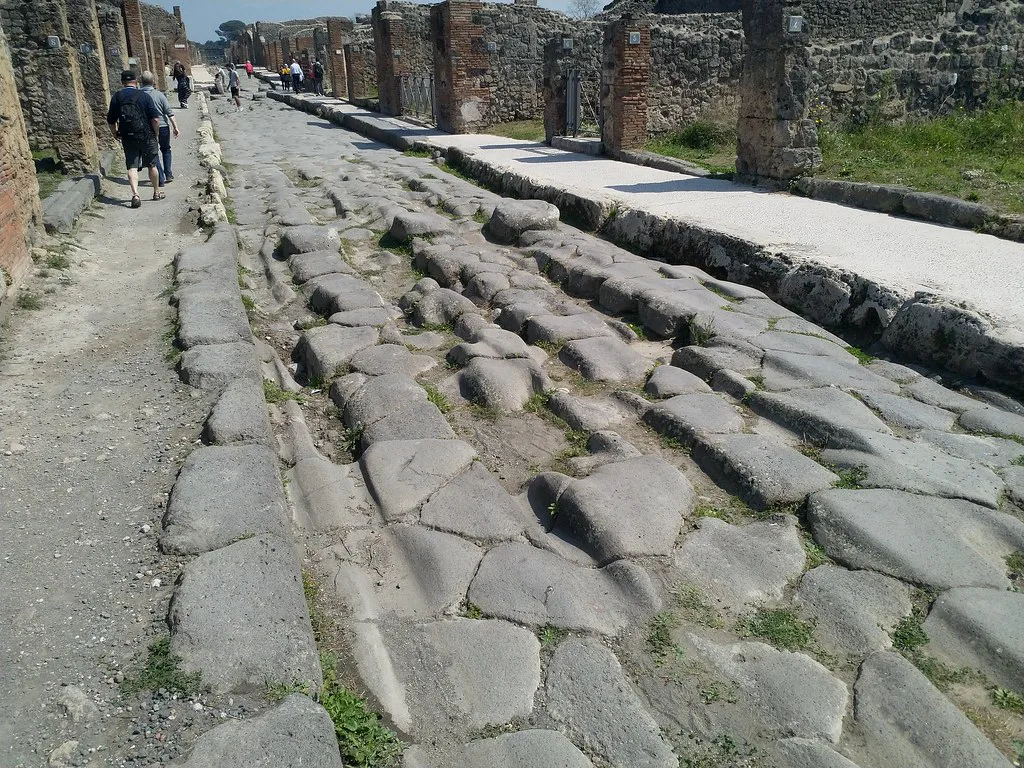
Go, Maybe or Skip: Who Vesuvius Suits
Match your own situation to the closest row. Each verdict reflects effort, time and what you give up by spending the half-day here. Visiting is considered safe in normal conditions, because the Osservatorio Vesuviano monitors the volcano around the clock. The park closes access if activity changes. Your realistic risk on the day is a slip on loose gravel, not lava.

| Traveler profile | Verdict | Reason |
|---|---|---|
| First-timer with Pompeii already planned | Go | The summit shows the source of the AD 79 eruption and pairs well with the ruins. |
| Short stay or cruise port day | Maybe | Transport and timed slots eat the day. Pick Pompeii or Herculaneum unless a combined tour fits your ship's schedule. |
| Mobility-limited or heat-sensitive visitor | Skip | The final stretch is a steep gravel path, and midsummer sun on bare slopes is draining. |
| Family with young children | Maybe | Under-6s enter free, and many children make the walk. Buggies and tired toddlers struggle on the gravel. |
| Hiker expecting a real volcano trek | Skip | The walk is short. The full crater circuit is not open to visitors. |
| Visitor on a cloudy or hazy day | Skip | Low cloud removes the bay view and hides the steam vents. Move the day to a clearer forecast. |
| Herculaneum or Oplontis history fan | Maybe | You can understand the eruption from those sites alone. Add Vesuvius only if time is spare. |
What You Actually Get at the Top
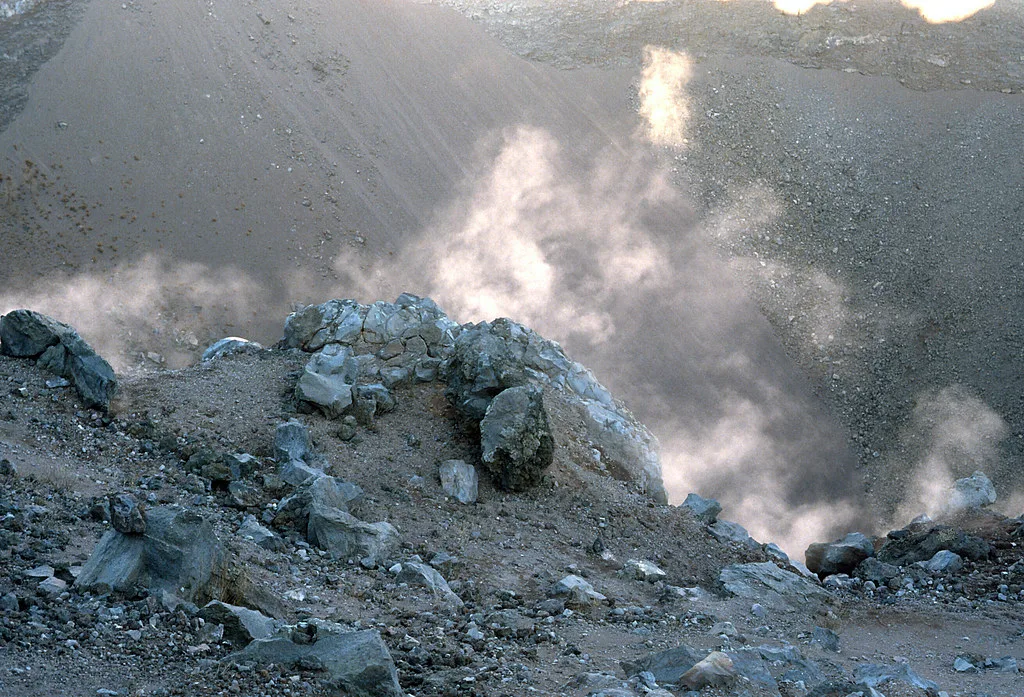
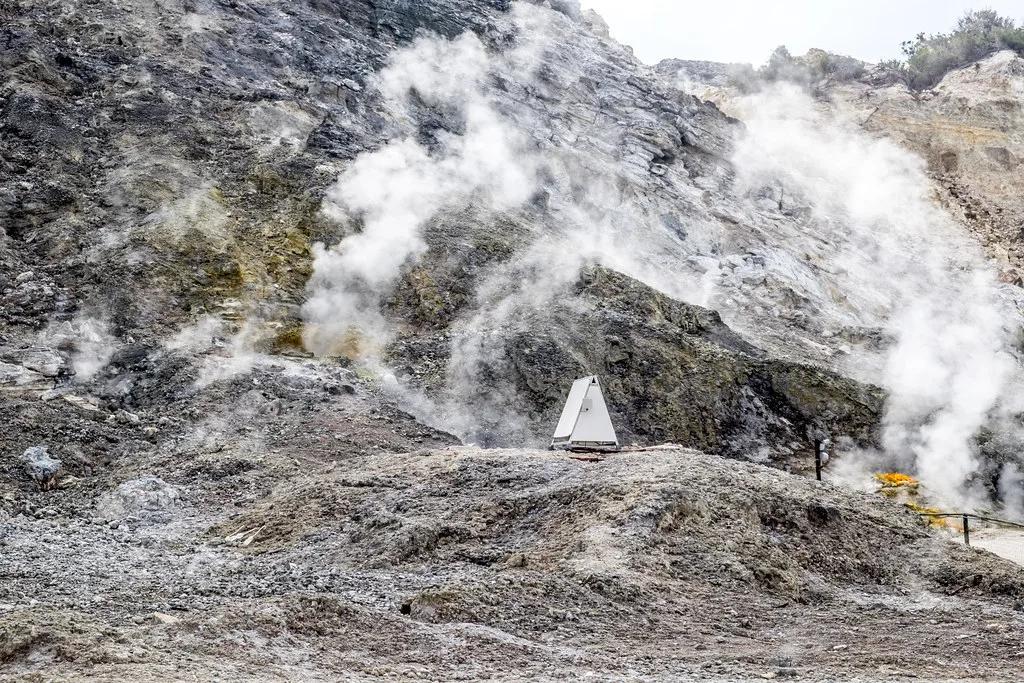
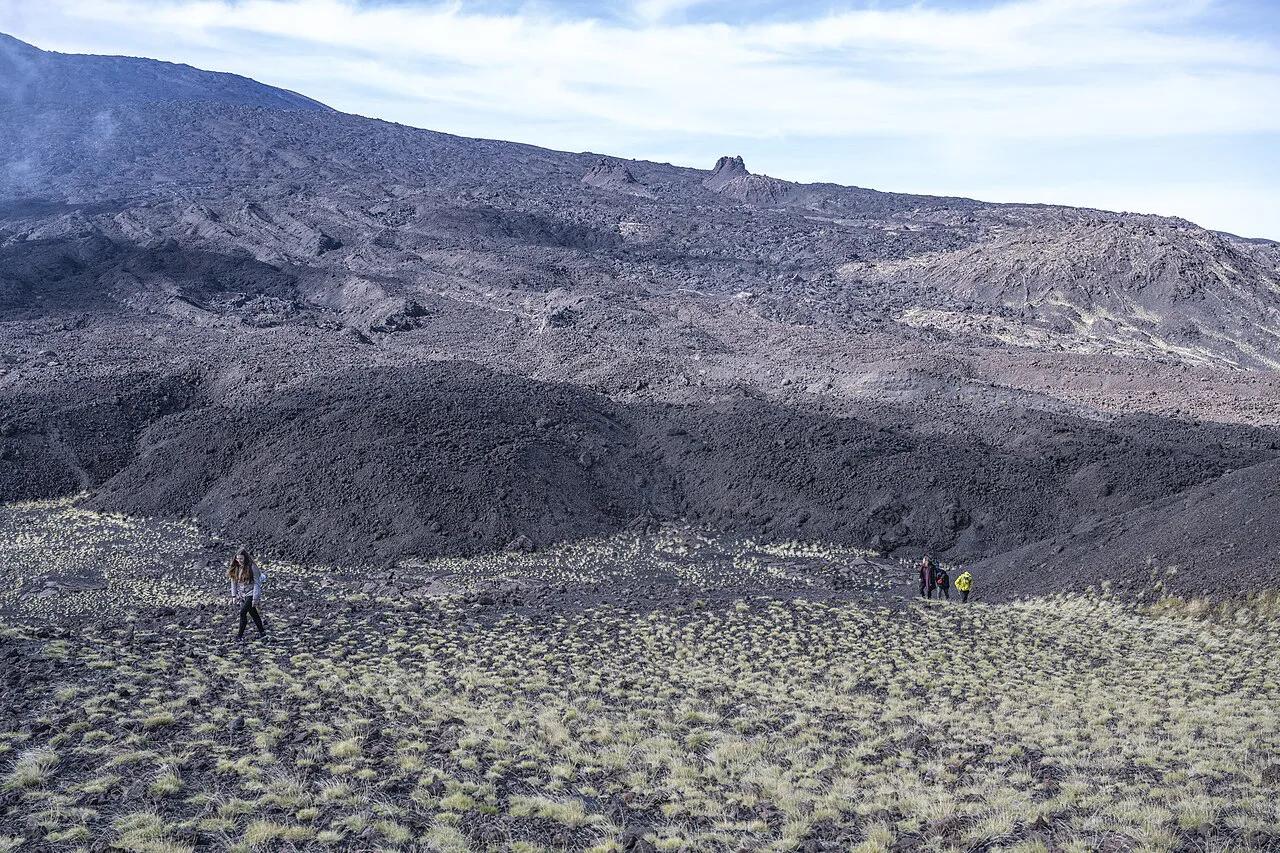
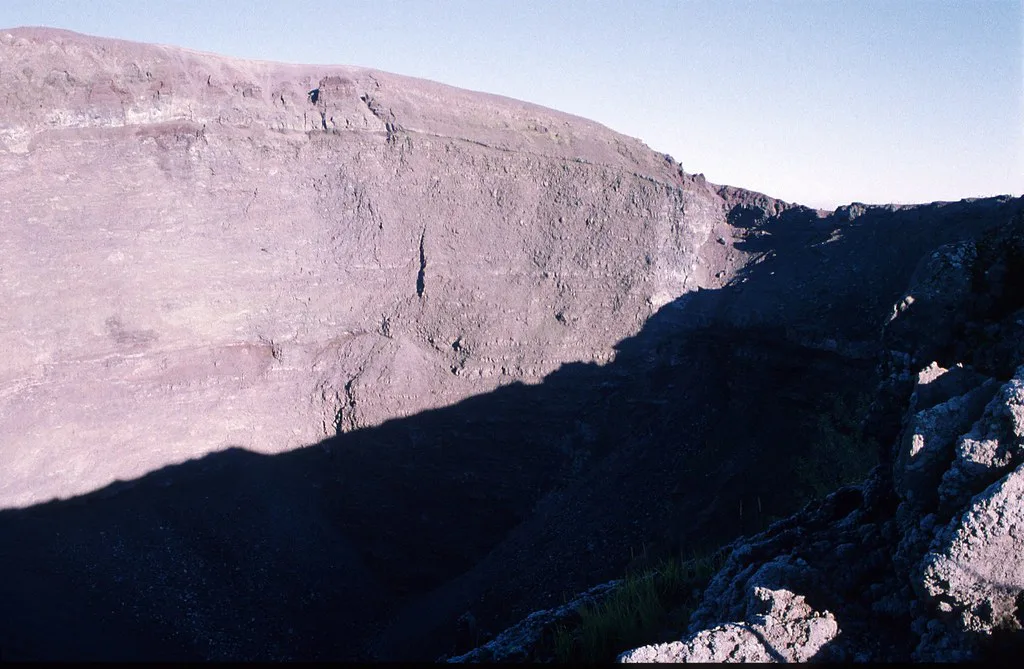
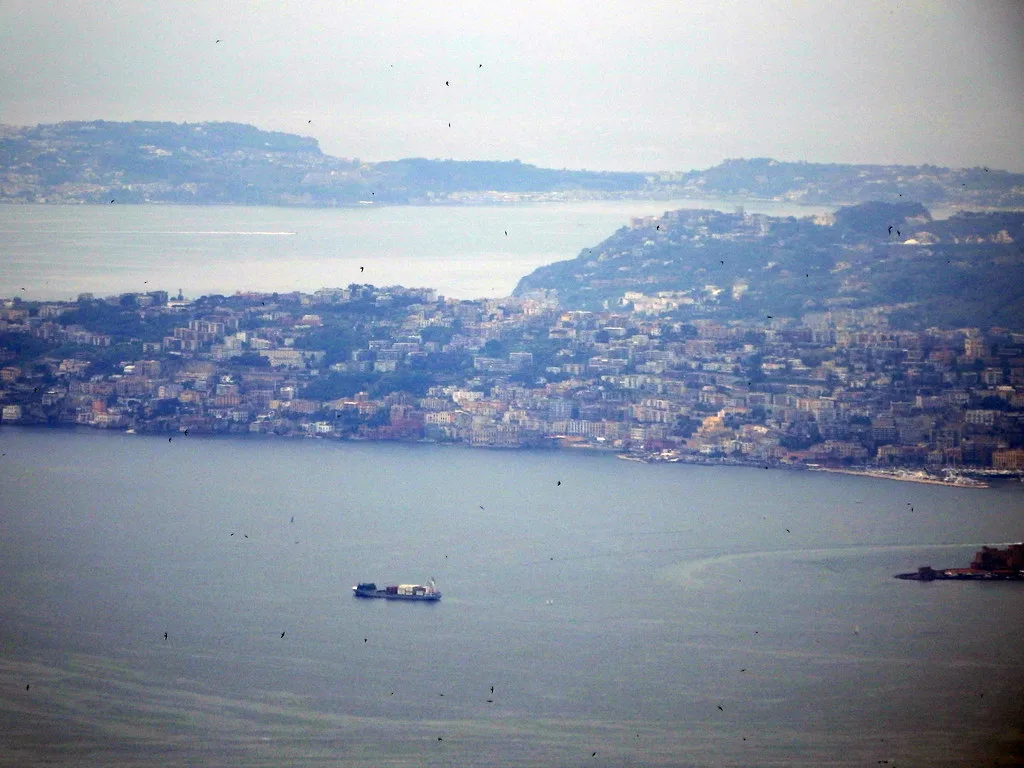
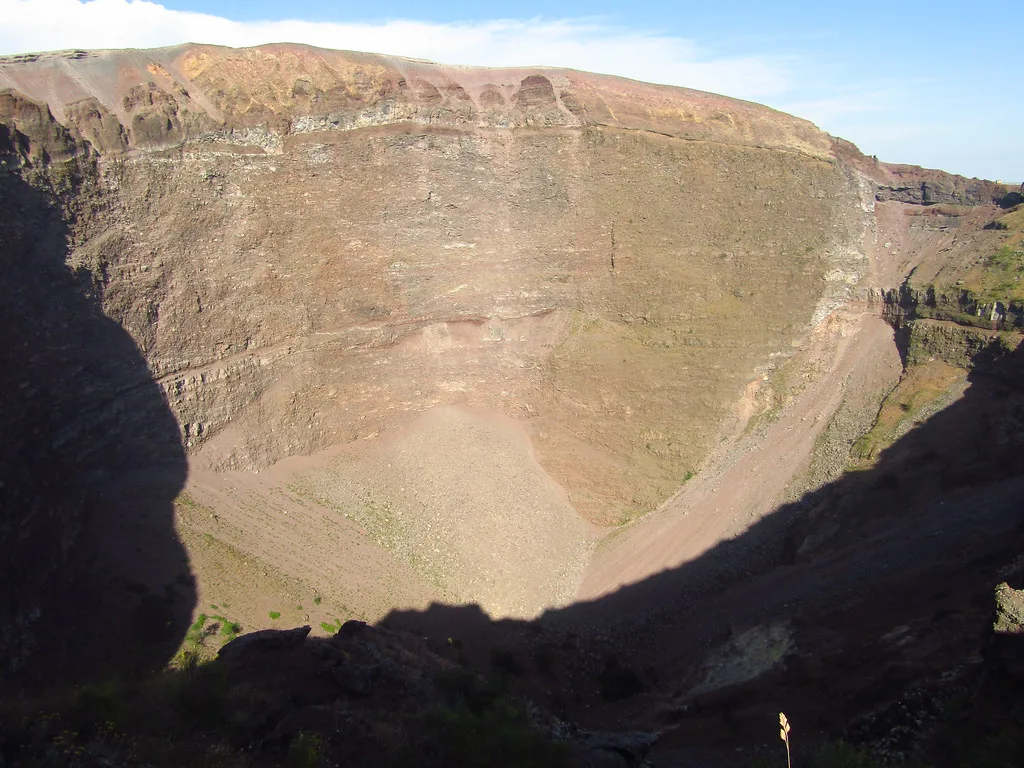
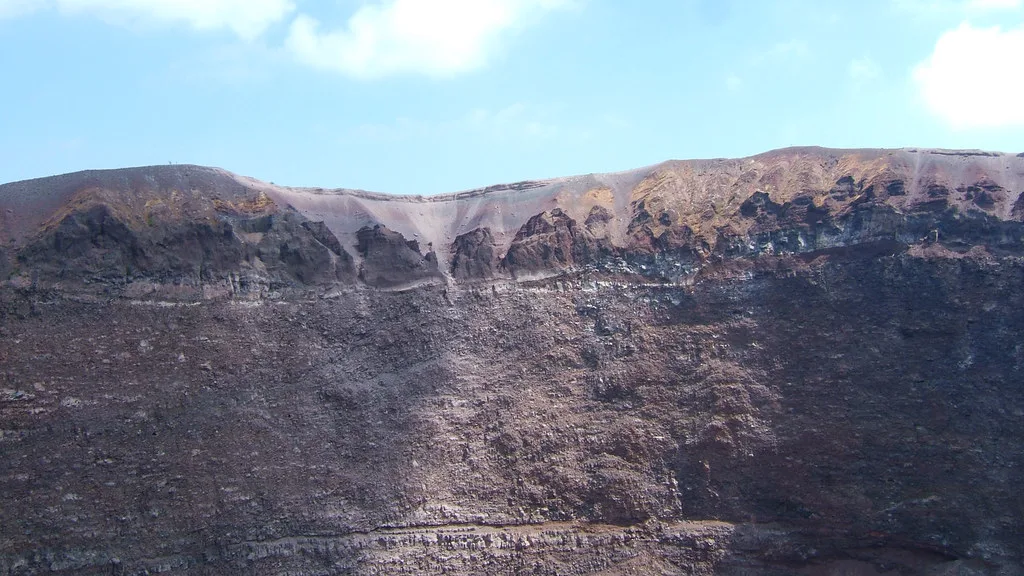
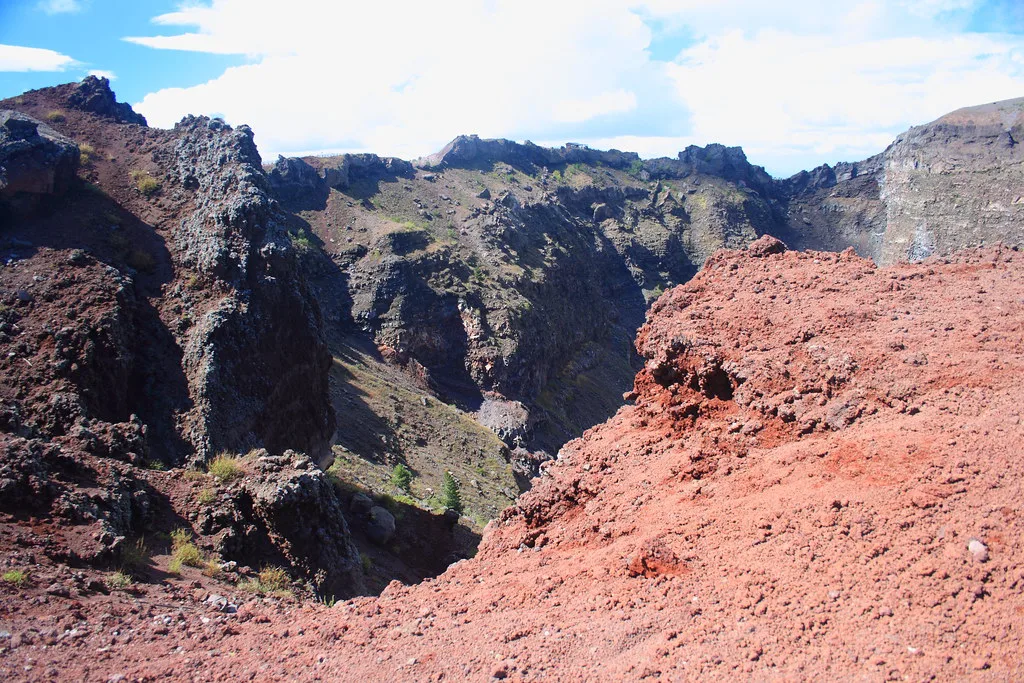
A road takes buses and cars most of the way up. The last stretch to the crater rim is on foot along a gravel path with a real incline. Reaching the rim and looking down into the crater is the main reward, and the crater and rim guide explains what you will see. From the rim path, Naples, the bay and the Pompeii plain spread out below. On a clear day the view stretches along the coast toward the Amalfi side. Small steam vents appear in places, and how visible they are depends on weather. The climb itself is short but steep, often quoted at 20 to 30 minutes for the first section. The Gran Cono trail details cover pace and gradient.
- Expect: a crater view, a rim path along part of the edge, a small café and a couple of stalls, and wide views over the bay.
- Do not expect: a trek from the base, a walk around the whole crater, or lava. The park has not opened a full circuit to visitors.
- Rim access and the rim path can change, so read the park's current rules on its official site before you travel.
- Water and food are limited at the top, so carry your own and wear trainers rather than sandals.
Time, Effort and Cost: What It Takes
Vesuvius opens at 9:00 all year, and the last admission depends on the month. Prices and hours checked November 2026 against the park's ticketing information. Online tickets currently list at €11.68 full price and €9.55 reduced, and children under 6 enter free. Those figures include a booking fee, so the base price on the Vesuvius National Park site may be lower. Entry works on timed slots that fill up on busy days. Our ticket and slot guide covers booking in more detail. Last admission is not closing time, so arrive well before the cutoff to give yourself time on the rim. The table below compares the five common ways to do the trip.
| Option | Effort | Total time | Flexibility | Booking risk |
|---|---|---|---|---|
| Independent by Circumvesuviana plus shuttle | Medium: train, shuttle, then the walk | About half a day | Low: the shuttle fixes your time at the top | Medium: book the shuttle early |
| Own car with parking | Medium: driving, a road walk, then the path | About half a day | High: you choose your own times | High: the lower lot is limited |
| Half-day tour from Naples | Low: transport is handled | Half a day | Low: fixed itinerary | Low to medium |
| Combined Pompeii and Vesuvius tour | Low, but a long day on your feet | Full day | Low | Medium: popular dates sell out |
| Vesuvius from Sorrento or the Amalfi Coast | Medium to high: the longest transfer | Full day for most people | Low to medium | Medium |
- January and February: last admission 15:00
- March and October: last admission 16:00
- April, May, June and September: last admission 17:00
- July and August: last admission 18:00
- November and December: last admission 15:00
How to Get There
Vesuvius sits above the Bay of Naples, about 14 km from Naples. The usual public route is the Circumvesuviana train to Ercolano Scavi, then the Vesuvio Express shuttle. That shuttle books timed entry together with the ride, and it allows roughly 1.5 to 2 hours at the top. The service is run to a daily timetable, so book ahead and read the current schedule. Operator details are on the EAV Circumvesuviana site. By car, the lower lot costs about €7 and adds roughly 30 minutes of walking along the road. Upper parking is reserved for buses and tours. Our parking guide explains the rules.
| Starting point | Practical route | Detailed guide |
|---|---|---|
| Naples | Circumvesuviana to Ercolano Scavi, then shuttle | Naples to Vesuvius |
| Pompeii | Tours leave directly from the archaeological site | Pompeii to Vesuvius |
| Sorrento | Circumvesuviana to Ercolano Scavi, then shuttle | Sorrento to Vesuvius |
| Amalfi Coast | Longest transfer, so most visitors choose a tour or drive | Amalfi Coast to Vesuvius |
| Rome | Reach Naples first, then follow the Naples route | Rome to Vesuvius |
Tour or Independent: Which Is Better?
Choose by constraint, not by price alone. A tour removes transfer risk and suits short stays, particularly when you also want Pompeii the same day. Independent travel suits people who want control over timing and who are comfortable with train logistics. If your slot is full, a bundled shuttle ticket sometimes opens times that direct tickets do not. Another day is the other fallback. Compare departure points and inclusions in our Vesuvius tour comparison. For a single-day plan, the combined Pompeii and Vesuvius tour page lists what is usually covered.
- Pick a tour if you have one day only, dislike train timetables or are staying on the Amalfi Coast.
- Pick independent travel if you want a long stay on the rim or you are already based near Ercolano.
- Pick a car only if you accept the road walk from the lower lot and have booked parking.
Best Time and Weather Conditions
Clear weather matters more than the month. Haze and cloud shrink the view, and they hide steam from the vents. In July and August, last admission is 18:00 and the walk is hot, with bare slopes and little shade. Visitors have reported coastal temperatures in the high 30s °C that make the climb hard work. Winter closes earlier, with last admission at 15:00 in November through February. Spring and early autumn offer a middle ground, with last admission at 16:00 or 17:00. Our seasonal guide compares months in detail. Check a Vesuvius forecast guide the evening before you book. If the summit is clouded or closed, Herculaneum and Oplontis make good fallbacks.
Vesuvius vs Pompeii, Herculaneum and Oplontis
Spending the half-day on Vesuvius means giving up time at an archaeological site. Pompeii shows a whole Roman town, and the story is told in our Pompeii victims guide. Herculaneum is smaller and easier to cover quickly, and the Ercolano Scavi station is also where the shuttle starts. Oplontis is a villa site that takes less time. The Pompeii Archaeological Park site lists current visiting information. In Naples, the National Archaeological Museum holds finds from the Vesuvian towns, and it works on rainy days. Read what happened in AD 79 before you decide. Our Oplontis guide covers the villa. If you do both Vesuvius and an archaeological site, mornings on the mountain avoid the worst midday sun, while ruins in the heat drain energy.
| Alternative | What you get | What you give up |
|---|---|---|
| Pompeii | A full Roman street grid and houses | Time on the rim and the bay view |
| Herculaneum | A compact, well-preserved town, and a shorter visit | The crater and the panorama |
| Oplontis | A single villa with wall paintings | A broad view of the eruption landscape |
| Naples museum | Finds from the buried towns, in any weather | Outdoor scenery and the volcano itself |
Mistakes to Avoid
Most problems come from planning, not from the volcano. These are the usual ones.

- Arriving without a timed ticket, then finding the slot full.
- Treating last admission as closing time and leaving no time on the rim.
- Going on a cloudy day without checking conditions first.
- Wearing sandals on loose gravel.
- Bringing no water when options at the top are limited.
- Trying to hike from the base, where gates are often locked and the road is long.
Is Vesuvius Still Active, and Is It Risky?
Vesuvius is an active volcano. Its last eruption was in 1944, and it has been quiet since. Scientists at the INGV Osservatorio Vesuviano monitor it, and the Civil Protection page explains the emergency plans. Forecasting is about likelihood, not exact dates, so no one can promise a particular timeline. Our active volcano explainer covers monitoring in more detail. For the record of past events, see the 1944 eruption. Visitors can learn about the monitoring station through our observatory guide. Residents live under emergency zoning, described in our red zone explainer.
Where to Stay for a Vesuvius Day
Base yourself where the transport is easiest. Naples centre suits travelers who want a city stay and a half-day trip. Ercolano puts you at the Circumvesuviana station for the shuttle. Sorrento fits those who also want the coast, though the day is longer. Our hotel guide near Vesuvius compares neighbourhoods.
Frequently Asked Questions
How long do you need to see Vesuvius?
Allow roughly half a day, counting transport, the walk and time on the rim. With the Vesuvio Express you get about 1.5 to 2 hours at the top. Add a full day if you combine it with Pompeii.
Should I go to Pompeii or Vesuvius first?
Vesuvius first suits hot months, because the walk is easier in the morning. Pompeii first gives the eruption story before you see the crater. Pick by timed slot and weather.
How difficult is it to walk up Vesuvius?
The path is short but steep and gravelly. Most reasonably fit visitors manage it with stops, in trainers. Mobility-limited or heat-sensitive visitors may find it too much.
Is Vesuvius likely to erupt again soon?
Nobody can give a date, and the volcano is monitored continuously by the Osservatorio Vesuviano. The last eruption was in 1944. Read the current status before you travel.