Vesuvius Red Zone: What It Is and Visitor Impact
Last updated November 2026: the Vesuvius red zone is the area of highest risk in Italy's official emergency plan for the volcano, mainly because of pyroclastic flows. It is a planning zone for evacuation, not a closure order and not a prediction. Visitors can still hike the crater and tour Pompeii, and this guide explains how the zoning differs from tourist access rules.
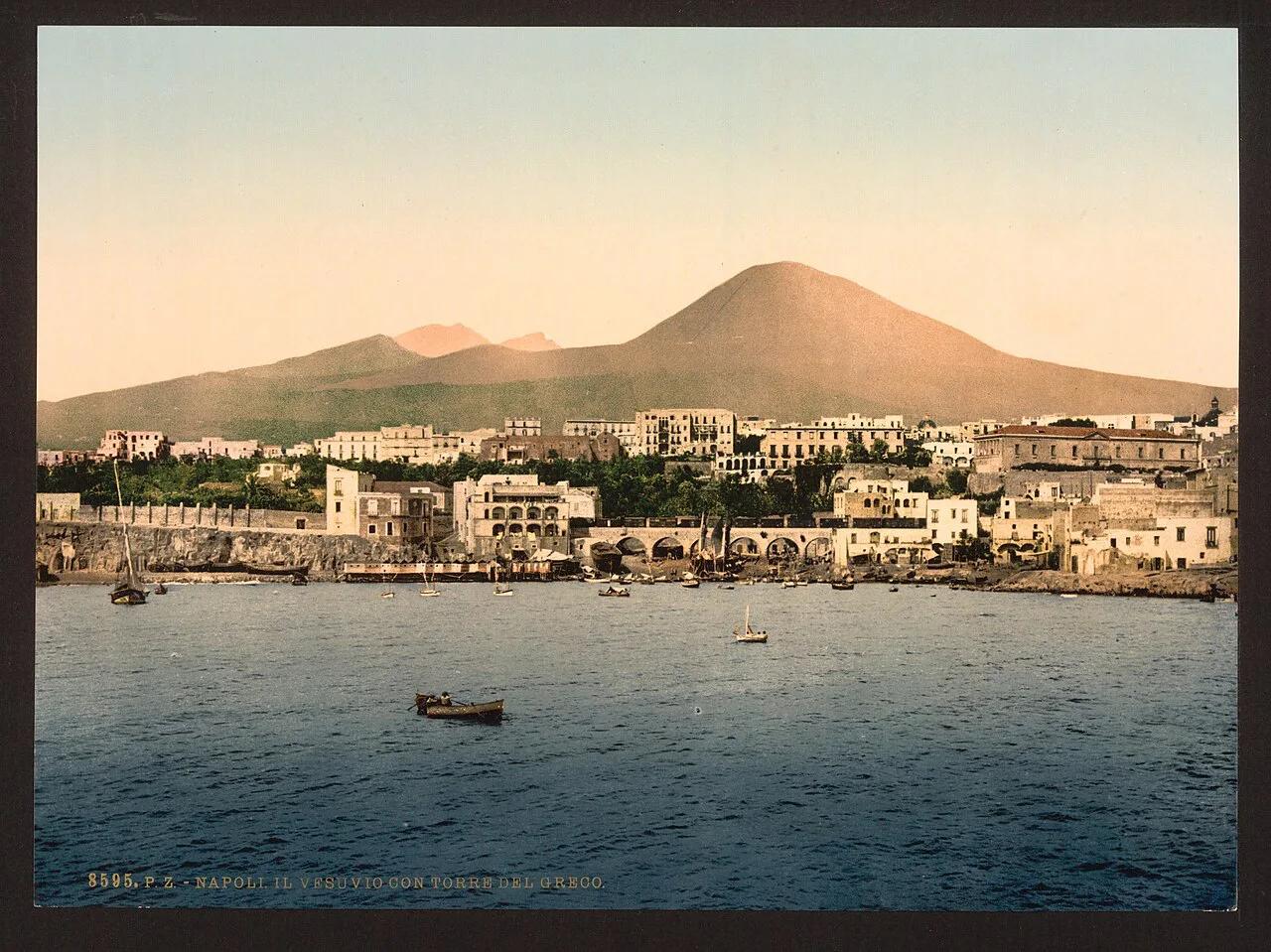
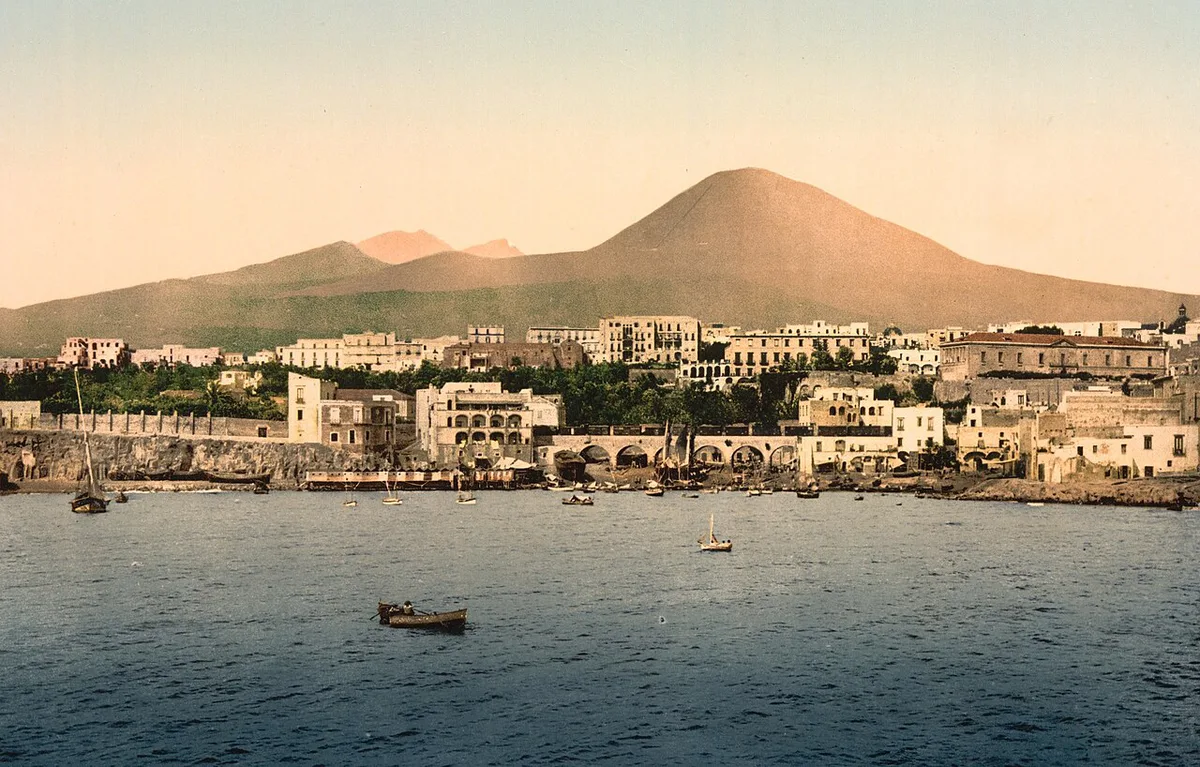
Featured image: Photochrom Print Collection, Public domain, via Wikimedia Commons.
What Is the Vesuvius Red Zone?
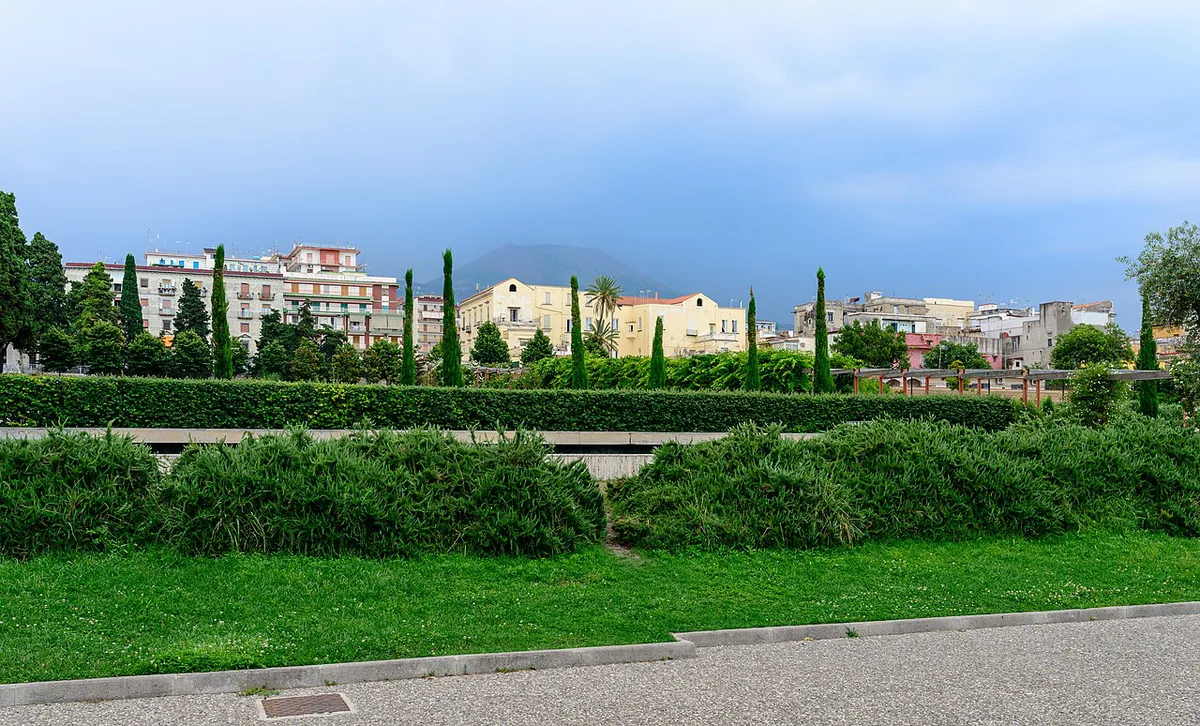
Italy's Civil Protection Department divides the area around the volcano into planning zones. Its Vesuvius emergency plan calls the most exposed zone the zona rossa. Residents there would be moved out before an eruption, because pyroclastic density currents are the hazard that cannot be outrun or sheltered from.
Pyroclastic density currents are fast avalanches of hot gas, ash and rock. They are what buried Herculaneum and Pompeii in 79 AD, as covered in our guide to the 79 AD eruption. Today's zoning exists so a repeat would not catch a modern population unprepared. The red zone does not mean an eruption is near. For current volcano status, read whether Vesuvius is still active.

Red, Yellow and Blue Zones Compared
Each zone answers a different hazard. Municipal boundaries and legal definitions are revised by the authorities, so read the current version on the Civil Protection page before quoting any list.
| Zone | Main hazard | Planned response | What it means for visitors |
|---|---|---|---|
| Red (zona rossa) | Pyroclastic density currents | Evacuation of residents before an eruption | Planning label only. Visiting is allowed under normal park and site rules. |
| Yellow (zona gialla) | Heavy ashfall and roof loading | Shelter, with possible evacuation if ash accumulates | Little effect on a day trip. |
| Blue (zona blu) | Flooding and mudflows in the Nola area | Local response under the regional plan | Rarely relevant to tourists. |
Which Places Are Inside the Vesuvius Red Zone?
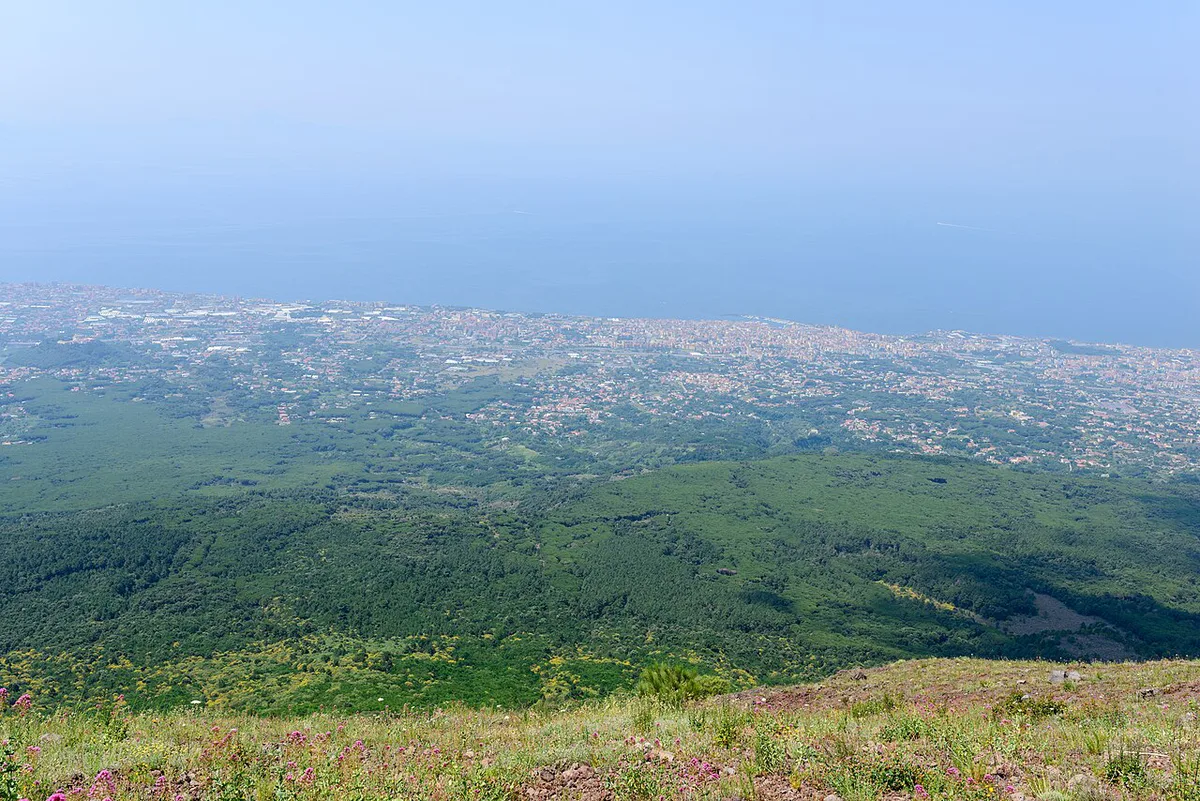
The red zone is defined by municipality, so the answer depends on the town and not on how close a site looks to the crater. Ruins that are famous for 79 AD are not a reliable guide, as ancient damage and modern risk planning follow different logic. Use the official municipality list, then the Mount Vesuvius Map: Location, Trail and Getting There, to place your own base.
Pompeii was buried in 79 AD, but its visitor rules come from the Pompeii Archaeological Park, not the zoning.
| Place | Zone status | Visitor consequence |
|---|---|---|
| Summit crater and park trails | Within the volcano's own area. The official list names the municipalities involved. | Open under park rules. See the crater guide. |
| Pompeii | Set by the municipality list on the Civil Protection page. | Visitor rules come from the Pompeii Archaeological Park, not the zoning. |
| Herculaneum (Ercolano) | Set by the municipality list. | Normal site opening rules apply. |
| Oplontis (Torre Annunziata) | Set by the municipality list. See the Oplontis guide. | Normal site opening rules apply. |
| Naples | Parts of the wider city fall under the plan, so look up any specific district. | Central visits are unaffected. |
| Sorrento and the Amalfi Coast | Unconfirmed in the sources reviewed. Do not assume. | Day trips run as normal. See Vesuvius from Sorrento: Train, Tour or Driver?. |
How Evacuation and Alert Levels Work
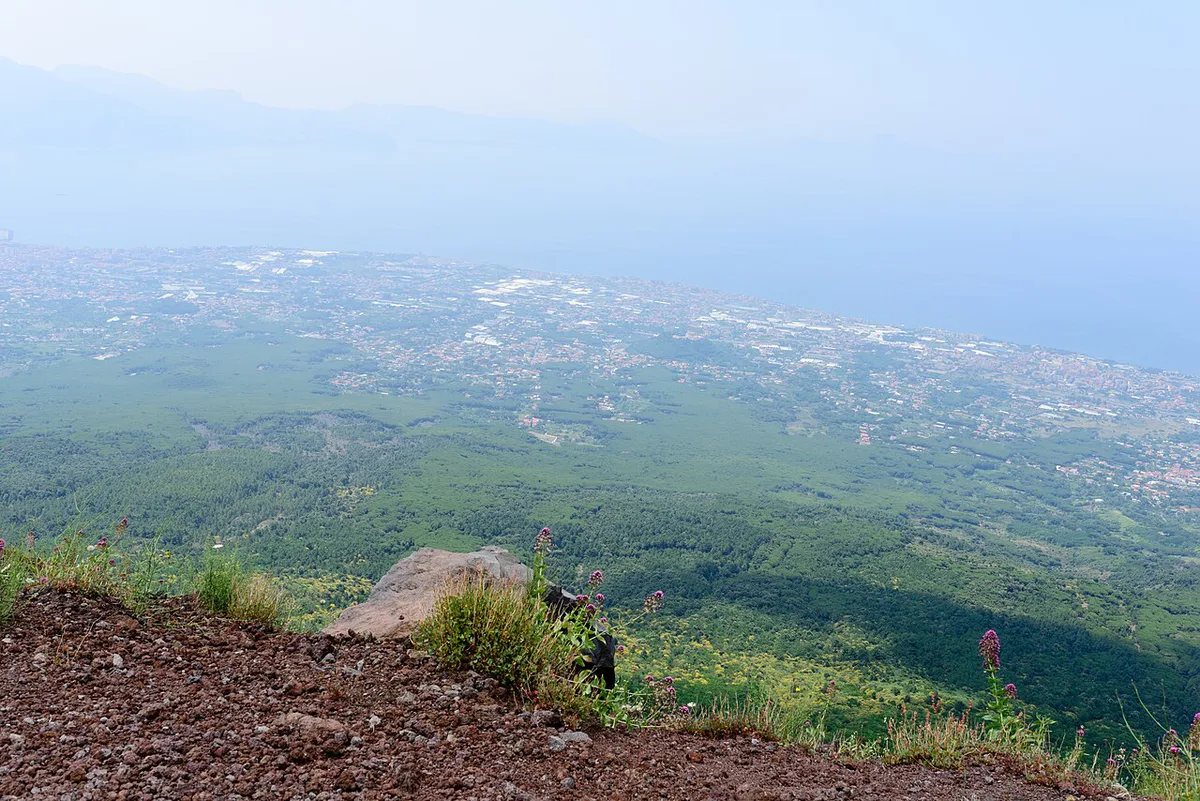
Alert levels are set by the Civil Protection Department, based on monitoring data from the Osservatorio Vesuviano. Each level triggers a defined set of actions, from heightened observation to evacuating the red zone. Evacuation is organized by municipality, with residents directed to receiving regions under a twinning arrangement. Planned lead times and routes are published only in the official plan, so quote those figures from the source rather than from video summaries.
The volcano has been quiet since 1944, as explained in our page on the last eruption of Vesuvius. Quiet does not mean extinct, which is why the plan stays active.
What the Red Zone Means for Your Visit
For most visitors the zone changes nothing practical. Access is governed by Vesuvius National Park rules, ticketing and weather. Park trails can close for weather or for monitoring reasons, so plan a flexible day.
For the crater, read the Vesuvius hike guide, then book through Vesuvius Tickets: Prices, Booking & How to Get There or choose a guided option from Vesuvius Tours: Which Type to Book, DIY Costs and Timing. Parking details are in our parking guide, and conditions are in Vesuvius Weather: Summit Conditions, Seasons & Go/No-Go Guide. For overnight stays, see Hotels Near Mount Vesuvius: Best Bases by Trip Type.
Origin routes include Naples and Pompeii. Still deciding? Read whether Vesuvius is worth visiting.
- Who might reconsider: anyone planning a long stay in a red-zone municipality who needs to know the evacuation arrangements for their accommodation.
- Who needn't worry: day-trippers on the crater trail, at Pompeii or on the coast, who follow staff and official alerts.
- Mistake to avoid: reading the red zone as a sign an eruption is imminent.
- Mistake to avoid: treating it as a ban on tourists.
- Mistake to avoid: judging risk by where the ruins sit.
- Mistake to avoid: ignoring official alert channels.
Staying Informed During Your Trip
INGV's Osservatorio Vesuviano publishes monitoring information on the volcano. Our observatory guide explains what it measures. Official alerts come through the Civil Protection Department and the Campania Region. If authorities issue instructions, follow park staff and local directions at once.
Quiet since 1944 does not mean extinct, so keep following official alerts from Civil Protection during your visit.
See our tourism attractions guide for the broader city overview.
Frequently Asked Questions
What city is under Mount Vesuvius?
Many towns ring the volcano, including Ercolano, Torre Annunziata and Pompei. Naples is the largest city in the wider area.
Were there any signs that Mount Vesuvius was going to erupt?
Today the Osservatorio Vesuviano watches for such signs through continuous monitoring. Any change would reach the public through Civil Protection alerts.