What Type of Volcano Is Mount Vesuvius? Stratovolcano Explained
Last updated November 2026: what type of volcano is Mount Vesuvius, and does the label change how you visit? It is a stratovolcano, also called a composite volcano, on the Campanian volcanic arc beside the Bay of Naples. Vesuvius is still classed as active, although it has been quiet since its March 1944 eruption.
Featured image: GOC53, CC BY 2.0, via Flickr.
Mount Vesuvius is a stratovolcano
Three questions get blurred in most short answers. One is the volcano's structure. Another is its eruption style. The third is its status. Each has a different answer for Vesuvius, and the table below separates them.
| Question | Term | Vesuvius |
|---|---|---|
| Structure | Stratovolcano (composite), nested Somma-Vesuvius cone | Steep cone of layered ash and lava rising inside an older rim |
| Eruption style | Explosive, with Plinian and pyroclastic phases | 79 AD is the classic Plinian case |
| Status | Active, currently quiet | Last eruption March 1944 |
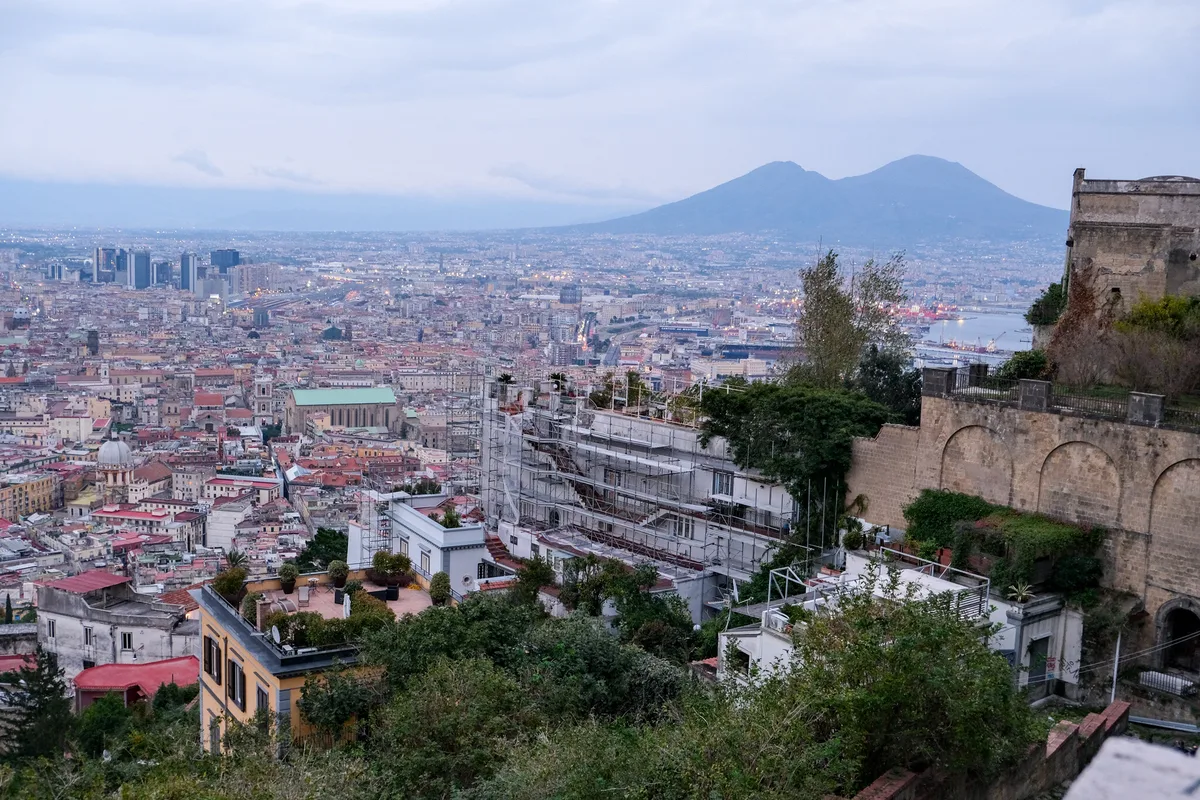
What "stratovolcano" means here
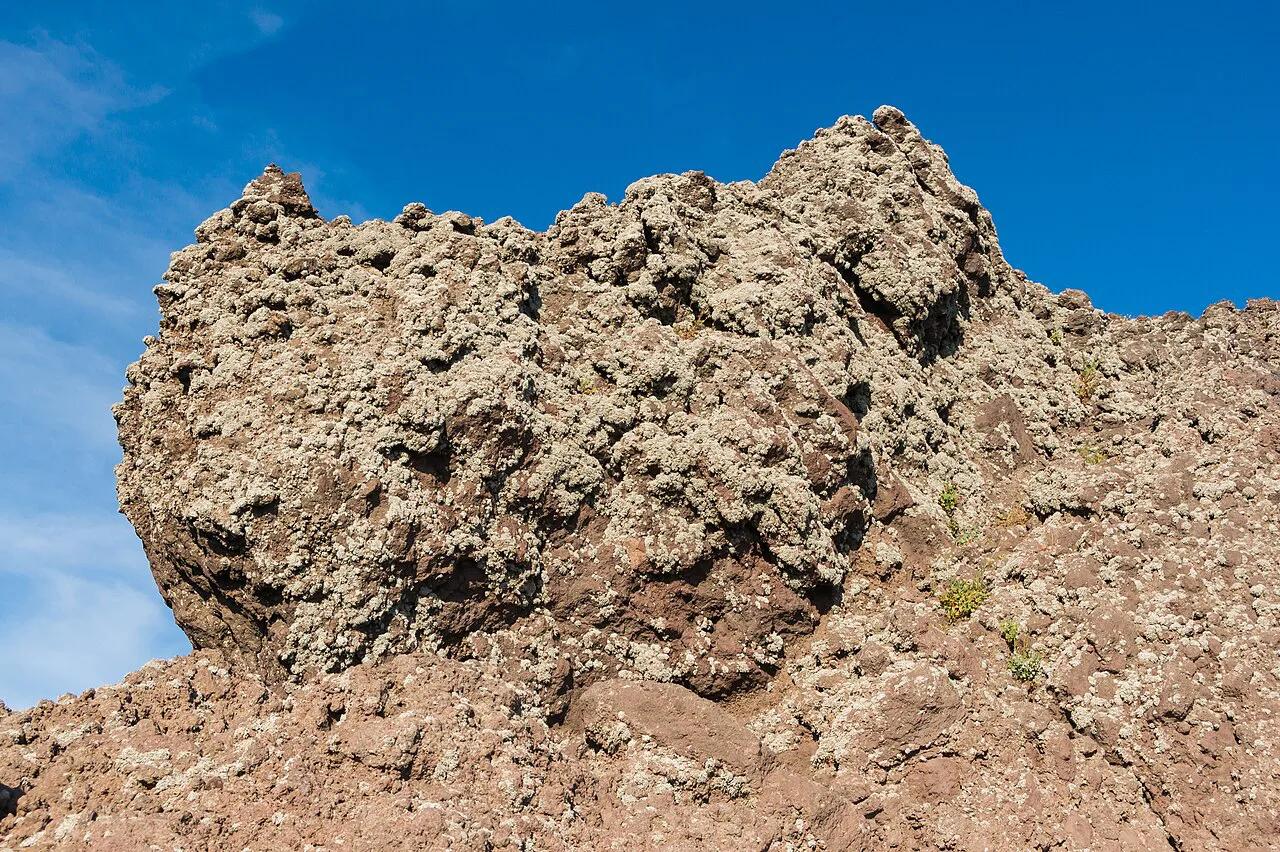
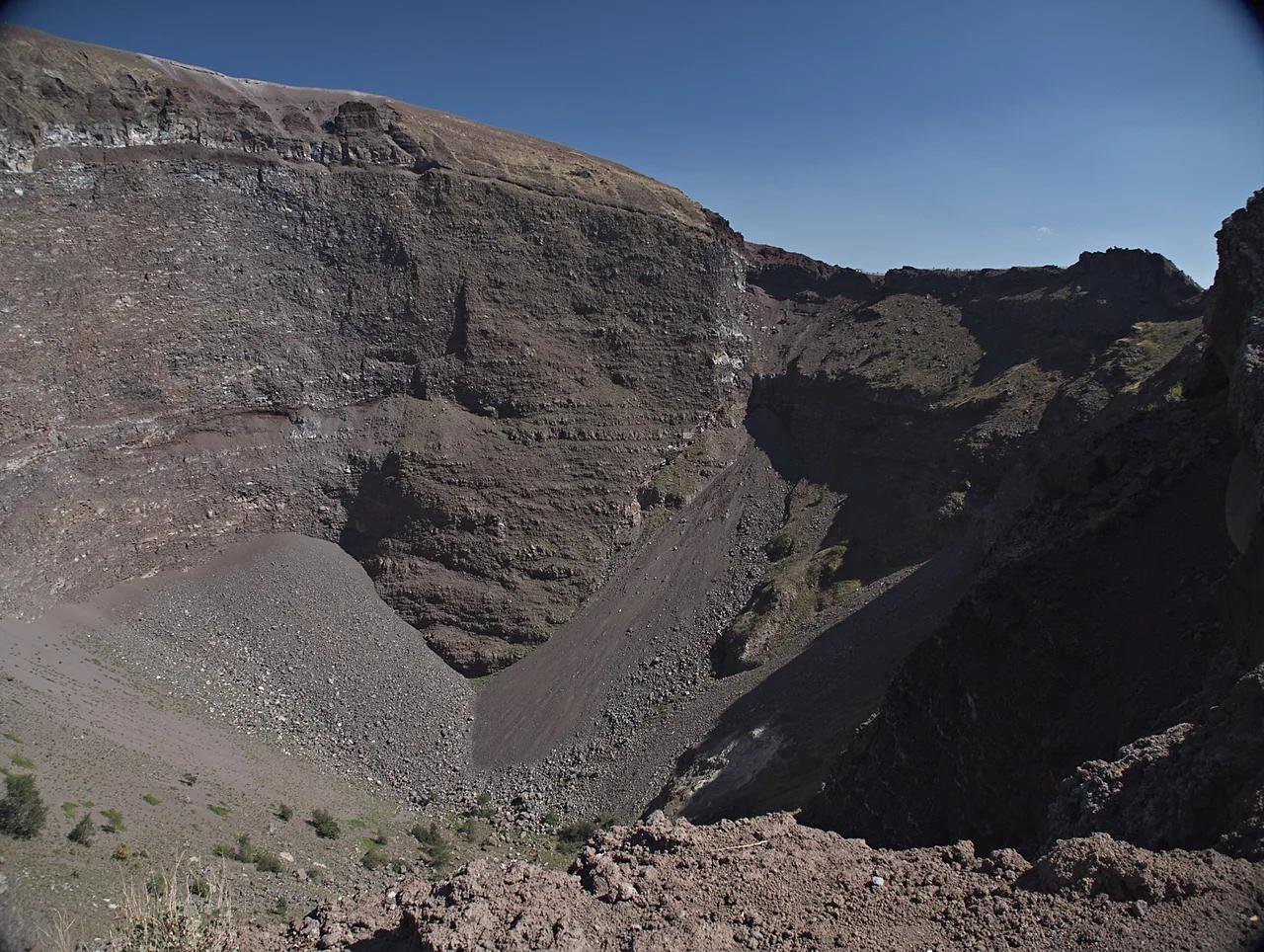
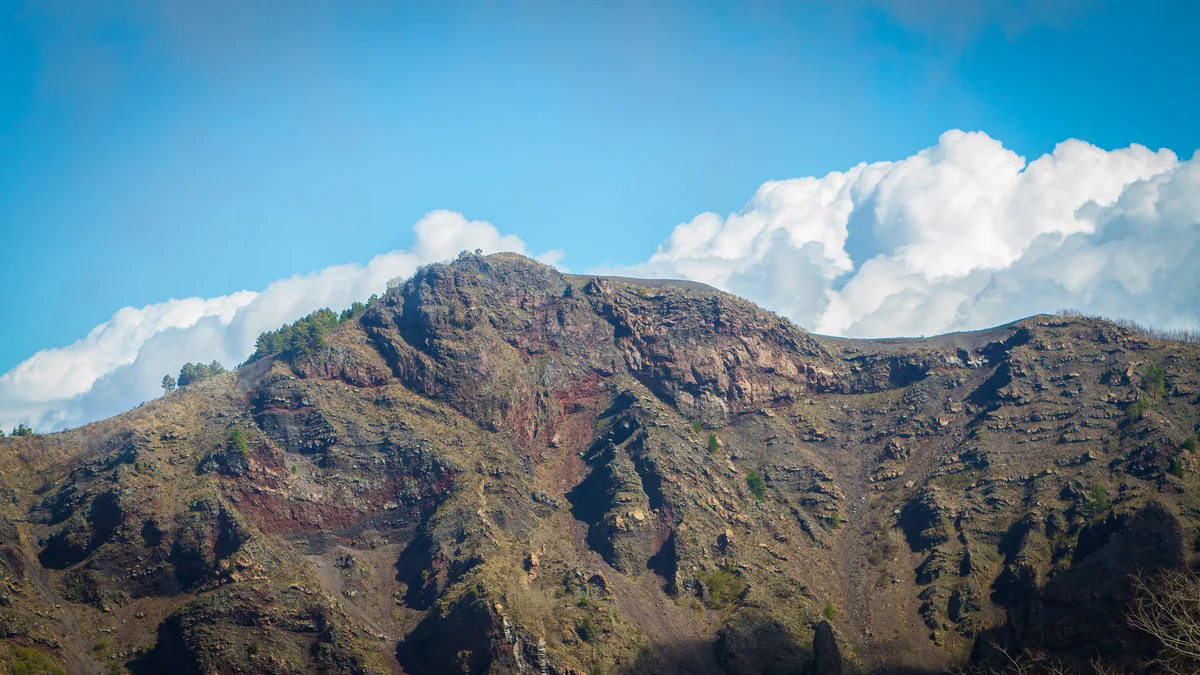
A stratovolcano is a steep cone built from alternating layers of lava, ash and rock fragments. Eruptions stack new layers on old ones over thousands of years. Vesuvius fits that pattern, and its history includes both explosive blasts and lava flows.
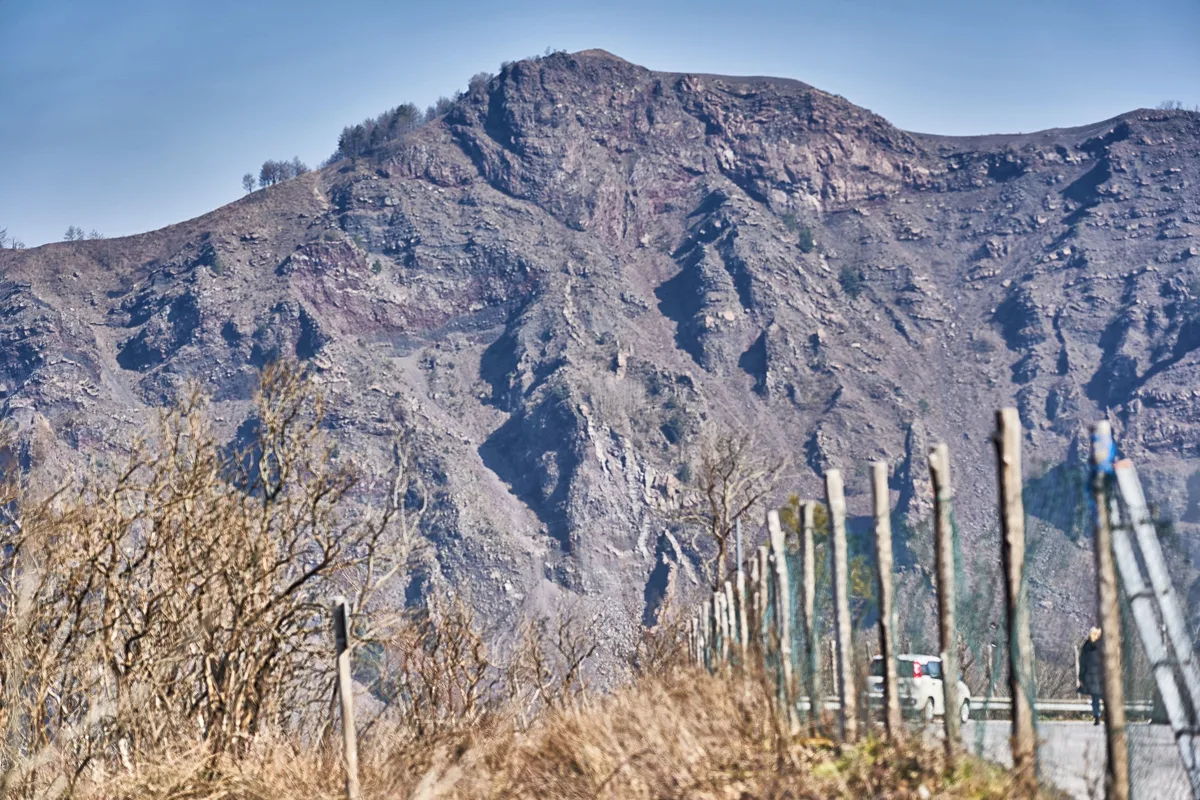
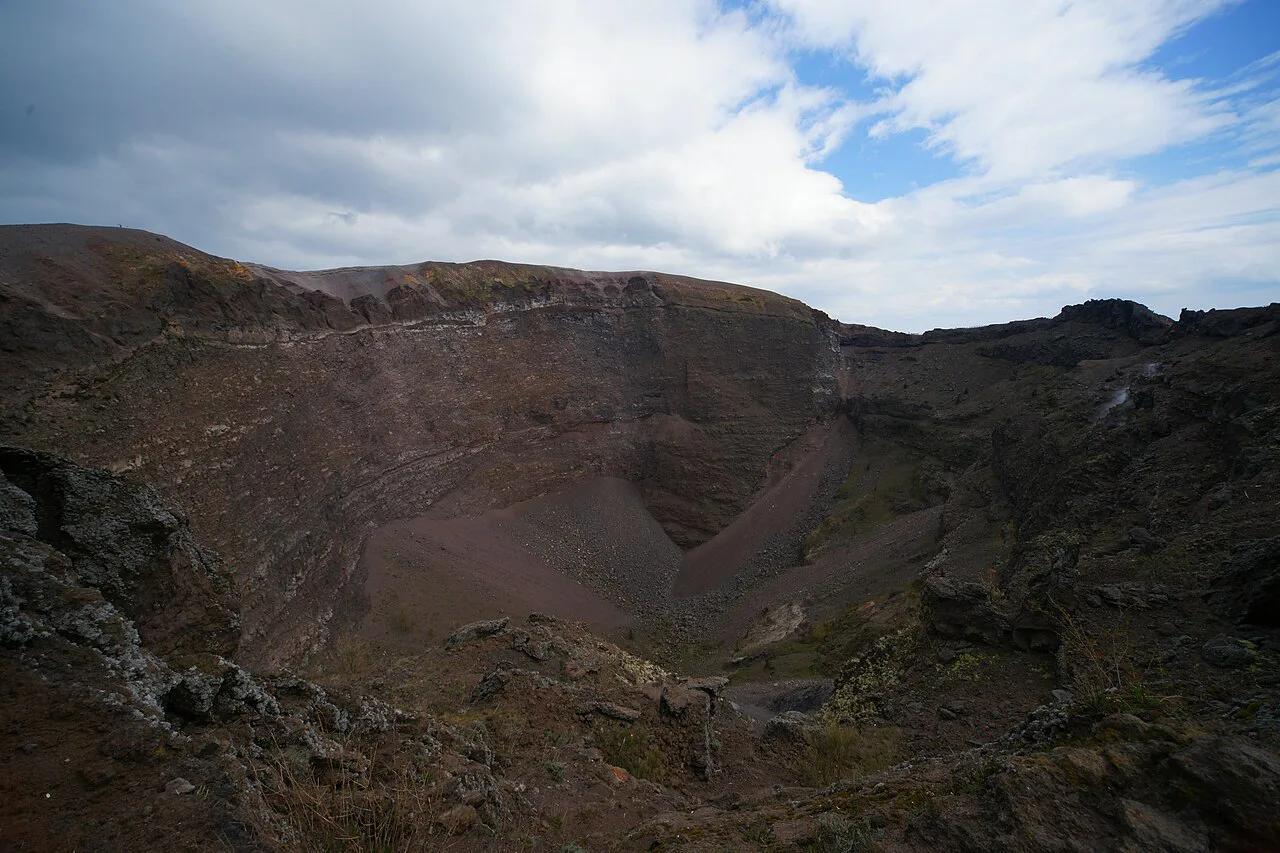
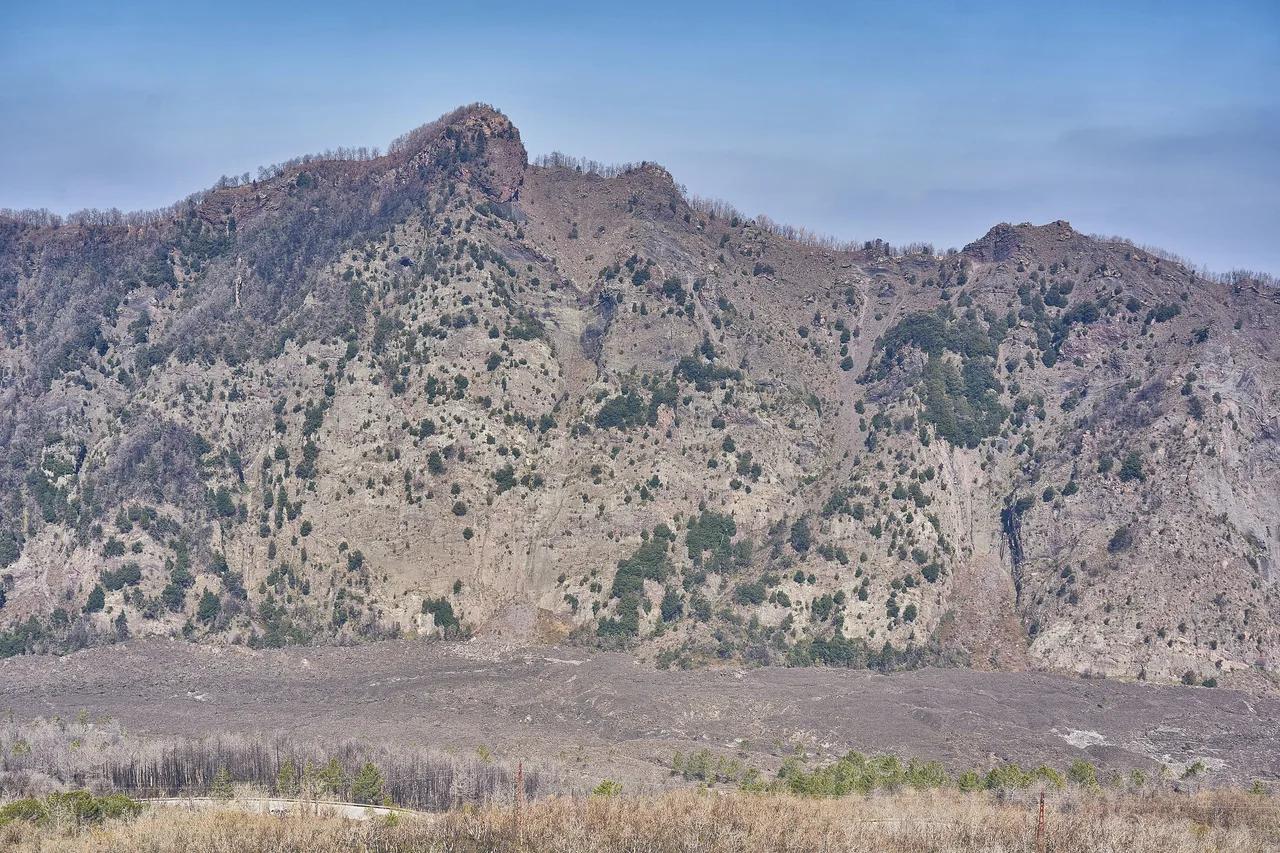
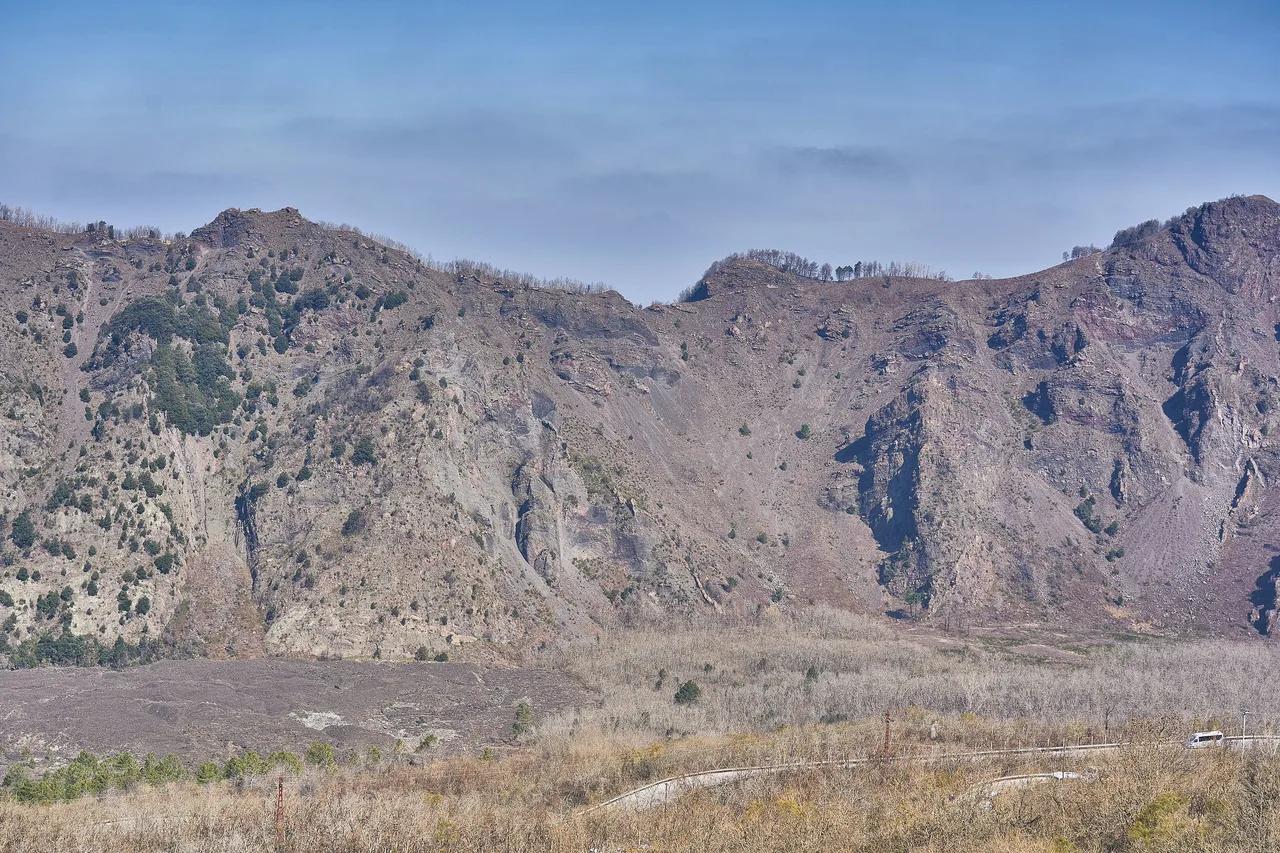
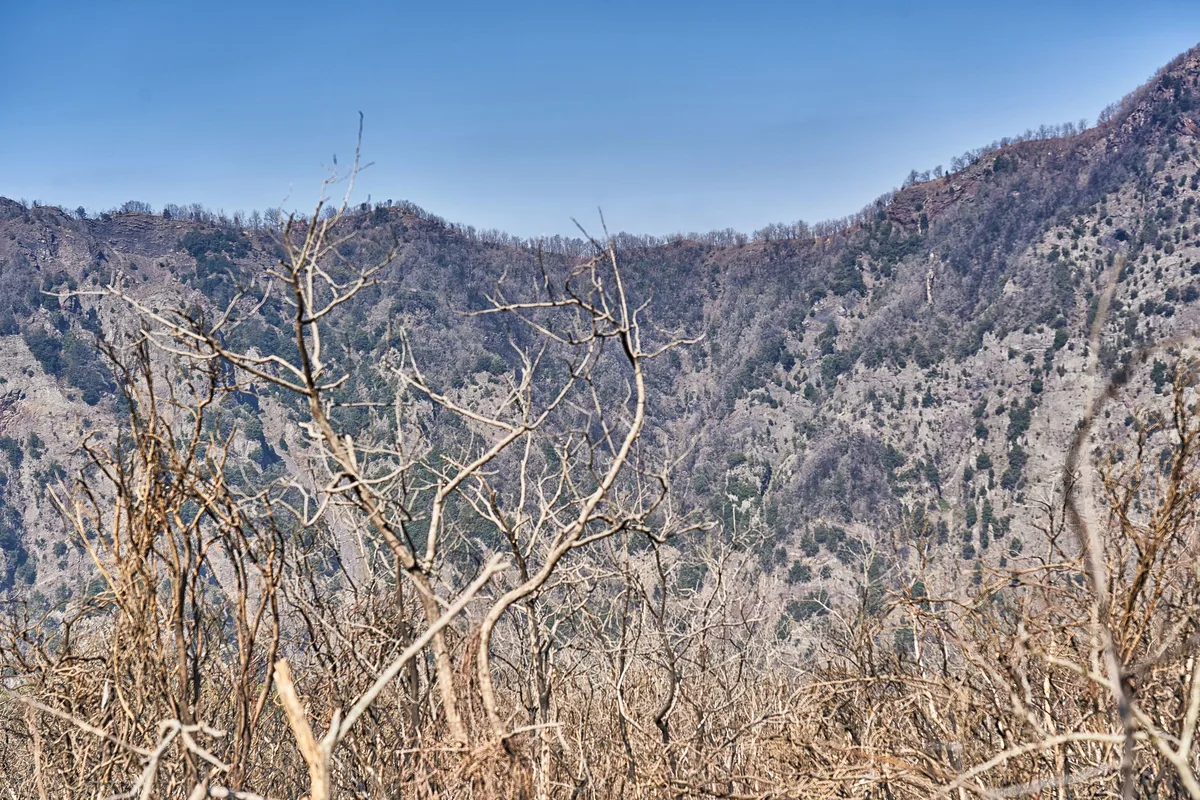
Vesuvius is also a nested structure, often called Somma-Vesuvius. Monte Somma is the older ridge that forms a partial rim on the north side. Inside that rim sits the Gran Cono, the younger cone that holds the main crater. When you look at the curved Somma ridge from the crater, you are seeing the remains of the earlier, larger volcano.
Plinian eruptions: the 79 AD link
"Plinian" describes a style of eruption, not a type of volcano. It means a tall column of gas, ash and pumice thrown high into the atmosphere. The term comes from Pliny the Younger, who watched the 79 AD eruption from across the bay and wrote it down.
So calling Vesuvius "a Plinian volcano" is a common slip. Say instead that Vesuvius is a stratovolcano that produced a Plinian eruption in 79 AD. That event had two broad phases. First came the eruption column, with falling ash and pumice. Later came pyroclastic surges, which are fast, hot clouds of gas and debris that race down the slopes.
Our guide to the 79 AD eruption sequence covers the timeline in more detail. Casualty estimates for that event vary between sources, so treat any single figure with care.
Why Vesuvius erupts the way it does
Vesuvius belongs to the Campanian volcanic arc. This chain of volcanoes sits above a subduction zone where the African plate slides beneath the Eurasian plate. Subduction feeds gas-rich magma upward, and gas-rich magma tends to erupt explosively.
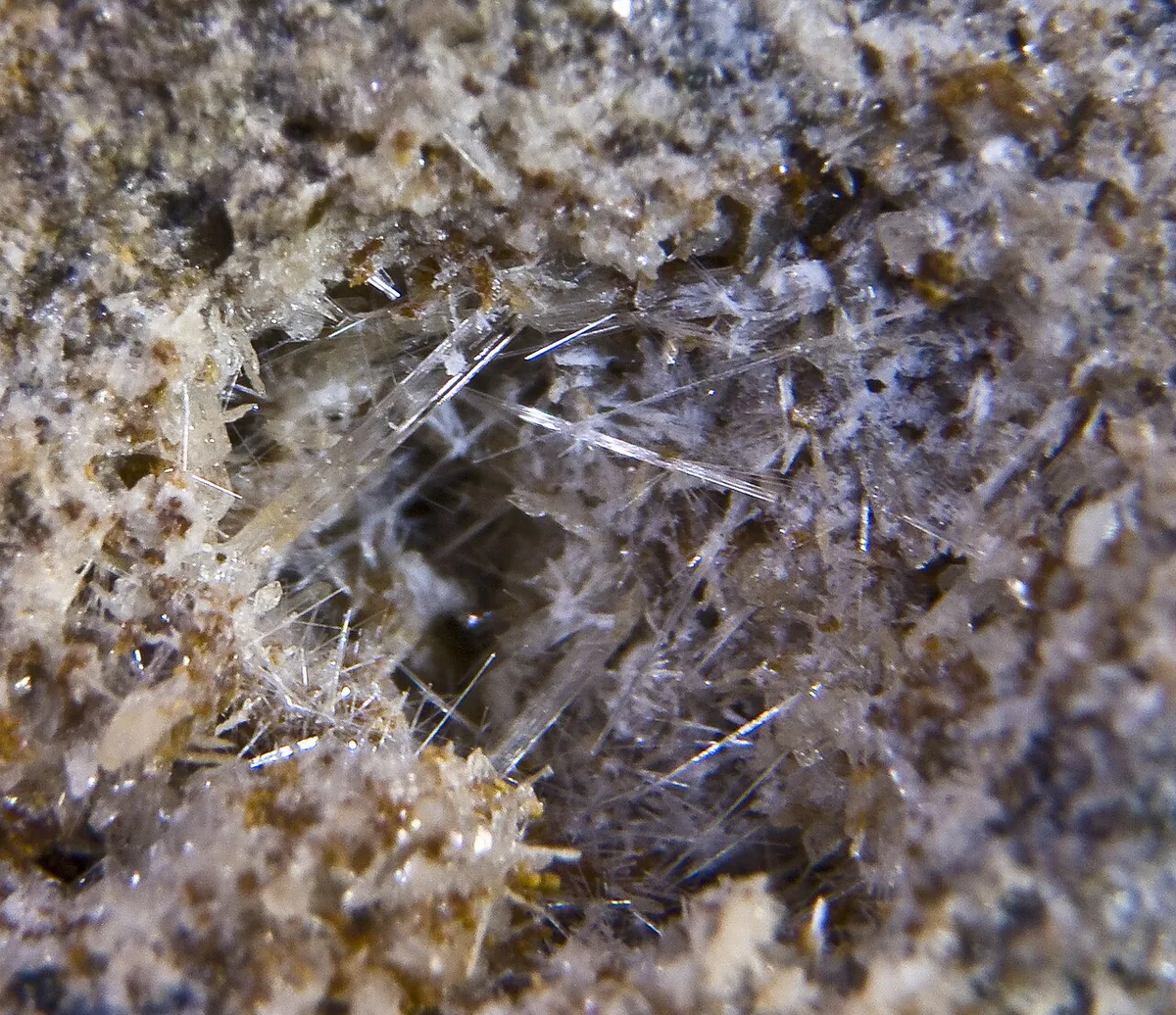
Some researchers describe a tear in the sinking slab beneath Vesuvius, often called a slab window. That tear is linked to rock chemistry that differs slightly from nearby volcanoes. Magma composition is a technical subject, and wording varies between studies. For precise current descriptions, use the research pages of INGV Osservatorio Vesuviano.
Vesuvius eruptions that show its stratovolcano behavior
A stratovolcano rarely repeats itself exactly. Vesuvius has alternated between long, quiet repose periods and eruptions that were explosive, effusive, or a mix of both. Four events show the range.
- 79 AD: the Plinian eruption that buried Pompeii and Herculaneum. A tall ash and pumice column was followed by pyroclastic surges.
- 1631: an explosive eruption that came after a long quiet spell. Historical death tolls are uncertain and vary between sources, but it is regarded as one of the most destructive since antiquity.
- 1906: a major eruption in early April with lava flows and heavy ashfall over the surrounding towns.
- March 1944: the most recent eruption, dominated by lava flows that overran the villages of San Sebastiano and Massa di Somma, followed by fountaining and ash.
The pattern matters for the type question. The same cone has produced violent, gas-driven blasts and slower lava output, which is typical of a composite volcano fed by viscous, gas-rich magma. It also explains why scientists say the style of the next eruption cannot be predicted from the last one.
Our Mount Vesuvius eruption guide follows the timeline in more detail, including what each event changed on the mountain.
Active, dormant or extinct?
Vesuvius is classed as active. It is not extinct, and "dormant" is only accurate if you keep the "active" qualifier. Status checked November 2026. For a fuller answer, see whether Vesuvius is still active.
Its last eruption was in March 1944. Do not confuse that with the last major eruption, which is a different question. Our page on the 1944 eruption explains the distinction.
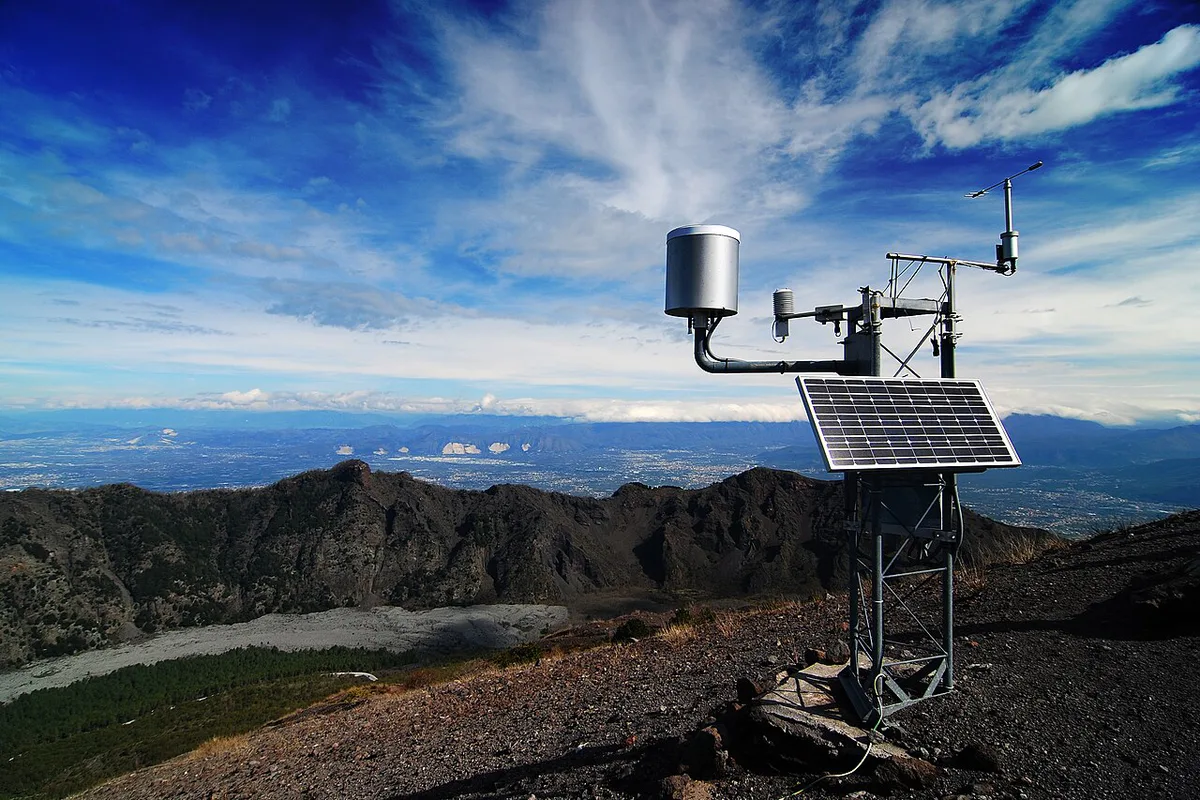
Scientists watch the volcano continuously. The Vesuvius Observatory: History, Visiting & Monitoring tracks earthquakes, ground movement and gas from fumaroles. Around 3 million people live in the wider Naples area, according to commonly cited estimates, which is why monitoring matters. Italy's civil protection authority publishes an emergency plan for the area on its Vesuvius risk page. Evacuation planning centers on the Vesuvius Red Zone: What It Is and Visitor Impact.
How Vesuvius compares with nearby volcanoes
Vesuvius is not the same kind of volcano as its neighbors. Campi Flegrei is a large caldera system, not a single cone. Etna in Sicily is a stratovolcano too, but it is more frequently active.
| Volcano | Type | Character |
|---|---|---|
| Vesuvius | Stratovolcano with nested Somma cone | Explosive history, quiet since 1944 |
| Campi Flegrei | Caldera system | Many vents across a wide depression west of Naples |
| Etna | Stratovolcano | Frequently active, lava-dominated |
What the volcano type means for your visit
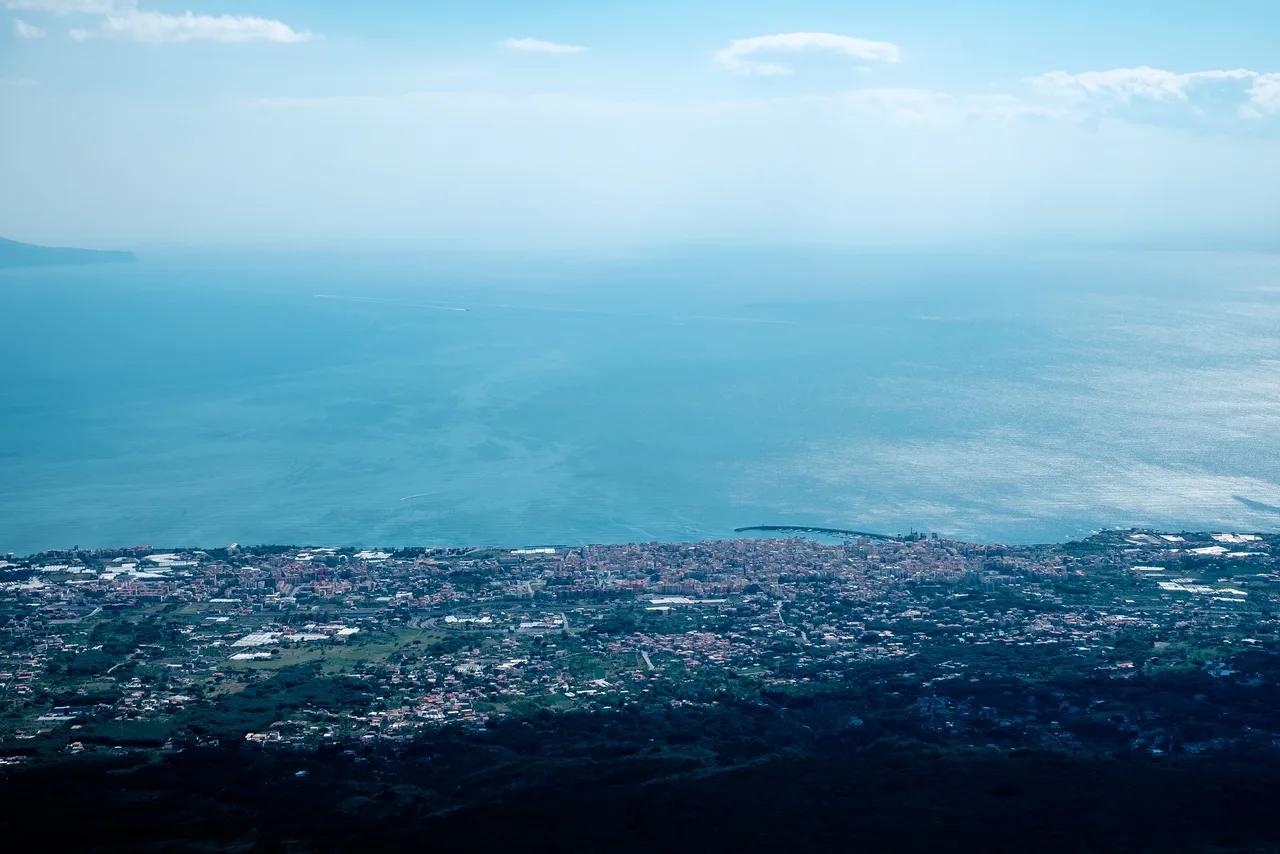
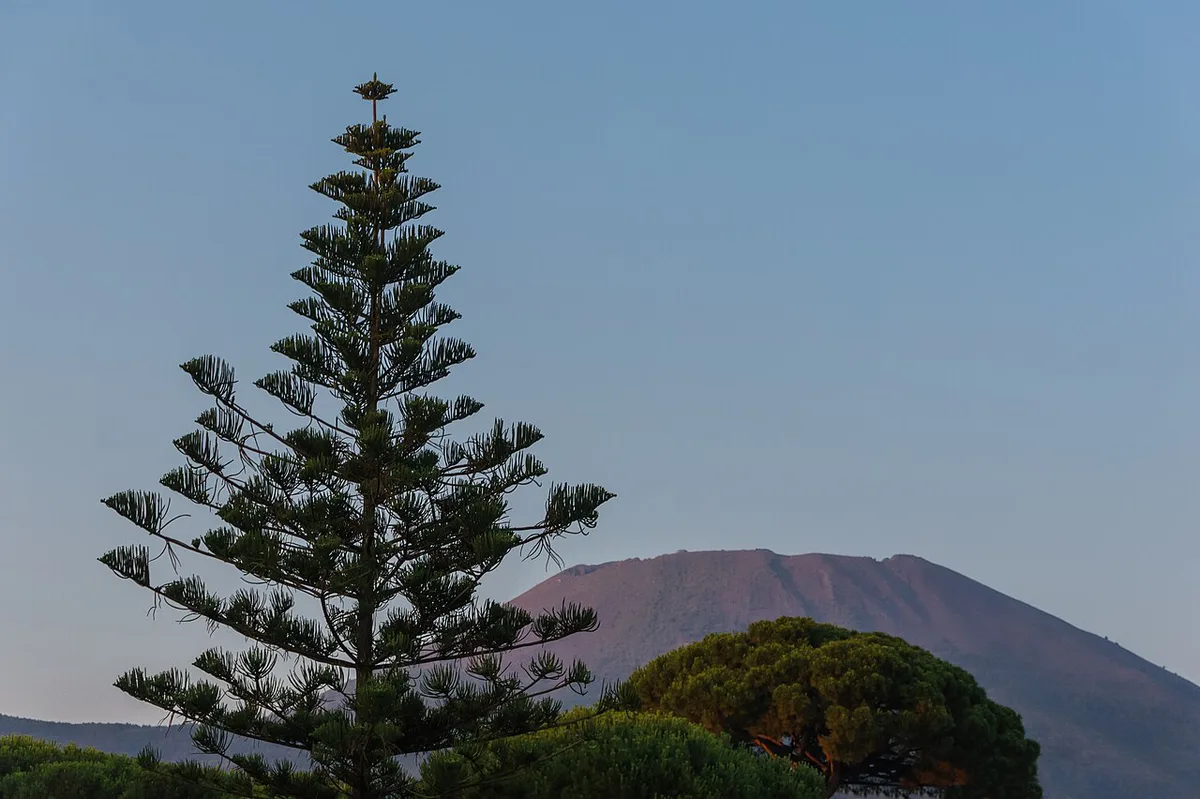
A stratovolcano shows up on the ground as a steep, layered cone with a crater rim. Expect cinder, ash-colored slopes and wide views over the Bay of Naples. At the rim you can look into the Vesuvius crater and may see steam from fumaroles.
Monitoring covers the wider Naples area, where about 3 million people live, so the volcano's status matters well beyond the crater rim.
You will not see flowing lava. Access rules, tickets and path conditions change, so check the Vesuvius National Park site before you go. Our pages on the Vesuvius hike and Vesuvius Tickets: Prices, Booking & How to Get There cover the practical steps.
Undecided about the trip? Read whether Vesuvius is worth visiting. For quick reference, our Vesuvius fact sheet collects the basics.
Common mistakes about Vesuvius
Short answers online often repeat the same errors. Keep these in mind when you read or write about the volcano.
- Calling it extinct, or calling it dormant without saying it is still classed as active.
- Saying "Plinian volcano" when Plinian describes an eruption style.
- Mixing up the last eruption (March 1944) with the last major eruption.
- Confusing Vesuvius, a cone, with Campi Flegrei, a caldera system.
- Claiming it is the only active volcano on mainland Europe, since Campi Flegrei is active too.
Where to go next
Start with our main guide to 5 Ways to Visit Mount Vesuvius: Hiking & Facts Guide for visiting context. The definition above gives you the vocabulary to read official updates correctly.
Frequently Asked Questions
Did Mount Vesuvius have lava?
Yes. Its eruption history includes lava flows as well as ash clouds and pyroclastic surges. Today visitors see steam and rock at the crater rim, not flowing lava.
Is Vesuvius going to erupt again?
Vesuvius is active, so a future eruption is possible. Nobody can give a reliable date. Scientists monitor it continuously, and Italy maintains an official emergency plan for the area.