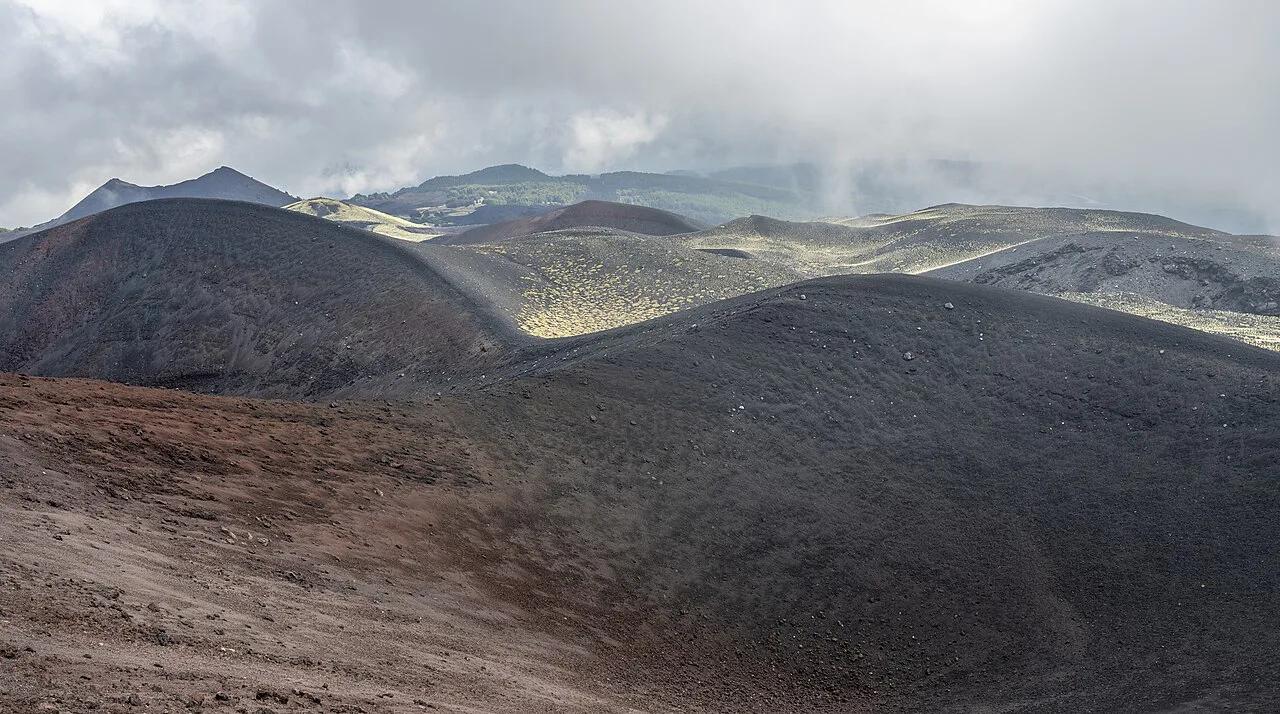
Last updated November 2026: Vesuvius from Rome works as a day trip, but it is a long one with two separate legs. You take a high-speed train from Roma Termini to Napoli Centrale, then local transport to the volcano. Pompeii usually gets bundled into the same day, which makes the schedule tight.
Featured image: Unknown, Public domain, via Wikimedia Commons.
Can you visit Vesuvius from Rome in a day?
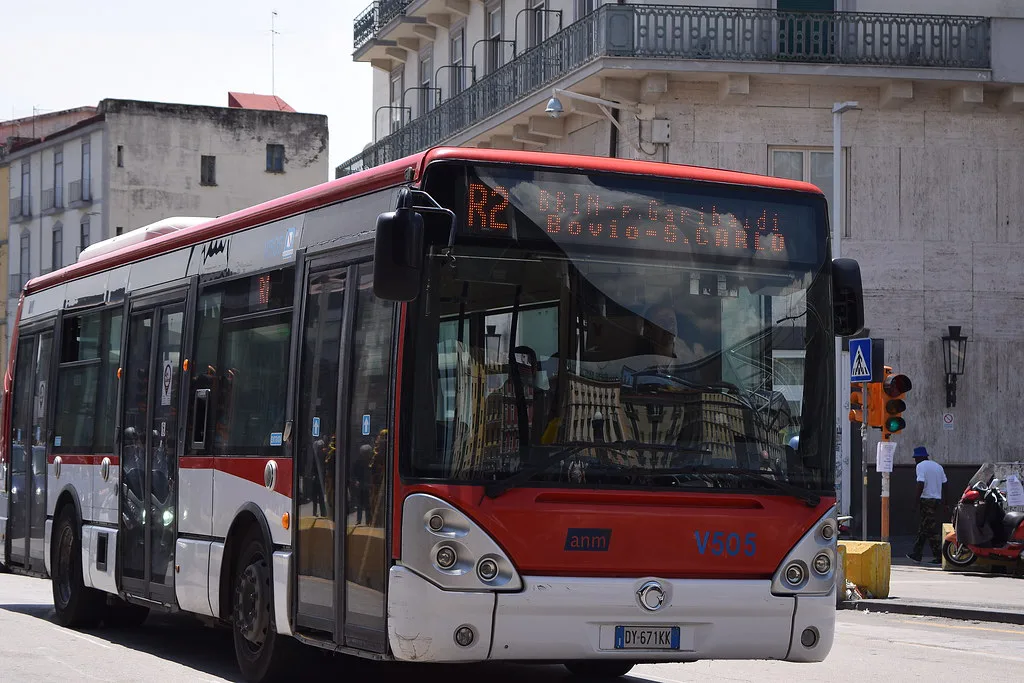
Yes, but no direct service links Rome and the volcano. Leg one is Rome to the Bay of Naples. Leg two is the local transfer from Naples, Ercolano or Pompeii up to the park. Private tours from Rome list about 12 hours door to door, and that includes a roughly 2-hour guided Pompeii visit. Independent travelers should expect a similar or longer day. Treat it as a demanding full day rather than a casual outing. Anyone with only one or two nights in Rome should weigh it against Rome's own sights first. For a verdict on whether the volcano earns the effort, read this worth-the-trip assessment.
Vesuvius from Rome: your transport options
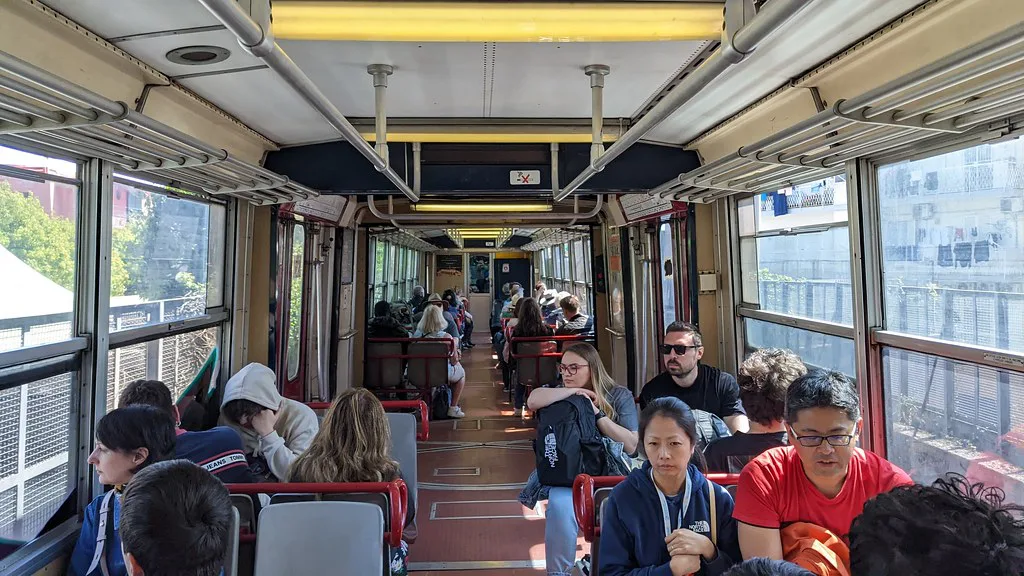
Four realistic ways exist to make the trip. Costs are shown as relative levels because fares and tour prices change by season. Check current fares on the operators' own sites before you book. A private day trip from Rome typically includes hotel pickup, a minivan with a driver and Vesuvius entry tickets. Guide coverage on that format usually stops at Pompeii. For group options, see these Vesuvius tour formats.
| Option | Total time | Relative cost | Flexibility | Best for |
|---|---|---|---|---|
| Train to Napoli Centrale, then local rail and shuttle | Longest, with several connections | Lowest to mid | High, but you carry the connection risk | Independent travelers on a budget |
| Group tour | About a full day | Mid | Low, fixed stops | Travelers who want no planning |
| Private driver and guide | About 12 hours listed | Highest | Medium, set by the driver | Families and small groups |
| Self-drive | Depends on traffic | Mid, plus parking | High | Confident drivers who want control |
A realistic day timeline

Build the day backward from your last train to Rome. Leave a buffer after the volcano, because a missed connection can cost an hour or more at Napoli Centrale. Vesuvius alone fits comfortably. Vesuvius plus Pompeii fits only with an early start. Adding a third site does not fit. The sequence below works for the independent route.
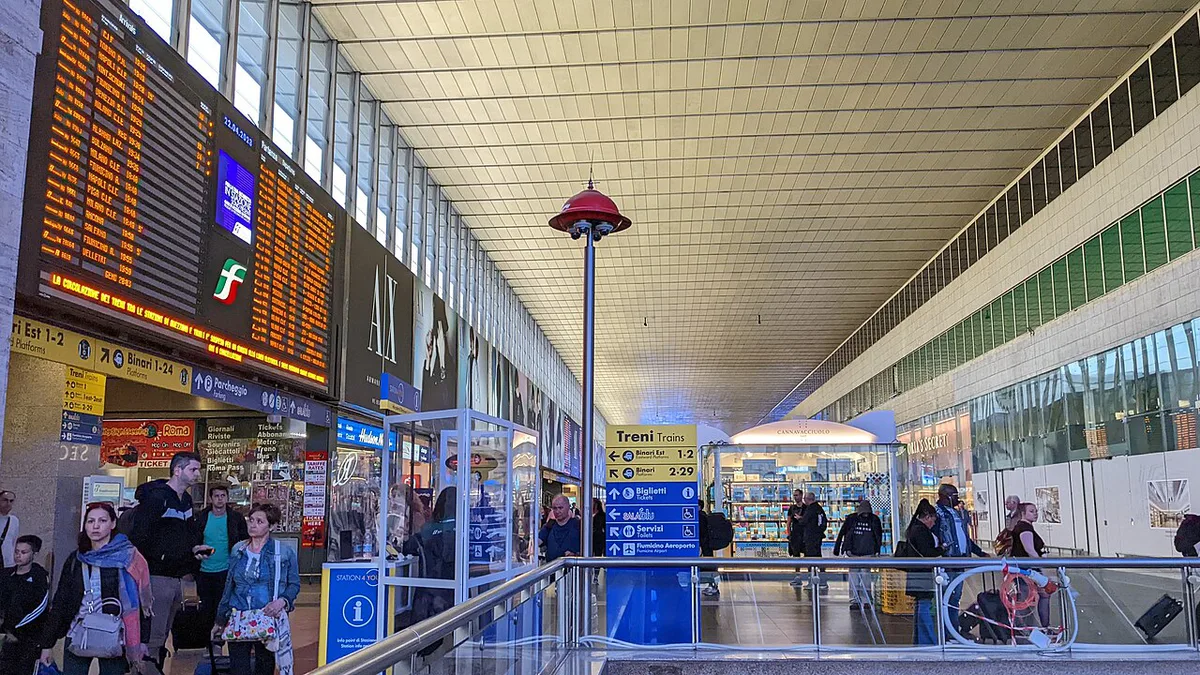
- Early train from Roma Termini to Napoli Centrale.
- Circumvesuviana from Naples to Ercolano Scavi.
- Onward transfer to Quota 1000, then the crater trail.
- Return to Ercolano Scavi, then Herculaneum or Pompeii if time allows.
- Back to Napoli Centrale with a buffer before the last Rome train.
Getting up the volcano
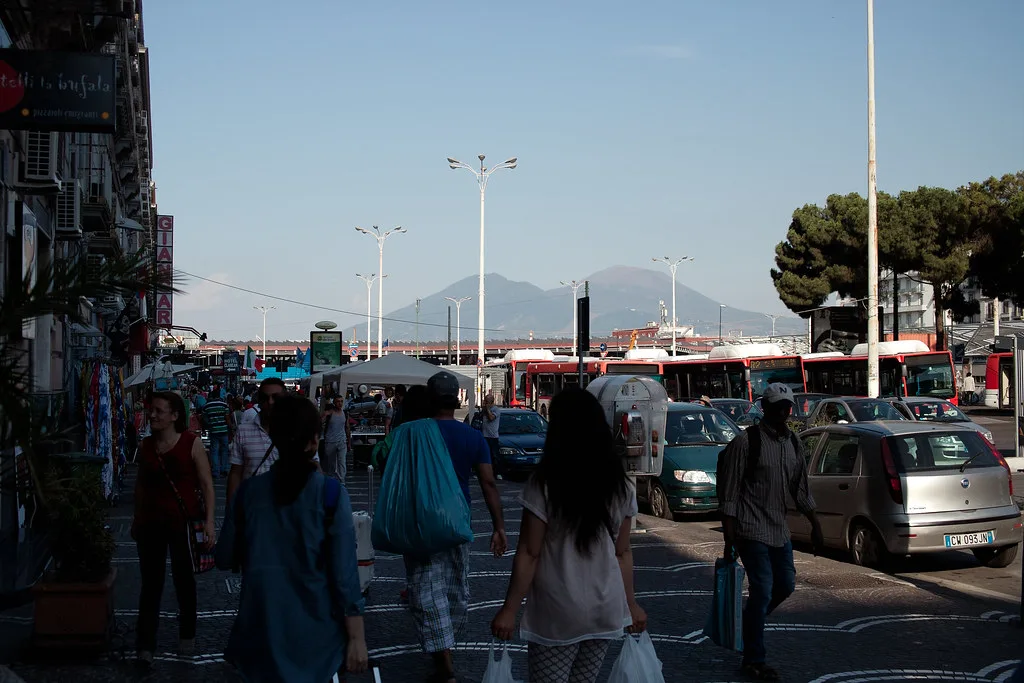
The standard independent route runs by Circumvesuviana rail to Ercolano Scavi. From there a transfer climbs to Quota 1000, the trailhead area near the summit. Timetables for the local line are on the EAV Circumvesuviana site. Walking from Quota 1000 to the crater rim is a steady uphill path on loose volcanic ground. Wear closed shoes with grip. Step-by-step transfers are covered in the guides to reaching the volcano from central Naples and from the Pompeii side. For trail details, see this crater hike guide. Drivers should read about parking near the trailhead first.
Tickets, booking and what tours include
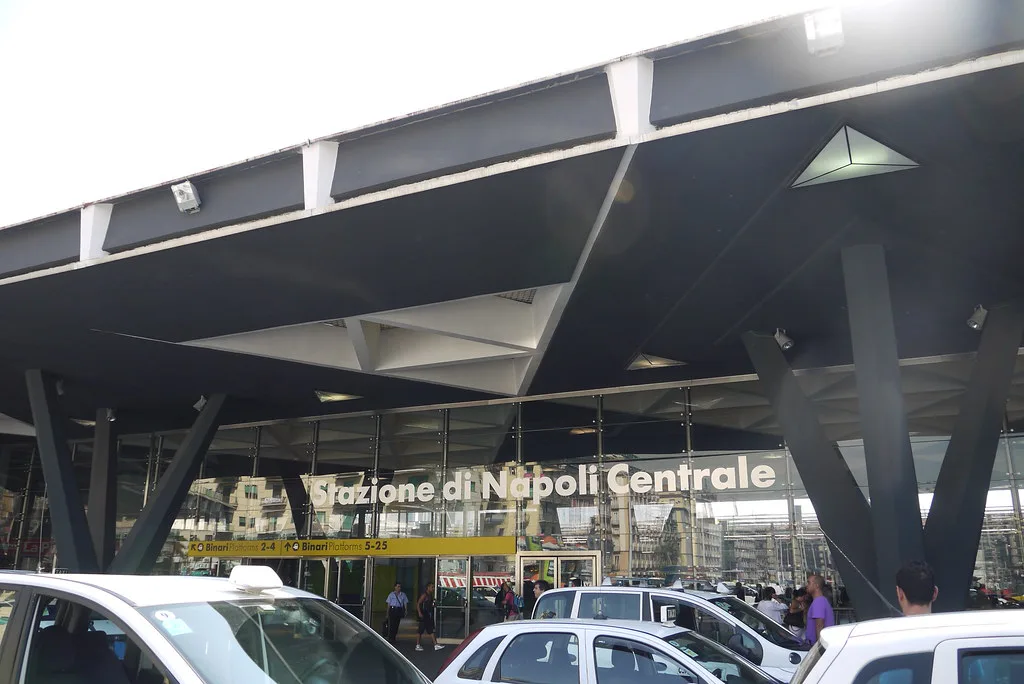
The Parco Nazionale del Vesuvio publishes current entry rules, trail status and hours. Check there whether your date needs a timed or advance slot. Our ticket overview explains the booking options. On private Rome day trips, the price typically covers transport, a roughly 2-hour guided Pompeii visit, a Pompeii entry ticket and Vesuvius entry. It typically excludes food, drink, gratuities and any guide at Vesuvius itself. You explore the crater on your own. Ask your operator to confirm that split before you pay.
Pompeii, Herculaneum or Vesuvius only?
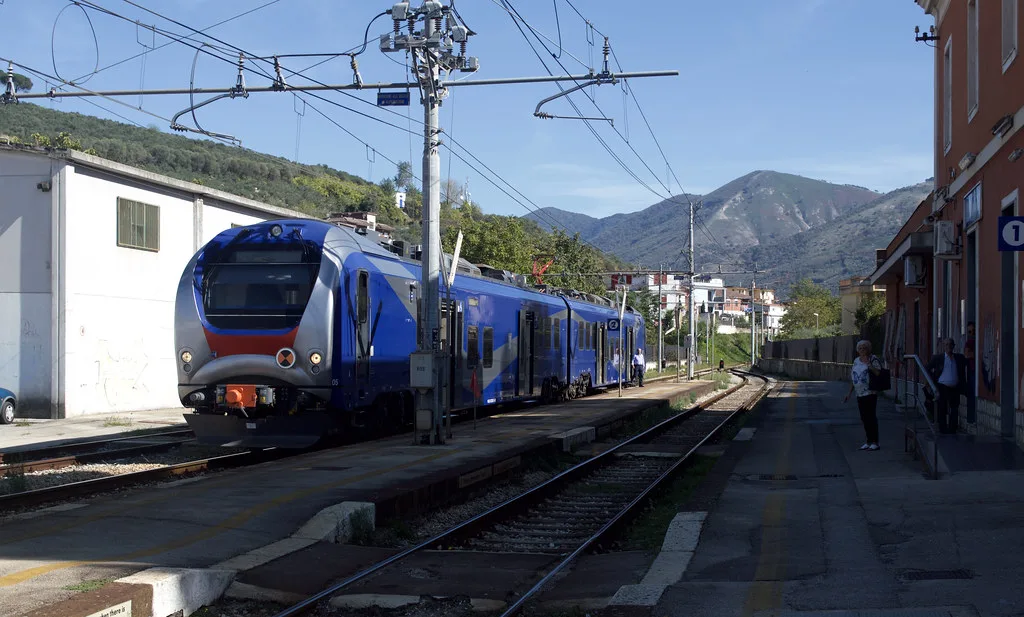
Pompeii is the large site, and a guided visit alone takes about 2 hours. Pairing it with Vesuvius leaves little slack. Herculaneum is smaller and sits beside Ercolano Scavi, the station you already use for the volcano. Choose it if you want the 79 AD story without a long walk. Details on the main ruins are on the Pompeii Archaeological Park site. For a quieter alternative, consider the villa at Oplontis. Planning both big sites at once? Cut one. The combined itinerary guide shows how operators trim the day. Background on the eruption is in this 79 AD overview.
Weather, closures and the best season
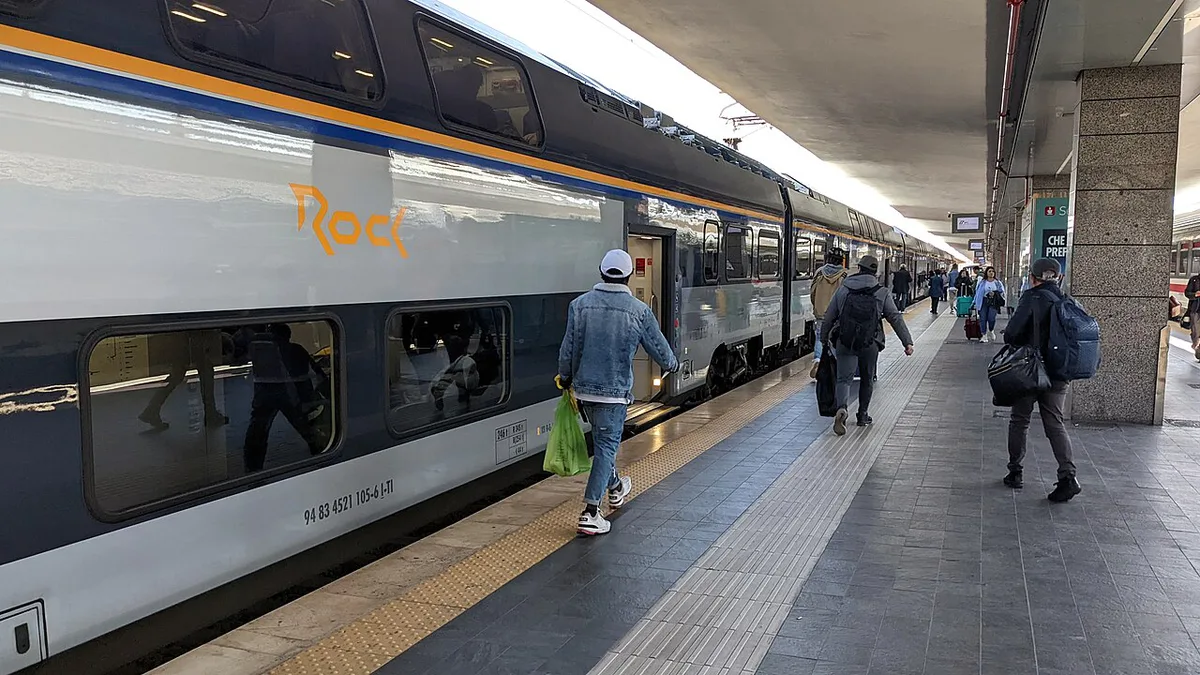
Wind, cloud and heat all affect the crater walk. Trails can close, and a closure matters more when you have a fixed return train or a prepaid driver. Check the park's status page the evening before and again on the morning of travel. Seasonal patterns are in the best-season guide. Day-of conditions are covered in the Vesuvius forecast notes. Volcano monitoring comes from INGV Osservatorio Vesuviano. Whether the volcano could erupt again is answered in the FAQ below.
Mistakes to avoid
A few errors cause most failed Vesuvius days from Rome.
- Booking a tight train connection with no buffer at Napoli Centrale.
- Arriving without checking whether a timed ticket is required.
- Wearing sandals or smooth-soled shoes on loose volcanic gravel.
- Prepaying a driver without a plan for a closed trail.
- Planning Pompeii, Herculaneum and Vesuvius in a single day.
Who should skip the day trip, and alternatives
Skip it if you have mobility limits, very young children, or only a short Rome stay. A poor forecast is another reason to wait. Ostia Antica is a ruin option on the Rome side, so you avoid the long train. Overnighting in Naples or Sorrento turns the volcano into a relaxed half day. See the guides for visiting from Sorrento and from the Amalfi Coast. For general background, start with the main Mount Vesuvius guide.
Frequently Asked Questions
Is Vesuvius going to erupt again?
Vesuvius is an active volcano under continuous monitoring. See this activity explainer for background. Current status is published by the Protezione Civile.
How do you get to Mount Vesuvius from Pompeii?
Most visitors take local transport or a taxi from the Pompeii area to the park's Quota 1000 trailhead. Another route runs by Circumvesuviana to Ercolano Scavi, then onward. Full steps are in the guide to the Pompeii-to-volcano leg.