Vesuvius Weather: Summit Conditions, Seasons & Go/No-Go Guide
Last updated November 2026. Vesuvius weather at the summit differs from the coast, so check a forecast for the mountain point and expect more wind and cooler air than in Naples. This guide gives you a seasonal table and a go, adjust or skip table for the climb. For the wider picture, start with our Mount Vesuvius guide.
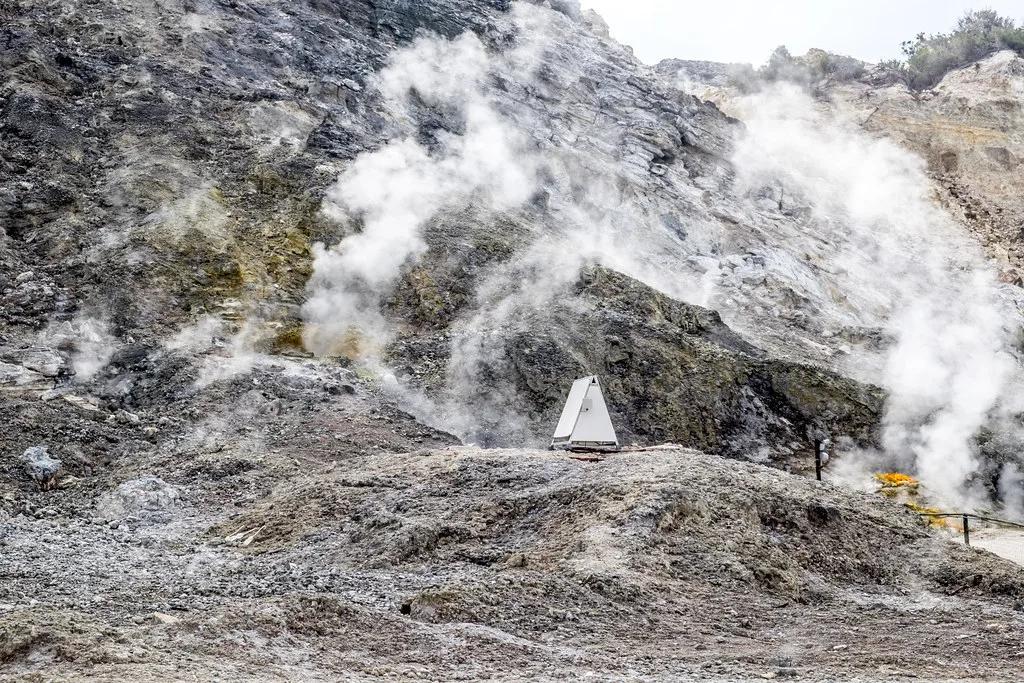
Featured image: ustung, CC BY 2.0, via Flickr.
How to Read Vesuvius Weather Before You Go
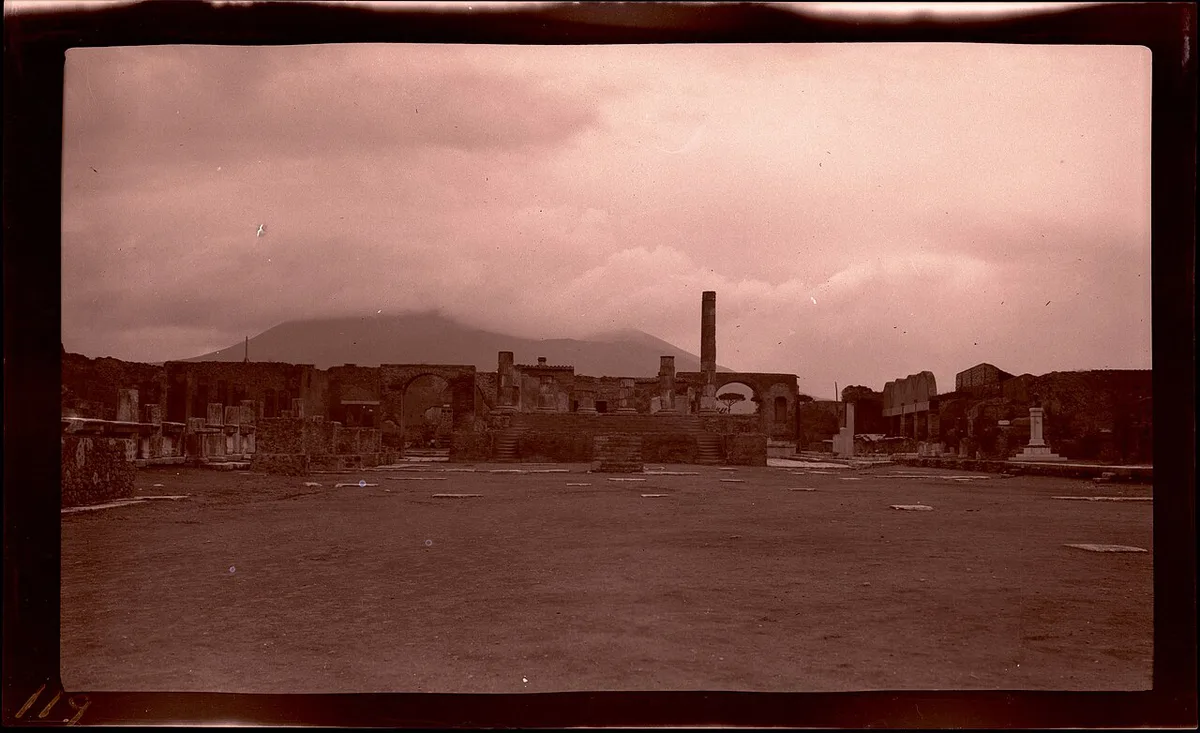
Pick the forecast point on the mountain, not Naples or Pompei. Yr, run by the Norwegian Meteorological Institute, labels its Vesuvius point as a volcano at 1,281 m (4,203 ft). That altitude is why the summit feels different from the bay. Providers can also disagree at a mountain point, so compare two sources, each set to the Vesuvius point in Italy. Cloud can sit on the cone while Naples is clear. Wind is usually the biggest change once you leave the car park.
Use the 1,281 m (4,203 ft) point when checking, and pack a windproof layer if it reads under 10°C (50°F).
- Check the forecast location label and elevation, not just the town name.
- Read wind speed and gusts separately.
- Compare rain probability with the expected amount.
- Look at "feels like" temperature, since wind chill matters on the rim.
- Note cloud cover, because it decides the view of the bay and crater.

Vesuvius Weather by Season
Expect the coast to feel milder than the rim in every season. Use this table as a packing guide, then check a live forecast close to your date. For month-level planning, see our Best Time to Visit Vesuvius: Month, Season & Time of Day page.
| Season | Feel at the summit | Main risk | What to pack |
|---|---|---|---|
| Winter | Cold, damp and windy on the rim | Low cloud, rain, icy gusts | Warm layers, windproof shell, gloves |
| Spring | Changeable, cool in the wind | Showers and fast cloud build-up | Light waterproof, fleece, grippy shoes |
| Summer | Hot on the exposed path, cooler on the rim | Heat, haze, little shade | Water, hat, sunscreen, sturdy shoes |
| Autumn | Mild but unsettled | Thunderstorms, wet loose path | Rain jacket, layers, grippy shoes |

Go, Adjust or Skip: How Conditions Change the Climb
The park authority publishes access updates, so check the national park site for closures. Specific wind and rain cut-offs are not something to guess. Treat the table as a qualitative guide. Weather is not the only reason access changes. Volcanic status comes from the Osservatorio Vesuviano, and our Vesuvius activity guide explains the difference.

| Condition | Effect on climb and view | What to do |
|---|---|---|
| Heavy rain | Loose volcanic path turns slick, views vanish | Shift to another day |
| Strong wind or wind warning | Exposed rim feels harsh, gusts affect balance | Skip or shift |
| Low cloud or fog | Little or no view of bay and crater | Shift, or go if the cloud is lifting |
| Cold, near 0°C (32°F) at altitude | Wind chill makes the rim feel colder | Go with warm layers |
| Heat above 30°C (86°F) on the coast | Exposed path with little shade | Go early, carry water |
| Thunderstorms | Open ground with no shelter | Skip |
Best Time of Day to Visit in Different Weather

Morning usually gives clearer air before haze and cloud build. Afternoon brings more crowds and, in summer, the most heat on the exposed path. Late visits risk poor light on the descent. Last-entry and closing times change, so read them on the official park page rather than relying on memory. Path surface and walking time are covered in our Vesuvius hike guide.
What to Wear and Carry
Dress for the summit, not the beach town. If the forecast sits under 10°C (50°F) at the point, add a windproof layer and gloves. Wear shoes with a grippy sole, because smooth soles slip on loose volcanic grit. Carry water in every season. The crater rim has no shelter from sun or wind.
- Dressing for Naples instead of the rim.
- Trusting a single weather app.
- Ignoring a wind warning.
- Starting late in poor light.
- Wearing smooth-soled shoes.
Weather and Tickets, Tours and Transport

Read the rebooking and weather policy before you pay. Seasonal pricing varies, so as a budgeting example only, a transfer-plus-entry package might run about €30 in the quiet months against €45 or more in July. Operators set the real rates. Our Vesuvius ticket guide covers booking. Tour operators may reschedule, though each sets its own policy, and see Vesuvius Tours: Which Type to Book, DIY Costs and Timing for options. Self-drivers should read about parking at Vesuvius. Origin weather can differ from the summit, so check conditions for Naples departures, Pompeii departures and Sorrento departures.
A transfer-plus-entry package might run €30 in the quiet months against €45 or more in July, so compare dates before you pay.
Rainy or Windy Day Alternatives Near Vesuvius
Pompeii is also exposed, so do not assume it is a dry fallback. Oplontis is a smaller villa site worth considering, but find out which areas are open and covered before you go. Naples museums are another option, including the Naples archaeological museum. If you still want both sites, compare a Pompeii and Vesuvius Tour: Which Option Fits? against separate visits.
Frequently Asked Questions
What is Mount Vesuvius like today?
Conditions change daily, so check a live forecast for the summit point and the park's access notice. Expect cooler, windier air than in Naples.
What is the weather like in southern Italy year round?
Coastal areas are generally milder than the mountains. Vesuvius adds altitude, so the rim is cooler and windier than the bay in every season.