Best Time to Visit Vesuvius: Month, Season & Time of Day
Last updated November 2026: the best time to visit Vesuvius is April to early June or late September to October, in the first hours after the park opens. Those windows give mild walking weather on the exposed Gran Cono path and clearer air than midsummer. Winter works if you accept a real chance of cloud on the rim, and July and August reward only an early start.
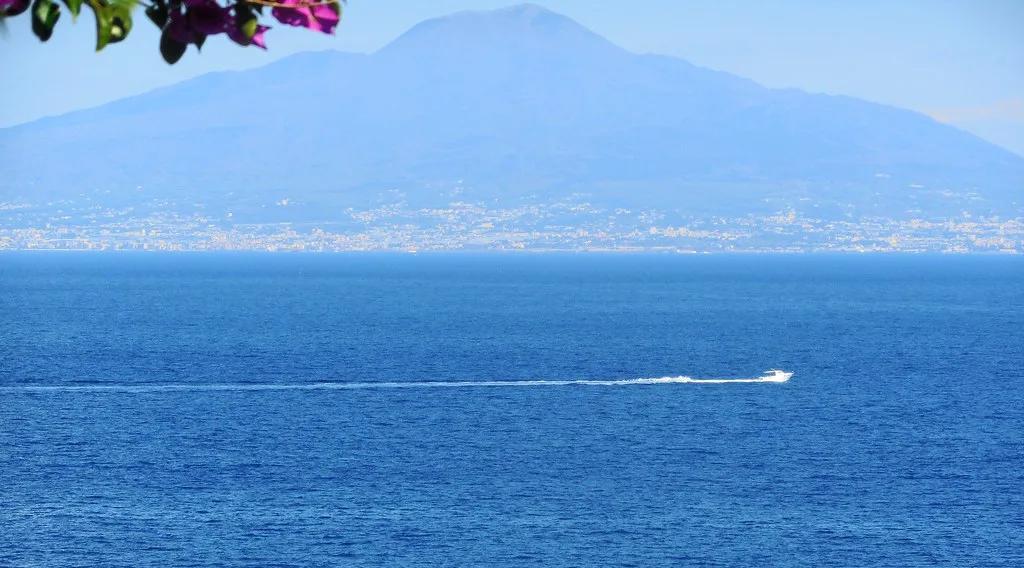
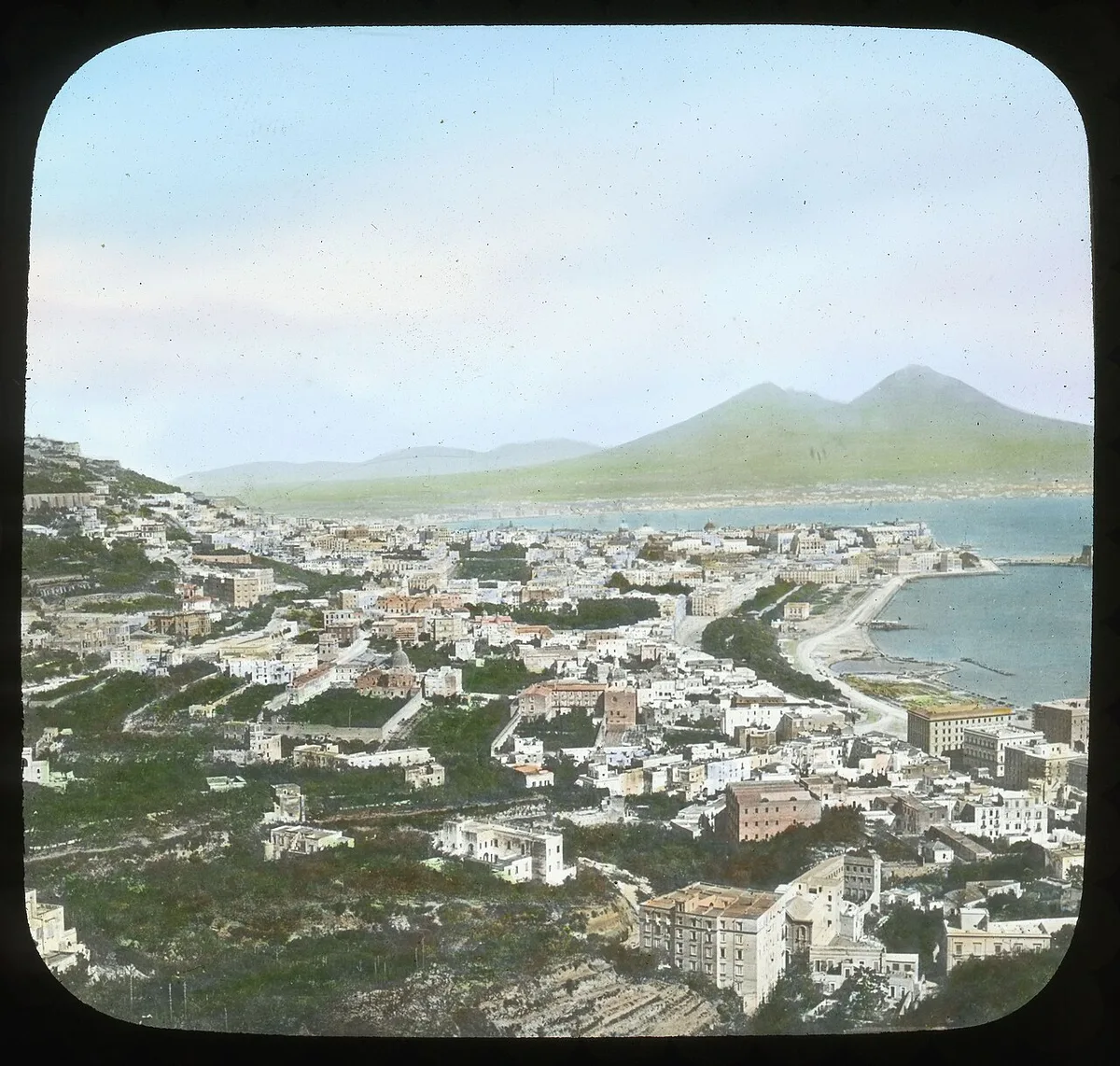
Featured image: laredawg, Public Domain Mark 1.0, via Flickr.
Best time to visit Vesuvius: quick answer
Pick by priority. Comfort points to spring and early autumn. Views point to crisp days in October to March, when haze is lower. Crowds are lightest on winter weekdays. Budget travelers gain most from the shoulder months, because hotels and tours in the Naples and Pompeii area usually cost less outside July and August. Park entry itself has recently been about €10, and that fee does not swing with the season. Prices and hours checked November 2026, so confirm today's fee and schedule on the Vesuvius National Park site.

| Priority | Best window | Why |
|---|---|---|
| Comfort | April to early June, late September to October | Mild air on an exposed ash path |
| Views | October to March, early morning | Less summer haze, though cloud is possible |
| Fewest crowds | Winter weekdays, first slot of the day | Fewer tour groups and day-trippers |
| Lowest cost | November to March, outside holidays | Lower demand for rooms and tours |
| Avoid if possible | Midday in July and August | Heat, glare and the longest queues |
Vesuvius by season
Season changes how hard the climb feels more than whether you can do it. Naples highs typically sit near 30°C (86°F) in July and near 13°C (55°F) in January. Summit air is cooler and windier than the coast, so a hot day in Naples can still feel mild on the rim. A shaded stop is rare on the Gran Cono path, so sun exposure matters in every season but winter. For the route itself, see our Mount Vesuvius hike guide.
| Season | Summit conditions | Crowds | Visibility | Suits | Skip if |
|---|---|---|---|---|---|
| Spring (Mar–May) | Mild, about 18°C (64°F) on the coast by May; showers possible | Medium, rising from Easter | Good, with some cloud | Most visitors, families, photographers | You need a guaranteed dry day |
| Summer (Jun–Aug) | Hot and exposed, near 30°C (86°F) in Naples; little shade | Highest | Haze common after midday | Early risers who can start at opening | You are sensitive to heat or traveling with toddlers |
| Autumn (Sep–Nov) | Warm in September, cooler by November; about 22°C (72°F) in October | Medium, easing after early October | Often clear between rain spells | Hikers, photographers | You are visiting in a wet spell |
| Winter (Dec–Mar) | Cold and windy, about 13°C (55°F) on the coast; ice possible near the rim | Lowest | Sharp on clear days, fog on bad ones | Budget travelers, crowd-avoiders | You depend on an open crater or a fixed trip date |
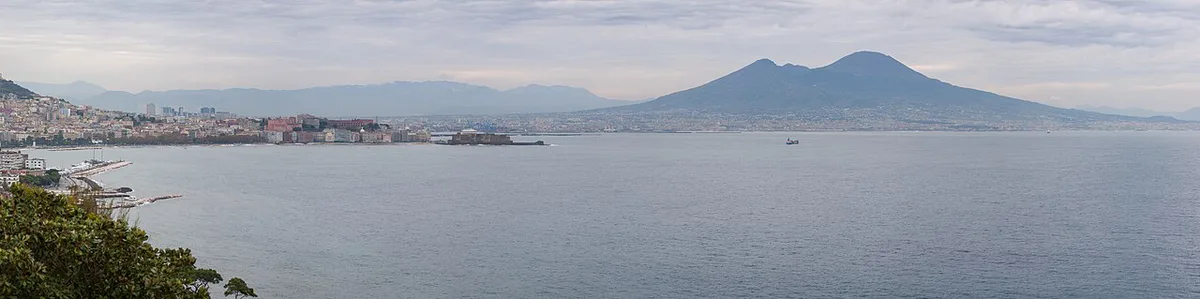
Best time of day and day of week
Go early in every season. Morning light is softer, queues are shorter and the path is cooler. Midday brings the heaviest groups and the strongest sun from May through September. Late afternoon can be pleasant in spring and autumn, but last entry and the final return transport can leave little margin. Opening hours change by season, so read the current schedule on the park's official site. Weekends, Italian public holidays and school-trip season are the likely pressure points. A Tuesday to Thursday visit is usually quieter than a Saturday. For booking options, see Vesuvius ticket options.
Midday from June to August is the hardest slot. Naples highs near 30°C (86°F) in July leave little shade on the Gran Cono path.
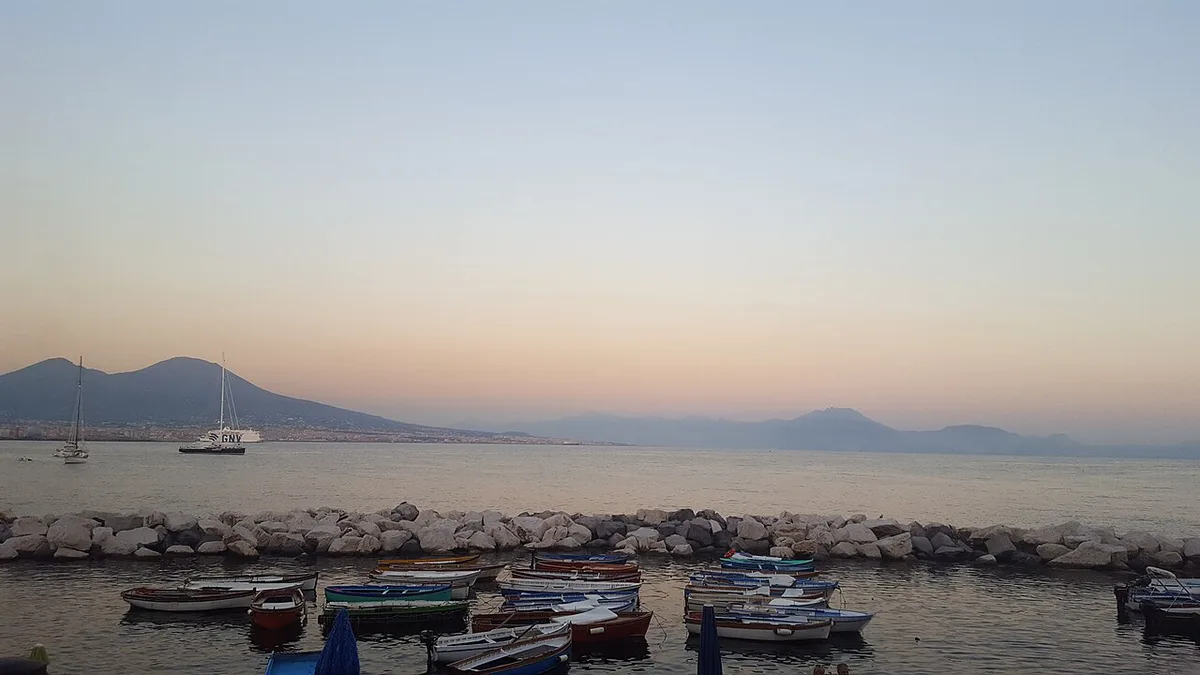
- Early morning: coolest air, best light, shortest queues.
- Midday: peak heat and groups; avoid it from June to August.
- Late afternoon: softer light, but check the last entry and last transfer.
Weather, visibility and closure risks
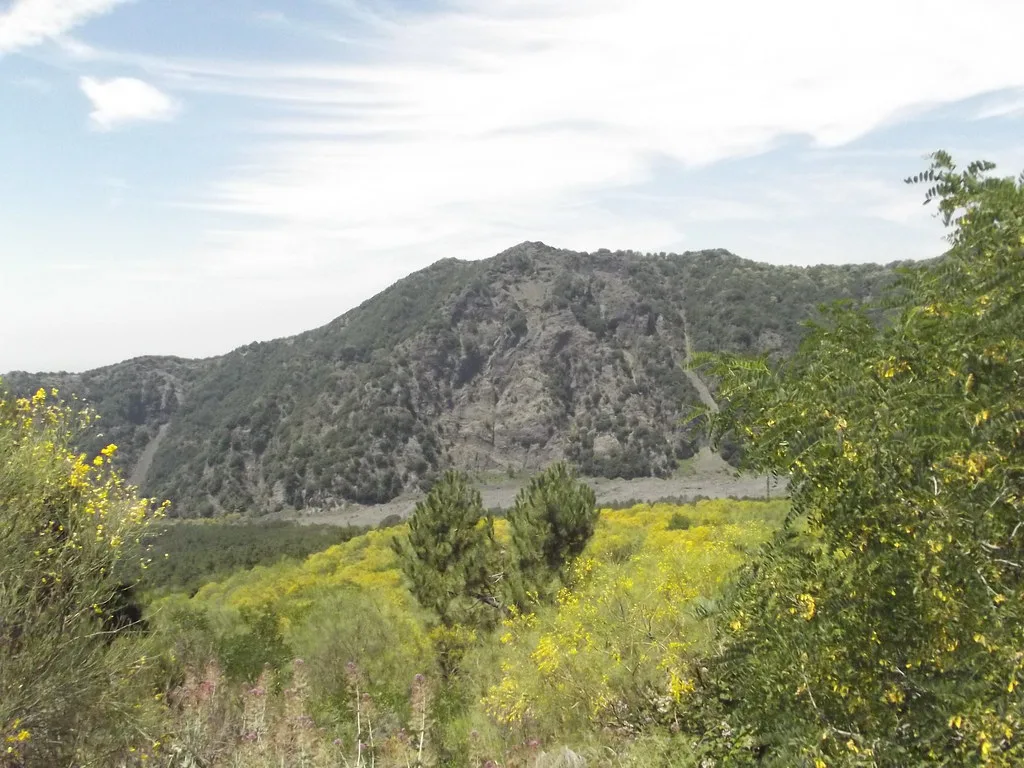
Cloud and fog can hide the crater from October to March. Strong wind and heavy rain can slow the climb and may lead to trail limits. In summer, heat on ash and gravel is the main hazard. A rim that is open one week can be restricted the next, so check the park before leaving. Safety status comes from monitoring by the INGV Osservatorio Vesuviano, and you can read more in is Vesuvius still active. For forecasts by month, see Vesuvius Weather: Summit Conditions, Seasons & Go/No-Go Guide.
- Check the park site for opening hours, trail status and any crater limits on the morning of your visit.
- Look at a summit forecast, not only Naples, for wind and cloud.
- Pack water in summer and a windproof layer in winter.
- Wear closed shoes with grip for the loose ash.
- Leave a margin before the last return transport.
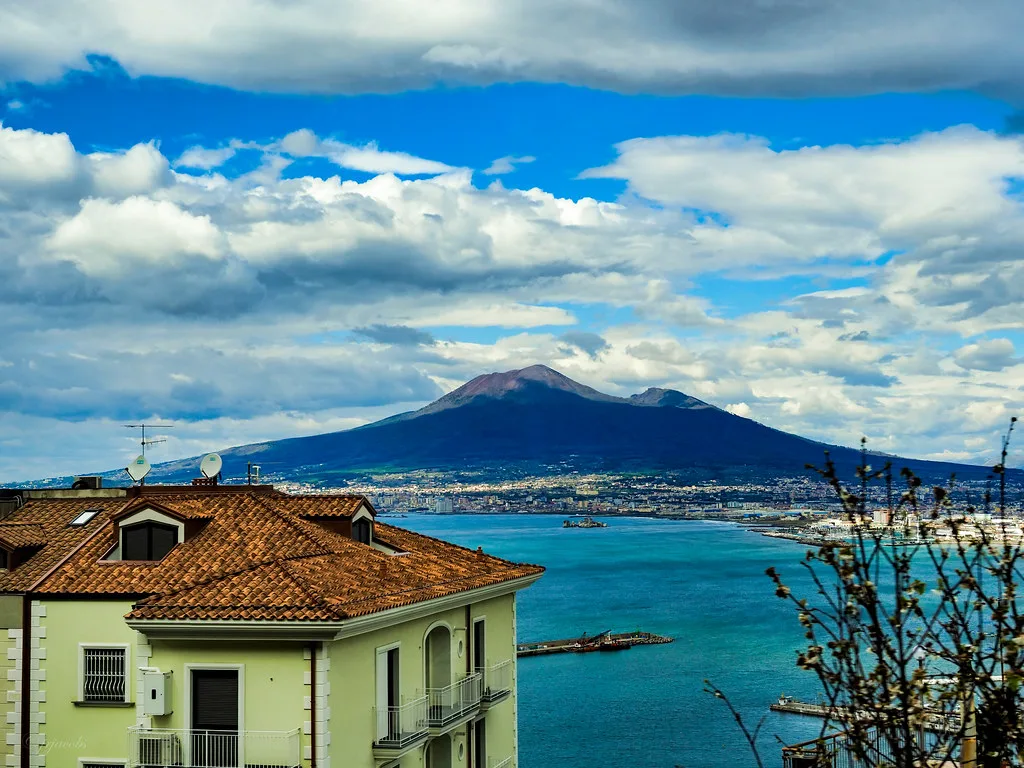
Combining Vesuvius with Pompeii or Herculaneum
In summer, climb Vesuvius first while the air is coolest, then visit Pompeii after a long lunch break. Pompeii's ruins have little shade, so a midday walk there is tiring. In winter, reverse the order if cloud is low, because the ruins stay rewarding in gray weather. Check current hours on the Pompeii Archaeological Park site. Doing both in one day is realistic but tiring from June to August. Splitting them across two days suits families and slower walkers. A guided combination is covered in our Pompeii and Vesuvius tour guide.

Getting there by season
Naples is the simplest base for independent travelers, and Pompeii puts you close to the ruins. Our Vesuvius from Naples guide covers that route. For the Pompeii side, see Vesuvius from Pompeii: How to Get There and Is It Worth It. Sorrento, Rome and the Amalfi Coast work better with a tour in peak season, because transfers add friction. Trains on the Naples side run on the EAV Circumvesuviana network, so check timetables before you commit to a return slot. Summer shuttle queues and parking are the fragile points, as described in Vesuvius Parking: Where to Park, Cost and the Walk to the Crater. Tours cost more but remove that risk, and you can compare them in Vesuvius Tours: Which Type to Book, DIY Costs and Timing.
Who should go when
Match the season to the person, not the other way round.
Budget travelers face an entry fee of about €10 that does not change by season. Savings come from cheaper rooms and tours outside July and August.
- Families with kids: late April to May or late September, with a first-slot start.
- Mobility-limited visitors: spring or autumn mornings; read Is Vesuvius Worth Visiting? Honest Verdict and Who Should Skip before deciding.
- Photographers: clear October to March mornings, or sunrise-adjacent slots in spring.
- Cruise passengers on a short stop: choose a tour with a guaranteed return, especially in summer.
- Budget travelers: November to March weekdays, with a flexible date for weather.
Common mistakes to avoid
Most problems come from timing and preparation.
- Arriving at midday in July.
- Skipping a weather and park-status check.
- Wearing sandals on the ash path.
- Assuming the crater is always accessible.
- Starting late and missing the last return transport.
Pair this with our broader tourism attractions guide for the full city overview.
Frequently Asked Questions
Is there a rainy season in Naples, Italy?
Autumn and winter are usually the wetter months around Naples, with summer the driest. Showers can still arrive in spring, so pack a light layer.
What's the best time to visit Pompeii?
Spring and early autumn mornings are the most comfortable, because the ruins offer little shade in summer. Check hours on the Pompeii Archaeological Park site.
Is Vesuvius likely to erupt soon?
Vesuvius is monitored continuously, and visits go ahead under current conditions. Read the activity guide for context, and follow official alerts.