Vesuvius Observatory: History, Visiting & Monitoring
Last updated November 2026: the Vesuvius Observatory, officially the Osservatorio Vesuviano, was founded in 1841 and is run today by INGV, Italy's national geophysics and volcanology institute. Two sites are involved, a historic building on the volcano's slopes and a modern monitoring centre in Naples. We found no published details of public access to either site, so this guide explains whom to ask before you plan a trip around 5 Ways to Visit Mount Vesuvius: Hiking & Facts Guide.
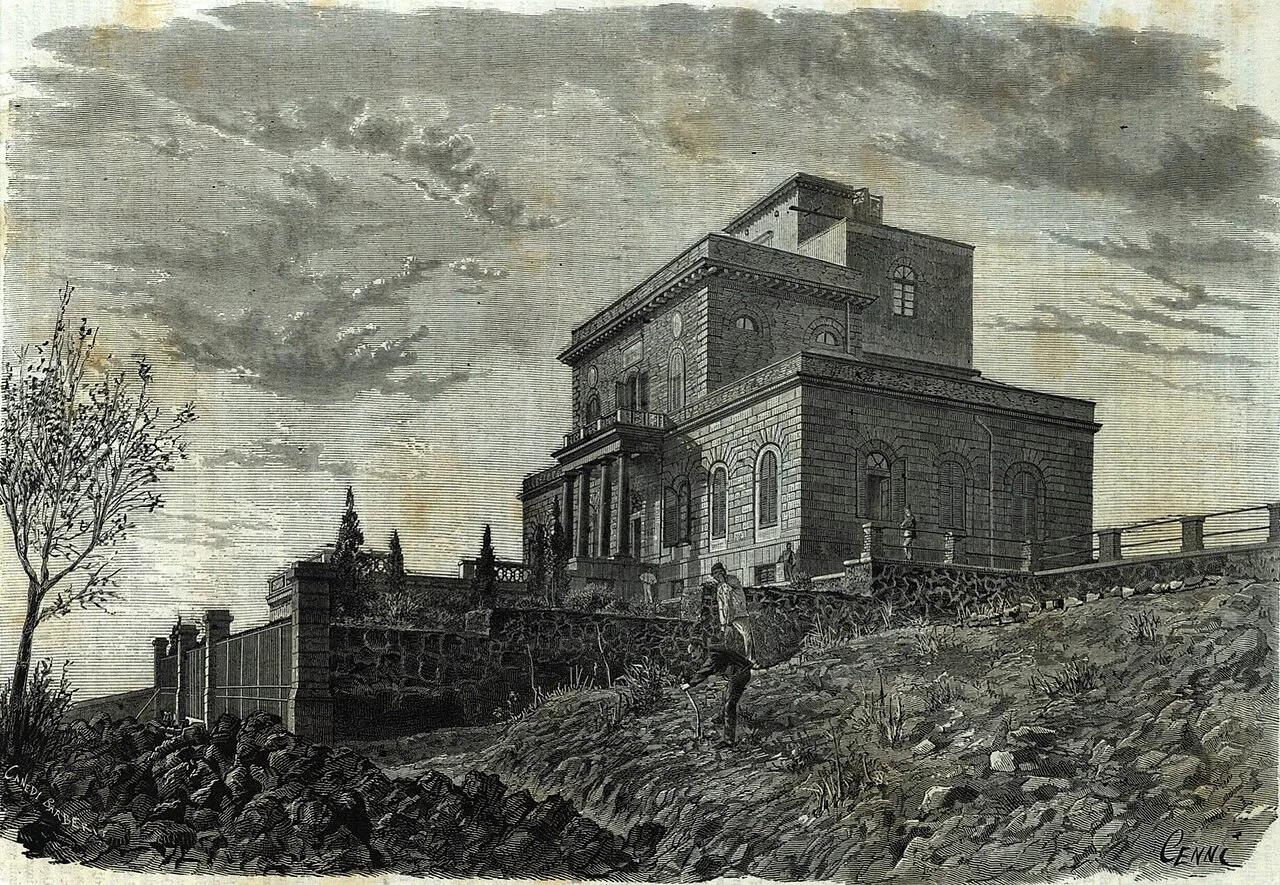
Featured image: Autore: Quinto Cenni - Incisori: Barberis e Canedi, Public domain, via Wikimedia Commons.
What the Vesuvius Observatory is
The Osservatorio Vesuviano is usually described as the world's oldest volcano observatory. It opened in 1841 under Ferdinand II of Bourbon. Today it belongs to INGV and watches active volcanoes in Campania. Its work is research and surveillance, not tourism. Details on current activities sit on the INGV Osservatorio Vesuviano site. Keep that expectation in mind: this is a working scientific institution that happens to have a long public history.
Two sites, one observatory: historic building vs Naples monitoring centre
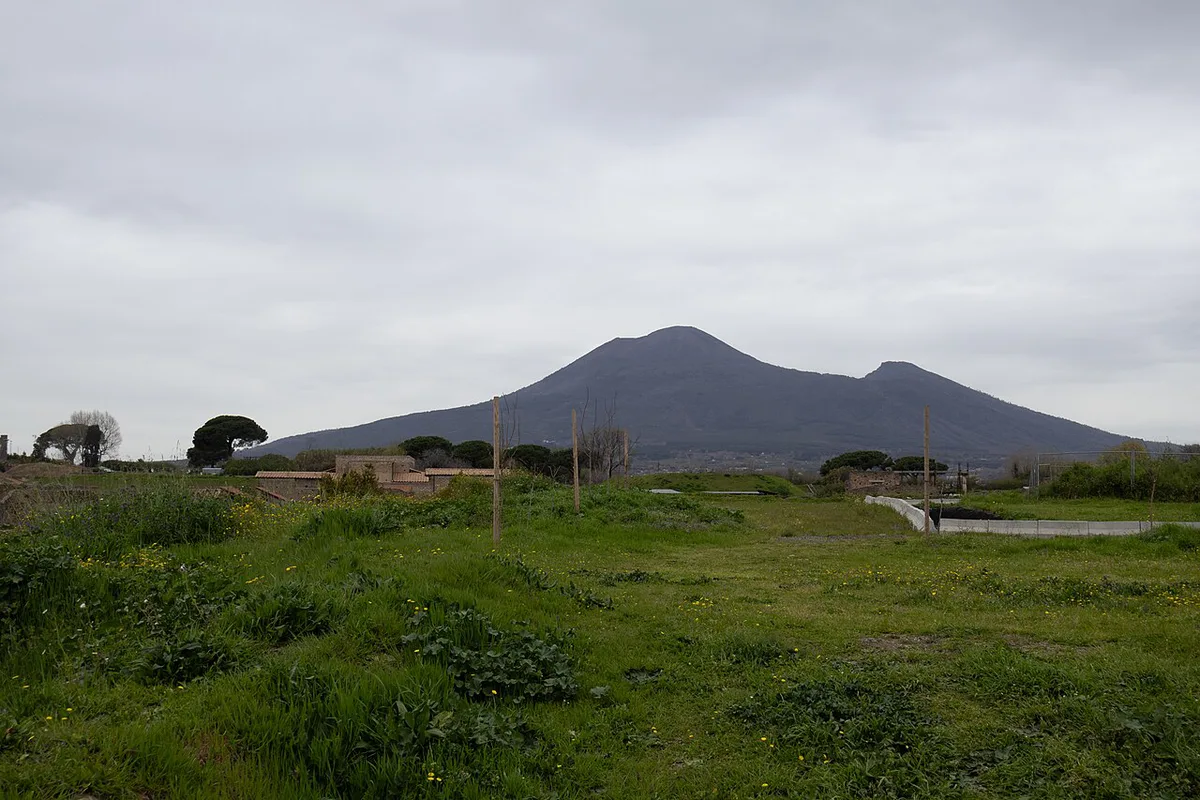
Readers often confuse the two locations. The original seat stands on the slopes of Vesuvius and is described as housing the museum and historic library. The laboratory and surveillance room operate from Naples. Use the table to separate them, and treat access details as questions for INGV.
| Historic building on Vesuvius | Naples monitoring centre | |
|---|---|---|
| What it is | Original 1841 seat, now linked to the museum and historic library | Laboratory and surveillance centre |
| Who it suits | History and science fans | Mostly staff and researchers |
| Access | Ask INGV-OV about visits | Not a tourist attraction |
| What you can see | Historic instruments and documents, per INGV-OV | Nothing set up for walk-in visitors |
Can you visit the Vesuvius Observatory?
No source we could verify publishes opening days, booking rules or fees for the historic building. It may run visits by reservation or for groups only, so do not turn up unannounced. Ask the observatory through the official INGV-OV website before you travel. The Naples centre is an operational monitoring room, so assume it is closed to casual tourists. If a visit is not available, you still get the science through the bulletins published online.
Getting there and fitting it into a Vesuvius day
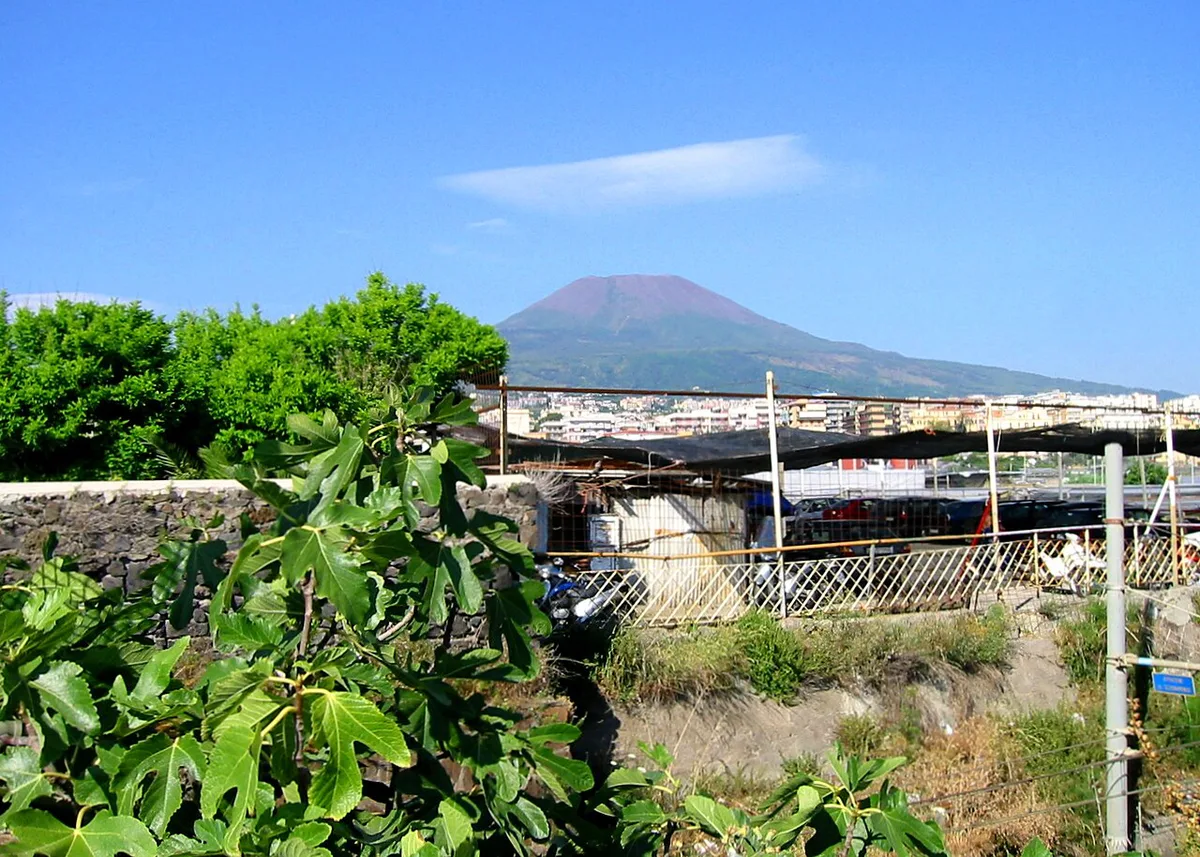
Plan the observatory around the crater, not the other way round. Our guide to reaching Vesuvius from Naples covers the main route. Drivers should read about parking near the volcano first. Entry to the summit trail is a separate matter, covered in our ticket guide. Some visitors prefer a guided option instead, and Vesuvius Tours: Which Type to Book, DIY Costs and Timing can take away the transport puzzle. Weather matters on both the slopes and the summit, so look at Vesuvius Weather: Summit Conditions, Seasons & Go/No-Go Guide before you commit. The trade-offs for three realistic days are below.
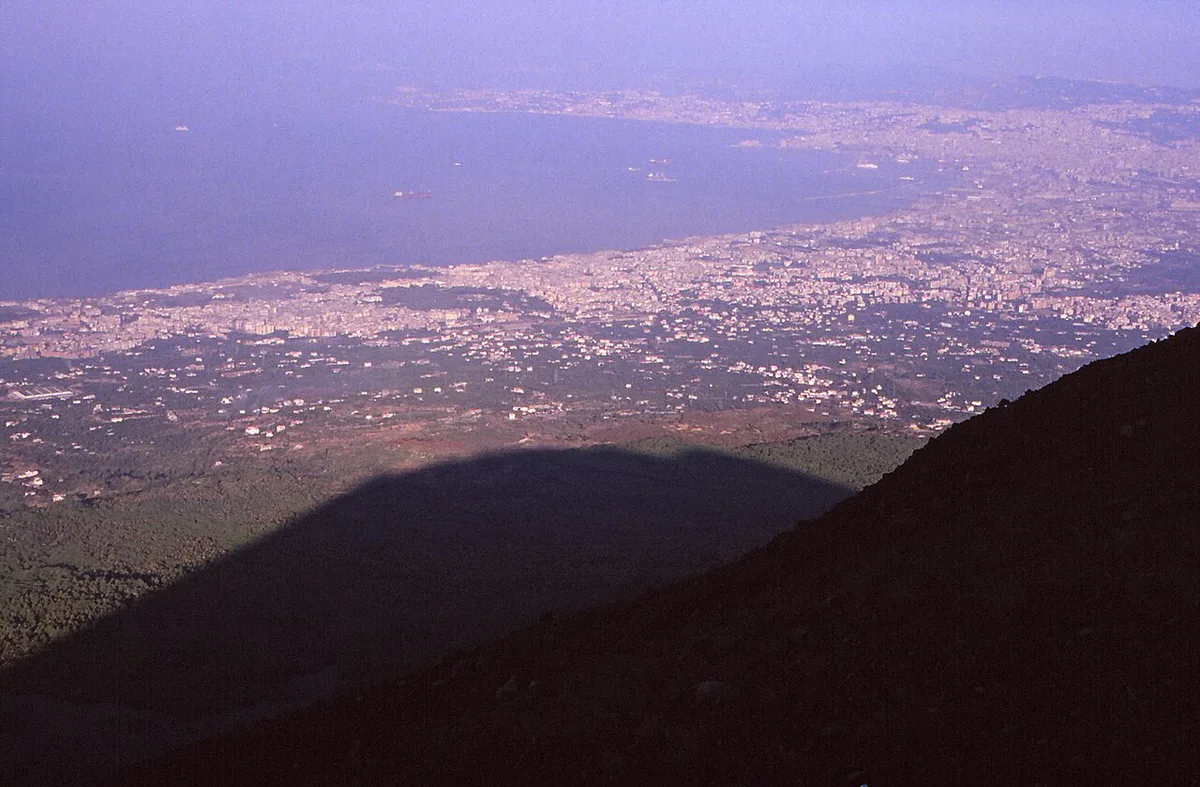
- Crater-focused day: walk the rim via the Vesuvius hike, then visit the observatory only if INGV-OV confirms access.
- History day: pair the observatory with Pompeii or Herculaneum and skip the summit.
- Naples half day: use the city as a base and keep the volcano for another morning.
How the volcano is monitored
The observatory tracks Vesuvius, Campi Flegrei and Ischia. Seismic stations record earthquakes under the ground. GPS measures swelling or sinking of the surface. Geochemical networks sample gas emissions. Together these feed the official alert levels, which are set within the Italian Civil Protection framework. You can read the Civil Protection page on Vesuvius for the emergency plan. For context, see whether Vesuvius is still active and when the last eruption happened. Visitors near the volcano should also understand the Vesuvius Red Zone: What It Is and Visitor Impact. For live data, go to the INGV-OV bulletins rather than third-party visualisations.
A short history: 1841, 1872 and Palmieri
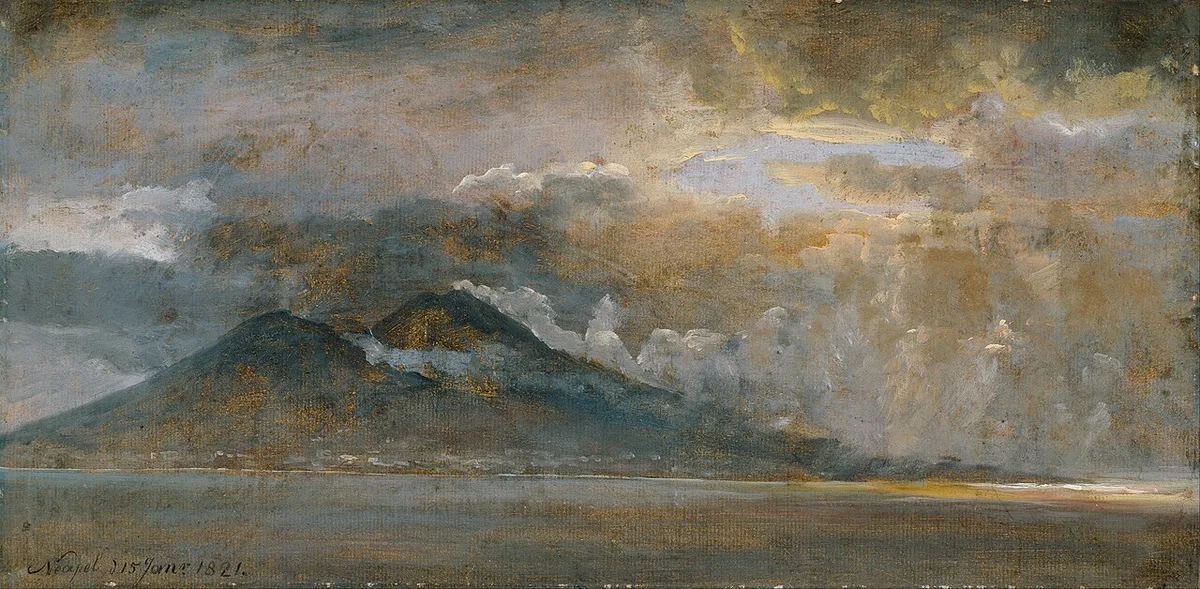
The founding year, 1841, is the anchor date. Luigi Palmieri later authored the 1859 Annali of the Royal Meteorological Vesuvian Observatory, a key record of its early work. One published account says lava in 1872 came close to the building and isolated staff for several days. Treat that detail as reported, not settled. The older eruption that shaped the region is in our 79 AD eruption guide.
Is it worth it? Who should go and who should skip
Value depends on how much you care about volcano science and whether access is open. Our broader take is in Is Vesuvius Worth Visiting? Honest Verdict and Who Should Skip.
- Go if you love the history of science, or you want context after seeing the Vesuvius crater.
- Go if INGV-OV confirms a visit slot that fits your day.
- Skip if you have one short day and want the crater and Pompeii.
- Skip if you are travelling with young children on a tight schedule.