Stromboli vs Etna: Which Volcano to Visit (Access, Safety, Time)
Last updated November 2026: Stromboli vs Etna is a choice between flexibility and a night show, and Etna is the easier day trip from Catania or Taormina. Stromboli is an island commitment, best for small eruptions watched after dark. Rule of thumb: choose Etna for flexibility and scale, and Stromboli for regular small eruptions seen at night.
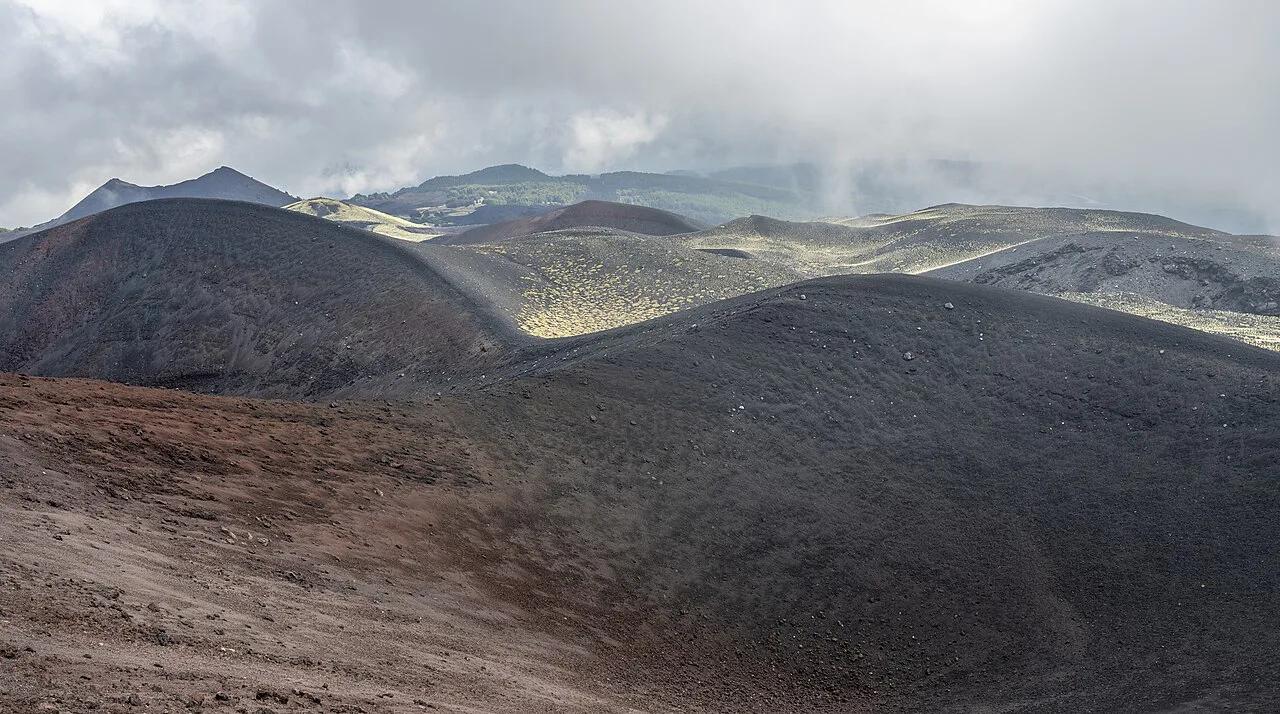
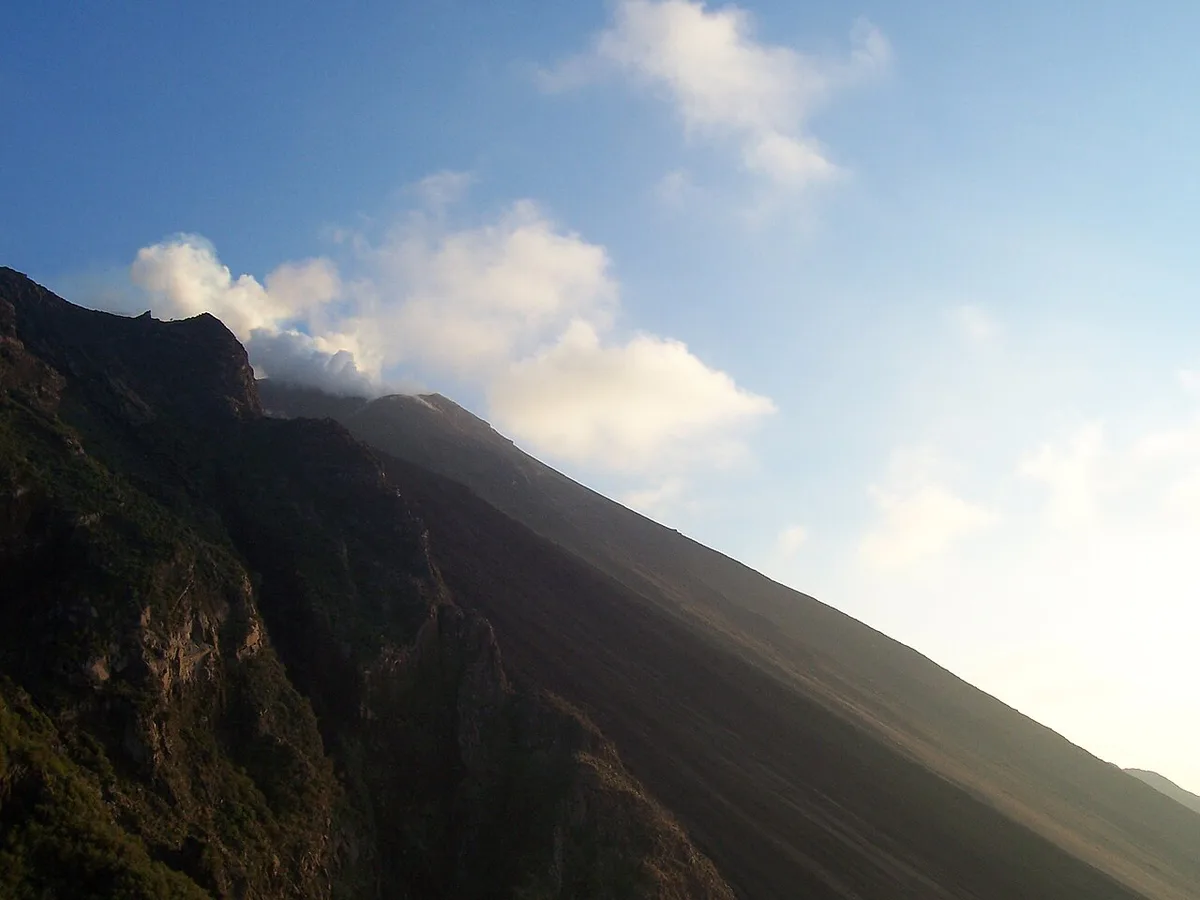
Featured image: Carsten Steger, CC BY-SA 4.0, via Wikimedia Commons.
Quick Verdict
Pick Etna if you have one free day and want options on how high to go. Choose Stromboli if you can spend a night on the island and want to watch eruptions in the dark. Etna works from the Sicilian mainland and does not depend on a ferry. Stromboli depends on boats and sea conditions, so keep a spare day in the plan. First-timers and families should start with Etna, while night owls and photographers should pick Stromboli.
Stromboli vs Etna at a Glance
This table compares the two volcanoes on the criteria that decide most trips. Cost levels are relative, and exact ranges follow in the cost section.
| Criterion | Stromboli | Etna |
|---|---|---|
| Location and access | Aeolian Islands, reached by ferry or hydrofoil from Milazzo or Naples | Eastern Sicily, reached from the Catania or Taormina area |
| Time needed | Overnight stay is the norm | Half-day or full-day trip |
| Eruption style | Frequent small explosions (Strombolian) | Varied: lava flows, ash plumes, paroxysms |
| What you see | Night-time explosions of glowing rock | Summit craters, lava fields, volcanic desert landscape |
| Hiking or guide rules | Guided hikes; limits change with activity | Summit-zone limits and guide rules change with the alert level |
| Best season | Calmer sea months, spring to early autumn | Roughly April to October for easier conditions; winter brings snow and wind |
| Difficulty | Steep ash slopes, often done at dusk | Easy cable-car and bus options to hard guided treks |
| Cost level | Higher, because of boats and an island night | Lower to moderate, with many tour tiers |
| Weather and cancellation risk | Sea swell can cancel boats and hikes | Wind, cloud and alert level can close upper zones |
| Best fit | Night owls, photographers, travelers with 2+ days | First-timers, families, short stays |
Eruption Style: What Strombolian Really Means
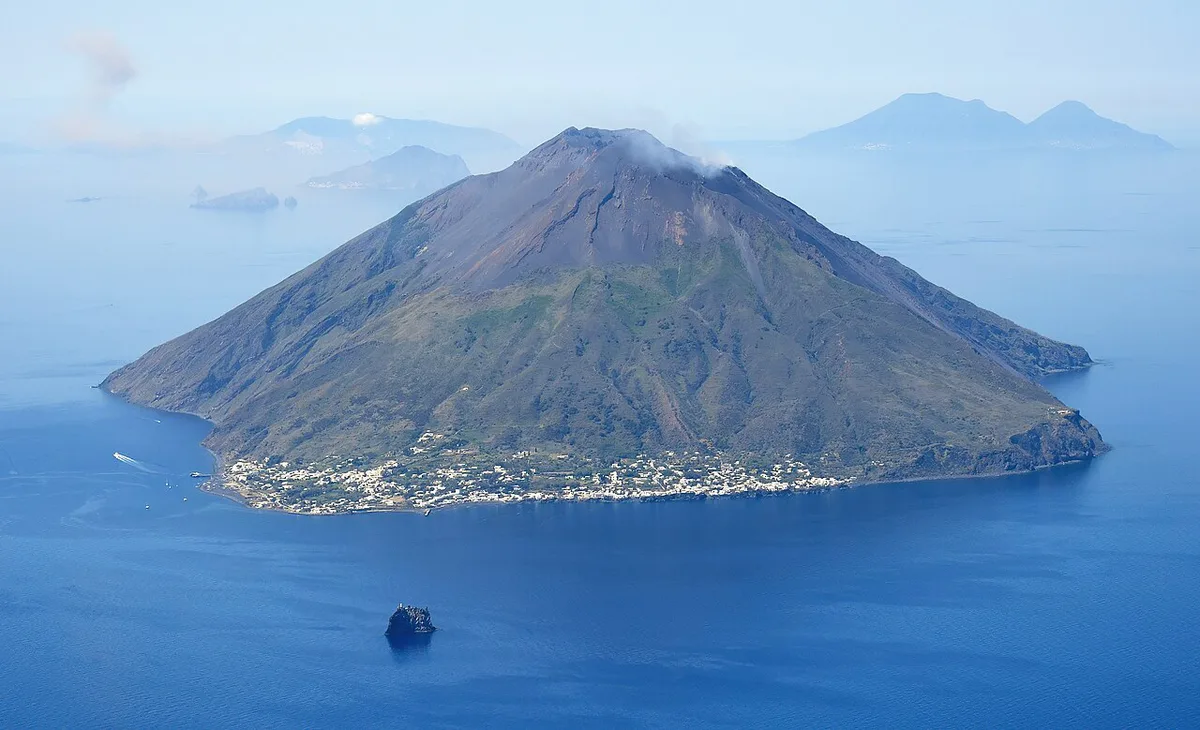
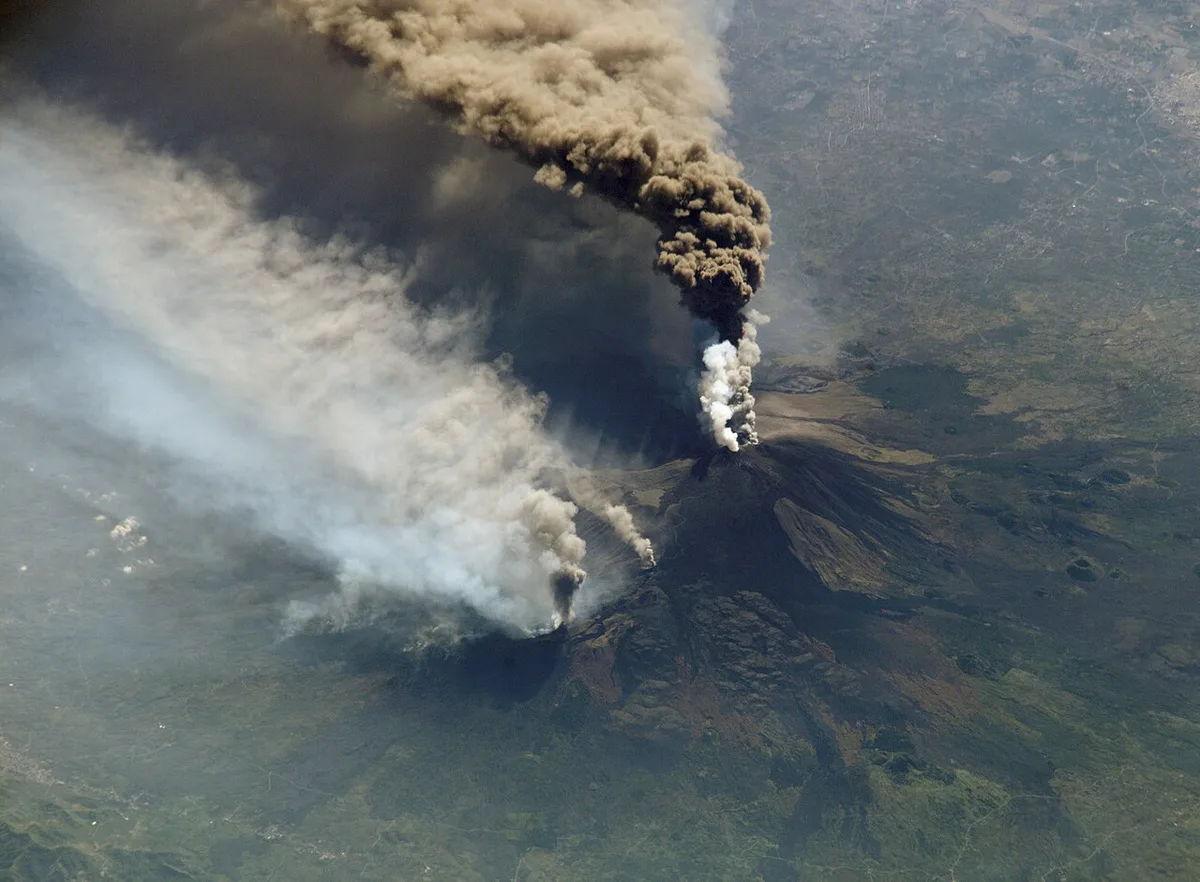
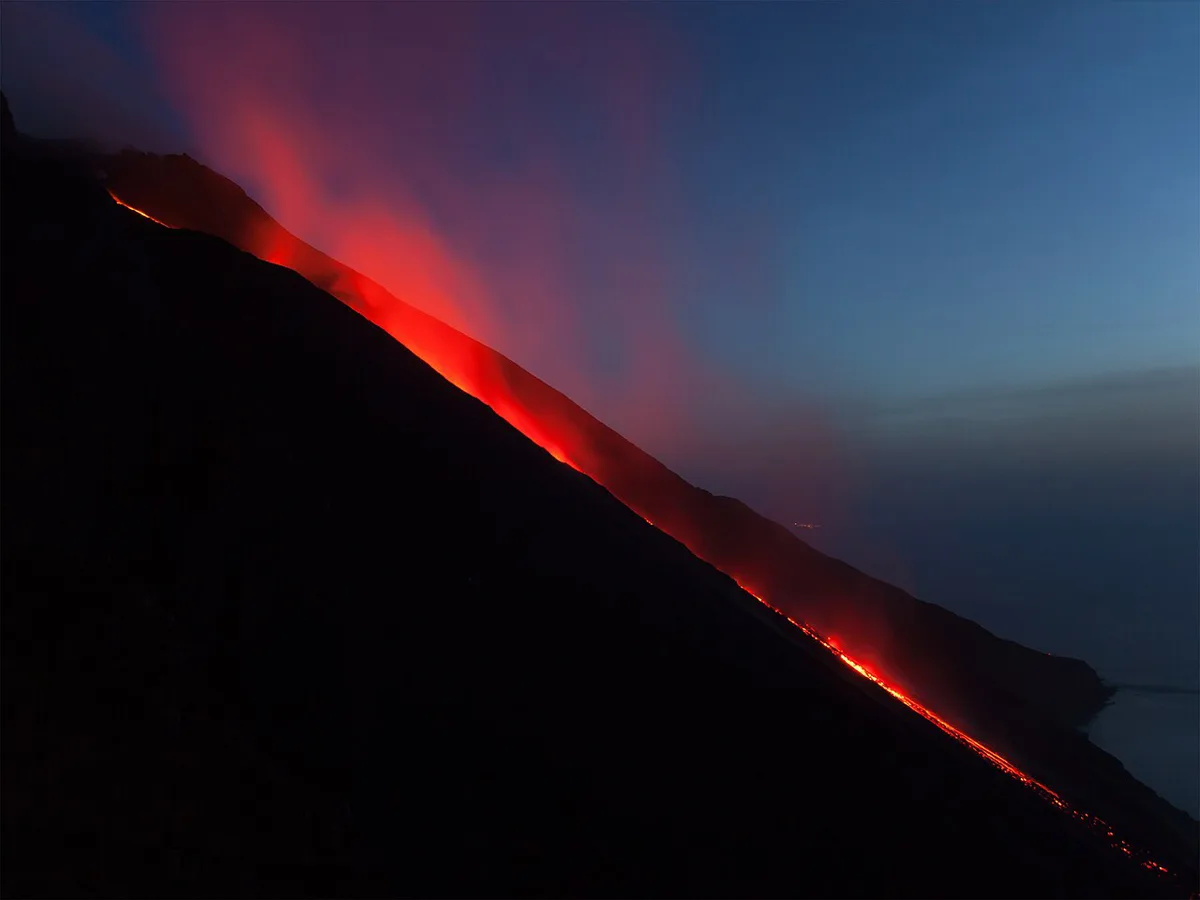
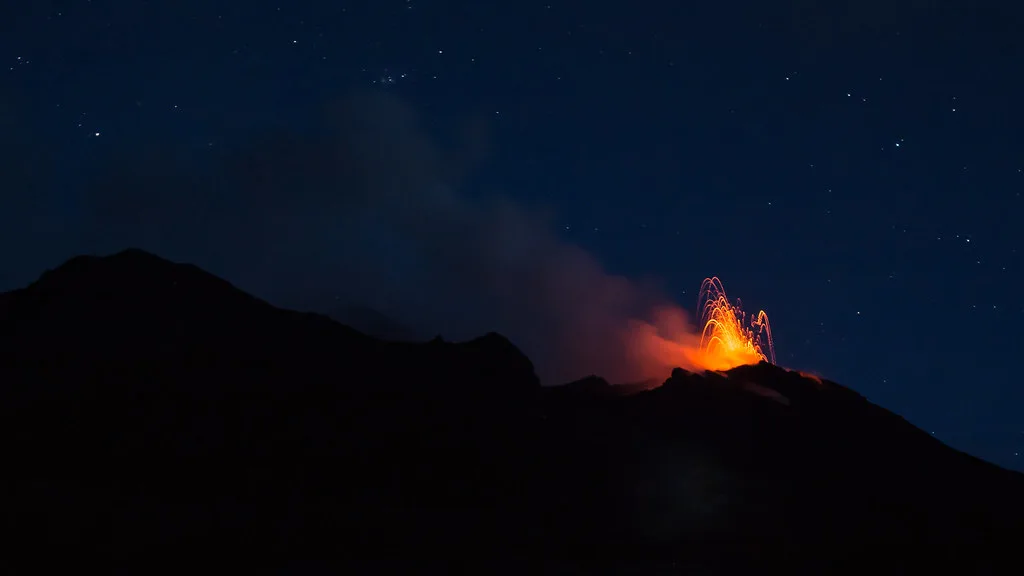
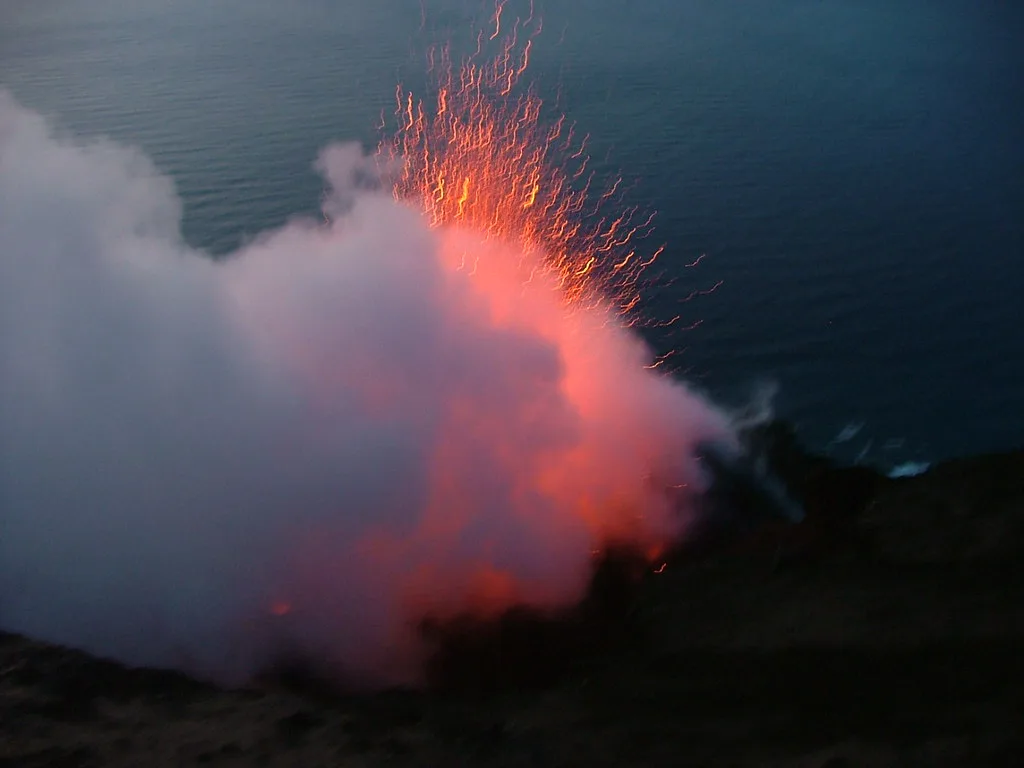
Stromboli gives its name to Strombolian eruptions. These are mild, frequent explosions that throw cinders and rock fragments only short distances. Volcanologists describe a minor eruption roughly every 10 to 20 minutes. Etna is more varied, with lava flows, ash plumes and paroxysms all part of its record. In June 2025, part of a summit crater collapsed and sent a pyroclastic flow down the mountain, with lava moving in three directions. That event was more explosive than strictly Strombolian, and INGV reported the activity ended the same evening. Daily bulletins appear on the INGV Etna observatory site. A 2024 INGV, Roma Tre and CNR study in Nature Communications Earth & Environment linked small shifts in magma titanium and iron to more explosive behavior at both volcanoes. Activity changes, so treat all of this as a guide rather than a promise of what you will see. For wider context, read our guide to Active Volcanoes in Italy: Where to Visit & What to Know.
Getting There and Logistics
Etna is reached by road from the Catania or Taormina area, and the Etna Park authority publishes access information. Stromboli is reached only by sea, so its logistics depend on ferries, hydrofoils and sea conditions.
- Etna: no ferry needed, so a day trip fits between a morning start and an evening return to Catania or Taormina.
- Stromboli: ferry or hydrofoil from Milazzo, or from Naples for travelers arriving from the mainland. Our page on Volcanoes Near Naples: Vesuvius, Campi Flegrei & Ischia covers that side.
- Stromboli overnight: boats can stop in rough seas, so book flexible accommodation.
- Schedules and fares: set by each operator, so read the current timetable on the operator's own site.
- Organized options: compare guided packages in our Volcano Tours Italy: Etna, Stromboli, Vesuvius Compared guide.
Hiking Rules, Guides and Safety
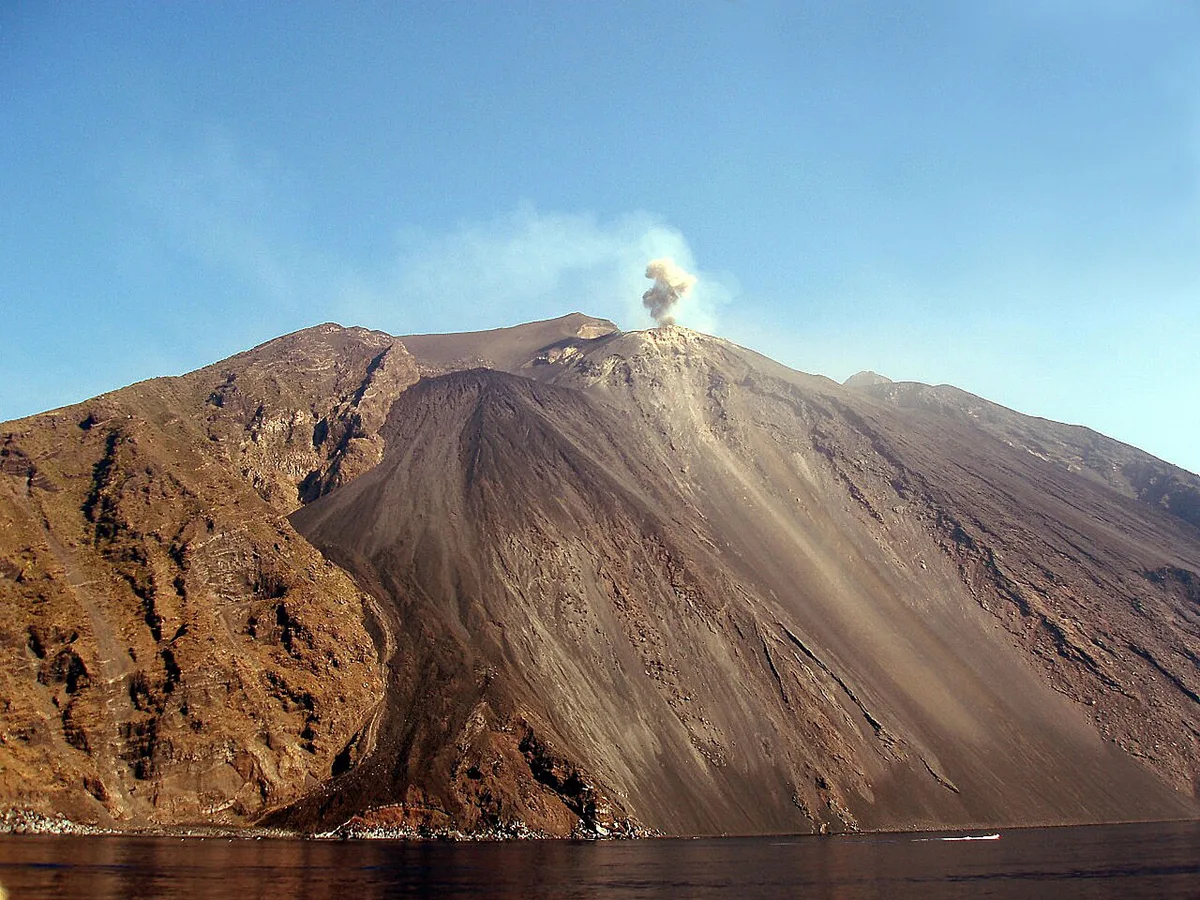
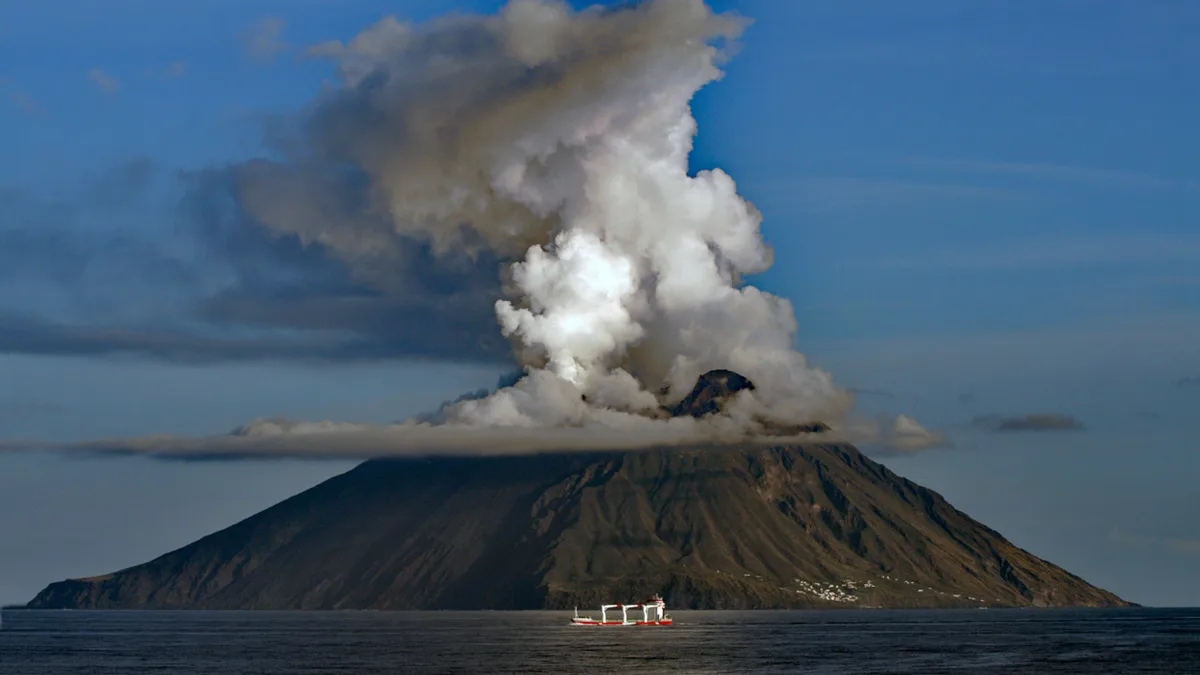
Summit-zone access on both volcanoes depends on activity. Rules on guides and altitude limits move with the alert level, so check the current rule before booking. Protezione Civile has raised Etna to a yellow alert before, with stronger monitoring and safety measures for hikers. INGV monitors both volcanoes continuously. Wear sturdy boots, bring layers and carry water, because wind and ash can change conditions fast.
- Mistake: assuming a summit climb is always allowed.
- Mistake: booking a tight ferry or hydrofoil connection on your last day.
- Mistake: skipping the check of current alert status and official closures.
- Mistake: starting a hike without a licensed guide where one is required.
- Gear: closed shoes, a windproof jacket, a headlamp for dusk hikes and a mask or scarf for ash.
Cost and Time Trade-Offs
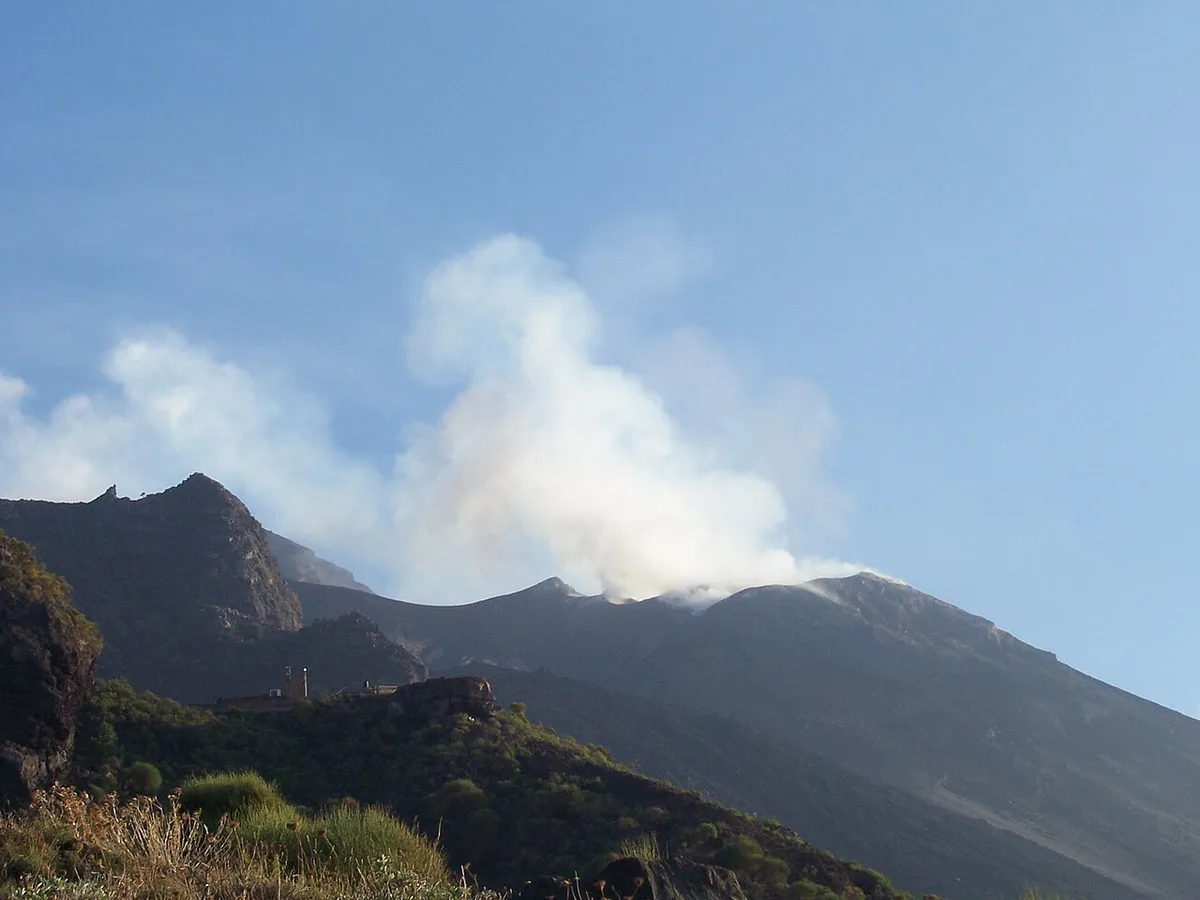
Prices below are editorial planning ranges for 2026, not published fares. Operators and guides set their own prices, so use these only to compare options. Etna is cheaper per hour because it needs no boat. Stromboli adds a ferry or hydrofoil and at least one island night. Bad weather costs more on Stromboli, since a cancelled boat can mean an extra night or a lost hike.
An overnight Stromboli trip at €120–€250 can be cancelled by rough seas, so the spare day matters as much as the fare.
| Option | Time | Typical planning cost |
|---|---|---|
| Etna guided half-day excursion | Half-day | €50–€90 |
| Etna full-day with higher craters | Full-day | €90–€150 |
| Stromboli guided sunset hike | Evening | €30–€50 |
| Stromboli trip with boat and one night | Overnight | €120–€250 |
Who Each Volcano Fits
Use these decision boxes to settle the choice quickly. Each condition points clearly to one volcano.
- Choose Etna if you have one day only, travel with children, or want a flexible plan.
- Choose Etna if you prefer hiking options from easy to demanding and want to avoid boats.
- Choose Etna if you want broad craters and lava fields in daylight.
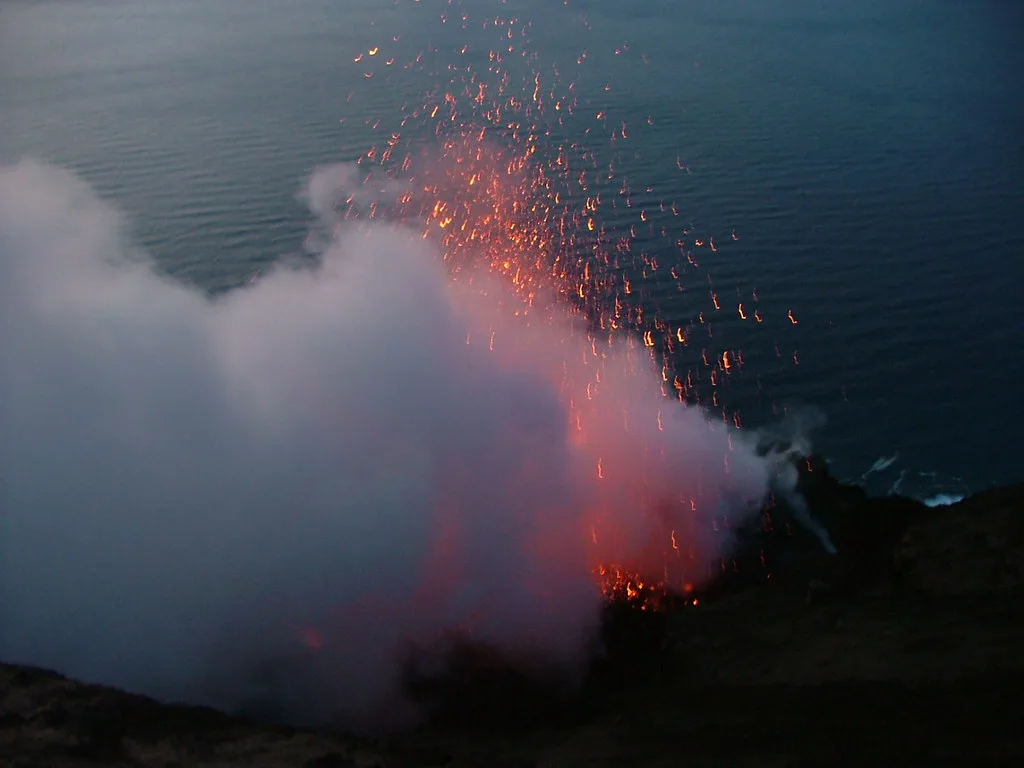
- Choose Stromboli if you want to watch regular small eruptions at night.
- Choose Stromboli if you are a photographer who values dark skies and glowing explosions.
- Choose Stromboli if you can spare a night and a weather buffer.
- Skip Stromboli if you are prone to seasickness, since the crossing can be rough.
- Short-stay travelers should pick Etna, while night owls should pick Stromboli.
Can You Do Both?
Yes, and the sequence matters. Start with Etna from the Sicilian mainland, then travel to the Aeolian Islands for Stromboli. Plan at least four days so one can absorb a cancelled boat or a closed summit zone. Our guide to Sicily's volcanoes helps you place both in one route. For the full picture, see our overview of 7 Volcanoes in Italy: Active, Dormant and Visitable. Our map of Italian volcanoes shows how far apart they sit.
Frequently Asked Questions
Where is Stromboli, Italy?
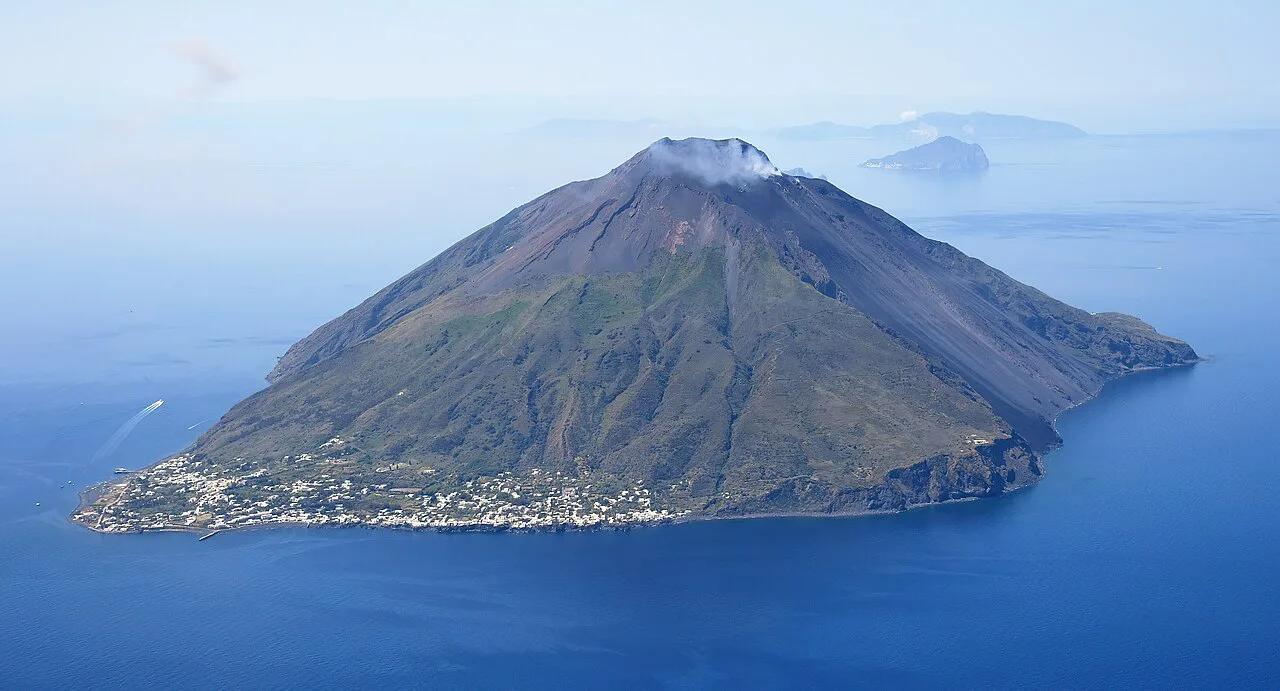
Stromboli is a volcanic island in the Aeolian Islands, off the north coast of Sicily. You reach it by ferry or hydrofoil.
Is it worth visiting Stromboli?
Yes, if you can stay a night and want to see small eruptions after dark. For a short trip with no spare day, Etna is the safer choice.