Svartsengi, Iceland: What It Is and How to Visit Safely
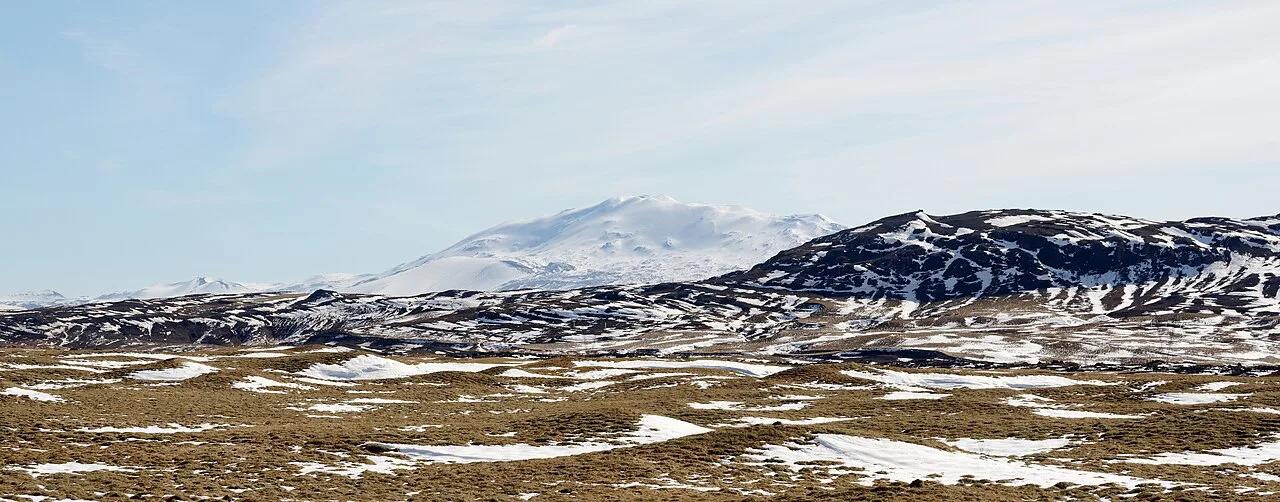
Last updated November 2026: Svartsengi is a geothermal field and power plant north of Grindavík, beside the Blue Lagoon. It also sits on an actively monitored volcanic system. There is no conventional attraction here, so you see the area from public roads and viewpoints and check official sources before you drive.
Featured image: Ryan Stavely, CC BY-SA 2.0, via Flickr.
What Svartsengi is, and what it isn't
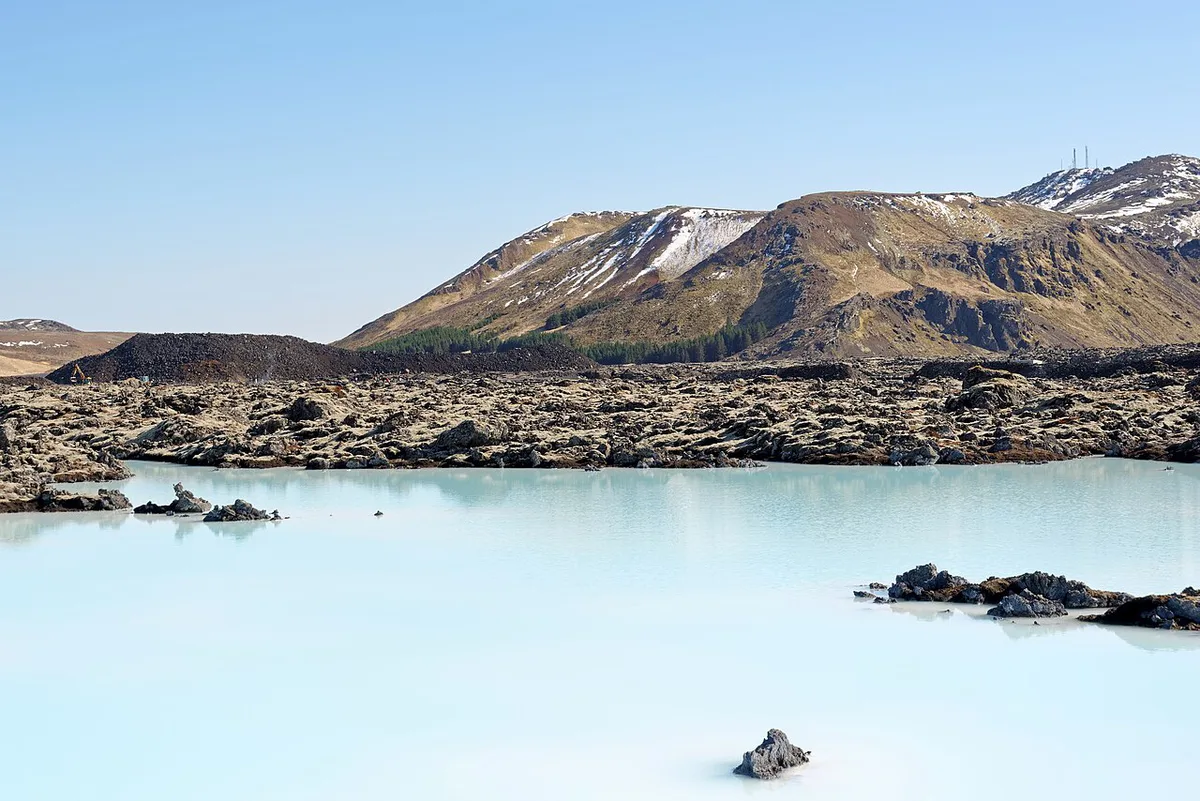
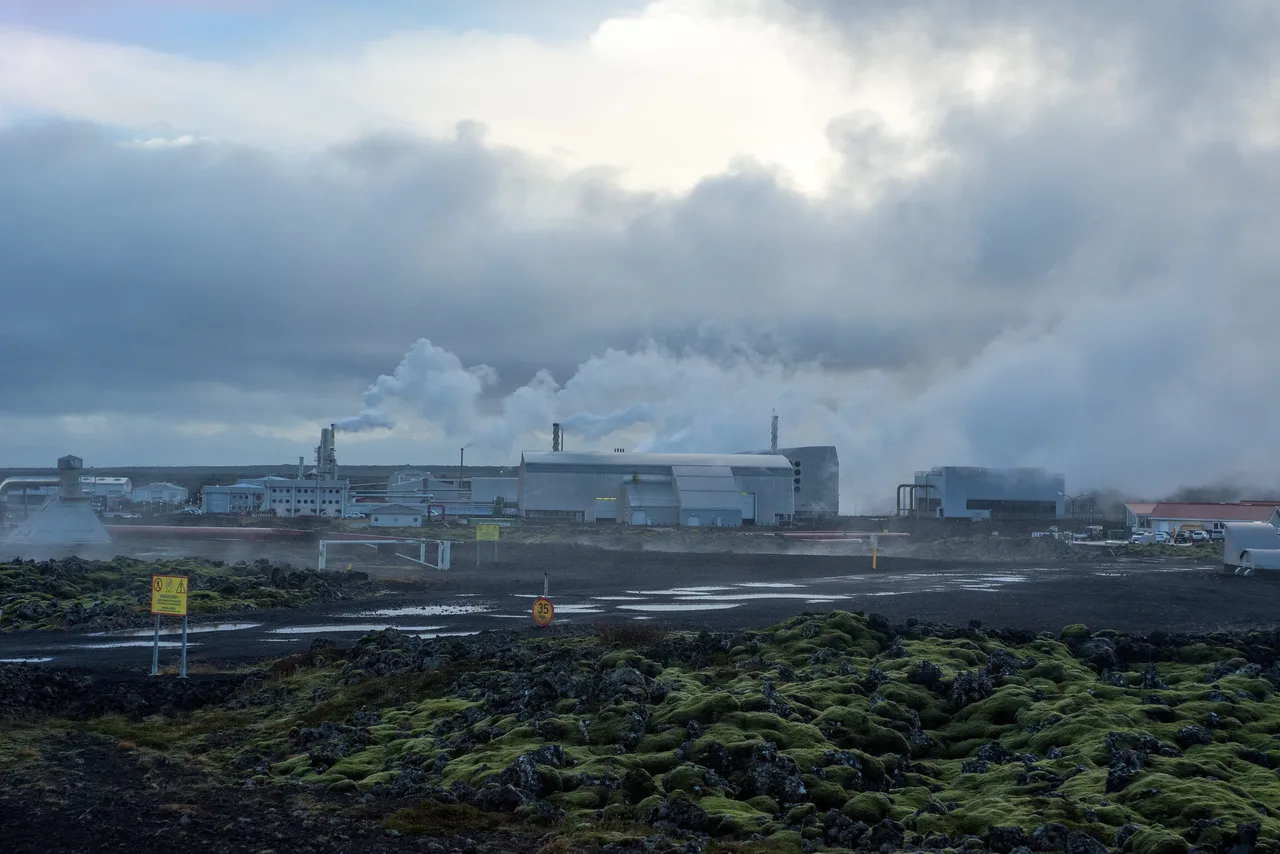
Svartsengi is a high-temperature geothermal field with a combined heat-and-power plant run by HS Orka. It supplies hot water and electricity to the Reykjanes peninsula. Mineral-rich brine from the plant also created the lagoon covered in our guide to the Blue Lagoon and the volcano. Four names get mixed up in news and search results, so this table separates them.
| Name | What it is | Visitor angle |
|---|---|---|
| Svartsengi | Geothermal field, power plant and volcanic system | Seen from public roads and viewpoints; not a ticketed site |
| Blue Lagoon | Geothermal spa beside the plant | Paid attraction; the spa posts its own status online |
| Grindavík | Fishing town just south of the field | Access has depended on official guidance |
| Sundhnúkur | Crater row where recent eruptions have occurred | Closer views only where authorities allow |
Can you visit Svartsengi?
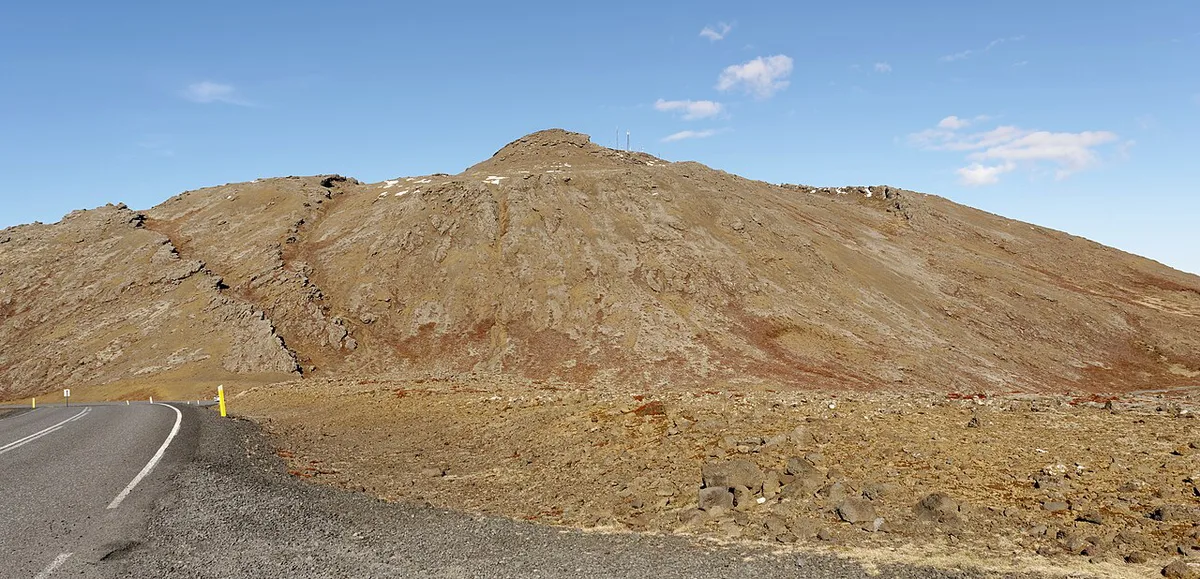
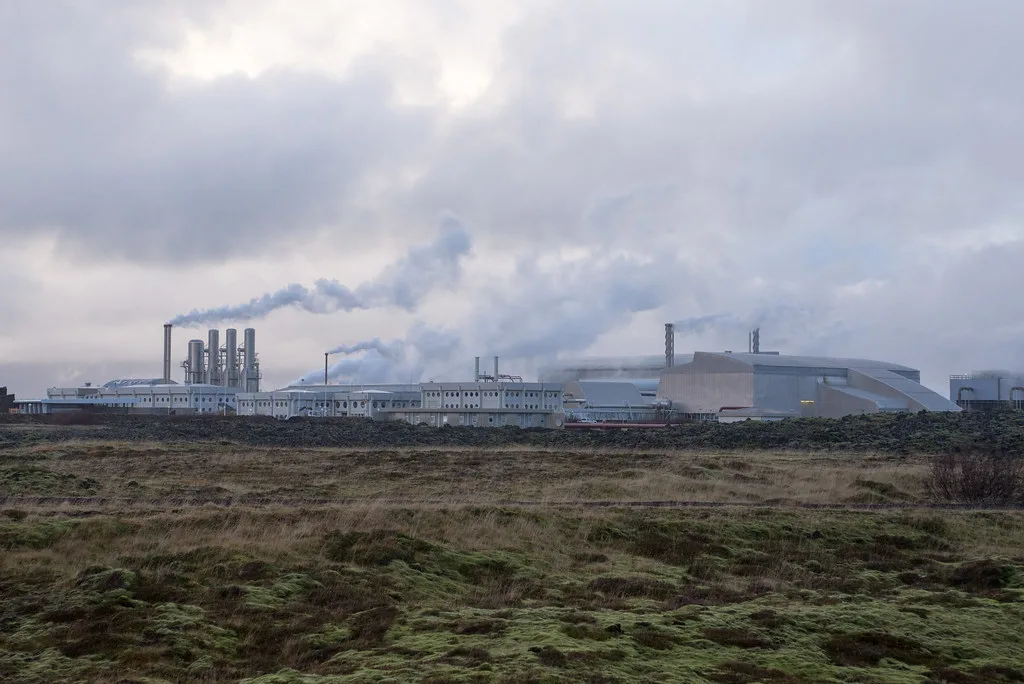
Not in the usual sense. The power plant is working infrastructure with no visitor centre, ticket desk or walking trail. You can see the surrounding lava field and plant setting from public roads and viewpoints. Stay outside fenced or restricted areas, and obey every barrier and closure sign.
- Skip it if you want a ticketed attraction. The Blue Lagoon is the paid option next door.
- Skip it if you want close-up eruption views. Guided volcano hikes are a better route.
- Skip it on days when the roads and areas around it are closed.
Check before you go: safety and access
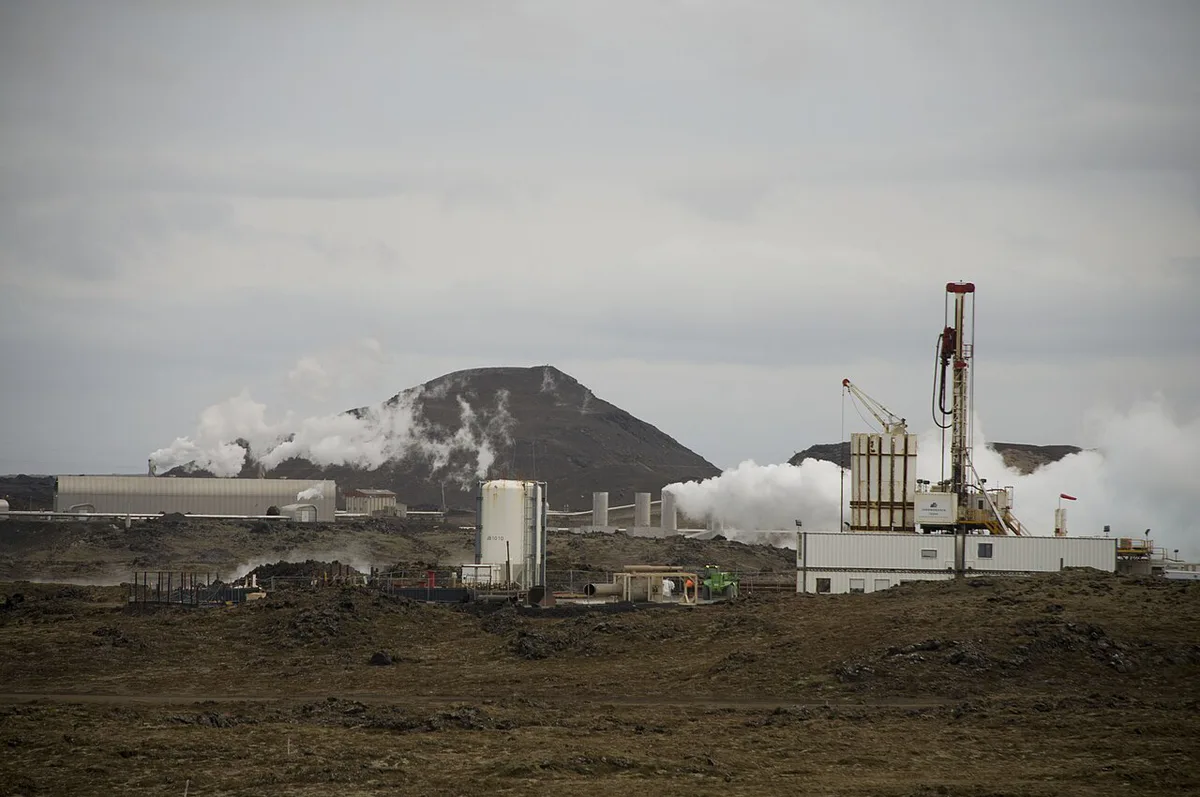
Svartsengi lies on an active volcanic system, so access can change quickly. Safetravel Iceland carries road and area information for travellers. Our guide to Grindavík and its access rules explains how the town fits in. Treat any closure as final, even if a map app still routes you through.
- Open Safetravel Iceland and read the latest notices for Reykjanes.
- Check road conditions on road.is and the Icelandic Meteorological Office for volcanic updates.
- Read civil protection notices for closed areas around Grindavík.
- If your plans include the spa, the Blue Lagoon's official page shows whether it is open.
- Have a backup plan on the peninsula if your route is closed.
How to get there and how long to allow
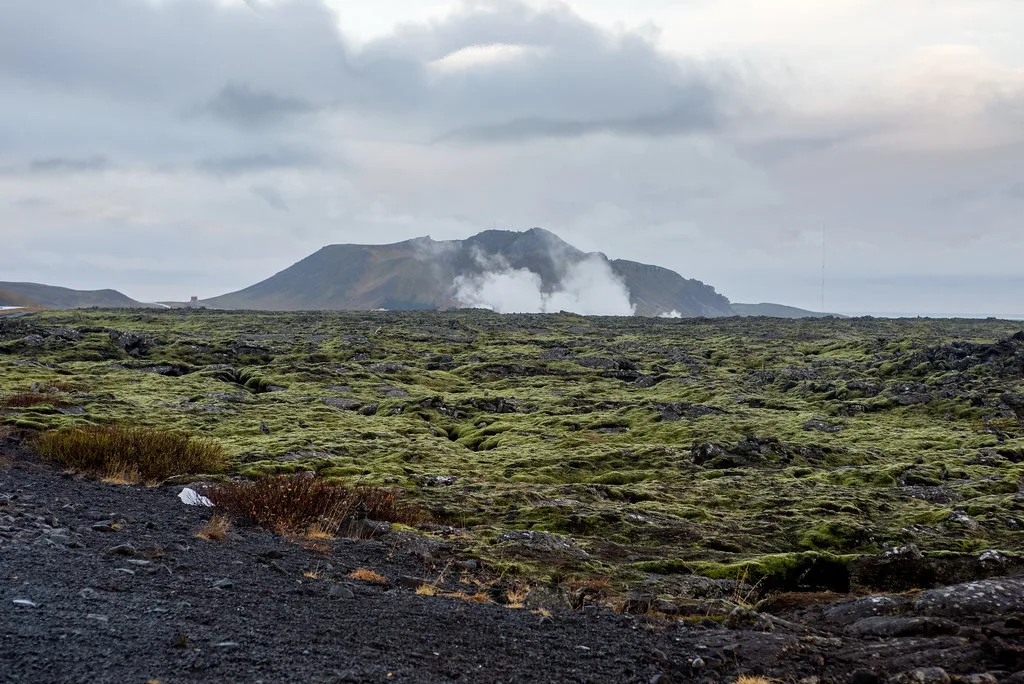
Svartsengi lies north of Grindavík, beside the Blue Lagoon and the power plant area. Most people drive themselves from Reykjavík or the airport area as part of a wider loop. Allow roughly 20–40 minutes for the stop itself. Park only in signed public places and never block service roads. Our overview of the Reykjanes Peninsula Travel Guide: Sights, Routes & Safety shows how to build the rest of the day.
Cost, tickets and tours
There is no standard admission fee for Svartsengi, because it is not a ticketed attraction. Money goes to the Blue Lagoon and to guided tours. Check the Blue Lagoon official site for current prices and booking rules. Reykjanes day tours that pass the area run roughly 7 to 12 hours. Compare operators for volcano-focused options in our guide to Fagradalsfjall Tours: Which Volcano Hike Fits You. Prices are in ISK, and operators set them.
A Reykjanes day tour passing the area runs roughly 7 to 12 hours, while the Svartsengi stop itself needs only 20–40 minutes.
Svartsengi in a Reykjanes day: itinerary trade-offs
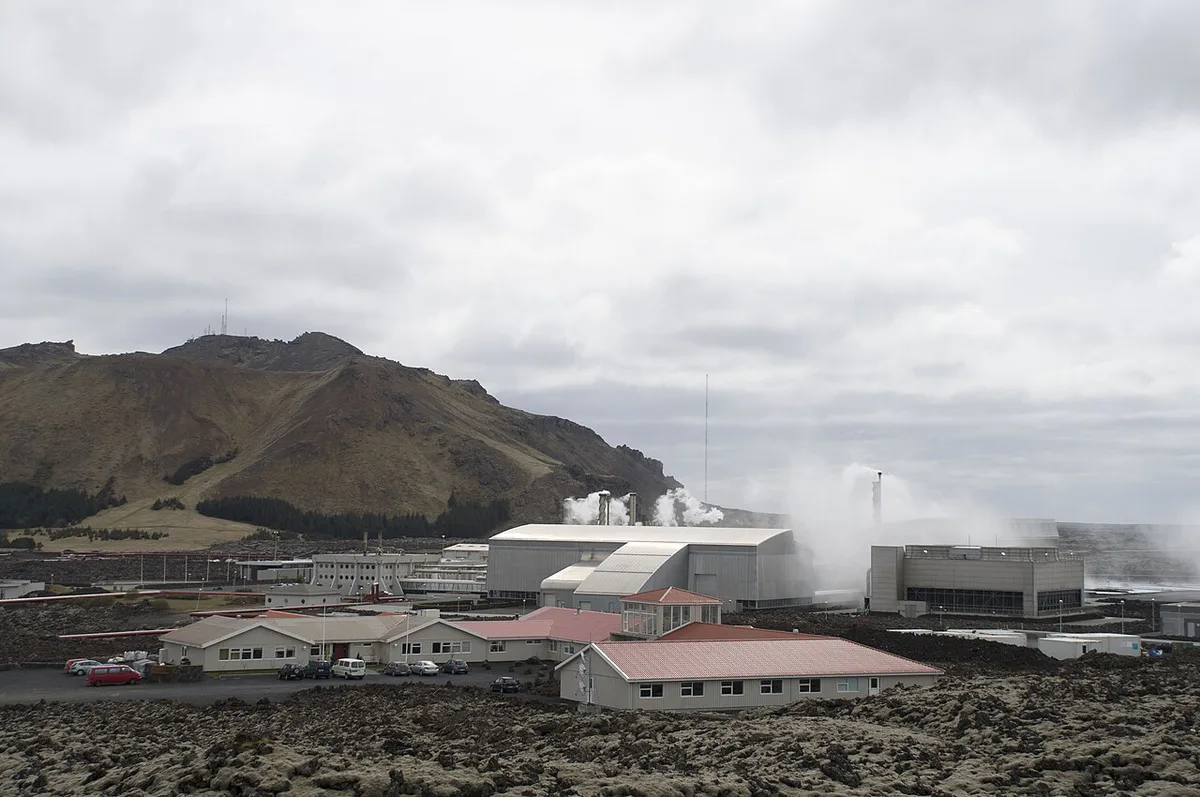
Svartsengi works as a short roadside stop, not a half-day anchor. Pair it with one bigger stop. Access to every stop below can change at short notice.
| Stop | Best for | Access note |
|---|---|---|
| Svartsengi | Seeing the power plant and lava-field setting | 20–40 minutes; public roads only |
| Blue Lagoon | Soaking in geothermal water | Paid; booking and status on official site |
| Reykjanesviti | Lighthouse and coastal scenery | Check road and weather status |
| Fagradalsfjall hikes | Seeing recent lava fields on foot | Trail status changes |
| Reykjanes Geopark sites | Geology and plate-boundary context | Varies by site |
History and why it matters
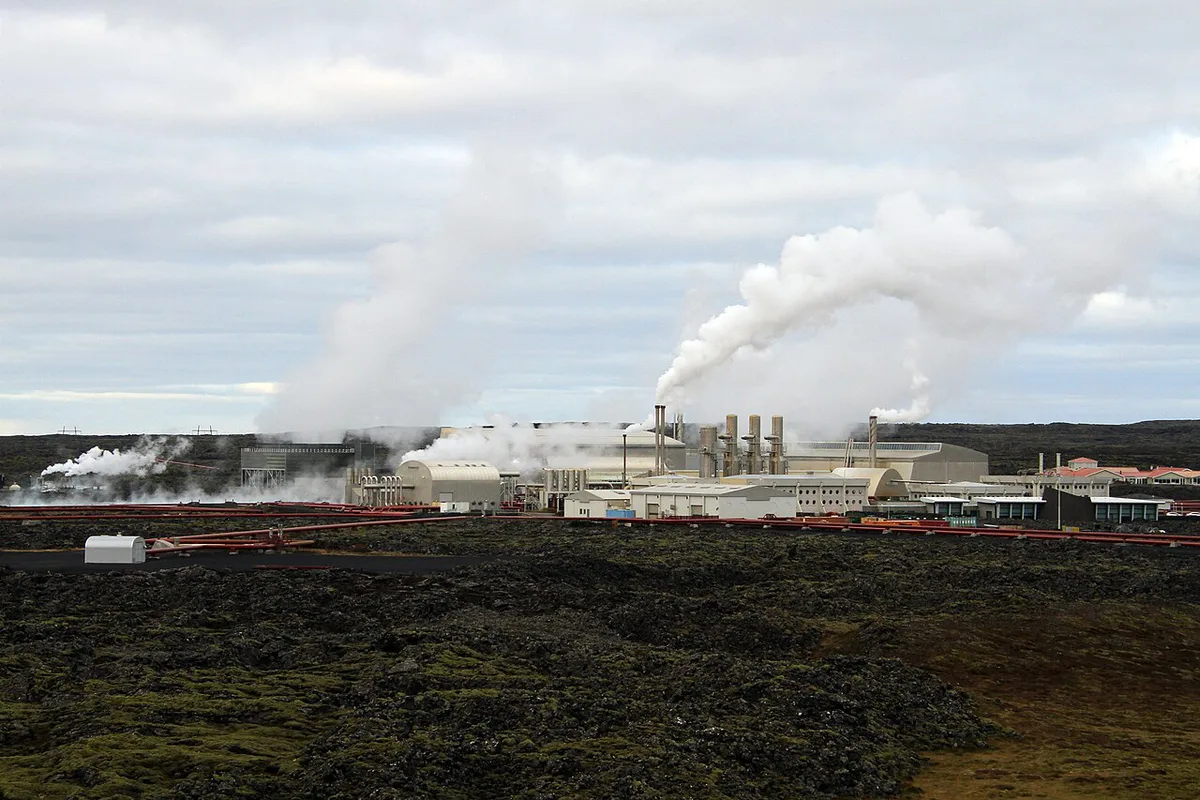
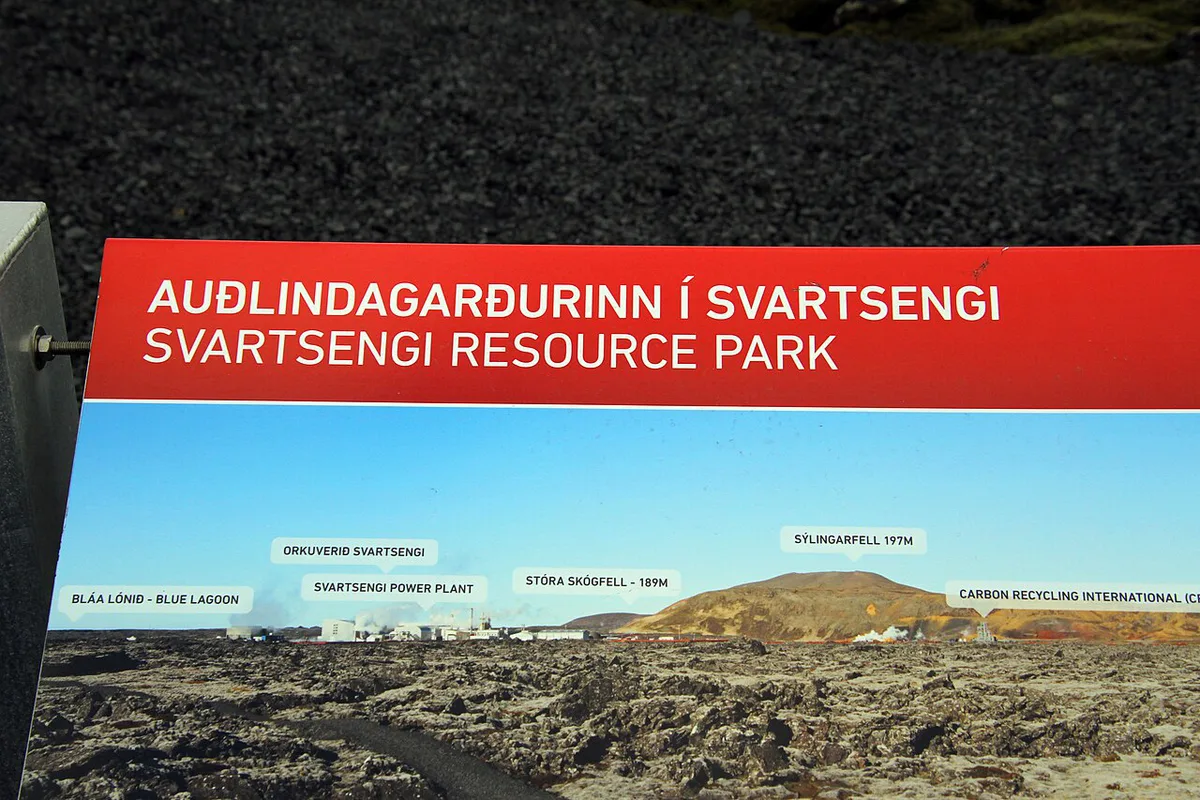
Svartsengi's name comes from an old stopping place for horsemen, according to HS Orka. The modern plant stands on Illahraun, lava that flowed in 1226. Hot water from Svartsengi first reached Grindavík on 6 November 1976. Electricity generation followed in 1978, making it Iceland's first combined geothermal power plant. Separated brine pooled in the lava field and formed the milky-blue water that became the spa. Read the HS Orka company site for plant details. Capacity figures change as the plant expands, so use the operator's current numbers.
The volcanic unrest since 2023
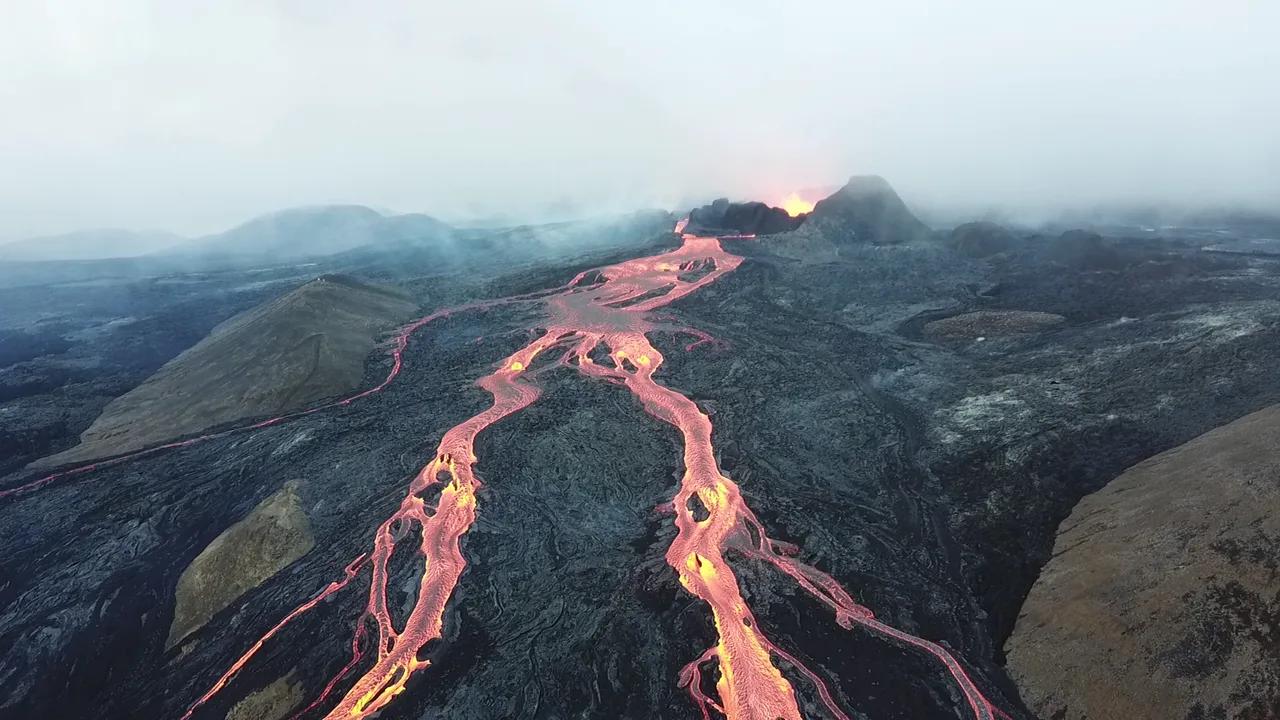
Since late 2023, ground uplift and magma accumulation beneath Svartsengi have been monitored by the Icelandic Meteorological Office. Magma has moved toward the Sundhnúkur crater row, where eruptions have followed. One example is covered in our page on Litli-Hrútur. For readers curious about geology, a short explainer covers what type of volcano the neighbouring system is. Predictions about when activity ends are uncertain, so ignore claims of fixed timelines. Follow official updates instead.
Where to stay
Reykjavík offers the widest choice, and you can drive the peninsula as a day trip. Keflavík and the airport area suit early flights and late arrivals. Lodging near the Blue Lagoon puts you closest to Svartsengi. Availability there depends on current access, so check booking sites and local advice first. See Visit Reykjanes for regional options.
Explore nearby
For a volcano hike, start with the Fagradalsfjall area and its Geldingadalir valley. Compare routes in our Iceland volcano hikes guide. Along the coast, the Reykjanesviti lighthouse makes an easy add-on. Plate-boundary fans can cross the plate-boundary footbridge. The geopark's visitor information covers more sites, and Reykjanes Geopark lists current updates.