Geldingadalir: The 2021 Eruption Valley and How to Visit
Last updated November 2026: Geldingadalir is the small valley on the Reykjanes Peninsula where the Fagradalsfjall eruption began in March 2021, the first on the peninsula in about 800 years. Access across this volcanic area changes with activity, so check official sources before you plan any hike. This guide explains what the valley is, how it relates to later eruption sites, and how to choose between hiking and a guided tour.
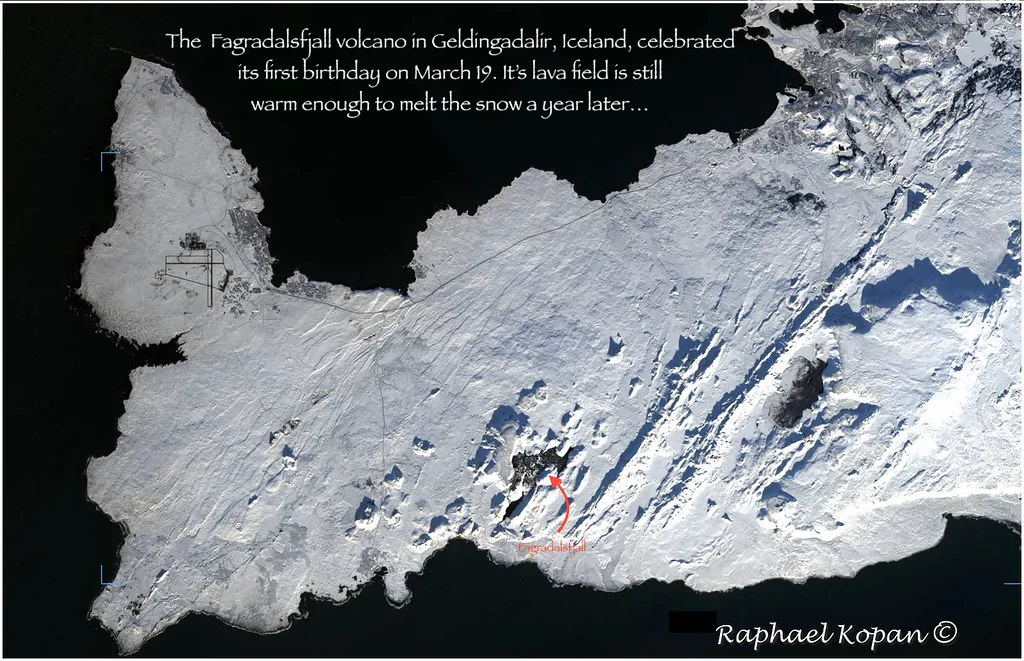
Featured image: BitBoy, CC BY 2.0, via Flickr.
What Geldingadalir Is and Where It Sits
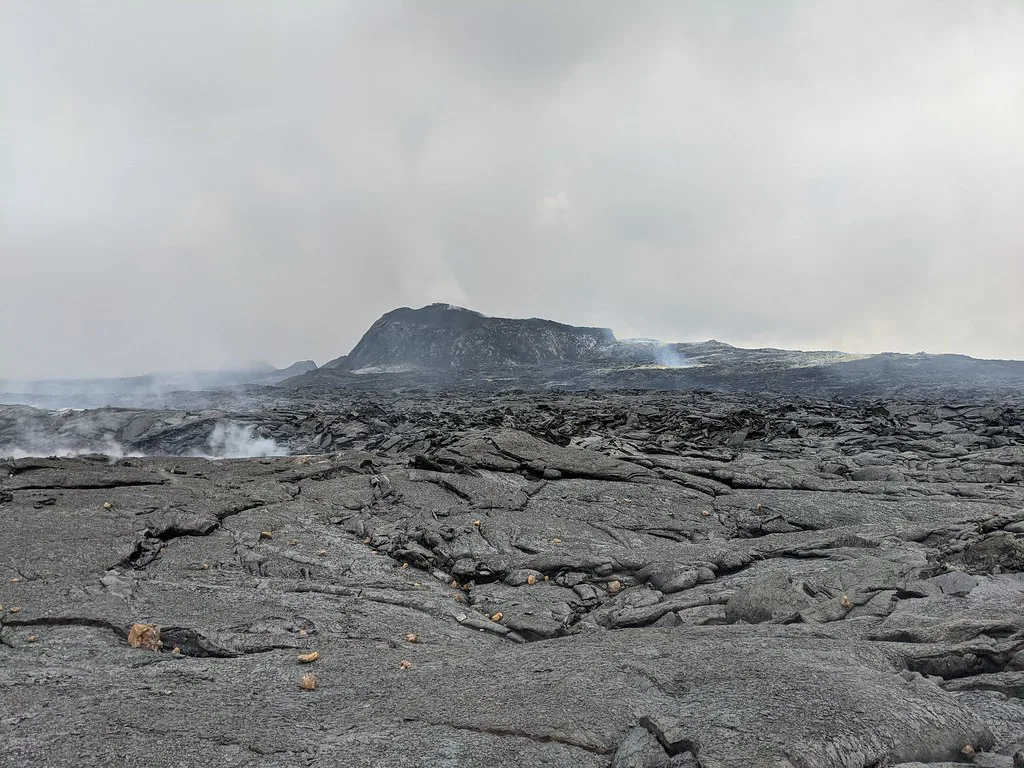
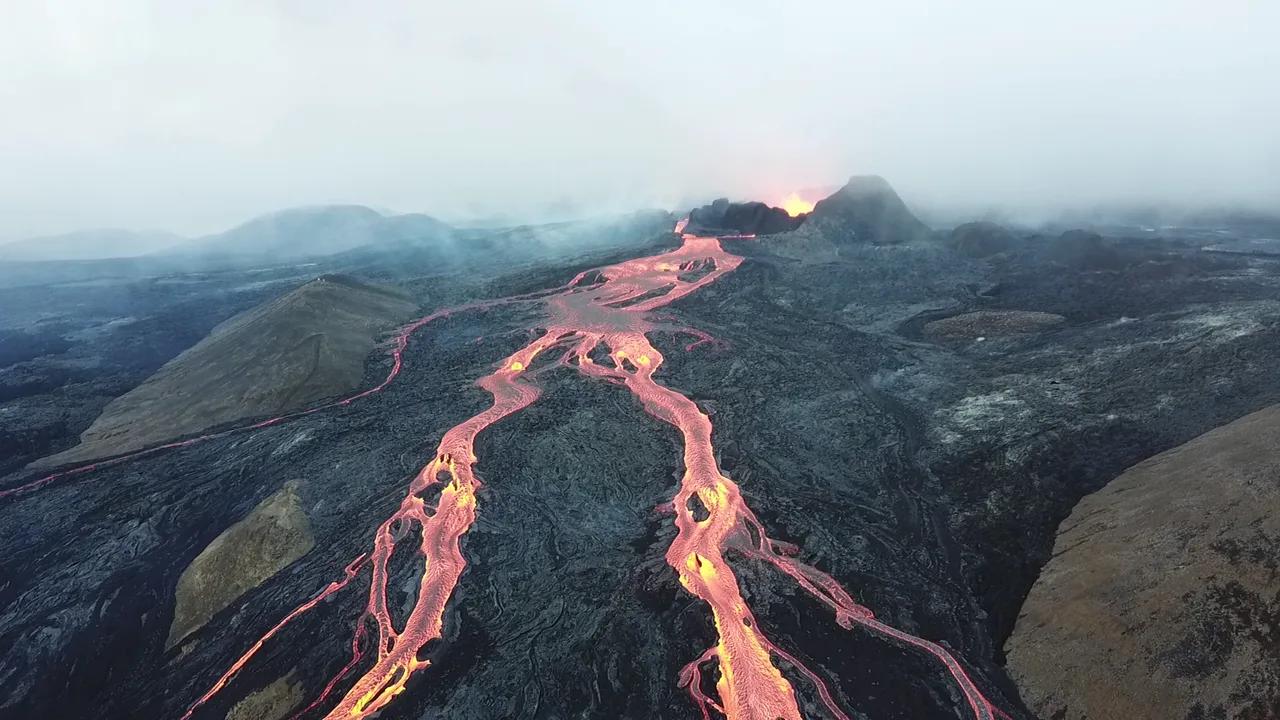
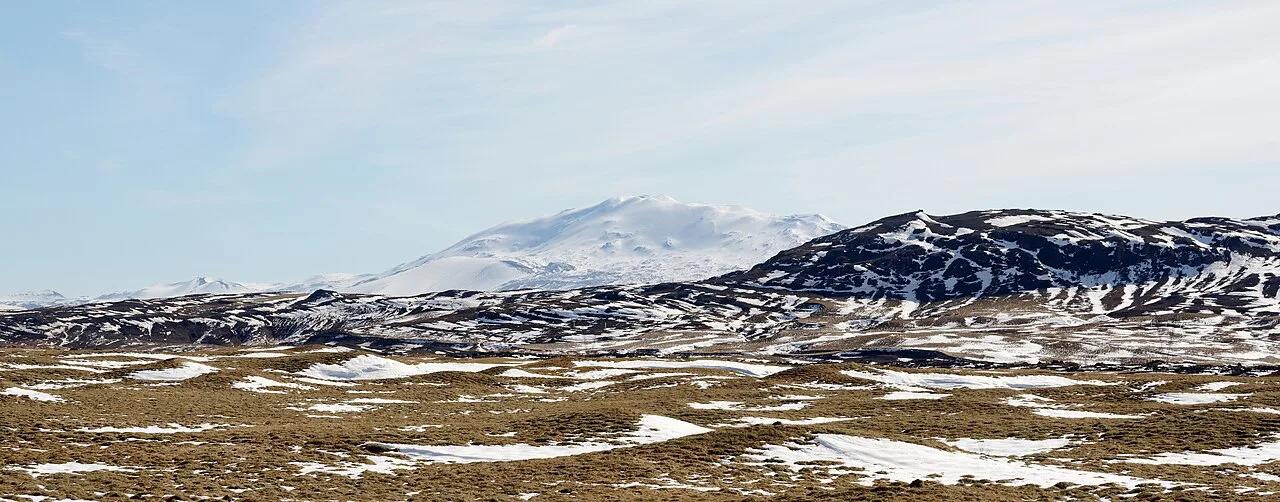
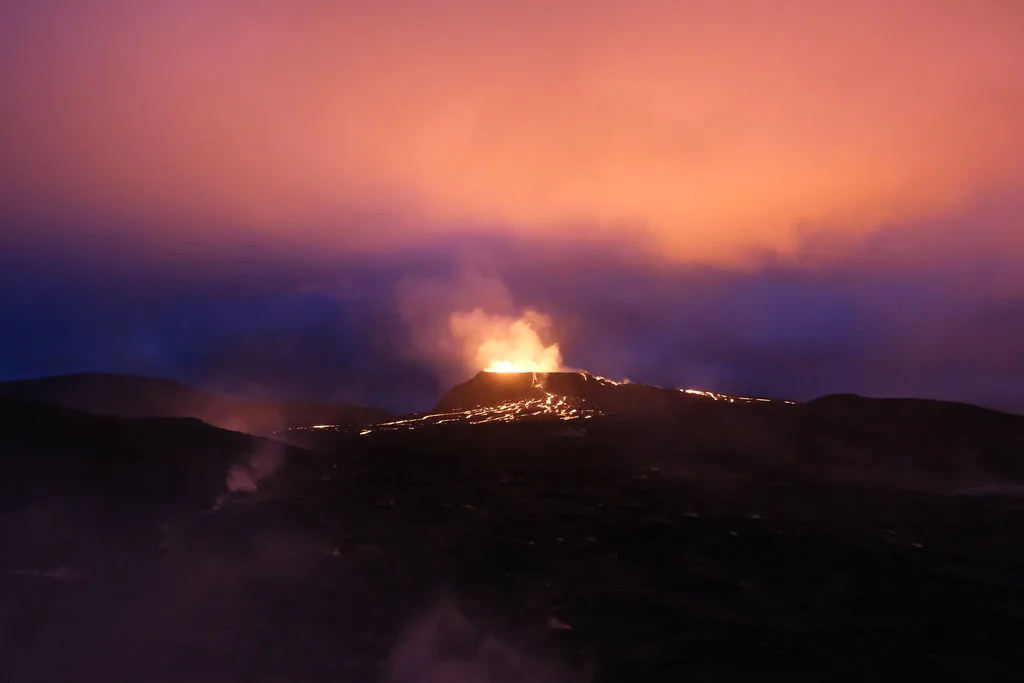
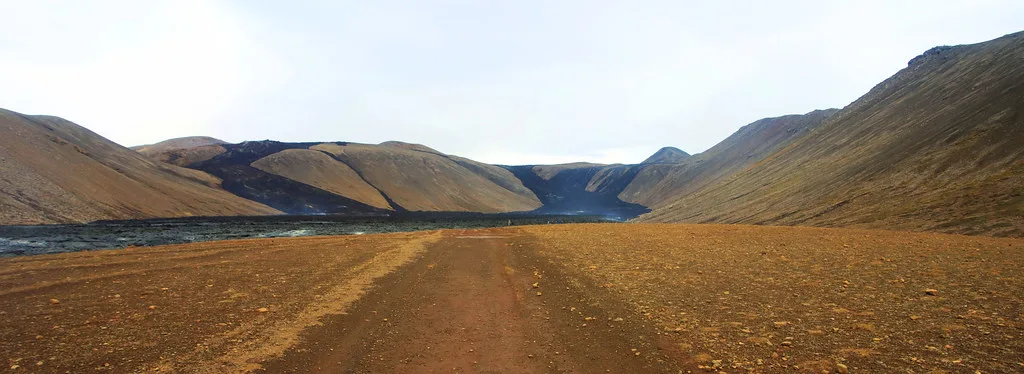
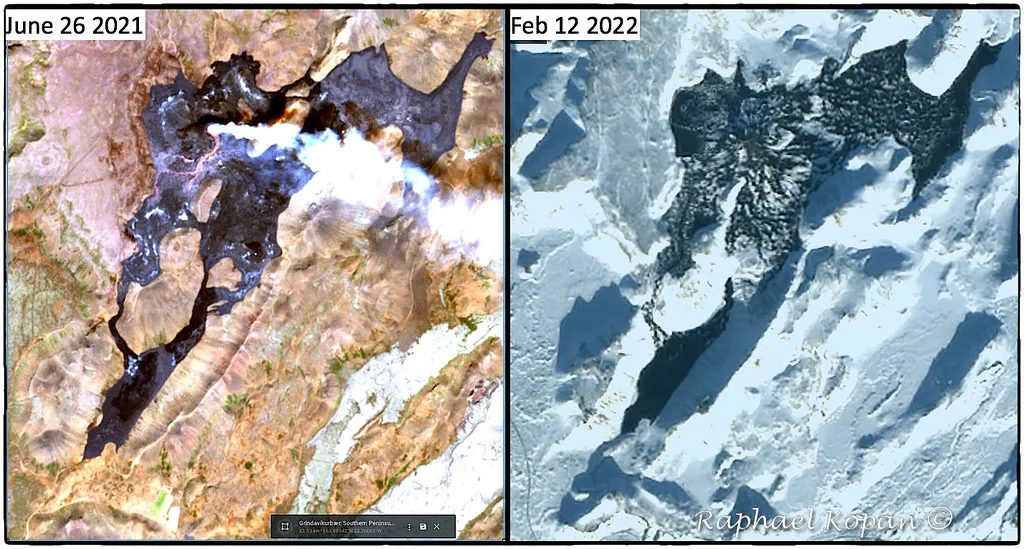
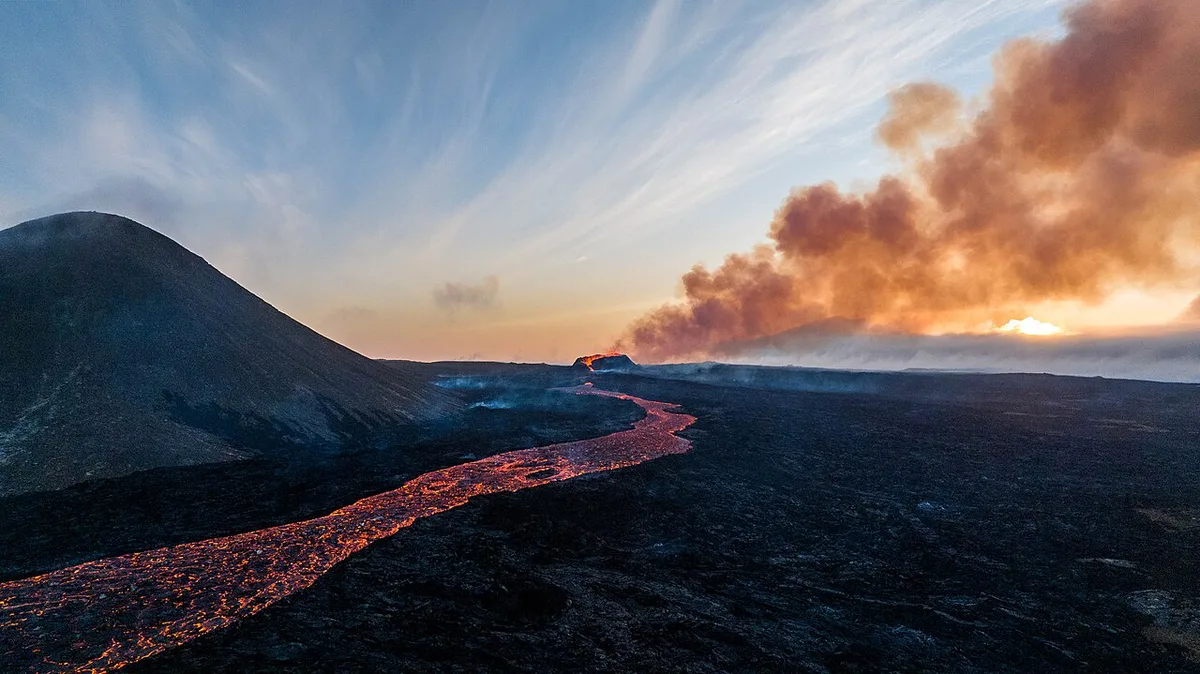
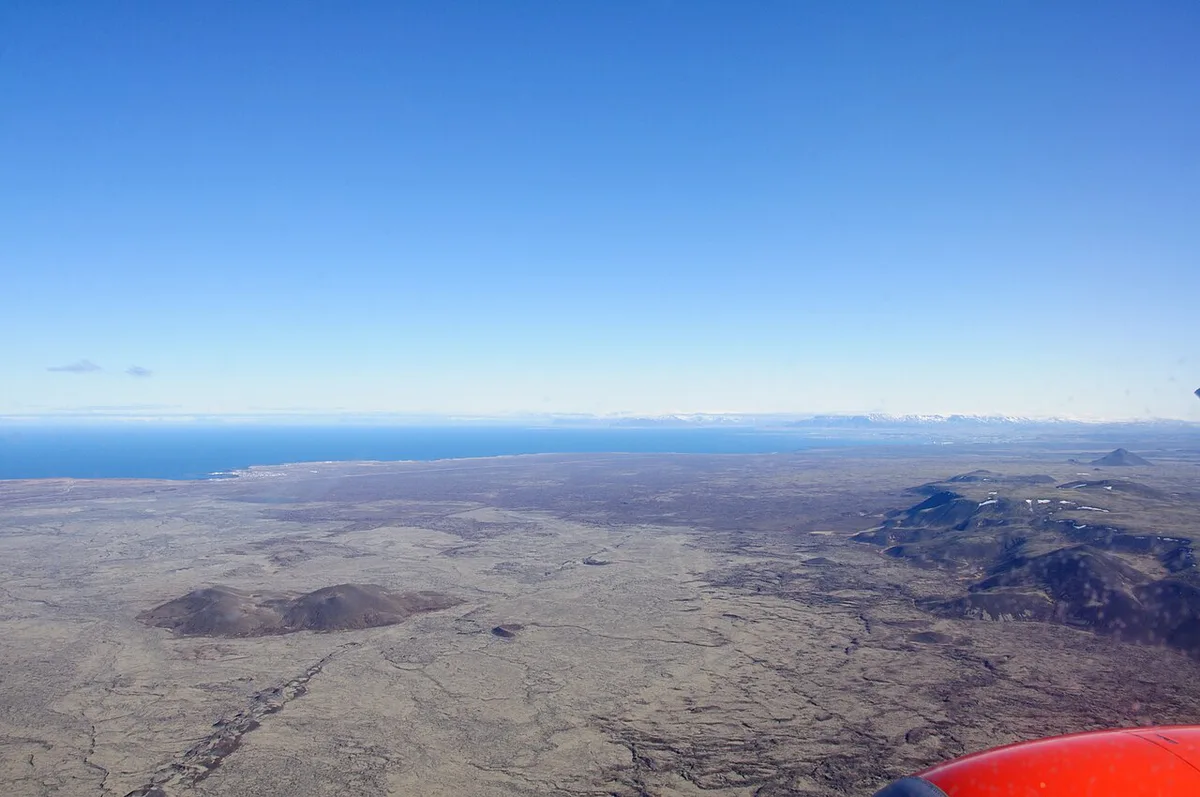
Geldingadalir means "Valley of the Geldings". It is a small valley on the slopes of Fagradalsfjall, the volcanic system that gave the 2021 eruption its name. Lava began flowing here in March 2021, after about 800 years without an eruption on the Reykjanes Peninsula. Within weeks the valley floor filled with fresh basalt. Visitors who see the field today are walking on that new rock rather than on the valley as it was named. For the geology behind this type of eruption, read what kind of volcano Fagradalsfjall is. Wider context on the region sits in our Reykjanes Peninsula guide.
Geldingadalir, Meradalir and Litli-Hrútur: How They Connect
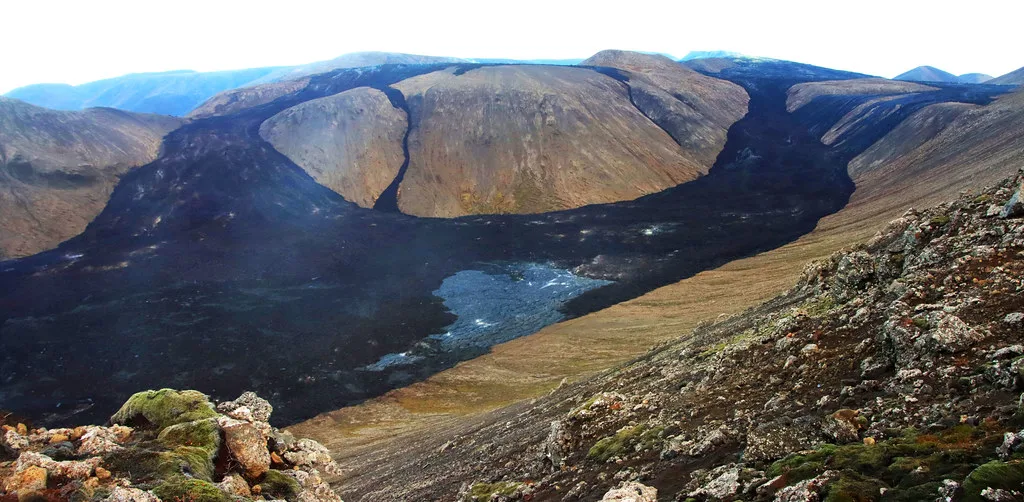
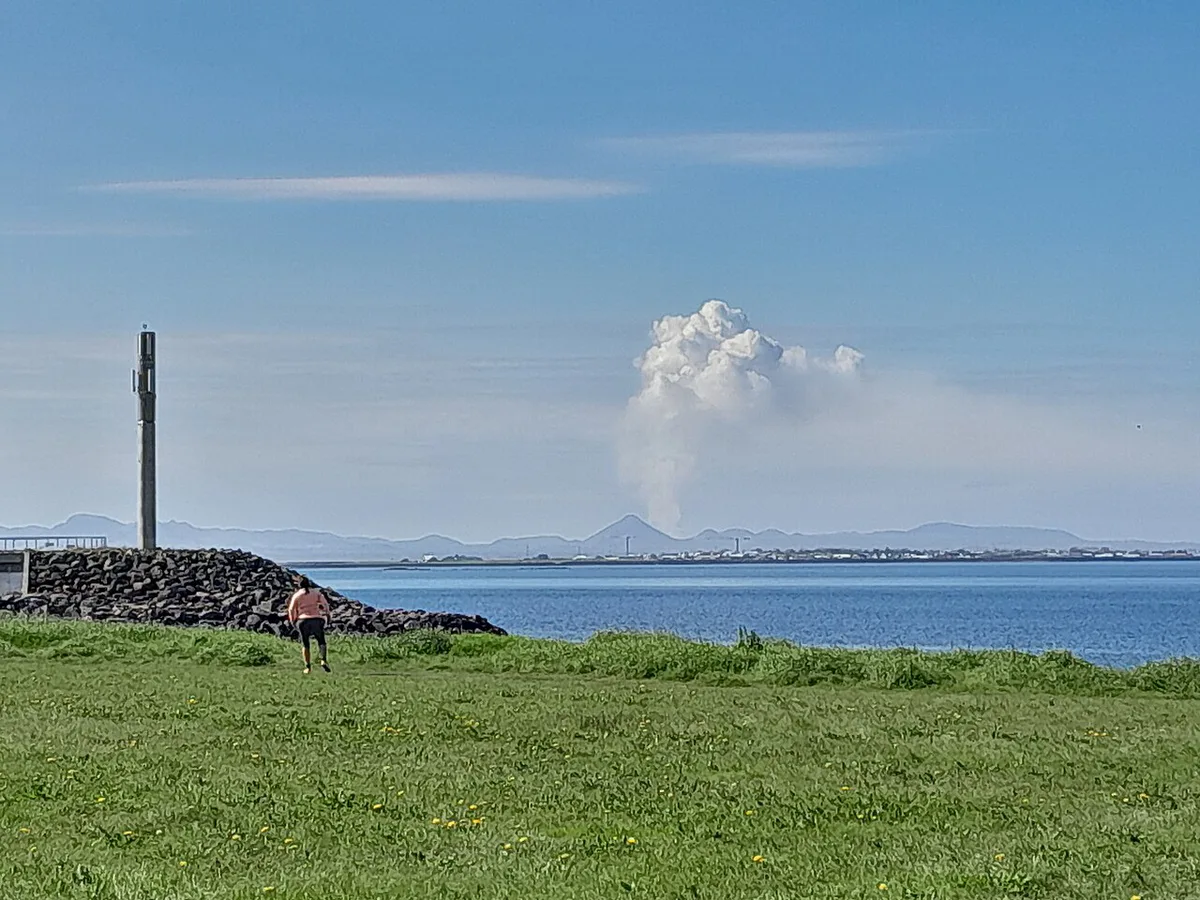
Many searchers type "meradalir" after reading about Geldingadalir. Meradalir is the neighboring valley, and a second eruption opened there in August 2022. It sits in the same Fagradalsfjall system, so the two valleys are often covered together. A third eruption followed in 2023 at Litli-Hrútur, and our page on Litli-Hrútur covers it. Since December 2023, a separate series of eruptions has occurred along the Sundhnúkur crater row near Grindavík. Our guide to the Sundhnúkur eruptions explains that series. Treat each site as its own hazard zone with its own access rules.
- Geldingadalir: first eruption, March 2021.
- Meradalir: neighboring valley, eruption in August 2022.
- Litli-Hrútur: eruption in 2023, same Fagradalsfjall system.
- Sundhnúkur crater row: eruptions since December 2023, near Grindavík.
Can You Visit Geldingadalir Now?
Access depends on current volcanic activity, gas conditions and any closure decisions, and none of these stay fixed for long. Start with Safetravel Iceland for live conditions and closure notices. The Icelandic Met Office publishes eruption activity and gas forecasts. Write down the date of any status you read, because a notice from last month may no longer apply. The Reykjanes Geopark site adds regional visitor information. If any official source shows a closed or restricted area, do not enter it.
Getting to Geldingadalir by Car or Tour
The valley lies on the Reykjanes Peninsula, so it is a short regional drive from Keflavík Airport and Reykjavík. A rental car gives the most flexibility. Most hikers start from a trailhead parking area off the road between Grindavík and the Reykjanes coast. Grindavík itself has been disrupted by the eruptions nearby, so read our Grindavík update before you count on its shops, fuel or restrooms. Fill your tank and buy food in Keflavík or Reykjavík first. Road closures can change routes, so check them on the day. If you prefer not to drive, a guided tour handles transport and route decisions.
The Hike and What to Wear
The route crosses rough lava and loose gravel, with some steady climbing. Expect uneven footing rather than a groomed path. Wear ankle-supporting hiking boots, not trainers. Pack waterproof layers, gloves and a hat, since weather on the peninsula turns quickly and wind is common. Bring water and a charged phone with offline maps. Daylight hours shrink sharply in winter, so start early and plan a return before dark. Summer gives the longest light and the most stable conditions. Route length and time depend on the trail the authorities currently open, so rely on the posted route rather than an old map. For other options, compare this walk with our volcano hikes in Iceland.
Safety on Active Lava Fields
Volcanic gas is the least visible hazard. Wind direction decides whether gas pools in valleys, and low spots like Geldingadalir can trap it. Follow the Met Office gas forecast and leave if you feel a sore throat, headache or dizziness. New fissures can open with little warning near active systems. Fresh lava crust can look solid while hot rock sits just below. Stay on marked paths and obey every closure sign. Never walk onto warm or steaming ground. Official guidance from Safetravel and the civil protection authorities overrides anything written here.
Hike It Yourself or Join a Guided Tour?
The right choice depends on your experience, your vehicle and your appetite for judgment calls. Guides track conditions daily and know which routes are open. Our page on guided Fagradalsfjall tours compares the options. Operators set their own prices and durations, so check them directly. An independent hike costs less, but you carry all the planning and risk.
- Go independently if you have hiking boots, a rental car and the confidence to read forecasts.
- Book a guided tour if you lack a car, are new to lava terrain, or want an expert to judge conditions.
- Skip the hike if gas warnings, high wind or closures apply, and drive the coast instead.
Combine Geldingadalir With Nearby Stops
Several Reykjanes sights fit into the same day. Reykjanesviti lighthouse sits on the peninsula's southwestern tip. Walk across the Bridge Between Continents, Iceland: Visitor Guide for a view of the rift between tectonic plates. The geothermal plant at Svartsengi feeds the nearby Blue Lagoon. Our guide to the Blue Lagoon and the volcano explains how the eruptions have affected it. For broader background on the area, see our Reykjanes Geopark overview. Check each stop's status on the day, since closures have affected several of them.
Frequently Asked Questions
Did the volcano in Iceland erupt again?
Yes. After Geldingadalir in 2021, eruptions followed at Meradalir in 2022 and Litli-Hrútur in 2023. A further series began at the Sundhnúkur crater row in December 2023. Check the Icelandic Met Office for the latest activity.
Is the Blue Lagoon safe from the volcano?
The Blue Lagoon sits near Svartsengi, close to the Sundhnúkur eruption area, and it has closed during some eruptions. Its operators decide on reopening based on official safety guidance. Read the Blue Lagoon website for current opening status before you travel.