Blue Lagoon and the Volcano: Is It Safe to Visit?
Last updated November 2026. The blue lagoon volcano question has a short answer: the lagoon sits on the Reykjanes Peninsula beside the Svartsengi plant, near the Sundhnúkur crater row, and not on a single cone. Status has changed several times since late 2023, so check official sources on the day you plan to soak.
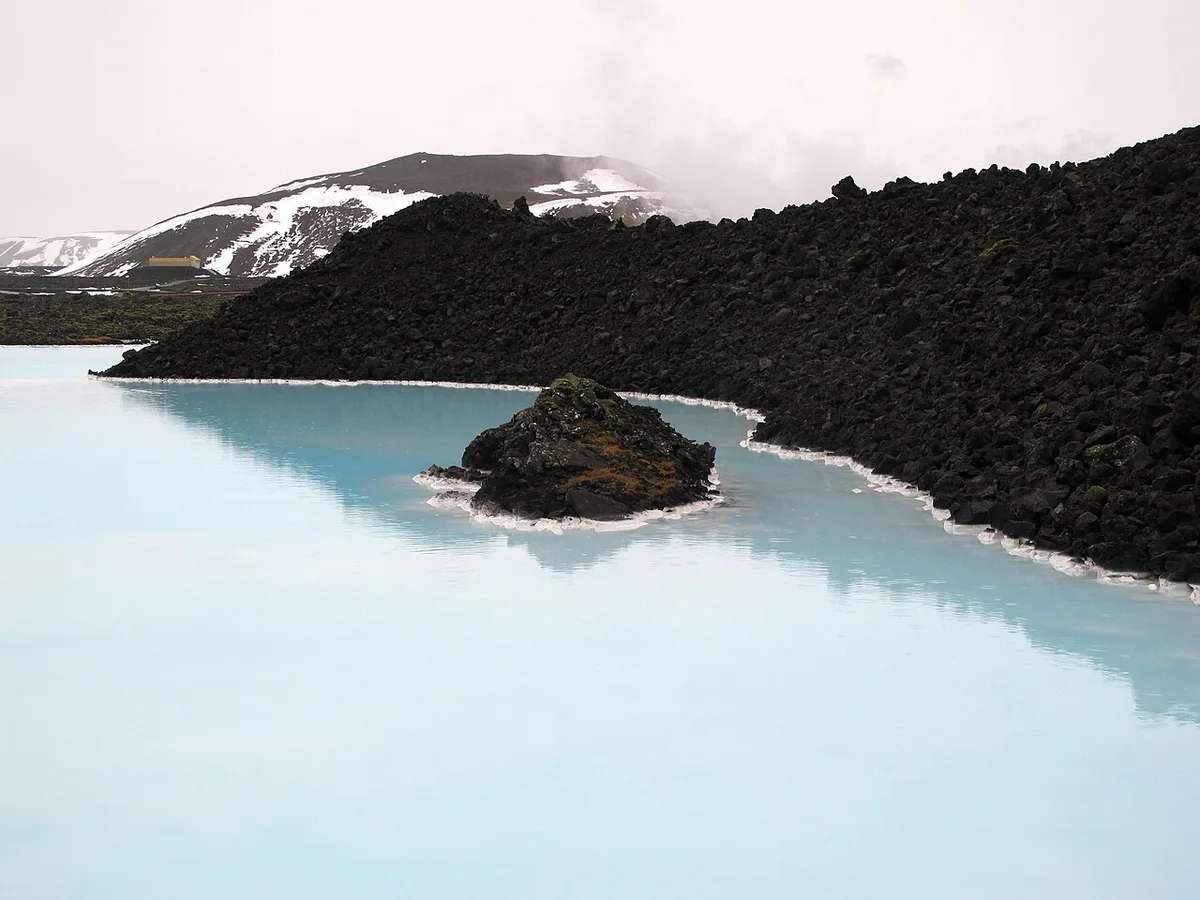
Featured image: dconvertini, CC BY-SA 2.0, via Flickr.
Is there a volcano at the Blue Lagoon?
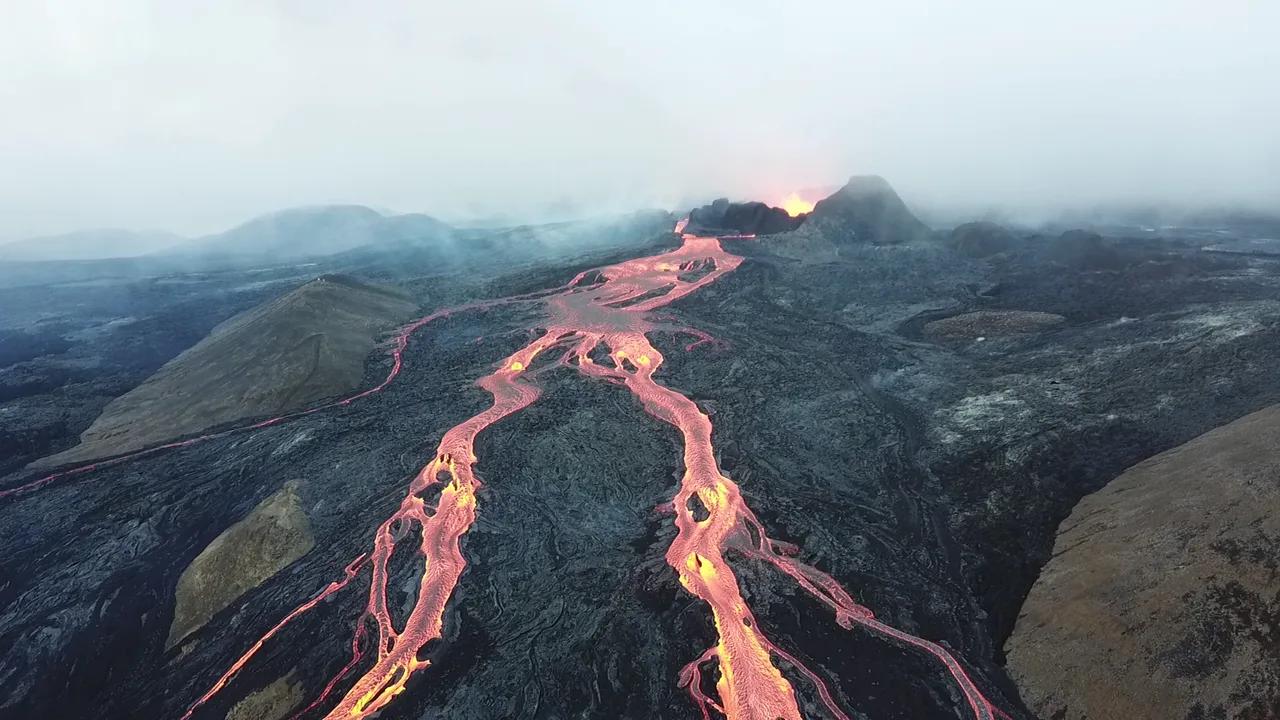
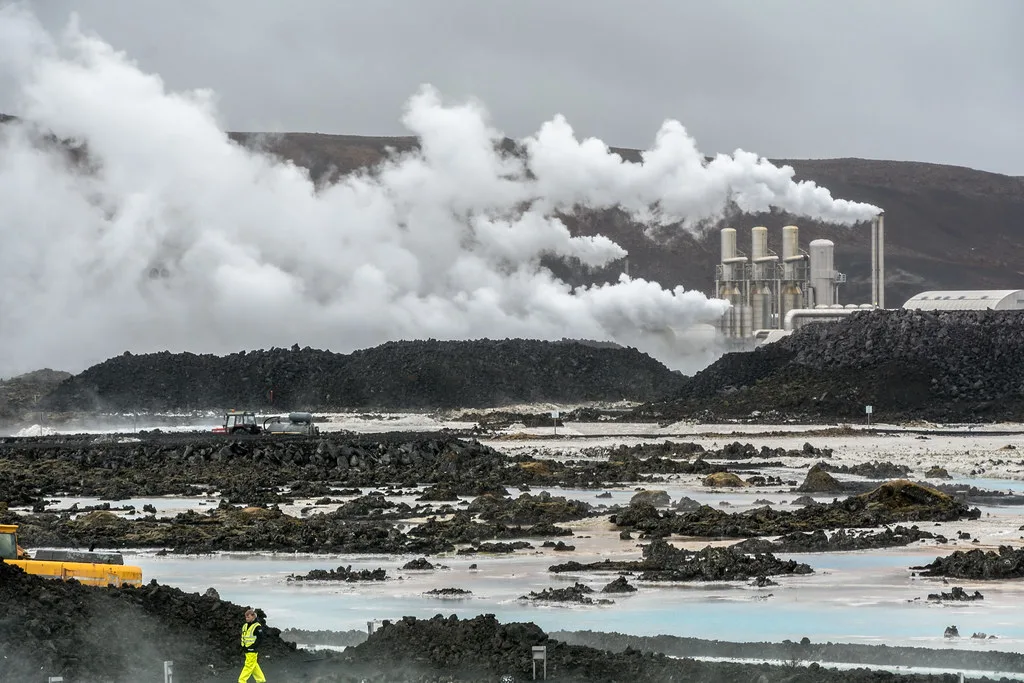
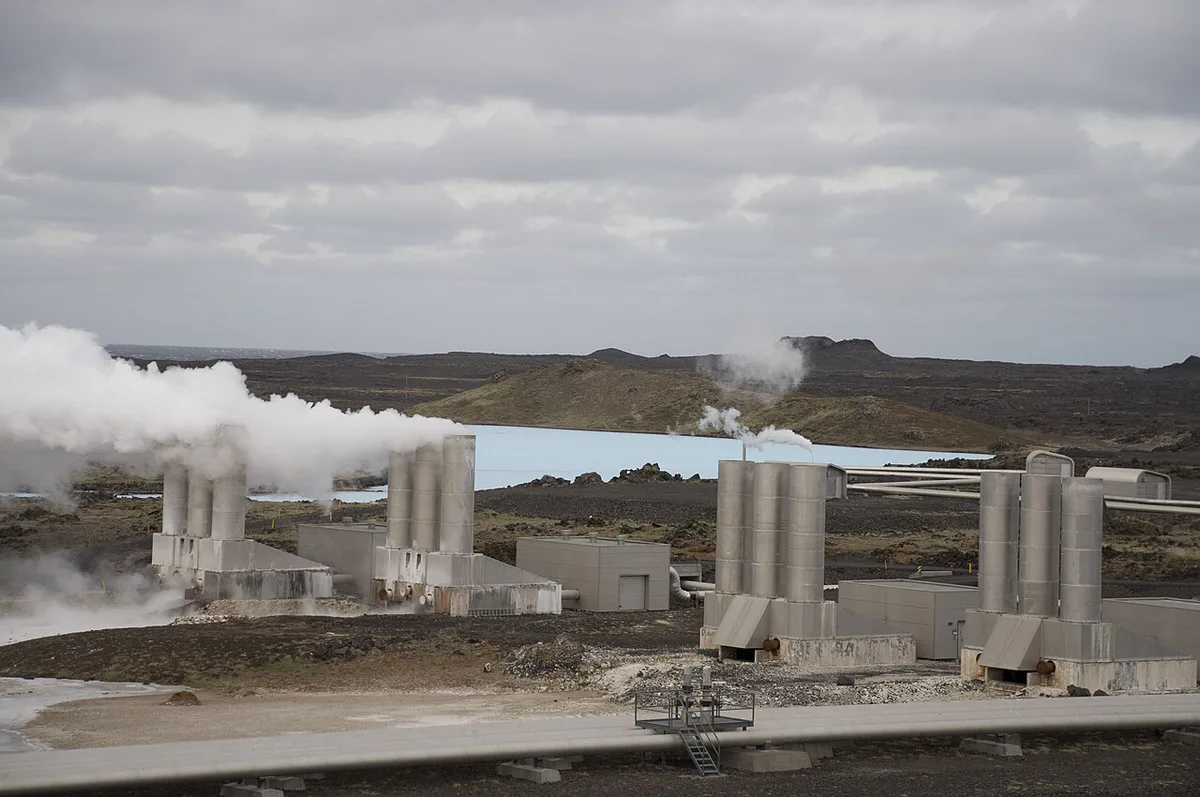
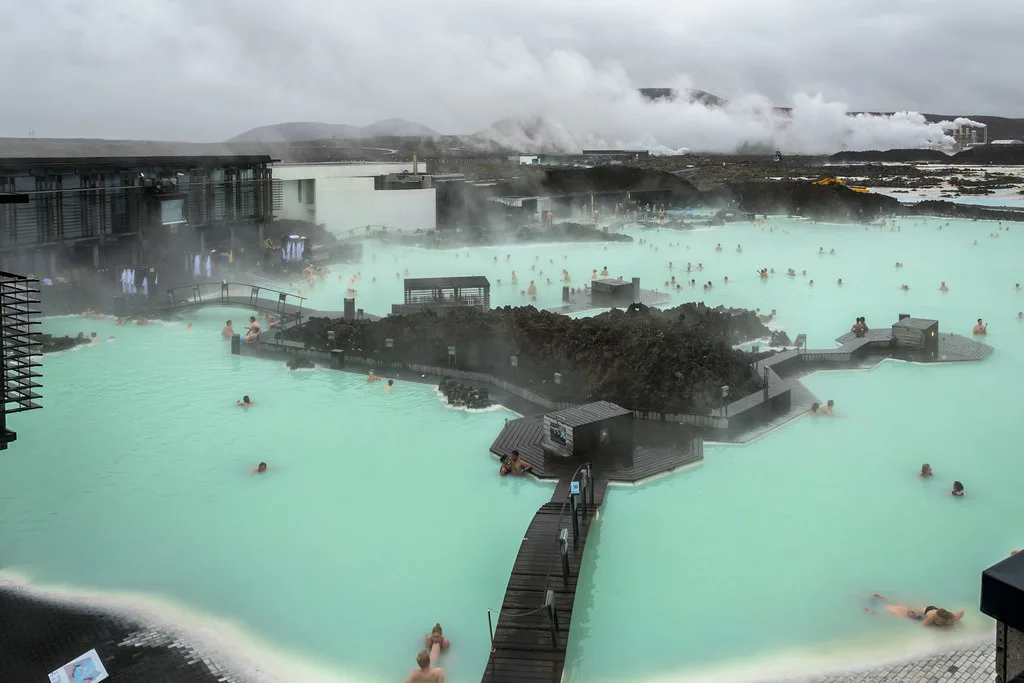
No single volcano sits under the lagoon. It lies between Grindavík and Keflavík, next to the Svartsengi geothermal plant run by HS Orka. Our Svartsengi area guide explains how the plant and the lagoon fit together. The Reykjanes Peninsula Travel Guide: Sights, Routes & Safety is dominated by a rift valley with lava fields and cones, not one central volcano. Recent eruptions came from fissures along the Sundhnúkur crater row. In December 2023 the Blue Lagoon described that eruption as lying north of Grindavík and east of the lagoon. Iceland's government classed it as a fissure eruption, which does not usually mean large explosions or much ash. The older Fagradalsfjall volcanic system is a separate eruption area on the same peninsula. For the geology in plain language, read what type of volcano Fagradalsfjall is.
How eruptions have affected the lagoon
Closures and evacuations have followed the pattern of seismic unrest and eruptions near Grindavík. Each event below was reported at the time by national media and the lagoon itself.
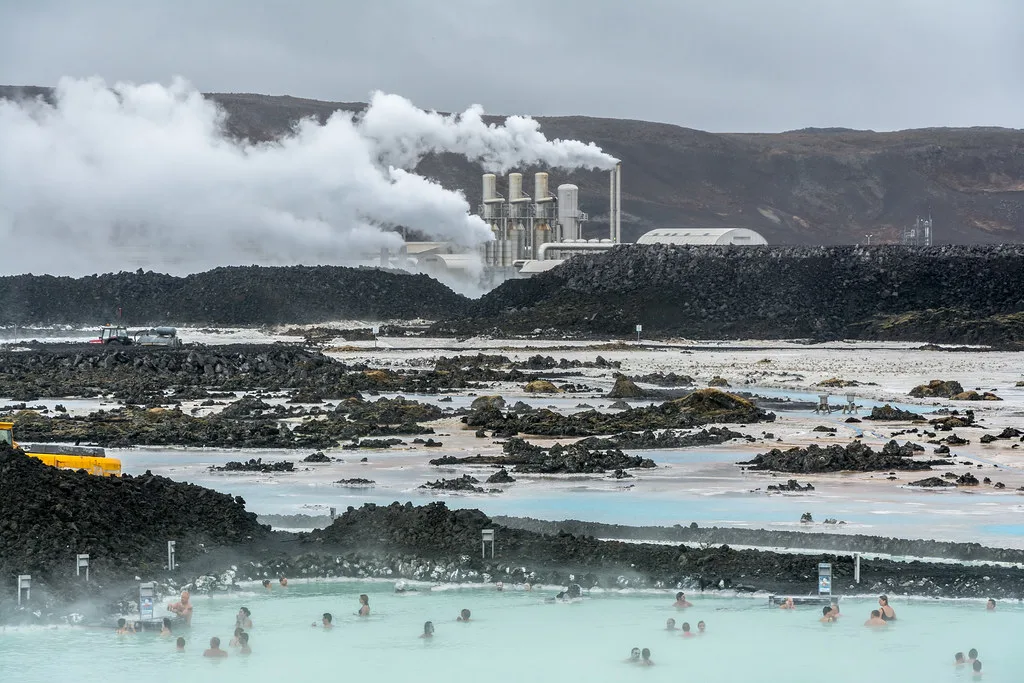
- November 2023: the lagoon closed for a week after 1,400 earthquakes were measured in 24 hours.
- December 18, 2023: an eruption at Sundhnúkagígar closed it again days after it had reopened. The fissure was about 4 km (2.5 miles) long, and the closure ran through at least December 27.
- February 8, 2024: another eruption sent lava toward the north of Grindavík.
- March 16, 2024: the lagoon and the town of Grindavík were evacuated. Anti-lava barriers outside the town held, and Keflavík Airport stayed fully operational.
How to check if the Blue Lagoon is open and safe today
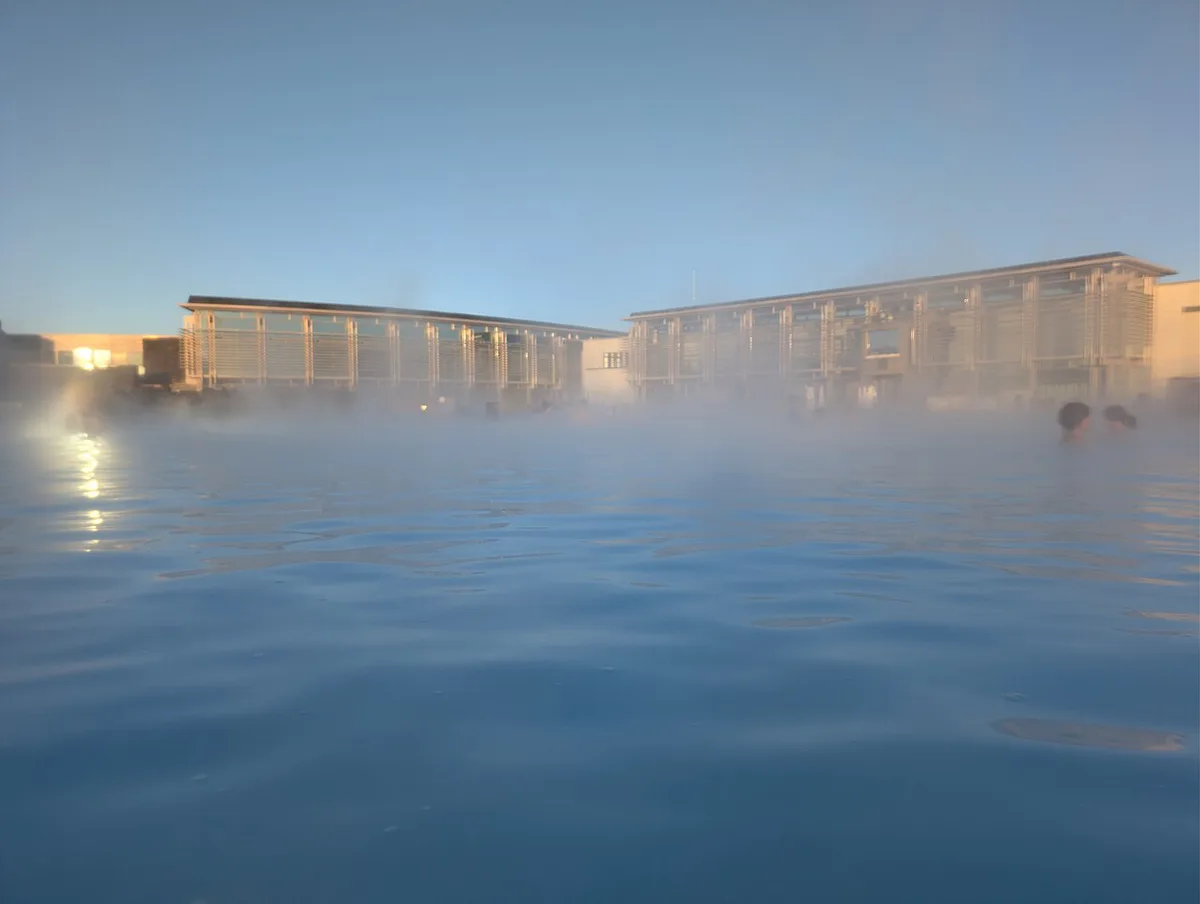
Past reports tell you the pattern, not today's status. Use these named sources on the morning of your visit and again before you leave your hotel.
- Blue Lagoon: its official site carries opening status and booking policy.
- Safetravel: Safetravel Iceland publishes travel advisories and hazard notices.
- Icelandic Met Office: eruption activity, gas forecasts and hazard maps.
- Civil Protection: evacuation orders and road restrictions around Grindavík.
- Visit Reykjanes: regional visitor information for the peninsula.
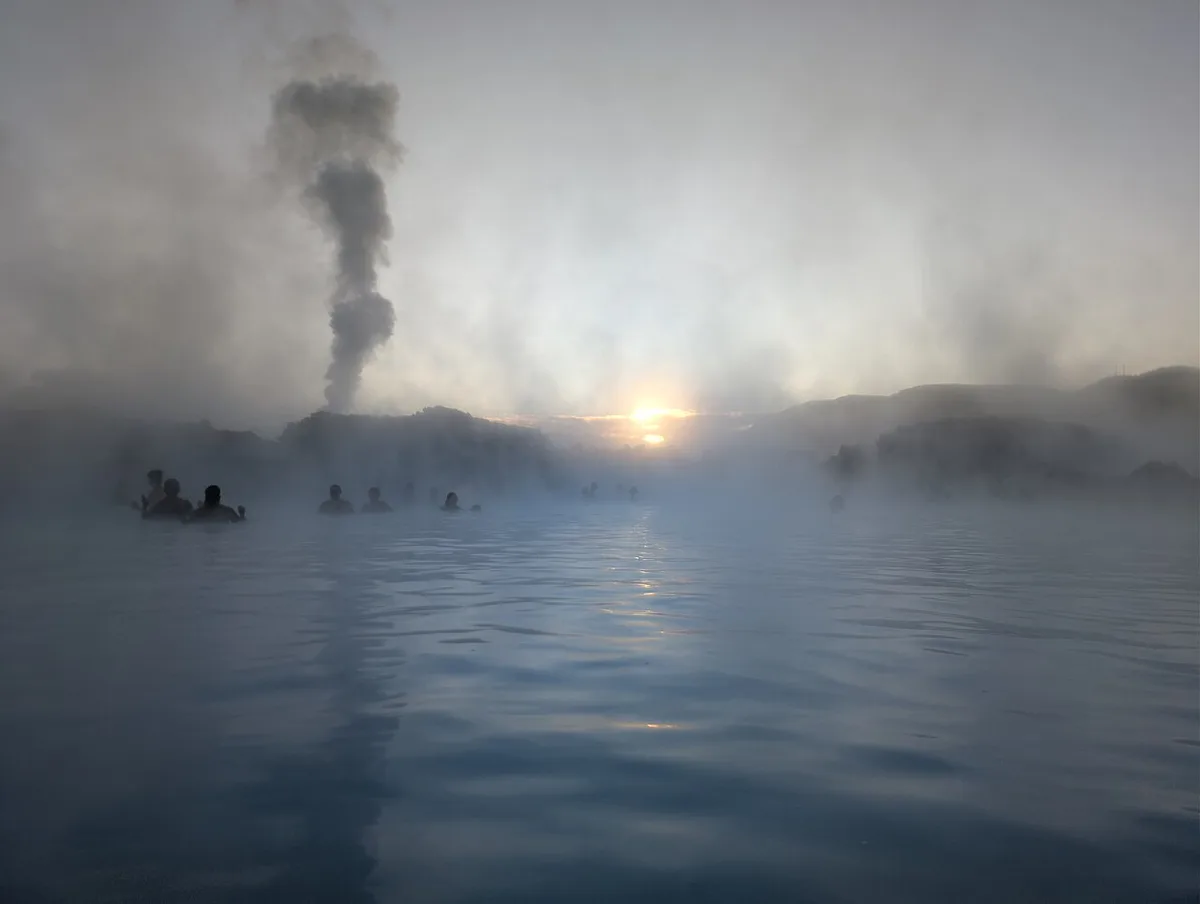
Should you still visit? A decision guide
Your best move depends on how close your booking is to a flight and how much uncertainty you accept. The lagoon's own notice in December 2023 said the situation would be reassessed after a closure date, so reopening can come with short notice. Refund and rebooking terms are set by the operator, so read its current policy before changing anything.
Seismic swarms can come first: 1,400 earthquakes were measured in 24 hours before the week-long November 2023 closure.
| Situation | Suggested move | Why |
|---|---|---|
| Lagoon open, no active warnings | Keep booking | Normal operation; recheck on the morning |
| Eruption or evacuation on your day | Rebook | Closures have lasted days to weeks |
| Soak planned just before a flight | Add buffer or move it earlier in the trip | A closure or road delay leaves no slack |
| Low risk tolerance, flexible dates | Skip or postpone | You avoid last-minute cancellations |
Getting there and timing around flights
The lagoon is just under an hour's drive from Reykjavík and sits on the peninsula that holds Keflavík International Airport. Keflavík stayed operational in both the December 2023 and March 2024 eruptions. An arrival-day soak saves a city trip but depends on your landing time and the lagoon's status. A city-based visit costs extra transfer time and gives you more room to rebook. Road access around Grindavík has changed repeatedly, so check Safetravel and Civil Protection notices for restrictions before you drive.
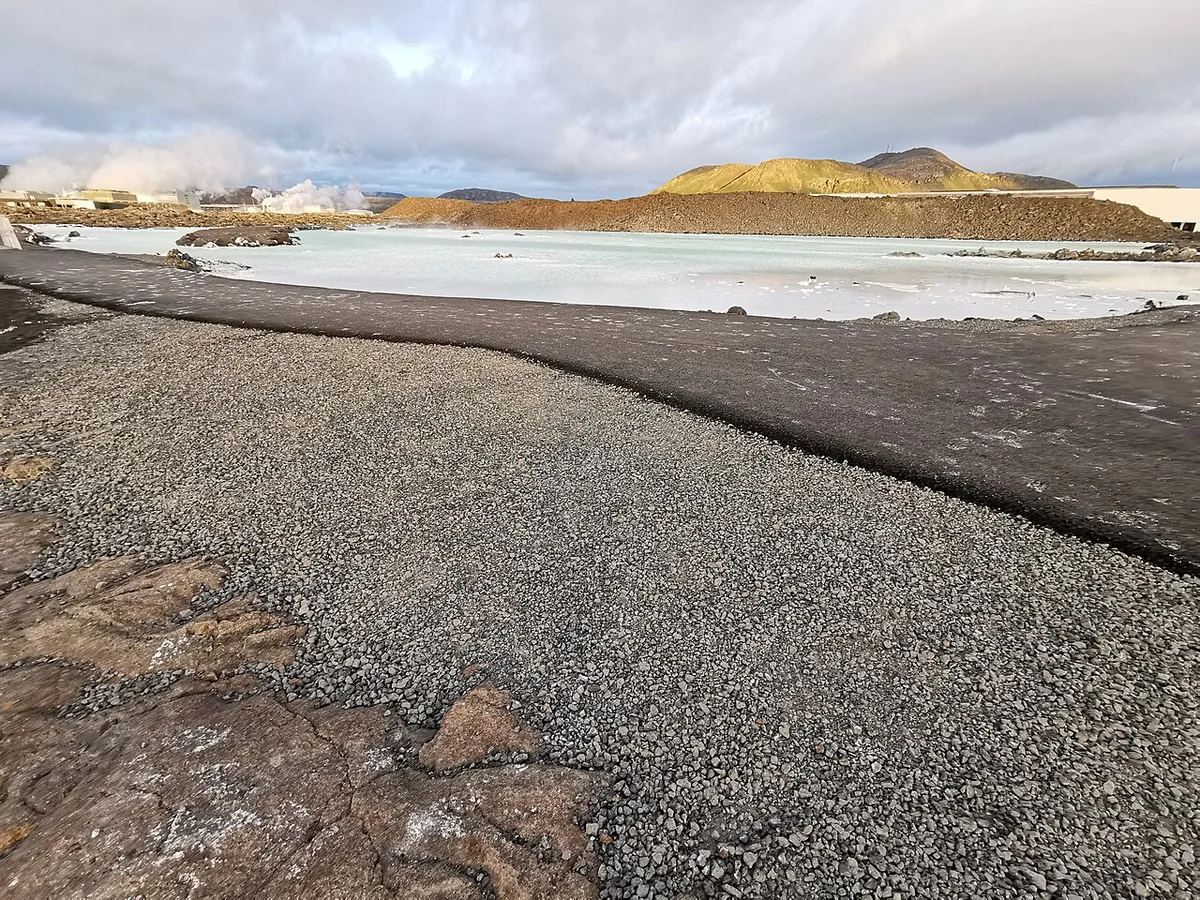
Seeing the volcanic landscape safely
A lagoon visit is not a volcano viewing. Lava sites are separate, depend on conditions, and should be visited only with current official guidance. To walk older eruption terrain, start with our volcano hike guide. If you prefer a guide to make the safety calls, compare guided Fagradalsfjall tours. The 2021 eruption area is covered in our Geldingadalir valley guide. A later eruption site is described in our Litli-Hrútur page. If the lagoon is closed, the Reykjanesviti lighthouse area offers a coastal stop. You can also read how Reykjanes Geopark explains the geology, and our geopark overview and the bridge between continents give the plate-boundary context. Never approach lava, closed roads or restricted zones.
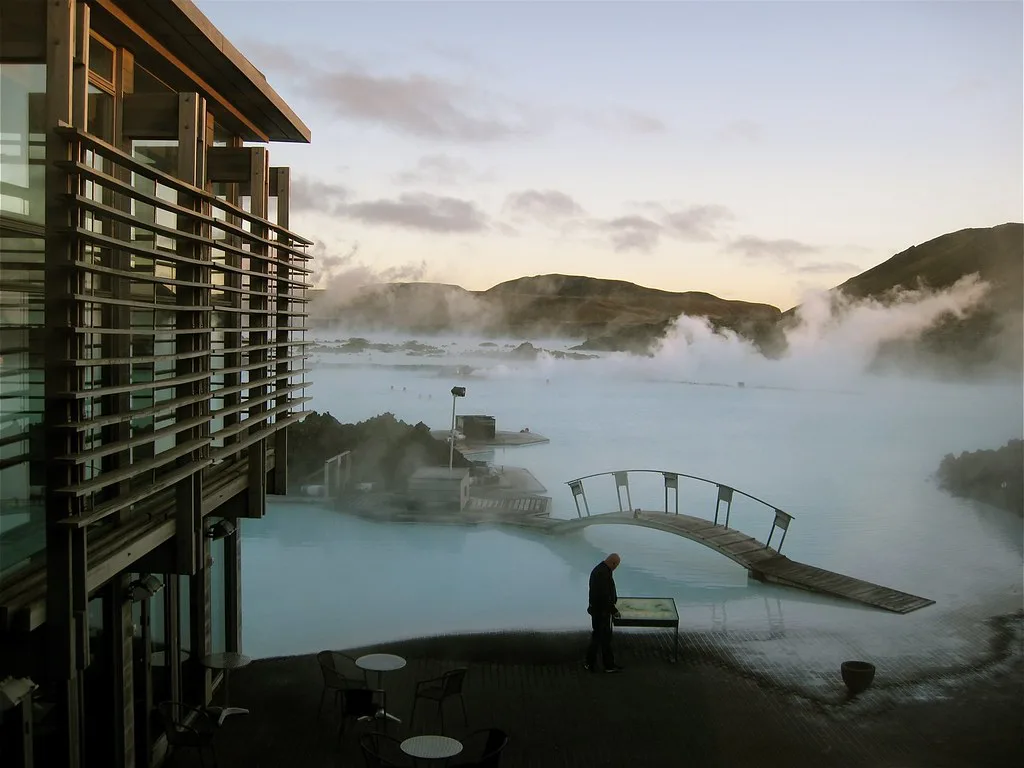
How to check conditions before you travel
Check conditions twice: once on the morning of your visit, then again before leaving Reykjavík or Keflavík. The Blue Lagoon’s official status page is the first place to confirm whether guests are being admitted.
Then check Safetravel, the Icelandic Met Office and Civil Protection notices. These updates can cover road restrictions, volcanic gas and evacuation instructions around Grindavík. Do not treat airport operations as proof that the lagoon or local roads are accessible.
Past events show why a same-day check matters. The lagoon closed for a week after 1,400 earthquakes were measured within 24 hours in November 2023. It was also evacuated on March 16, 2024, while Keflavík Airport remained operational.
If any official notice conflicts with your booking confirmation, follow the official safety notice and contact the lagoon directly. Keep transport plans flexible, especially when your soak is close to a flight.