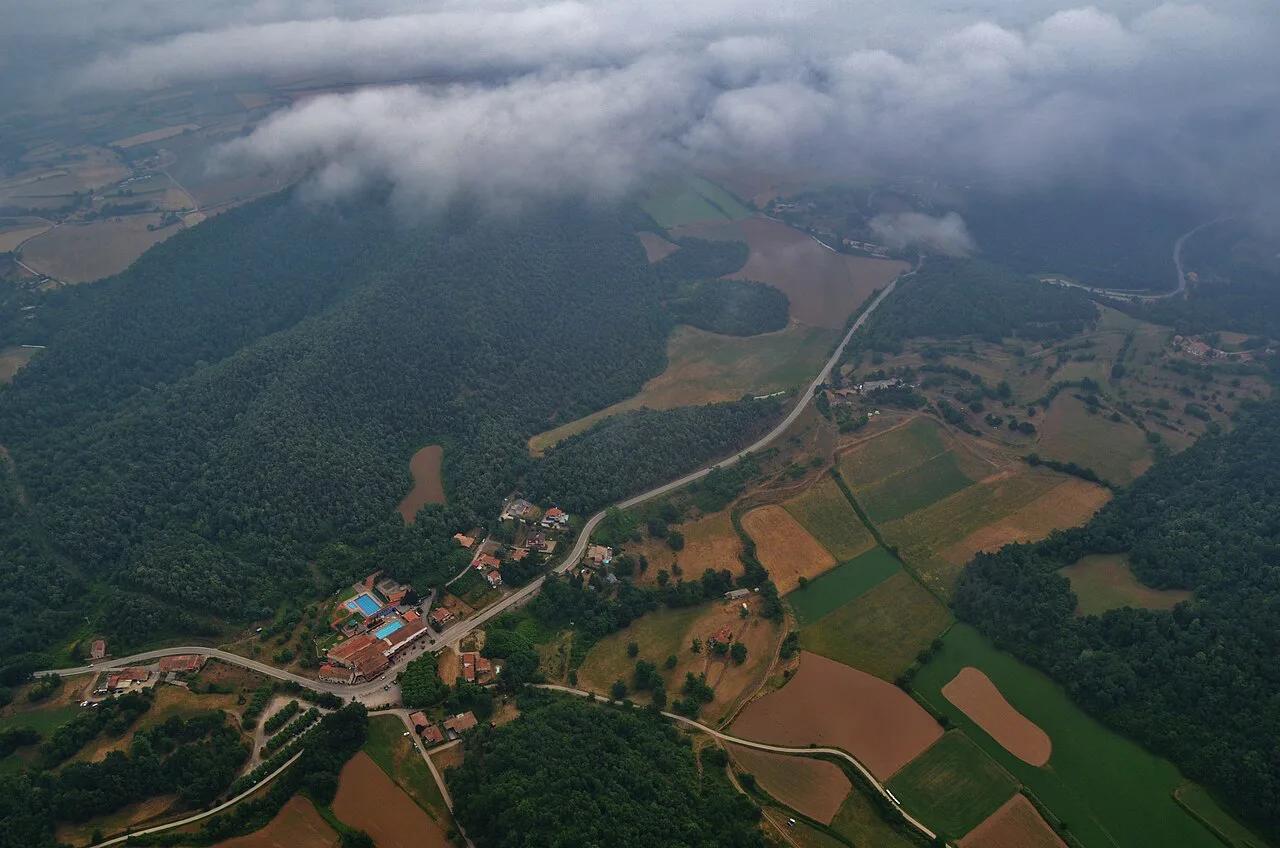
Last updated November 2026: volcanoes in Spain sit mostly in the Canary Islands, where La Palma's Tajogaite eruption ran from 19 September to 25 December 2021. Dormant volcanic fields also exist on the mainland, in Garrotxa (Catalonia) and Campo de Calatrava (Castilla-La Mancha), and the Columbretes Islands off the Valencian coast are a volcanic archipelago. You can walk most of these landscapes, but the Columbretes sit in a protected marine reserve with restricted access.
Featured image: MARIA ROSA FERRE ✿, CC BY-SA 2.0, via Wikimedia Commons.
Quick answer: where the volcanoes in Spain are
Volcano catalogues list 18 volcanic entries for Spain. Seven of them are Canary Islands, and the table below separates those from the mainland fields and the Columbretes. Canary volcanoes have erupted in historical times, with La Palma in 2021 the latest. Mainland fields are best described as dormant or not currently erupting, not as extinct or safe. To compare Spain's volcanoes with Italy, Iceland and Greece, start with our overview of volcanoes in Europe.
| Area | Status | Last known activity | What you can do | Access |
|---|---|---|---|---|
| Tenerife (Teide) | Active or historic, Canary Islands | Chinyero eruption, November 1909 | Summit landscapes, lava fields, hiking | Flight to the island; park rules apply |
| La Palma (Cumbre Vieja) | Active or historic, Canary Islands | Tajogaite eruption, 19 Sept to 25 Dec 2021 | Viewpoints and walks near the 2021 lava | Safety zoning decides what is open |
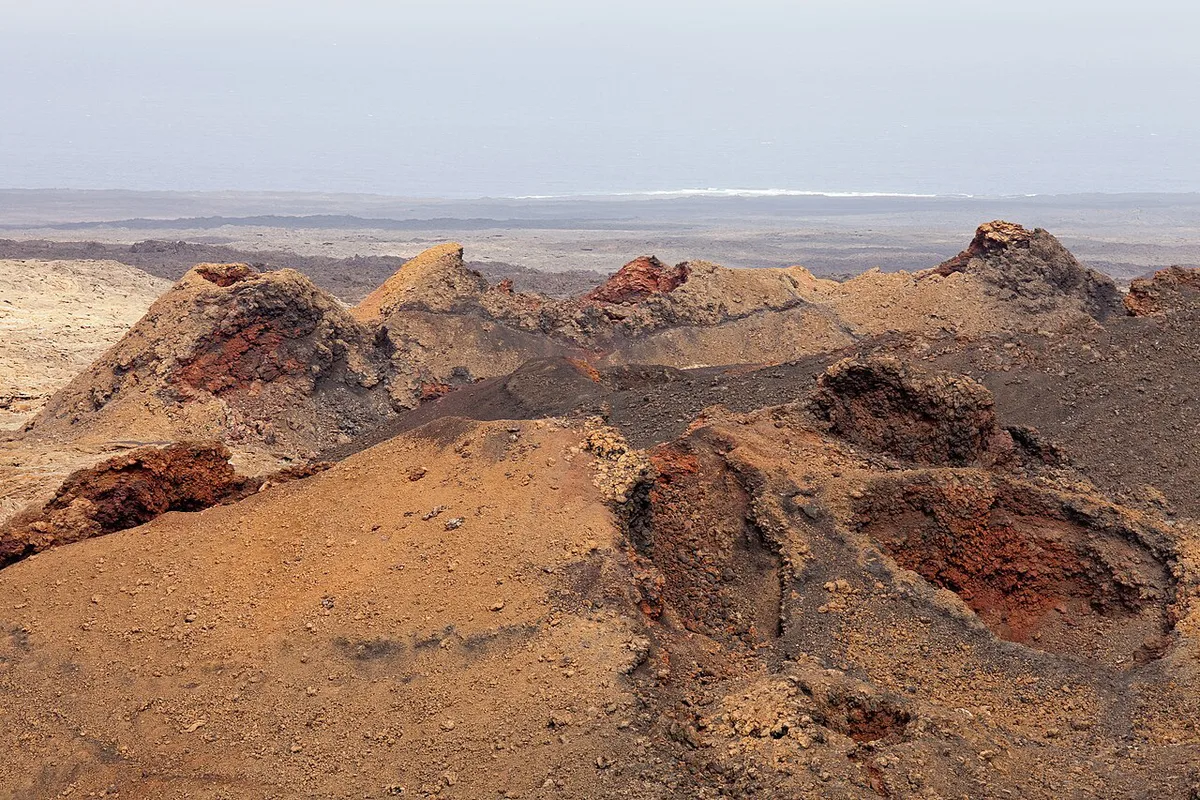
| Lanzarote (Timanfaya) | Active or historic, Canary Islands | 1824 eruptions at Tao, Nuevo del Fuego and Tinguatón | Lava terrain in a national park | Park rules; some areas may be guided-only |
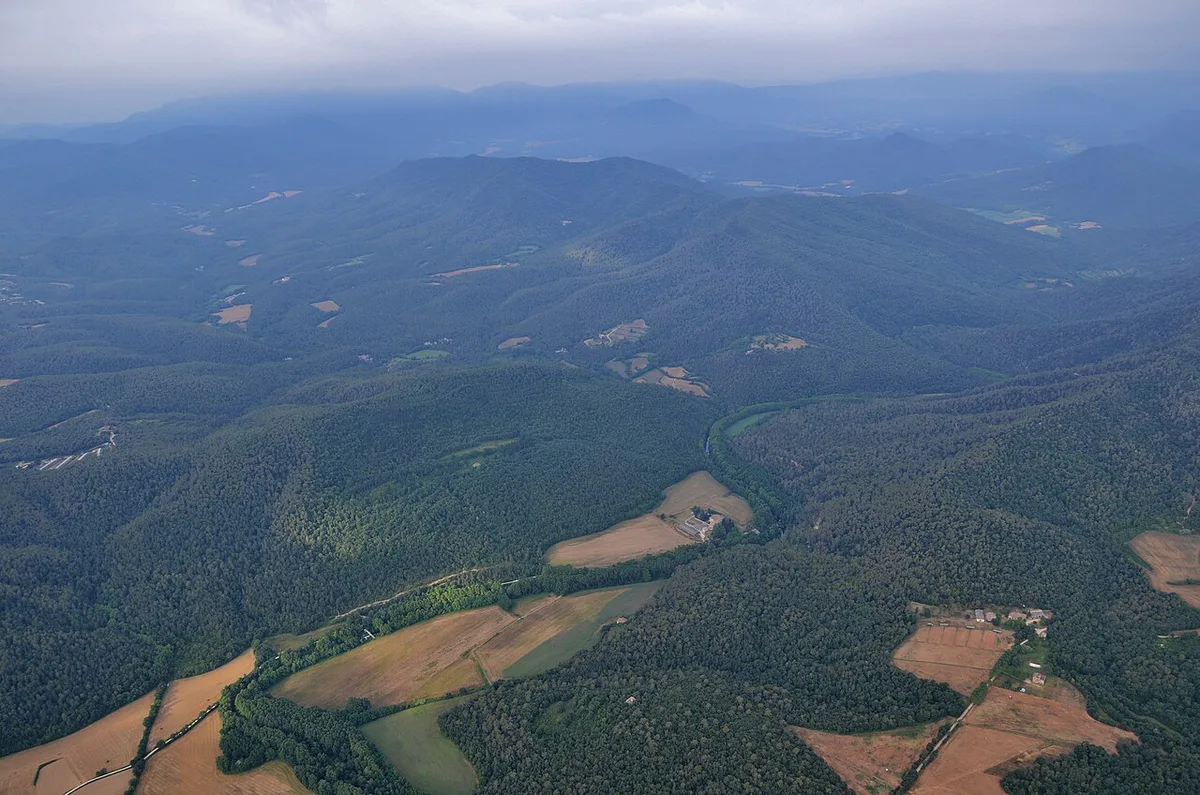
| Garrotxa, Catalonia | Dormant, mainland | Pleistocene to Holocene field | Crater walks, cone viewpoints, basalt cliff village | Via Girona and Olot |
| Campo de Calatrava | Dormant, mainland | Columba vent, around 3600 BC | Driving routes through a volcanic field | Ciudad Real region |
| Columbretes Islands | Volcanic archipelago, marine reserve | No historical eruption listed | Authorised boat visits | Permits and authorised boats only |
6 best volcanoes in Spain to visit, from Teide to the Columbretes
Six areas cover almost everything a traveller can realistically visit. Teide, La Palma and Timanfaya are Canary volcanoes with historical eruptions. Garrotxa, Calatrava and the Columbretes are the dormant side. Alert levels and access rules change, so each entry names its official source.
1. Tenerife: Teide, Pico Viejo and the Garachico lava
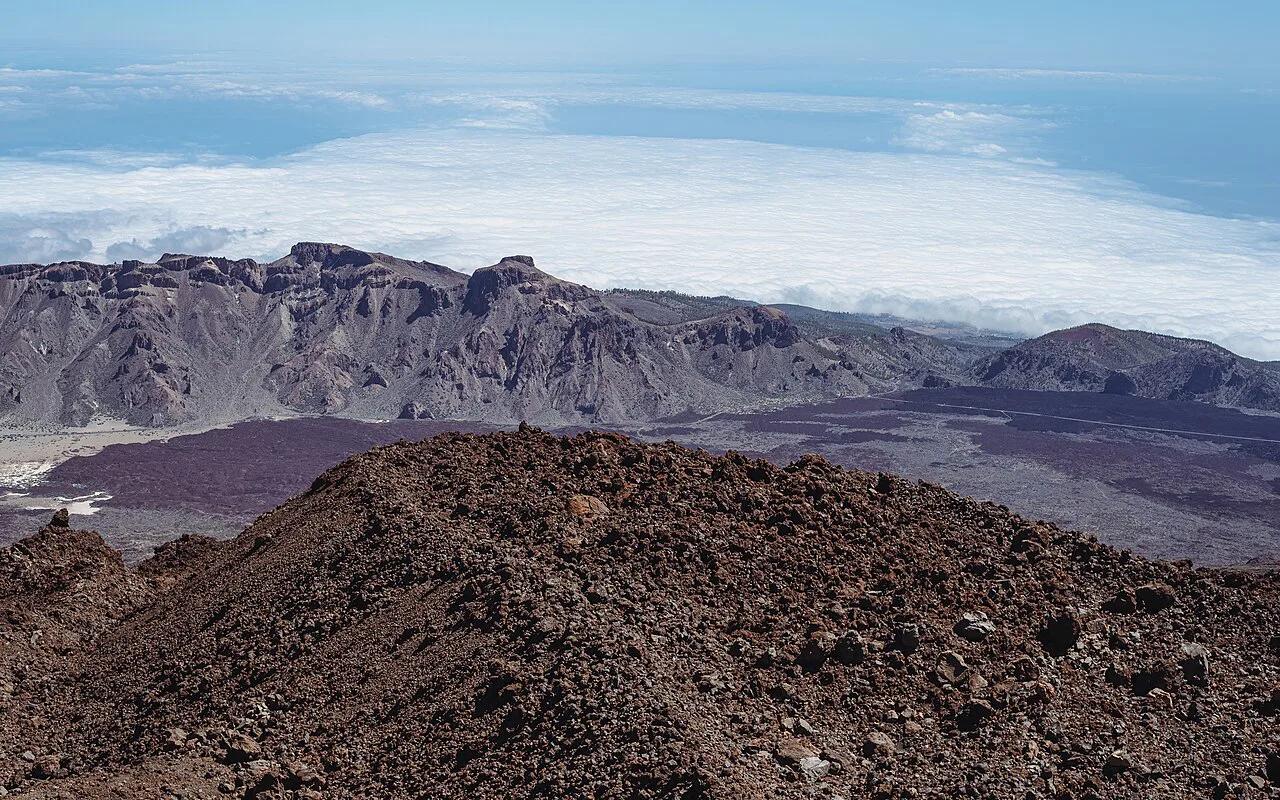
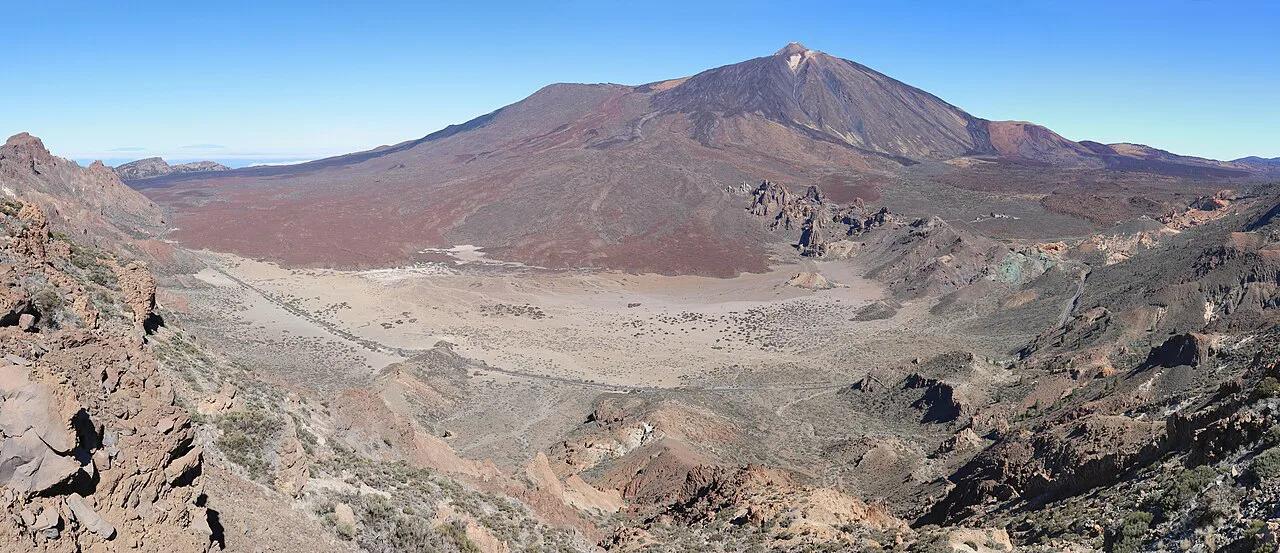
Tenerife's Teide–Pico Viejo complex dominates the island, and its eruption record runs from a 1706 fissure eruption to Chinyero in 1909. The 1706 eruption on the northwest rift zone buried the port town of Garachico, then the most frequented harbour on the island. Chinyero, in November 1909, is the last historical eruption listed, so skip Tenerife if you want to see a recent lava field.
Hikers and photographers get the broadest choice here, and first-timers can pair a summit-area day with a coastal base. Summit access, permits and any cable car operations are set by the national park authority, so read its official page before you pick a date. INVOLCAN, the Canary Islands volcanological institute, monitors the island and publishes its seismic updates.
2. La Palma: Cumbre Vieja and the Tajogaite eruption
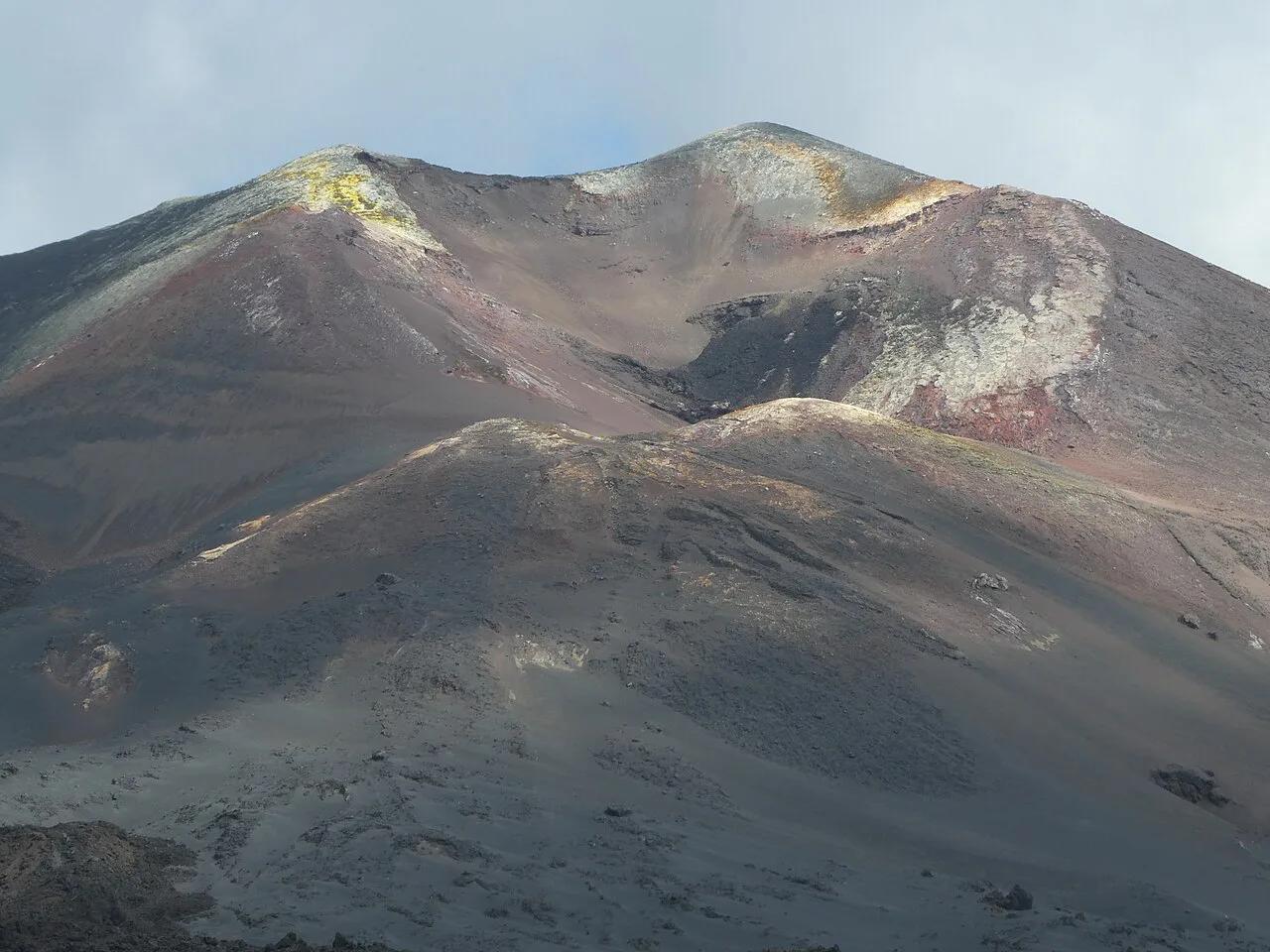
La Palma holds Spain's most recent eruption: a vent on the Cumbre Vieja range opened on 19 September 2021. The Canary Islands Government declared the Tajogaite eruption over on 25 December 2021, after 85 days and 8 hours and 1,219 hectares of lava flows. Earlier eruptions came in 1949 at San Juan and in 1971 at Teneguía, so the island has erupted three times since 1949.
At about 35 km long and 20 km wide, La Palma is compact enough to cover from one base. Access to the 2021 lava field depends on safety zoning, so follow the island's Cabildo and the PEVOLCA emergency plan for what is open. Skip La Palma if you need guaranteed access to fresh lava on a fixed date.
3. Lanzarote: Timanfaya and the Montañas del Fuego
Lanzarote's Montañas del Fuego eruptions ran from 1 September 1730 to 16 April 1736, more than five years of activity. Eruptions at the Tao, Nuevo del Fuego and Tinguatón vents followed from 31 July to 24 October 1824. Timanfaya is the national park that protects this lava landscape, and park rules decide where you walk and where you join a guided route.
Lanzarote suits travellers who want lava terrain without a long summit hike. Independent hikers should read the park's access rules first, because some areas may be guided-only. Skip it if you want a living volcano, since the last eruption listed here dates to 1824.
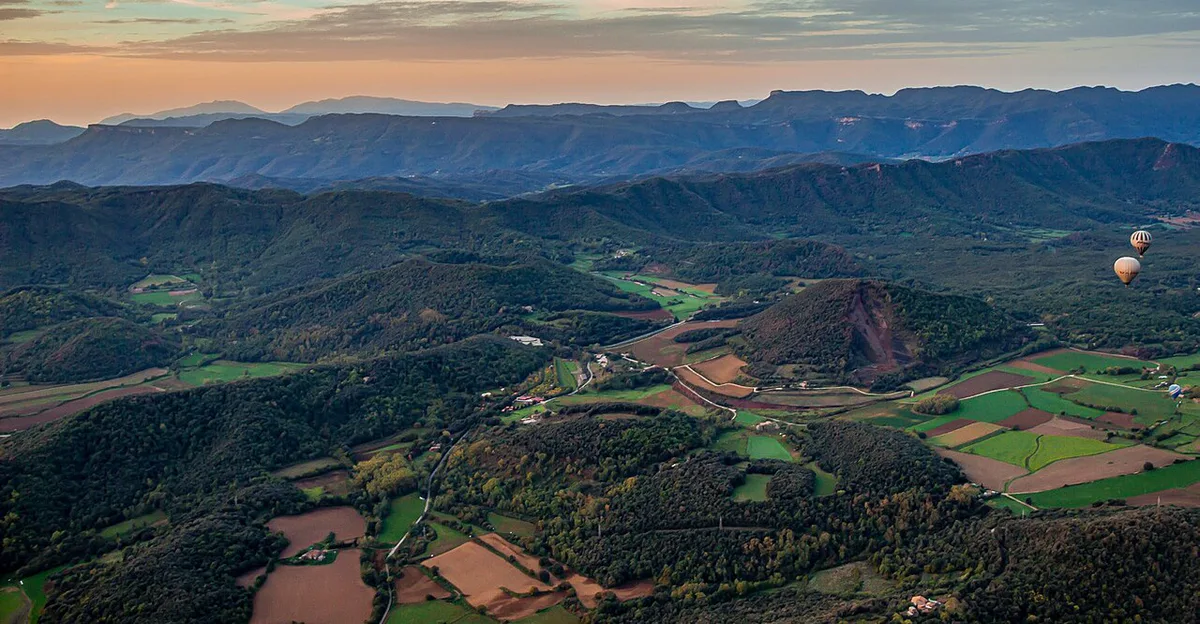
4. Garrotxa Volcanic Zone, Catalonia
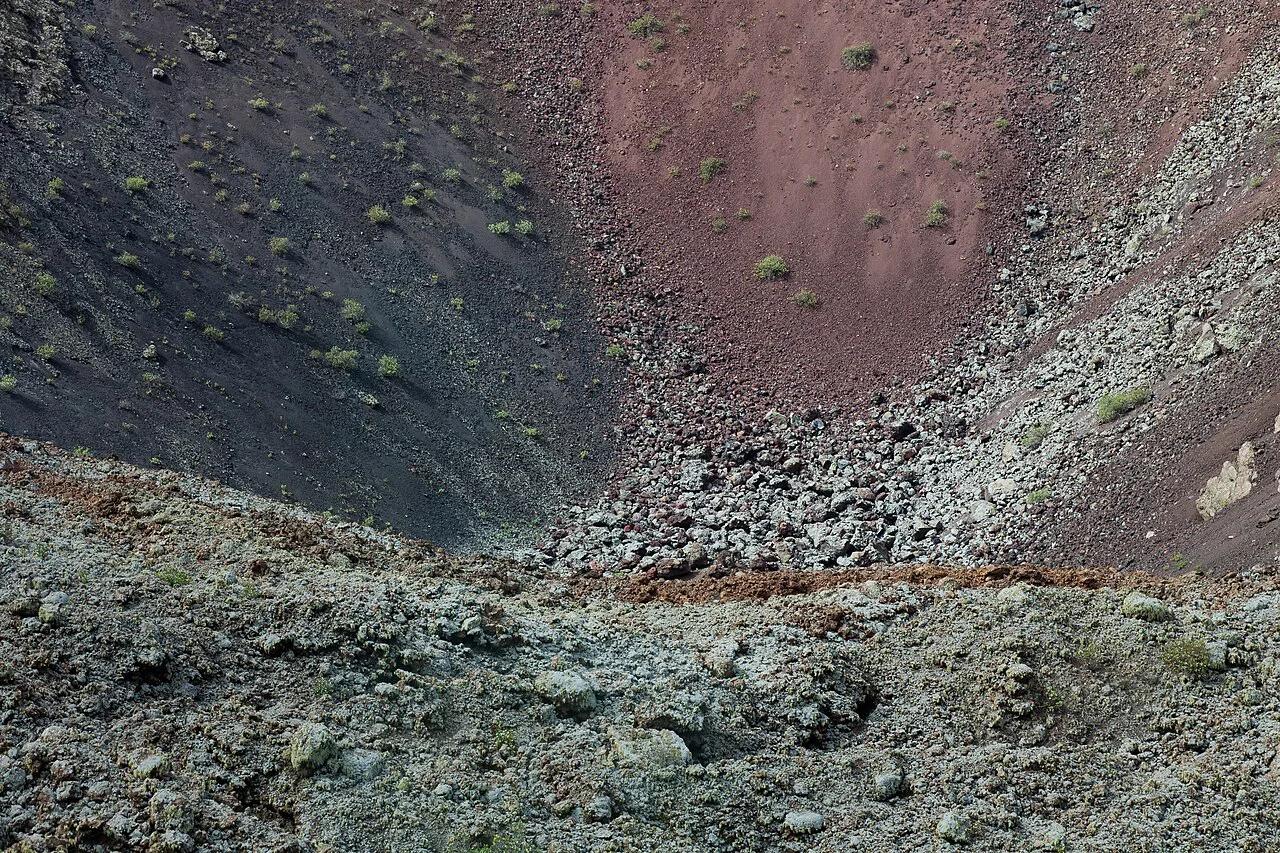
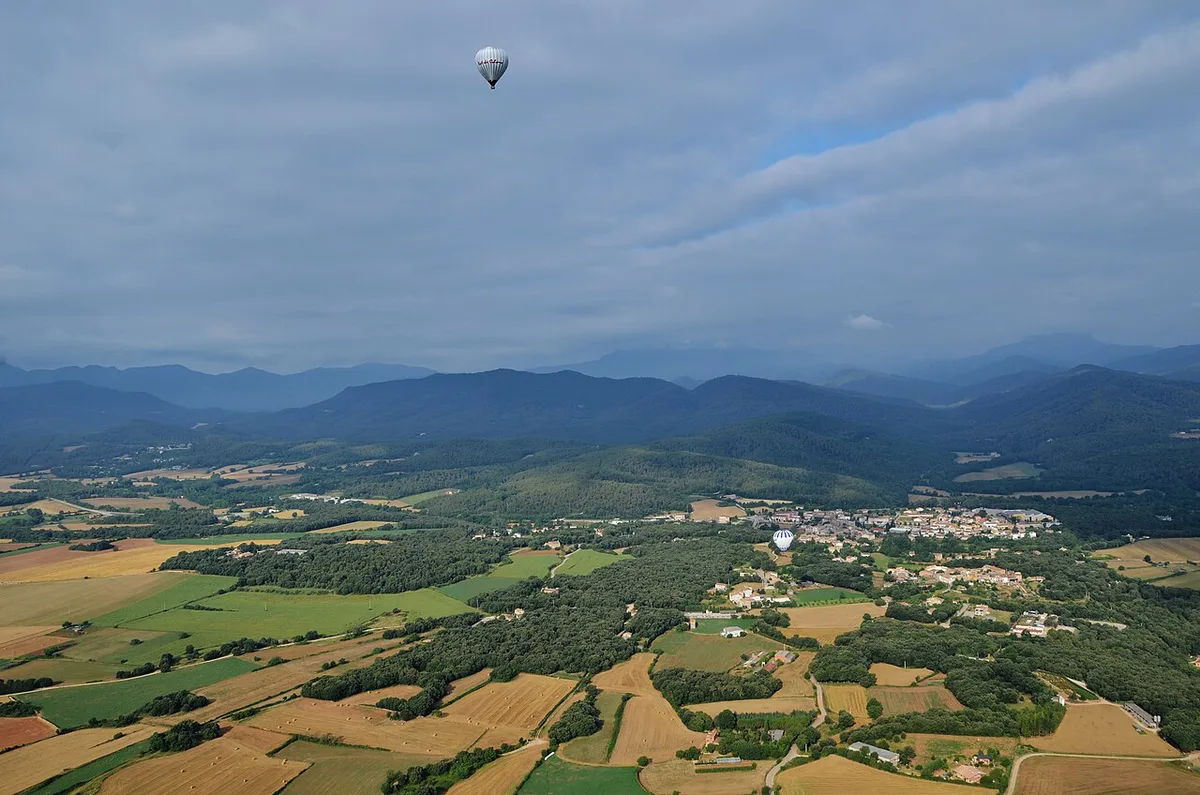
Garrotxa is a protected volcanic landscape around Olot in Catalonia, managed as a natural park by the Generalitat de Catalunya. Use the town of Olot as your base, and reach the area via Girona. Walk the crater of Santa Margarida for a first look inside a volcanic cone.
At the Croscat cone, look for the exposed layers that show how the cone is built. Add the cliffside village of Castellfollit de la Roca: Visitor Guide to the Basalt Cliff Village for its basalt cliff. Skip Garrotxa if you want fresh lava, since this Pleistocene-to-Holocene field is dormant, and read our Garrotxa volcanic cones guide before you go.
5. Campo de Calatrava, Castilla-La Mancha
Campo de Calatrava is a dormant volcanic field in the Ciudad Real region, covered in our guide to Calatrava's volcanic field. Volcano catalogues date its most recent listed activity to around 3600 BC, at a vent called Columba. Use Ciudad Real as your base, and look to the provincial tourism office for local routes.
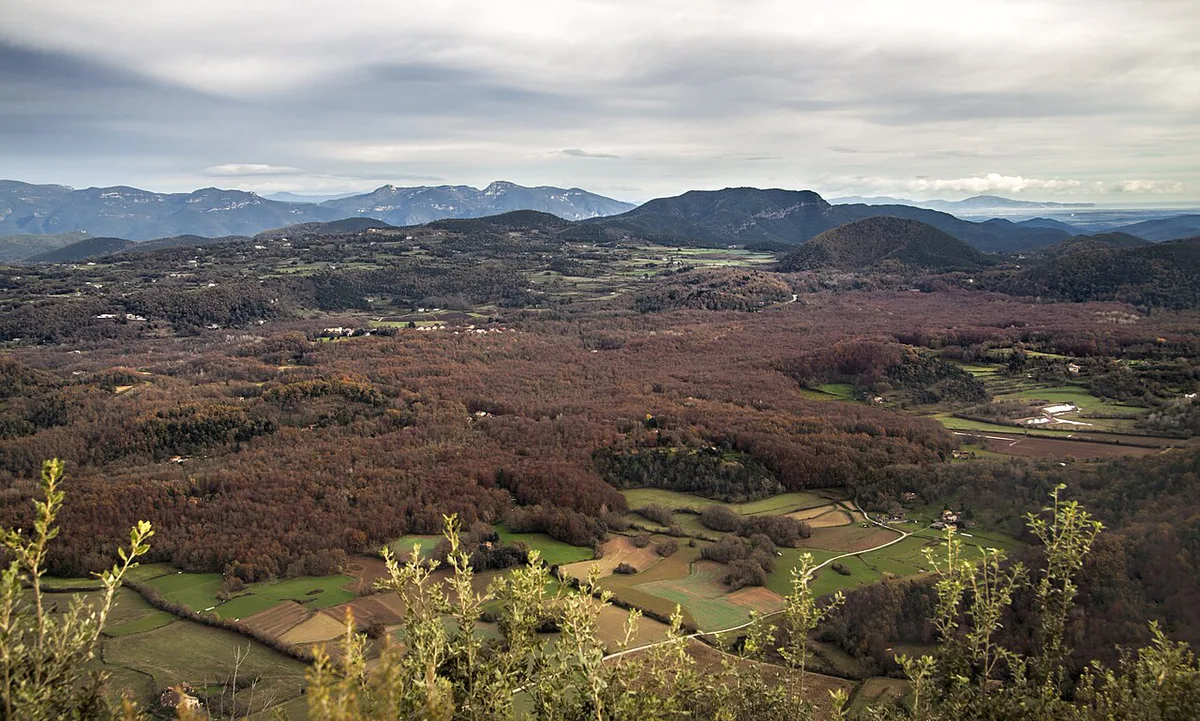
Turismo Castilla-La Mancha carries regional visitor information. A hire car is the practical way to link sites across the region. This suits travellers who want a mainland volcanic landscape on a driving route; skip it if you expect a dramatic summit.
6. Columbretes Islands, off the Valencian coast
Off the Valencian coast, the Columbretes archipelago is a group of volcanic islets. The islands sit inside a protected marine reserve, and the reserve page is the official source for visits. Visits are by authorised boat only, and permits apply.
You cannot simply sail over and land, so book through an authorised operator and ask the reserve about permits. Choose it for a rare volcanic archipelago with controlled access; skip it if you need a flexible, last-minute itinerary or dislike boat crossings.
Other Canary Islands and Cofrentes
El Hierro's most recent eruption was submarine, running from 10 October 2011 to 5 March 2012 around the Tagaro cone. Gran Canaria has Holocene vents such as Bandama. Fuerteventura and La Gomera appear in volcano catalogues without listed historical eruptions. Cofrentes is catalogued as a mainland volcanic site but has no visitor guide here. Treat these places as add-ons to a Tenerife or La Palma trip rather than standalone volcano destinations.
How to choose: a picker by traveller type
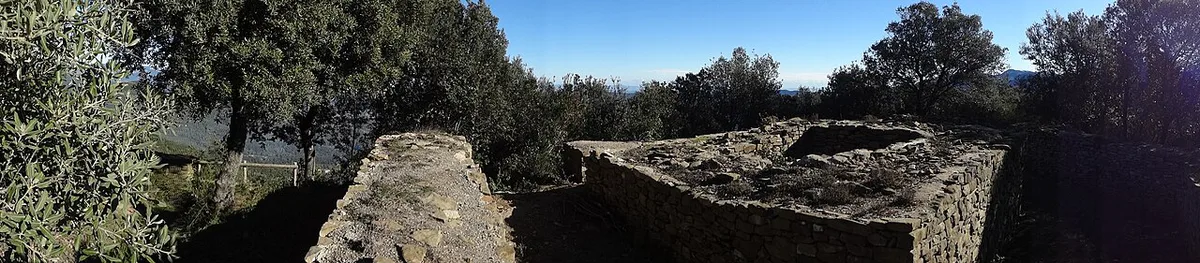
Pick by what you want to do, not by the biggest name. Short city breaks work best on the mainland, and our guide to volcano day trips from Barcelona covers that route. Winter trips lean towards the Canary Islands, where snow at Teide's altitude is the main variable.
| Traveller | Best pick | Why |
|---|---|---|
| First-timer | Tenerife or Lanzarote | Well-known volcanic landscapes with park rules to follow |
| Hiker | Garrotxa or Tenerife | Crater walks in Catalonia; summit terrain on Tenerife |
| Family | Garrotxa around Olot | Short walks to Santa Margarida and Croscat |
| Photographer | La Palma or Castellfollit de la Roca | 2021 lava landscape; basalt cliff village |
| Short city break | Garrotxa from Barcelona | Mainland access via Girona and Olot |
| Winter trip | Canary Islands | Check snow and cloud at Teide's altitude |
Costs, tickets and opening hours
Fees for park entry, guided areas, cable cars, shuttles and parking change by season and operator, so no figure is quoted here. Read current prices on the Garrotxa natural park page, the national park pages for Teide and Timanfaya, and the La Palma Cabildo site.
Planning logistics: getting there and getting around
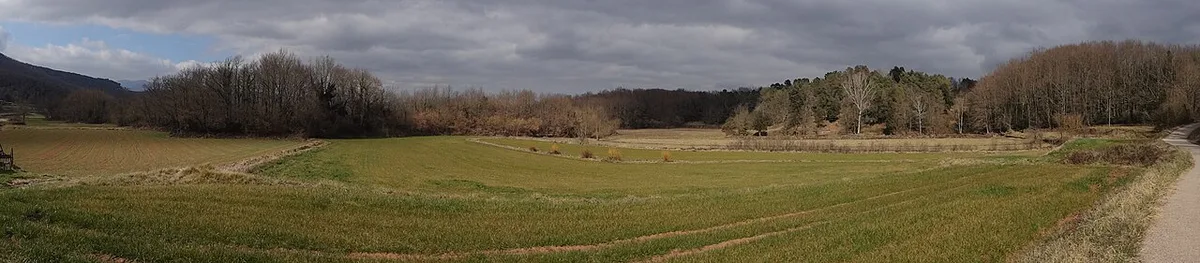
Canary volcanoes need a flight to the island, so check inter-island connections early if you want to combine two. La Palma measures about 35 km by 20 km, which makes one base enough. A hire car gives the most freedom at lava fields, while public transport and guided tours suit single sites. On the mainland, access to Garrotxa runs via Girona and Olot. Ciudad Real is the base for Campo de Calatrava. Summer brings heat. Exposed cones catch wind. Teide's altitude can bring winter snow, and cloud can hide summit views.
Base yourself once on La Palma, which covers 35 km by 20 km, but check the Cabildo before planning any visit to the 2021 lava.
Safety, alerts and responsible visiting
Alert levels are the first thing to read before any Canary volcano trip. INVOLCAN reported a new seismic swarm on Tenerife on 17 November 2026. It recorded 7 low-magnitude quakes between 06:12 and 06:47 local time, about 2–3 km north of Icod de los Vinos at roughly 14 km depth. Magnitudes ranged from 0.8 to 1.7. Read the current alert level on the day you travel. La Palma shows why exclusion zones matter. In November 2021 a man was found in one in El Paso, and a court confirmed in January 2023 that he died after inhaling toxic gases. In 2021, authorities also told residents of four neighbourhoods to stay indoors when lava above 1,000 °C met the Atlantic. Drone rules vary by protected area, so read the park's rules before you fly. Stay on marked trails and follow closure signs.
Tenerife's last listed eruption was Chinyero in 1909. A recent swarm still recorded 7 low-magnitude quakes, so check the alert level before you go.
Mistakes to avoid
Calling the mainland fields extinct is the first error, because they are dormant. Planning a walk on La Palma's lava field without reading the Cabildo's access rules is another. Entering an exclusion zone is the most serious mistake. Trying to land on the Columbretes without an authorised boat will not work. Trusting an alert level from last week is the last, so read the current one on the day.
Frequently Asked Questions
Does Spain have active volcanoes?
Yes, in the Canary Islands. La Palma's Tajogaite eruption ran from 19 September to 25 December 2021, and INVOLCAN monitors the archipelago. Mainland areas such as Garrotxa are dormant, as our guide to Garrotxa's volcanic cones explains.
Explore More Guides
Keep planning your trip with these guides.
Guides
- Garrotxa Volcanic Zone: How to Visit, Where to Go & Plan
- Olot, Spain
- Castellfollit de la Roca: Visitor Guide to the Basalt Cliff Village
- Santa Margarida Volcano: Crater Walk & Visitor Guide
- Croscat Volcano: Visitor Guide to Garrotxa's Cone
- Campo de Calatrava: Volcanoes, Castles & Almagro Guide
- Columbretes Islands: How To Visit Spain's Volcanic Reserve
- Volcanoes Near Barcelona: Garrotxa Day Trip Guide