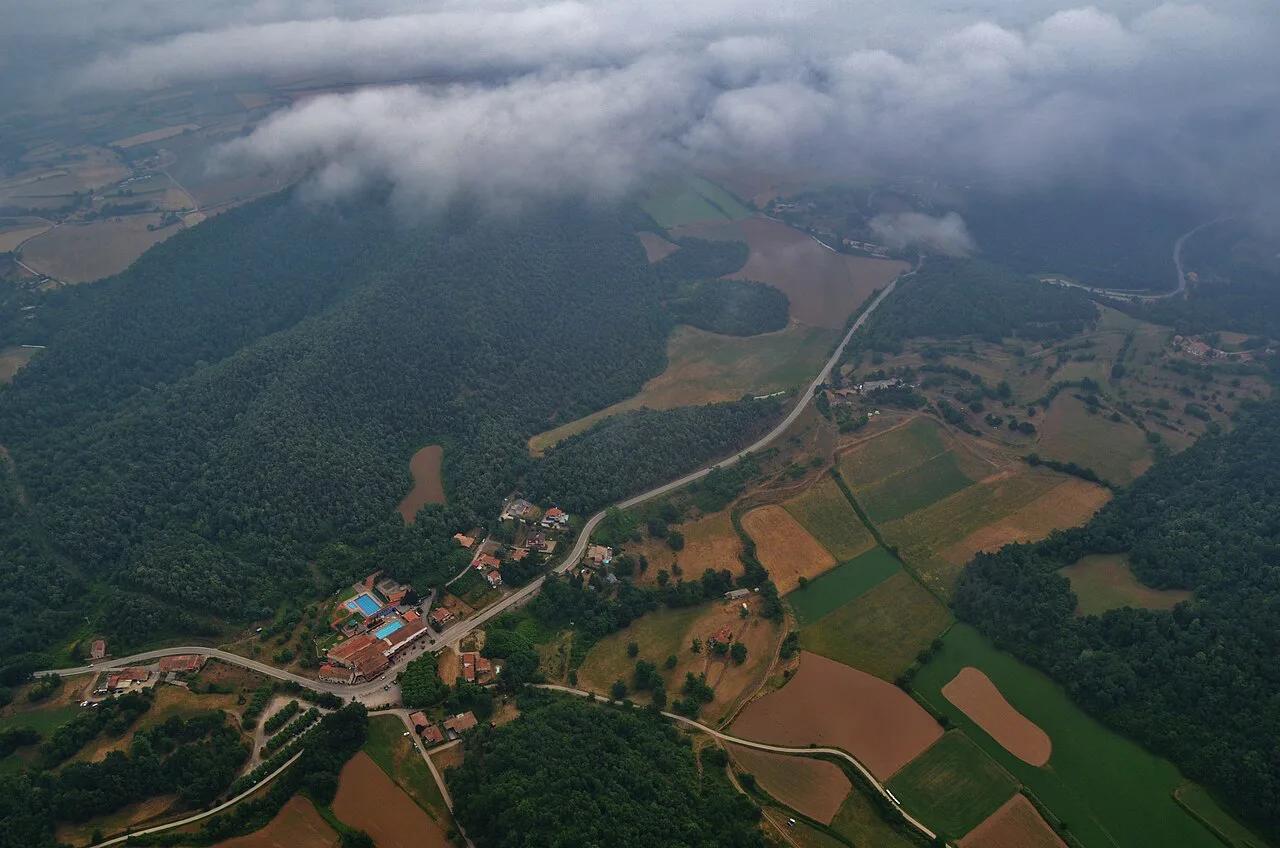
How to Get to Teide: Car, Bus, Tour & Cable Car Options
Last updated November 2026: how to get to Teide comes down to four options, which are self-drive, public bus, an organized tour or a taxi/transfer. Your starting point decides which one fits best. Our Mount Teide guide covers the park itself, while this page ranks each route by flexibility, effort and the catch to plan around.
Featured image: Rafboy15, CC BY-SA 3.0, via Wikimedia Commons.
How to Get to Teide: The Four Options at a Glance
Four options reach Teide National Park. Self-driving gives the most freedom. A public bus keeps costs low but ties you to a timetable. Tours handle logistics and fix your time at the top. Taxis and private transfers suit small groups that want a door-to-door ride. Spanish-language sites phrase the same question as "cómo llegar al Parque Nacional del Teide". Cost levels below are relative, based on prices and hours checked November 2026, because operators change fares by season.
| Option | Best for | Flexibility | Cost level | Effort | Main catch |
|---|---|---|---|---|---|
| Self-drive | Couples, families, photographers | High: stop at any viewpoint | Moderate (rental, fuel) | Mountain bends and possible ice in winter | Parking fills at busy times |
| Public bus | Solo travelers and budget trips | Low: fixed timetable | Low | Planning around the last return | A missed return leaves you stranded |
| Organized tour | First-timers who want logistics handled | Low: fixed time at the summit | Moderate to high | Low: pickup and drop-off | Little time to linger |
| Taxi or private transfer | Small groups, cruise-port day visitors | Medium: agree a wait time | High for one rider, shared by a group | Low | Needs a pre-booked return |
Which Option Fits Your Starting Point
Start with where you sleep. Each pairing below assumes service runs on your dates, so check operator timetables before committing. The Mount Teide Map: Park Layout, Trails & Which Map to Use shows both approach roads and helps you picture the loop.
- South coast resorts and Los Cristianos: drive the TF-38 via Vilaflor, or join a tour with hotel pickup. Buses also run, but read the bus section below before relying on one.
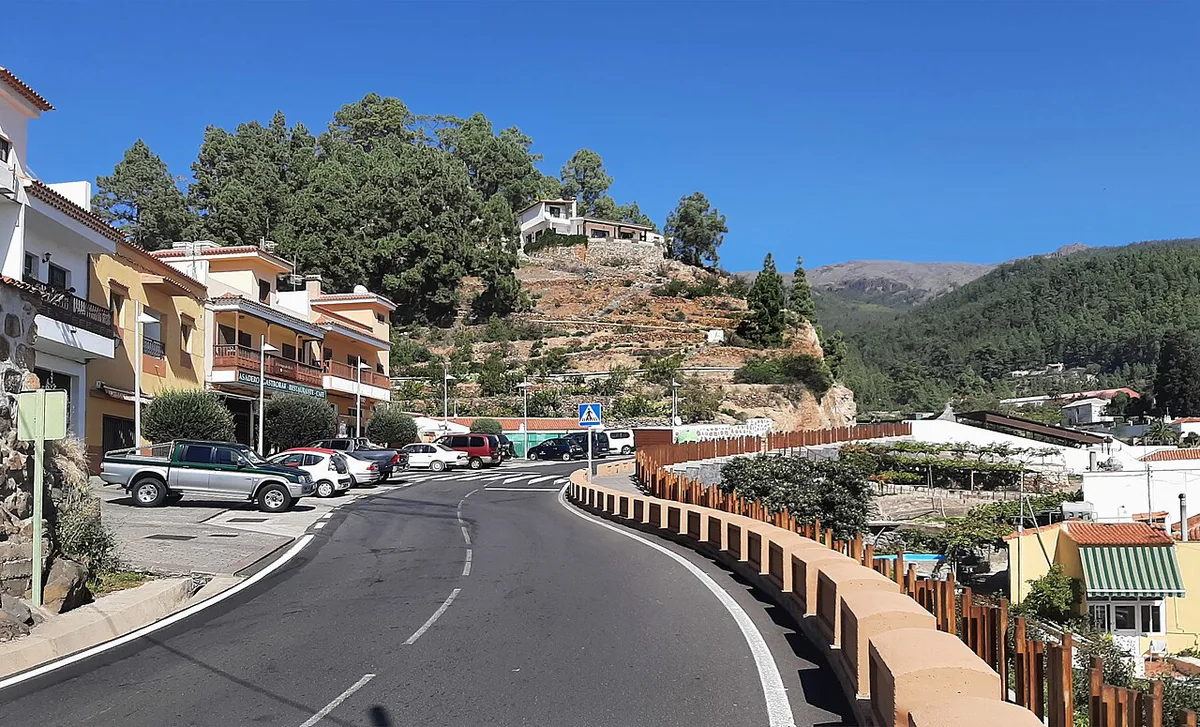
- Puerto de la Cruz and the north: drive the TF-21 via La Orotava. A tour is the easy alternative if you prefer not to drive mountain bends.
- Santa Cruz de Tenerife and the capital area: a rental car or an organized tour gives the simplest day. Bus links depend on the current timetable.
- Cruise-port day visitors: book a tour or a pre-arranged taxi with a fixed return time. Ships leave on schedule, so a flexible plan is risky.
Driving to Teide
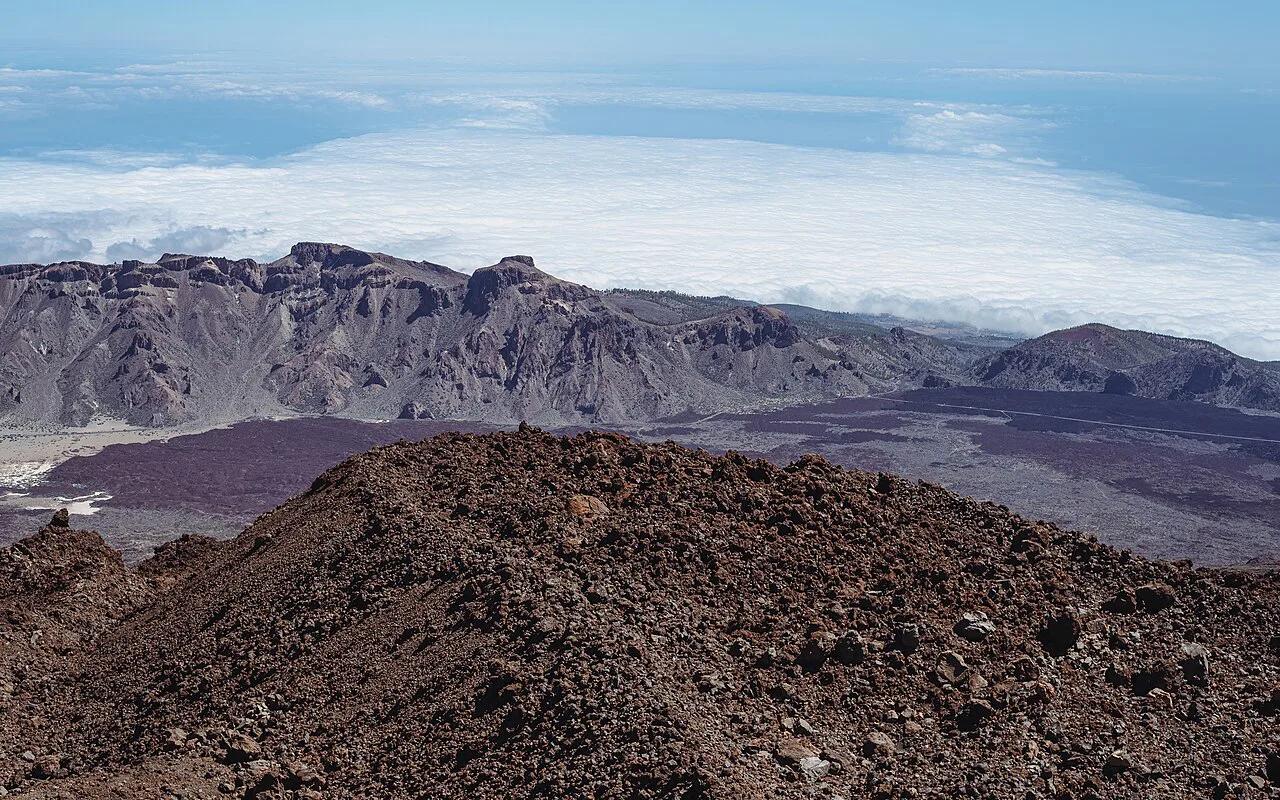
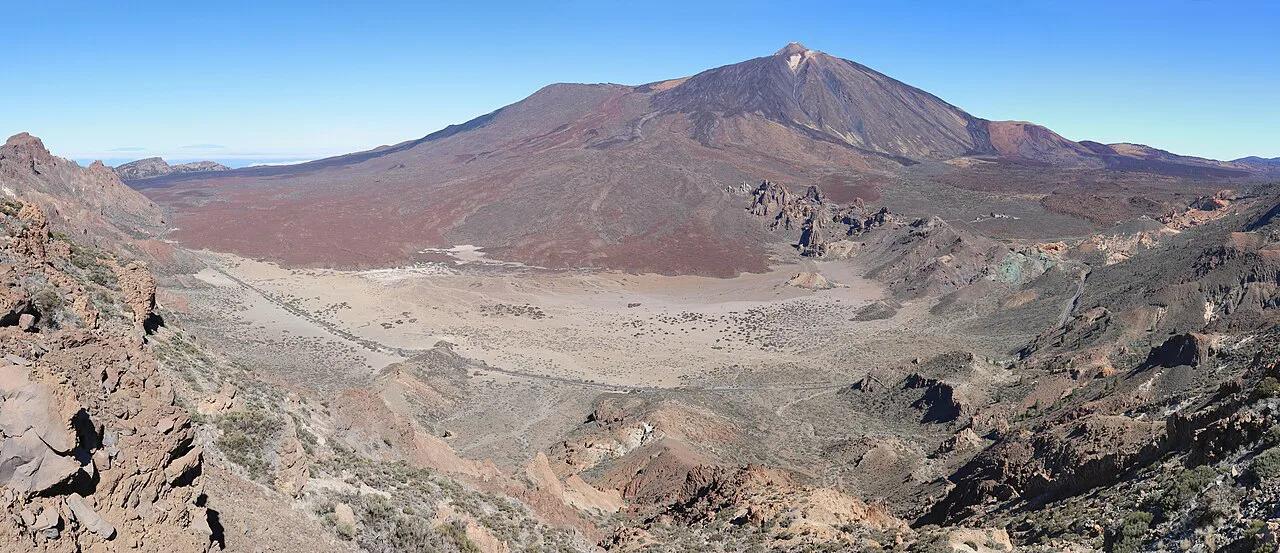
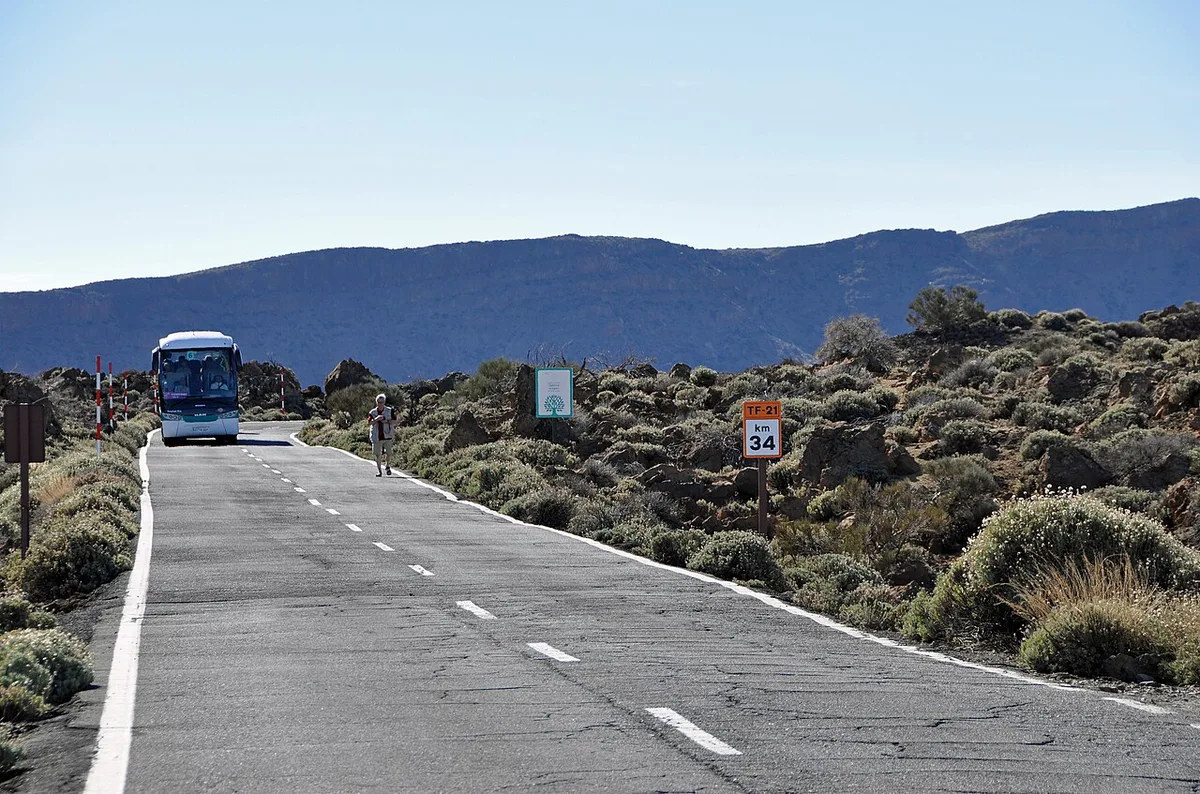
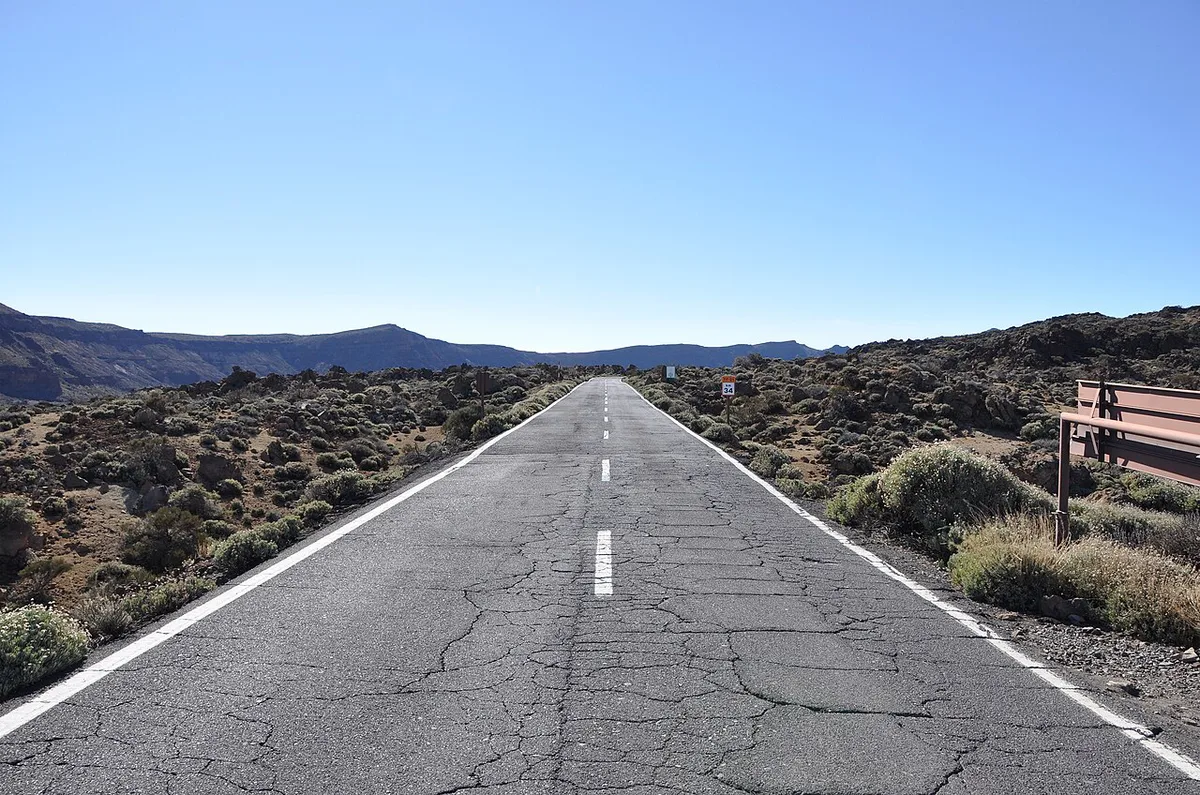
Driving is the most flexible way to reach the park. From the north, the TF-21 climbs from La Orotava and Puerto de la Cruz. From the south, the TF-38 climbs from Vilaflor and Los Cristianos. Both are mountain roads with long bends, so allow extra time and avoid rushing. El Portillo Visitor Center sits 11.1 km from the cable car, which gives a sense of the distances inside the park. Cloud often fills the slopes, and the cable car itself rises from 2,356 m through cloud inversion into sunshine. Drive slowly if fog sets in. Snow falls on about fifteen days a year, and frosts are frequent, so winter drivers should check road status and the forecast first. There are no fuel stations inside the park, so fill the tank before the climb. Parking at the cable car base and at viewpoints is limited, and arriving early gives the best choice of spaces. Mobile signal can drop out, so download offline maps. Rental cars suit groups of two or more, since the cost is shared. Read your rental contract to see whether it covers mountain roads. At night, switch off vehicle lights at viewpoint car parks so stargazers keep their night vision.
Taking the Bus to Teide
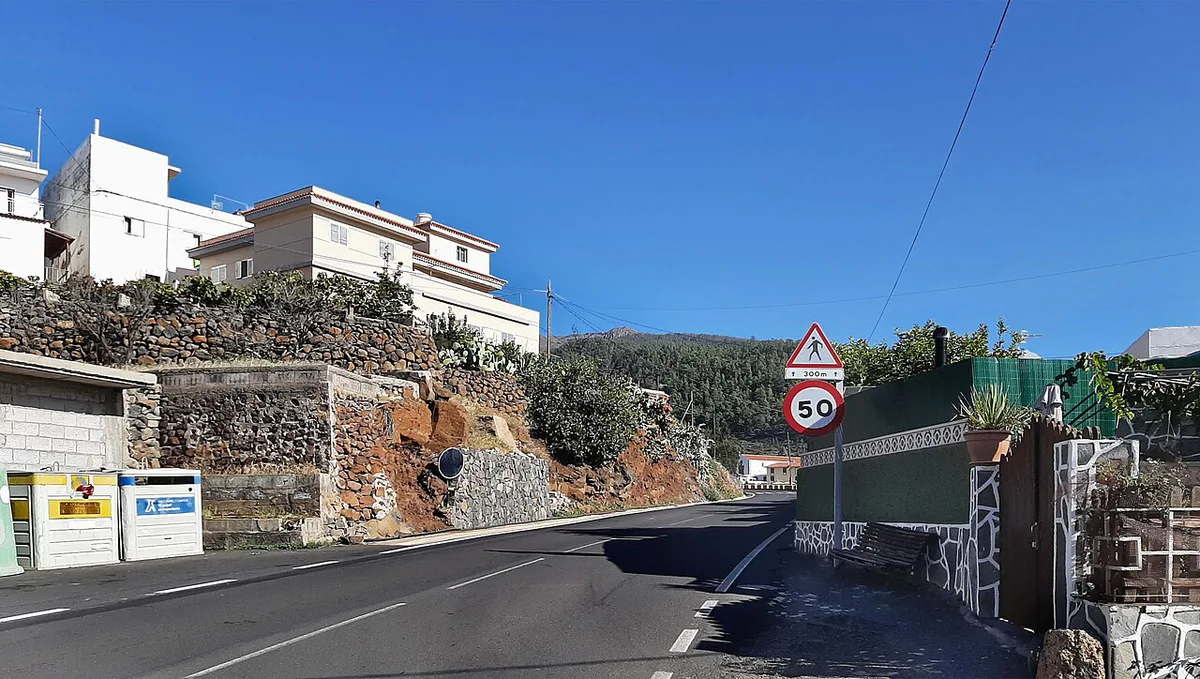
Bus routes, frequency and the last return to the coast vary by season, and this page does not list them. Check the TITSA timetable for the Teide service, and plan your day around the last return.
Tours and Transfers
Guided day trips remove the driving and parking decisions. Some bundle the cable car ticket and permit handling, so read the inclusions before booking. The trade-off is a fixed time at the top, which suits a first visit but not a slow photographic day. Sunset and stargazing tours add a night element without a dark mountain drive. Tenerife holds Starlight destination status, which is why night tours are popular. Private transfers and taxis work well for groups of three or four. Agree the waiting time and the return pickup in advance. For two or more travelers, a rental car usually costs less per person than a private transfer. A shared tour is often cheaper than a taxi for one person. Compare total prices, including cable car tickets, before choosing.
Getting From the Park Road to the Summit: Cable Car vs Hiking
Reaching the park road is only half the journey. The summit needs one more step, and the choice is the cable car or a hike. The Teide Cable Car: Hours, Prices, Permits & Planning covers most of the height in about 8 minutes. Altitudes vary slightly between sources, so use these figures as a guide.
| Plan | Effort | Permit needed | Time |
|---|---|---|---|
| Cable car only (upper station) | Low | Cable car ticket only | About 8 minutes each way, plus up to 1 hour at the top |
| Cable car plus summit | Moderate, thin air | Ticket and free summit permit | Allow 2 to 3 hours in total |
| Hike from Montaña Blanca | High | Trail and summit permits | 6 to 7 hours |
- Cable car base station: 2,356 m.
- Upper station: 3,555 m, with views over neighboring islands on clear days.
- Summit: about 3,718 m. Some sources give 3,715 m.
- From the upper station, the walk to the crater takes about 40 minutes and needs a summit permit.
- Montaña Blanca hiking route: about 9 km and 6 to 7 hours, also needing permits.
Permits, Tickets and What to Book First
Book in a sensible order, because the summit permit is the item most likely to run out. The summit permit is free and tied to a date. Reservations are made through the national park site. Published advice suggests booking one to three months ahead, with reservations possible up to 90 days ahead. The same advice mentions a daily cap of about 300 hikers, and the rules on the national park site may have changed since. Cable car tickets sell separately, and our cable car tickets guide explains the options. Follow this order.
- Check the weather window and pick two possible dates.
- Reserve the free summit permit first if you plan to walk to the crater.
- Book cable car tickets for the same date, ideally a few days ahead.
- Reserve a rental car or tour once the date is fixed.
- Look at the forecast and cable car status again the day before.
Timing: When to Go and How Long to Allow
Allow 2 to 3 hours for the cable car, the summit walk and the descent. Add drive time on top. A half day works for the cable car alone, while a full day suits the cable car plus a viewpoint loop. Cloud tends to build later in the day, so mornings often give clearer views. Cable car hours shift between seasons, and the operator publishes the current schedule. Check AEMET mountain forecasts and our Teide weather guide before you commit. The Best Time to Visit Teide: Month, Season & Time of Day Guide depends on whether you want summer light or winter snow. For a Teide Sunset: Best Spots, Timing and Safe Return Plan, compare the last cable car down with the drive back after dark. A stargazing trip means a night drive on mountain roads, unless a tour handles it.
What to Bring and Wear
Temperatures can drop below freezing near 3,500 m even in summer, and wind adds a chill. Wear layers, including a fleece or windproof jacket. Sturdy boots with non-slip soles are the sensible footwear. Skip flip-flops and sandals. Some visitors say rangers inspect gear at trailheads, so carry everything you plan to rely on. Altitude affects people differently. Some visitors report lightheadedness at 3,555 m, so walk slowly and rest often. Consult a doctor before going if you have heart or lung conditions.
- Sunglasses, high-SPF sunscreen and a hat.
- At least 1 liter of water.
- A headlamp for late descents.
- A thermal blanket.
- A fully charged phone and an offline map.
- A full fuel tank if you are driving.
Common Mistakes and Plan B
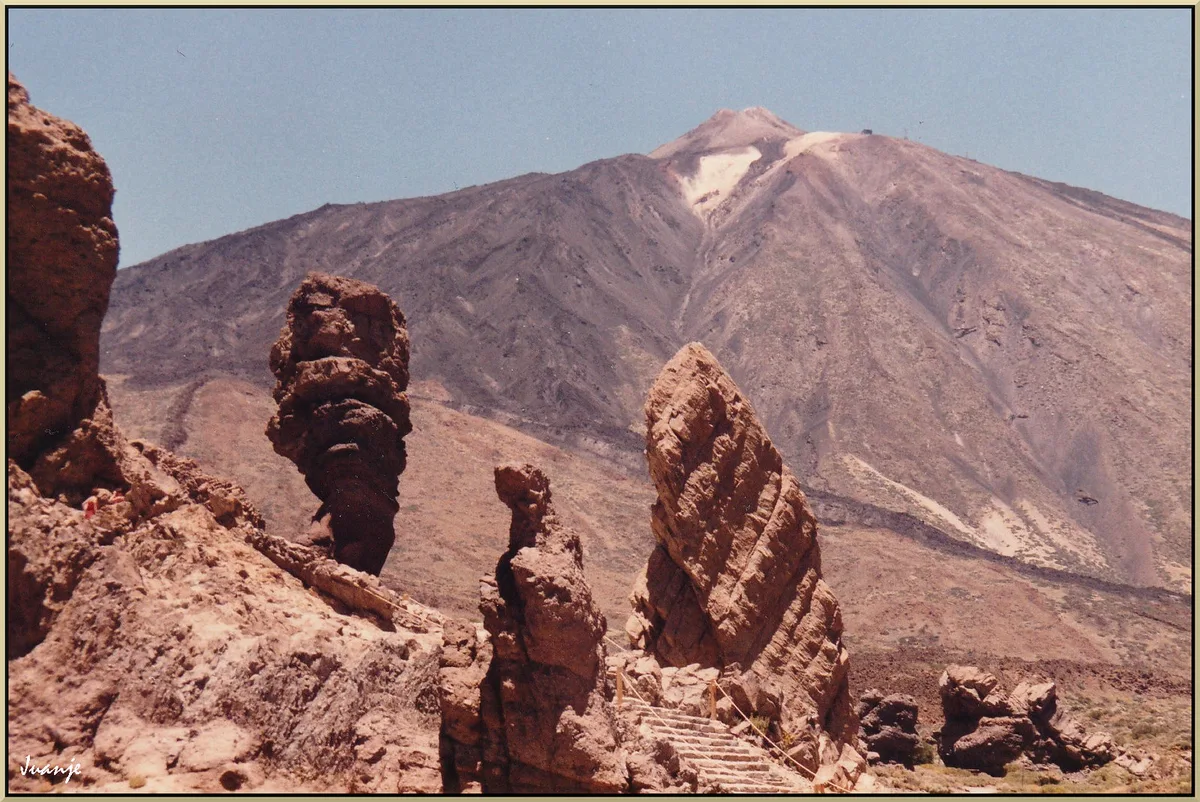
Most problems come from timing. Avoid these mistakes. If the cable car is closed, the park still rewards a visit. Wind and snow can shut it at short notice, and the operator posts status online. Stop at Roques de García for a short walk. Pull over at Mirador de la Ruleta, Teide: Viewpoint Guide and Stop Planning for views, and check access first. Drivers can also continue exploring toward Pico Viejo, Tenerife: How to Hike It and What to See or visit the Teide Observatory: How to Visit, Tours and Stargazing Tips. A lower-altitude drive to Chinyero works when summit weather turns bad.
Forgetting a summit permit is easy to avoid, because published advice says the free permit can be reserved up to 90 days ahead on the national park site.
- Arriving without a cable car ticket or summit permit.
- Taking the last bus up with no way back down.
- Wearing flip-flops or thin shoes on volcanic ground.
- Relying on a phone map with no signal.
- Ignoring wind closures and the forecast.
- Leaving the park with a low fuel tank.
Frequently Asked Questions
How long does it take to climb Mount Teide?
Montaña Blanca is usually given as about 9 km and 6 to 7 hours. From the cable car upper station, the walk to the crater takes about 40 minutes and needs a permit.
Can you visit Mount Teide for free?
Entering the national park is generally described as free at any hour. The cable car is paid, and the summit permit is free but required.
Is Teide Cable Car open today?
Hours change by season, and wind or snow can close it. Check the official operator site on the morning of your visit.