Best Time to Visit Teide: Month, Season & Time of Day Guide
Last updated November 2026. The best time to visit Teide is late spring (May to June) or early autumn (September to October), and the best hour is early morning or around sunset. Those windows give you milder summit air, fewer wind closures and lighter queues than midsummer midday or midwinter. Winter and summer still suit specific goals, such as snow photos or long dry stargazing nights, so the table below matches each season to a visitor type.
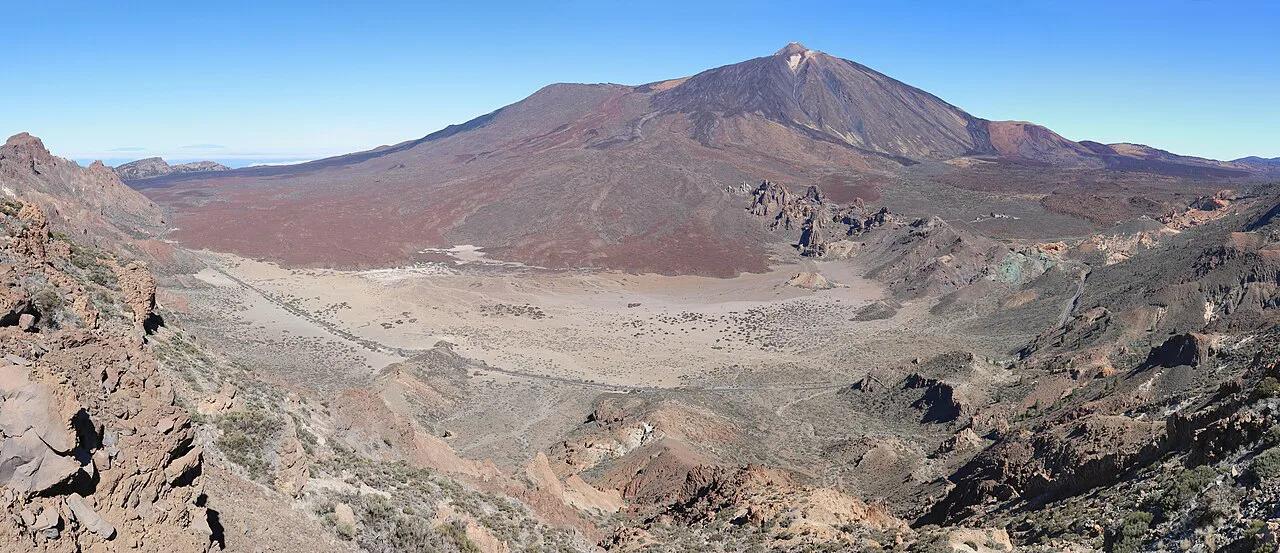
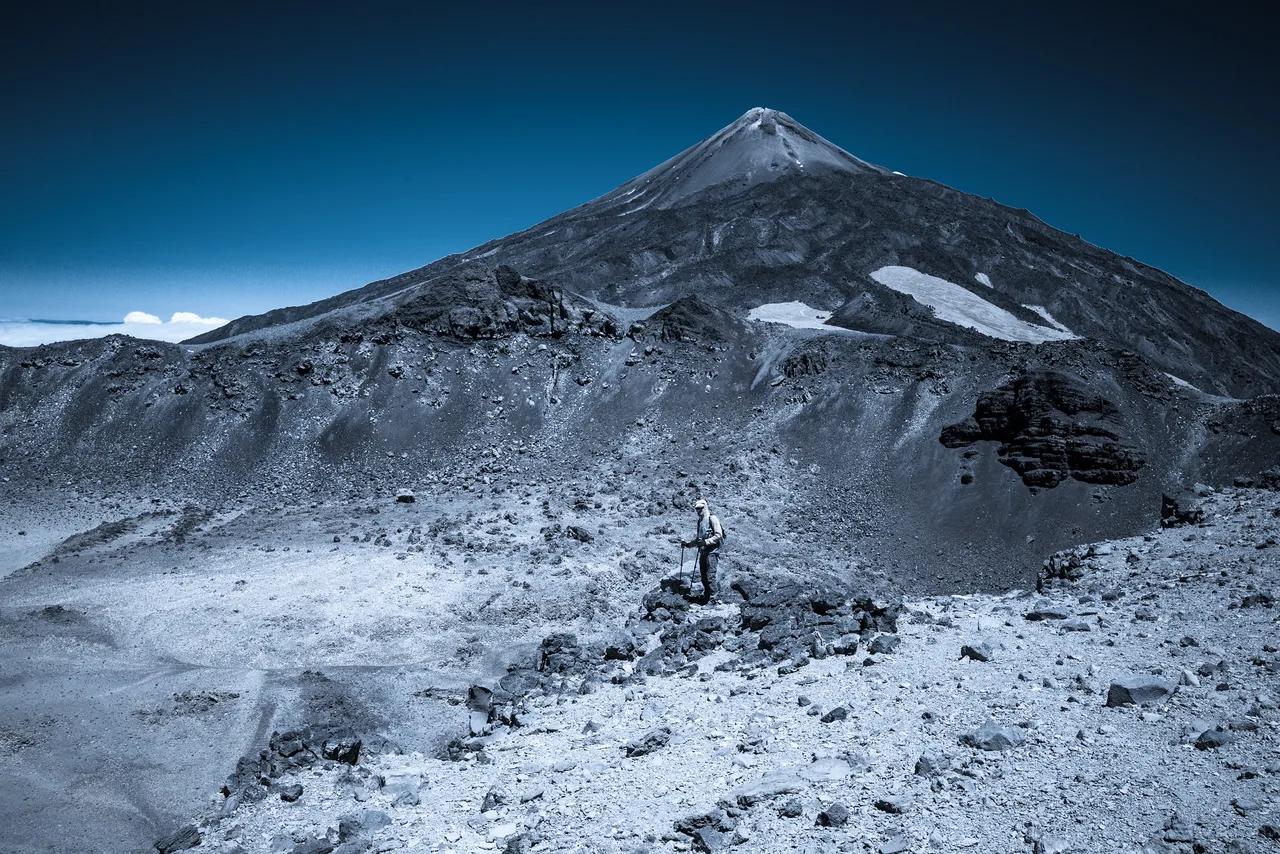
Featured image: mira9es, CC BY-SA 2.0, via Flickr.
Short answer: the best time to visit Teide
Pick May, June, September or October if you want one safe answer. Days are long enough for a relaxed visit, and the summit is cold but rarely brutal. July and August bring the biggest crowds, with tour coaches filling the car parks around midday. December to February brings snow and the sharpest contrast with the beach, but also the highest chance of wind and ice closures. Treat the seasons below as odds, not guarantees, because mountain weather changes within an hour.
| Season | Summit conditions | Crowds | Best for |
|---|---|---|---|
| Spring (Mar–Jun) | Cool, occasional late snow in March, then settled | Moderate, rising in May | Wildflowers, hiking, first-time visits |
| Summer (Jul–Aug) | Warmest, usually dry and clear | Highest, especially midday | Stargazing, sunset, long days |
| Autumn (Sep–Nov) | Mild, clear, first cold fronts by November | Moderate, falling after October | Photography, hiking, quieter cable car |
| Winter (Dec–Feb) | Freezing, snow and ice likely, strongest wind risk | Busy at holidays, quiet in January | Snow scenery, contrast photos |
- Best overall: late May, June, September and early October.
- Best for snow: January and February, with a flexible plan.
- Best for stars: summer and early autumn, around the new moon.
- Best for avoiding crowds: early morning outside July and August.
How Teide's weather works
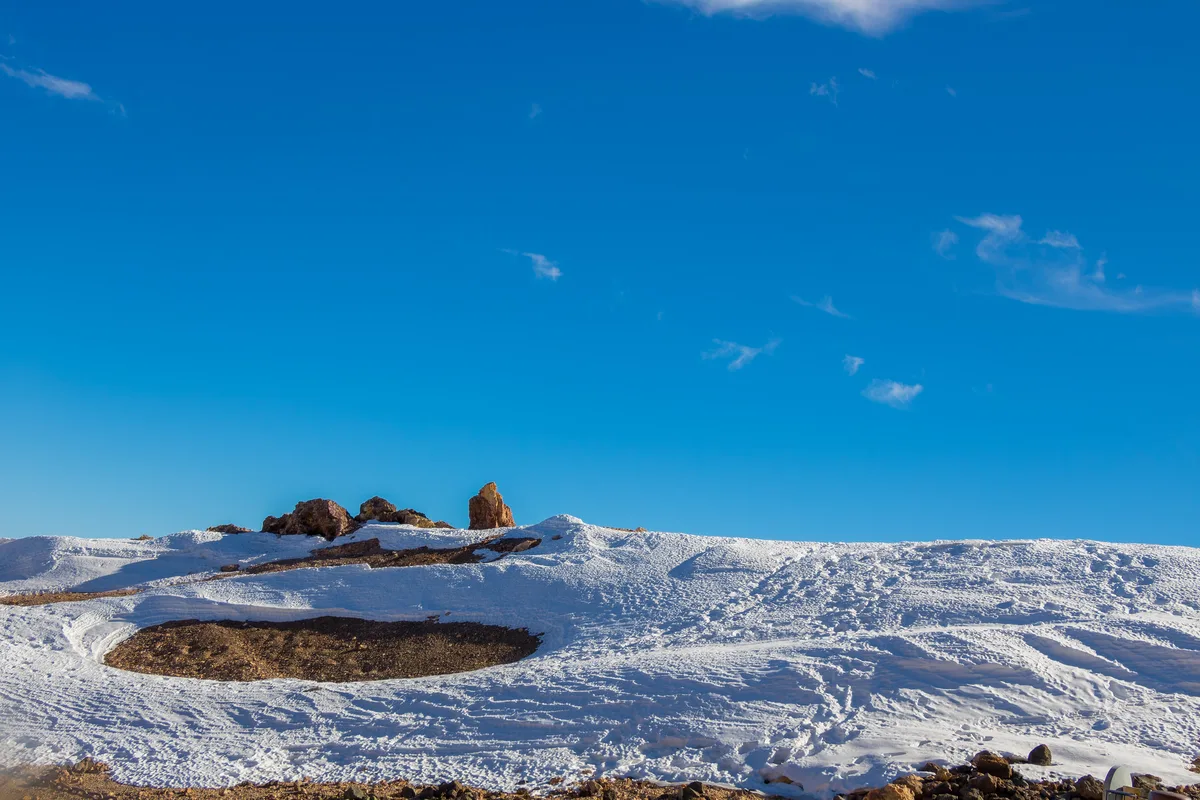
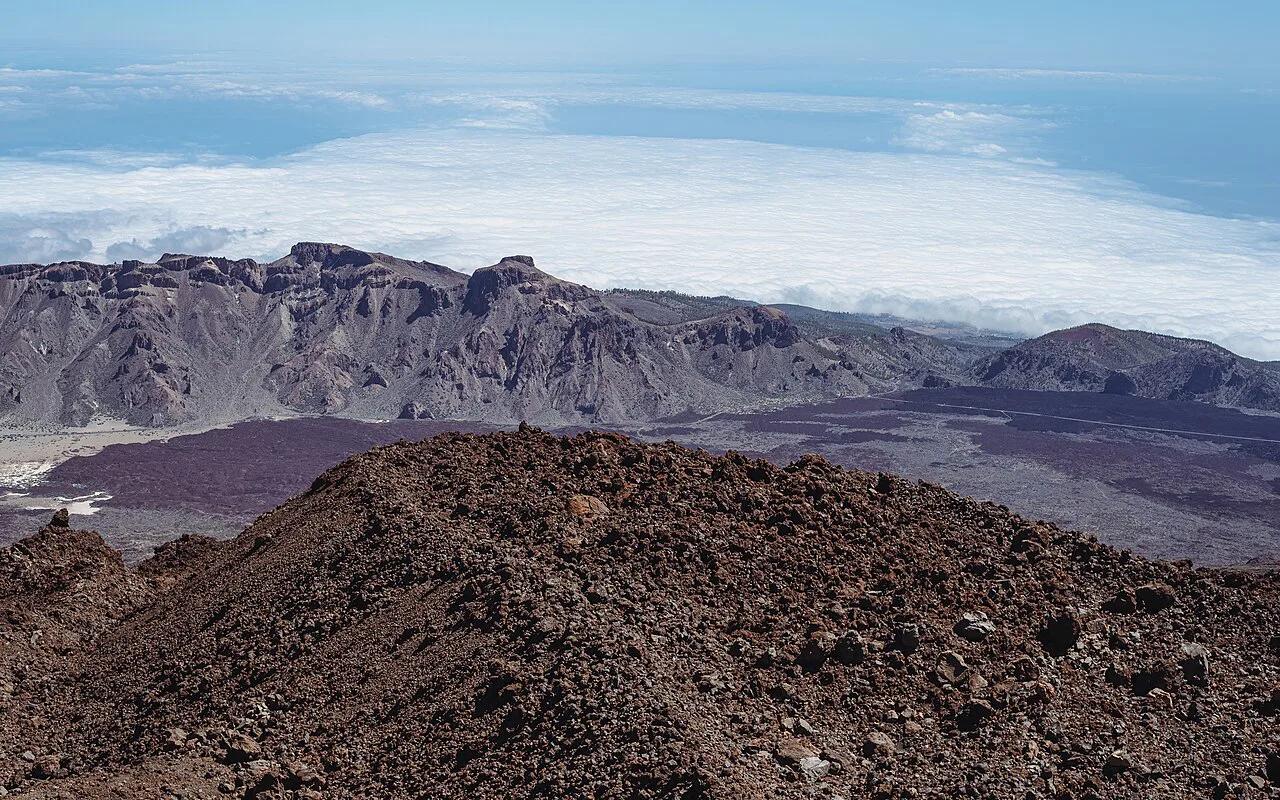
The central point is altitude. The cable car base station sits at 2,356 m, La Rambleta at 3,555 m and the summit at 3,718 m. Air cools with every metre you climb, so a beach day in Tenerife south does not predict the summit. As a rough guide, a 28°C (82°F) August afternoon at sea level can mean about 12°C (54°F) at La Rambleta. In January, 22°C (72°F) on the coast can mean around -3°C (27°F) at the top, before wind chill. These are typical planning figures, not forecasts. Trade winds and a cloud layer add another twist. Cloud often sits on the north side below about 1,500 m, while the summit stands in clear sun above it. Southern visitors sometimes meet the reverse, with sunny coasts and a windy, cloudy peak. For live conditions, read our guide to Teide weather by month. Then check the forecast for the summit on AEMET, Spain's meteorological agency, not for the coast.
Season-by-season breakdown
Each season trades temperature, crowds and closure risk differently. Use the lists below to match your priorities, and note who should skip each season.
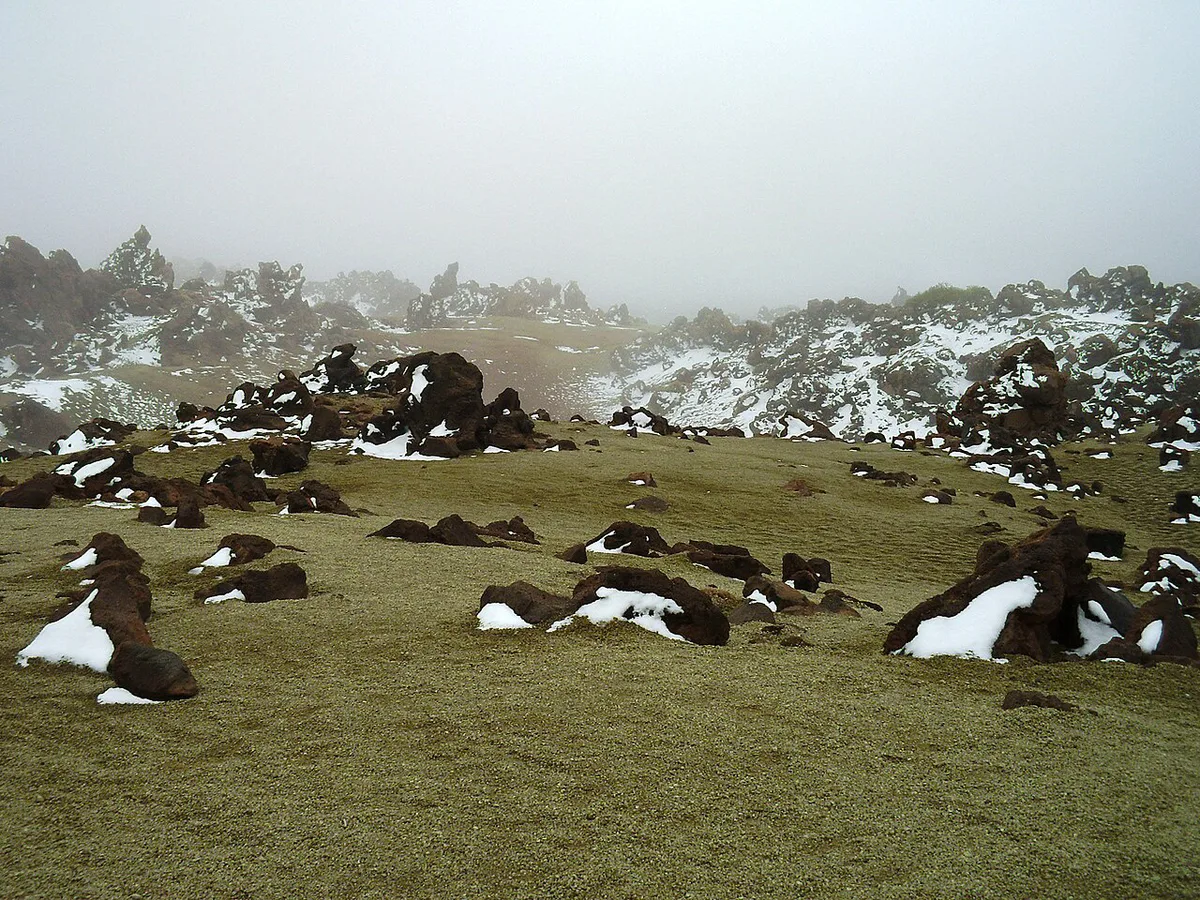
- Spring (March to June): March can still bring snow patches and wind, so pack for winter. By May the park is greener, and broom and other shrubs flower around the Roques de García area. Summit air sits near 5°C (41°F) in April and creeps toward 10°C (50°F) by June. Skip early March if you need a guaranteed cable car day.
- Summer (July and August): Skies are dry and the summit is at its warmest, around 12°C (54°F) at La Rambleta. Coaches arrive from mid-morning, so the road and car parks fill. Midday heat on exposed lava is strong, and the sun at altitude burns fast. Skip midday if you dislike crowds, and book the cable car early.
- Autumn (September to November): Visibility is often excellent and the light is softer for photos. September feels like summer with fewer people. By November the first cold fronts can bring rain at the coast and snow dustings above 2,500 m. This is the best season for hiking if the forecast holds.
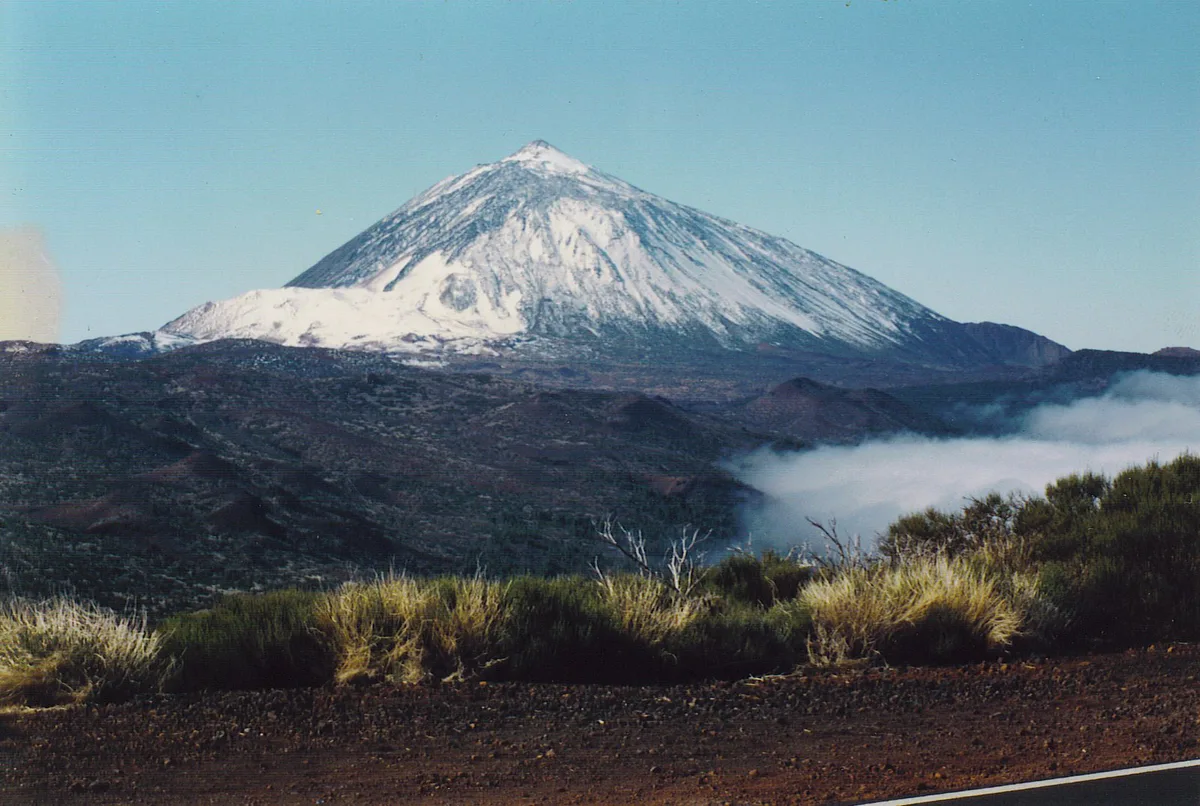
- Winter (December to February): Snow turns the crater rim white, and the contrast with the palm-lined coast is the draw. Ice on the road and trails, plus high wind, make closures more likely. Holiday weeks are busy, while mid-January is calmer. Skip winter if you have only one fixed day, because a closure leaves no spare time.
Best time of day to visit Teide
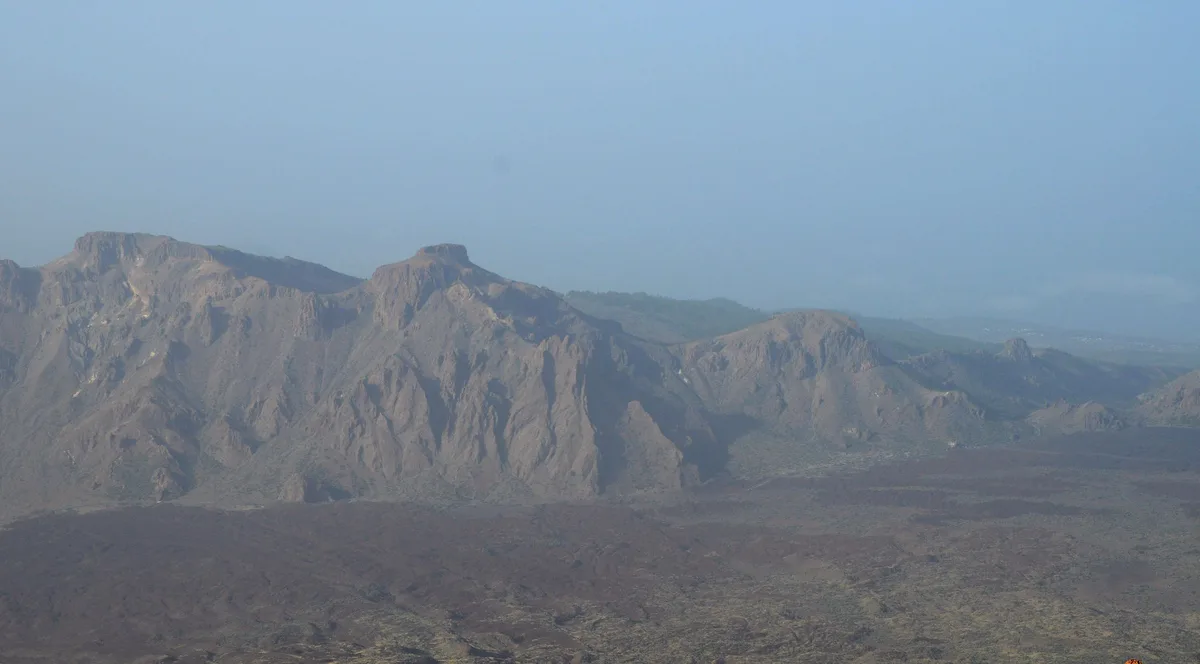
Time of day changes the experience as much as the month. Early morning gives cold, still air and the lightest crowds. Midday gives the strongest sun but the longest queues. Sunset brings golden light on the crater and a long shadow of Teide across the sea, which is why many visitors plan it. For timing and viewing spots, see our Teide sunset guide. After dark, the sky takes over, and our Teide stargazing guide covers the dark-sky options. Night-time temperatures drop quickly, even in July.
| Time | Light | Crowds | Cold | Cable car queue |
|---|---|---|---|---|
| Early morning | Soft, clear air | Lowest | Coldest, often near freezing in winter | Shortest |
| Midday | Harsh, high sun | Highest | Mildest | Longest |
| Sunset | Golden, long shadows | Moderate, then thins | Falls fast | Medium, returns book out |
| Night | Dark sky, stars | Very low | Coldest of the day | Not applicable without a special visit |
Best time for specific goals
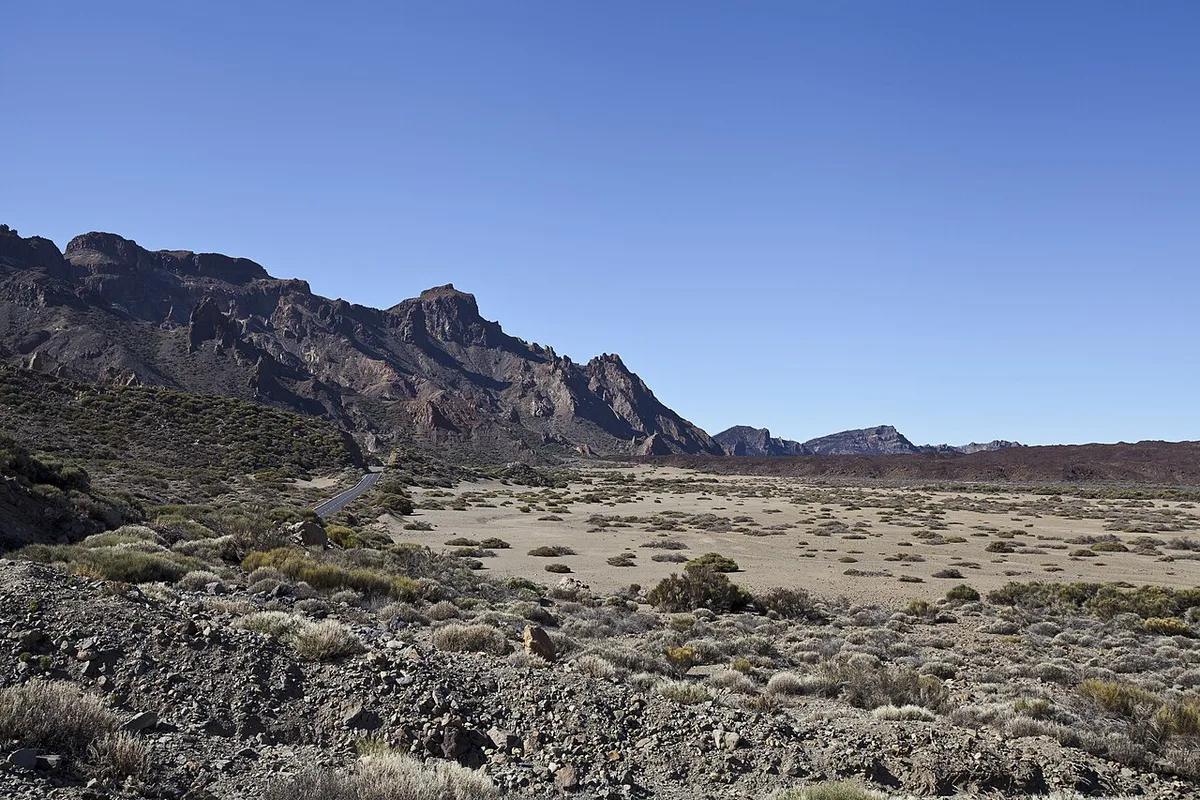
Start with your main goal and work backward to the month. A summit and cable car day wants calm wind, so favor late spring or early autumn mornings. Our Teide cable car guide explains the ride, which takes about 8 minutes from the 2,356 m base to La Rambleta at 3,555 m. Hikers should choose May, June, September or October, when trails are dry and daylight is long. Photographers get the best contrast in winter snow or autumn clarity.
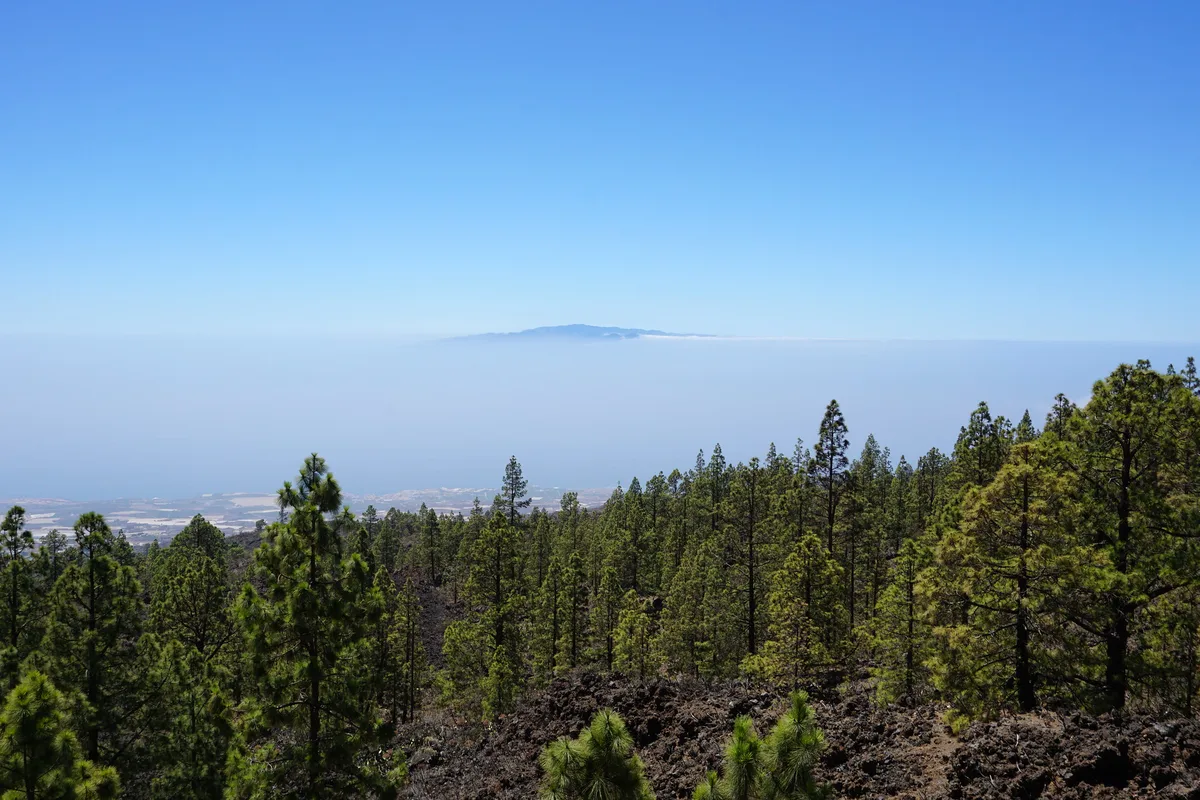
- Cable car and summit: May, June, September, October, early morning.
- Hiking: spring and autumn, with a layer for the wind. Try the loop among the Roques de García rock formations.
- Stargazing: summer and early autumn, near the new moon. The Instituto de Astrofísica de Canarias explains the sky quality, and the Teide Observatory visit adds a daytime option.
- Photography: winter for snow, autumn for clear light. The Mirador de la Ruleta viewpoint works well at sunset.
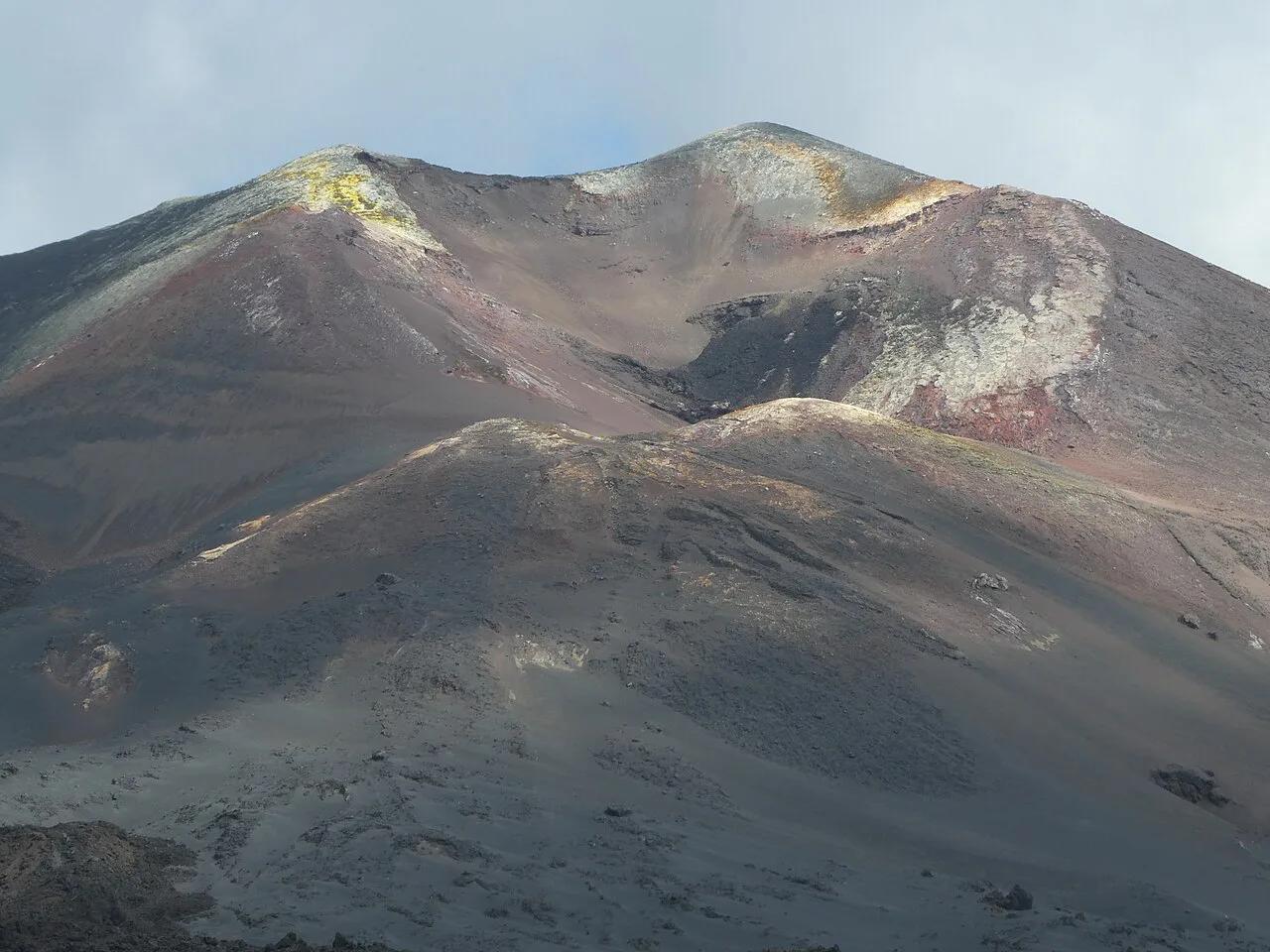
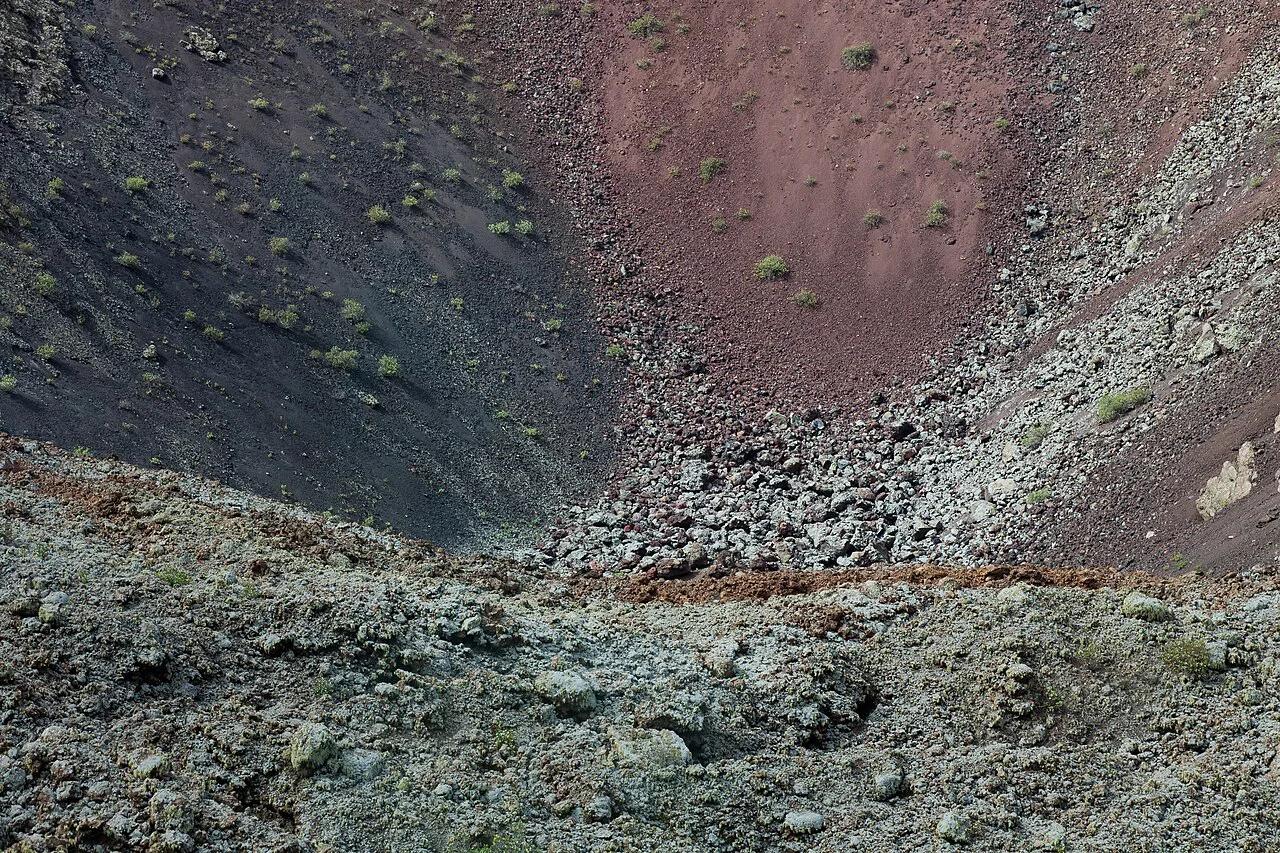
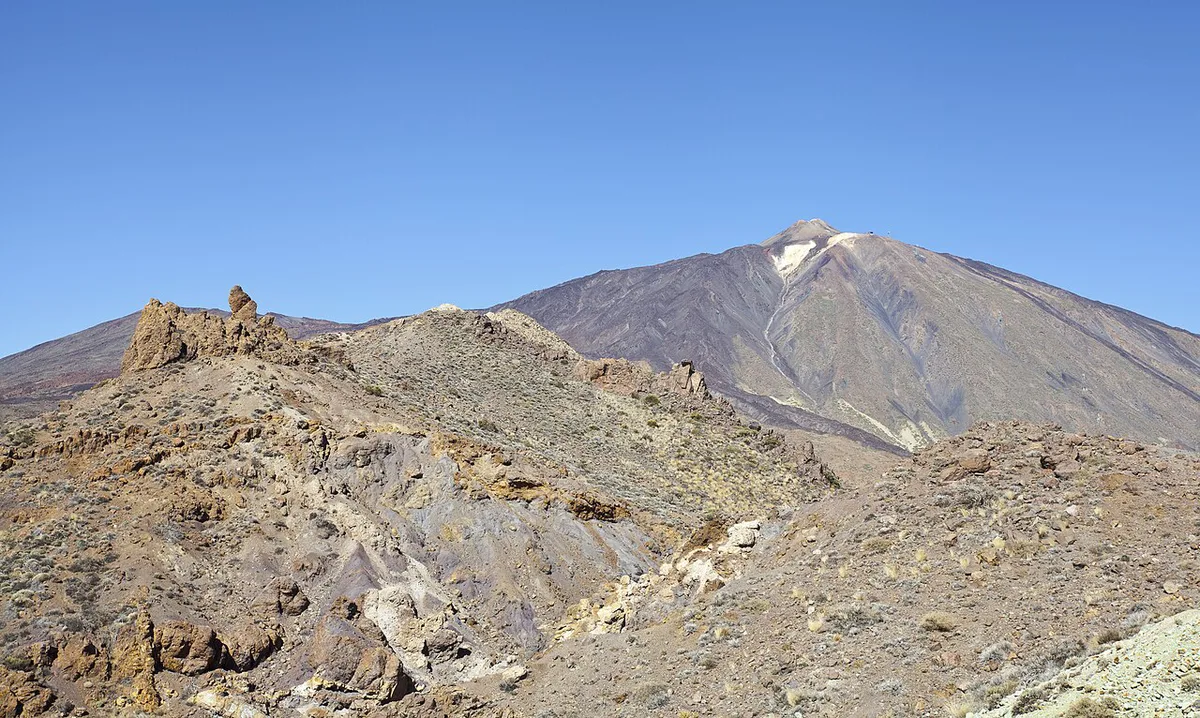
- Views of the second crater: choose a clear morning, then see Pico Viejo's crater from La Rambleta.
- Avoiding crowds: January mornings or September weekdays.
Closures, wind and safety by season
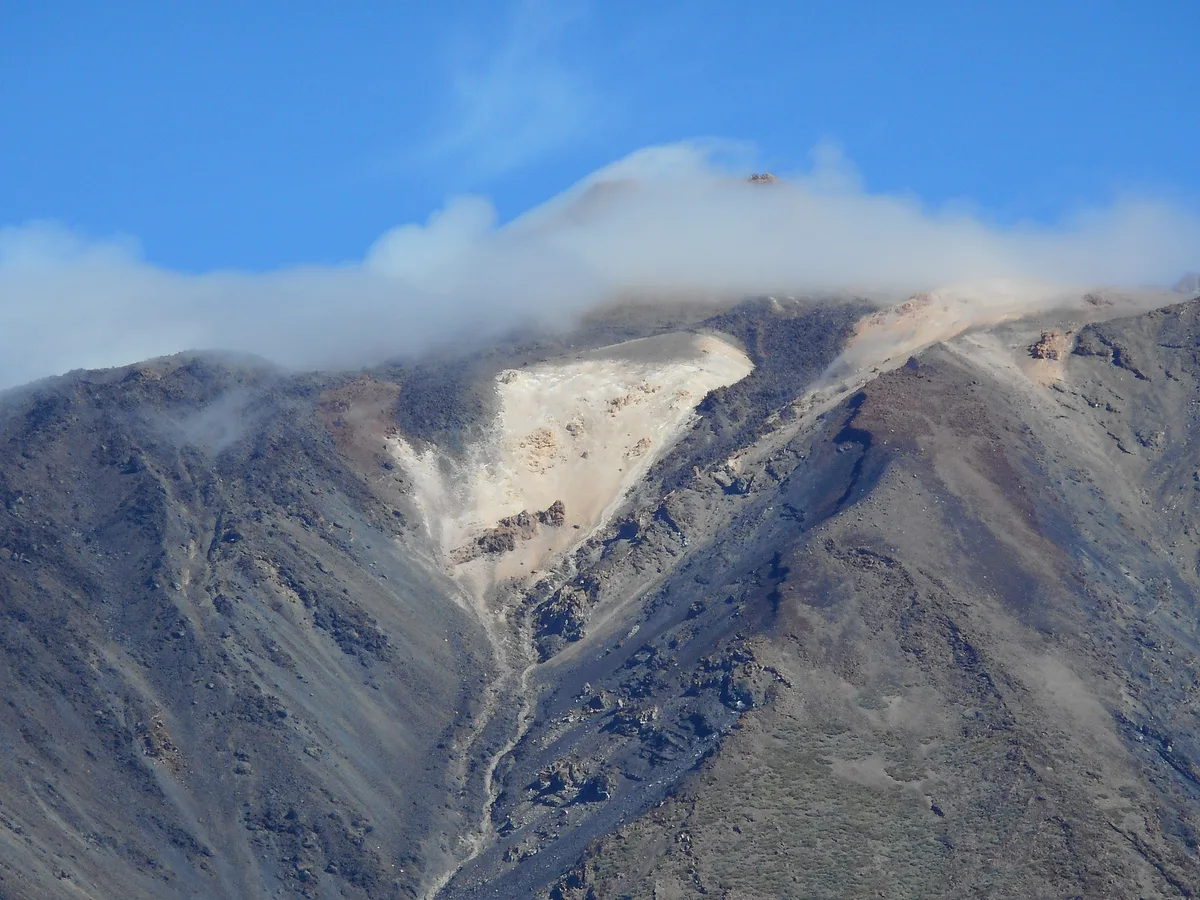
Wind is the most common reason the cable car stops, and it can happen in any season. Winter adds snow and ice on the road and trails, so the park may close sections without notice. The upper trail to the summit at 3,718 m needs a permit issued through the Tenerife On app, and many dates book out well ahead. Without that permit, La Rambleta at 3,555 m is your realistic high point. Check the official cable car operator on the morning you travel. Our Teide cable car tickets guide explains booking and what to do if a ride is cancelled. Altitude also matters. Above 3,000 m, some people feel headache, breathlessness or dizziness, so go slowly and descend if symptoms grow. Teide is a volcano, but monitoring is constant, and whether Teide is active rarely affects a normal visit. For park rules and trail status, use the Teide National Park official site. If the cable car is shut, the fallback is the Roques de García loop at about 2,100 m, which usually stays open in wind.
Wind can stop the cable car in any month, so keep the 2,100 m Roques de García loop as your backup for a summit day that falls through.
Planning logistics and costs by season
Prices and hours were last checked in November 2026 against operator pages. The adult return cable car fare was listed around €45 in 2025, and it stays the same across seasons. The seasonal price swing shows up elsewhere. Hotel rates and rental cars in Tenerife south climb in July, August and the Christmas weeks, so a May or October trip usually costs noticeably less than late December. Book the cable car and any summit permit as soon as your dates are firm. Read the current fare and times on the operator page, as they can change for 2026. For routes, our guide to getting to Teide covers driving and buses. Buses are run by TITSA, the Tenerife bus operator. A Teide map helps you place the car parks and trailheads. In winter, carry a warm jacket, gloves, a hat and sunscreen, and fill the fuel tank before climbing. In summer, bring water and a windproof layer even if the coast is hot. Plan three to four hours for a cable car visit, and a full day if you add a hike.
Shifting a trip from July to May saves on hotels and rental cars, since the €45 cable car fare stays the same.
Sample plans by season or visitor type
These short plans match the season to the visitor. They are starting points, not itineraries.
- Summer, one day: Arrive by 9 am, ride the cable car, then stay for sunset and stars.
- Winter, one day: Keep the date flexible, check the cable car status at breakfast, and keep the Roques de García loop as a fallback.
- Spring or autumn, two days: Hike one morning and ride the cable car on a second, clear day.
- Families: Choose May, June or September mornings, avoid wind alerts, and shorten the stay at altitude.
- Astronomy fans: Pick a new-moon week in August or September, and combine a daytime observatory visit with a night sky session.
Common mistakes to avoid
Most problems come from planning around the coast instead of the mountain.
- Dressing for the beach: the summit can sit 15°C (27°F) or more below sea level temperatures.
- Skipping advance booking in July, August and December.
- Ignoring wind forecasts and arriving without a fallback plan.
- Assuming the summit trail is open to everyone: it needs a permit through the Tenerife On app.
- Staying only an hour: a relaxed visit takes three to four hours.
Pair this with our broader tourism attractions guide for the full city overview.
Frequently Asked Questions
What is the best time of year to go to Tenerife?
Spring and autumn suit most visitors. May, June, September and October offer warm coasts and milder summit conditions. July and August are hottest and busiest, while winter is cooler but still mild at sea level.
How long does it take to climb Mount Teide, Tenerife?
The cable car ride takes about 8 minutes. A full hiking ascent from the base is a long day, so most visitors ride up and walk the trails near La Rambleta. The final stretch to the 3,718 m summit requires a permit.
Is it worth going up Mount Teide?
Yes, if the weather is clear. The views from La Rambleta at 3,555 m cover several Canary Islands and the crater landscape. Choose a calm morning or sunset, and check the cable car status on the day.