Teide Stargazing: Tours, Self-Drive & What to Know
Last updated November 2026: Teide stargazing comes down to three routes, which are a shared guided tour, a private tour, or a self-drive night with your own kit. Guided tours handle the mountain driving and bring telescopes. Self-drive costs less but demands warm clothing and your own sky knowledge. Altitude and cloud shape the night more than any booking choice.
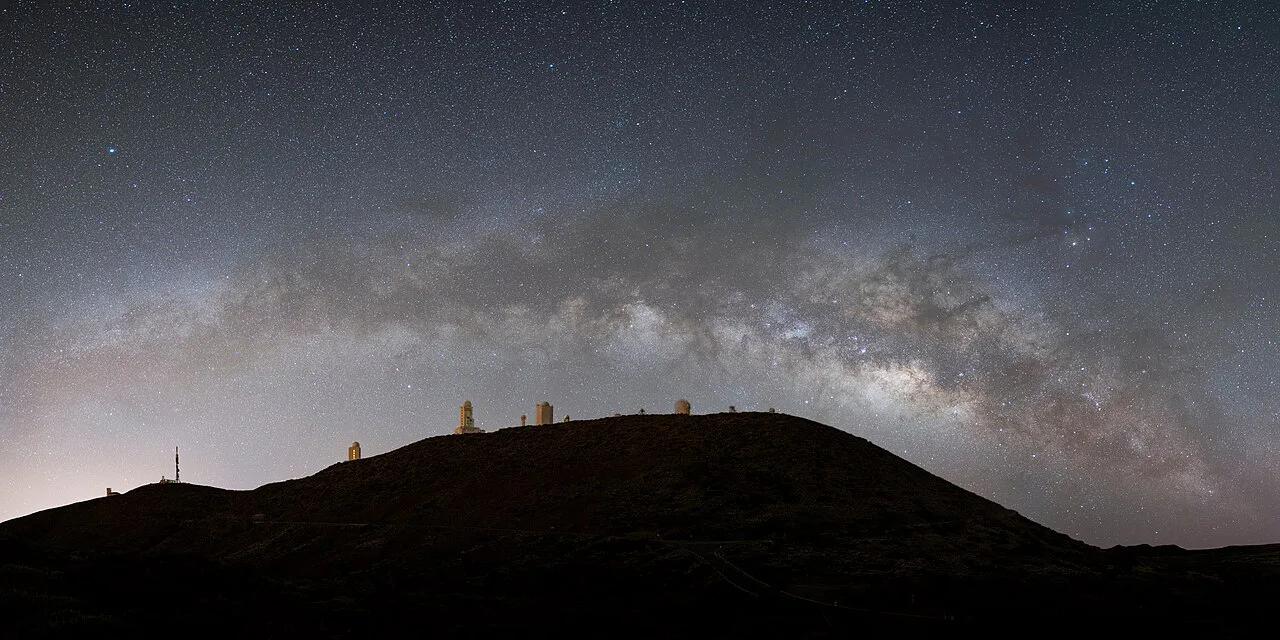
Featured image: Curd-Christian Tengeler/IAU OAE, CC BY 4.0, via Wikimedia Commons.
Teide stargazing quick answer: three ways to do it
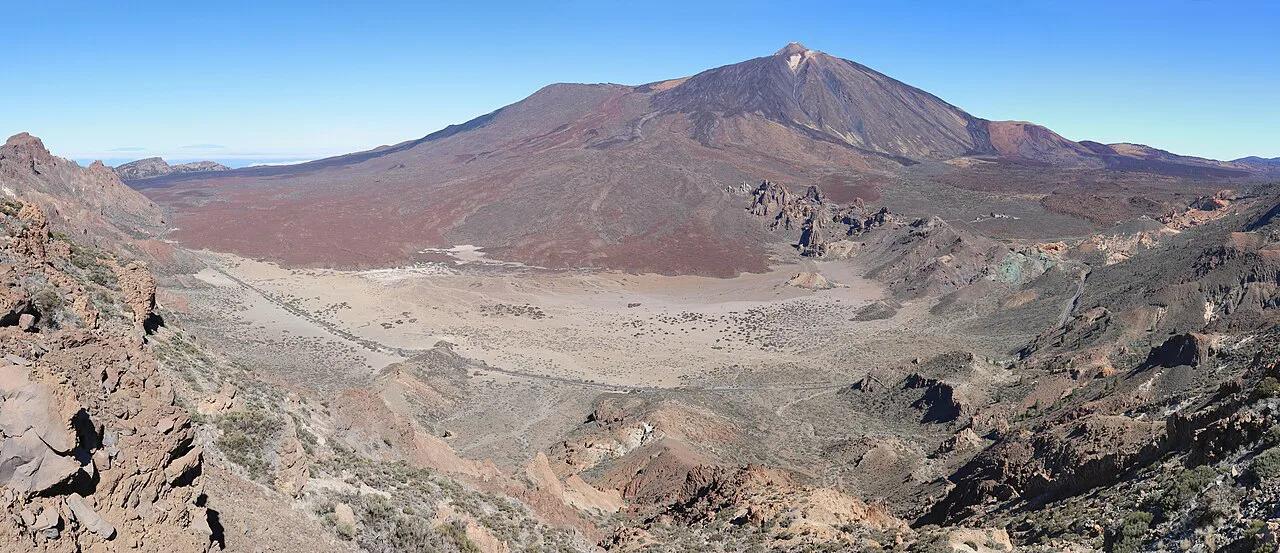
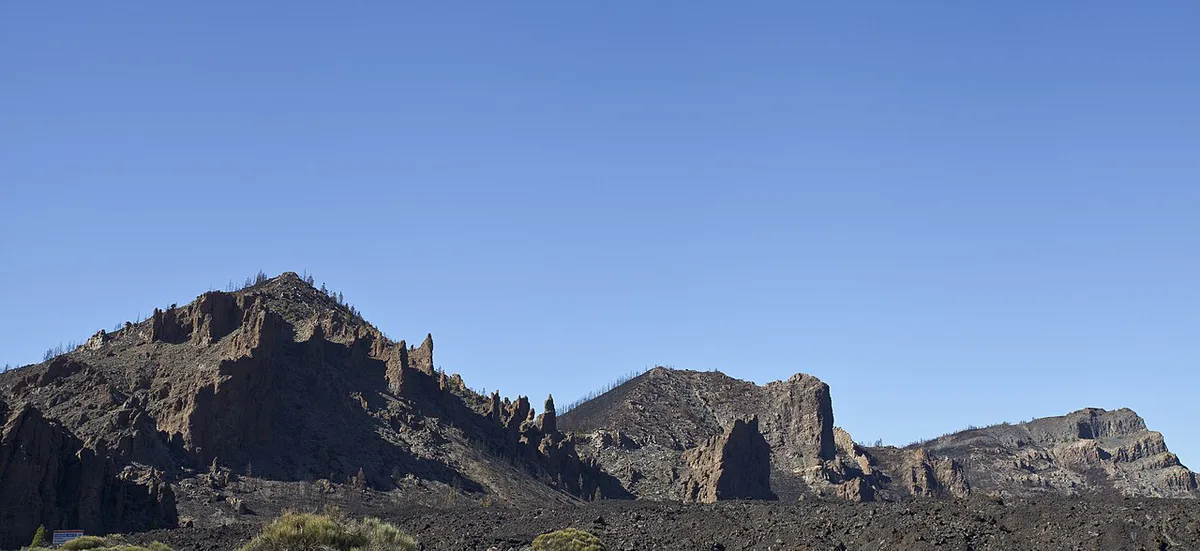
Choose a shared tour if you want telescopes, a guide and no night driving. Choose the private tour if you travel in a group of four or more and have a larger budget. Choose self-drive if you already know the sky and are comfortable on mountain roads after dark. Teide National Park carries Starlight destination recognition, and one listed tour observes from the car park beside the cable car base station at km 43 of the TF-21. Our Mount Teide guide covers the wider park, which rises above 3,700 m.
Observatory visit vs. night stargazing
Many listings blur two different products. A Teide Observatory visit is a daytime solar tour, and Permiso Pico del Teide lists it at about 1.5 hours with entry at €21 for adults. Stargazing happens after dark with telescopes and a guide. Teide Observatory sits at 2,390 m in Izaña and is managed by the Instituto de Astrofísica de Canarias. Our Teide Observatory guide covers the daytime visit in detail. Some bundles combine both, such as the 8-9 hour tour from Puerto de la Cruz that adds sunset and telescope time.
Compare your options
Every value below is as listed by the operator named in the row. Policies and prices can change, so treat the table as a planning sketch.
| Option | Listed price | Duration | Pickup | Telescope time | Age rule |
|---|---|---|---|---|---|
| Shared tour with observatory and sunset (Reserving.com listing) | See the listing | 8-9 hours | Puerto de la Cruz, La Orotava, Santa Úrsula | 1 hour 15 minutes at cable car base station | Not stated |
| Sunset hike + stargazing (Permiso Pico del Teide) | €26, taxes included | Not stated | Not stated | Stargazing included | Not stated |
| Stargazing with telescope (Permiso Pico del Teide) | From €35, taxes included | Not stated | Not stated | Yes | Not stated |
| Private VIP tour with dinner (Volcano Teide) | From €1,110 | About 8-8.5 hours | North or south, set after booking | Professional telescopes at cable car base station | Under 8 not allowed |
| Observatory visit only (Permiso Pico del Teide) | €21 adults, free ages 8-16 | About 1.5 hours | Barrier at the observatory | Daytime solar telescopes | Under 8 not admitted |
| Self-drive | No booking fee listed | You decide | Your own car | Bring your own | None set by a tour |
Costs and what's included
Prices and hours checked November 2026. Permiso Pico del Teide lists sunset hike plus stargazing at €26 and stargazing with a telescope from €35, both with taxes included. Its observatory visit costs €21 for adults and is free for ages 8-16. Volcano Teide lists its private astronomy tour from €1,110 with a minimum booking of 4 people or an equivalent fee. Ask the operator whether that figure covers the group or each guest before you commit.
Groups of four or more fit the private tour's minimum booking of 4 people, though an equivalent fee is also accepted.
- Reserving.com tour: transport by minibus or coach, an English-speaking Starlight-certified guide, observatory entry, a long-range telescope, and an optional picnic meal.
- Private VIP tour: transport with a guide, a Starlight guide in five languages, a guided observatory visit, telescope observation and dinner.
- Self-drive: fuel, warm clothing and your own gear, with no guide or telescope supplied.
Getting there and pickup
Tours collect from hotels or set points. The Reserving.com tour picks up in Puerto de la Cruz, La Orotava and Santa Úrsula. Volcano Teide offers north and south pickup areas and assigns your time after booking. Drivers reach the observatory entrance at km 1 of the TF-514, which branches from km 37 of the TF-24. Stargazing at the cable car base station happens at km 43 of the TF-21. Our guide to getting to Teide covers driving and bus options. The Mount Teide Map: Park Layout, Trails & Which Map to Use helps you place these roads.
- About 1 hour from Puerto de la Cruz to the observatory.
- About 1.5 hours from Santa Cruz.
- About 2 hours from the south of the island.
When to go: moon, season and cloud
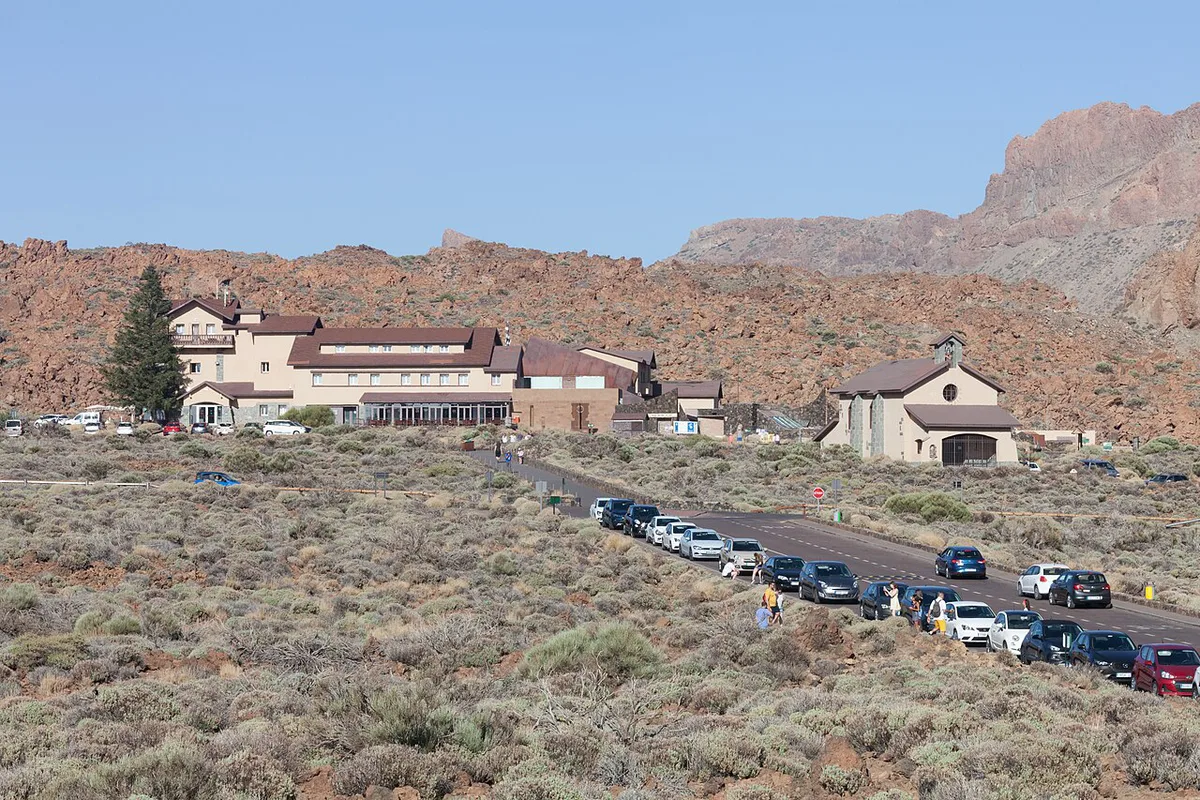
A bright moon dims faint stars, so pick dates around the dark part of the lunar cycle if you want deep-sky views. One operator lists a 29-day lunation and markets full-moon nights for craters and lunar mountains. Cloud cover can change a tour's itinerary, and winter snow, ice or falling rock can cancel visits to the observatory. Our Teide weather guide explains conditions on the mountain. Seasonal timing is covered in when to visit Teide. You can also check forecasts at AEMET before you set out.
Altitude, cold and who should skip
Teide Observatory sits at about 2,400 m, where oxygen is reduced. Operators say it has no medical assistance on site, and the nearest hospital is about 1.5 hours away by car. Tell your guide at once if you feel dizzy, nauseous, short of breath or have ringing in the ears. Volcano Teide bars open footwear, shorts and short sleeves from its tour. Children under 8 are not admitted to the observatory visit or to the early-evening and night VIP activities.
- Who should skip: people with anaemia, heart disease or respiratory problems should ask a doctor first, per operator guidance.
- Who should skip: anyone with reduced mobility, since the private tour uses paths and stairs.
- Night kit: warm layers, closed shoes, long trousers, water, sunglasses and sunscreen for the daytime part.
- Night kit: ID or passport and your booking confirmation, printed or on your phone.
Cancellations, weather and refunds
Policies differ sharply between a self-booked activity and a private tour. Both operators below refund in full or in part when weather blocks the visit. Permiso Pico del Teide asks you to reach the observatory barrier 30 minutes early, and late arrival shortens the visit.
| Rule | Permiso Pico del Teide (observatory visit) | Volcano Teide (private VIP tour) |
|---|---|---|
| Free change or cancellation | Up to 24 hours before | Up to 72 hours before |
| After that window | 100% retained | 50% charged, then 100% inside 24 hours |
| Changes allowed | Up to 3 | Up to 3 |
| Weather or technical block | Amount refunded | Full amount refunded if the whole activity fails |
| If stargazing is clouded out | Itinerary may change | Planetarium activity substituted |
Making a night of it
Sunset and stars fit one evening if you arrive early. Our Teide sunset guide covers viewpoints and timing. Daytime stops such as Roques de García suit the hours before dark. The cable car is a separate product from the base station car park where one tour observes, so read our cable car guide if you plan to ride. Ticket details sit in our cable car tickets guide.
Arriving 30 minutes early at the observatory barrier leaves room for a sunset stop, since Roques de García suits the hours before dark.
Self-drive stargazing: what the night drive involves
Self-driving gives you flexibility, but plan the return journey before sunset. The observatory entrance is on the TF-514, reached from the TF-24. Stargazing tours commonly use the cable-car base-station car park at km 43 of the TF-21. These are different locations, so set your destination carefully.
Allow realistic travel time before darkness. The observatory is about 1 hour from Puerto de la Cruz, about 1.5 hours from Santa Cruz, and about 2 hours from Tenerife’s south. Mountain weather can change quickly, while winter snow, ice, or falling rock can close access.
Bring charged lights, water, warm layers, closed shoes, and your own telescope or binoculars if you want them. Guided tours provide transport and astronomy equipment; self-drive visitors must be comfortable navigating mountain roads after dark. Check the AEMET forecast and road conditions before leaving, then give yourself time to descend safely after observing.
Frequently Asked Questions
Can you see the Milky Way from Mount Teide?
Operators market the park's clear sky and low light pollution for deep-sky viewing. A bright moon reduces Milky Way visibility, so choose a dark-moon date and watch the cloud forecast.
What month is best for stargazing on Teide?
Operators list no single best month. Moon phase and cloud matter more, and winter snow or ice can cancel observatory visits. Use our guide to the best time to visit Teide alongside a dark-moon date.