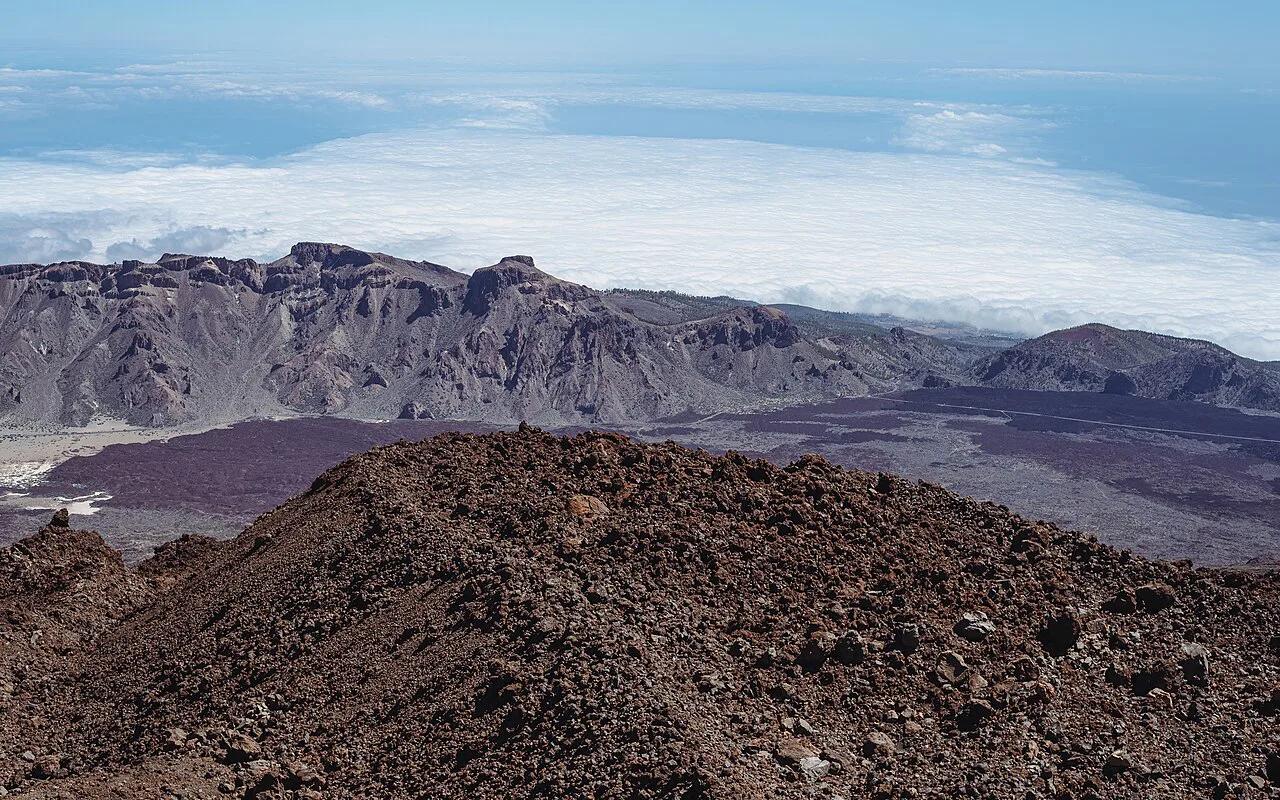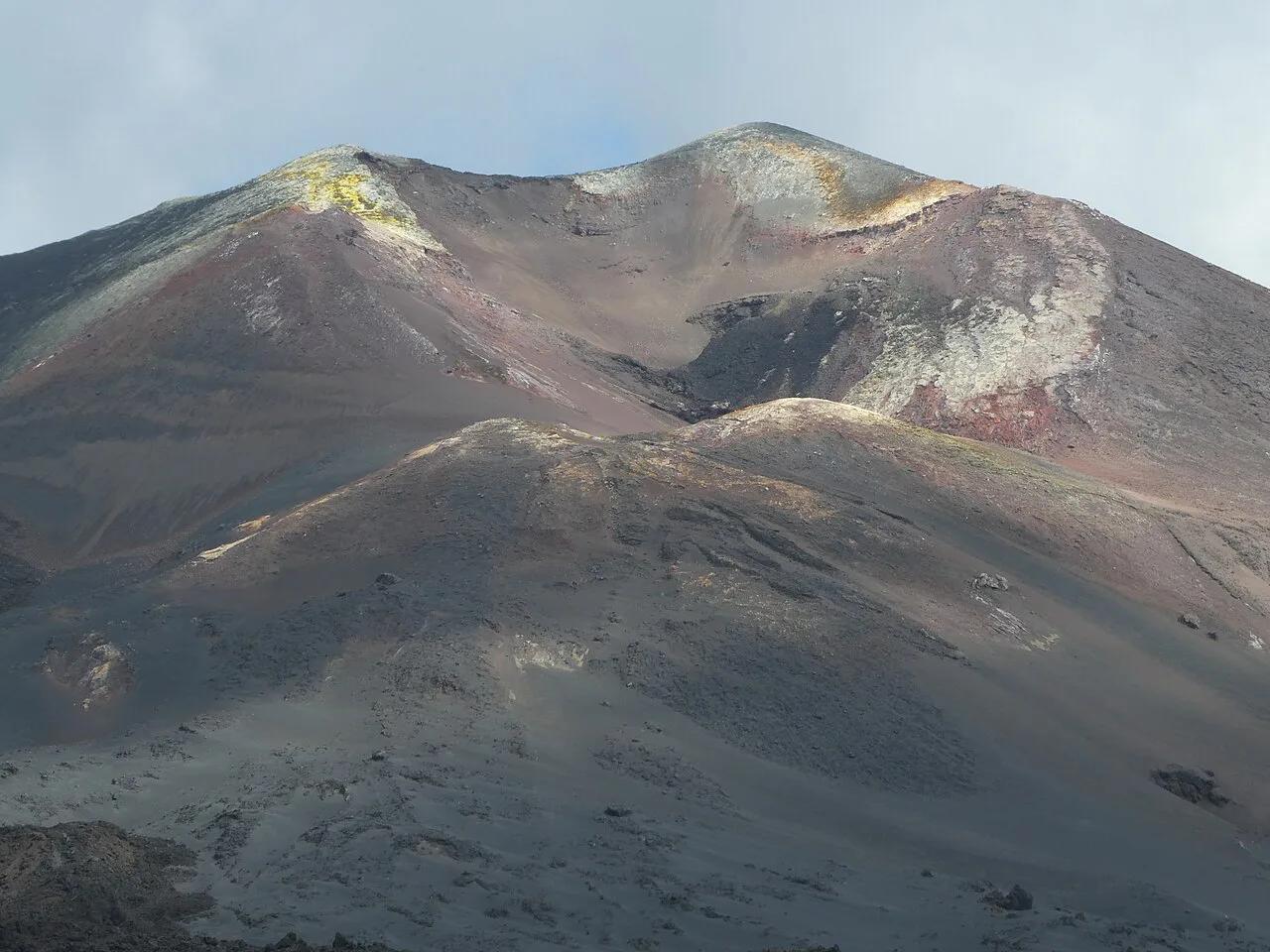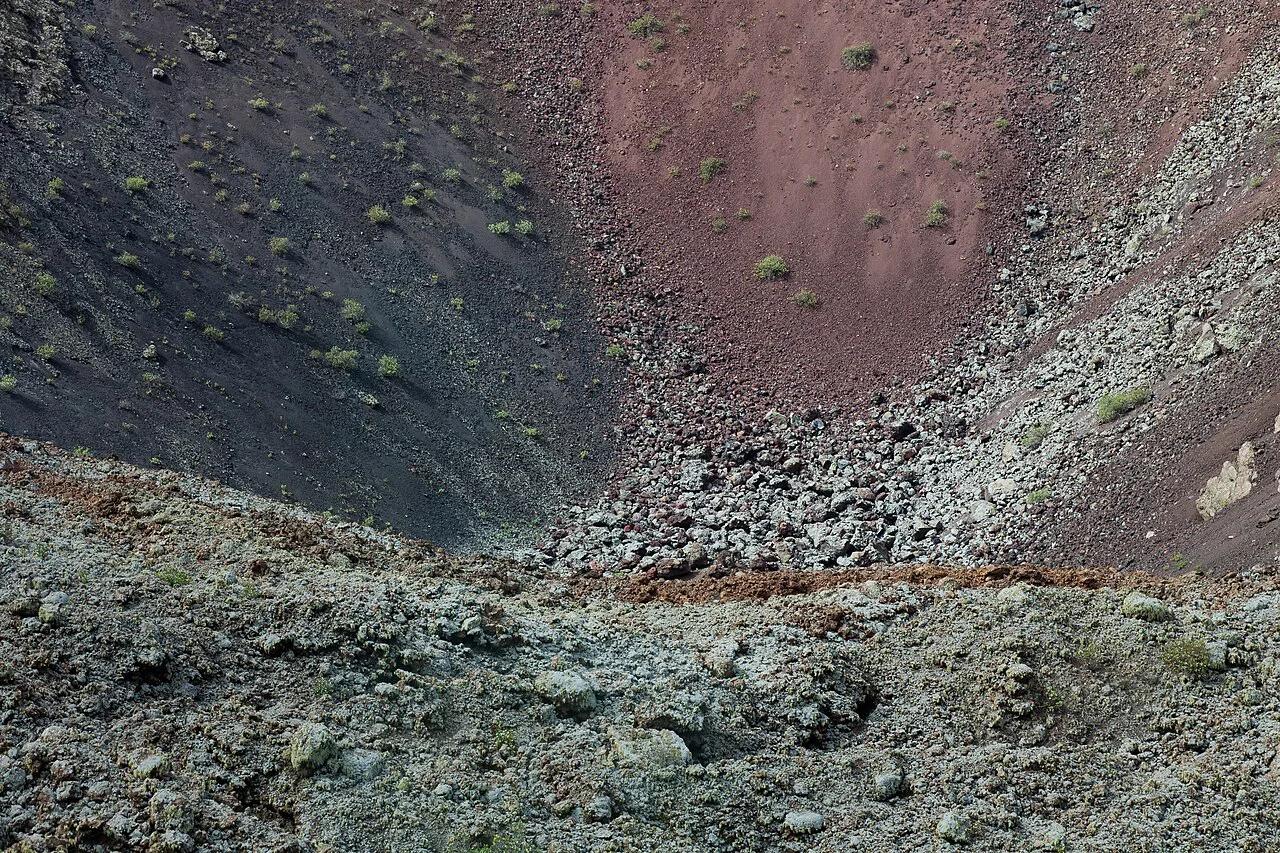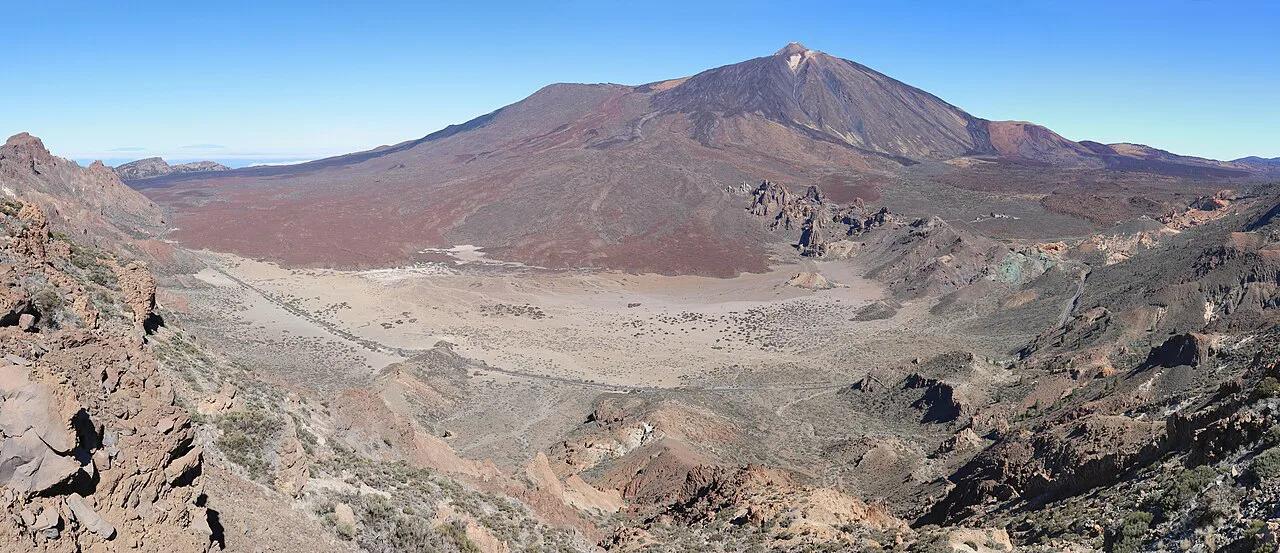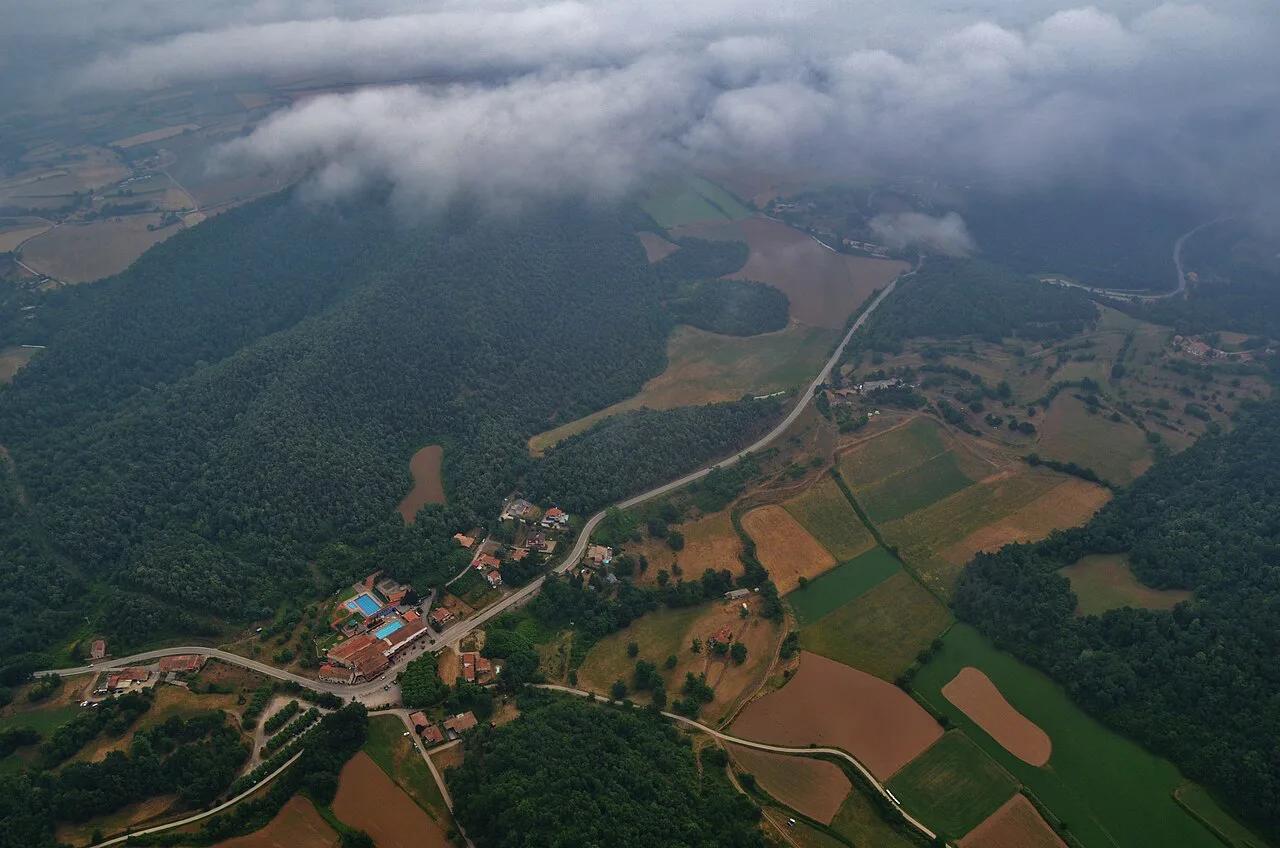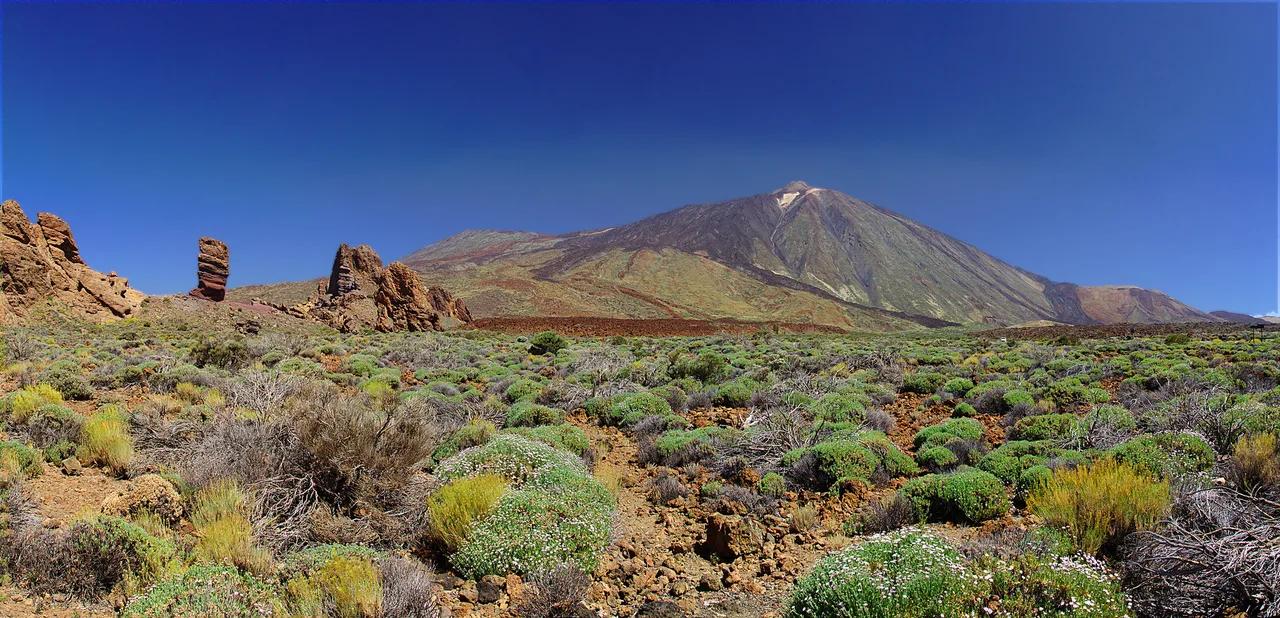
Last updated November 2026: the teide vs etna choice comes down to access, activity and how much effort you want. Pick Teide in Tenerife for a cable-car day in a calm national park. Pick Etna in Sicily for a volcano that is still erupting and a guide-led crater experience. Both sit in different countries, so you will need two separate trips to see both.
Featured image: txelu, CC BY-SA 2.0, via Flickr.
Quick Verdict: Pick Teide, Pick Etna or Do Both
These decision rules are editorial judgment, not official guidance. Rules and alert levels change, so read the park pages before you book.
- Pick Teide if you want a short, low-effort volcano day with a cable car, clear roads and big night skies.
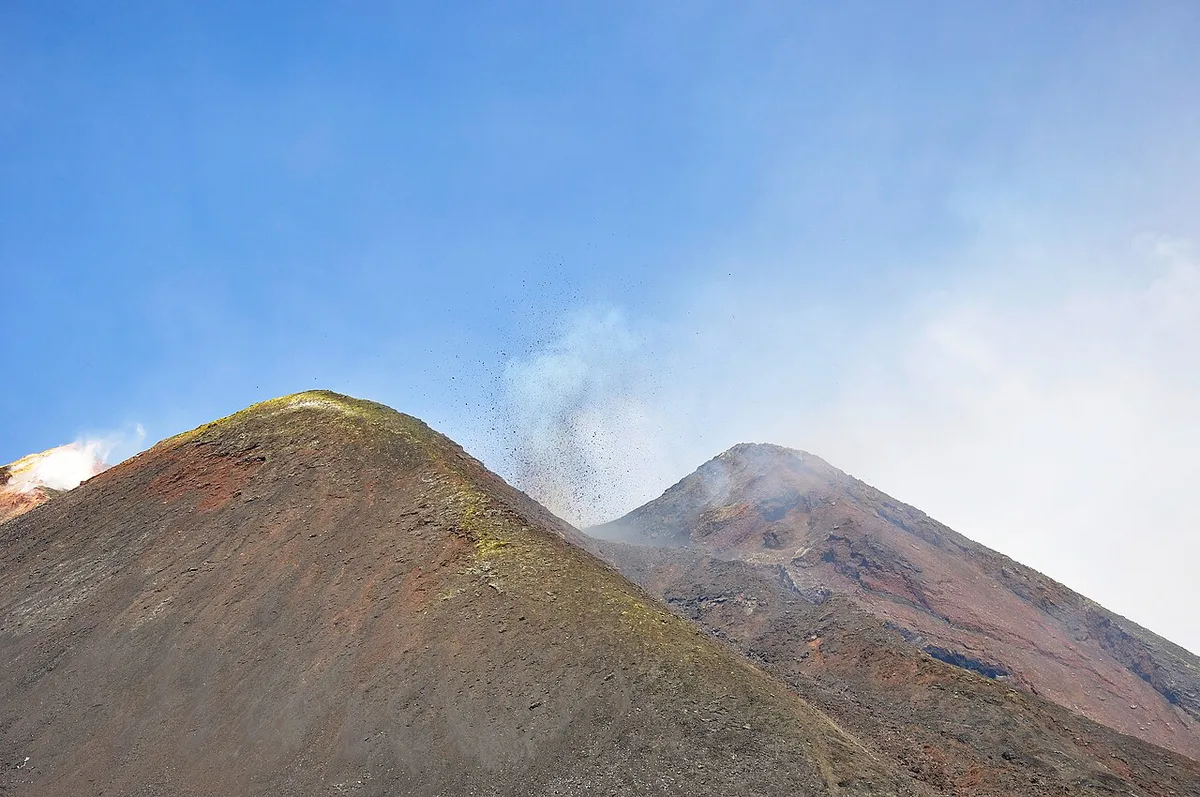
- Pick Etna if you want an active volcano, craters and lava-field terrain, and you are happy to book a guide or tour.
- Pick Teide for families or limited mobility, because the cable car removes most of the climbing.
- Pick Etna for a Sicily trip that already includes Catania or the east coast.
- Do both only as two separate trips, since Tenerife and Sicily are in different countries.
Teide vs Etna at a Glance
Teide is in Spain's Canary Islands, inside Teide National Park. Etna is in Sicily, Italy, and sits within the Etna regional park. Cost ranges below are indicative planning figures, not published fares. Prices checked November 2026 against typical visitor budgets, so confirm the exact fee with the operator.
| Criterion | Teide (Tenerife, Spain) | Etna (Sicily, Italy) |
|---|---|---|
| Country and base | Spain; Tenerife, national park road | Italy; Catania and the Etna park |
| Height | Higher of the two | Summit height changes with eruptions |
| Status | Dormant; last eruption at Chinyero in 1909 | Frequently active; check INGV bulletins |
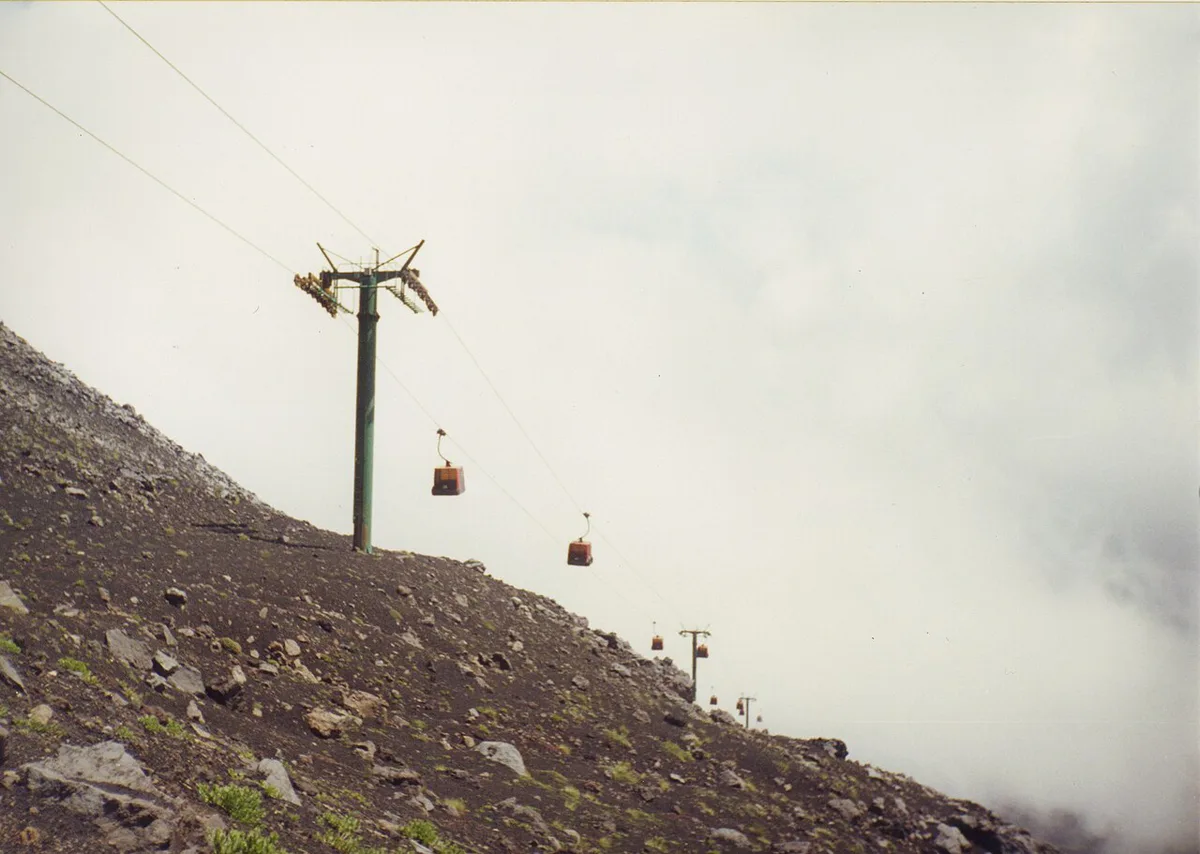
| Lift access | Cable car to the upper station | Cable car and 4x4 stages, depending on conditions |
| Summit rules | Permit needed for the final summit section | Altitude zones; guide rules follow activity level |
| Typical cost | Roughly €25–€40 for the cable car | Roughly €50–€120 for lift plus guided excursion |
| Visit length | Half day to full day | Half day to full day |
| Effort | Low with cable car; high on foot | Moderate; terrain is loose and cold |
| Night sky | Observatory and stargazing options | Sunrise or night tours, if offered |
| Skip if | You want lava or eruptions | You want a simple self-drive visit |
Getting There and Getting Around
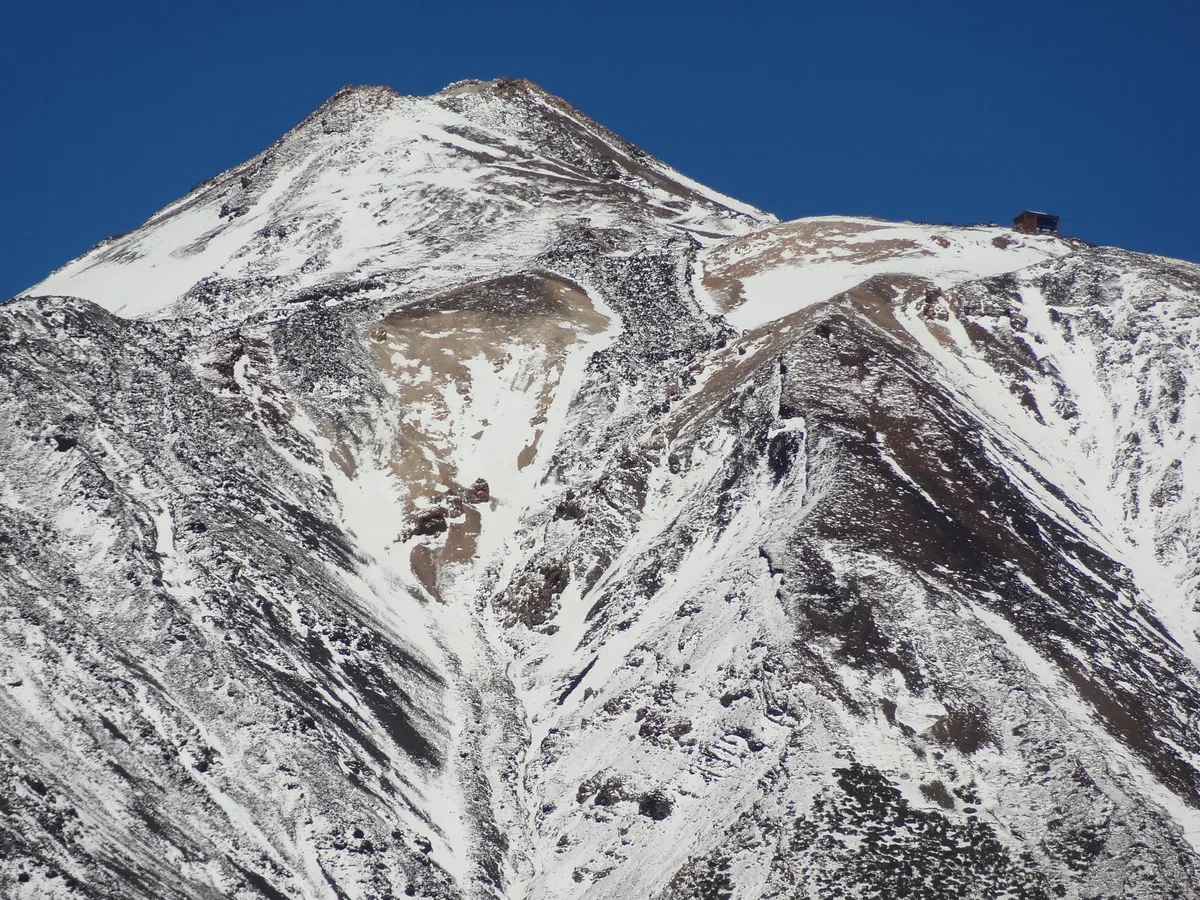
On Tenerife, the national park is reached by road, and a rental car gives the most flexibility. Our guide to getting to Teide covers routes and bus options. You can also study the Mount Teide Map: Park Layout, Trails & Which Map to Use before you drive up. In Sicily, most visitors base themselves in Catania and reach Etna by car, tour or park-approved transport. The Etna park authority lists access sides and current rules. Both volcanoes involve winding mountain roads, so allow extra time in winter.
What You Actually Do on Each Volcano
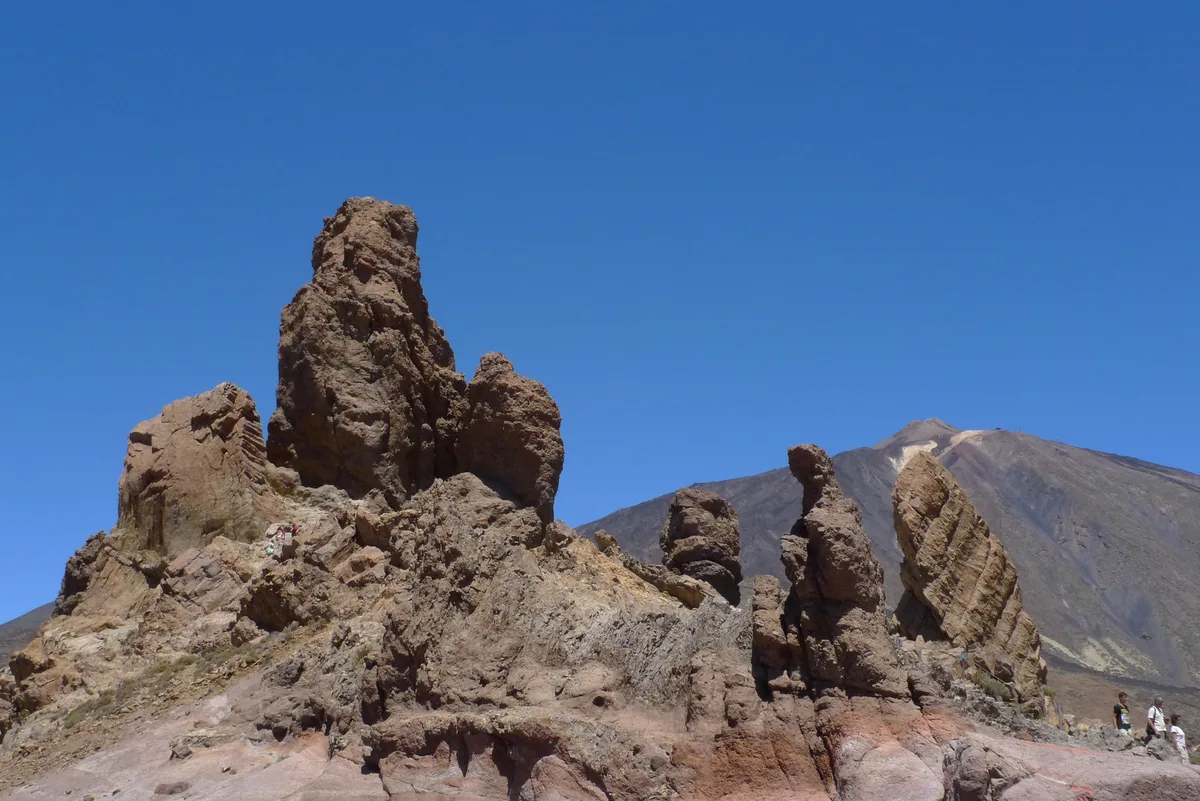
Teide's main attraction is the Teide Cable Car: Hours, Prices, Permits & Planning, which lifts you high above the national park. On foot, the Roques de García trail loops through rock formations at the crater floor. Photographers also stop at Mirador de la Ruleta, Teide: Viewpoint Guide and Stop Planning for views toward the neighboring peak, and Pico Viejo, Tenerife: How to Hike It and What to See adds a longer hiking option. On Etna, the experience is more about crater edges, lava fields and black volcanic ash. Guided tours and lift-plus-4x4 stages are the usual way up, depending on what the authorities allow that day.
Summit Access, Permits and Rules
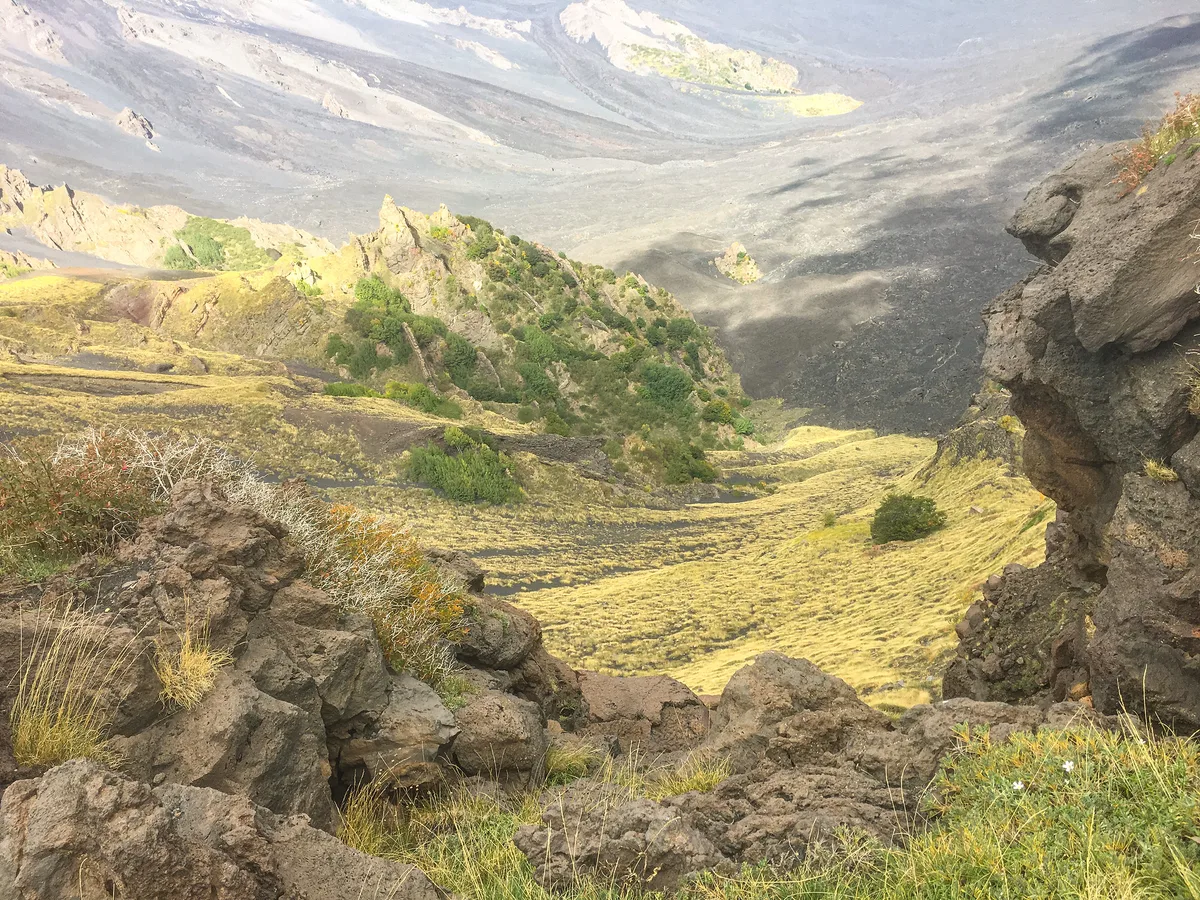
This is the biggest practical difference. On Teide, the final summit section needs a permit, and cable-car seats are limited. Start with the Teide Cable Car Tickets: Prices, Booking & Which to Buy page, then check the official cable car operator for current availability. Rules for the summit area come from the national park authority. On Etna, access depends on altitude zones and on the volcano's current activity. Guide requirements can tighten quickly when activity rises. Rules can change, so treat any summit plan as provisional until you have checked both official pages.
Activity and Safety: Which Is More Active?
Etna is the more active volcano and is monitored closely by Italy's INGV observatory. Teide is dormant, and its most recent eruption in the area was the Chinyero event of 1909. Read our Chinyero eruption guide for that history. Our explainer on whether Teide is active covers monitoring in more detail. Routine seismic monitoring on Tenerife is normal and run by Spanish and Canary Islands institutions such as INVOLCAN. For the island's wider volcanic setting, see Tenerife's volcanic landscape. Neither volcano should be labelled simply safe or dangerous, so check current alert levels before you go.
Chinyero's 1909 eruption is Teide's last, while Etna's guide rules can tighten quickly when activity rises, so check both before booking.
Cost, Time and Effort Trade-Offs
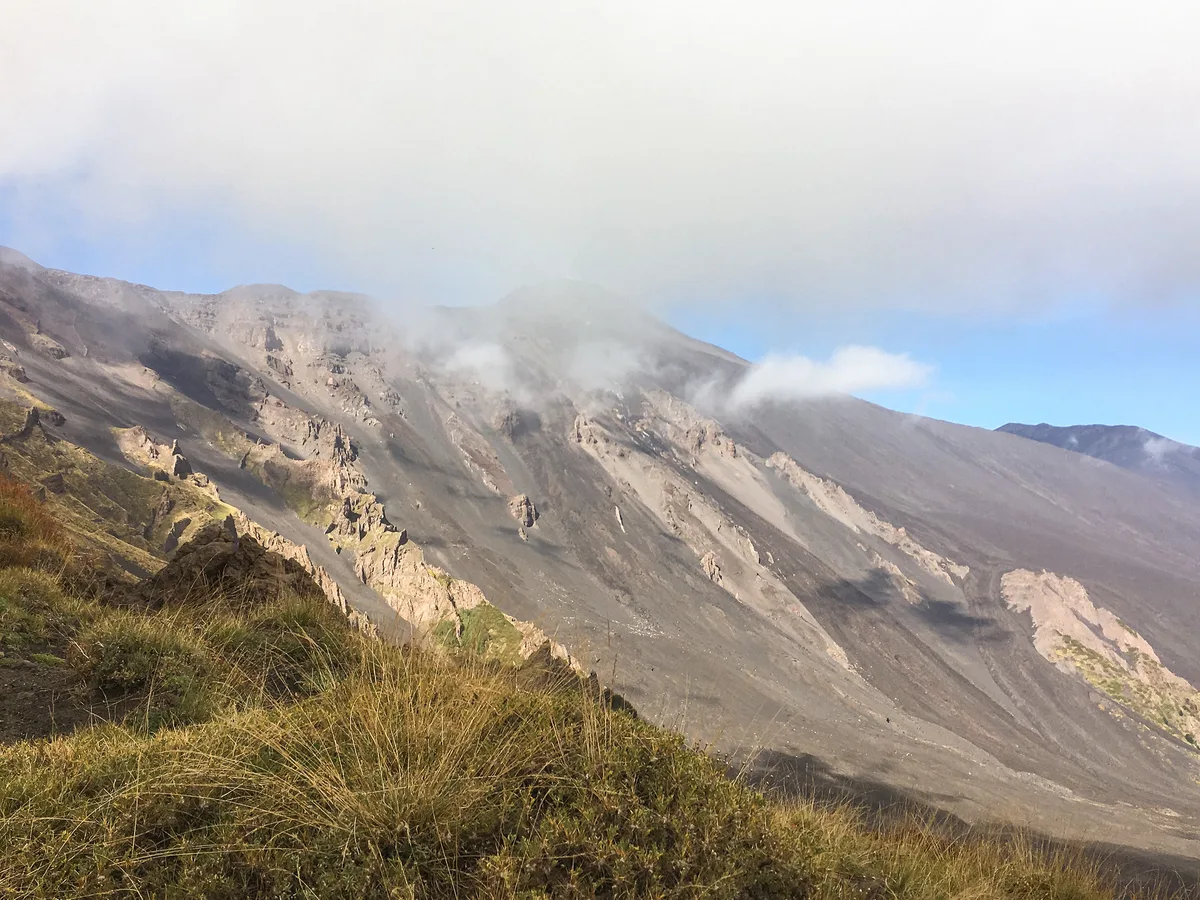
Teide is usually the cheaper and simpler day. A cable-car ticket is roughly €25–€40 in our planning range, and you can self-drive. Etna often costs more because many visitors pay for a guide, a lift or a 4x4 stage, roughly €50–€120 in total. Fitness matters most on Etna's loose ground and on Teide's walking trails above the cable-car station. Book Teide cable-car seats ahead, because popular slots fill. Exact fares for both are published by the operators, so use those pages for the final number.
Budget for Teide's €25–€40 cable-car ticket, and remember a rental car gives the most flexibility on Tenerife.
| Factor | Teide | Etna |
|---|---|---|
| Cost level | Lower | Higher if guided |
| Car or tour | Car is easiest | Tour or guide common |
| Booking lead time | Book cable car and permit early | Book guided tours early |
| Fitness | Low to moderate | Moderate |
Best Season and Weather
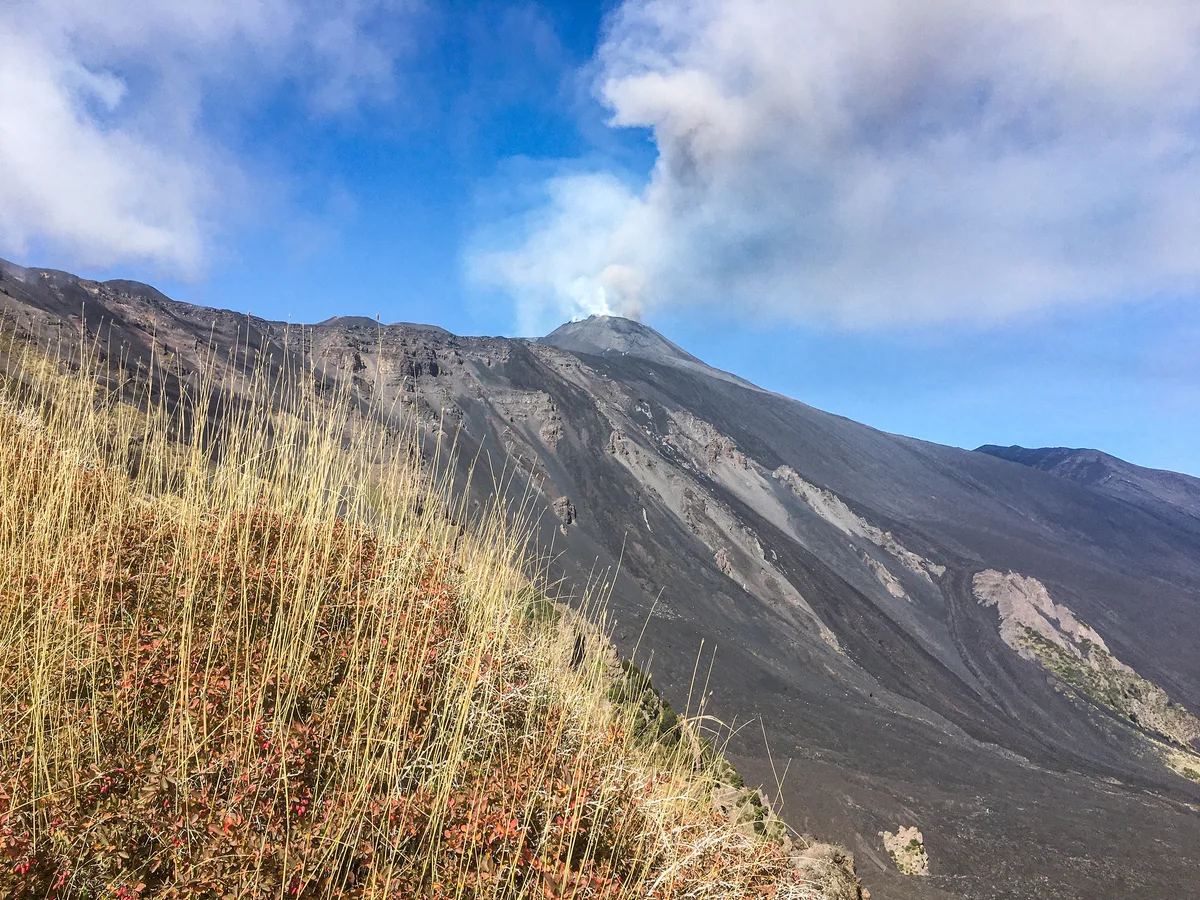
Both volcanoes are cold, windy and sometimes cloudy at altitude, and snow is possible. Check Teide Weather: Climate by Month, Snow & Forecast Tips before you set out. Our Best Time to Visit Teide: Month, Season & Time of Day Guide guide helps you choose a month. The AEMET forecast pages are the official weather source for Spain. Pack warm layers and a windproof jacket even on a sunny day in the valley.
Stargazing and Sunset
Teide is the stronger pick for night-sky visits. Read about stargazing on Teide and the Teide Observatory: How to Visit, Tours and Stargazing Tips before you plan an evening. Late-day light is covered in our Teide sunset guide. Etna runs its own sunrise and night excursions, so check with licensed guides for what is currently offered.
Who Should Choose Which
Match the volcano to your trip style, then read the mistake box.
- First-time volcano visitor: Teide, because the cable car keeps effort low.
- Family or limited mobility: Teide, with a cable-car day and short walks.
- Hiker: either one, but Teide trails and Etna's guided routes suit different tastes.
- Photographer: Teide for night skies, Etna for active, dark volcanic terrain.
- Short-trip traveler: Teide if you are already in Tenerife, Etna if you are already in Catania.
- Mistake to avoid: assuming the summit is open to everyone, or underdressing for altitude.
See our tourism attractions guide for the broader city overview.
Frequently Asked Questions
Is the Teide volcano active?
Teide is considered dormant rather than erupting. Its most recent eruption in the area was the Chinyero event of 1909. Canary Islands institutes keep monitoring it, so check INVOLCAN for current status.
How cold is it at the top of Mount Teide?
It is much colder than the coast and often windy, and snow is possible. Check the Teide Weather: Climate by Month, Snow & Forecast Tips page and the AEMET forecast on the day. Bring warm layers and a windproof jacket.