Teide Observatory: How to Visit, Tours and Stargazing Tips
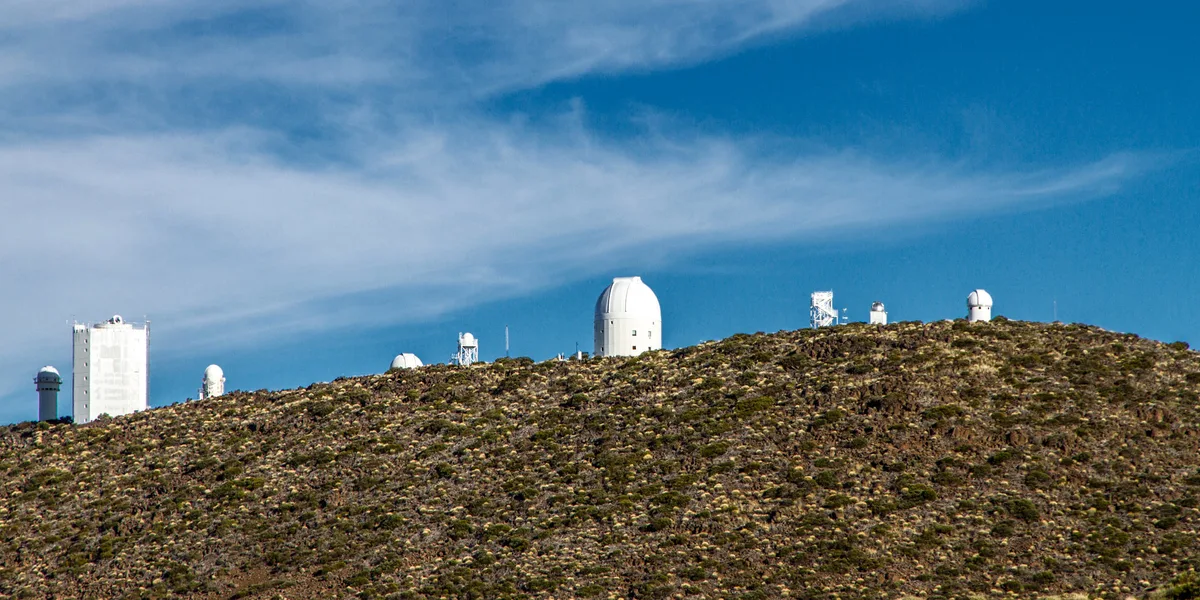
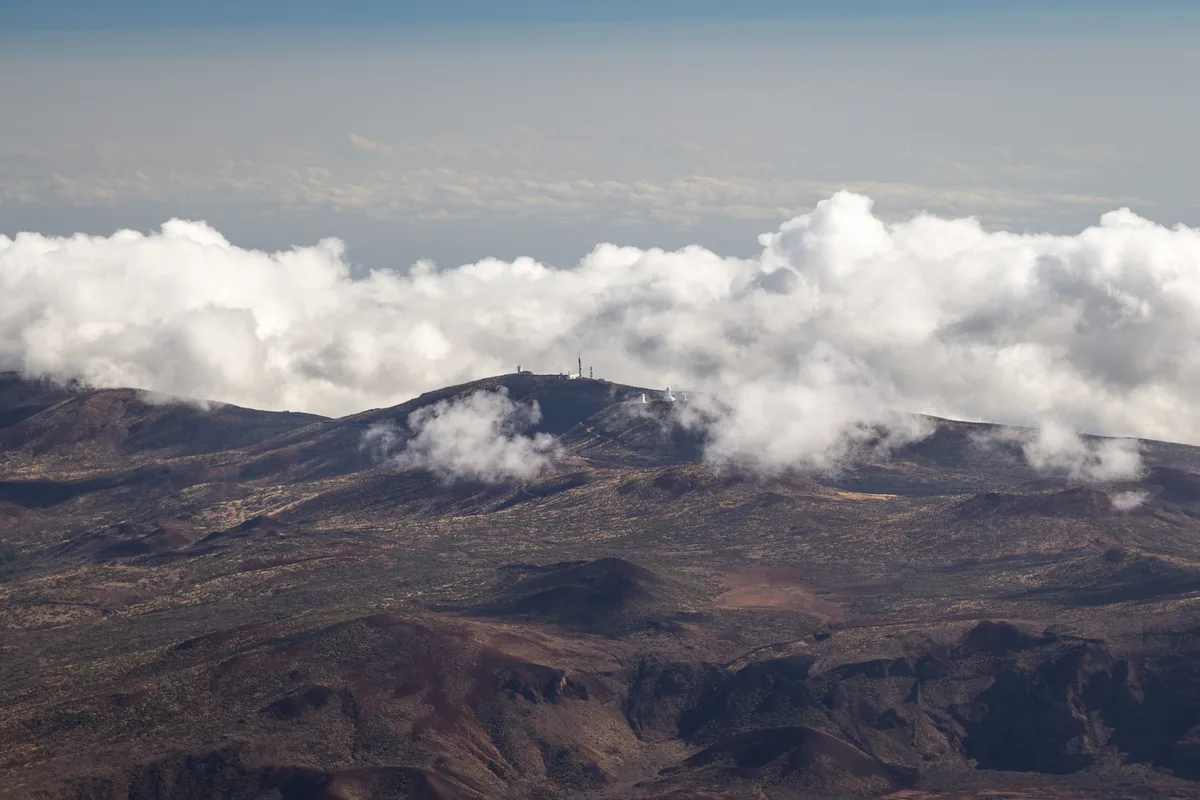
Last updated November 2026. The Teide Observatory is a research station run by the Instituto de Astrofísica de Canarias, on the ridge above Teide National Park. It is a working science site, not a walk-in attraction, so visits go through a booked guided tour. If you only want dark skies, start with our Teide stargazing guide.
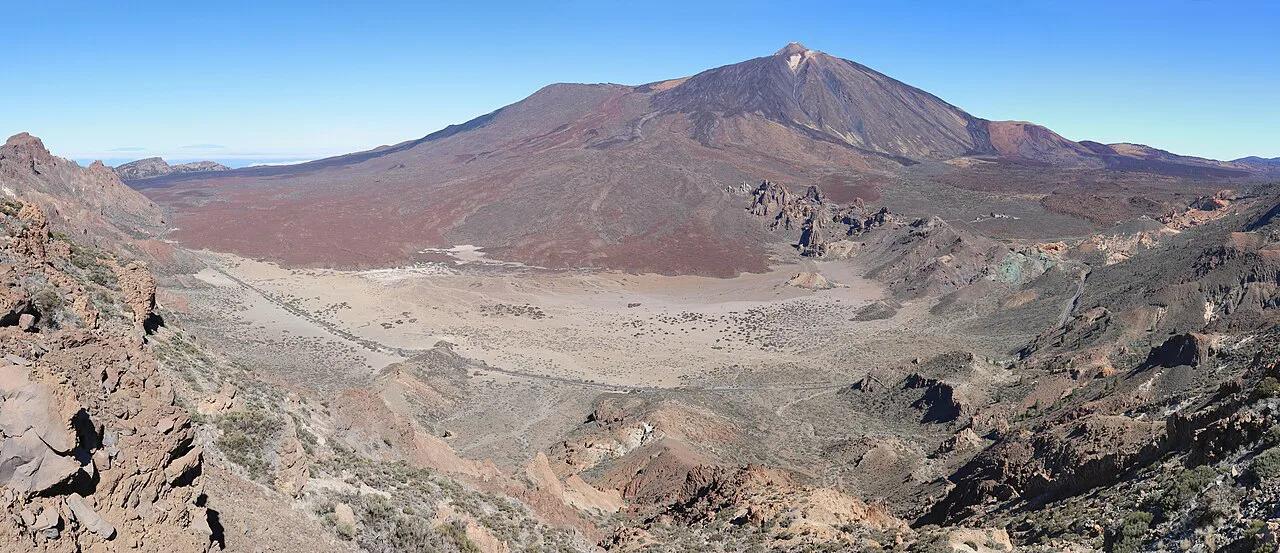
Featured image: Flocci Nivis, CC BY 4.0, via Wikimedia Commons.
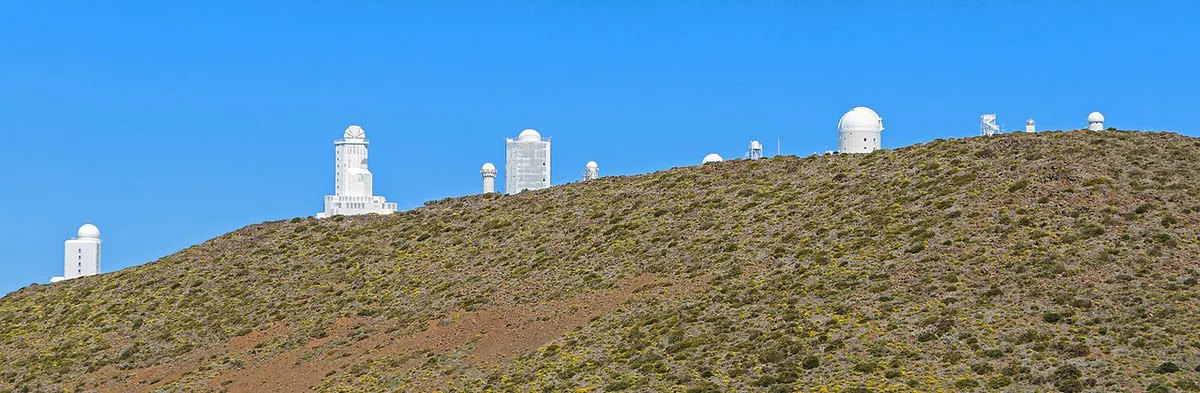
Can You Visit the Teide Observatory?
Yes, but only through a guided visit that you arrange in advance. The Observatorio del Teide is operated by the Instituto de Astrofísica de Canarias, known as the IAC. It sits just off the TF-24 highway between La Laguna and the El Portillo visitor centre. Free tours have been listed for December to March by appointment. Programs change, so check the IAC visit page for current dates, languages and group limits. Private operators also run observatory tours, evening stargazing packages and full-moon walks in Spanish, English or German. For the wider mountain, see our Mount Teide guide.
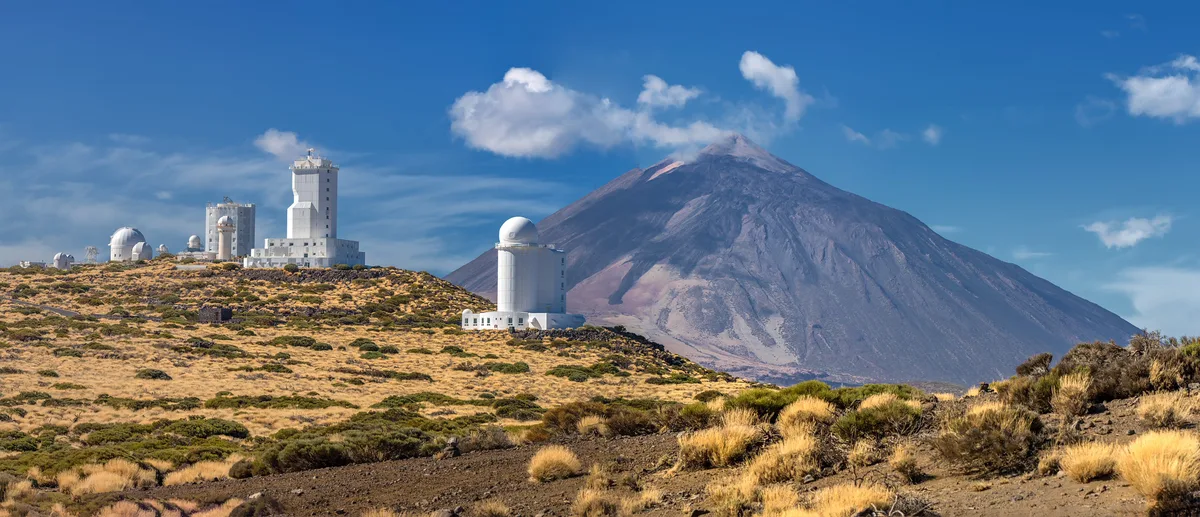
What the Observatory Is and Why Tenerife
The station sits at roughly 2,400 m (about 7,900 ft), where the air is thin, dry and stable. Solar telescopes are a core research focus, so daytime work matters as much as night observing. Scientists also use the site because light pollution is low and clear nights are frequent. Visitors should expect an explanation of working instruments, not a public planetarium show. Name-check any specific telescope only against the IAC's own listings.
Ways to Visit the Teide Observatory: Compare Your Options
Pick the option that matches what you actually want to see. Official tours show the science. Stargazing tours and roadside spots deliver the night sky. The cable car and summit are a separate trip altogether.
| Option | Access route | Season | Booking | Physical demands | Suits |
|---|---|---|---|---|---|
| Official IAC visit | Guided visit arranged with the IAC | Free tours listed December to March | Appointment needed; book well ahead | Short walking, cold and wind | Science-minded visitors |
| Private observatory tour | Operator-led, in Spanish, English or German | Check each operator | Book ahead | Low to moderate; cold at night | Visitors without a car |
| Stargazing tour or full-moon walk | Operator-led evening program | Year-round options; weather dependent | Book ahead | Late finish, cold, uneven ground | Night-sky seekers |
| DIY stargazing in the park | Self-drive on the TF-24 and park roads | Best on clear, moonless nights | None, but plan the drive | Night driving in cold and wind | Confident drivers |
| Cable car and summit | Separate trip; see tickets guide | Daytime, weather dependent | Tickets and permits are separate | Altitude, thin air | Visitors who want Teide itself |
Booking, Costs and Opening Times
Free IAC tours have been listed from December to March, and you must make an appointment first. Group size, age limits and languages are set by the IAC, so read its visit page before planning around them. Private tour prices are set by each operator and differ by program. Compare what each includes, such as transport, guide language and a night-sky session. Our cable car tickets guide covers the separate summit booking.
Getting There and Getting Back
Self-drivers use the TF-24, which links La Laguna with El Portillo. Allow generous time and check drive times in a maps app for your own starting point. Night driving is the main constraint, because cold, wind and fog can arrive quickly on a mountain road. A tour with transport removes that risk. Our how to get to Teide guide compares routes from the south and north. Our Mount Teide Map: Park Layout, Trails & Which Map to Use helps with orientation.
Roadside stargazing on the TF-24 skips the observatory entirely, so it suits drivers who only want the night sky, not the science.
Best Time to Go: Season, Weather and Moon
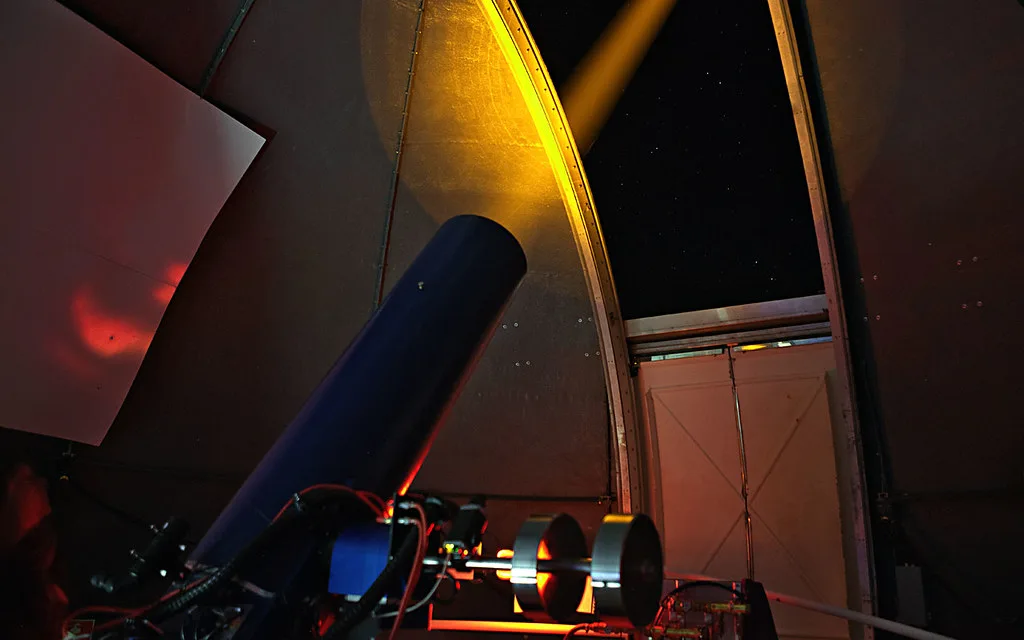
Cloud, wind and moonlight decide how good a night will be. A bright moon washes out faint stars, so new-moon periods suit stargazing best. Full-moon walks trade star count for a lit landscape. Check the forecast with AEMET, the Spanish weather agency, before you commit. Our Teide weather guide explains cloud-sea days. For season choice, use our best time to visit Teide guide. Evenings at about 2,400 m are cold even when the coast is warm, so layer up.
Combining It with Teide Day Plans
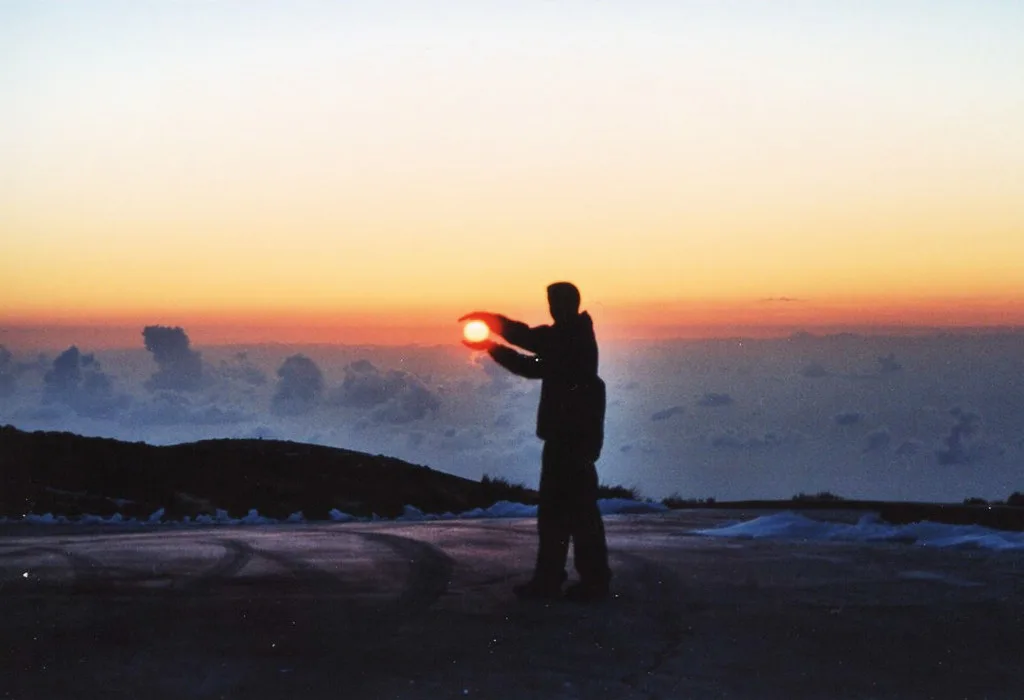
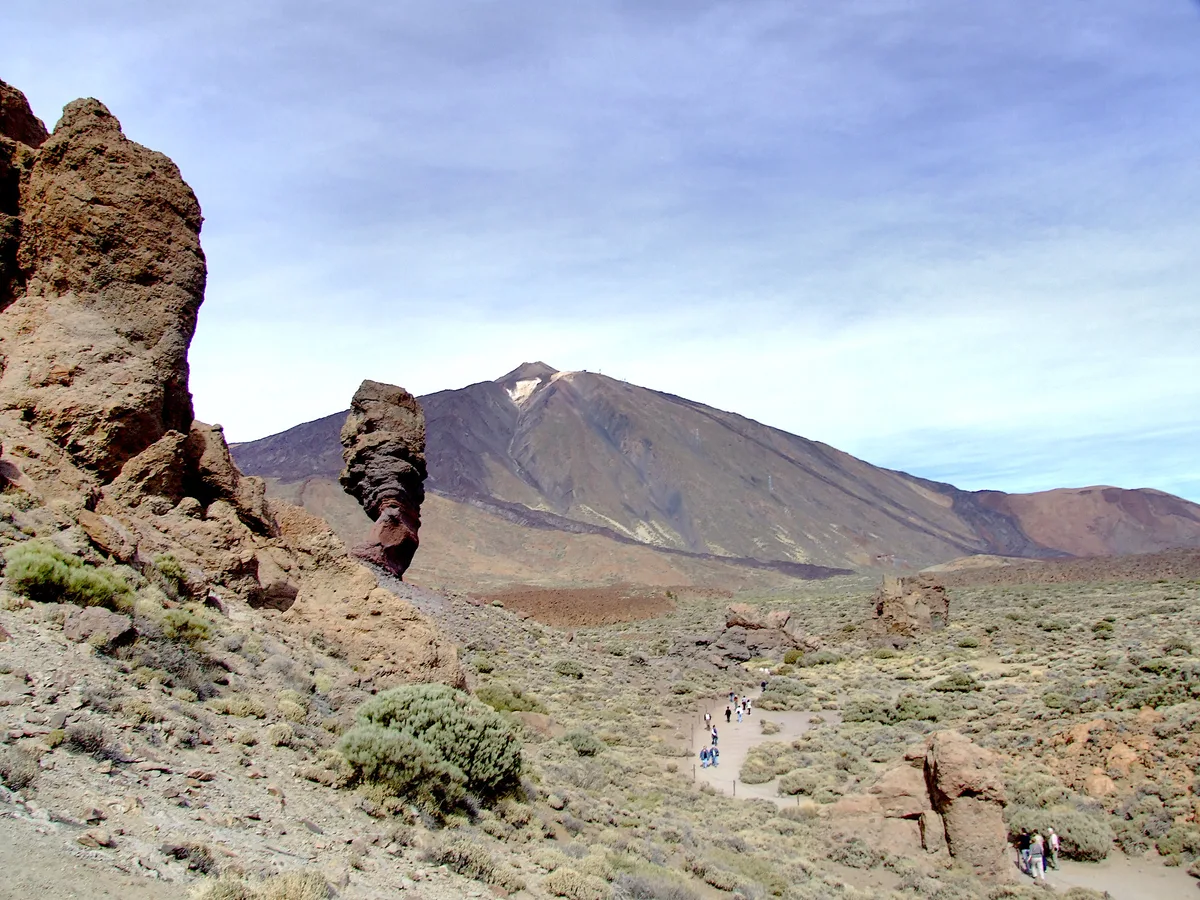
Pair the observatory with one other stop rather than stacking everything. Daytime cable car trips and night programs make a long day, so split them across two days if you can. See our Teide cable car guide for the summit side. Roques de García is an easy afternoon walk, and our Roques de García guide covers it. For a sunset stop, try Mirador de la Ruleta, Teide: Viewpoint Guide and Stop Planning or our Teide sunset guide.
A sunset stop before a stargazing tour fits the evening-only plan, but at 2,400 m, pack the warm layer before you leave the sunset viewpoint.
- Half-day plan: guided observatory visit in the morning, then a short park walk. Check drive times in a maps app.
- Evening-only plan: sunset viewpoint, then a stargazing tour with transport back.
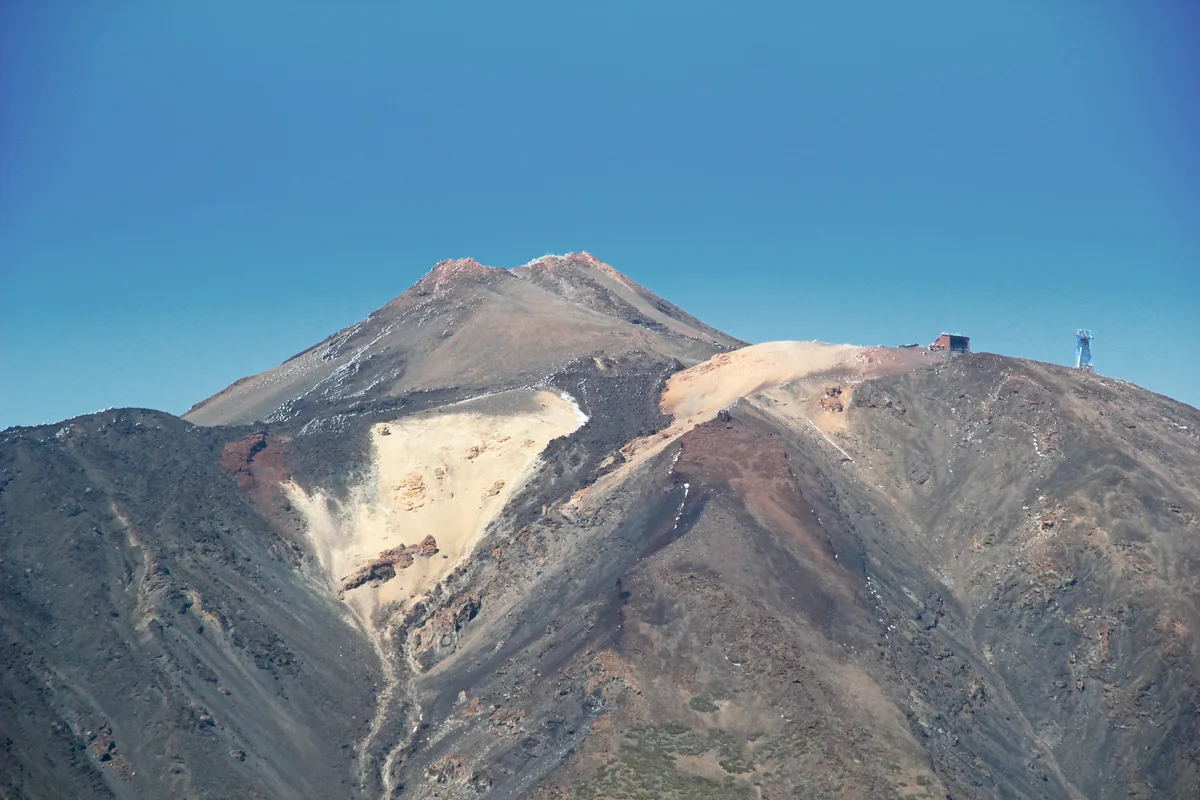
What to Bring and Common Mistakes
Bring a warm jacket, hat, gloves and a flashlight with a red mode if your tour allows it. Pace yourself at altitude and drink water. This is general advice, not medical guidance.
- Turning up without a booking and expecting a walk-in visit.
- Packing thin layers for a night at about 2,400 m.
- Assuming the observatory and the summit are the same trip.
- Driving the TF-24 at night in fog or wind without a backup plan.
- Bringing very young children to late-night programs.
Frequently Asked Questions
Which Canary island has an observatory?
Tenerife has the Teide Observatory, run by the IAC. The island of La Palma has a sister observatory, so check the IAC site for details on both.
Where can I go stargazing on Tenerife?
Teide National Park offers some of the darkest skies, either on a guided tour or from a roadside spot on the TF-24. Our Teide stargazing guide compares the choices.
Is it worth going up Mount Teide?
Most visitors find the summit area rewarding on clear days, but it is a separate trip from the observatory. Use the cable car guide to plan it.