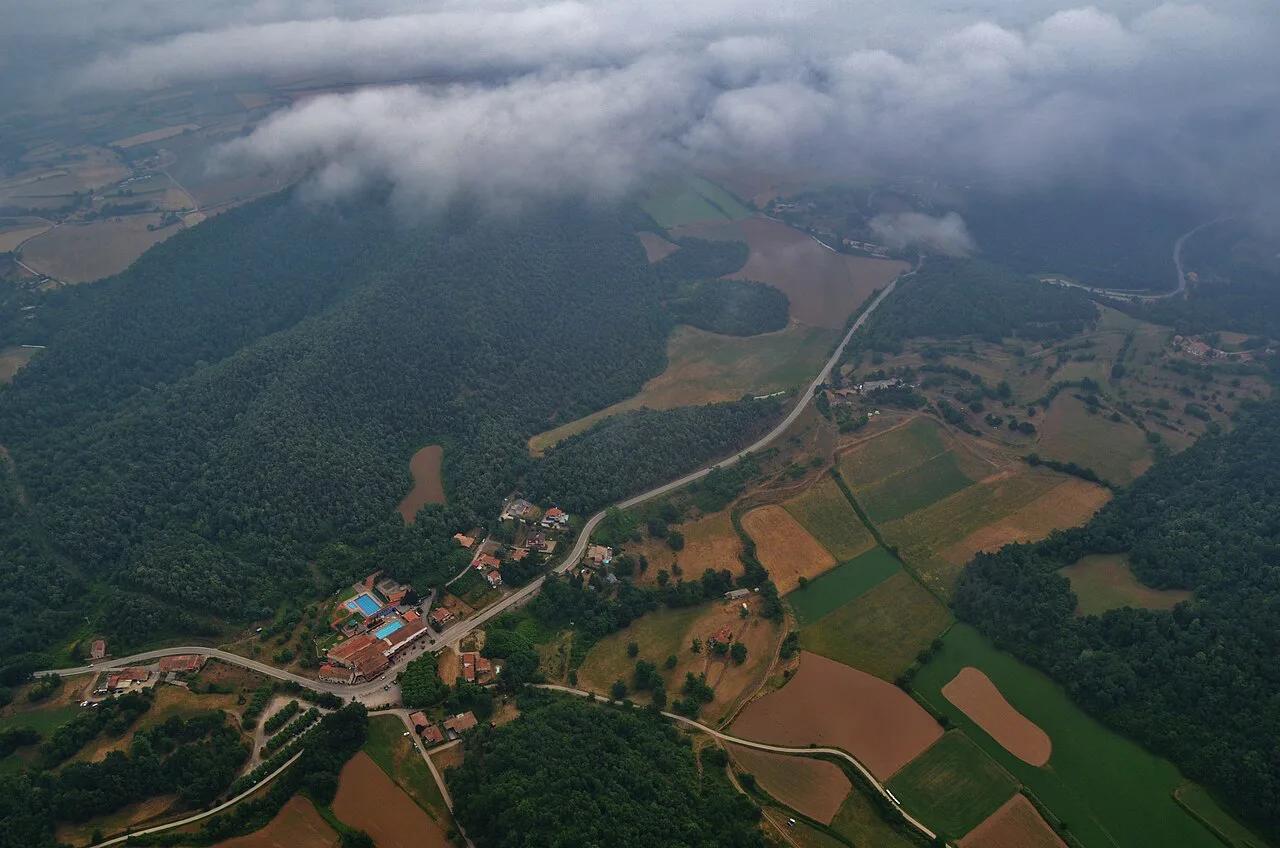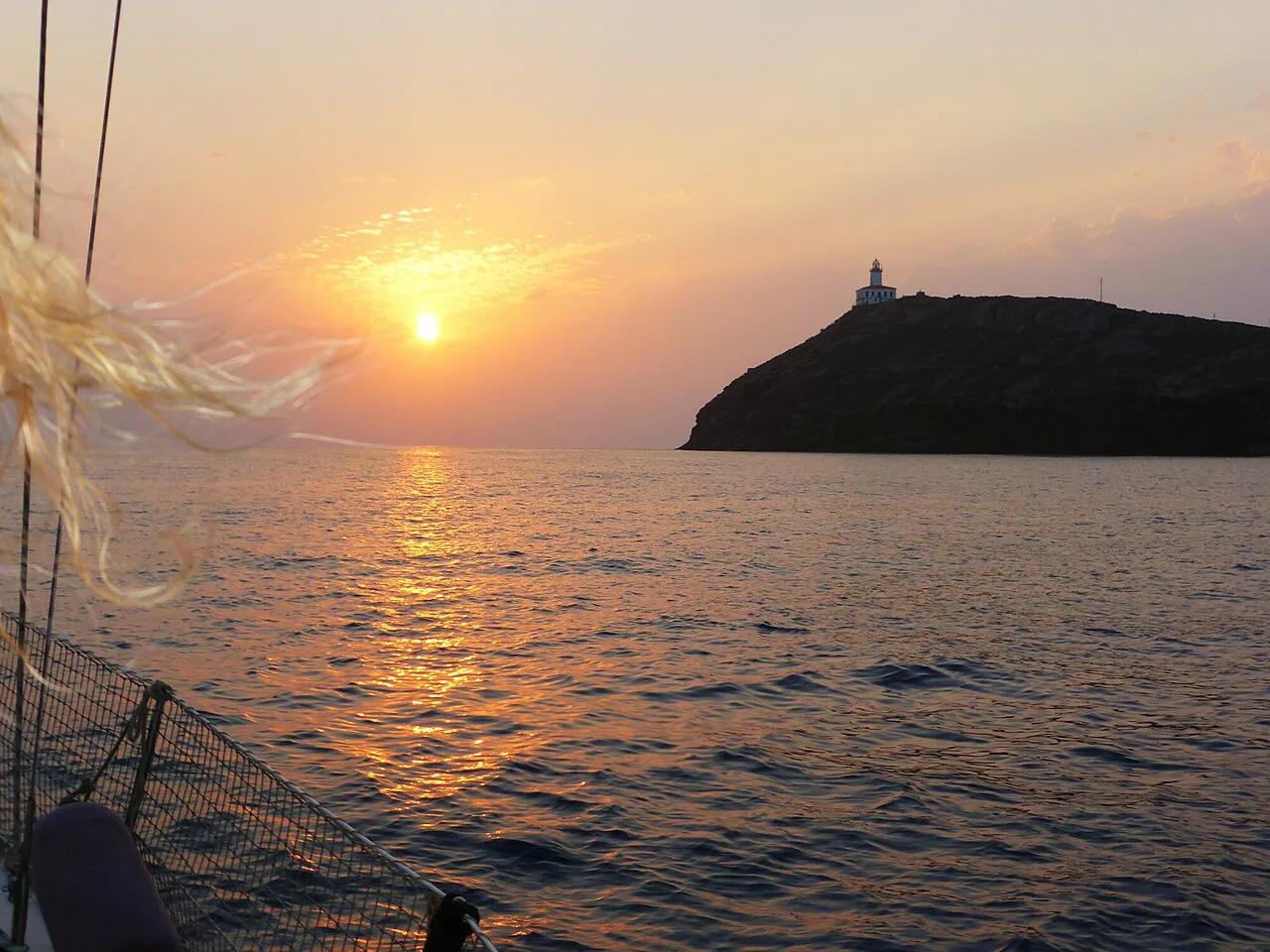
Columbretes Islands: How To Visit Spain's Volcanic Reserve
Last updated November 2026: the Columbretes Islands are a small volcanic archipelago about 50 km (roughly 31 miles) off the Castellón coast. Access is regulated because the islands are both a nature reserve and a marine reserve. You reach them on an authorised boat trip, not by turning up at a port. This guide covers what you can do, how the options compare and who should skip the trip.
Featured image: Free Photos, CC0 from World, CC0, via Wikimedia Commons.
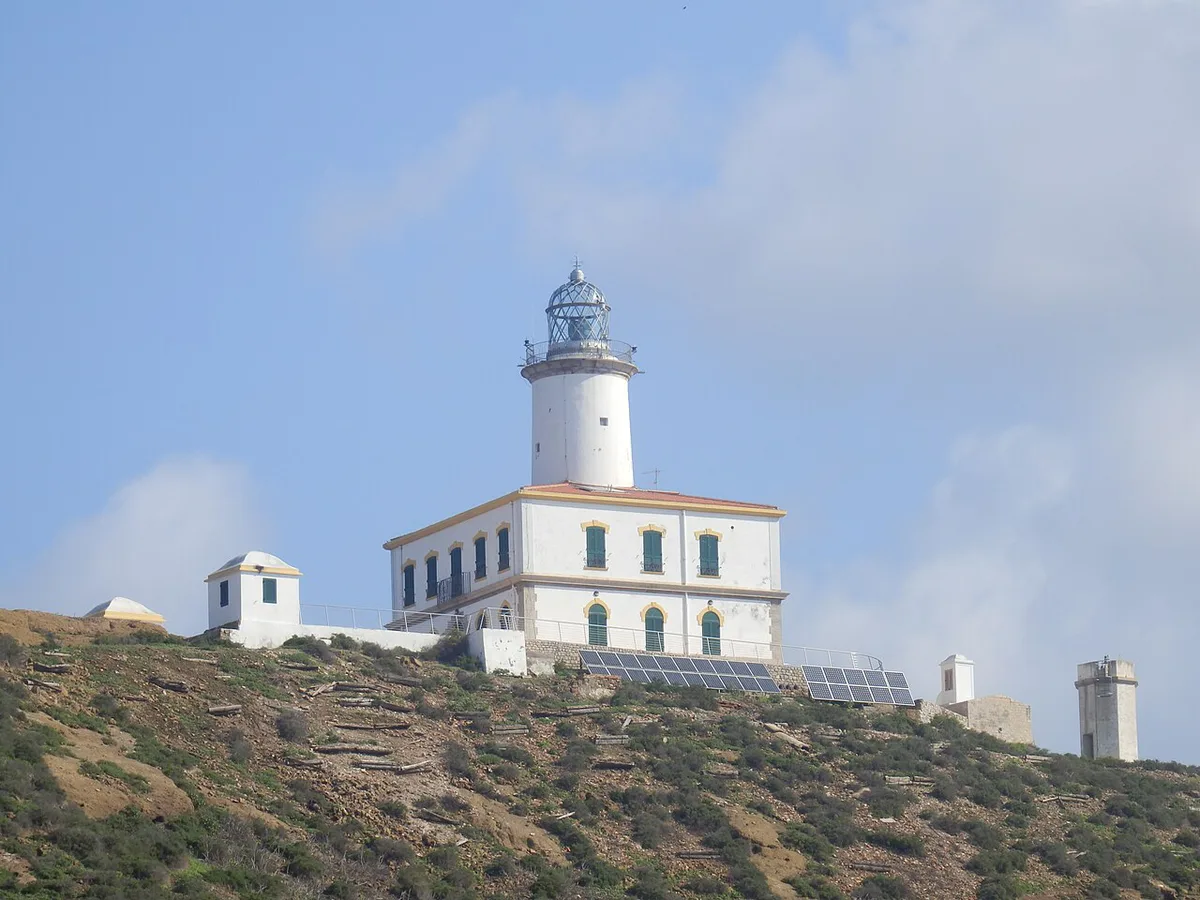
What The Columbretes Islands Are
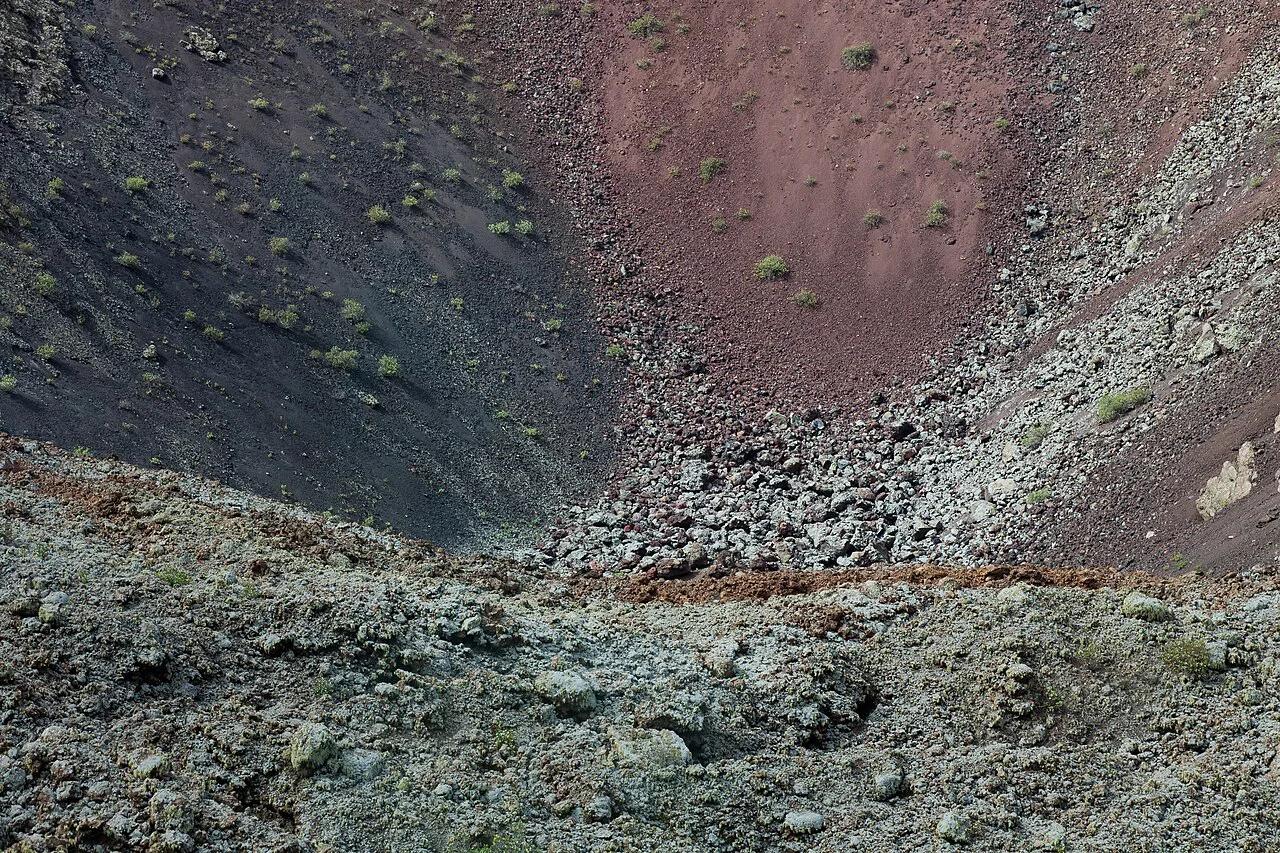
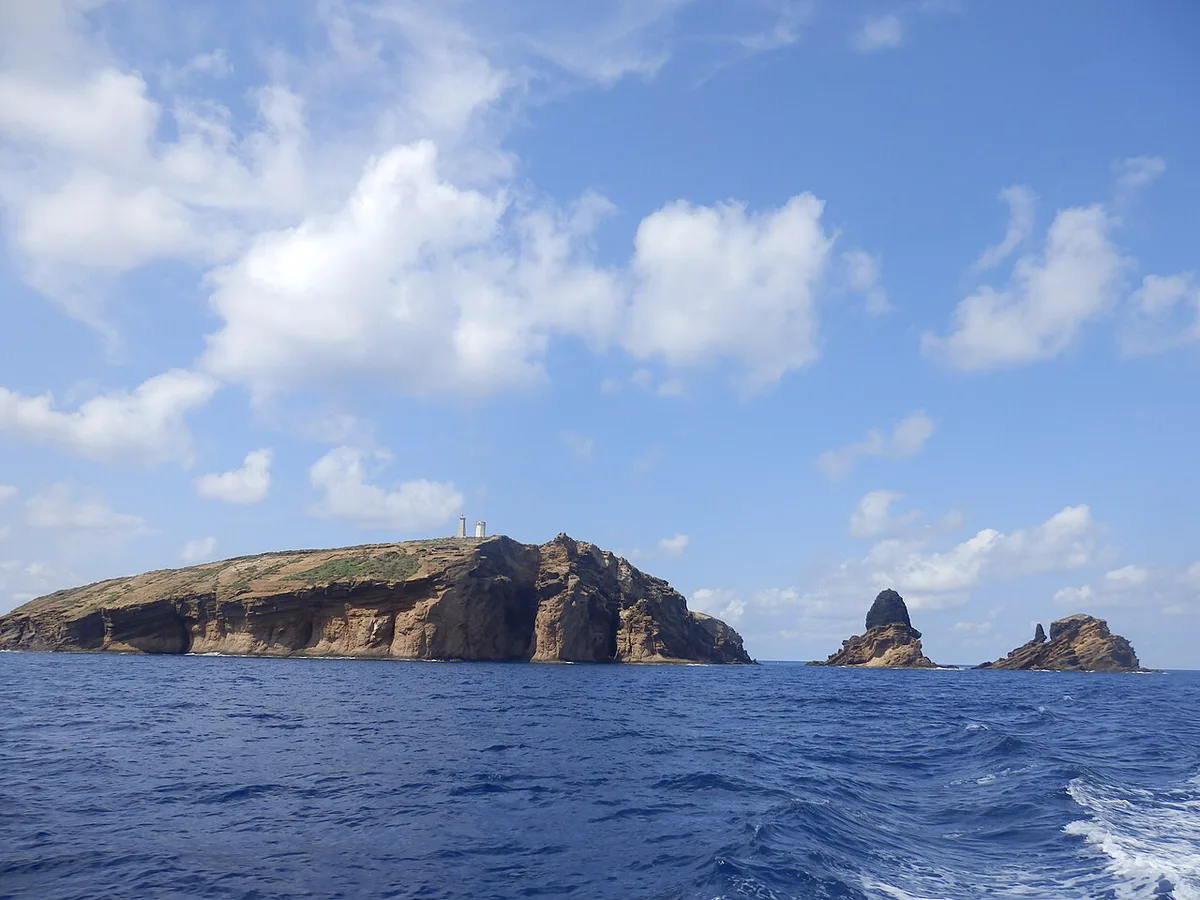
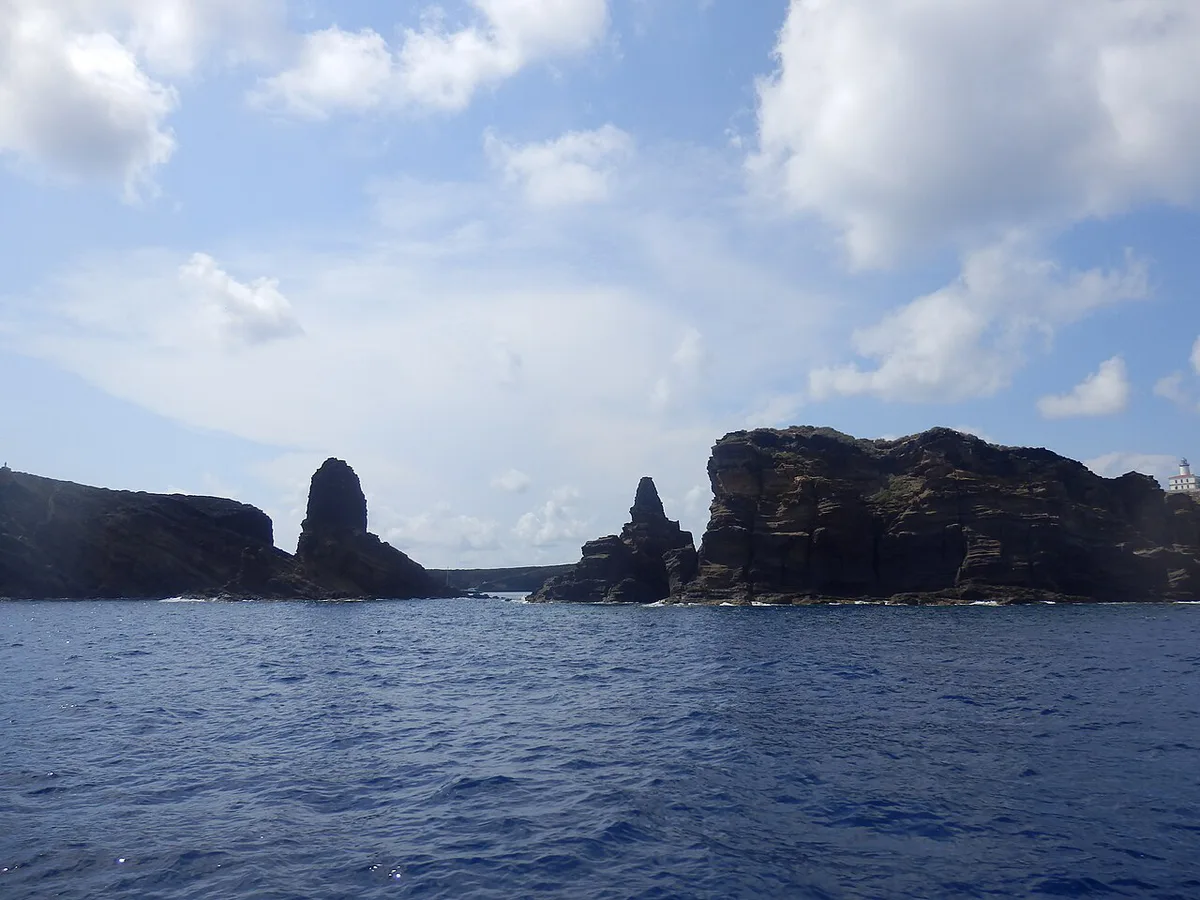
Illa Grossa is the main island, and its crater lagoon shows the volcanic origin at a glance. Islas Columbretes is the Spanish name on operator and government pages. Protection covers both the land and the surrounding sea. The waters form a marine reserve, and the national marine reserve page is the place to read the zoning rules.
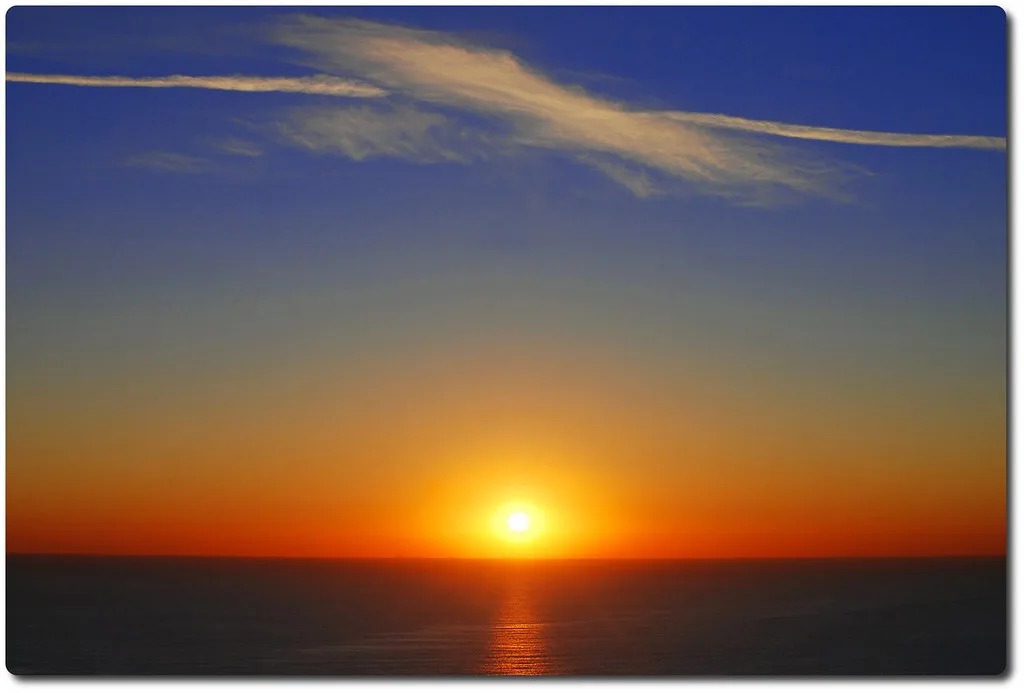
Can You Visit? Access Rules And Permits
Yes, but access is regulated, and landing is not automatic. Regional environment authorities and the marine reserve managers set the current rules, so start with the Generalitat Valenciana site and book only through an operator that holds authorisation.
How To Get There: Ports, Boats And Crossing Time
Trips leave from the Castellón coast, and the crossing is open sea of about 50 km. Sailing days, departure ports and crossing times are set by each authorised operator, so take them from the operator's own page.
Across about 50 km of open sea, a trip without landing still runs half to a full day, so keep the return leg of your day flexible.
What You Can Do: Landing, Diving, Wildlife And Views
Expect a protected site, not a beach destination. Walking is limited to what the reserve allows, and there is no swimming-resort infrastructure to plan around. Illa Grossa and its crater lagoon are the main sight for anyone who lands. Divers and snorkellers should check the marine reserve zoning before choosing a trip. Wildlife is part of the protection, so keep distance from nesting birds and leave drones at home unless the rules say otherwise.
Access Options Compared
Pick the option that matches your tolerance for sea time and advance planning. Landing depends on the operator's authorisation and the reserve rules.
| Option | Who it suits | Booking and permit friction | Time commitment | Cost level | Sea-state risk | Landing |
|---|---|---|---|---|---|---|
| Licensed boat trip with landing | Visitors who want to stand on Illa Grossa | High: advance booking with an authorised operator | Full day | Check operator pricing | Cancellation possible in rough seas | Only where the operator and reserve allow it |
| Boat trip without landing | Visitors who want views from the water | Medium: operator booking | Half to full day | Check operator pricing | Cancellation possible in rough seas | No |
| Diving trip | Certified divers | High: operator and reserve zoning rules | Full day or longer | Check operator pricing | Cancellation possible in rough seas | Not the purpose of the trip |
| Private or chartered vessel | Groups wanting their own schedule | Highest: authorisation needed for the reserve | Flexible | Check operator pricing | Cancellation possible in rough seas | Only with authorisation |
| No visit | Anyone short on time or prone to seasickness | None | None | None | None | Not applicable |
Best Time To Go And Weather Risks
Sailings run in the warmer months, and sea state decides whether a trip goes ahead. Ask the operator for its season and cancellation policy when you book.
Who Should Skip It, And Common Mistakes
The Columbretes reward people who plan ahead and accept sea risk. They disappoint anyone expecting a quick, easy island stop.
- Skip it if you get seasick, since there is no shelter on a 50 km open-sea crossing.
- Skip it if your itinerary is tight, because weather can cancel a sailing.
- Skip it if you expect a beach holiday.
- Skip it if you cannot commit to an advance booking.
- Mistake: arriving at a port without a booking.
- Mistake: assuming landing is automatic.
- Mistake: flying a drone or approaching wildlife without checking the rules.
Columbretes In Spain's Volcanic Landscape
Most of Spain's volcano-walking happens on the mainland. Our overview of volcanoes in Spain places the archipelago alongside those sites. If you would rather walk on a volcano, the Garrotxa Volcanic Zone: How to Visit, Where to Go & Plan is the easier choice. Inland, Campo de Calatrava: Volcanoes, Castles & Almagro Guide offers a different volcanic field for contrast.
How To Plan Your Columbretes Day Trip
Treat a Columbretes trip as the main activity of the day, rather than a quick diversion from the coast. A licensed excursion with landing is a full-day commitment, while even a boat trip without landing can take half to a full day.
Build flexibility into your itinerary. The islands lie about 50 km offshore, and rough seas can cancel a sailing. Do not schedule an inflexible transfer or flight immediately after the trip.
Book in advance with an authorised operator and confirm whether landing is included. Landing depends on both the operator’s authorisation and reserve rules. Ask about the departure point, the operator’s current season, and its cancellation policy before paying.
Plan for open-water conditions rather than a resort stop. Bring sun protection, water, and any seasickness medication you normally use. Keep wildlife at a distance, and do not bring a drone unless the current rules explicitly allow it.