Volcanoes in Germany: Where to See Them (Eifel & Beyond)
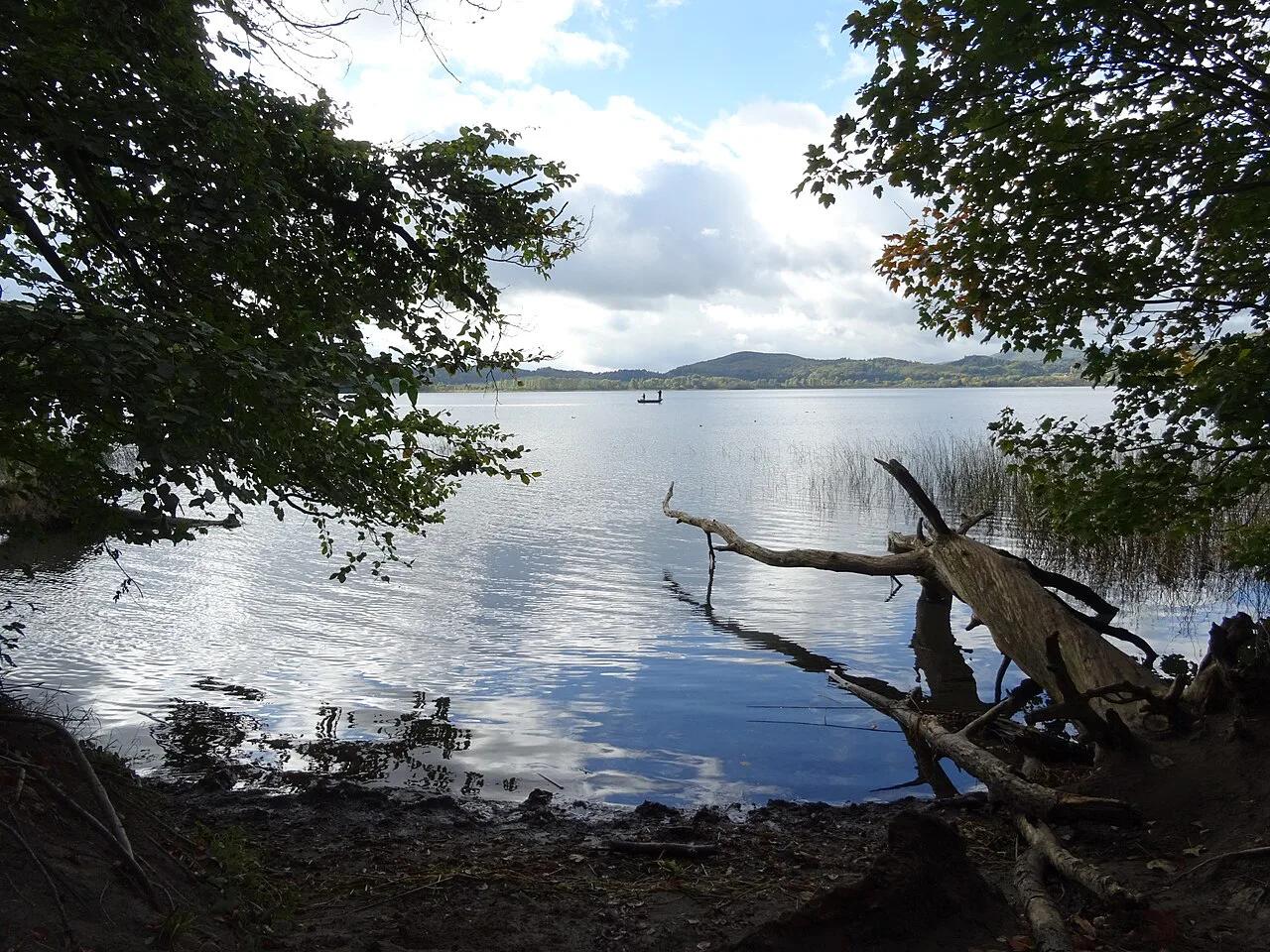
Last updated November 2026: volcanoes in Germany are extinct or dormant volcanic fields, not cones that erupt in living memory. The Eifel in Rhineland-Palatinate is the most visitor-ready, and gas escaping at the Laacher See is why people ask whether it is still active, which our Eifel activity explainer covers in depth. Kaiserstuhl, Vogelsberg and Siebengebirge offer quieter volcanic landscapes for a different kind of trip.
Featured image: Michael Schmalenstroer, CC BY-SA 4.0, via Wikimedia Commons.

Are there volcanoes in Germany? The short answer
No German volcano is erupting today. What you find are volcanic fields, crater lakes and eroded volcanic hills. Scientists and tourism bodies use "extinct" for a volcano that will not erupt again, and "dormant" for one that is quiet but not ruled out. Many German sites sit between those labels. For current status, read the Nationaler Geopark Vulkaneifel pages and the state geological survey. Avoid sensational "supervolcano" headlines.
Germany's main volcanic areas at a glance
Use this table to match a region to your trip. It stays qualitative on purpose, because opening times and fees change by operator. Start with the Eifel volcanic field if you only have one trip.
| Area | What you see | Best for | Without a car | Time needed | Cost level |
|---|---|---|---|---|---|
| Eifel (Rhineland-Palatinate) | Maar lakes, craters, lava cellars, a cold-water geyser | First-time volcano visitors | Possible for single towns; sites are spread out | Weekend or longer | Mix of free landscape and paid attractions |
| Kaiserstuhl (Baden-Württemberg) | Low volcanic hills covered in vineyards | Wine and gentle walking | Check regional rail and bus links | Day trip or overnight | Mostly free landscape; tastings paid |
| Vogelsberg | Broad volcanic upland | Hiking | Check regional bus links | Day trip or weekend | Mostly free |
| Siebengebirge | Wooded volcanic hills above the Rhine | Day trip from a city | Reachable from Bonn and Cologne; verify the route | Half day to full day | Free trails; paid mountain railway |
The Eifel: Germany's best volcano trip
Eifel is a region, not a single volcano. Its volcanic landscape includes the Laacher See caldera lake, the Westeifel volcanic field with its maars, craters and cinder cones, and tuff and lava features. Start with the Eifel maar lakes, which are crater lakes formed by explosive eruptions. Add one underground stop, the Mendig lava cellars, which suit bad weather. For living evidence of the volcanic system, see the Andernach geyser, and read the operator's page at Geysir Andernach for visit details. The Vulkanpark Osteifel covers the eastern part of the field, with its own sites and tours.
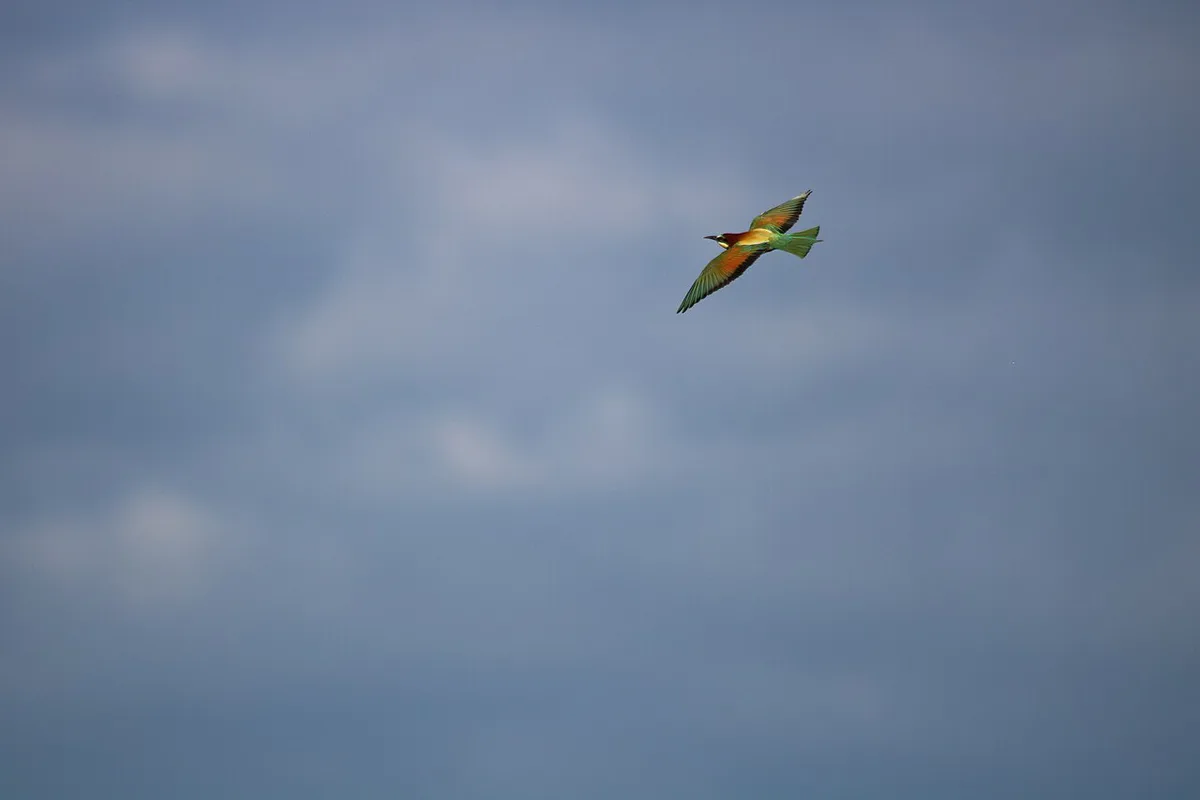
- Mistake to avoid: treating the Eifel as one volcano with one viewpoint.
- Mistake to avoid: planning an all-by-train day across sites that lie far apart.
- Better plan: pick one base town and one theme, such as maars or underground sites.
- Skeleton plan: a day gives you one maar and one indoor stop. A weekend adds the geyser. A longer stay lets you split the east and west fields.
Other volcanic regions worth a detour
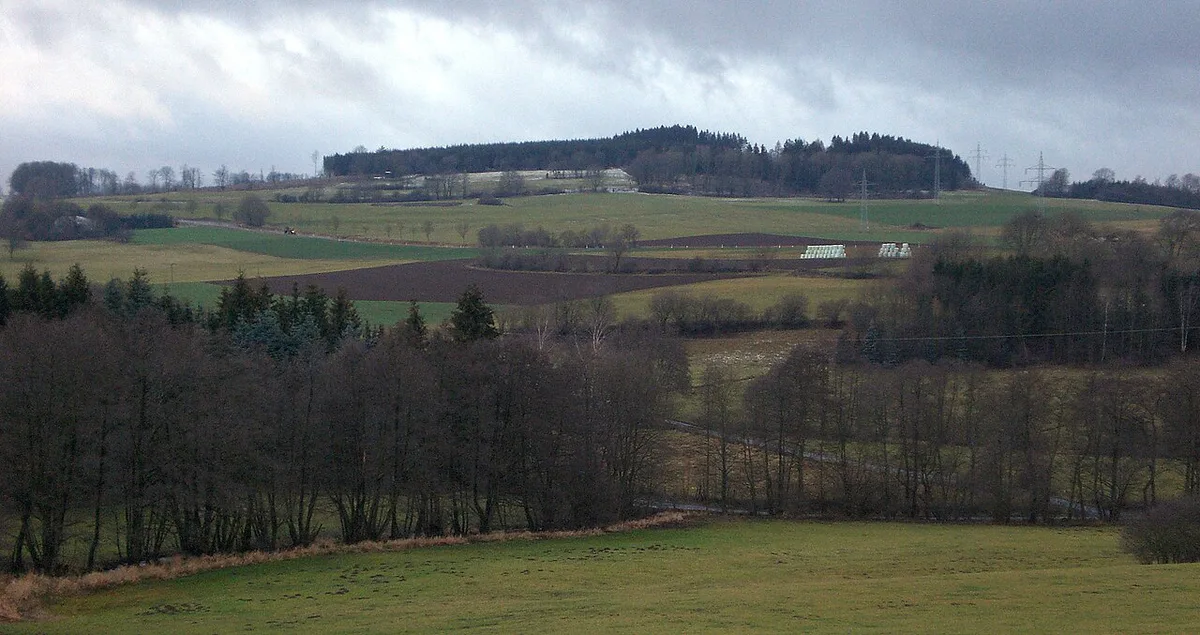
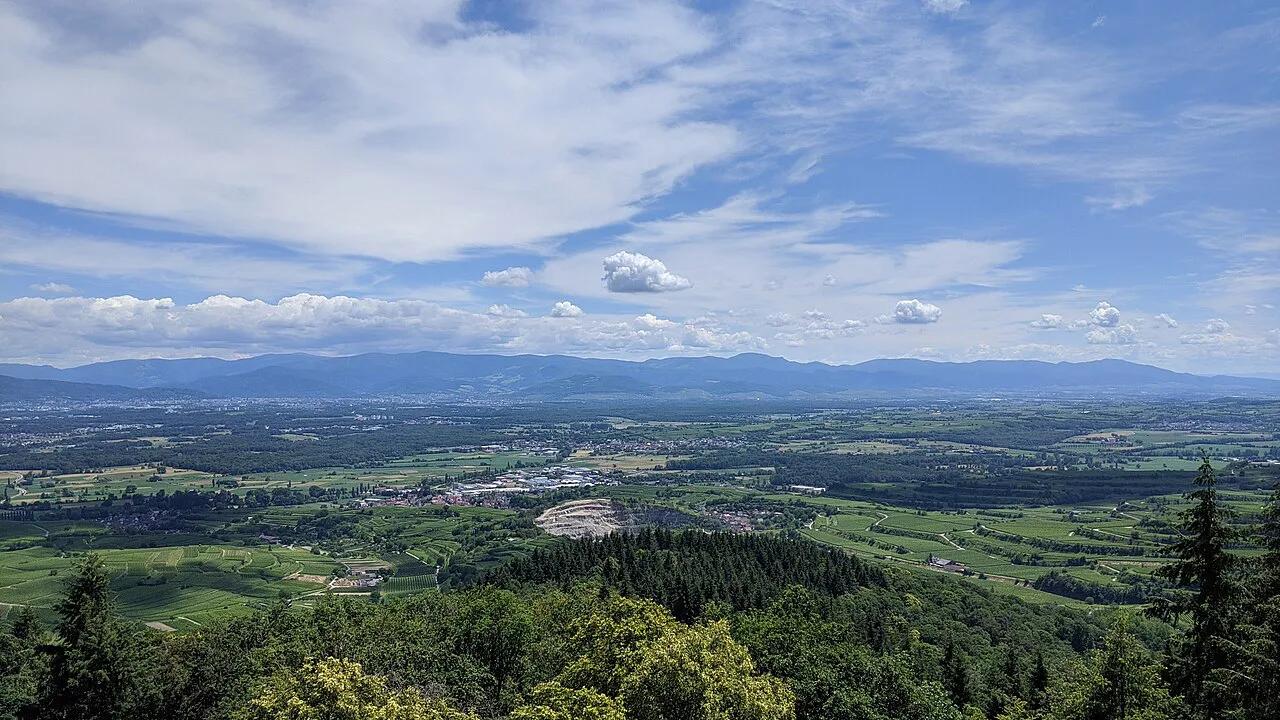
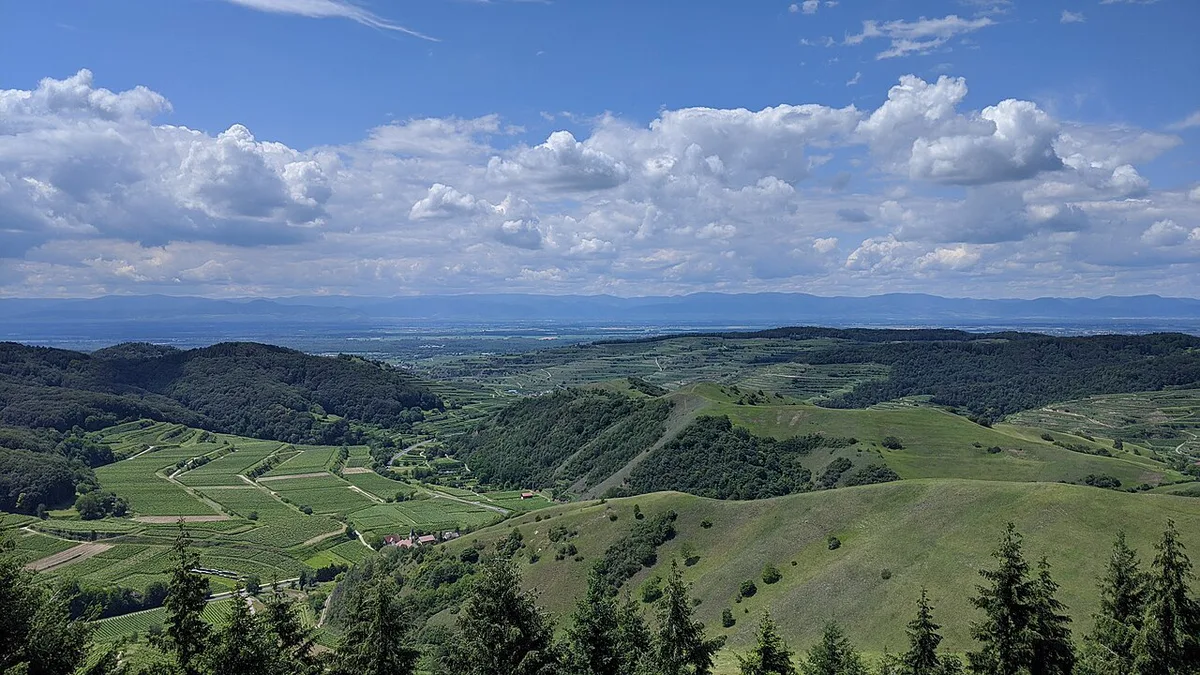
Kaiserstuhl is the pick for a warm, low landscape of vineyards on volcanic hills in Baden-Württemberg. Its caveat is subtlety, since you will not see dramatic craters. The Naturgarten Kaiserstuhl site describes the area, and our Kaiserstuhl guide goes further. Vogelsberg is a broad volcanic upland best suited to hiking, and the caveat is scale, because it is a large landscape rather than a single viewpoint. Start at Vulkanregion Vogelsberg and read our Vogelsberg overview. Siebengebirge rises above the Rhine near Bonn and suits a short outing. Its caveat is crowds on fine weekends. Visit the Naturpark Siebengebirge site and our Siebengebirge guide before you go.
How to choose: decision guide
Match your priorities to one area, then build the trip around it. Each line below gives the trade-off between time, cost and access.
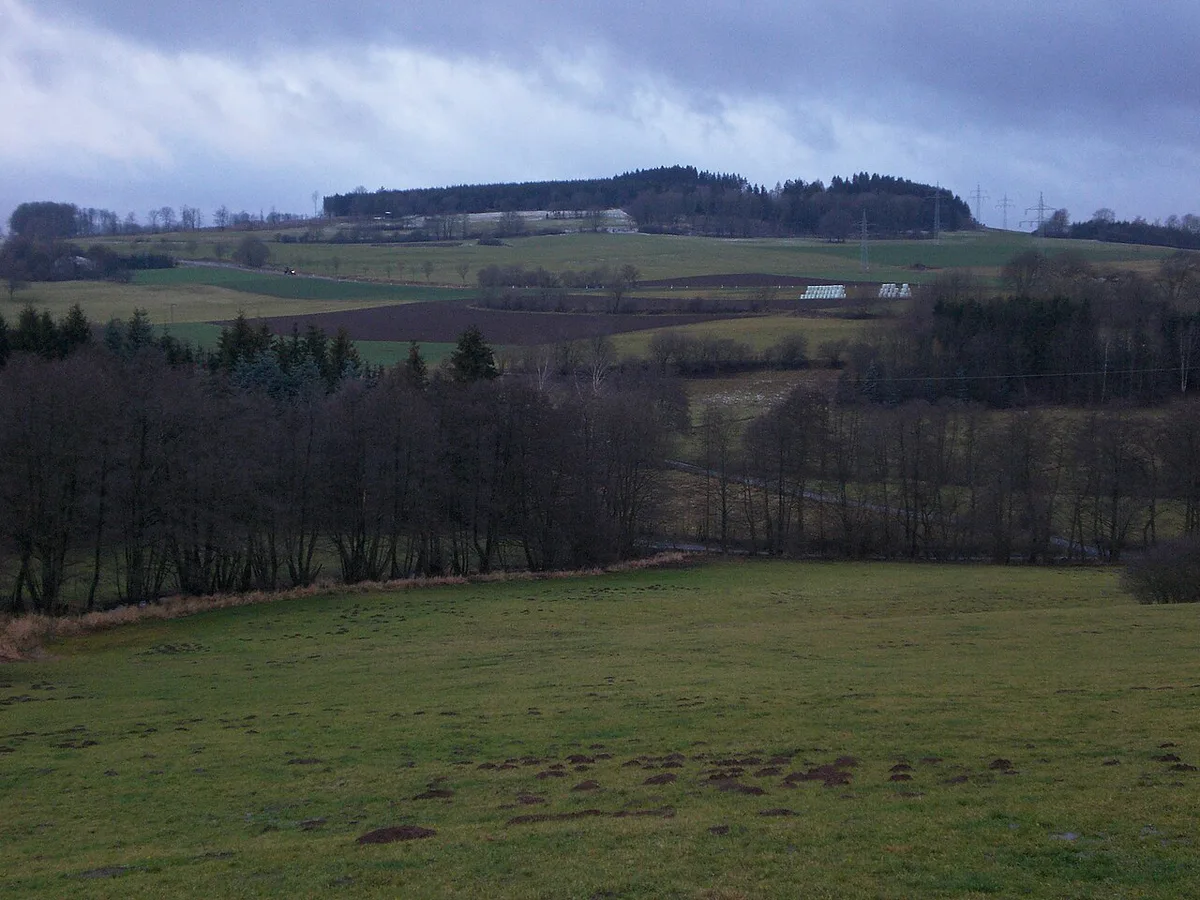
- Crater lakes and a geology feel: the Eifel maars. Needs a base town, and a car helps.
- Bad-weather option: the Mendig lava cellars. Seasonal opening varies, so check the operator.
- Wine and a warm, low landscape: the Kaiserstuhl. Slow, relaxed days with mostly free walking.
- Short day trip from a city: the Siebengebirge. Light planning and good for half a day.
- Hiking first: the Vogelsberg. Long trails, few headline sights.
Planning logistics: getting there, timing, costs
Eifel sites are spread out, so a car is usually easier than rail and regional buses. Opening times, tour dates and fees change by season, so use each operator's official page before you go. Landscape viewpoints and trails are generally free, while cellar tours, the geyser and guided walks are ticketed.
Safety and "is it active?" notes
Gas and CO₂ are the main cautions in volcanic areas, and mofettes are gas vents. Follow the signs and rules posted at the Laacher See and at every vent. The Eifel's gas emissions are the reason experts debate its long-term status, so use official geological sources rather than headlines. Our guide to Eifel volcanic activity explains the evidence in plain language. If you plan a hill outing near Bonn, the Drachenfelsbahn site lists its railway operations.