Mount Etna Eruptions: What Visitors Need to Know
Last updated November 2026. Mount Etna eruptions are frequent, and most activity stays inside the summit craters. Visitors are managed through closures and access rules rather than kept away entirely. This guide covers eruption types, notable events, and what activity means for flights, roads and tours. For live status, use INGV's Etna observatory bulletins.
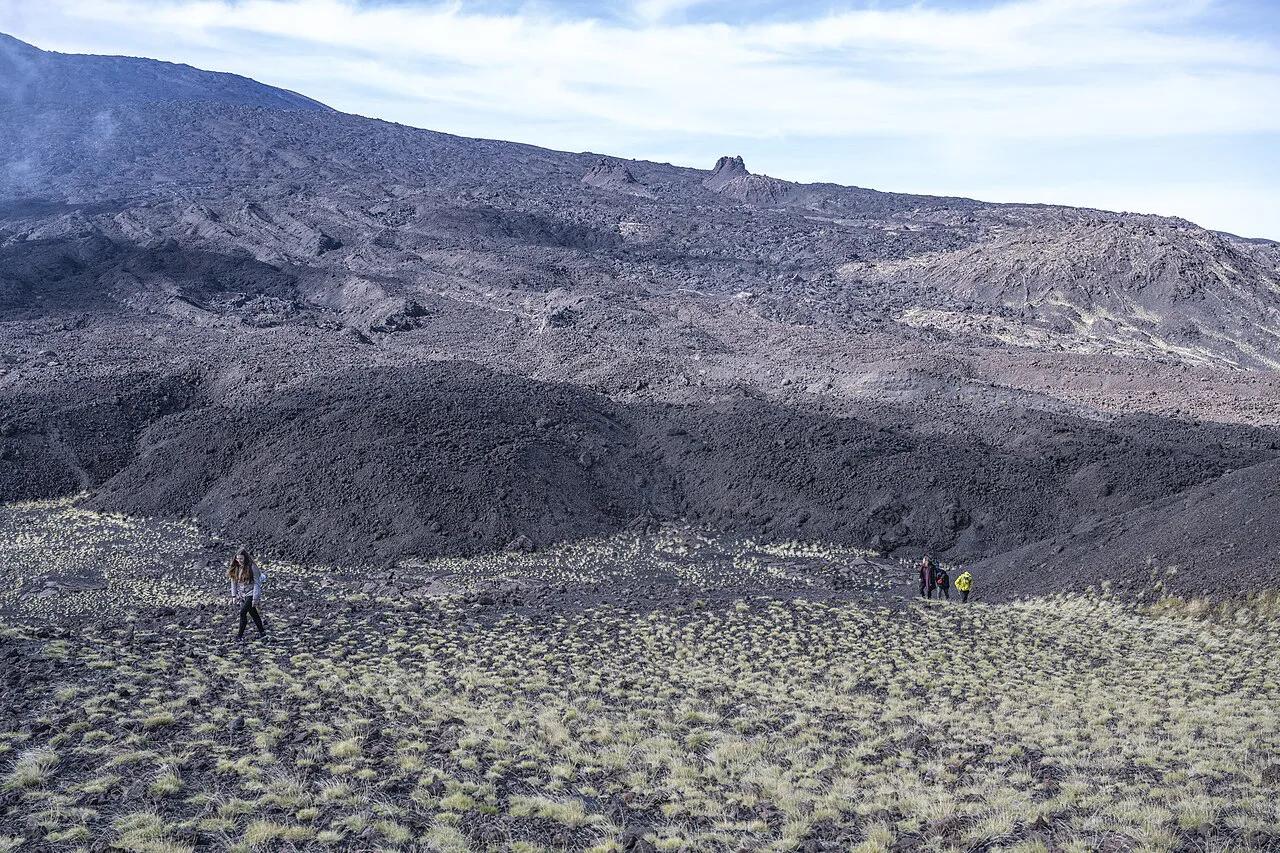
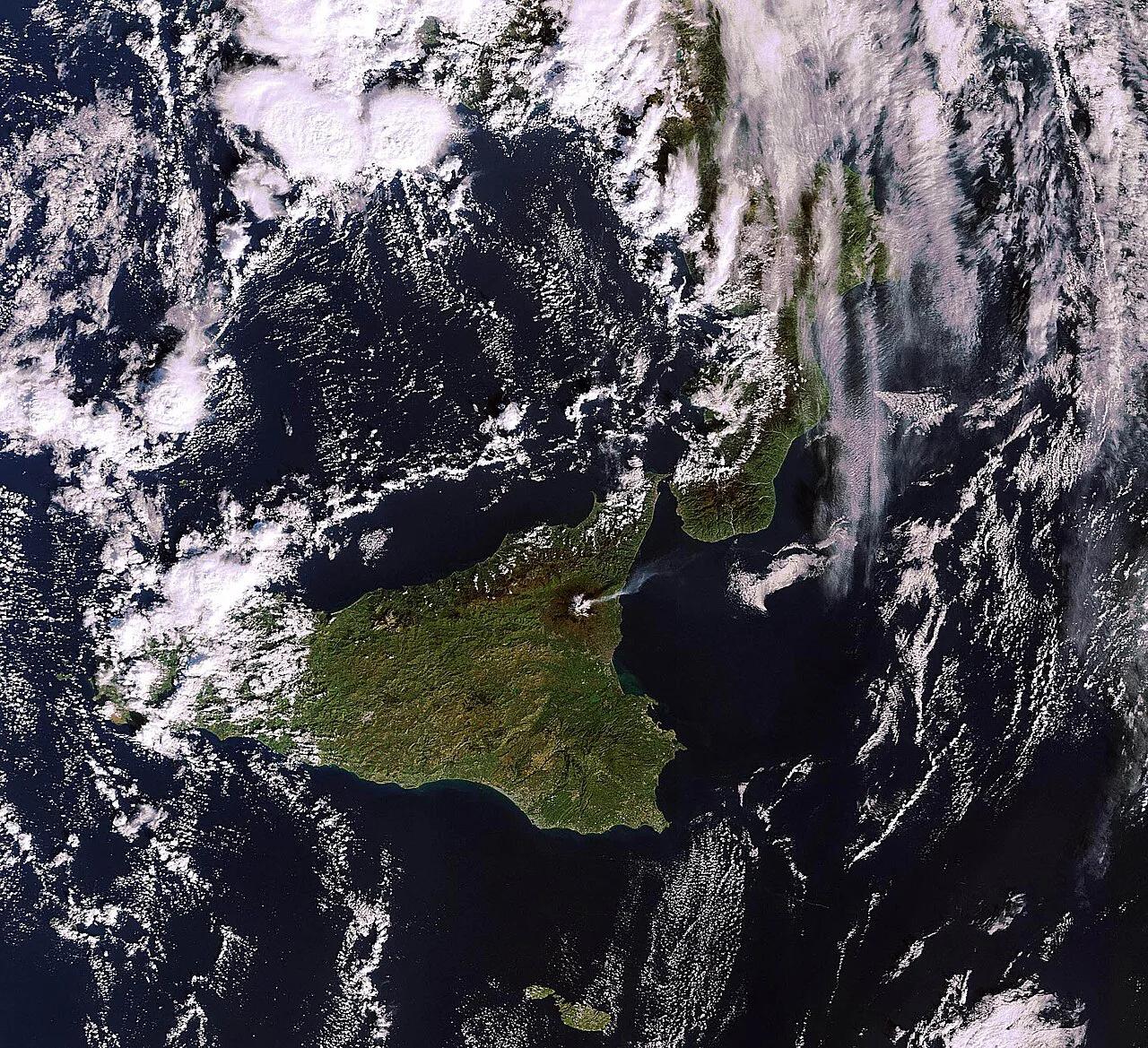
Featured image: European Space Agency, CC BY-SA 3.0 igo, via Wikimedia Commons.
How Often Mount Etna Eruptions Happen
Etna is Europe's tallest active volcano and one of the most closely monitored in the world. Activity comes in episodes, from small summit explosions to rarer flank eruptions that send lava down the slopes. In 2021, for example, the volcano erupted 11 times in three weeks, according to news reports. Our guide to how active Etna really is explains the day-to-day pattern. Quick reference figures sit in our Etna facts page. Alert levels and bulletins change fast, so treat INGV and the civil protection service as the only status sources. Social-media clips often show old footage.
Erupting 11 times in three weeks means a calm bulletin can shift within days, so recheck INGV before leaving for the mountain.
Types of Etna Eruption
Each eruption style affects a trip differently. The table below sets out what you see and what it usually means for visitors. Activity at the summit craters is the most common type. Slower effusive output is covered in our page on Etna's lava flows. For the geology behind these styles, read about what kind of volcano Etna is.
| Type | What you see | Typical visitor impact |
|---|---|---|
| Summit explosions and paroxysms | Lava fountains, ash plumes, lava bombs | Upper zones closed; ash can affect the airport and roads |
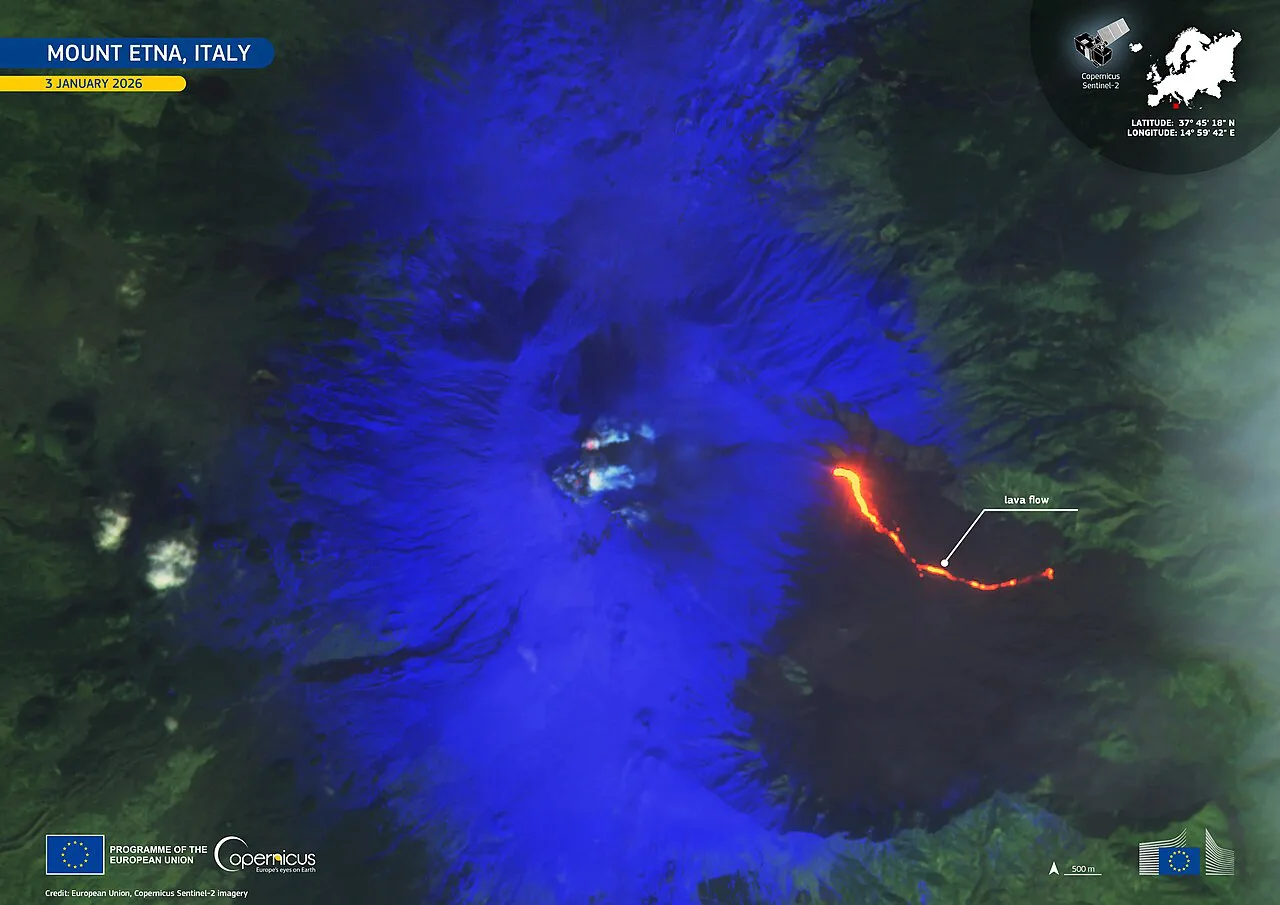
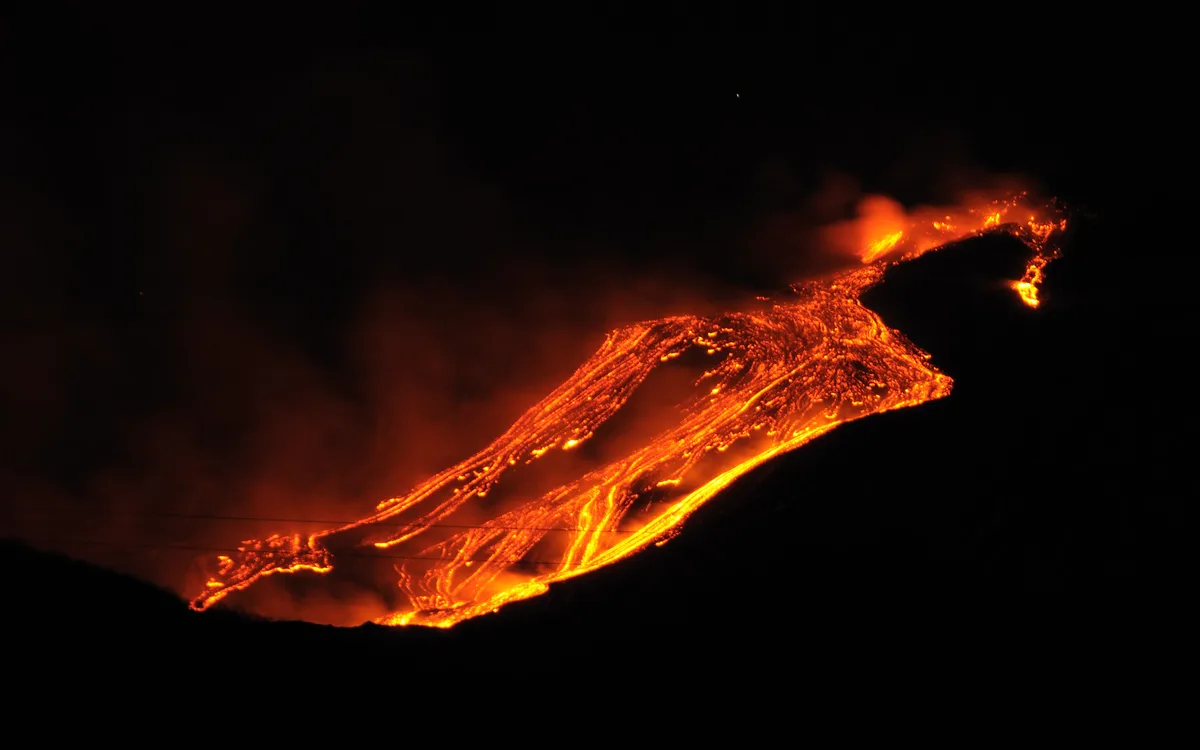
| Flank or effusive eruption | Lava flowing down the slopes from a fissure | Local road and trail closures; lava is slow and easy to watch from afar |
| Ash emission | Grey plume drifting downwind | Slippery roads, restrictions on two-wheelers, flight delays |
Notable Eruptions Visitors Should Know
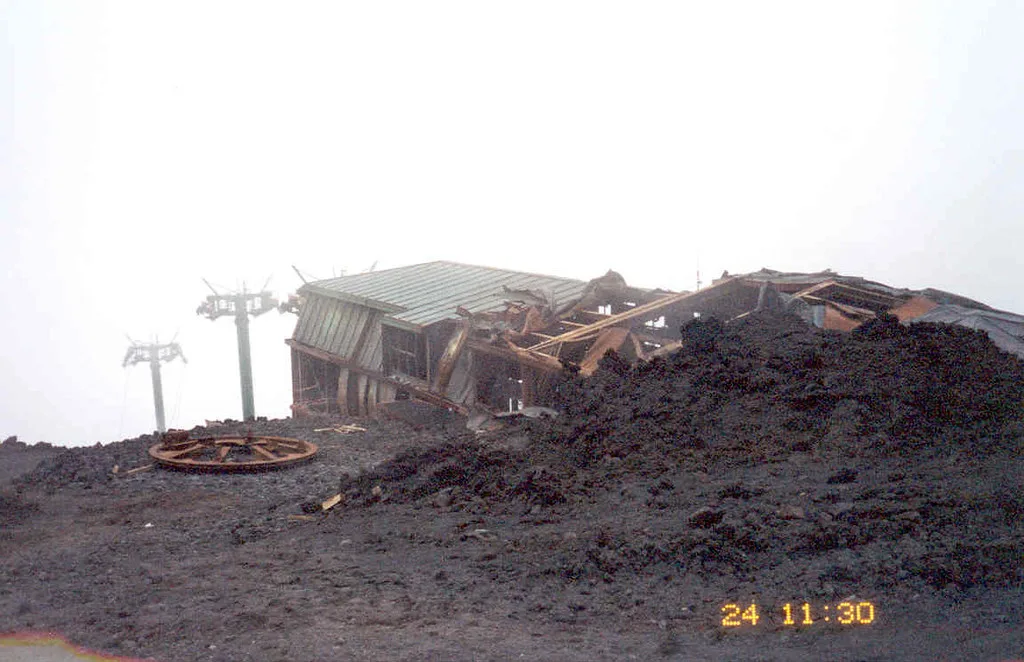
The 1669 eruption is the best-known historic event. Reports say lava destroyed roughly 14 villages and towns, and it reached Catania. Our page on the 1669 eruption goes deeper. In 1971 an eruption buried the Etna Observatory, according to news accounts. The 1991–93 flank eruption threatened Zafferana, where lava was diverted into artificial channels after explosives were used. The town is now a base described in our Zafferana Etnea guide. Later episodes include 2001 and 2002, plus a 2017 event that injured a BBC crew and others. Two recent examples show how news can reach travelers. On November 12, 2023, ash and lava bombs rose over the summit, and Catania airport was reported open at the time. On June 2, 2025, explosions were heard as far as Catania and Taormina, about 25 and 31 miles away. Roads up the volcano were closed after a reported partial collapse on the southeast crater's northern flank.
What Happens on the Mountain During Activity
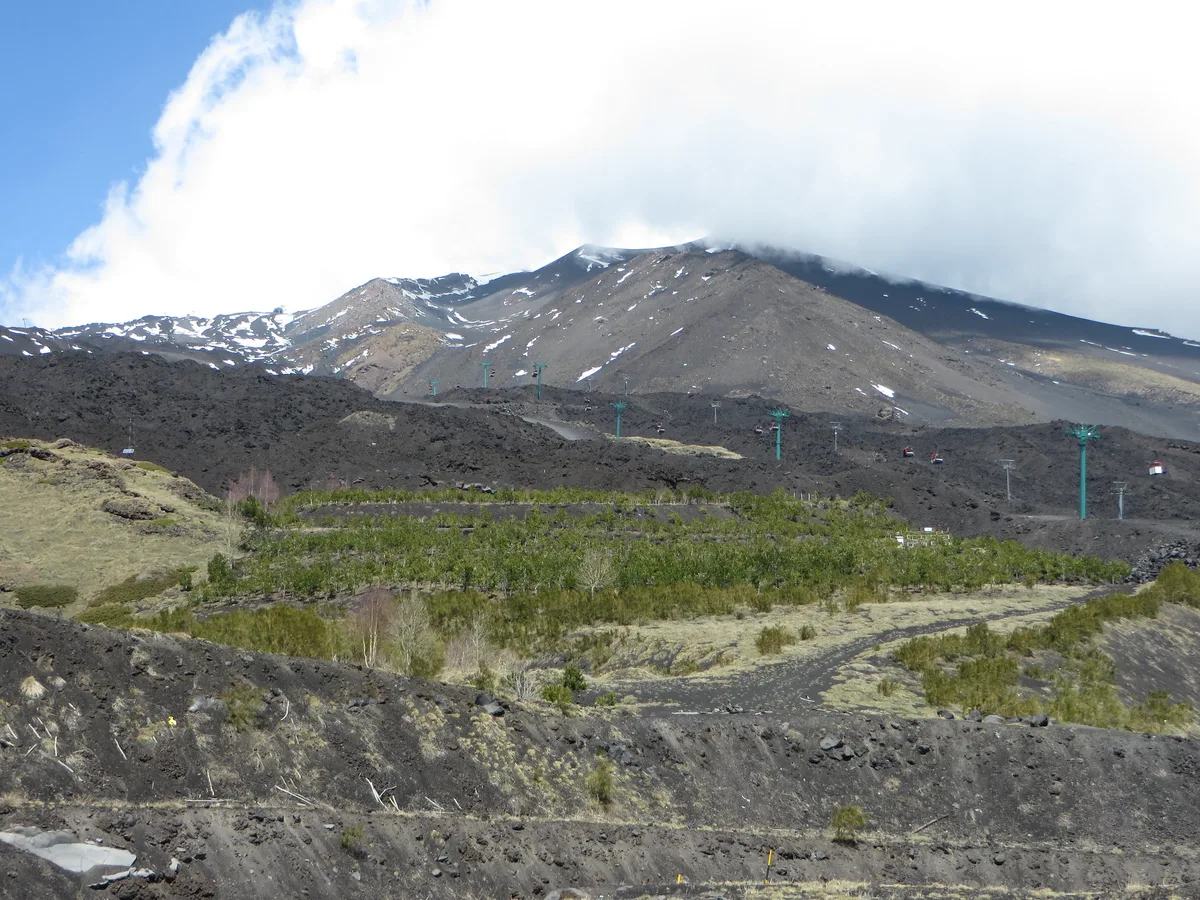
Authorities decide which zones and altitudes are open, and limits change with the volcano's state. Closures can cut off the upper slopes even when lower trails stay accessible. The south side has more infrastructure, including Rifugio Sapienza, Etna: Cable Car, Jeep & Silvestri Craters Guide and the Etna cable car. Check operating status on the cable car operator's site. The north side is quieter, centered on Piano Provenzana: Etna North Side Access and Seasons. For a side-by-side view, read north versus south side. Lower, older vents such as the Silvestri Craters, Etna: Walk, Access & Tips are often reachable when higher zones are shut. Park rules and trail notices appear on Parco dell'Etna's website.
Flights, Ash and Roads: The Practical Impact
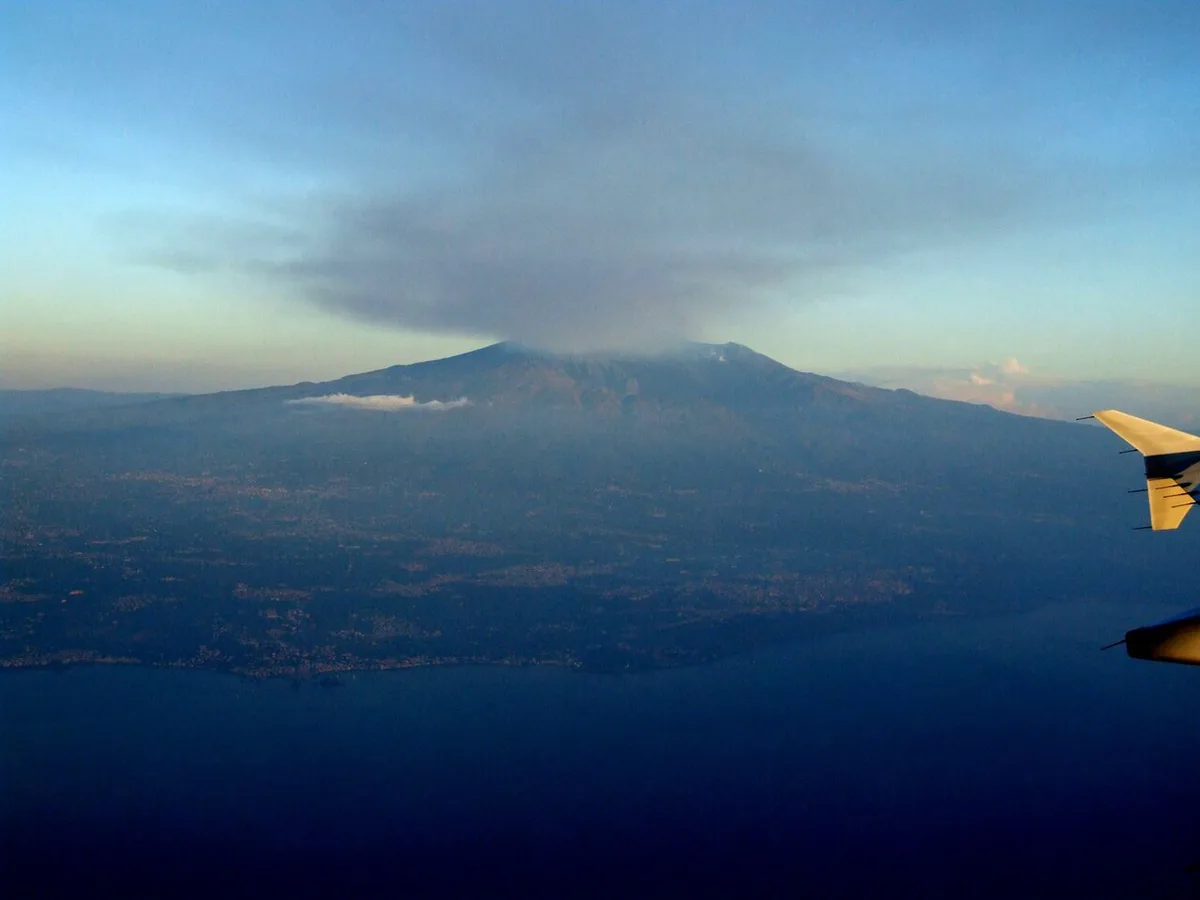
Ash can disrupt Catania airport. Reports from August 2023 describe diversions and cancellations when a plume crossed the airfield. Other episodes, such as November 2023, left it open. Never assume either status. Our page on eruption flight disruption explains how to track notices. Palermo is the main fallback airport, and our guide to reaching Etna from Palermo covers the transfer. Syracuse is another base, described in our Syracuse route notes.
Ash also changes driving. In August 2023, reports cited a ban on motorcycles and bicycles and a 30 km/h limit (about 19 mph) because ash cut road grip. Follow local ordinances, which the Sicilian civil protection service publishes. Plan your route using our Catania-to-Etna directions. Carry eye protection and a face covering if ash is falling.
Go, Adjust or Postpone: A Decision Guide
Use the table to match your plans to conditions. Check Etna weather as well, because wind decides where ash falls. Seasonal timing is covered in our best-time guide. Tours may be rescheduled or refunded at the operator's discretion, so read the terms before booking. Insurance rules vary, so read your own policy wording for volcano disruption.
| Situation | Suggested move |
|---|---|
| Summit activity, upper zones closed, lower trails open | Adjust: choose a lower route or a guided option |
| Ash falling on roads or flights disrupted | Postpone or keep a backup transfer |
| Quiet bulletin, clear weather | Go as planned and watch the bulletin |
| Non-refundable bookings or tight flight connection | Allow a buffer day and a flexible rate |
Watching Eruptions Safely
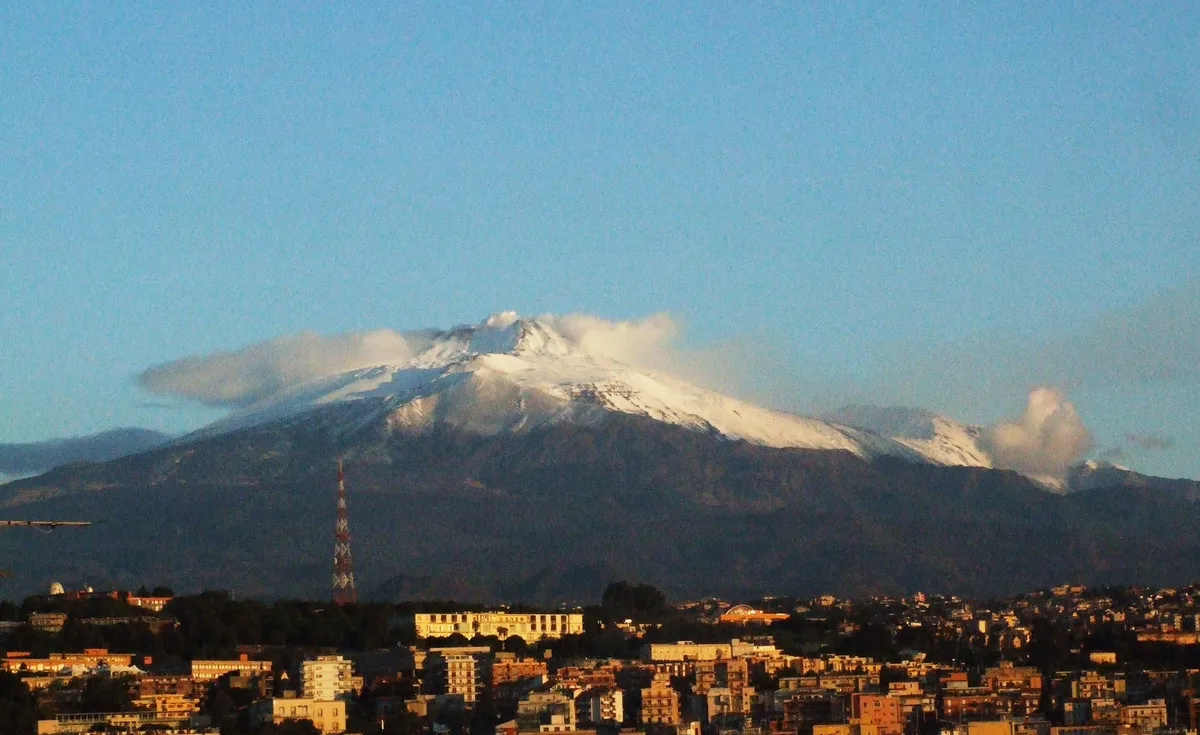
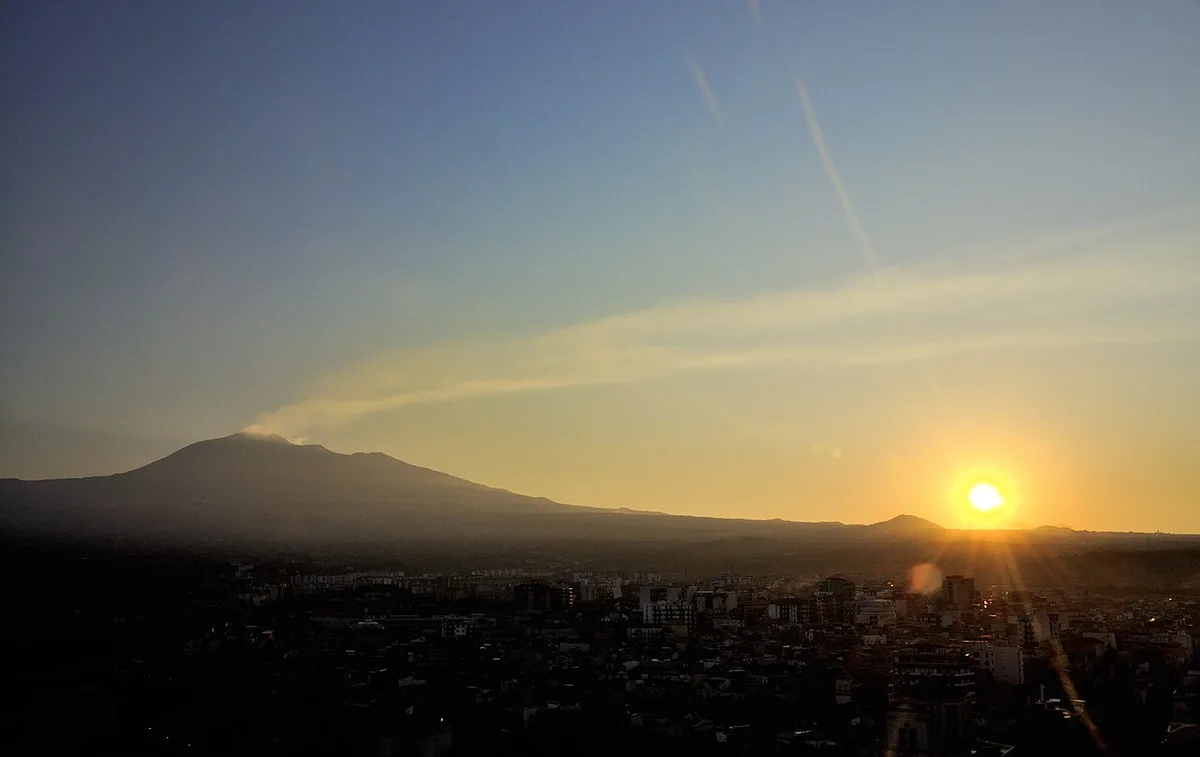
Start with the live Etna webcam. Towns on the lower slopes offer distant views when the mountain is active. Guided options follow official limits, which is the main reason to book one. Options include organized Etna tours, a jeep tour and a sunset tour. Helicopter flights exist, but availability is never guaranteed, as our helicopter tour page notes. Independent walkers should read about the Etna hiking routes. Do not enter closed zones. Closures exist because explosions give little warning, and the June 2025 event caught tour groups on the slope. Avoid decisions based on viral clips.
Explosions were heard about 25 and 31 miles away in June 2025, so a distant town is not proof the slopes are safe.
Where to Base Yourself
Nicolosi sits on the south side, close to the road toward Rifugio Sapienza, and our Nicolosi guide covers it. Zafferana Etnea suits the eastern slopes. Linguaglossa is the usual base for the north side. For lodging, see hotels near Etna. Ask hosts about flexible cancellation, since eruption disruption can shift plans at short notice.
For the wider city context, see our complete tourism attractions guide.
Frequently Asked Questions
What level of alert is Etna today?
Alert levels change, so no page can state them reliably. Check the latest bulletin from INGV's Etna observatory and local civil protection notices before you travel.
Which is bigger, Vesuvius or Etna?
Etna is much larger and is Europe's tallest active volcano. Our comparison page, Etna versus Vesuvius, covers the differences for visitors.