What Type of Volcano Is Mount Etna? Stratovolcano Explained
Last updated November 2026: what type of volcano is Mount Etna? It is a stratovolcano, also called a composite volcano, built from alternating layers of lava and fragmented volcanic rock. That label explains its shape but not its behavior, so this guide also covers how Etna erupts and what the type means for a visit.
Featured image: Cayambe, CC BY 4.0, via Wikimedia Commons.
What type of volcano is Mount Etna? A stratovolcano
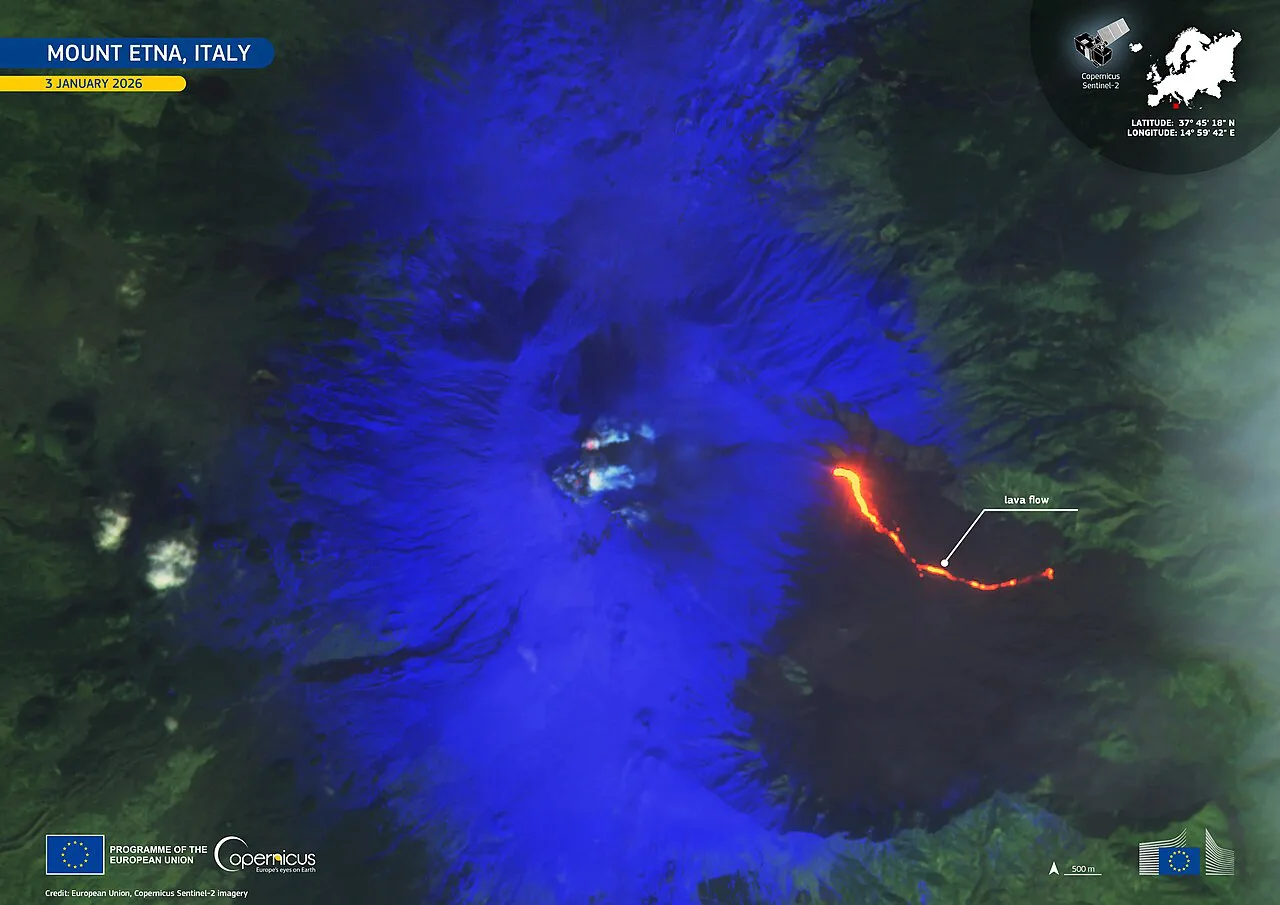
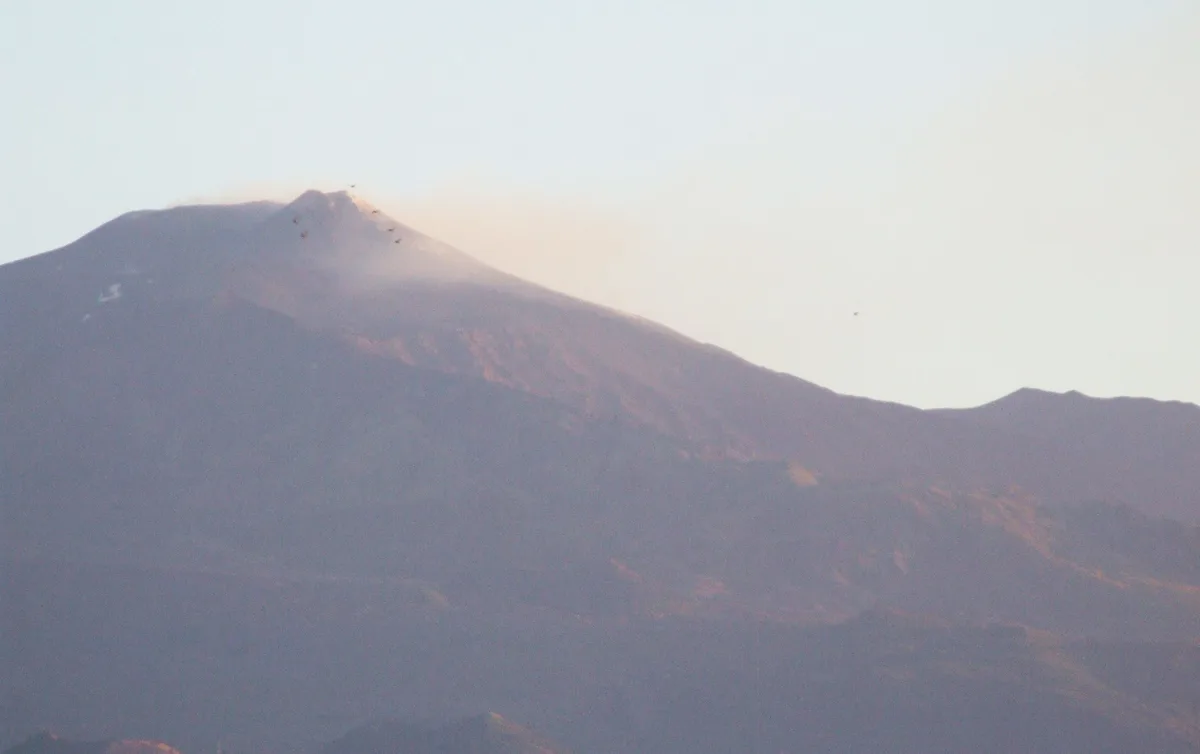
Etna is a stratovolcano, a steep-sided cone built up over a long time from many layers of lava, ash and rock fragments. Geologists use "composite volcano" as a synonym. It rises to about 3,300 m (roughly 10,800 ft) in eastern Sicily, though the summit changes with each eruption. Sources quote slightly different heights for that reason, so treat any single figure as approximate. For the wider picture, start with our Mount Etna guide, and see Etna's key facts for the numbers in one place.
Stratovolcano vs shield volcano vs cinder cone
Volcanologists commonly sort volcanoes into three basic types by shape and the way they build up. Etna is a stratovolcano, but it also carries features of the other two. Its broad lower slopes were built by many lava flows, and its flanks are dotted with small cinder cones. That mix is why a single label never tells the whole story.
| Type | Shape | Typical eruption style | Example |
|---|---|---|---|
| Stratovolcano (composite) | Steep cone of alternating lava and fragmented rock layers | Mix of lava flows and explosive activity | Etna, Vesuvius |
| Shield volcano | Broad, gently sloping dome | Mostly runny lava that spreads far | Mauna Loa in Hawaii |
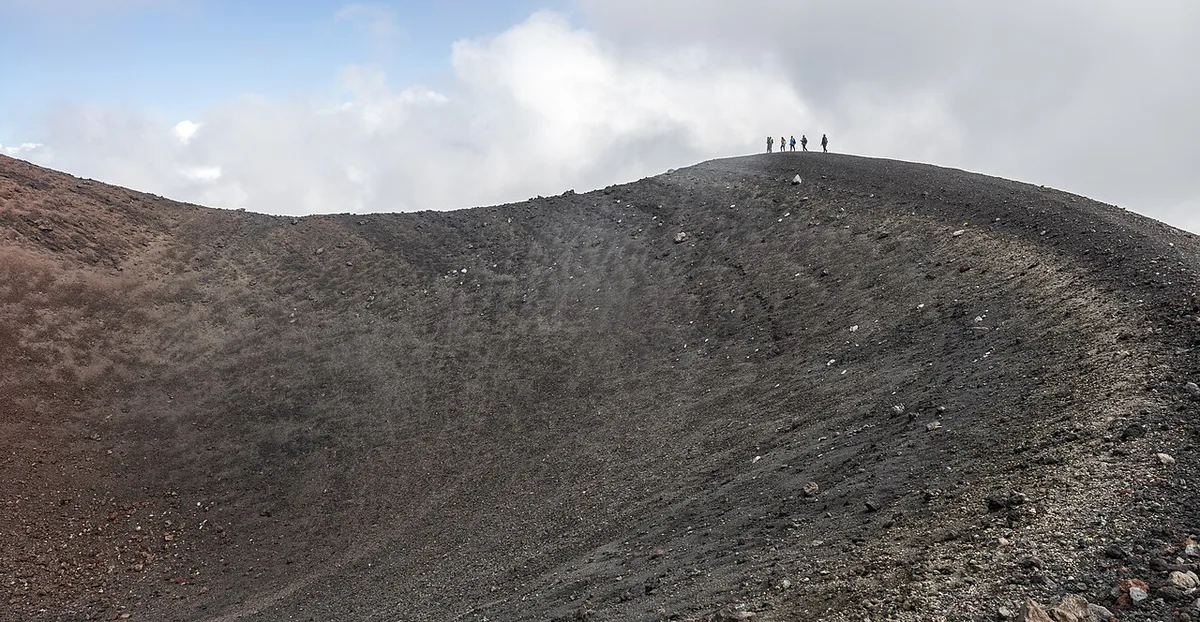
| Cinder cone | Small, steep cone of loose fragments | Short-lived, fragment-rich eruptions | Monti Rossi on Etna's flank |
Why Etna formed here: the tectonic setting
Etna sits in a complex plate-boundary setting where the African and Eurasian plates interact. Researchers still debate the exact mechanism. Subduction, rift-related faulting and deeper mantle processes all appear in the scientific literature. Whatever the full explanation, the setting feeds a steady supply of magma beneath eastern Sicily. Observers at INGV's Osservatorio Etneo track that activity continuously. Etna's slopes also carry a UNESCO World Heritage listing, granted in 2013.
Its UNESCO listing dates from 2013, yet flank vents can open far below the summit, so the listed slopes are still active ground.
How Etna erupts: more than one style
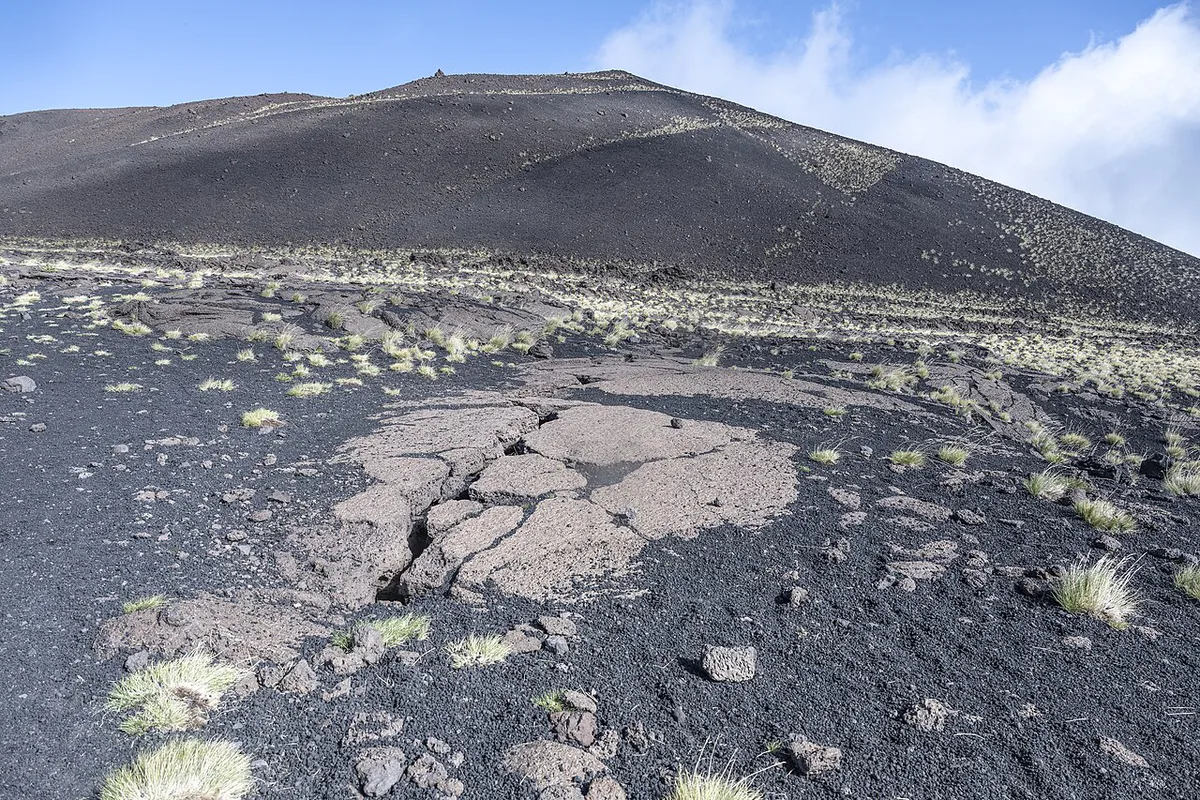
Stratovolcano does not mean always explosive. Etna produces several kinds of activity, often in the same year. Summit craters release gas and Strombolian explosions, which throw out incandescent fragments in short bursts. Some episodes build lava fountains. Others send effusive flows down the slopes.
- Summit crater activity: gas, ash and Strombolian bursts. See the summit craters.
- Lava fountains: powerful jets of molten rock from a vent.
- Effusive flows: lava creeping downslope. Read about Etna's lava flows.
- Flank eruptions: new vents opening far below the summit.
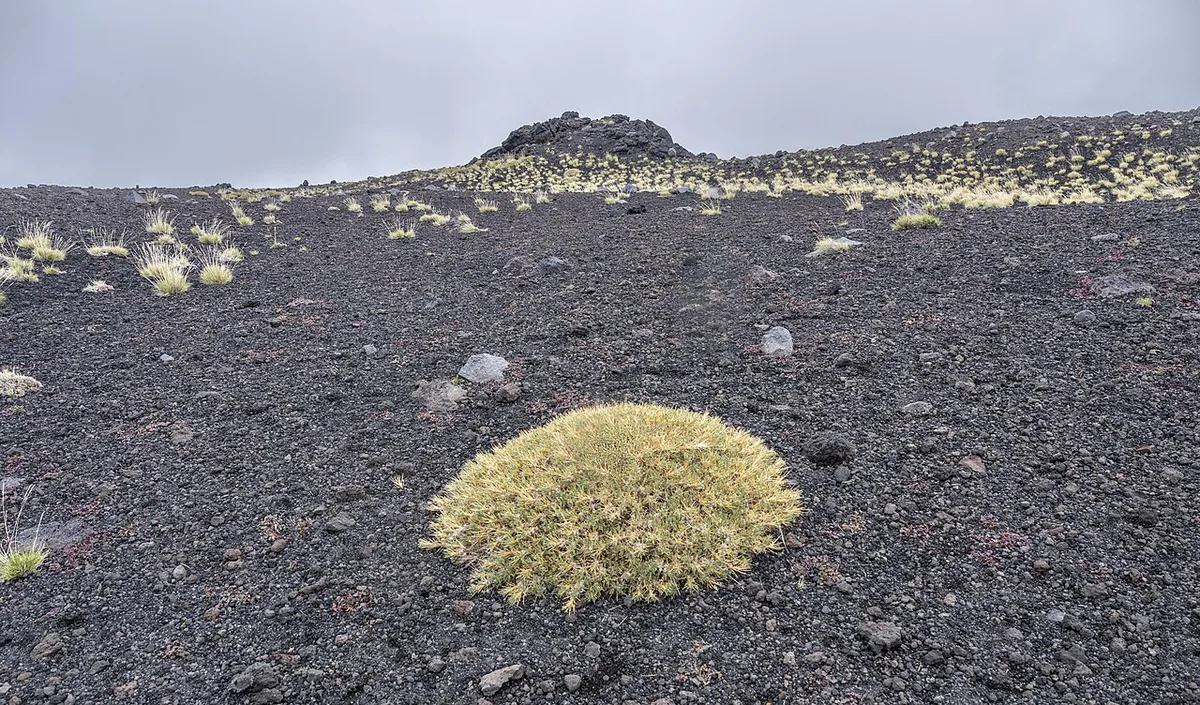
What the volcano type means for visitors
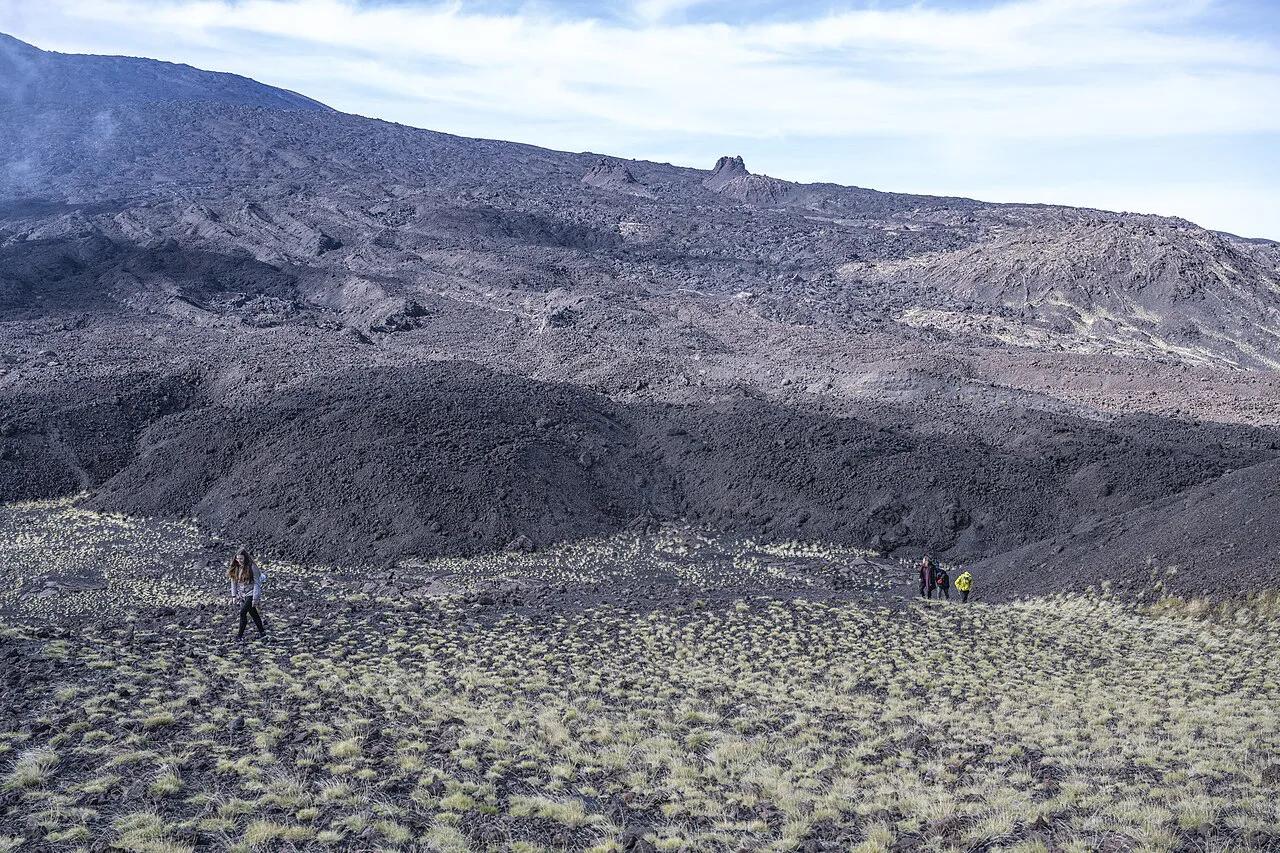
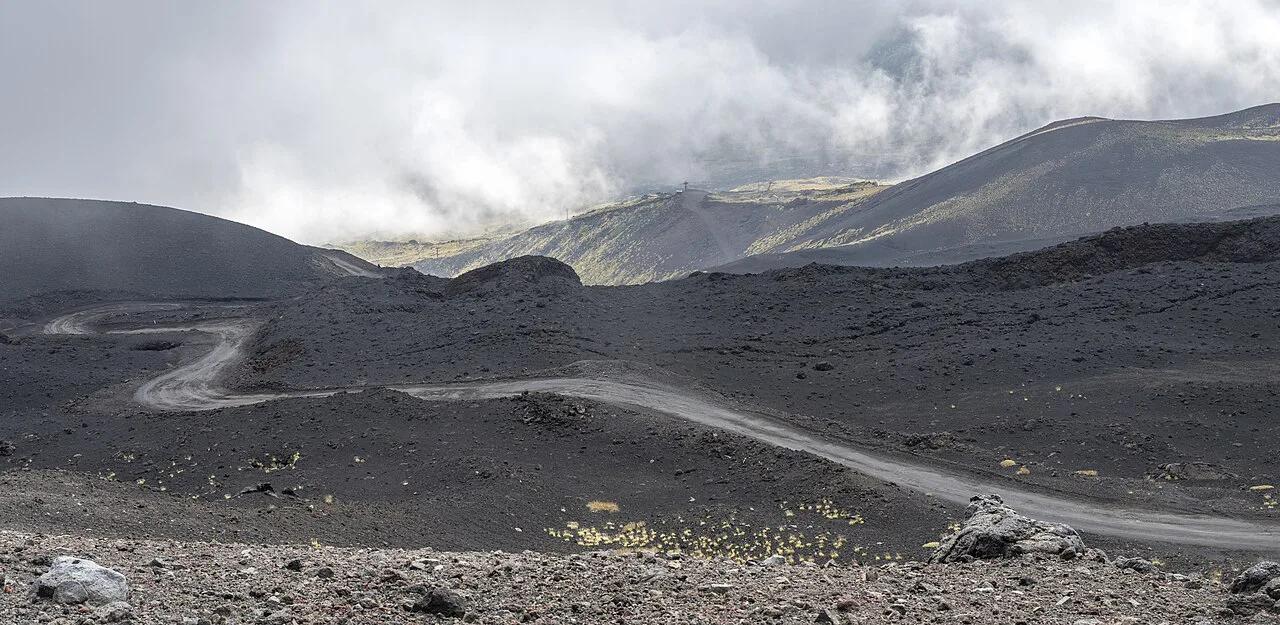
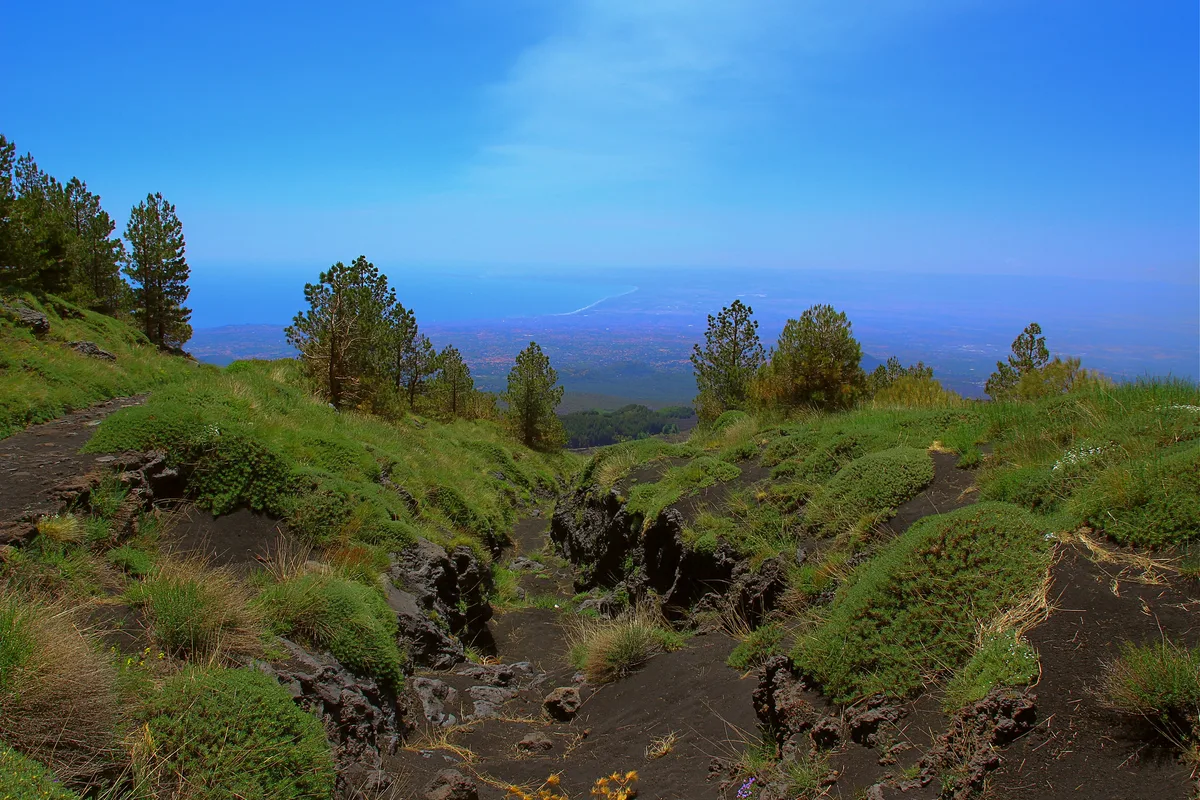
Etna's build explains what you can see. Summit craters are the youngest and most changeable features, so access to them depends on volcanic activity and on the authorities. Older flank cones are much easier to visit. Silvestri Craters, Etna: Walk, Access & Tips and Monti Rossi, Etna: Walk, Craters and Adventure Park Guide are both cinder cones on the lower slopes. The lava-shaped landscape also includes Valle del Bove, Etna: How to See It and Stay Safe and the lava cave at Grotta dei Lamponi, Etna: Lava Tube Access & Hike Guide.
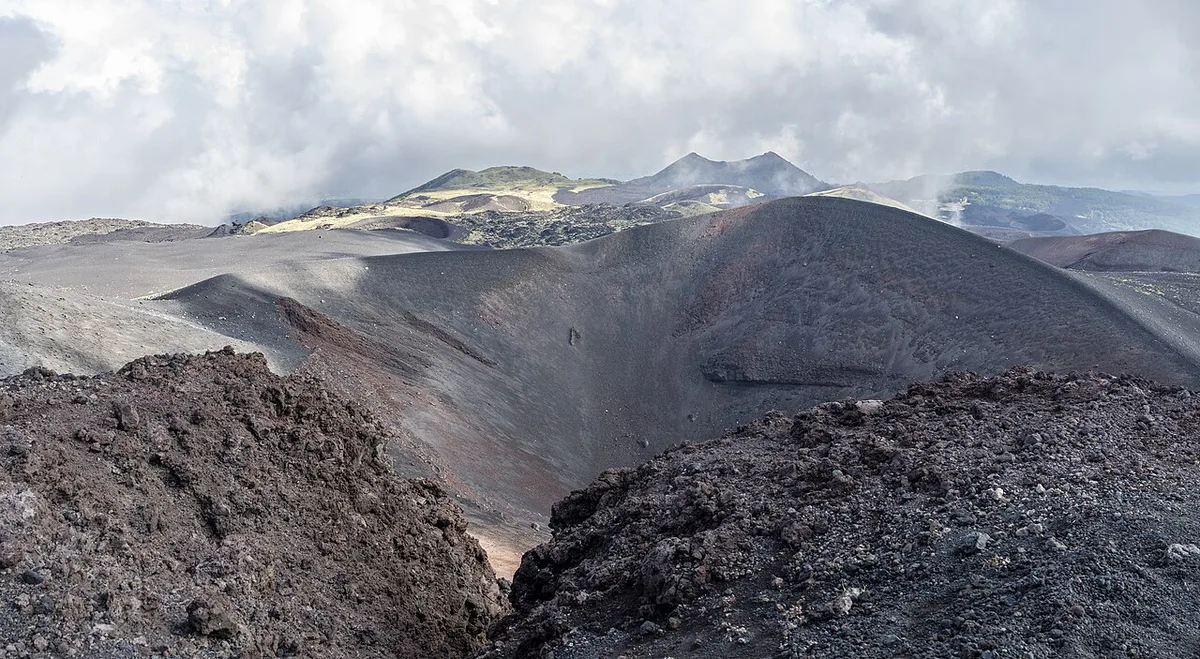
| Option | Effort | How far up you get | Depends on activity or permission? |
|---|---|---|---|
| Cable car | Low | High slopes, not the active craters | Yes, operations can pause |
| Guided hike | High | Upper mountain, with a guide | Yes, routes follow authority limits |
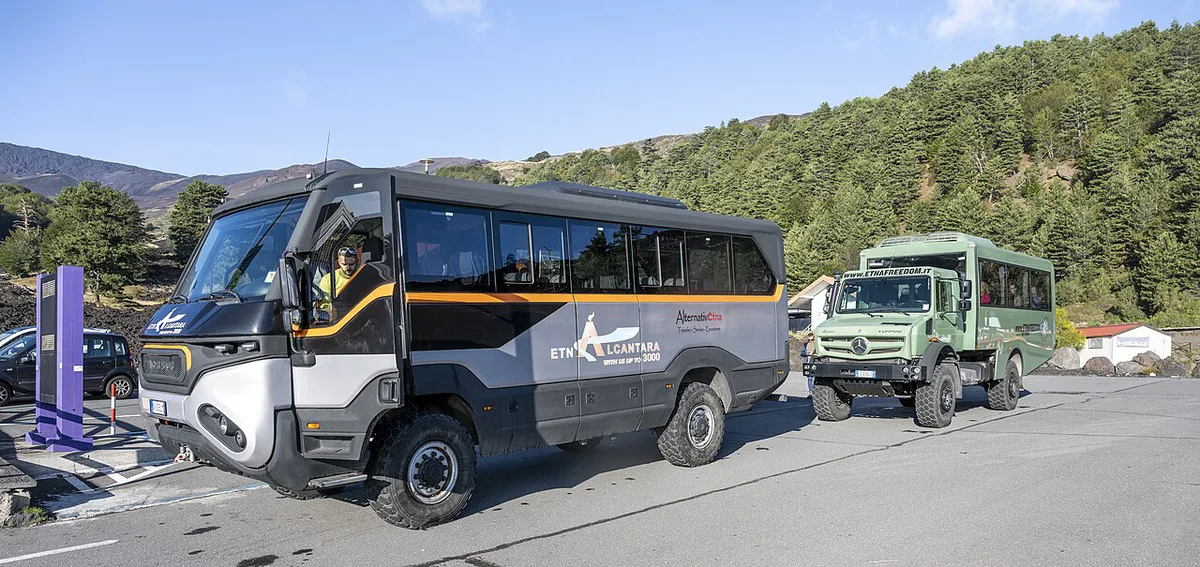
| Jeep tour | Moderate | Mid to upper slopes | Yes, weather and activity |
| Organized tour | Varies | Set by the operator | Yes, plans change on the day |
- Mistake: treating "stratovolcano" as meaning always explosive. Etna's activity is varied.
- Mistake: assuming the summit is always reachable. Access changes with activity and weather.
- Mistake: relying on one quoted height. The summit shifts with eruptions.
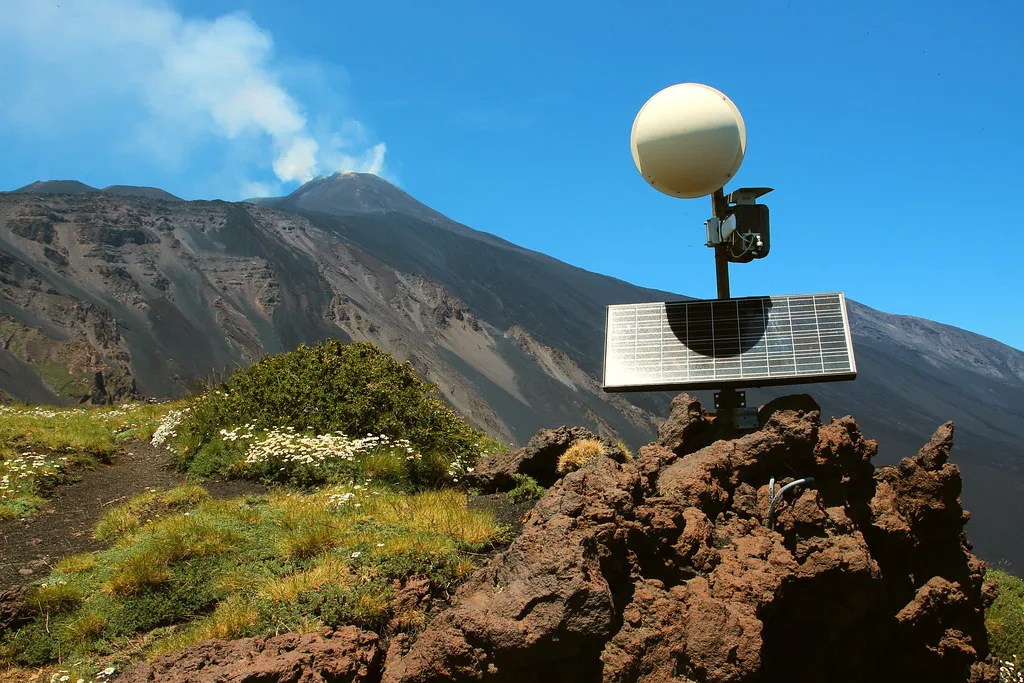
Etna vs Vesuvius: same type, different behavior?
Both are stratovolcanoes. Etna is far larger and erupts frequently, often with effusive flows. Vesuvius is better known for explosive eruptions, including the one in AD 79. Our Etna vs Vesuvius comparison sets the two side by side. Wondering about current conditions? Check whether Etna is active before any visit.
Vesuvius's explosive reputation traces to AD 79, a reminder that a shared type tells you little about which style a volcano favours.
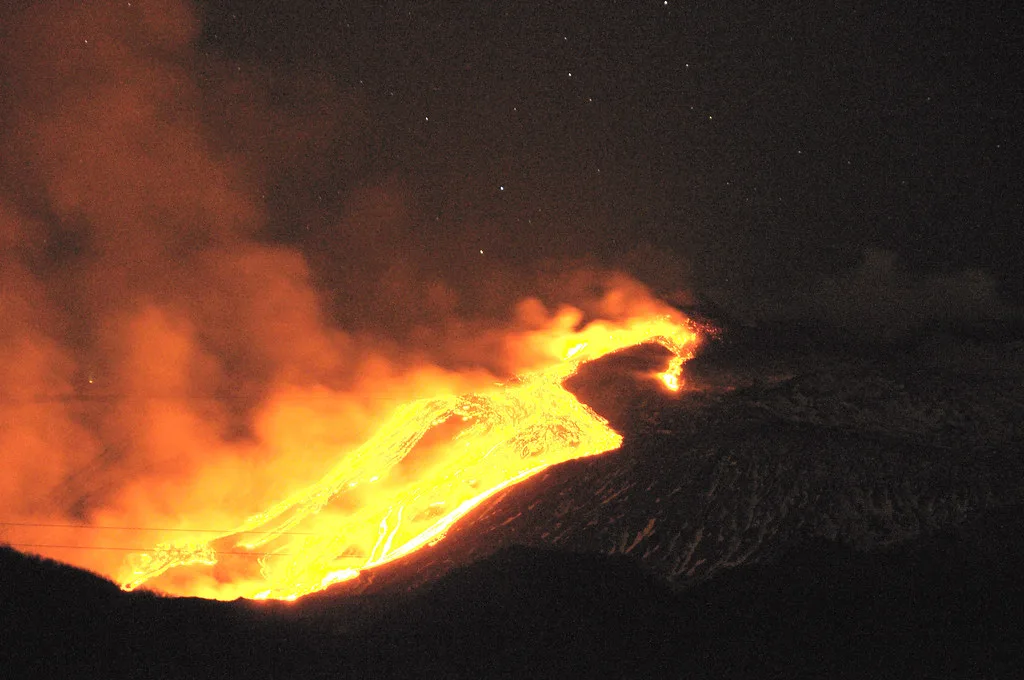
The 1669 eruption: a reminder that flank vents matter
Etna’s flank eruptions show why a stratovolcano cannot be understood only by looking at its summit. In 1669, an eruption opened on the volcano’s lower slopes and sent lava toward Catania. The flow reached the city and later the sea, leaving a lasting mark on the local landscape.
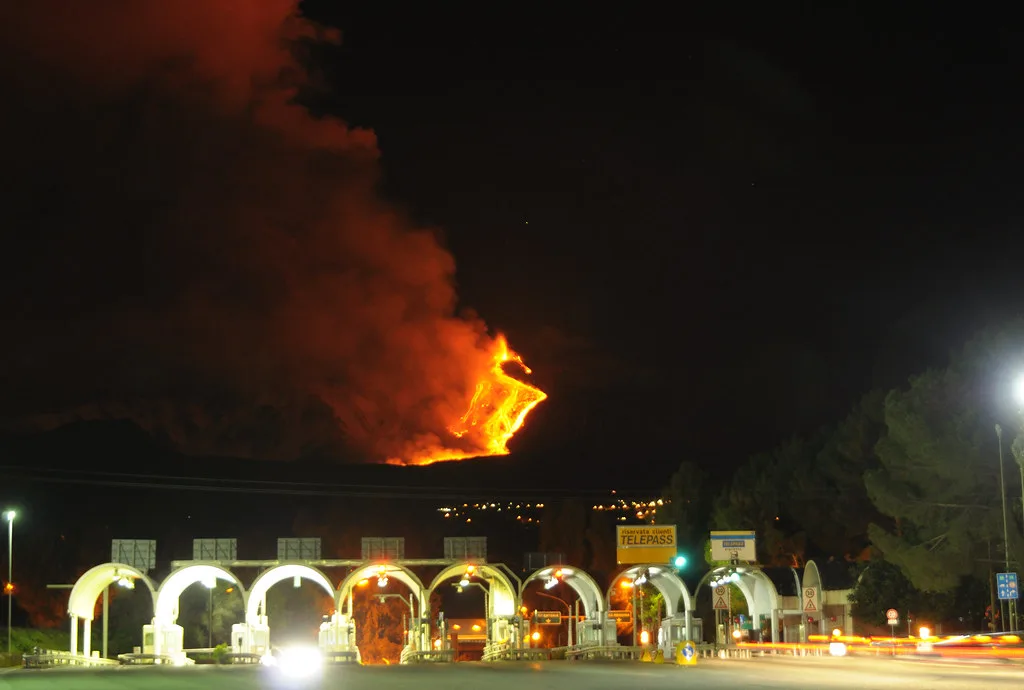
That history helps explain why access rules focus on more than summit craters. New vents can open far below Etna’s highest point, which is about 3,300 m. Older cones also preserve evidence of earlier activity. Monti Rossi, for example, is a useful stop for seeing a cinder-cone landscape without needing summit access.
Etna’s UNESCO World Heritage status, granted in 2013, reflects this exceptional and still-changing volcanic landscape. For the event’s route, effects and historical context, see our guide to the Mount Etna 1669 Eruption: What Happened and Where to See the Lava Today.