Last updated November 2026: a Mount Etna hike works in tiers, and the summit craters are guide-only. Independent walkers stay on the lower slopes, and the north and south sides start from different places. Below, we lay out how high you can go, who you need, what it costs and what to do when the summit shuts.
Featured image: Isabella Rick, CC BY 3.0, via Wikimedia Commons.
Short answer: can you hike Mount Etna, and how high?
Yes, you can hike Etna, but the summit craters need an accredited guide. Lonely Planet puts the guide rule above 2,500 m. Along Dusty Roads says independent walkers can reach 2,800 m. Volcanic activity sets the real limit, so treat every altitude on this page as a snapshot. Our rule: walk the lower slopes alone, and book a guide for anything higher. Access rules come from the park authority, so check its site before you travel.
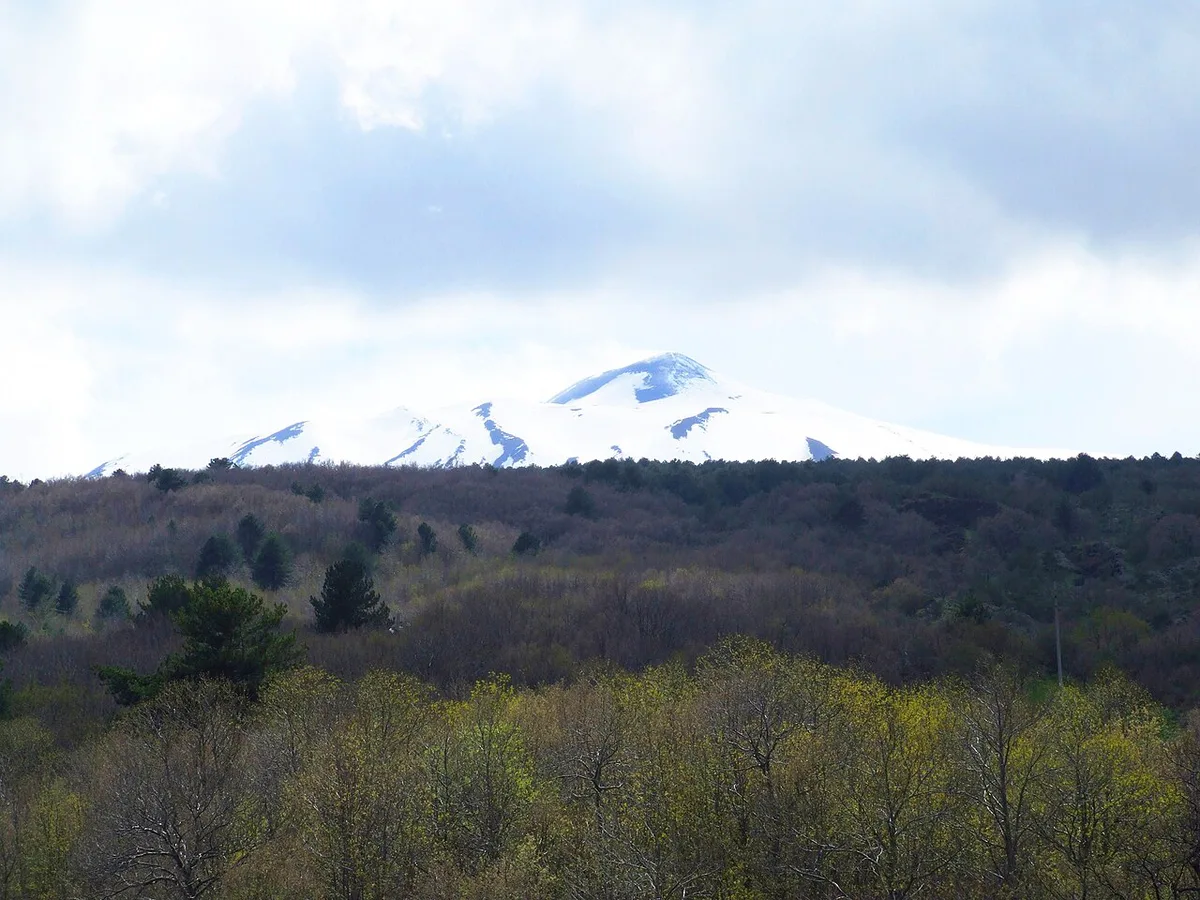
- Tier 1, independent lower slopes: walks around the refuge at about 1,910 m, no guide needed.
- Tier 2, cable car only: rides to about 2,500 m, no guide needed.
- Tier 3, cable car plus 4x4 bus: runs up to roughly 2,800 m, with an accredited guide.
- Tier 4, guided summit-zone trek: aims for about 3,300 m, and only when the authorities allow it.
Your four Mount Etna hike options at a glance
Prices and hours checked November 2026. Use the table to match your fitness and budget to a tier.
| Option | How high | Guide required | Time | Cost level | Fitness | Best for |
|---|---|---|---|---|---|---|
| Independent lower slopes | About 1,910 m to 2,000 m | No | 25 minutes to a short loop | Free; parking reported at about €6 a day | Low | Families, first visits, bad-weather days |
| Cable car only | About 2,500 m | No | Ride of about 10 minutes each way | €50 adult, €30 child return | Low | Views without much walking |
| Cable car plus 4x4 bus | Up to about 2,800 m | Yes, for the guided section | About 60 minutes of guided crater walking | €78 adult, €50 child | Low to moderate | A short crater visit |
| Guided summit-zone trek | Toward about 3,300 m | Yes | About 6 hours, with 4 to 5 hours on foot | Guided hike €80 to €100, lifts often extra | Moderate to hard | Fit walkers when access is open |
Etna Sud vs Etna Nord: which side to hike
Etna Sud starts at the Sapienza refuge area (1,910 m), where the cable car and most facilities sit. Etna Nord starts at the Provenzana ski outpost (1,800 m), a row of guides' huts. Linguaglossa as a north base is 30 minutes below by road, and Giarre is 45. We'd pick Nord for quiet and lava fields, and Sud for lifts and easy walks. Our deeper comparison of the north and south sides covers both in full.
| Factor | Etna Sud | Etna Nord |
|---|---|---|
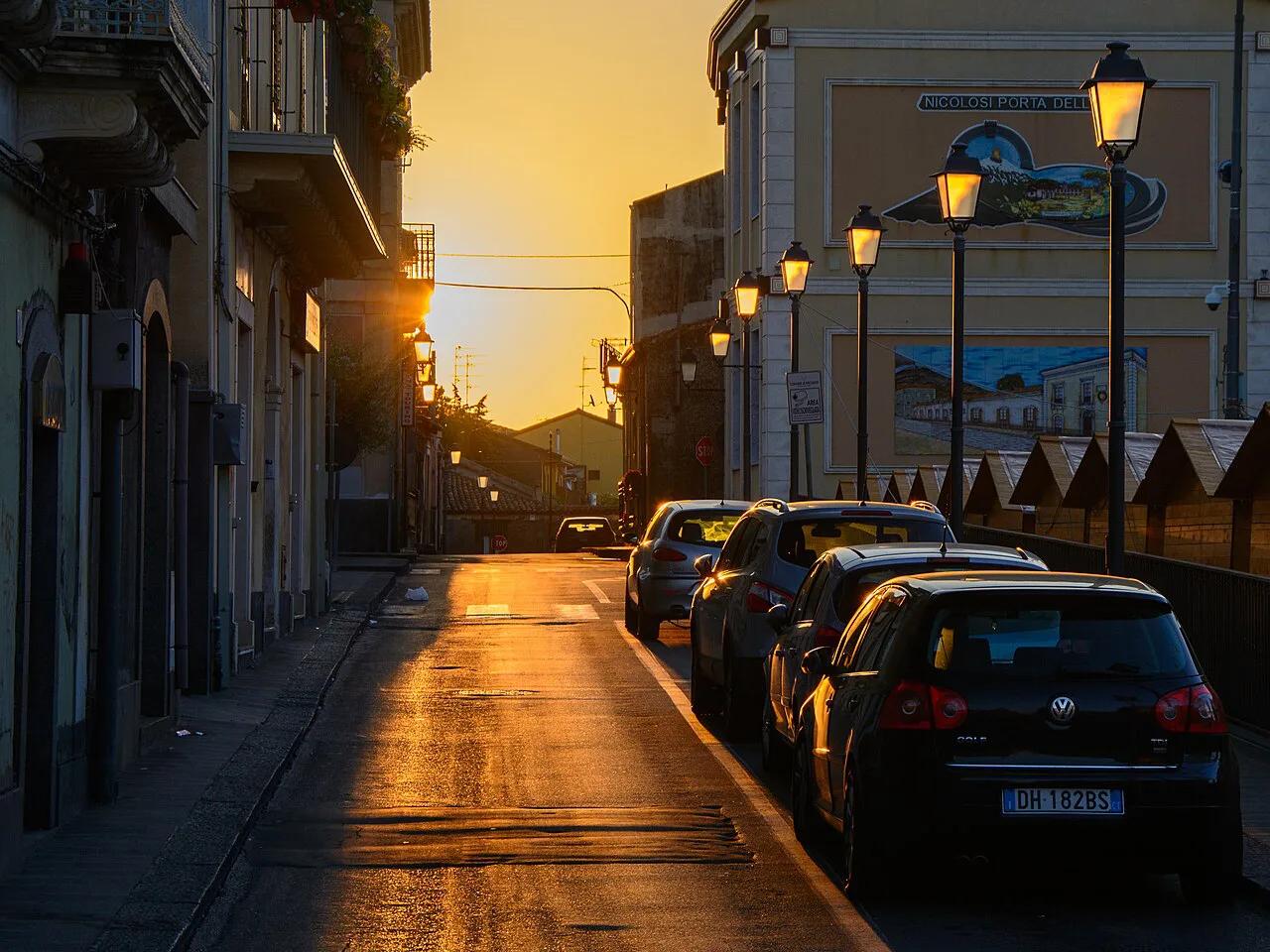
| Base towns | Nicolosi, Catania | Linguaglossa, Giarre |
| Starting point | Rifugio Sapienza, 1,910 m | Piano Provenzana, 1,800 m |
| Lift options | Cable car to about 2,500 m, then a 4x4 bus | No cable car; guided 4x4 up to about 2,800 m |
| Crowds | Busier, with the mainstream tourist crowd | Quieter and wilder |
| Public transport | One daily AST bus from Catania | None to Piano Provenzana |
| Best fit | Families, beginners, lift users | Hikers who want a quiet, rougher feel |
| Landscape | Craters, souvenir huts, lunar slopes | Lava fields, beech forest, old houses half-buried in lava |
Guided summit trek: what to expect
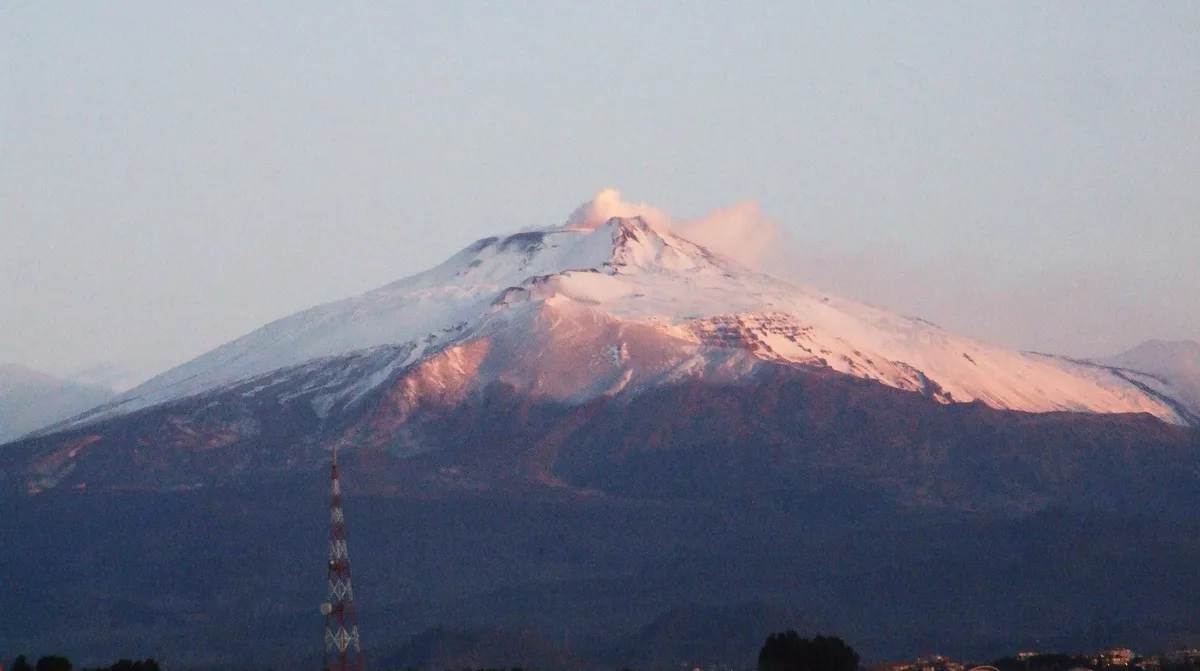
Most guided treks leave at 8:30 or 9 am and return mid-afternoon, before the weather turns. Lonely Planet cites about 6 km in four to five hours of walking at altitude. Summit-crater tours run around six hours in total, according to Along Dusty Roads. Go-Etna's north-side summit trek picks up at 07:20 to 07:50 and returns about 16:30. That operator accepts ages 12 and up and runs March to November. Guides supply helmets, and you must wear them at all times. Before paying, confirm your guide belongs to the Collegio Regionale delle Guide Alpine e Vulcanologiche. Start with the listings at Guide Vulcanologiche Etna. For route details, see our summit craters page. Compare operators in our Etna tours guide. Ask these questions before you book.
- Are the cable car and 4x4 bus included? If not, add about €78 per adult.
- Is hotel pickup included, and from which towns?
- Are boots, poles and a helmet included?
- What is the refund policy if the summit zone closes?
- Does the guide belong to the regional guides college?
Hiking Etna without a guide
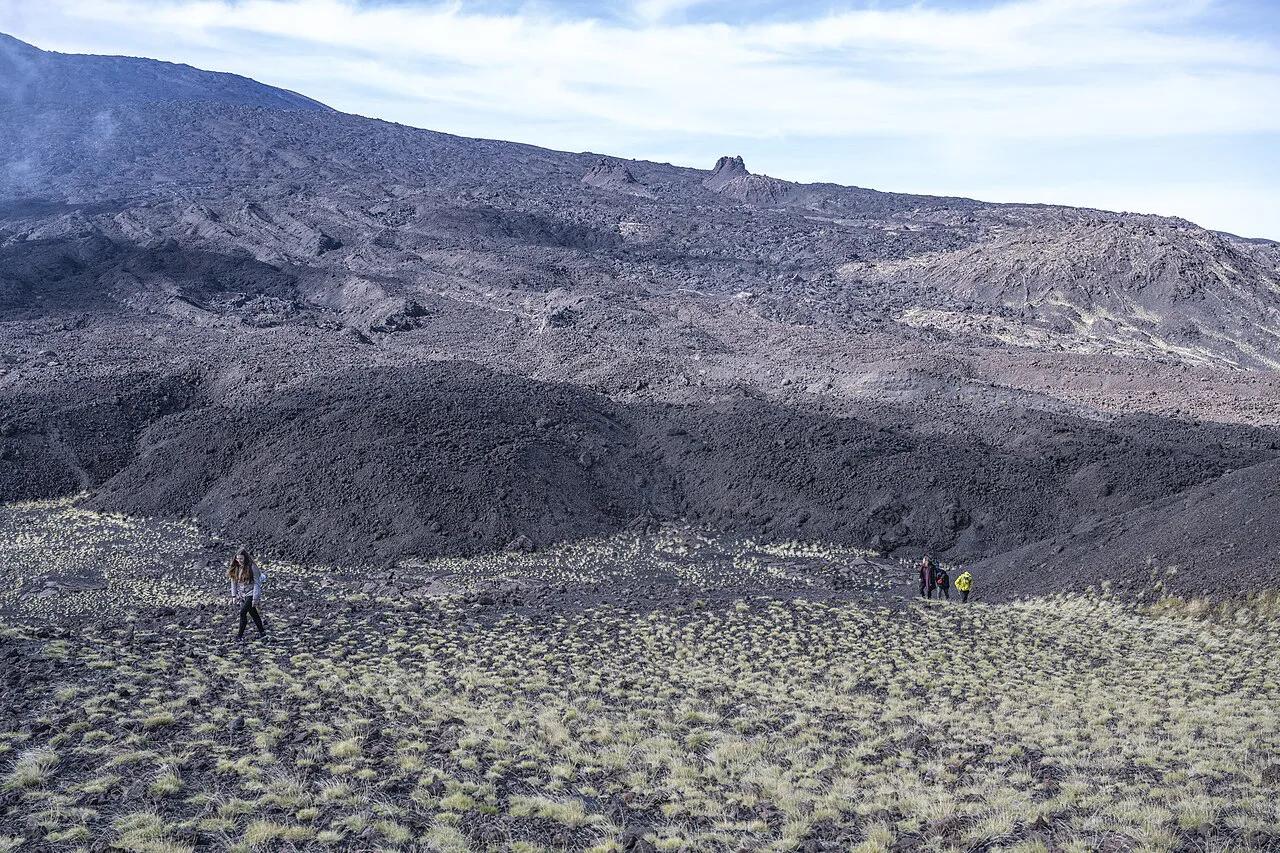
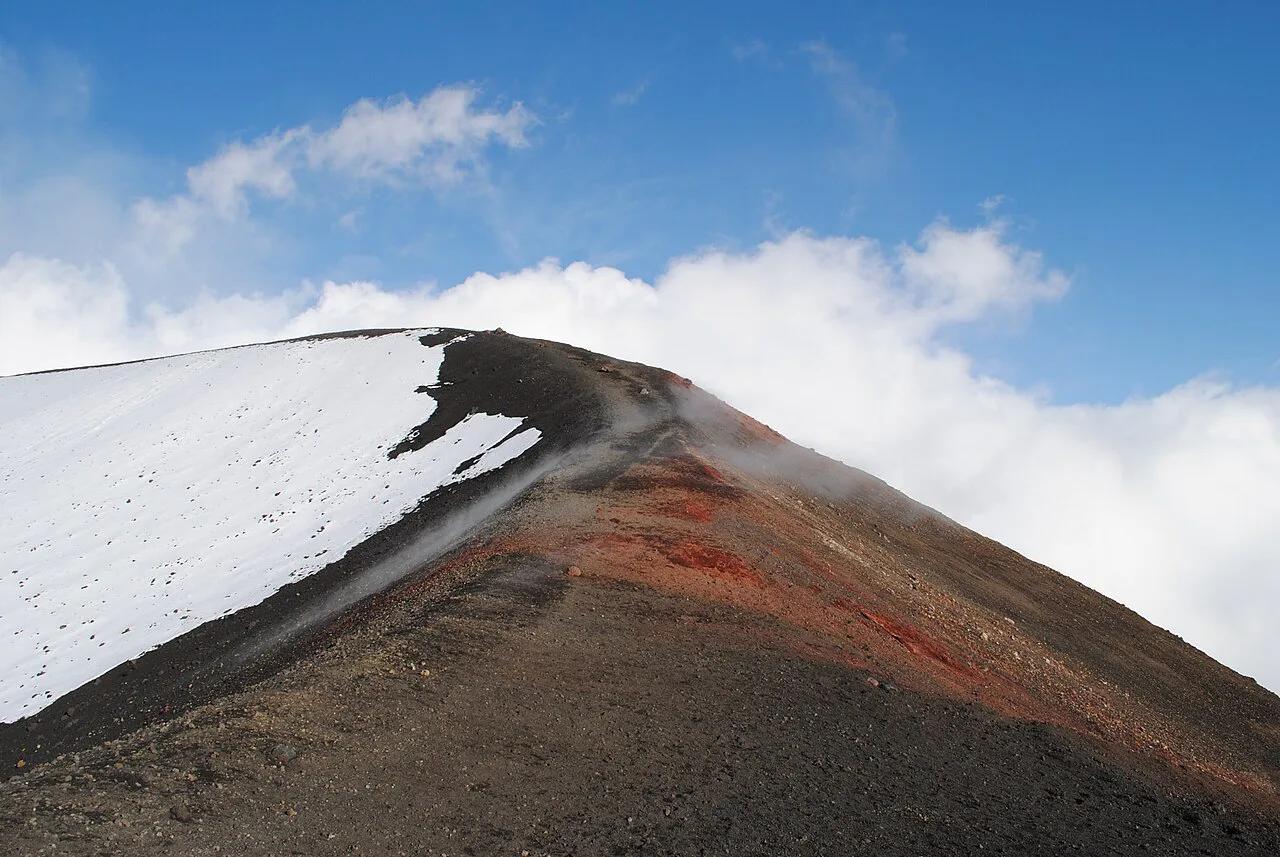
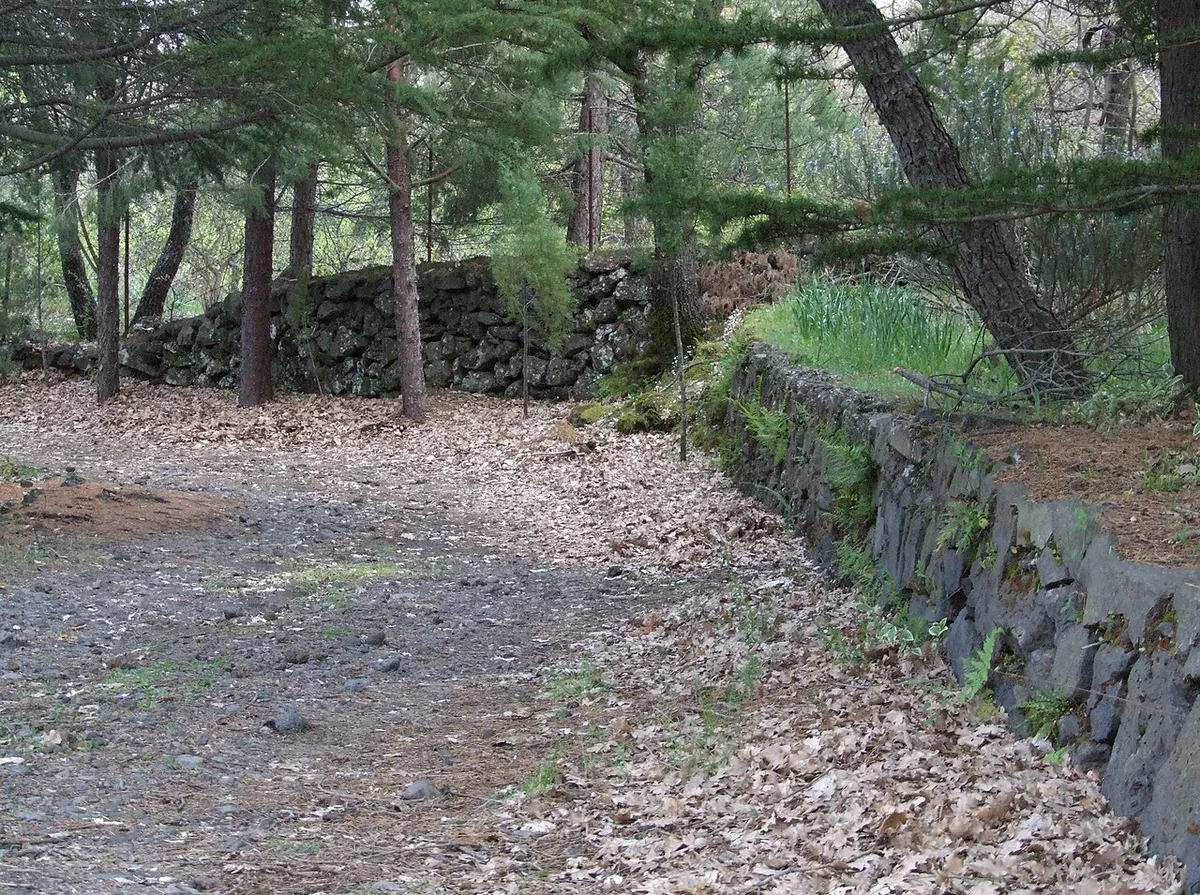
Without a guide, you stay on the lower slopes and the lift-served area. Start at the Silvestri crater loop beside the refuge, formed in 1892. A flat 1 km path rings the crater top, and a signposted 25-minute path climbs to a crater from the 2001 eruption. Budget walkers can climb to the Mountain Hut from Rifugio Sapienza in about 1.5 hours. Expect loose volcanic gravel and a steady incline all the way. From the cable car's top station, a walk along the 4x4 road passes an imploded crater after about 10 minutes. Viewpoints over the Bove valley sit at 2,095 m on the eastern flank, and winter visitors reach them on snowshoes. Monti Rossi craters are another low-altitude option. Signs now forbid walking past the independent limit, so stop where they tell you.
Easy and family-friendly Etna walks
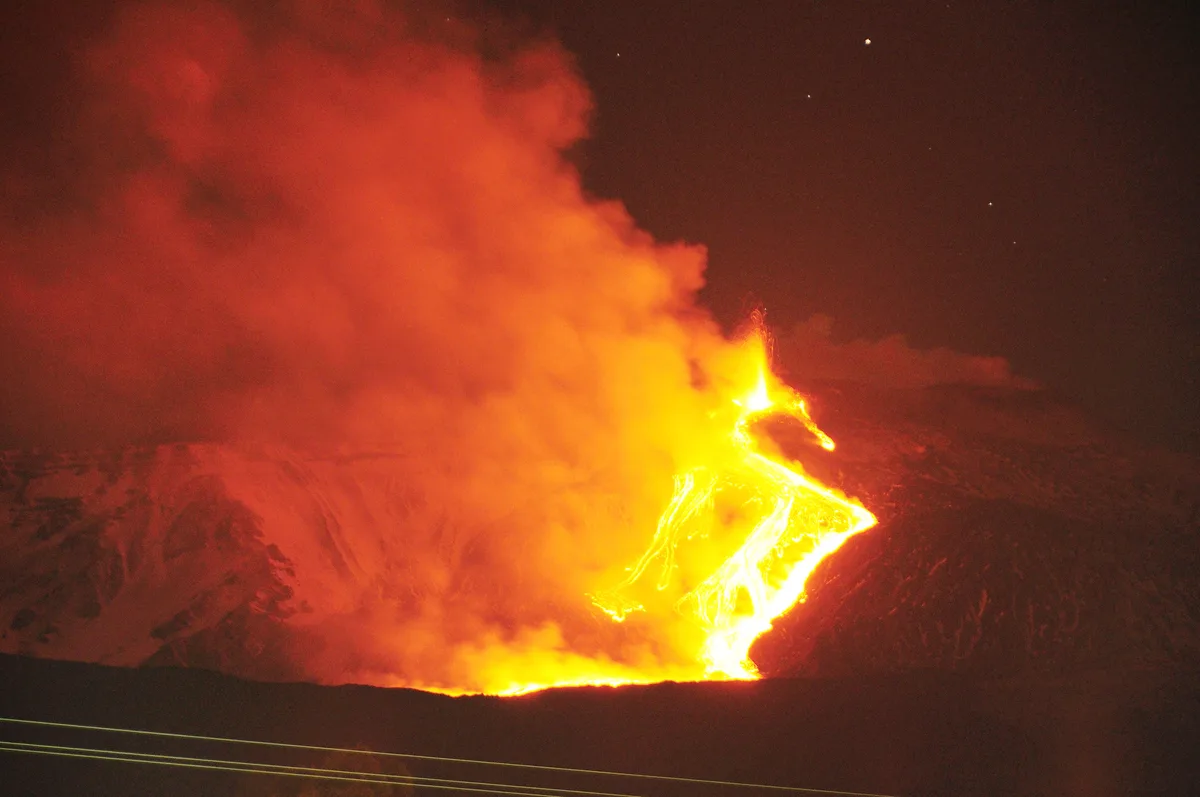
Families do best on the lower slopes. The Silvestri loop is 1 km and flat. Alternatively, the cable car rises to about 2,500 m, with a cafe and views over the lateral craters, then drops you back down. Go-Etna's summit trek is reserved for ages 12 and up. Skip the summit if any of these apply.
- Heart disease, asthma, hypertension or pregnancy, which Go-Etna's summit trek excludes.
- A child under 12, on that operator's trek.
- No sturdy boots or warm layers.
- Vertigo, since the summit route follows narrow ridgelines.
- A forecast of storms, fog or gale-force wind.
Costs: what a Mount Etna hike really costs
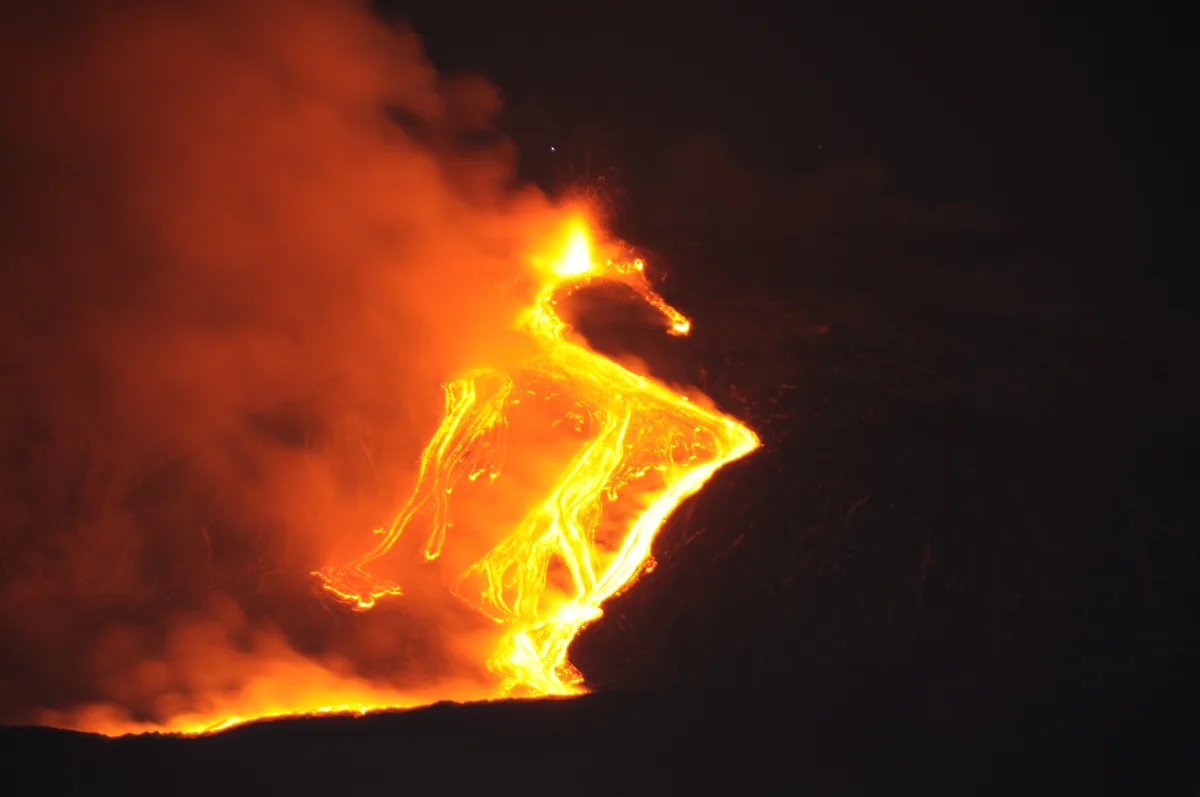
Costs split into the tour, the lifts and the extras. Along Dusty Roads reports a €50 adult return on the cable car, and €30 for children. Combined cable car and 4x4 bus tickets run €78 per adult and €50 per child. Lift details sit on our cable car page. Guided hikes run €80 to €100 per Lonely Planet, and €50 to €100 tour-only per Along Dusty Roads. Many tours exclude the lifts, so add €78 per adult to the tour price. Go-Etna instead lists summit treks from €140 per person with the 4x4 included. Kit is cheap: jackets rent for about €4 at the cable car station, and Go-Etna rents boots at €5 a pair.
| Scenario | What you pay | What it excludes |
|---|---|---|
| Self-drive plus independent walk | Free walking; parking reported at about €6 a day | Fuel, food, jacket rental |
| Bus plus lower slopes | €6.60 return bus | Cable car, food |
| Bus plus cable car | About €56.60 (€6.60 bus plus €50 lift) | Guide, 4x4 bus |
| Cable car plus 4x4 bus | €78 per adult, €50 per child | Summit guide |
| Guided summit tour | €50 to €100 tour only, plus €78 lifts if excluded | Food, boots if not supplied |
| All-inclusive operator trek | From €140 per person at Go-Etna, with pickup and 4x4 | Lunch, rented boots at €5 |
Getting to Etna and where to base yourself
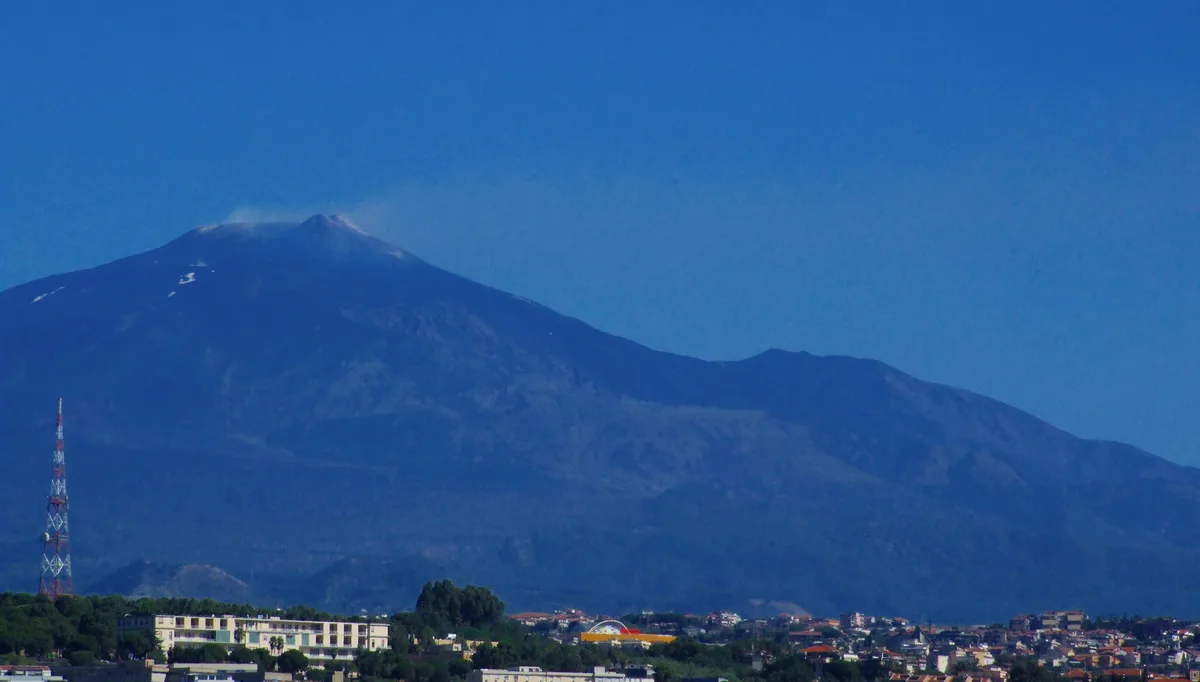
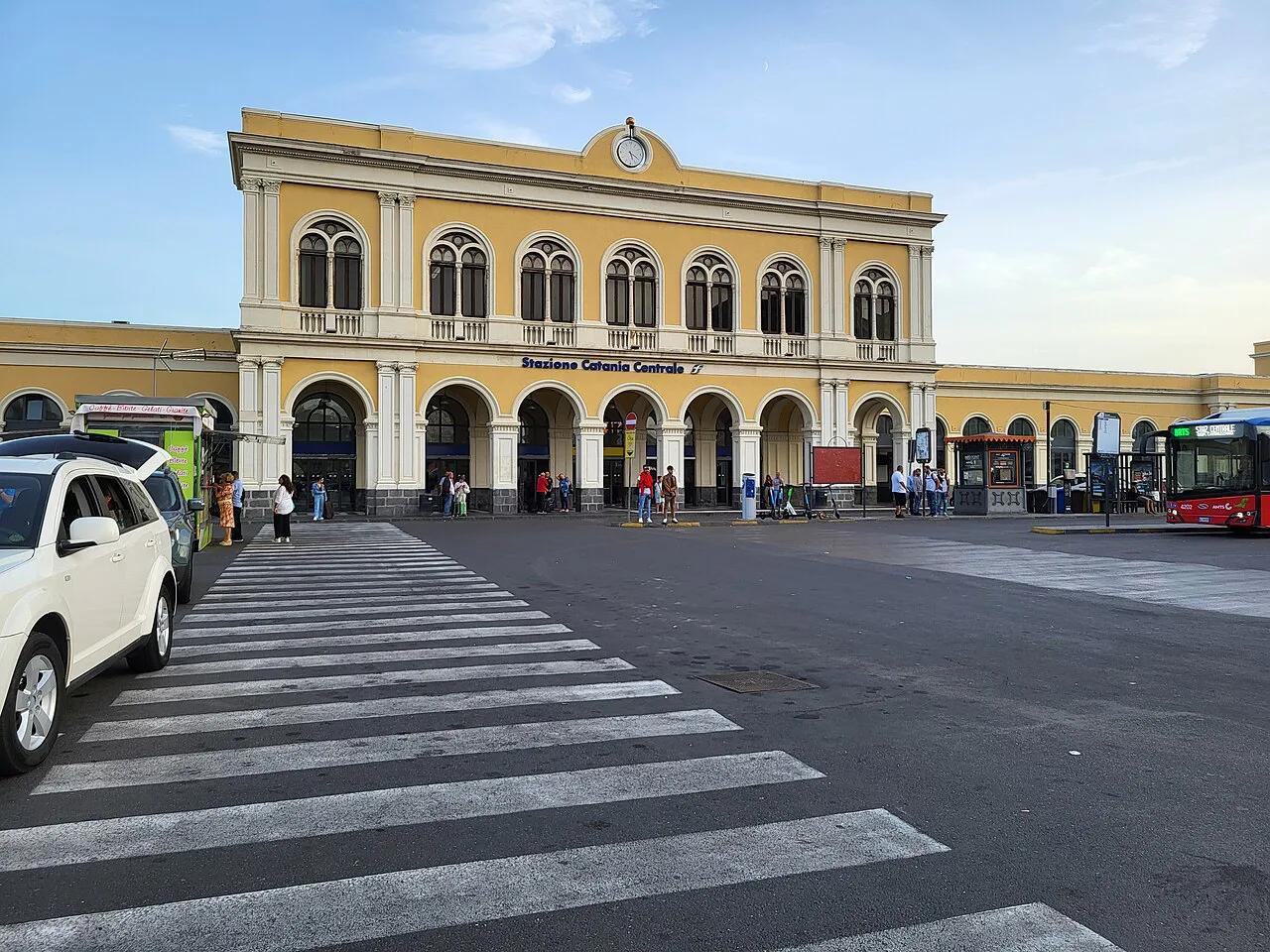
Catania and Taormina both sit about an hour's drive from the Etna entrance. From Catania, Rifugio Sapienza is about one hour by car, and from Aci Trezza about 50 minutes. Route options from the city are in our Catania to Etna guide. Roads are narrow and winding, so budget extra time. One AST bus leaves Catania at 8:15 am, takes two hours and costs €6.60 return. It reaches Rifugio Sapienza around 10:15 am, after guided treks have departed, and the return leaves at 4:30 pm. A bought ticket does not guarantee a seat, so queue early. Decision rule: with no car, book a tour with transfers, or plan a lower-slope visit instead of the summit. No public transport serves Piano Provenzana, so Etna Nord needs a car or an operator transfer. Operators such as Go-Etna run transfers from Catania and Taormina. Nicolosi base town is a south-side base with a ski resort. Browse stays in our hotels near Etna guide. Long-distance starts are covered in Etna from Palermo. Syracuse visitors should read our Etna from Syracuse page.
Catania's bus at 8:15 am reaches Rifugio Sapienza near 10:15 am, later than the 8:30 or 9 am guided summit departures.
When to hike Etna: season, weather and time of day
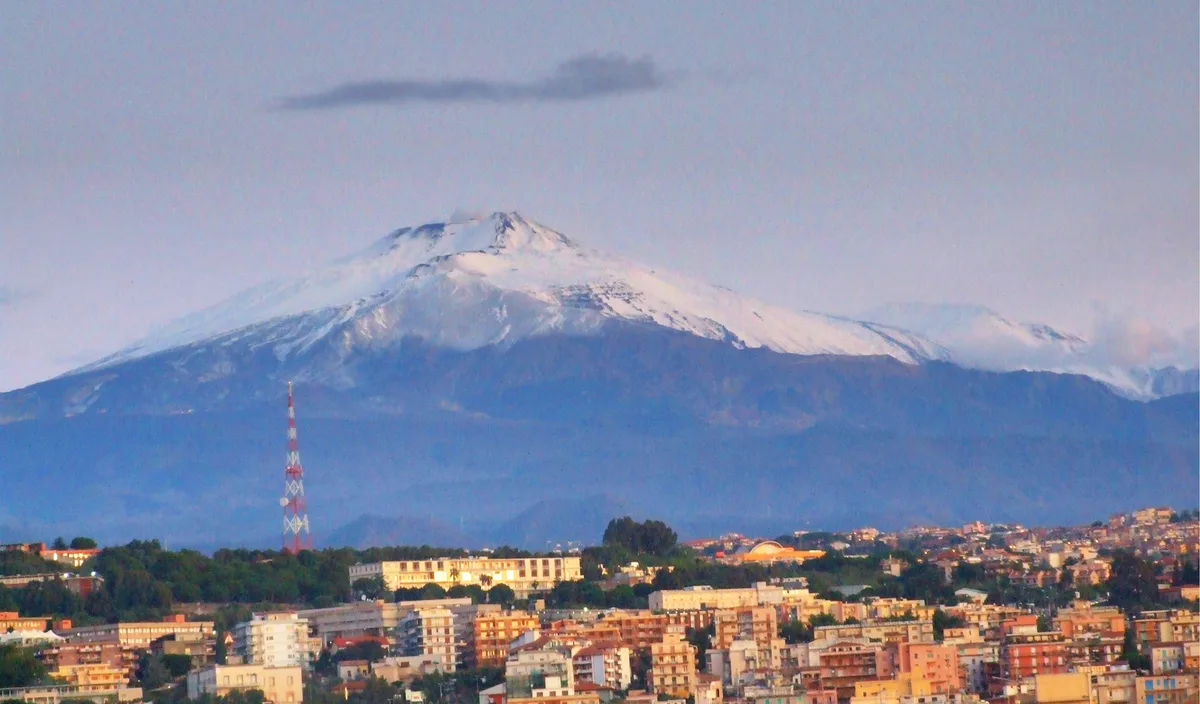
Shoulder months (April, May, September and October) give mild weather and thin crowds, says Lonely Planet. Clouds tend to build through the day, so start early. Between January and May, snow usually covers Etna above 1,500 m. Expect about 10°C less at the summit than at the base. Plan weather checks with our Etna weather page. Winter climbs can need crampons and ice axes, so we'd steer most visitors to snowshoe or lower-slope days. Skiing on both sides is covered on the Etna skiing page. Month-by-month advice is in our best time to visit guide.
| Season | What changes |
|---|---|
| Winter (November to March) | Snow and technical gear; cable car may close in bad weather; tours supply kit |
| Spring (April and May) | Snow can linger into May; few tourists; layered winter clothing |
| Summer (June to August) | No snow, long cable car queues, still cold and windy at the top |
| Autumn (September and October) | Warm days, thinner crowds, windier higher up |
What to wear and pack for an Etna hike
Dress for an Alpine day, not a beach day. Temperatures drop sharply with altitude, even in July. Rent jackets at the cable car for about €4, or boots from Go-Etna at €5. No lunch comes with the summit trek, so bring your own.
Summit air runs about 10°C less than at the base, and summit treks include no lunch, so pack one for the day.
- Three layers, long trousers and a windproof jacket.
- Sturdy closed boots or walking shoes.
- Hat, gloves and a snood or scarf against dust and gas.
- UV sunglasses, plus glasses if you wear contact lenses.
- Sunscreen, water and a packed lunch in a small backpack.
- Trekking poles, which help on soft ash.
Safety, closures and plan B
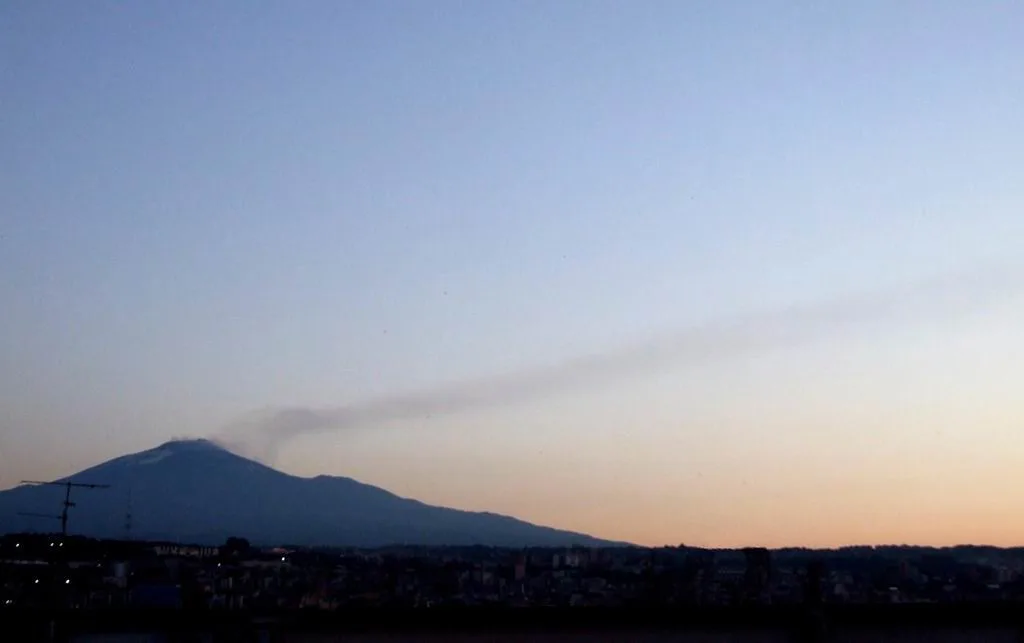
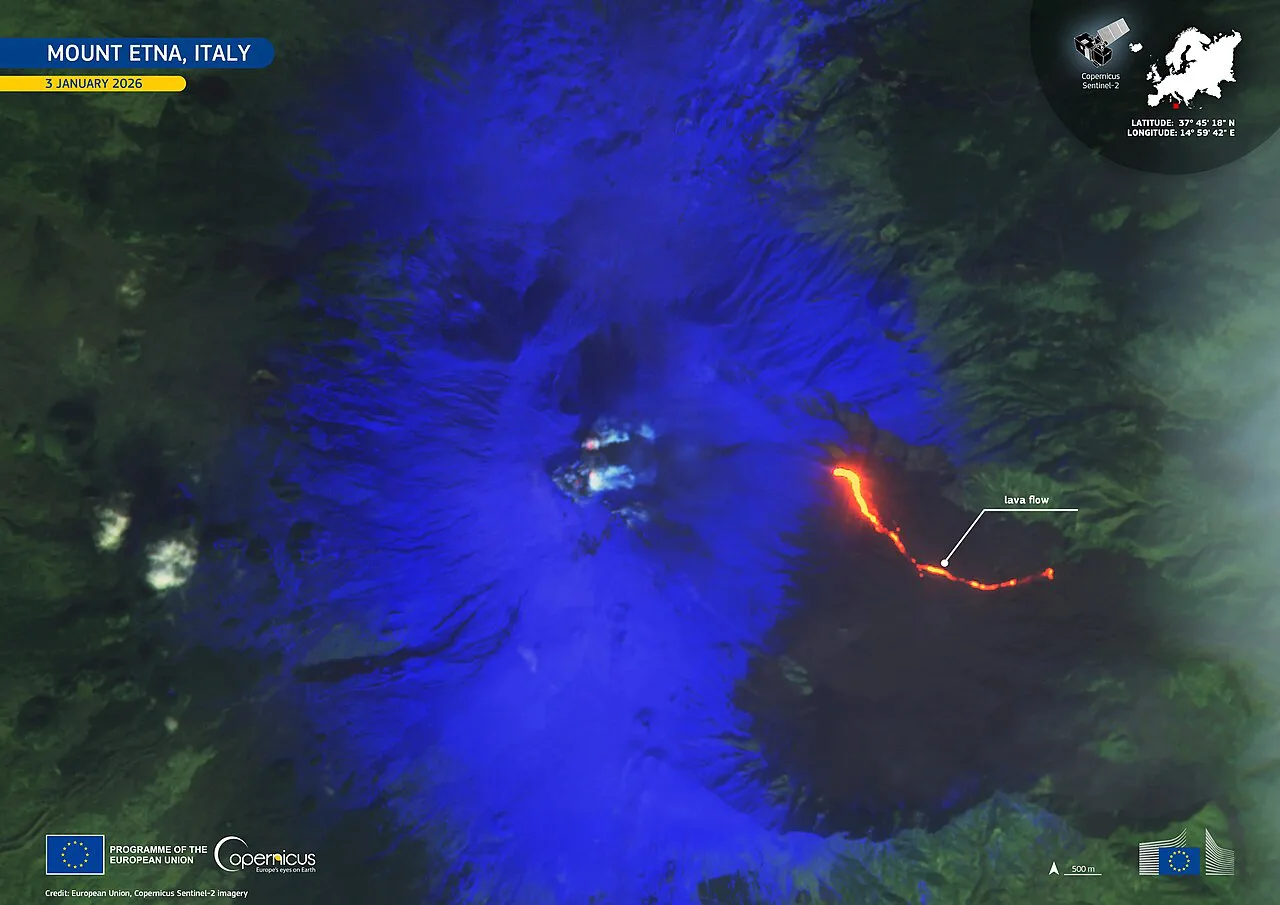
Monitoring is constant: INGV's Etna observatory records every tremor in real time. As of Lonely Planet's February 2026 guide, the summit craters had been off-limits since the August 2024 eruption. Routes change too. One hand-built lava path described in that guide was buried by new flow weeks later. Never approach a summit crater rim, since many accidents come from breaking that rule. At 2,900 m and 3,300 m you can feel altitude sickness, and the cure is descending below 2,500 m. Current status lives on our Etna activity page. Live conditions show on the summit webcam page. Eruption history is in our Etna eruptions guide. If the summit shuts, the same day still works.
- Walk older craters and lava tube routes on a guide-adapted route.
- Visit the Bove valley viewpoints where access allows.
- Explore the Grotto of Raspberries lava tube, one of the longest lava tunnels on Etna.
Beyond the standard hike
Other formats suit different budgets and fitness levels. For the wider picture, start with our Etna overview.
- Jeep: Go-Etna lists its jeep tour from €75 over 5 to 8 hours, which suits lift-and-view days. See the jeep tour guide.
- Sunset: Go-Etna lists a sunset 4x4 tour from €75, which suits photographers. See the sunset tour guide.
- Helicopter: a splurge for anyone who wants Etna from above. See the helicopter tour guide.
- Gorge: pair a summit-free morning with the Alcantara river gorge.
- Railway: ride the Circumetnea line around the base of the volcano.
Frequently Asked Questions
How long does it take to walk up Mount Etna?
A guided summit trek takes about six hours in total, with four to five hours on foot. Lonely Planet cites about 6 km, and the 4x4 or cable car removes much of the climb. Walking from Rifugio Sapienza to the Mountain Hut takes about 1.5 hours.
Is hiking in Mount Etna hard?
Lift-assisted treks are moderate, and Go-Etna rates its summit trek moderate. Loose ash makes walking tiring, and poles help. Lower-slope loops such as the 1 km Silvestri path are easy.
Is it safe to hike Mount Etna right now?
Safety depends on the day's volcanic activity, which authorities and guides track continuously. Go above the independent limit only with an accredited guide. Check current activity updates before you book a summit slot.