Mount Etna Eruption Flights: If Catania Airport Closes
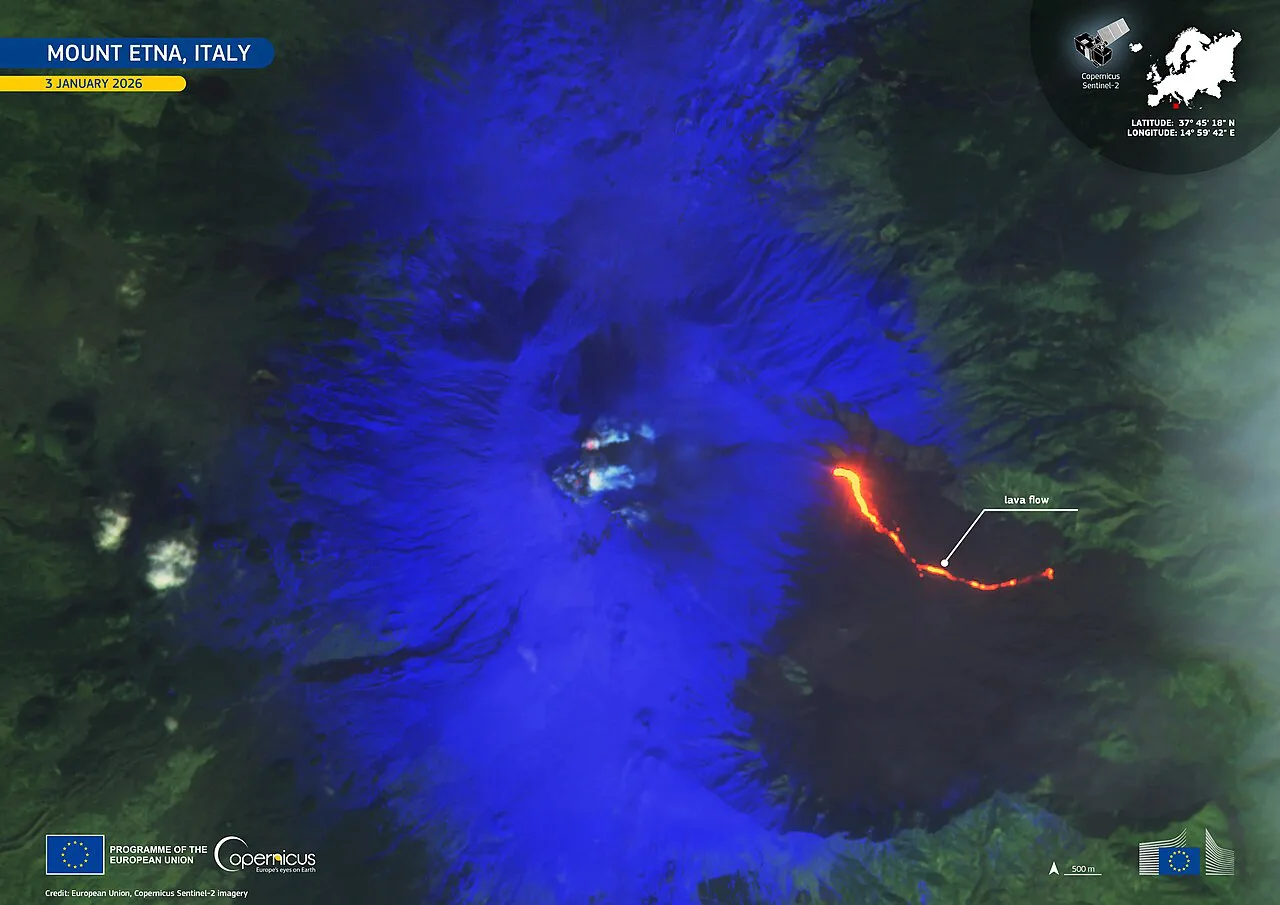
Last updated November 2026: mount etna eruption flights can be cancelled or diverted when ash drifts over eastern Sicily. Catania airport usually closes for hours to days, because ash is a hazard to aircraft. Check your airline and the airport operator first, then turn to Palermo, Comiso or ground transport. Airport status changes quickly, so treat this page as a playbook and not a live bulletin.
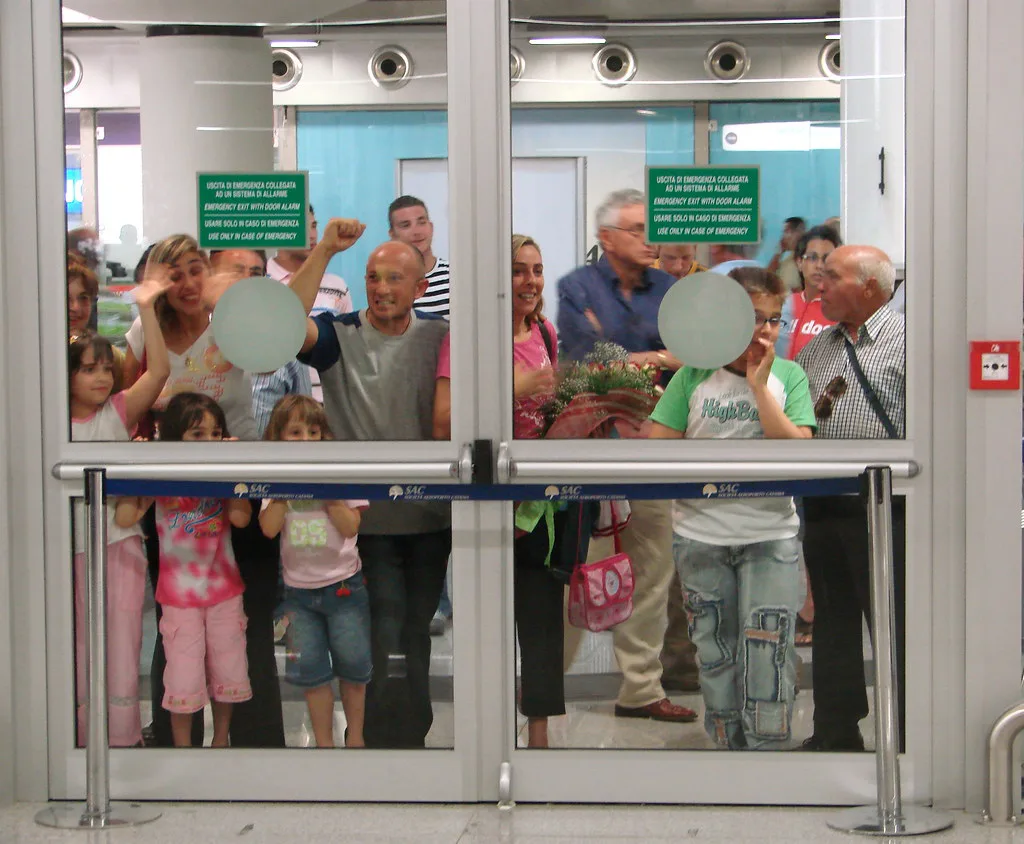
Featured image: Photocapy, CC BY-SA 2.0, via Flickr.
Can Etna really close Catania airport?
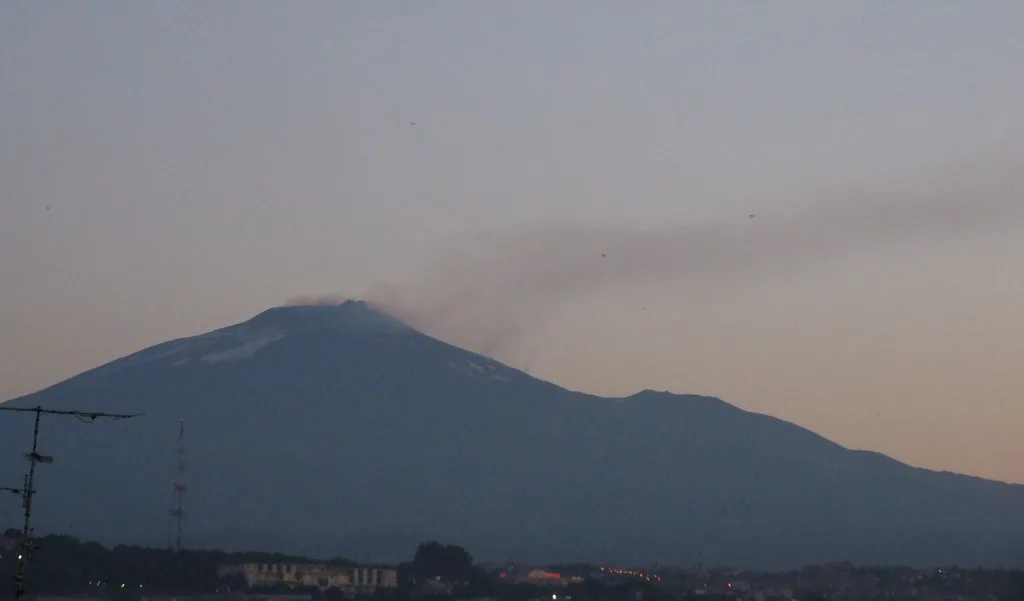
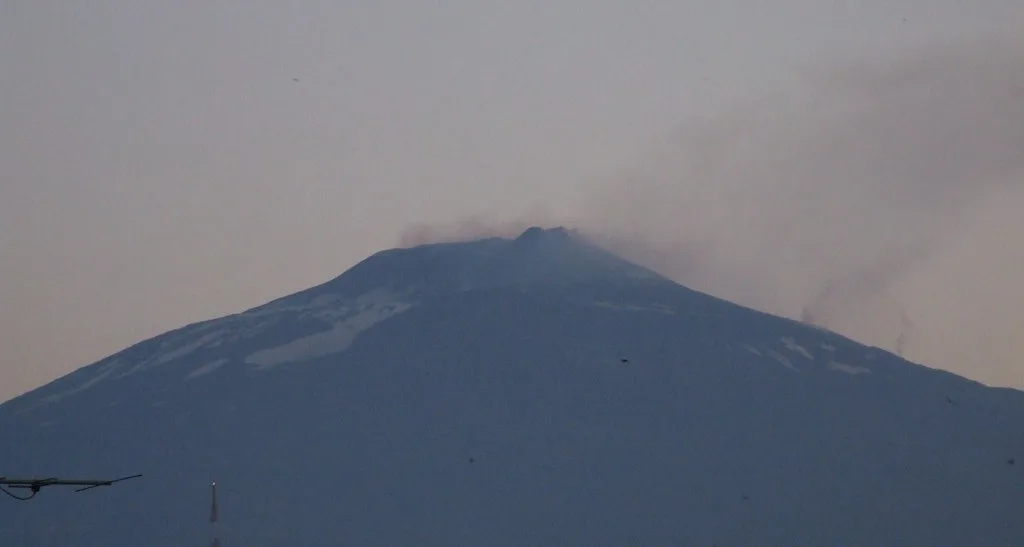
Yes. Vincenzo Bellini Airport (CTA) sits about 30 km (20 miles) south of the volcano. Ash can endanger aircraft, so regulators can restrict the airspace around eastern Sicily. Passenger notices come from the airport operator SAC, while airspace limits come from the Italian aviation authorities and the air-navigation provider ENAV. Wind direction and ash dispersal matter more than eruption size. A dramatic night of lava fountains may close nothing if the plume drifts away from the runways. A smaller emission under shifting winds can close the airport. Our guide to Etna's eruption types explains the difference. Closure notices are typically worded "suspended until at least" a stated time. That wording means the airport will reassess, and extensions are common while ash keeps falling.
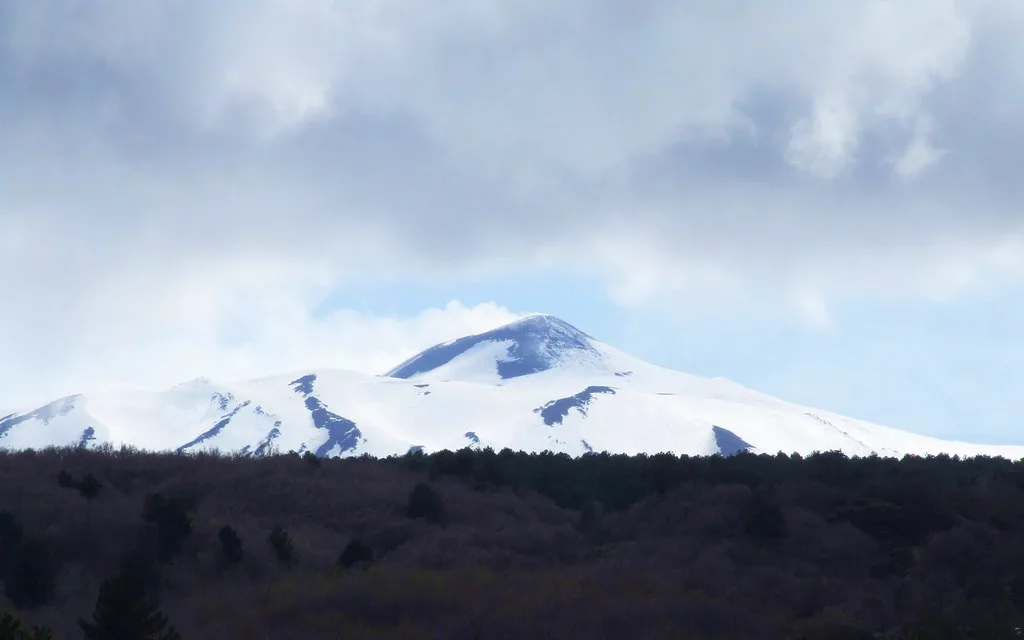
Mount Etna eruption flights: how to check your status
Work through the sources in a fixed order. Each step takes a few minutes and saves you from relying on rumor or social media.
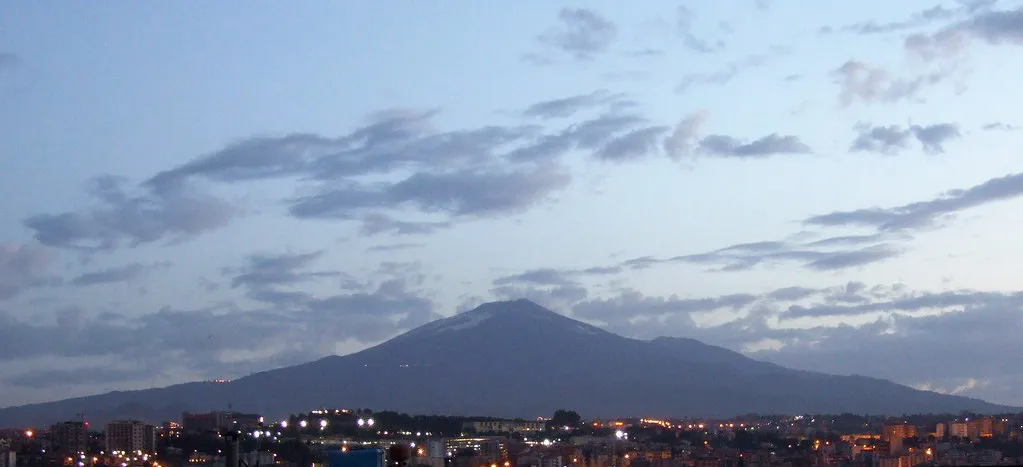
- Airline app or email: your carrier decides whether your specific flight operates, and it owes you rebooking information.
- Airport operator: the SAC Catania airport site posts passenger notices and flight status.
- Aviation notices: ENAV and the Italian civil aviation authority publish airspace restrictions. Search their official sites for the current notice.
- Volcano bulletins: INGV Osservatorio Etneo reports activity and ash-emission alerts for Etna.
- Visual check: the Etna webcams show whether a plume is rising, but they cannot tell you whether the airport is open.
If your flight is cancelled: your options
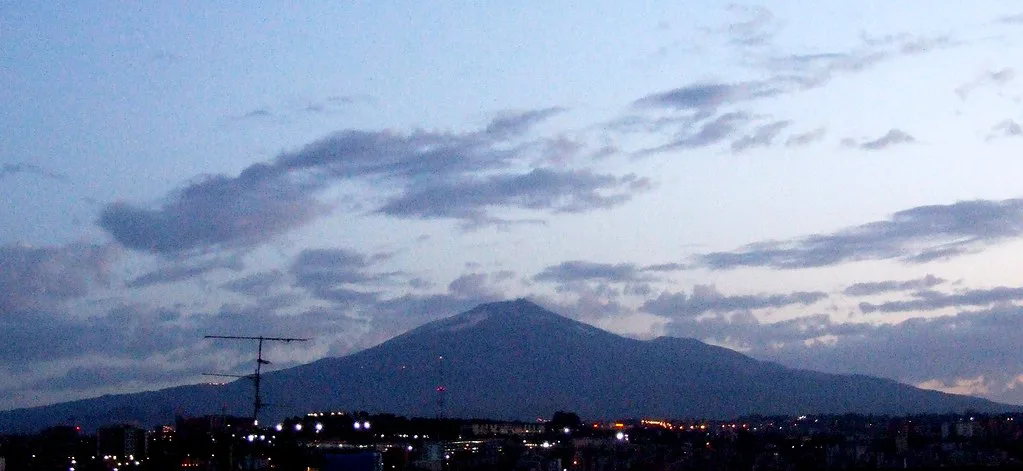
Pick an option by how much slack your trip has. Costs below are relative levels, because fares and transfers change daily. Check the operator's site for current figures.
| Option | Best for | Time and cost trade-off | Risk |
|---|---|---|---|
| Wait for CTA to reopen | Flexible travelers with a refundable hotel | Low cost, unpredictable time | Closure can be extended repeatedly |
| Rebook from Palermo | Travelers who must leave within a day | Medium cost, several hours overland | Palermo can be congested with diverted flights |
| Use Comiso if open | Travelers heading to the south-east | Medium cost, shorter transfer | Comiso has suspended traffic in past events |
| Go overland to another airport | Groups with a firm connection | Highest cost if you rent a car one way | Fatigue and one-way drop-off fees |
- First 24 hours: screenshot the cancellation notice and keep every receipt.
- Ask your airline in writing for rebooking or a refund, and note its answer.
- Extend your hotel night before nearby rooms fill up.
- Message tour and car-rental providers before your pickup time.
Alternative airports and ground routes
Palermo is the main fallback. During an earlier closure, Palermo's mayor said the airport took in around 190 flights originally bound for eastern Sicily. That volume strained the airport, so expect crowds. Comiso, a smaller airport south of Catania, suspended traffic late one evening in that event and reopened the next day. Treat both as options and not guarantees. Malta's airport reported delays when ash drifted south, so it is not a practical swap. Overland, the rail corridor runs Palermo–Messina–Catania. Trenitalia added six trains on it during a past closure, but that was an event-specific response and not a standing service. Our guide to reaching Etna from Palermo covers the ground leg in detail. When the airport reopens, getting from Catania to Etna is the easier route.
Compensation, care and insurance
Volcanic eruptions generally count as extraordinary circumstances under EU Regulation 261/2004. Airlines may therefore owe no cash compensation for an ash cancellation. Care duties such as meals, accommodation and rerouting generally still apply, but read your airline's official wording and the EU air passenger rights pages for your case. Keep boarding passes, cancellation notices and every receipt. Travel insurance often excludes events you knew about when you bought the policy, so read the exclusions before you rely on it. Ask your insurer directly whether volcanic disruption is covered.
Protect your Etna plans

Flights are only one risk. Etna excursions can be restricted by activity levels even when planes are flying. Start with guided Etna tours and ask each provider about its change policy. A jeep tour and a sunset tour both depend on access and conditions. The same applies to a helicopter tour, which also depends on air traffic and visibility. Tell providers about a cancelled flight as early as you can. Many will rebook if you ask before the start time.
- Mistake to avoid: booking a non-refundable tour for your first morning after a late arrival.
- Mistake to avoid: paying for a one-way car rental before you know which airport you will reach.
- Better: book flexible activities and confirm hotel check-in times for late arrivals.

Planning to reduce risk
Build slack into the trip. Add a buffer day at each end, and choose a flexible fare if your onward connection is firm. Book a long-haul connection with a long layover, not a tight one. A base on the Etna side, such as Nicolosi, keeps you near the mountain, while the coast keeps you near the airport. Our guide to Hotels Near Mount Etna: Best Areas to Stay by Side & Trip Type compares both. Disruption can happen in any season, so no month is guaranteed safe. See the best time to visit Etna for weather and crowds.
In August 2024, Catania closed for a third time within a month, so leave room for repeat closures before paying for fixed connections.
What is Mount Etna, and how often does it disrupt travel?
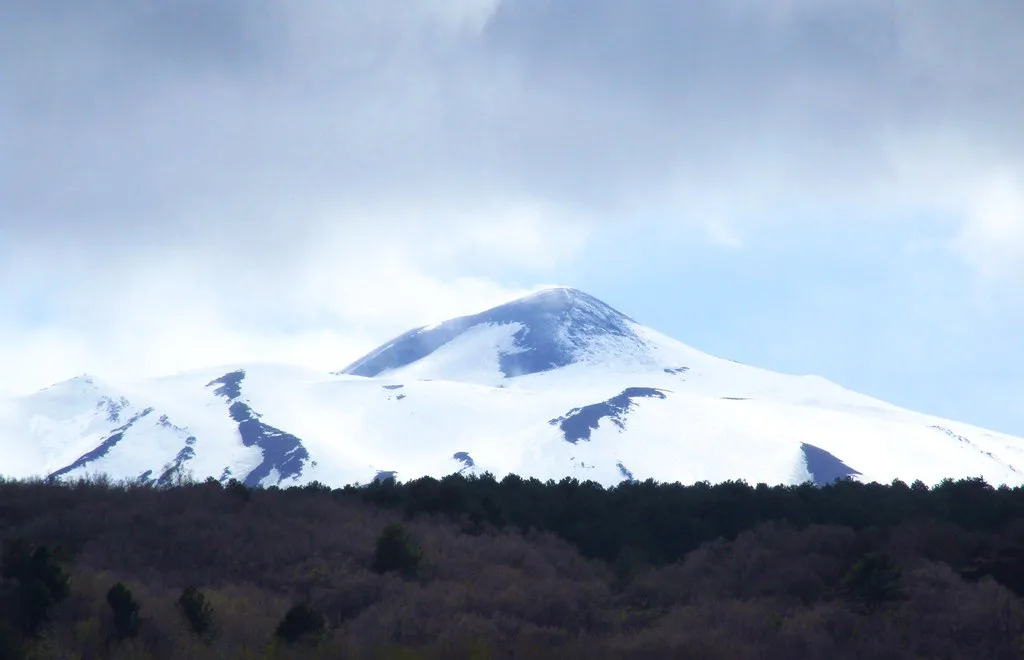
Etna is a stratovolcano of roughly 3,400 m (about 11,100 ft) on Sicily's east coast. Its height changes with activity. It shows near-constant low-level activity, with more pronounced eruptions fairly often. In August 2024, flights were halted at Catania for the third time in about a month. Read the Mount Etna Facts: Height, Age, Eruptions & Safety for the basics. The guide on what type of volcano Etna is explains why ash can spread so far. To judge current behavior, see whether Etna is active.
Pair this with our broader tourism attractions guide for the full city overview.
Frequently Asked Questions
Why can't planes fly through ash?
Volcanic ash is made of tiny abrasive rock and glass particles. It can damage engines and windscreens and reduce visibility. Regulators therefore restrict airspace until the plume clears.
What is the current situation on Mount Etna?
Conditions change daily, so no article can state them reliably. Check the INGV Osservatorio Etneo bulletins for volcano activity and the SAC Catania site for airport status.