Mount Etna Facts: Height, Age, Eruptions & Safety
Last updated November 2026. These Mount Etna facts cover the height, type, age and eruption record of Europe's tallest active volcano, which rises on Sicily's east coast near Catania. Each fact comes with a note on what it means for a visit. For trip planning beyond the numbers, start at our Mount Etna guide.
Featured image: Cayambe, CC BY 4.0, via Wikimedia Commons.
Mount Etna at a glance
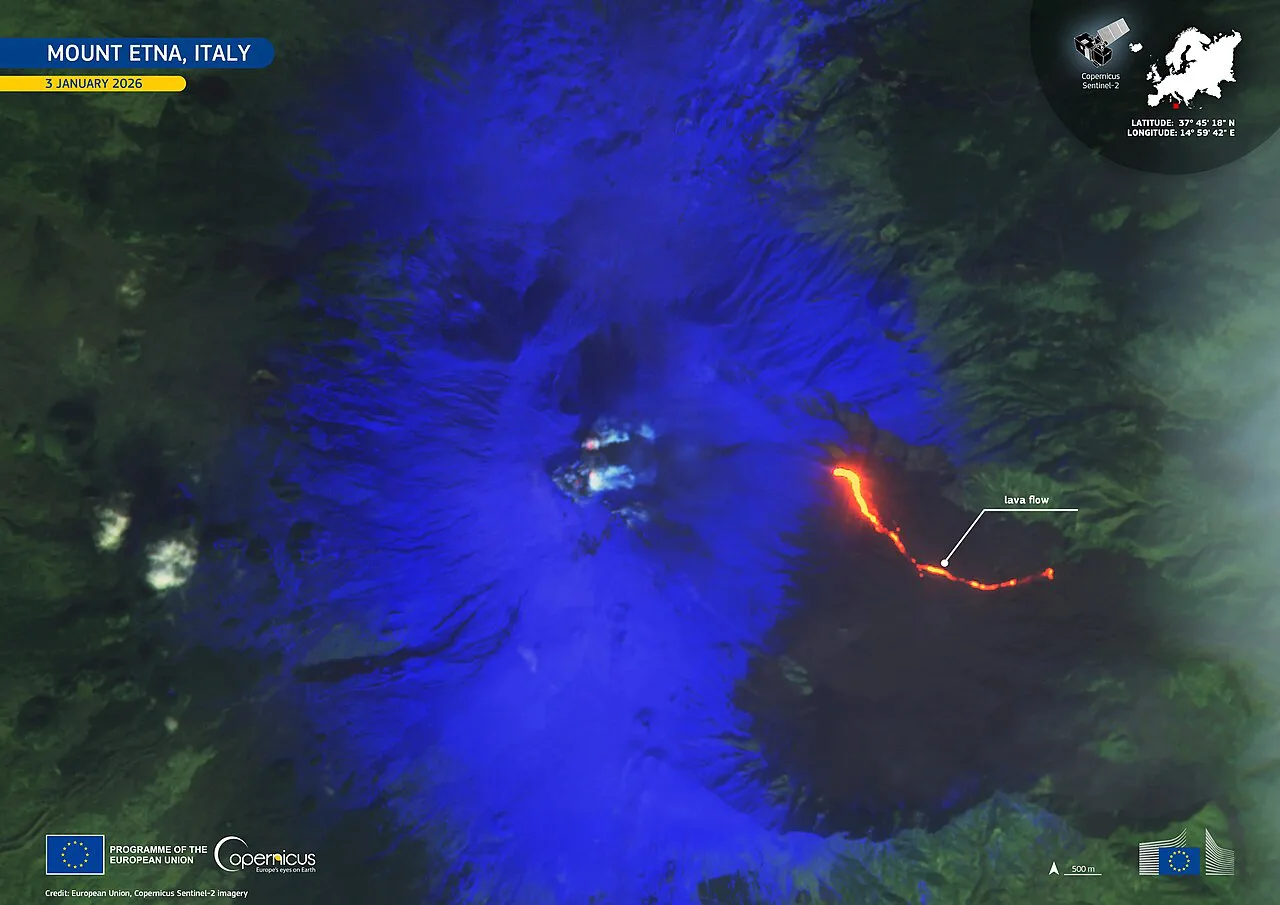
Etna is an active stratovolcano on the east coast of Sicily, and it is among Europe's most active volcanoes. Widely quoted figures put its summit at about 3,403 m (10,906 ft). It covers roughly 1,190 km². UNESCO listed it as a World Heritage Site in 2013. For the geology behind the label, read what type of volcano Etna is.
| Fact | Detail |
|---|---|
| Location | East Sicily, Italy |
| Type | Active stratovolcano |
| Height | About 3,403 m (10,906 ft), varies with eruptions |
| Area | About 1,190 km² |
| UNESCO listing | 2013 |
| Activity | Near-constant summit activity |
| Nearest city | Catania |
Why Mount Etna facts differ between sources
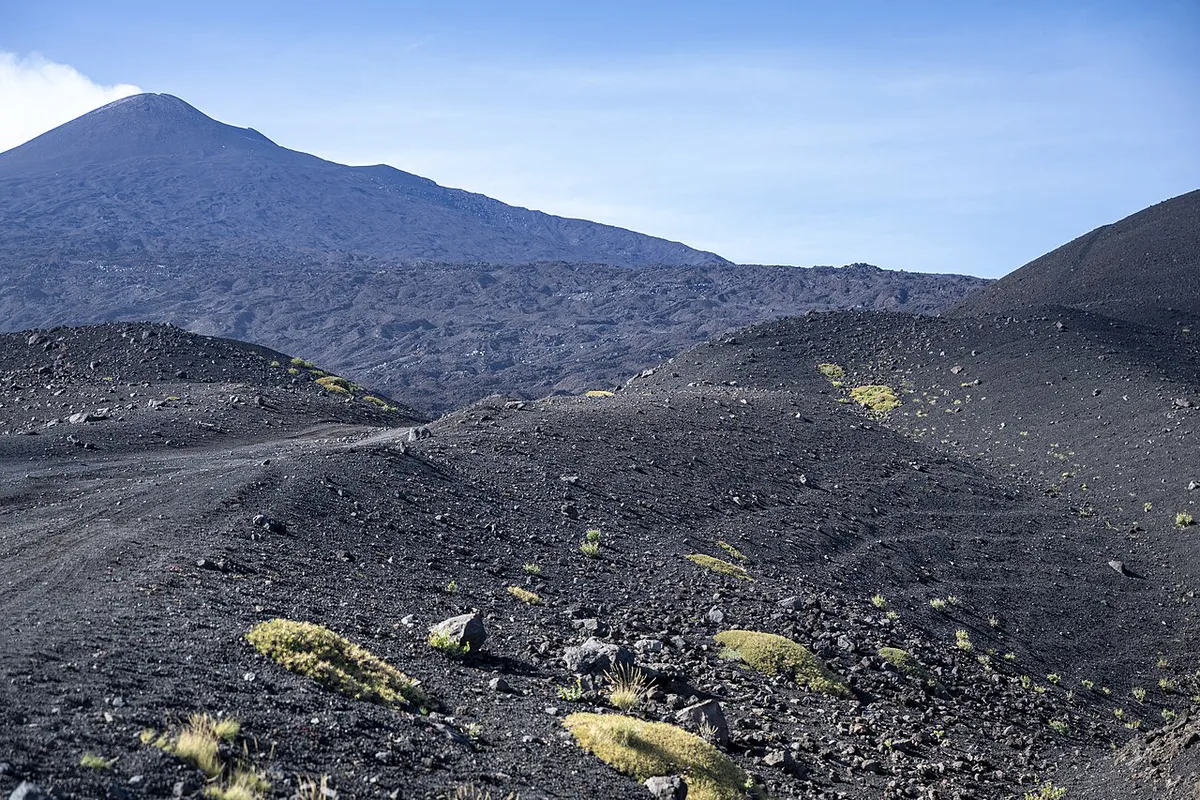
Etna's summit is not a fixed point. Eruptions build new cones and collapse old craters, so the height changes from year to year. INGV's Osservatorio Etneo publishes current survey results. Treat any single number as a snapshot. Age is also contested, because sources count different starting points.
| Fact | Typical range | Why it varies |
|---|---|---|
| Height | About 3,400 m | Summit cones grow and collapse |
| Age of recent activity | About 500,000 to 560,000 years | Counts the current eruptive phase |
| Age of volcanism | Up to 2.6 million years | Counts the earliest underwater activity |
| Eruption deaths | About 77 on record | Depends on which incidents are attributed |
How active is Etna, and how is it monitored?
Etna erupts at its summit craters, in Strombolian bursts and from flank fissures. Summit activity often comes before a flank eruption. Nobody can name the date of the next one. INGV tracks seismicity and ground deformation, which can flag magma moving into a flank in the short term. Read our guide to Etna's current activity for the present picture. A full record sits in our eruption history page. For a live view, use the Etna webcam rather than relying on a dated article.
Mount Etna eruption history timeline
Records list 71 eruptions between 1500 BC and 1669, and 26 more between 1669 and 1900. These dates stand out.
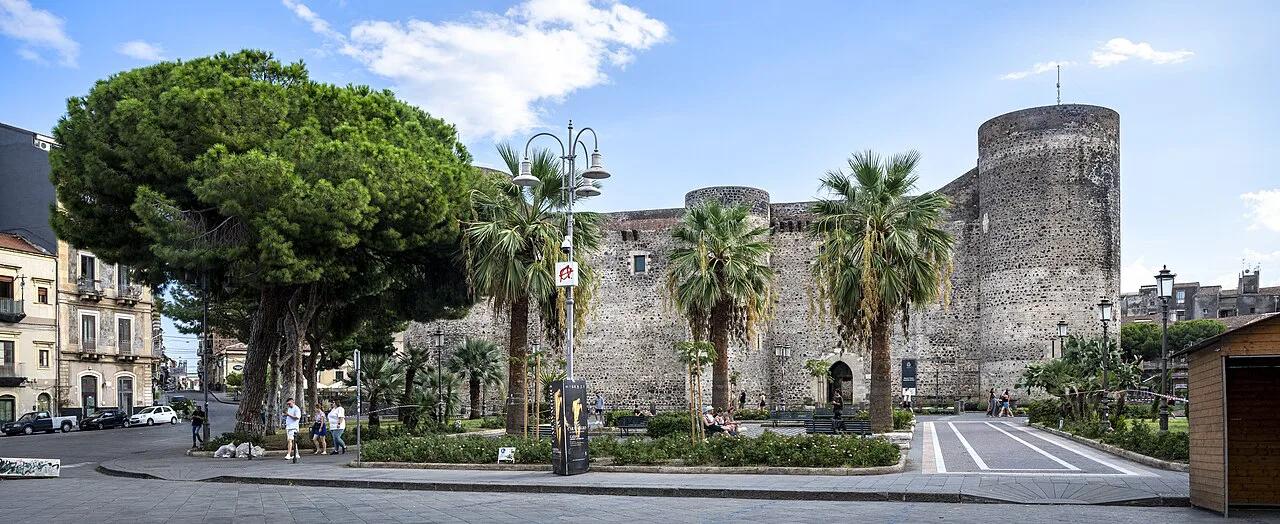
Flank barriers were built in 1983, 1991 and 2001, centuries after the 1669 eruption that buried part of Catania.
- 1381: lava reached the Ionian Sea.
- 1669: the most destructive historical eruption. It formed Monti Rossi, Etna: Walk, Craters and Adventure Park Guide and buried part of Catania. Read the 1669 eruption story.
- 1928: lava buried the village of Mascali and cut the railway around the base.
- 1983, 1991 and 2001: crews built earth barriers and dug channels to steer lava flows on the southern flank.
- 1669 also saw the first documented attempt to divert a flow, using a trench above the village.
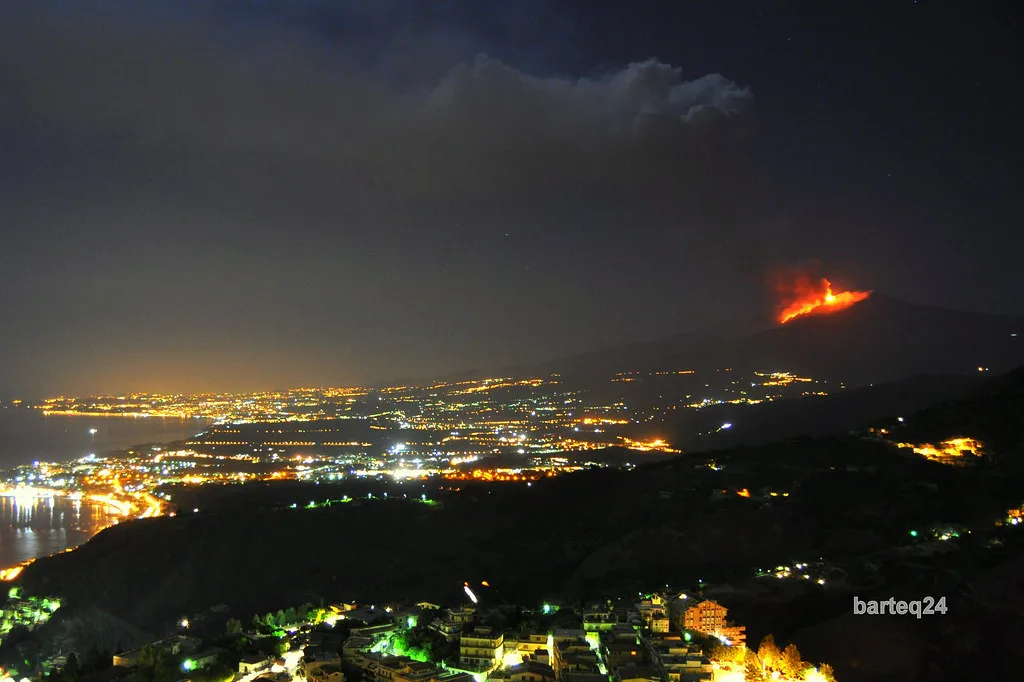
Is Etna dangerous? Safety facts
About 77 deaths are attributed to Etna eruptions in recorded history. That is low for a volcano this active. Eruptions are rarely violently explosive, and lava moves slowly away from the vent. Most victims were in restricted areas, such as nine tourists killed near Bocca Nuova in September 1979. Two more died near the summit in 1987. One 2023 count put lightning deaths at three since 1999, so storms matter on the upper slopes. Ash can also close Catania airport. Check Etna weather conditions before any ascent. Do not go to the summit area alone. Fog hides landmarks, and access limits change with activity.
| Fact | What it means for you |
|---|---|
| Summit craters | Go with a certified guide; see summit crater access |
| Access limits | Altitude limits change on the day with activity |
| Storms and fog | Turn back if weather turns unstable |
| Ash | Check flight status if you fly into Catania |
Landscapes, wildlife and UNESCO status
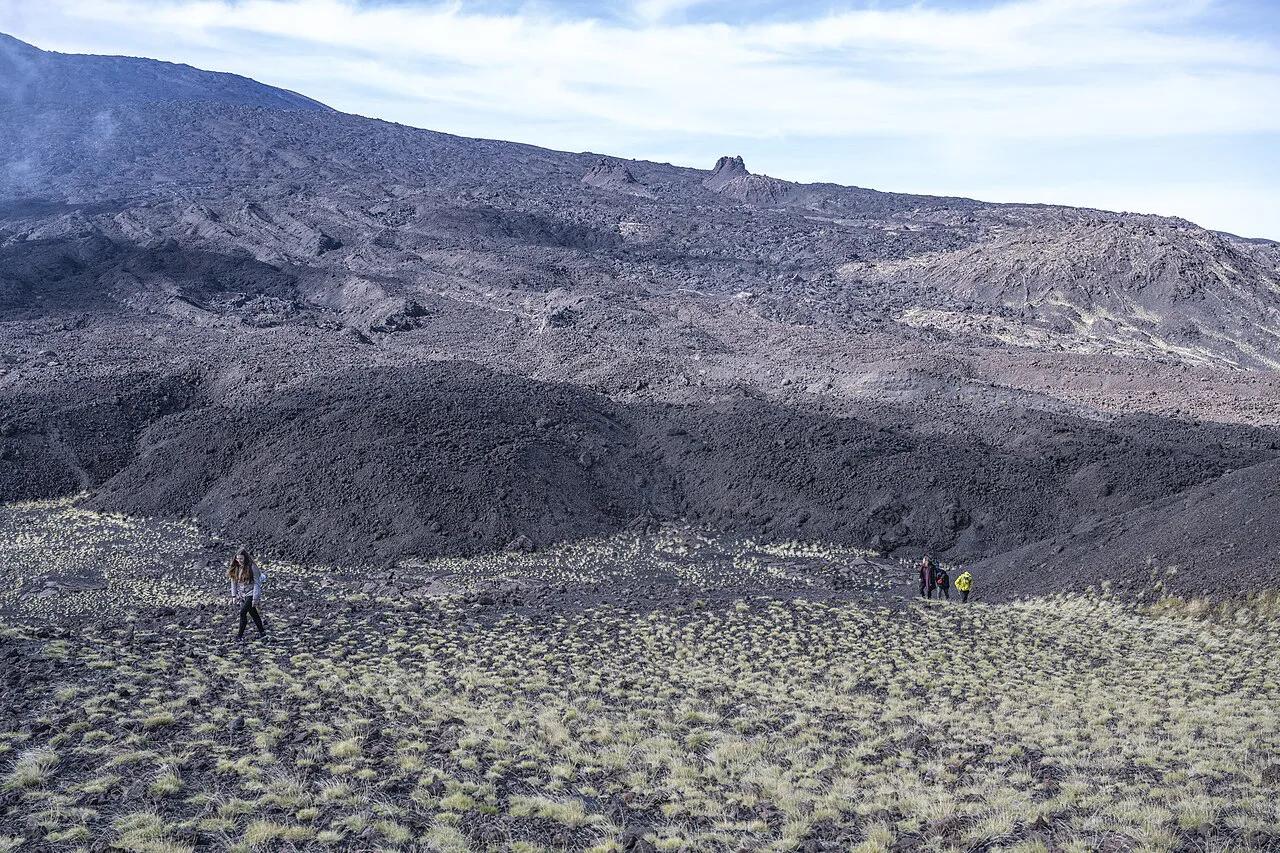
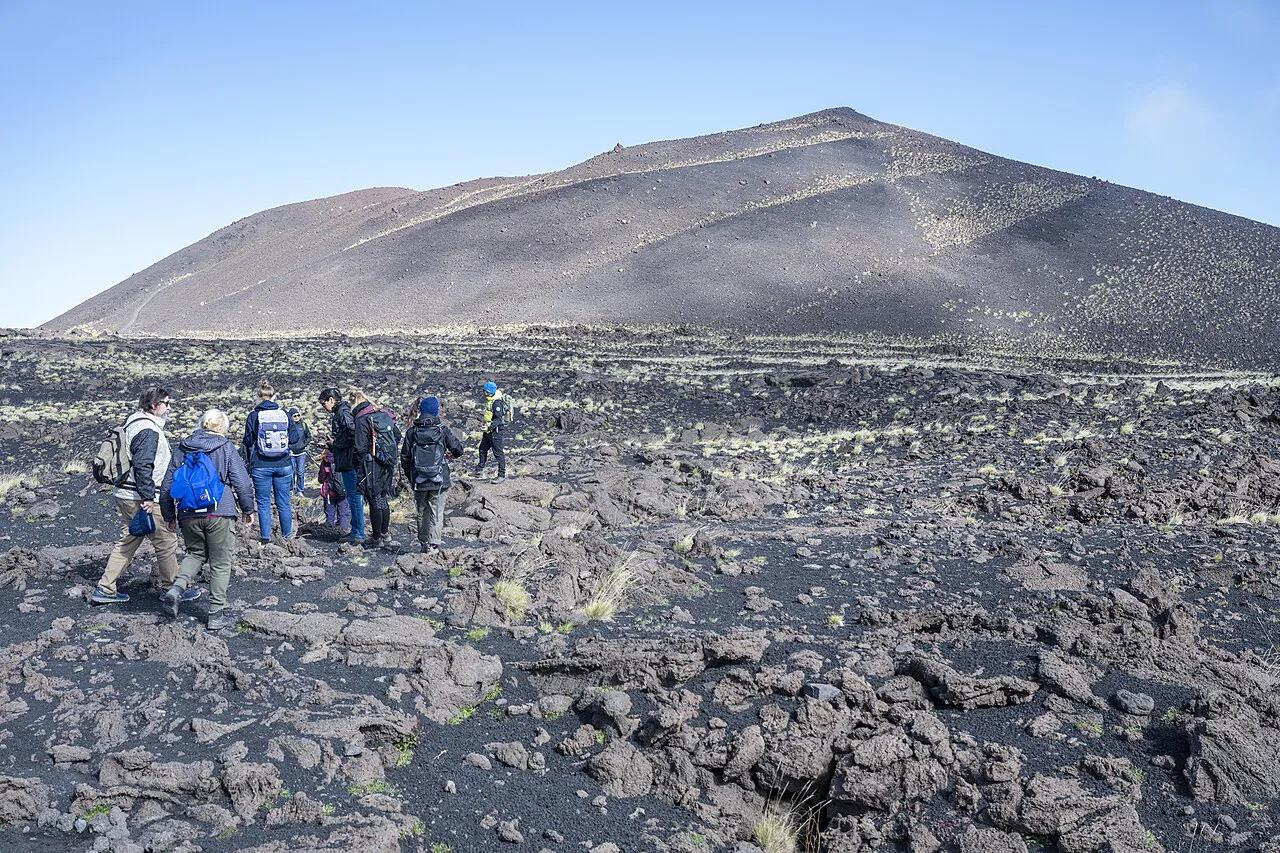
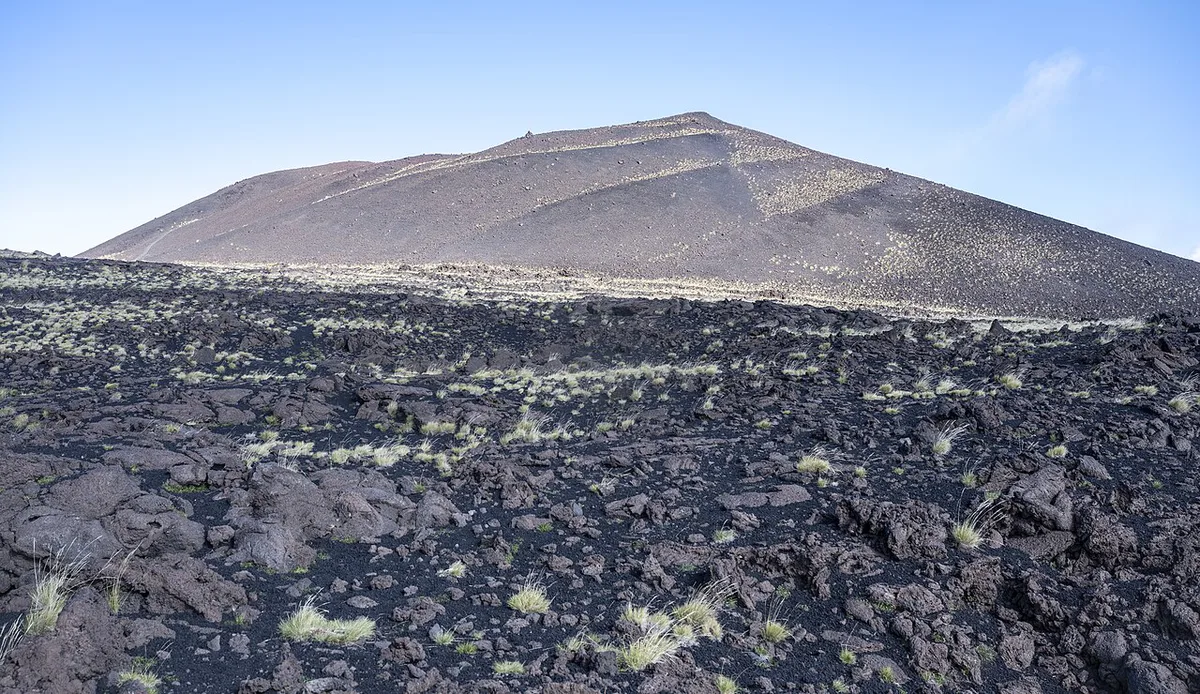
Etna packs vineyards, beech and pine forest, endemic Etna birch and bare black lava into one mountain. Plants thin out as you climb, and Etna broom colonizes fresh lava. Valle del Bove, Etna: How to See It and Stay Safe is a vast depression on the eastern flank. The Silvestri Craters, Etna: Walk, Access & Tips are an easy crater walk on the south side. Lava tubes include the longest cave, Three Levels Cave, at about 1,150 m. Grotta del Gelo holds perennial ice. For a visitable tube, see Grotta dei Lamponi, Etna: Lava Tube Access & Hike Guide. At the base, Alcantara Gorge Guide: Access, Timing and Tips shows older basalt.
Etna flora and fauna facts: species that live on the lava
Etna's plant life changes in bands with altitude, and several species grow nowhere else. The mountain sits inside Parco dell'Etna, a regional park created in 1987 that covers roughly 59,000 hectares.
| Zone (approximate) | What you see |
|---|---|
| Lower slopes | Vineyards, orchards, pistachio and citrus groves on volcanic soil |
| Middle slopes | Oak, chestnut, then beech and pine woodland |
| Upper slopes | Etna birch, sparse shrubs and cushion plants |
| Summit area | Bare lava, ash and cinders with almost no vegetation |
Endemic and typical plants
- Etna birch (Betula aetnensis) is endemic to the mountain.
- Etna broom (Genista aetnensis) colonizes fresh lava and flowers yellow in early summer.
- Etna violet (Viola aethnensis) grows on cinder slopes at altitude.
Animals
The park shelters red fox, crested porcupine and European wildcat, plus birds of prey such as golden eagle and peregrine falcon. Most mammals are shy and active at dusk, so you are more likely to see birds and tracks than animals.
These facts affect timing. Broom and wildflowers peak in late spring and early summer, while beech woods turn colour in autumn. Our guide to the best time to visit Mount Etna matches the seasons to the access conditions on each side of the mountain.
Living on the volcano
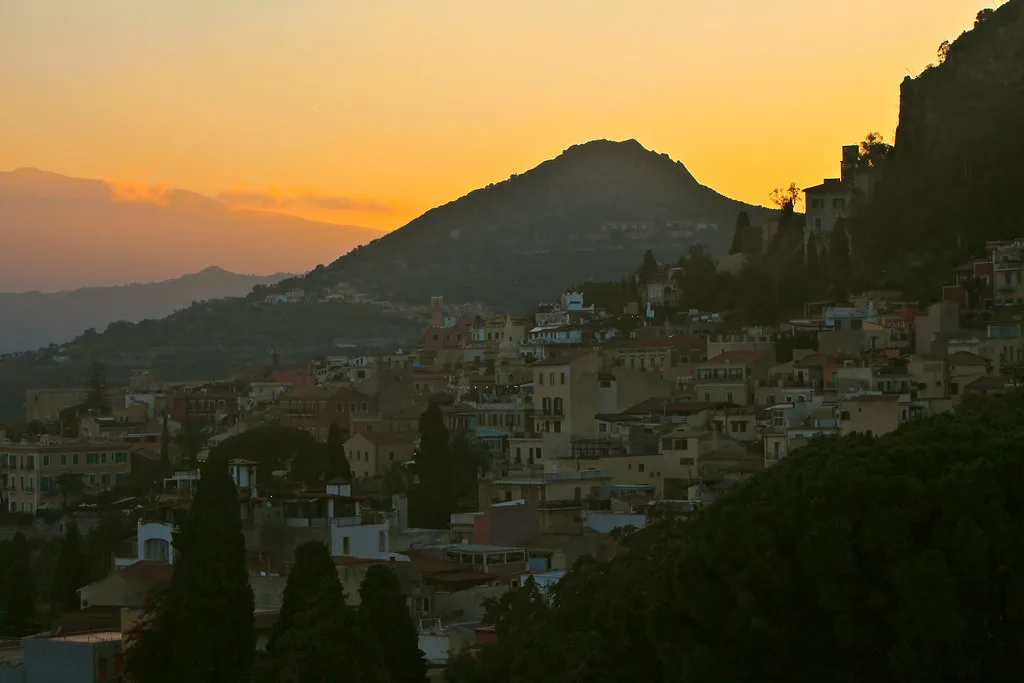
The name comes from the Greek Aitne, linked to the verb meaning "I burn." Locals call the mountain Mungibeddu. Greek myth placed the forge of Hephaestus and the giant Typhon beneath it. Fertile volcanic soil supports vineyards and orchards. Villages on the slopes include Nicolosi, Zafferana Etnea Guide: What to Do, Honey & Etna Views and Linguaglossa. All have felt lava or ash. The Circumetnea Railway: Route, Current Service Status & Tickets (2026 Guide) was built between 1889 and 1895 and circles the base for about 68 miles.
Visiting Etna: facts that change your plan
Most visits start at Rifugio Sapienza, at about 6,267 ft on the south side. The Rifugio Sapienza guide covers that base. The Funivia dell'Etna runs from there, and operations depend on weather and activity. Protected-area rules are published by Parco dell'Etna. Our north versus south comparison helps you pick a side. If you start in Catania, see getting from Catania to Etna.
Rifugio Sapienza sits at about 6,267 ft, so the storm and fog warnings for upper slopes apply from the first stop.
| Option | Best for | Main trade-off |
|---|---|---|
| Cable car and Rifugio Sapienza (south) | First-timers with limited time | Busiest side; see cable car details |
| North side, Piano Provenzana | Quieter forest and lava scenery | Longer drive; see Piano Provenzana: Etna North Side Access and Seasons |
| Guided summit-crater trek | Fit hikers who want the top | Needs a guide; see Etna hiking |
| Half-day versus full-day from Catania | Tight schedules | Full days reach more; compare Etna tours |
Guided ways to see Etna: jeep, helicopter and trekking
Because the upper craters can close at short notice, most visitors who want more than the cable-car station book a guided option. The main formats differ in how much ground they cover and how much walking they need.
| Format | Best for | What to know |
|---|---|---|
| 4x4 or jeep tour | Reaching craters and lava fields without long walks | Stops are set by the guide on the day; see the Mount Etna jeep tour guide |
| Helicopter flight | Seeing the whole summit area and the scale of the Valle del Bove | Flights depend on weather and activity; see the Mount Etna helicopter tour guide |
| Guided trek | Fit walkers who want the high craters | Altitude limits are set by the authorities and can change the route |
| Lava-tube visit | Seeing how flows form underground | Helmet and torch are normally supplied by the operator |
Check these points before you book:
- Ask which altitude the operator can legally reach given current activity limits.
- Confirm that the guide is certified for volcanic terrain, not only a driver.
- Pack layers. The summit area can be far colder than Catania, even in summer.
- Ask about the cancellation policy, because wind, fog and eruptive activity can stop departures.
Operators and fares change by season, so confirm current prices and meeting points directly with the provider.
Frequently Asked Questions
How many times does Etna erupt?
Etna erupts often, but the count depends on how you define an eruption. Records list 71 eruptions from 1500 BC to 1669 and 26 more from 1669 to 1900. Summit activity today is near-constant.
Which is bigger, Vesuvius or Etna?
Etna is far larger in both height and footprint, at about 3,403 m and 1,190 km². It is also far more active. Our Etna and Vesuvius comparison sets the two side by side.