Best Time to Visit Mount Etna: Month-by-Month Guide
Last updated November 2026: the best time to visit Mount Etna is late spring or early autumn, when the upper mountain is usually reachable and the cold is manageable. Summer gives the longest bus schedule and the clearest views, while winter brings snow, skiing and a Snowcat in place of the 4x4. Your goal matters as much as the month, so use the picker below, then check live conditions on the day.
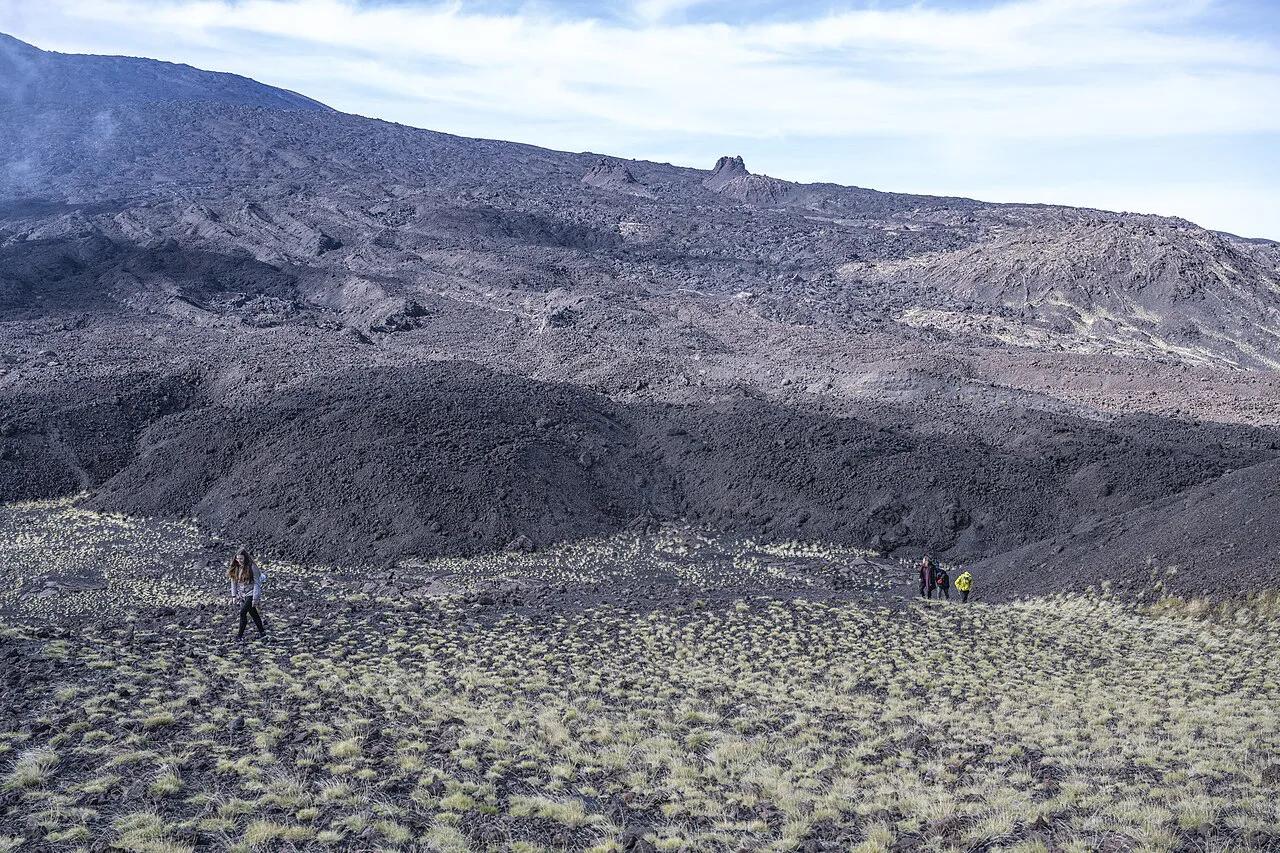
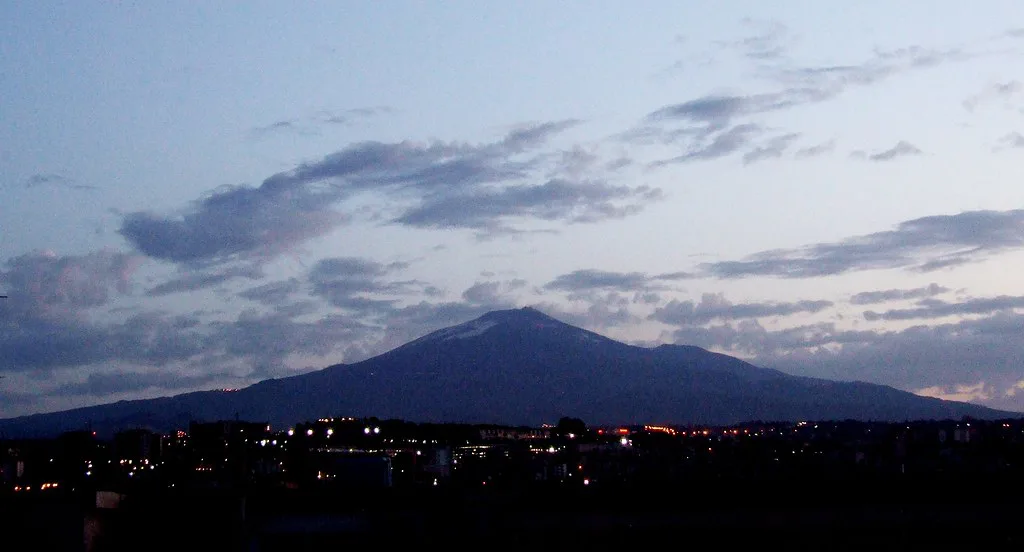
Featured image: gnuckx, CC0 1.0, via Flickr.
Best Time to Visit Mount Etna: The Short Answer
In our editorial assessment, late spring and early autumn are the safest default windows. You get usable access to the upper mountain without the peak-summer crowds or the full winter snow. Summer wins on convenience, because an extra AST bus runs from June 15 to September 15. Winter wins if you want snow, and our complete Mount Etna guide covers the mountain itself. Use the table to match your goal to a season.
| Your goal | Best season | What to expect |
|---|---|---|
| Easiest summit access | Late spring to early autumn | Cable car and 4x4 usually run; weather still decides |
| Snow, skiing and sledding | Winter | Snowcat replaces the 4x4; heavy layers needed |
| Sunset | Summer and early autumn | Long evenings; cold after dark |
| Hiking | Spring and autumn | Cooler walking, firm paths; clouds form fast |
| Wine and harvest | Autumn | Vendemmia grape harvest; Ottobrata festival in Zafferana |
| Fewer crowds | Shoulder months | Quieter queues; check cable car hours |
Season-by-Season Breakdown: Spring, Summer, Autumn, Winter
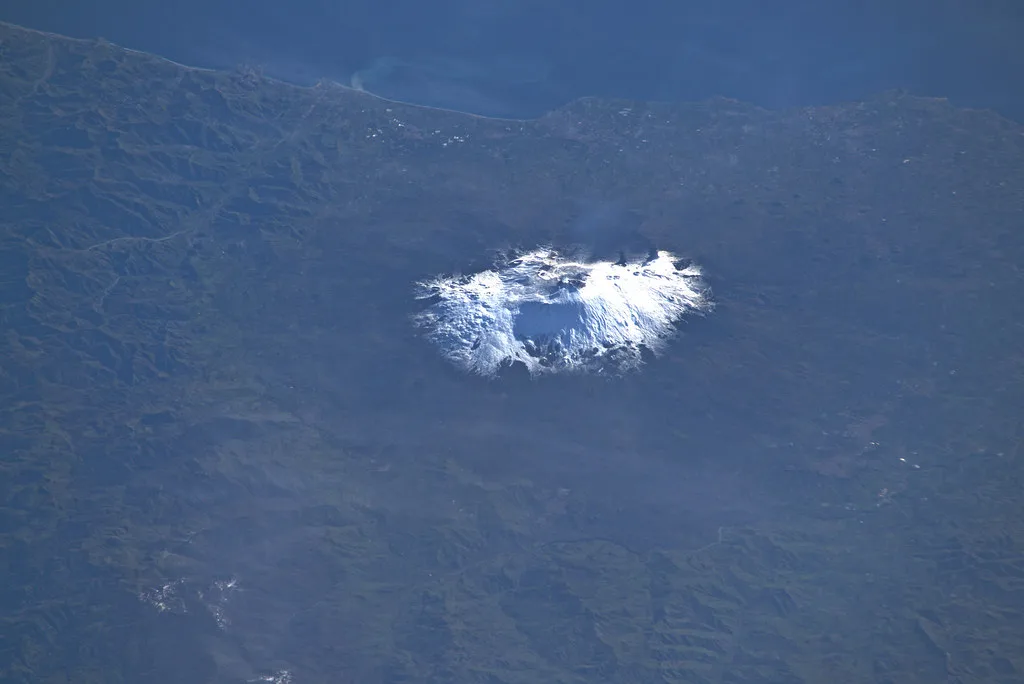
Each season changes access, views, crowds and cold in a different way. Use the list below to weigh the trade-offs against your own fitness and budget.
- Spring: Mild lower slopes and cooler walking suit the best Etna hikes. Expect patches of snow high up early in the season. Crowds build toward summer.
- Summer: Clear views are most likely, and tours run most often. Peak summer also means the busiest cable car queues and the extra 11:30 bus. A jacket is still needed at the top.
- Autumn: Cooler air, quieter paths and the grape harvest on the lower slopes. Zafferana Etnea hosts the Ottobrata festival, described locally as running all month. Confirm festival dates before you plan around them.
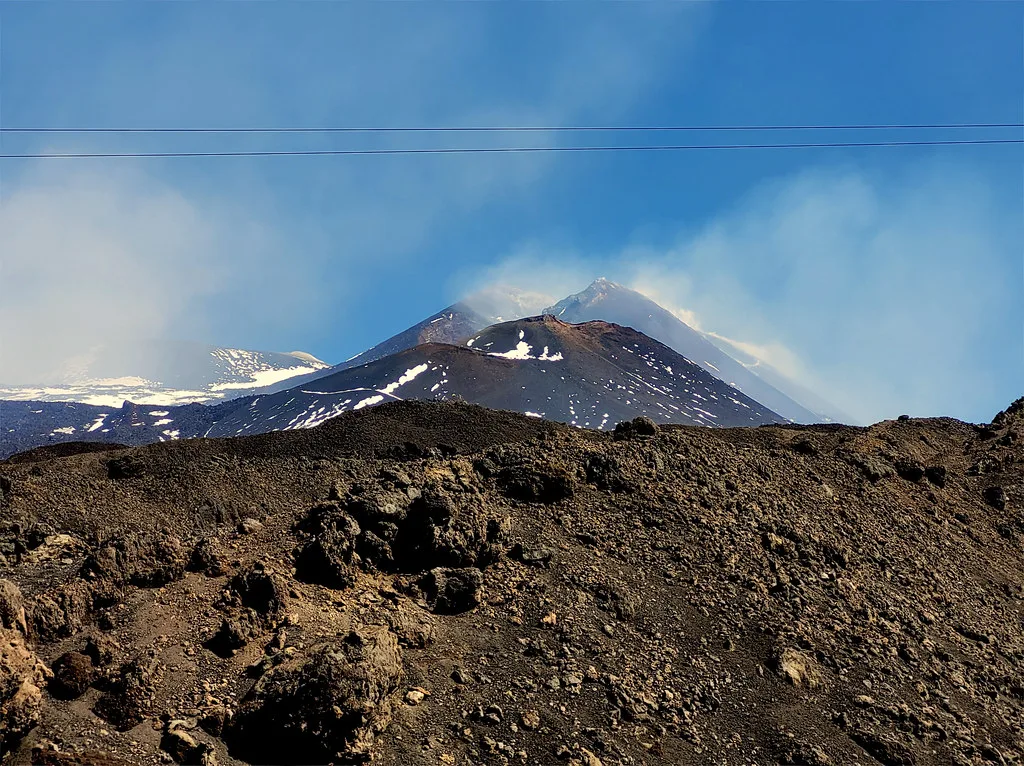
- Winter: Etna is almost always snow-covered. A Snowcat replaces the 4x4 on guided trips, and skiing, sledding and snowshoe treks are possible. Our Etna skiing guide covers the slopes.
- Weather rule for every season: Etna makes its own weather, and clouds form quickly even on clear days.
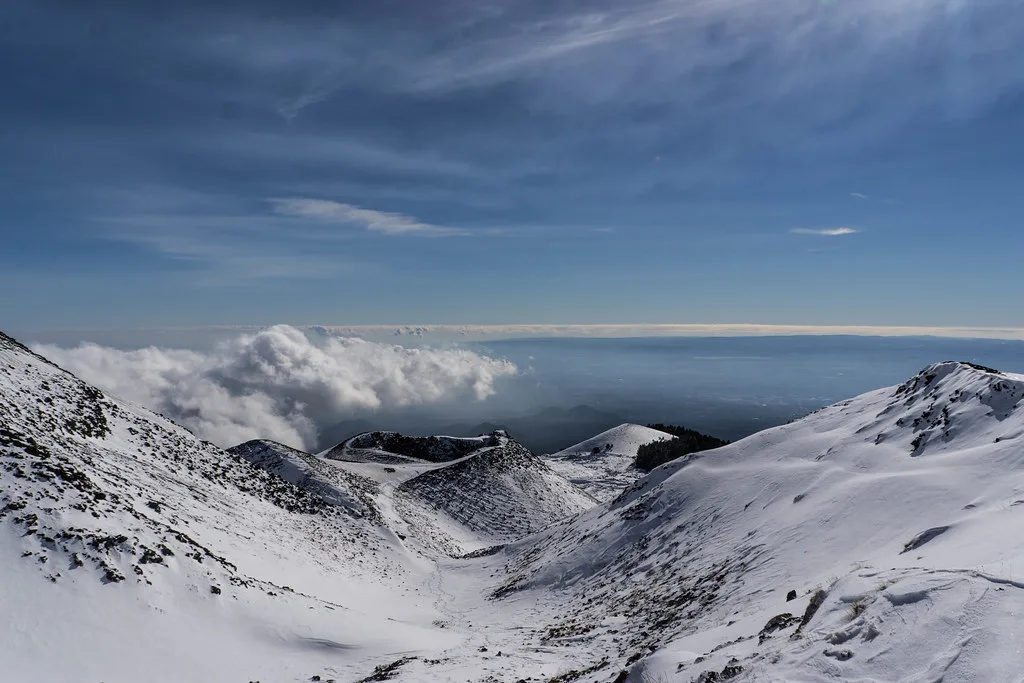
Month-by-Month Cheat Sheet for Mount Etna
Conditions vary each year, so this table uses relative terms only. A mid-November 2026 forecast for the Etna area showed highs from 19°C (66°F) to 22°C (72°F) at low altitude. Lows dropped to 9°C (48°F), and the summit is much colder than any of these figures. Our Etna weather page tracks the pattern in more detail.
| Month | Base vs. summit feel | Snow likelihood | Crowds and prices | Best use |
|---|---|---|---|---|
| December to February | Cold base; very cold summit | High | Quiet, except snow weekends | Snow day, Snowcat tour |
| March to April | Cool base; cold summit | Moderate, fading | Rising | Lower-crater walks |
| May to June | Mild base; cool summit | Low at the top only | Moderate to high | Summit access, hiking |
| July to August | Hot base; cool summit | Very low | Highest | Sunset tours, long days |
| September to October | Warm base; cool summit | Low, returning late | Moderate, falling | Hiking, harvest |
| November | Mild base; cold summit | Rising | Low | Quiet visits, early snow |
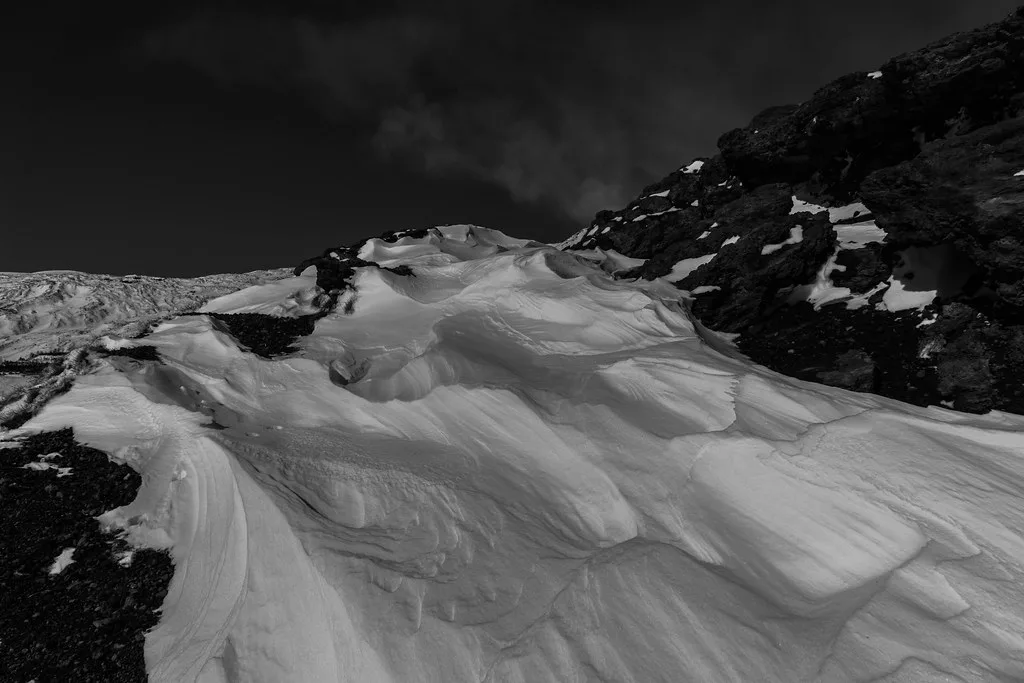
Time of Day Matters as Much as the Month
Morning usually gives the clearest sky before clouds roll over the top. Midday is the busiest period at the cable car and the car parks. Sunset tours offer soft light, and a typical 5-hour trip costs €60–65 per person in a group of 5. Those tours stop at Valle del Bove, the Silvestri Craters and Piano Vetore. Our Etna sunset tour guide explains the format. Temperatures fall fast after sunset, so pack for winter conditions even in July. Before you leave, look at the live Etna webcam to see whether clouds sit on the summit.
Eruptions, Alert Levels and Closures: How They Change Your Plan
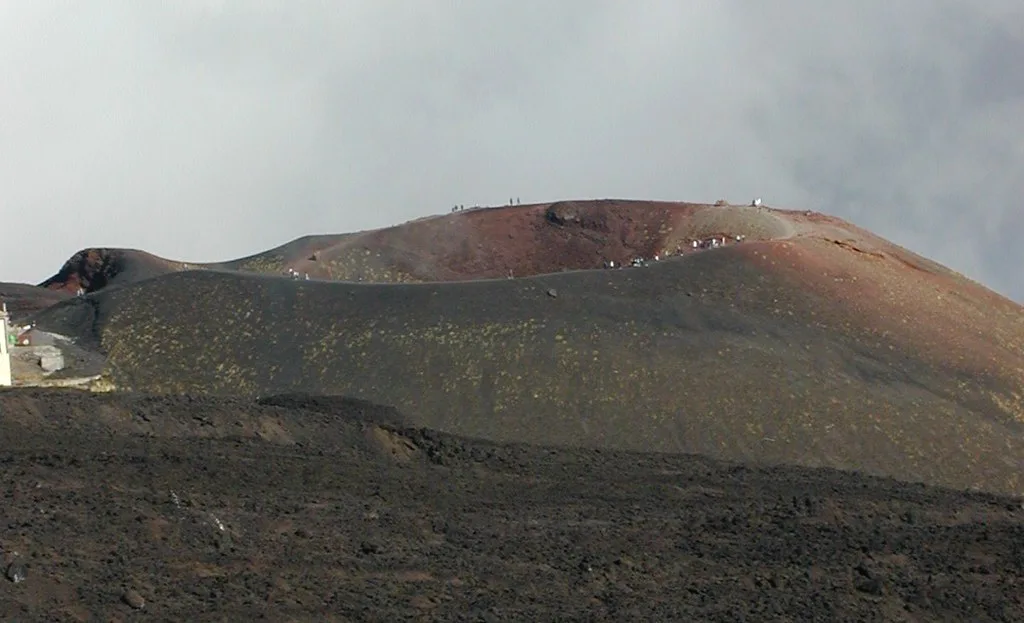
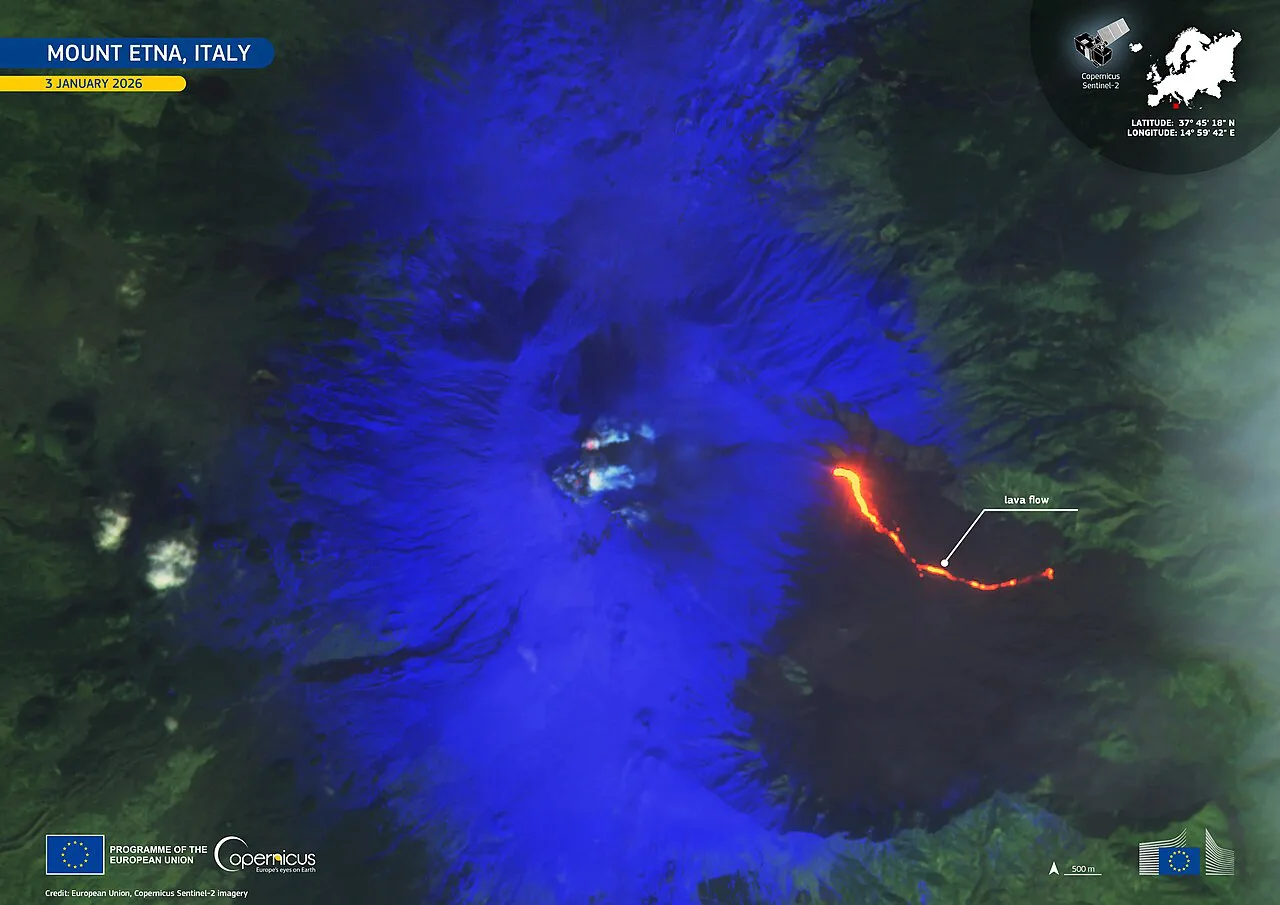
Volcanic activity, wind, snow and cloud can each restrict summit access on a given day. The INGV Osservatorio Etneo publishes the activity bulletins, and Protezione Civile Sicilia posts regional notices. Read both the day before and again that morning. Our guide to Etna's activity explains what the mountain normally does. You can also read about past Etna eruptions to understand why restrictions change. If the summit tier is closed, switch to a free fallback. Walk the lower Silvestri crater trail. Climb the Monti Rossi cones near Nicolosi. Visit the Alcantara Gorge Guide: Access, Timing and Tips or ride the Circumetnea Railway: Route, Current Service Status & Tickets (2026 Guide). A winery tasting works on any cloudy day.
Which Side of Etna by Season
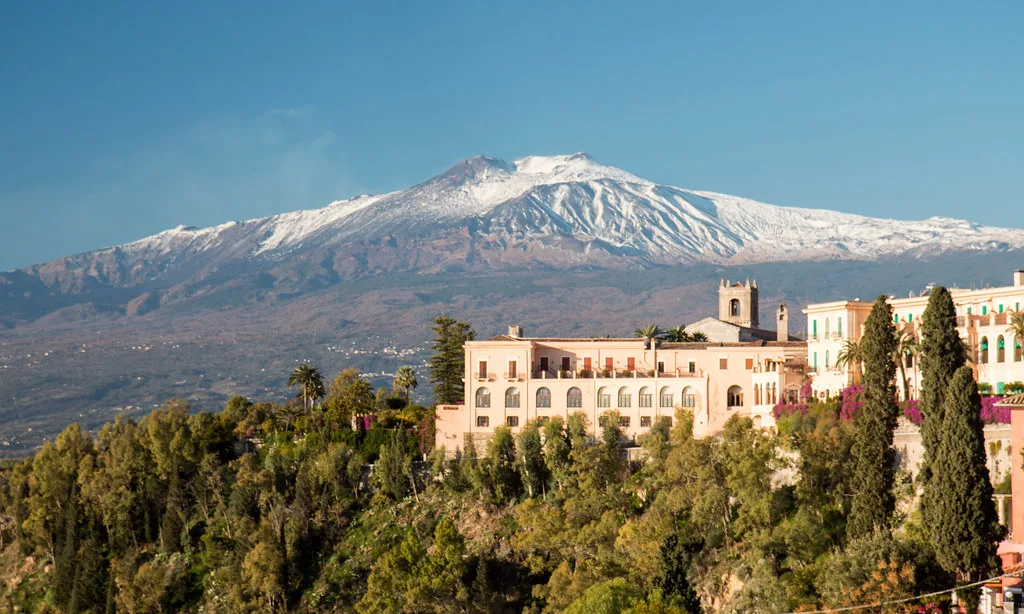
The south side holds the cable car and the main base. In summer it is the busiest, so autumn mornings are calmer. The north side suits a quieter visit and a snow day. Our north versus south comparison sets the sides side by side. For the north, plan around the Piano Provenzana area. Base yourself in the town of Linguaglossa if you want to be near it. The east approach through Zafferana leads toward Valle del Bove, Etna: How to See It and Stay Safe, and sunset tours include it. Our Zafferana Etnea guide covers the town and its autumn festival. If you need lodging, see hotels near Etna.
Getting There by Season: Bus, Car and Tours
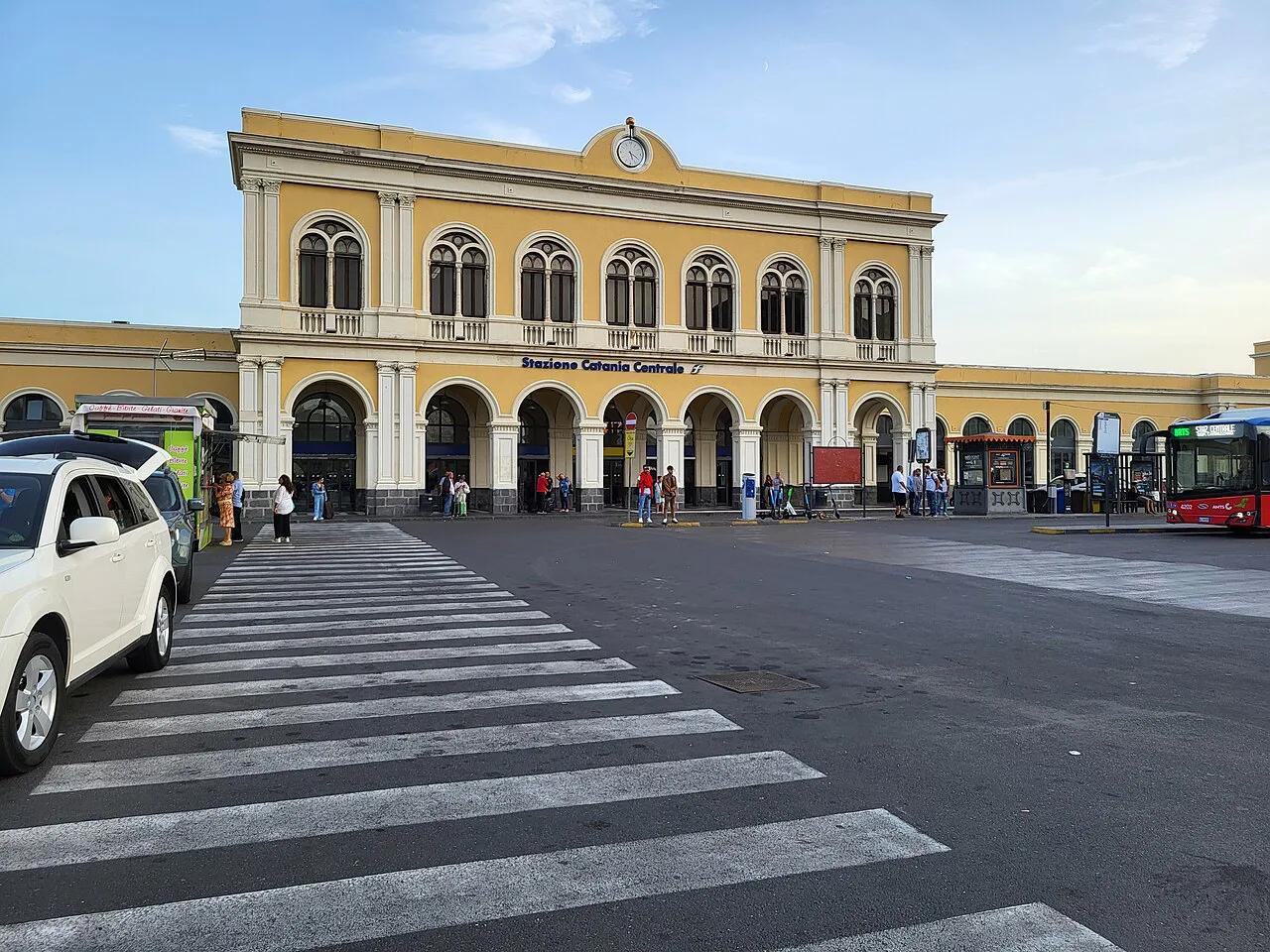
The AST bus leaves near Catania Centrale at 8:15 and takes about two hours to reach the upper car park. The return bus leaves at 16:30, and missing it leaves you stuck on the mountain. An extra 11:30 departure runs from June 15 to September 15, and a round trip costs about €6. That timetable dates from 2023, so check AST for current times. Our Catania to Etna guide compares the options. The south-side hub is the Sapienza base station. Tours add pickup flexibility, and organized Etna tours run in every season. If you start from Syracuse, see Etna from Syracuse. From Palermo, read Etna from Palermo.
Only from June 15 to September 15 does the extra 11:30 bus run, and that is when midday queues at the cable car peak.
Cost and Time Trade-Offs by Season
The cable car costs about €50 round trip. It lifts you from roughly 2,000 m to nearly 3,000 m. Higher stretches need an authorized guide, and the 4x4 reaches roughly 2,900 m. Check current prices on the Funivia dell'Etna site. Guide tiers are covered by Guide Vulcanologiche Etna. Prices and hours were checked November 2026. A free walk to the lower craters costs nothing but time. Our cable car guide explains each tier. For the 4x4 stage, see jeep tour options. Skip the summit tier if the weather is poor, because you pay for views you may not get.
| Option | Cost | Time | Best season |
|---|---|---|---|
| Free walk to lower craters | Free | 2–3 hours | Spring, autumn |
| Cable car round trip | About €50 | Half day | Summer, shoulder |
| Cable car plus 4x4 and guide | Priced at the ticket counter | Half to full day | Summer; Snowcat in winter |
| Sunset tour | €60–65 per person | About 5 hours | Summer, early autumn |
| AST bus round trip | About €6 | Full day | All year; extra bus in summer |
What to Pack and Wear by Season
Layers matter more than the date. Even in summer the summit needs a jacket, and the wind can feel surprisingly cold. In cooler months bring a puffy coat, hat and gloves.
Sunset tours cost €60–65 per person, and temperatures fall fast after dusk, so pack winter layers even in July.
- Footwear: sturdy closed shoes with grip for loose ash, and avoid white shoes or socks.
- Summer: a jacket, water and sun protection.
- Winter: insulated coat, hat, gloves and waterproof boots.
- Spring and autumn: a windproof shell plus a warm mid-layer.
Sample Plans by Season
Keep each plan flexible, because conditions decide what runs.
- Summer summit day: take the 8:15 bus or drive, ride the cable car, and add the 4x4 and a guide for the final stretch. Our summit craters guide explains the top.
- Winter snow day: book a Snowcat tour, bring full layers, and allow extra time for snow.
- Half-day sunset plan: join a 5-hour tour, stop at Valle del Bove and the Silvestri Craters, and finish at Piano Vetore.
- Cloudy fallback: walk the lower craters, visit a winery, or ride the Circumetnea.
Common Mistakes to Avoid
Most problems come from timing and cold rather than distance.
- Missing the 16:30 return bus.
- Wearing only city clothes above 2,000 m.
- Booking the summit tier without checking the alert status.
- Visiting midday in peak summer and queuing for the cable car.
- Skipping the pre-trip check of INGV and the webcam.
Frequently Asked Questions
Can I hike Mount Etna without a guide?
Yes, you can walk the lower craters on your own, and the Silvestri Craters are reachable from the car park. Above roughly 2,900 m to 3,000 m, an authorized guide is required. Check Parco dell'Etna for trail rules.
How likely is Mount Etna to erupt?
Etna is an active volcano, and activity changes from week to week. No single month is eruption-free. Read the latest INGV bulletin before you travel, and see our eruption flights guide for another way to see activity.