Mount Etna Weather: Altitude, Seasons & What to Pack
Last updated November 2026: mount etna weather depends on altitude, because Catania's coast and the summit zone behave like different climates. Coastal stations read 14.2°C (58°F) to 17.8°C (64°F) on 21 November 2026, while the refuge area near 1,900 m is colder, windier and often cloudy. Access above the refuge also depends on weather and on volcanic-activity restrictions, and those are two separate gates.
Featured image: Strocchi, CC BY-SA 2.0, via Flickr.
Mount Etna Weather at a Glance
Etna is not one forecast. Winter brings snow and possible closures, summer is hot at the base and cool and windy up high, and spring and autumn swing between the two. Catania airport readings do not describe the summit. Nearest-station data for Nicolosi comes from sea-level sites about 17 km away, and for Linguaglossa the closest stations are about 41 km away.
| Zone | Typical height | What to expect |
|---|---|---|
| Catania and coast | Near sea level | Warmest and calmest; clear mornings are common |
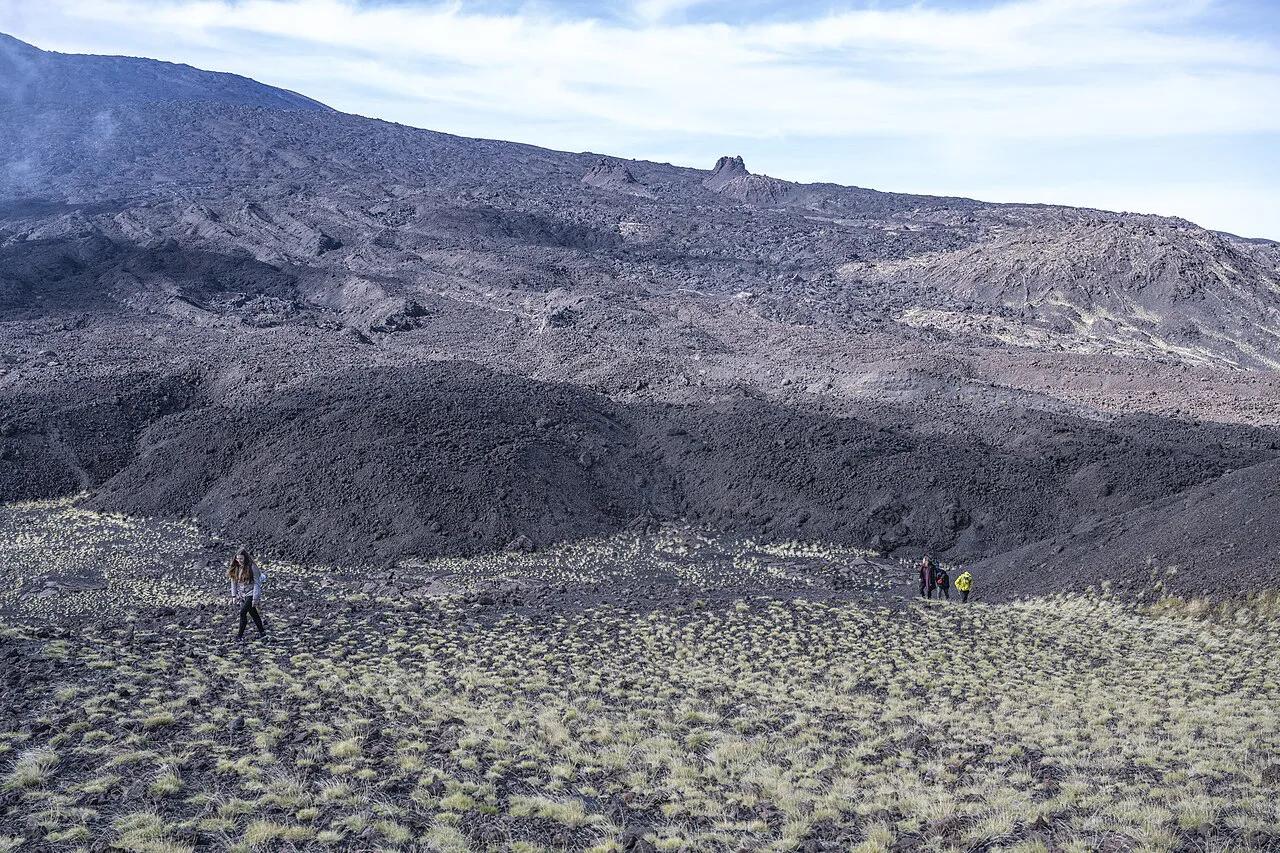
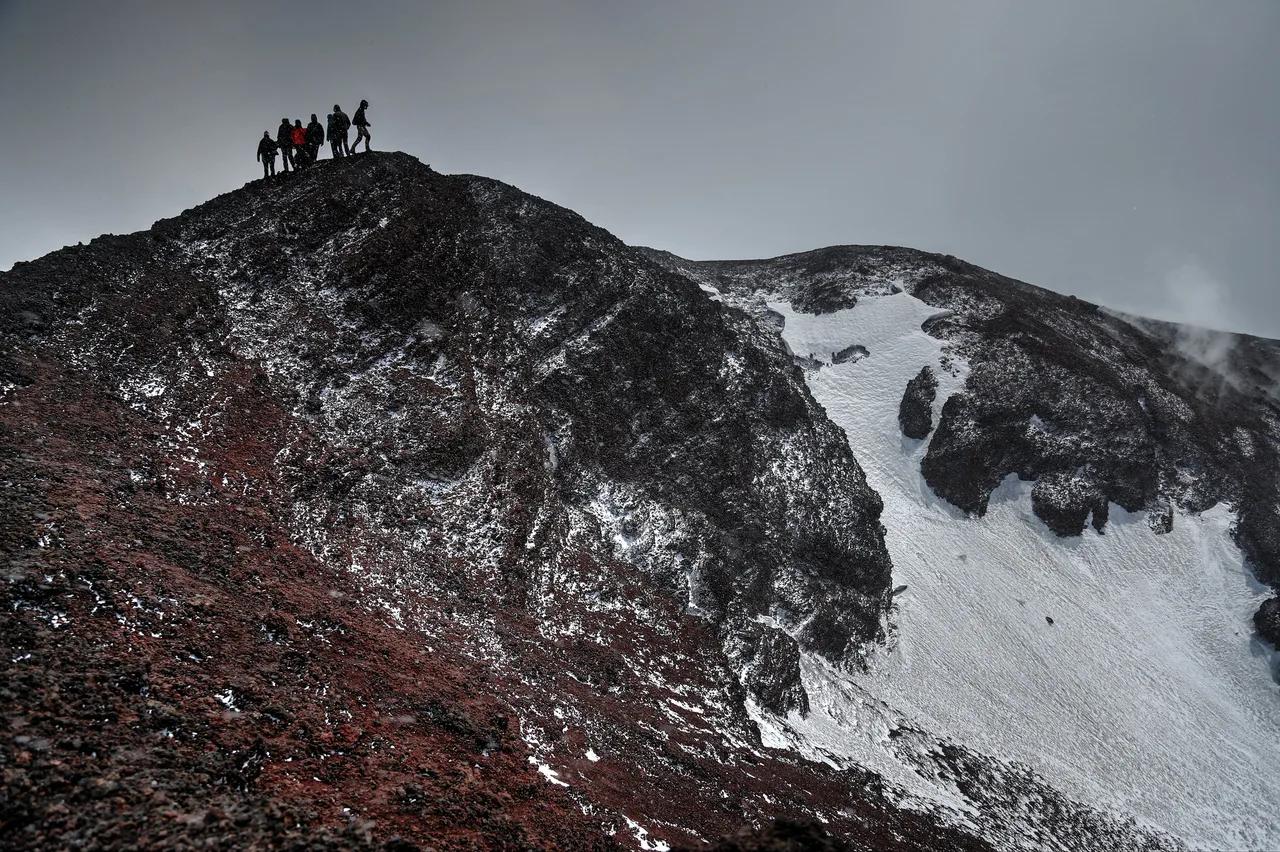
| Refuge area | About 1,900 m at Rifugio Sapienza; about 1,800 m at Piano Provenzana | Cooler, windier, cloud can arrive within an hour |
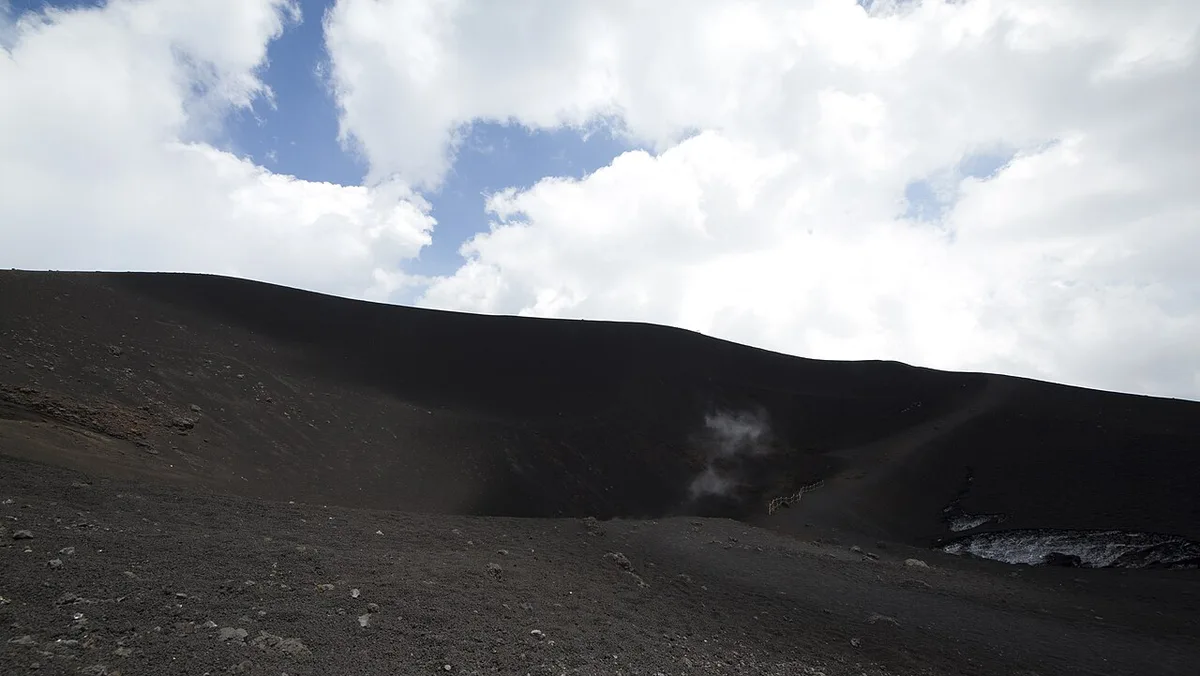
| Summit craters | Above the refuge zone | Coldest and most exposed; access can close for weather or activity |
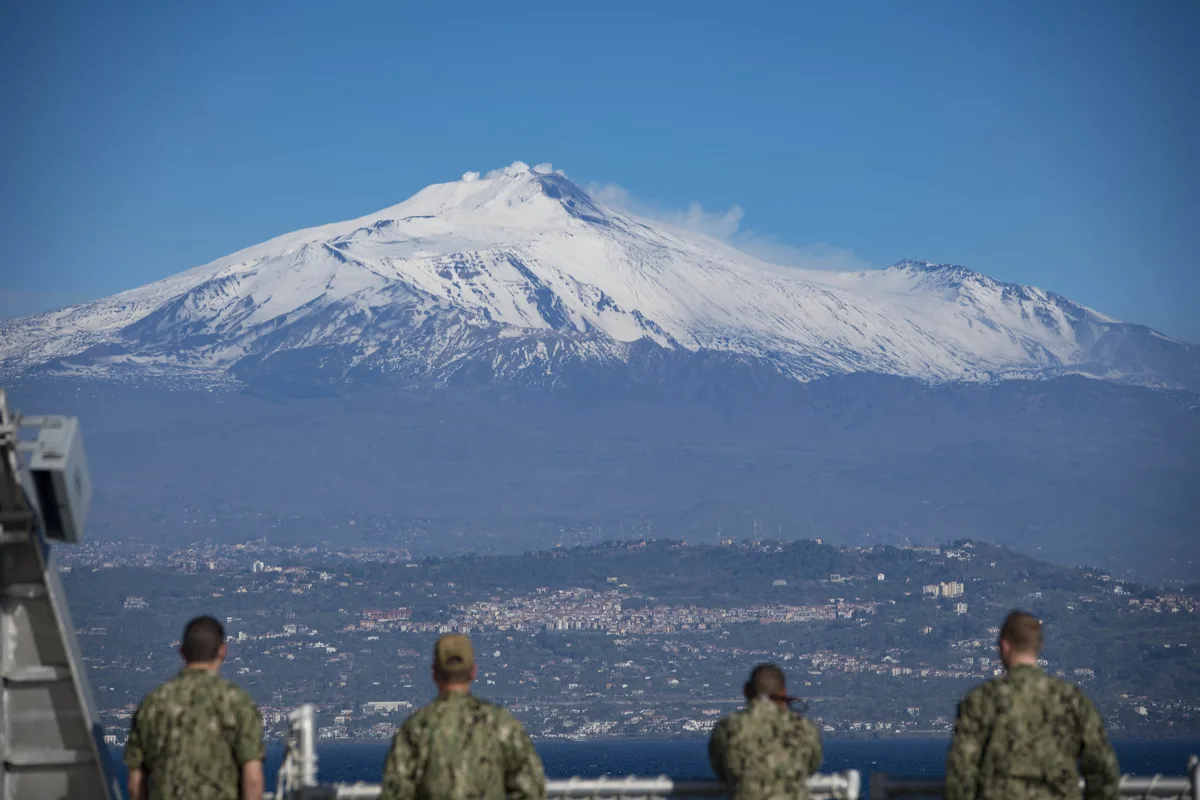
Why Summit Weather Differs From Catania
Air cools as you climb, and Etna rises straight from the sea. A drive from Catania to Rifugio Sapienza, Etna: Cable Car, Jeep & Silvestri Craters Guide climbs about 1,900 m in a single morning. Coastal readings on 21 November 2026 included 15.9°C (61°F) at a harbor-side station, with light winds of 9 to 11 km/h. Those numbers say little about the refuge. Wind, low cloud and sudden cold gather on the upper slopes, so a clear morning in Catania does not guarantee a summit view. Fog also hides crater edges and spoils sunset tours. For the drive itself, see our guide to getting from Catania to Etna.
Etna Weather by Season
Each season changes what you wear and what runs. Indicative planning figures: lodging near Nicolosi often runs about €70 a night in February against €120 or more in August, and rates vary by property. Our guide to the best time to visit Etna goes deeper on timing.
| Season | Weather pattern | Wear | Go, adjust or skip |
|---|---|---|---|
| Winter | Snow, ice and strong wind up high; ski season | Insulated waterproof layers, gloves, grip footwear | Adjust: ski or snow-play only; skip summit plans in storms |
| Spring | Variable, with snowmelt and sudden cloud | Layers and waterproof shell | Go, with a backup plan |
| Summer | Hot at the base; cool and windy above | Sun protection plus a warm layer | Go early; expect crowds |
| Autumn | Shoulder season; mild coast, cold refuge | Fleece, windproof jacket, sturdy boots | Go, and watch for the first snow |
Etna Temperatures by Month: Coast vs Refuge
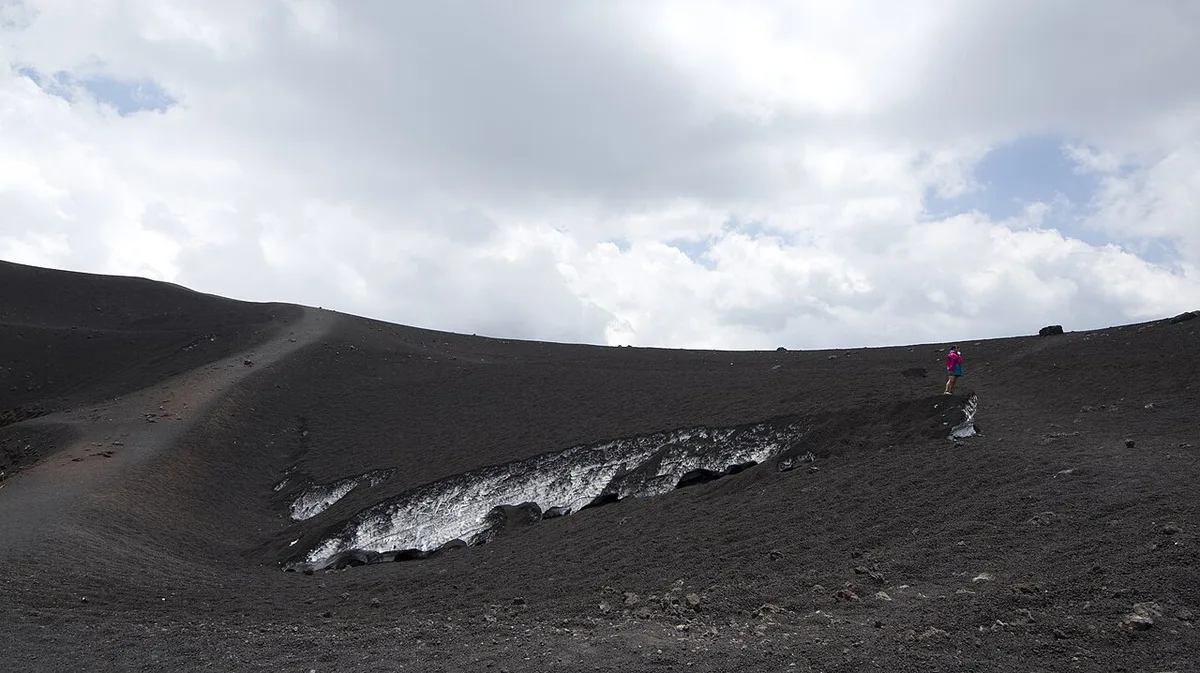
Temperature falls by roughly 6.5°C for every 1,000 m you climb, so the refuge area near 1,900 m usually sits about 12°C below Catania before wind is counted. The 17.8°C (64°F) coastal reading in November works out to around 5-6°C (about 42°F) at Rifugio Sapienza, and wind chill pushes it lower. Use this table as a planning rule, not a forecast.
| Month | Typical Catania high | Estimated refuge high (about 1,900 m) | Snow risk up high |
|---|---|---|---|
| January-February | about 15°C | about 3°C | High; ice and closures common |
| March-April | 17-19°C | 5-7°C | Moderate; snow can linger on the upper slopes |
| May-June | 23-27°C | 11-15°C | Low |
| July-August | about 31°C | about 19°C | Very low |
| September-October | 23-27°C | 11-15°C | Low, rising late in October |
| November-December | 16-19°C | 4-7°C | Moderate to high after the first storms |
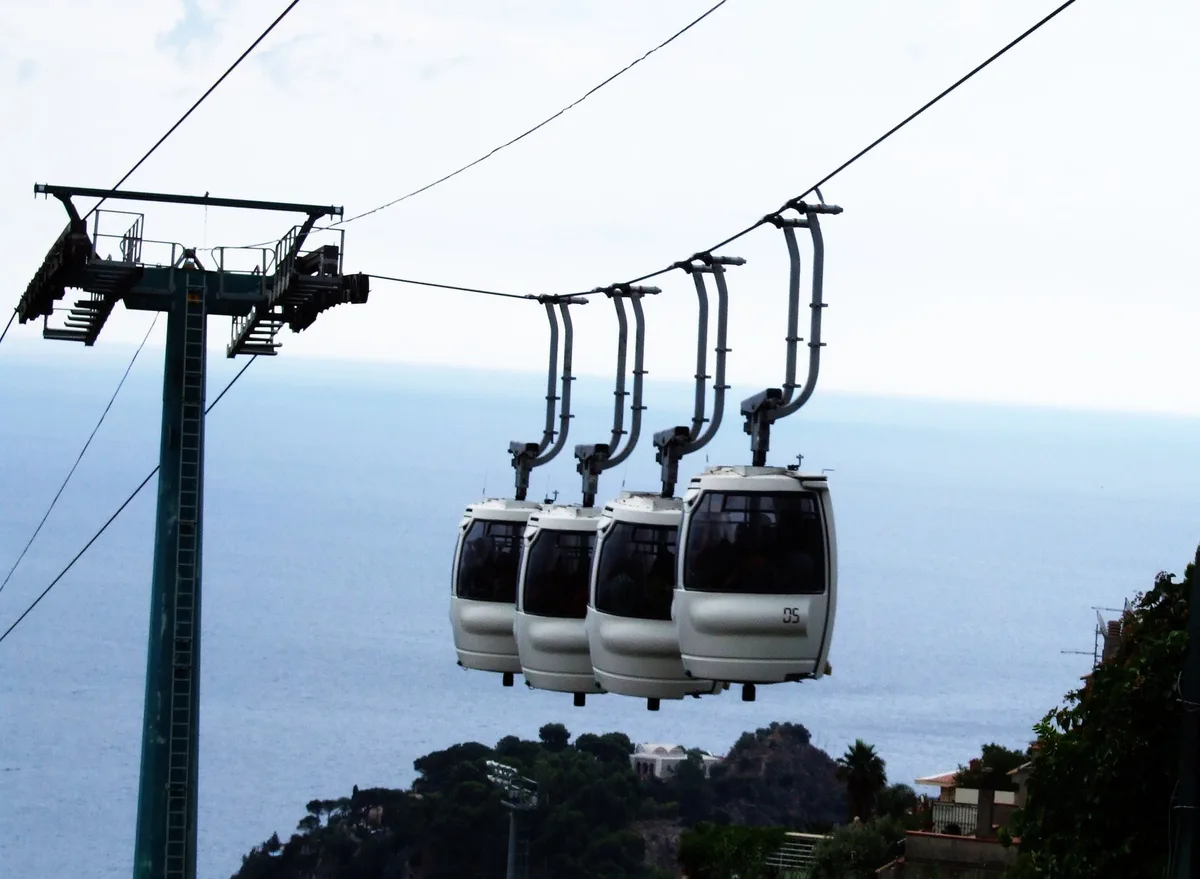
Two things the averages hide. First, a summer afternoon at the refuge can feel mild in sun and cold within minutes once cloud arrives, so carry a warm layer even in August. Second, strong wind matters more than air temperature when you decide whether to go. Gusts can stop the cable car and make exposed crater rims unpleasant long before the thermometer looks extreme.
If wind is the main concern, flexible plans such as a helicopter flight over Etna depend on calm air, while lower-altitude options hold up better. Whichever you book, ask about rescheduling terms before you pay.
How Weather and Volcanic Activity Affect Access
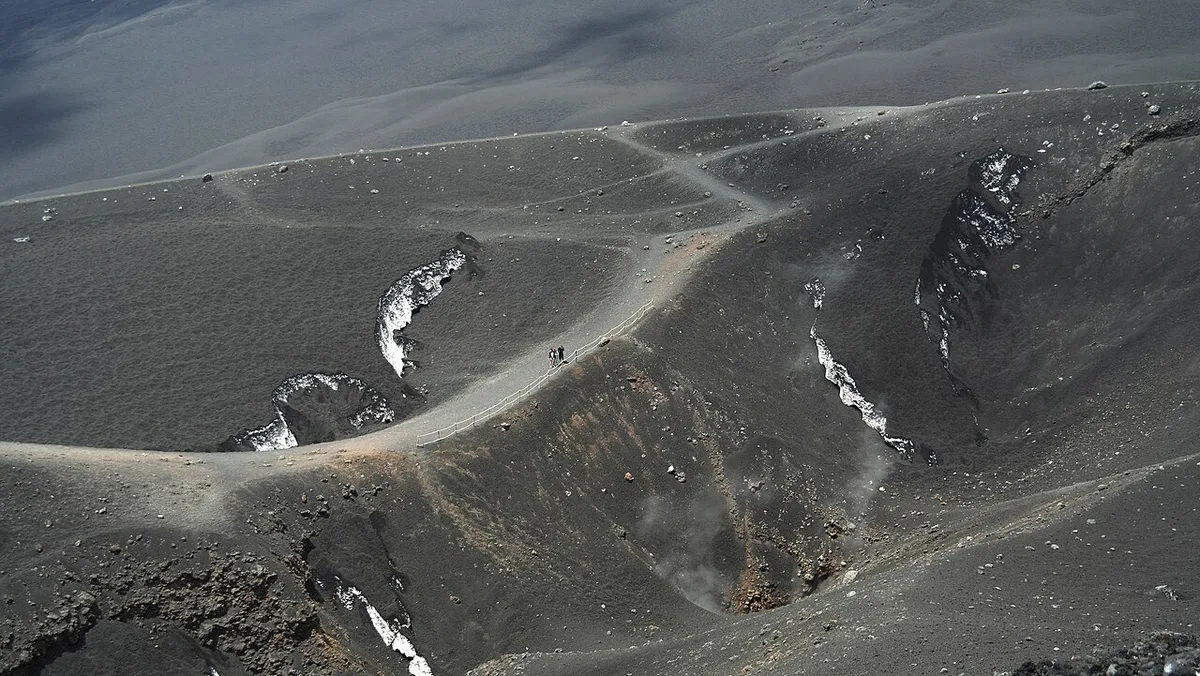
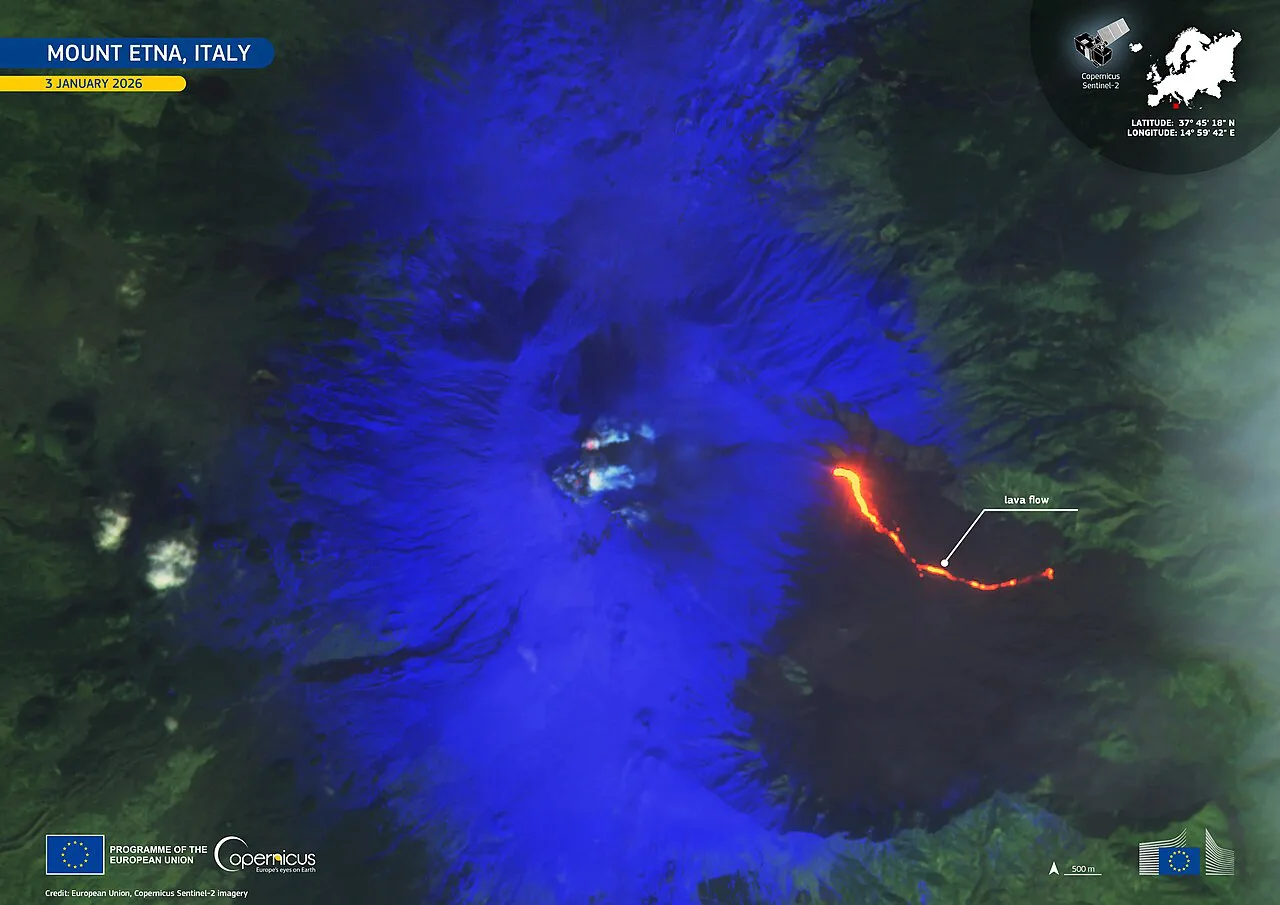
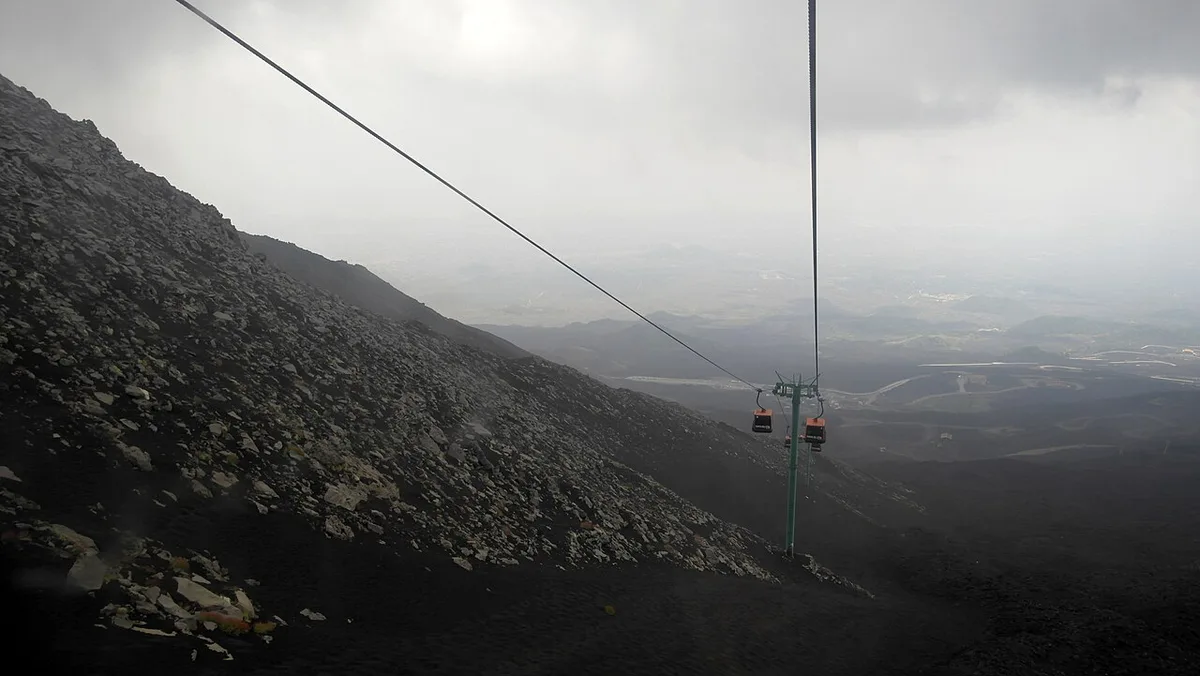
Three layers of access exist: the cable car, 4x4 transfers and guided summit zones. Each has its own weather and activity gate. The operator posts status on the official cable car site. Volcano guides publish conditions through the Etna guide association. Even in perfect weather, authorities can limit how close you get to the craters. Read whether Etna is active for the current picture. For zone detail, see the summit craters guide. Our cable car guide covers the lift itself.
What to Pack and Wear
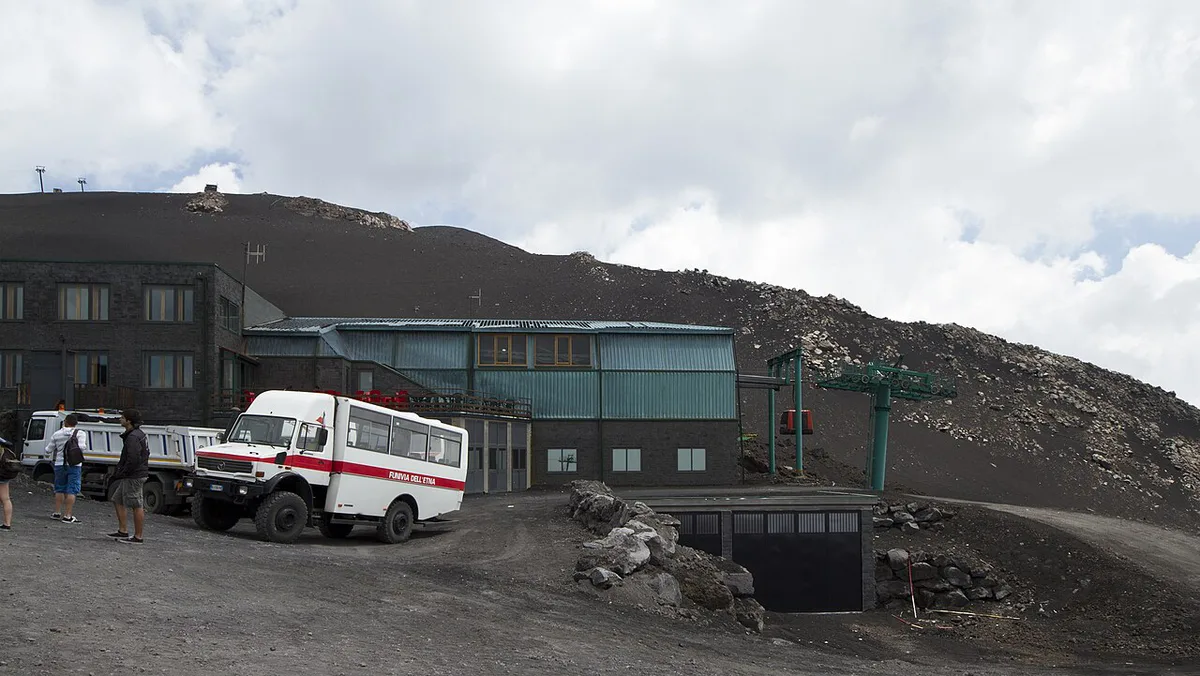
Dress for the refuge, not for Catania. A 17.8°C (64°F) coastal afternoon can sit well below that at 1,900 m, with wind making it feel colder. Volcanic ground is abrasive and uneven, so footwear matters more than fashion.
Expect to gain about 1,900 m in a single morning, so a 17.8°C (64°F) coastal afternoon can sit well below that at the refuge.
- Layers: base layer, fleece and a windproof shell
- Sturdy closed boots with ankle support and grip
- Sun protection: cap, sunglasses and sunscreen, even in cloud
- Gloves and a hat from autumn through spring
- A small pack with water and a spare layer
Bad-Weather Backup Plans
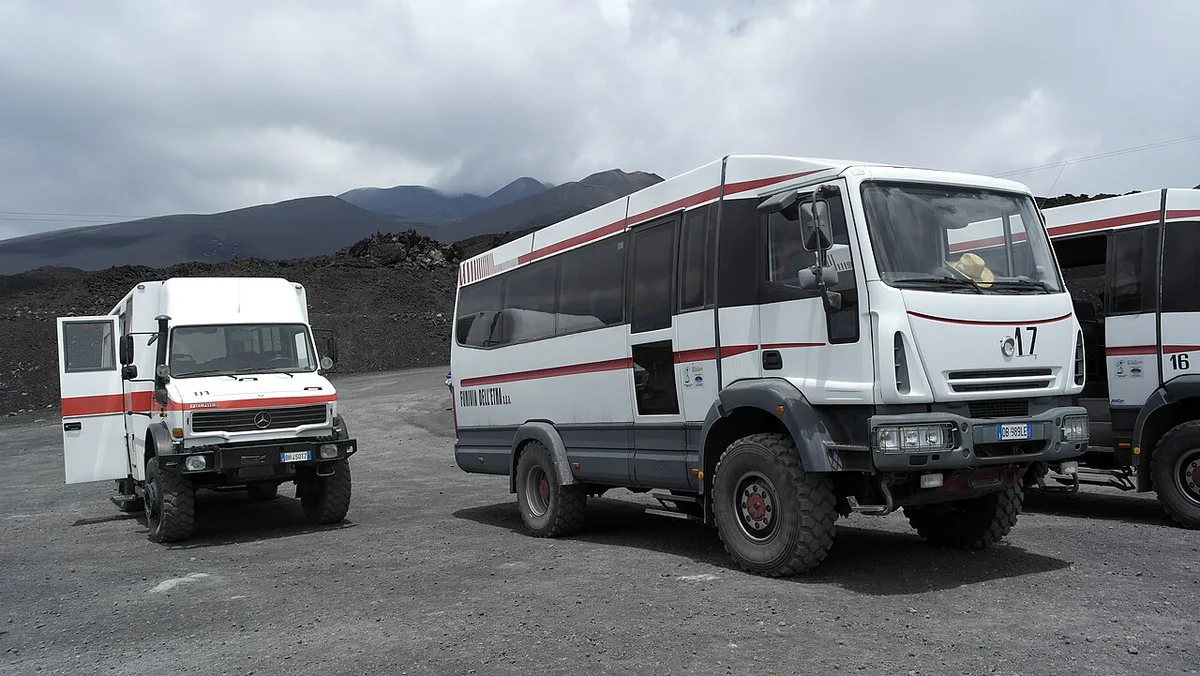
If cloud and wind close the upper slopes, drop to lower altitude. The Alcantara Gorge Guide: Access, Timing and Tips works in many conditions that ground summit trips. The Circumetnea Railway: Route, Current Service Status & Tickets (2026 Guide) circles the volcano at low level. Underground, the Grotta dei Lamponi, Etna: Lava Tube Access & Hike Guide lava cave stays sheltered. The Monti Rossi craters sit near Nicolosi and make a short, low walk. Weather-sensitive plans include the summit hikes, helicopter flights and the sunset tour. Clear, calm days favor those. Ask any operator about weather cancellation terms before you pay.
How to Check Conditions Before You Go
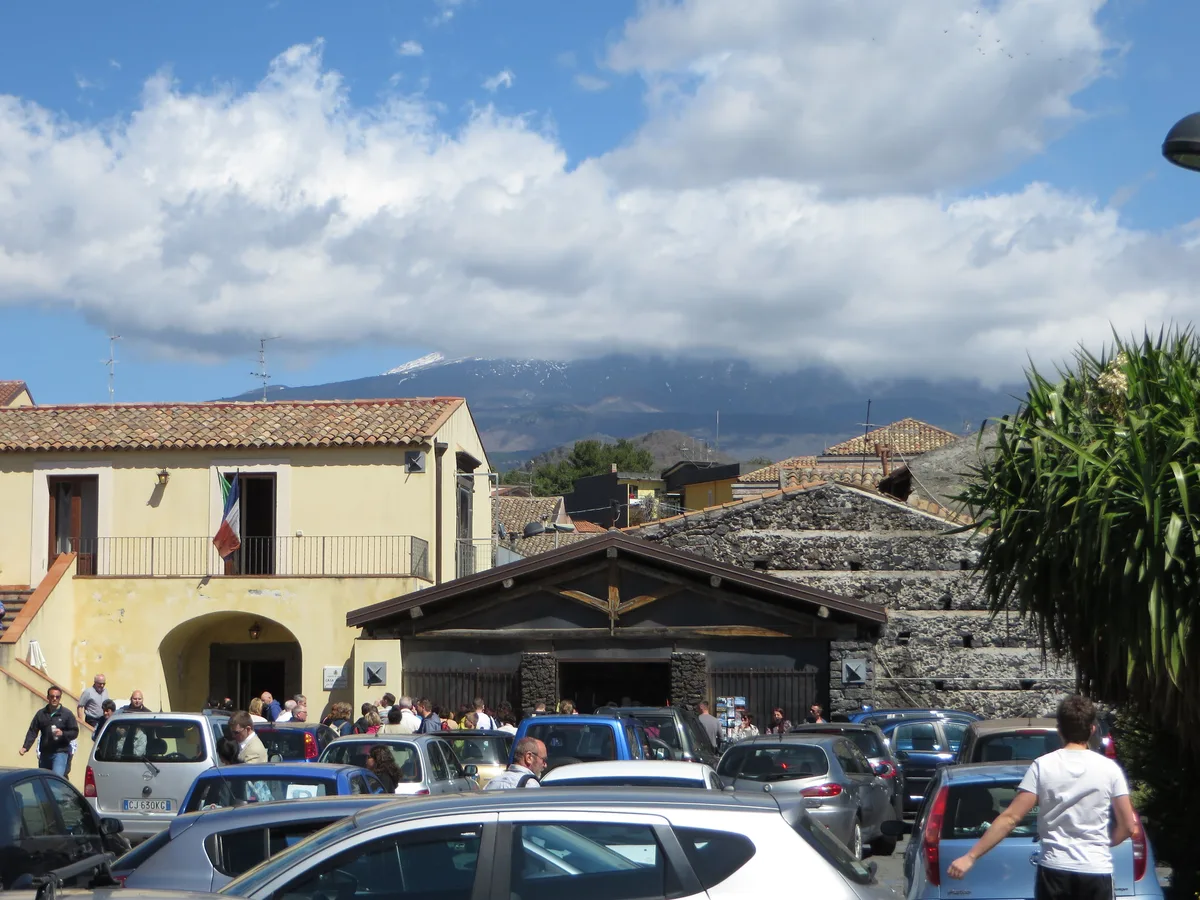
Rank your sources by reliability. First, check the cable car operator and guide association updates. Second, read volcano bulletins from INGV Osservatorio Etneo. Third, look at the Etna webcam page for a live view. Fourth, use a weather app, and treat its numbers as rough because nearby stations sit at sea level. Check again on the morning you travel, since conditions can turn within hours.
A weather app's Nicolosi figure comes from sites about 17 km away, so confirm live cable car and guide updates on the morning you travel.
North Side vs South Side in Different Weather
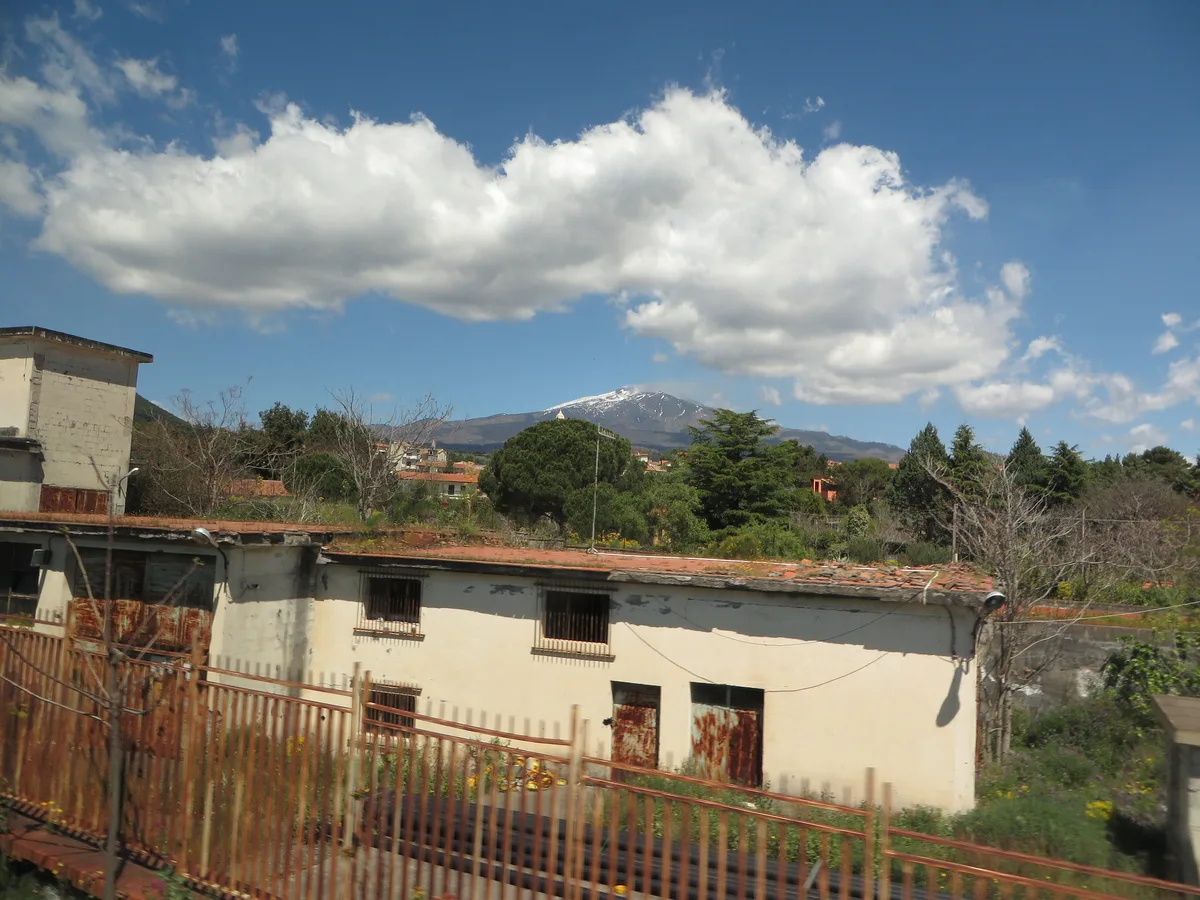
The south side starts from Nicolosi and Rifugio Sapienza. The north side starts from Linguaglossa and Piano Provenzana: Etna North Side Access and Seasons. Local conditions can differ on any given day, so check each side's live status separately. Our north versus south comparison helps you pick a fallback.
For the wider city context, see our complete tourism attractions guide.
Frequently Asked Questions
What level of alert is Etna today?
Alert levels change with volcanic activity, so no fixed answer holds. Read the latest bulletin from INGV Osservatorio Etneo on the day you travel, and see our page on Etna eruptions for background.