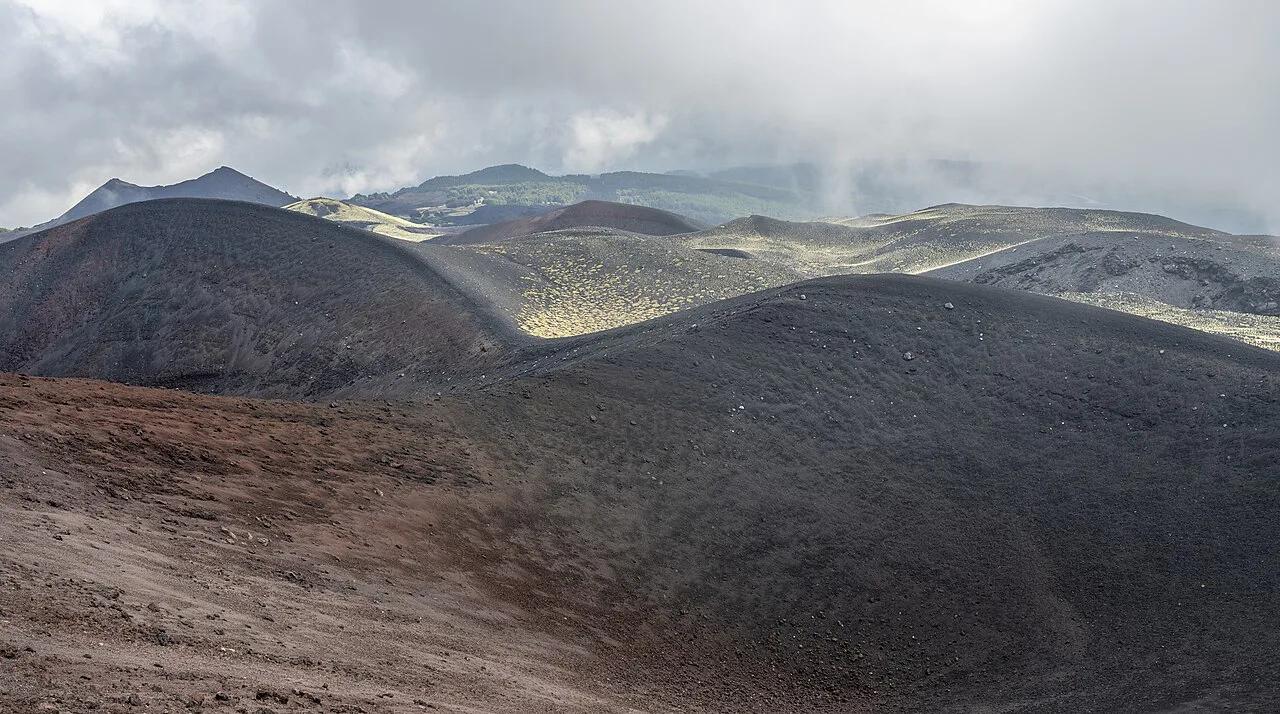
Grotta dei Lamponi, Etna: Lava Tube Access & Hike Guide
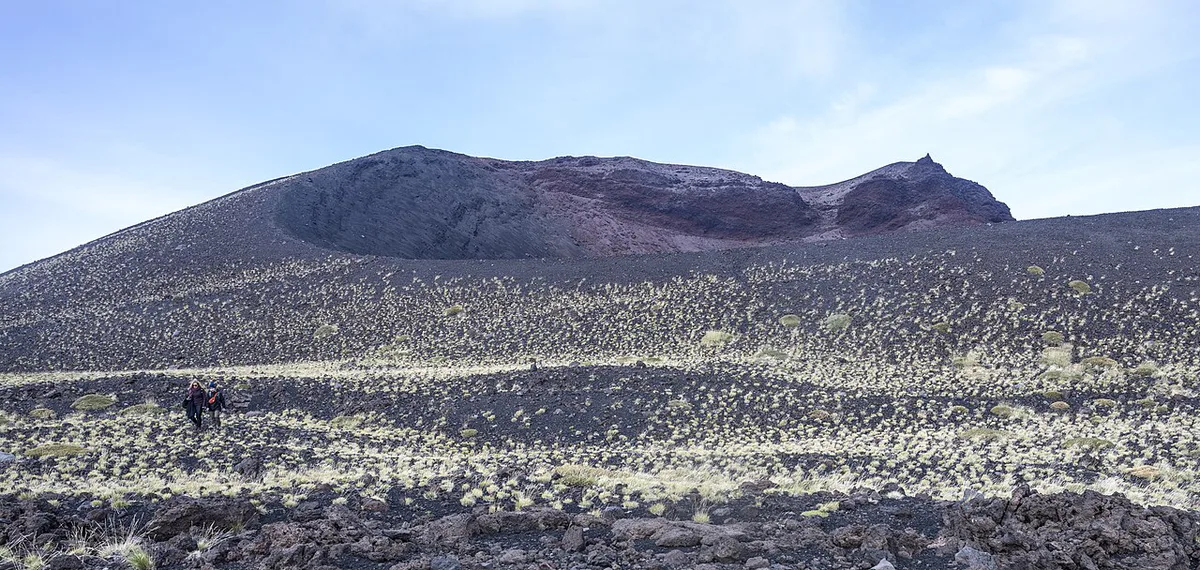
Last updated November 2026: Grotta dei Lamponi is a lava-flow cave on the north side of 12 Best Things to Do on Mount Etna: Visitor Guide, listed in the municipality of Castiglione di Sicilia. Hikers reach it on a loop that starts at Piano Provenzana. Terrain is rugged and the cave has no street address, so plan the outing around the park office, a headlamp kit and a guide if you are unsure.
Featured image: gnuckx, CC BY 2.0, via Wikimedia Commons.
What Grotta dei Lamponi is
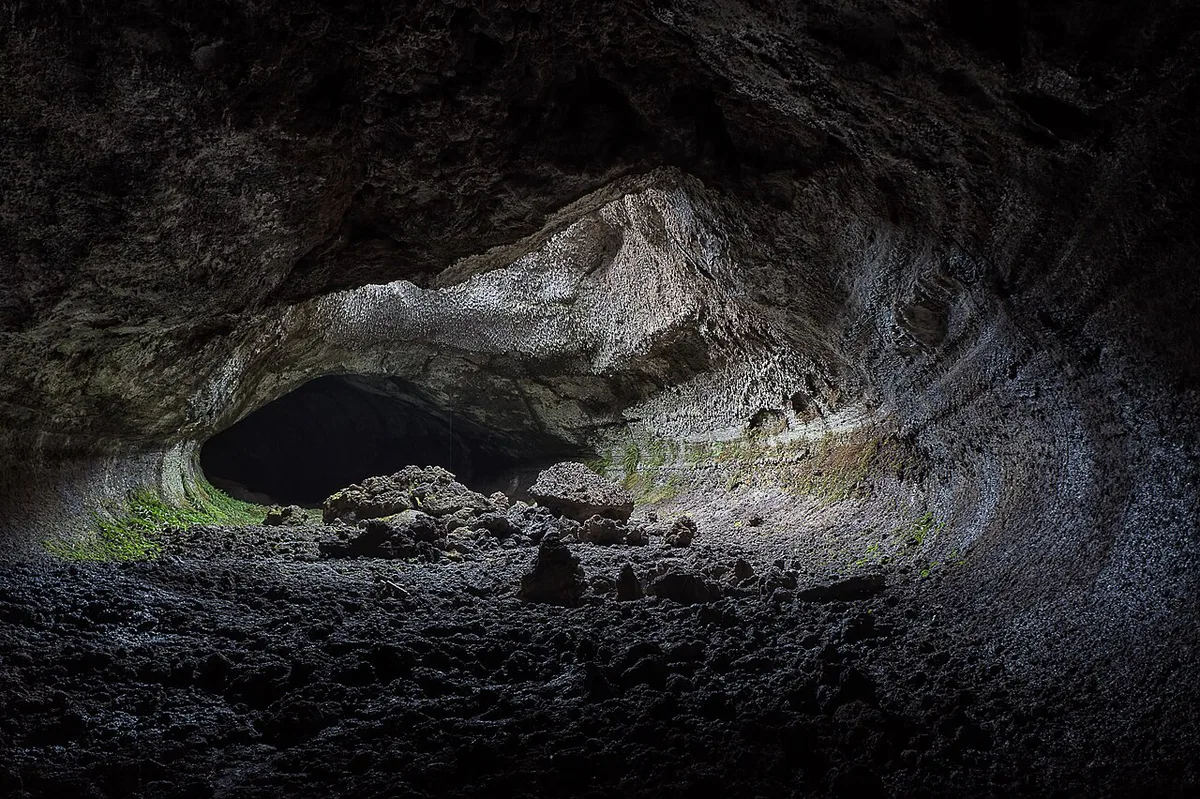
Sicilia in Rete, the Sicilian heritage directory, classes the site as a <em>grotta di scorrimento lavico</em>, a lava-flow cave. It places the cave on Etna in the Castiglione di Sicilia municipality. The listing gives only an unnamed road as its address, so there is no ticket office or signed car park to aim for. The same directory writes the name in the plural, "Grotte dei Lamponi", and its Spanish page renders it as "Cuevas de las Frambuesas".
Do not confuse it with other Etna caves. Cave of Light sits on the Sciara del Follone at 2,175 m, runs about 40 m and needs a ladder of about 3 m. That is a different cave with different demands. Grotta del Gelo is also a separate cave.
How to get to Grotta dei Lamponi from Piano Provenzana
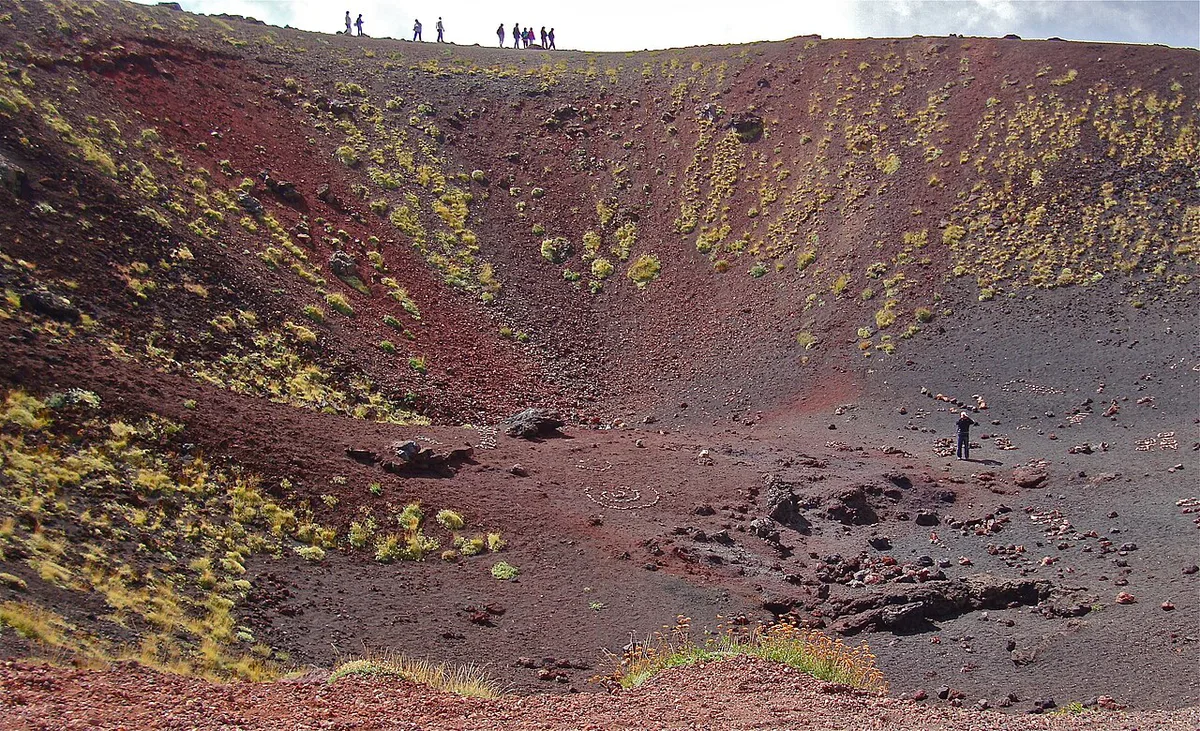
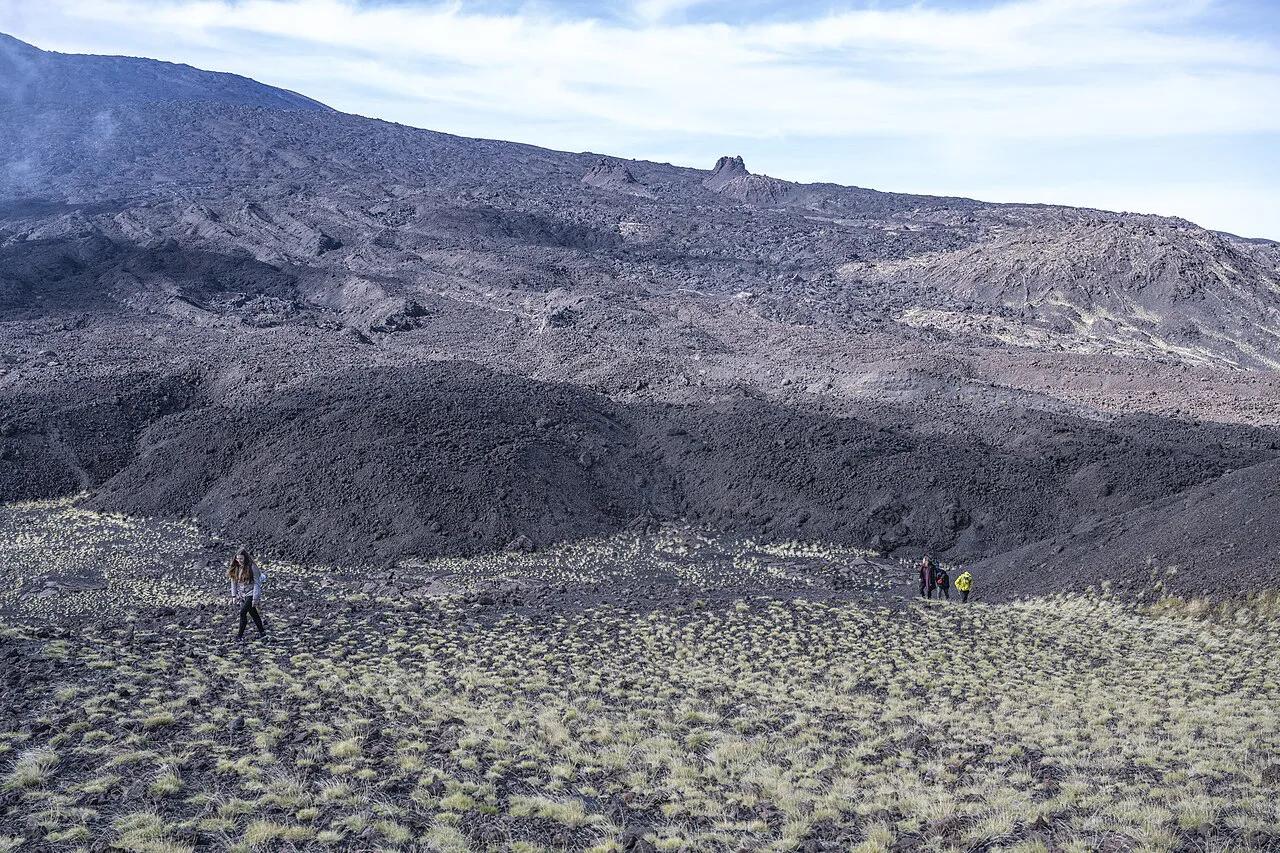
Piano Provenzana is the practical starting point. Read our Piano Provenzana guide for the area. One hiker recorded a loop on 29 October 2023 that runs Piano Provenzana, Timparossa, the cave, then Ragabo. It covered 14.3 km, with a high point of 1,990 m and a low point of 1,430 m. Treat that as one person's log, not an official trail.
The nearest base town is Linguaglossa. From the coast, getting from Catania to Etna takes a long drive, so allow for it in your day. For a bed near the mountain, see hotels near Etna. Cell signal fades at altitude, so download an offline map before you leave the road.
Can you go inside? Safety, gear and rules
No official ticketing or opening hours for this cave turned up in public listings. Ask the Parco dell'Etna office about current rules for caves and guides before you commit. Lava tubes are dark, uneven and cold, so go in a group of at least 2.

Each person needs 2 independent light sources, so a spare headlamp or torch is not optional. Add a helmet, gloves and sturdy boots with ankle support. A licensed operator running a guided Etna excursion removes the navigation and permission questions.
| Option | Skill needed | Gear | Best for |
|---|---|---|---|
| Self-guided hike | High: navigation and cave sense | Bring everything yourself | Experienced hikers who have checked park rules |
| Speleological tour with a local operator | Low to moderate | Often supplied; ask when booking | First-time cave visitors |
| General north-side excursion | Low | Hiking kit only | Travelers who want the area without the cave |
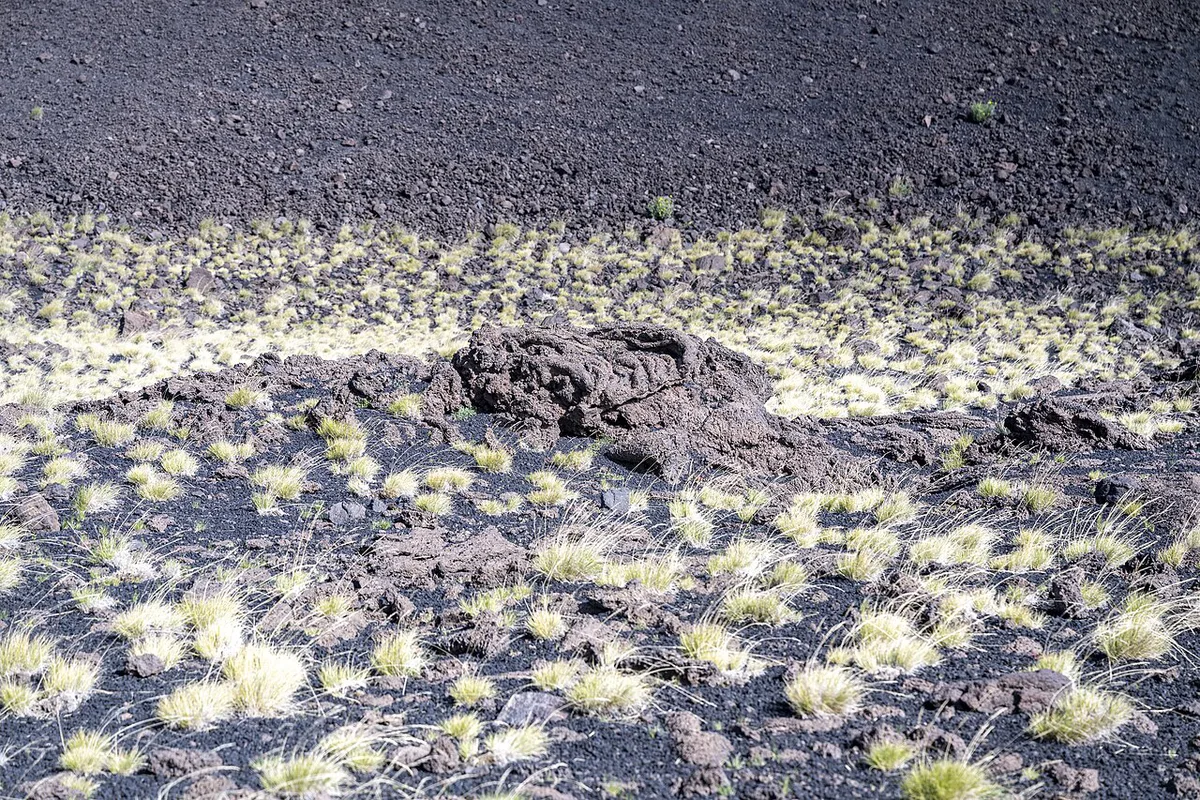
- Helmet for low roofs and loose rock
- Headlamp plus a backup light
- Gloves for sharp, glassy lava
- Sturdy boots, warm layers and water
- Offline map on a charged phone
How long it takes and when to go
The recorded loop took 3 hours 40 minutes at about 3.9 km/h. It showed 250 m of ascent and 610 m of descent. Add time for any cave stop and for light changes.
Budget 3 hours 40 minutes for the recorded loop, and remember that a cave stop needs a group of at least 2. Plan the timing around your partner's pace, not just the hike.
The route runs between roughly 1,430 m and 1,990 m, so expect cold and possible snow in winter. Daylight shrinks in late autumn, so start early. Check the Etna weather forecast and the Etna webcams on the day. The INGV Osservatorio Etneo publishes activity updates. Our guide to whether Etna is active explains what closures mean.
Combining it with other stops
Timparossa and Ragabo are named stages of the recorded loop, so they fit naturally into the same outing. Piano Provenzana itself works as a warm-up or a cool-down stop.
If you cannot decide between sides of the volcano, our comparison of the north and south sides helps. For summit-focused walking, see the Etna hiking guide.
How lava tubes form
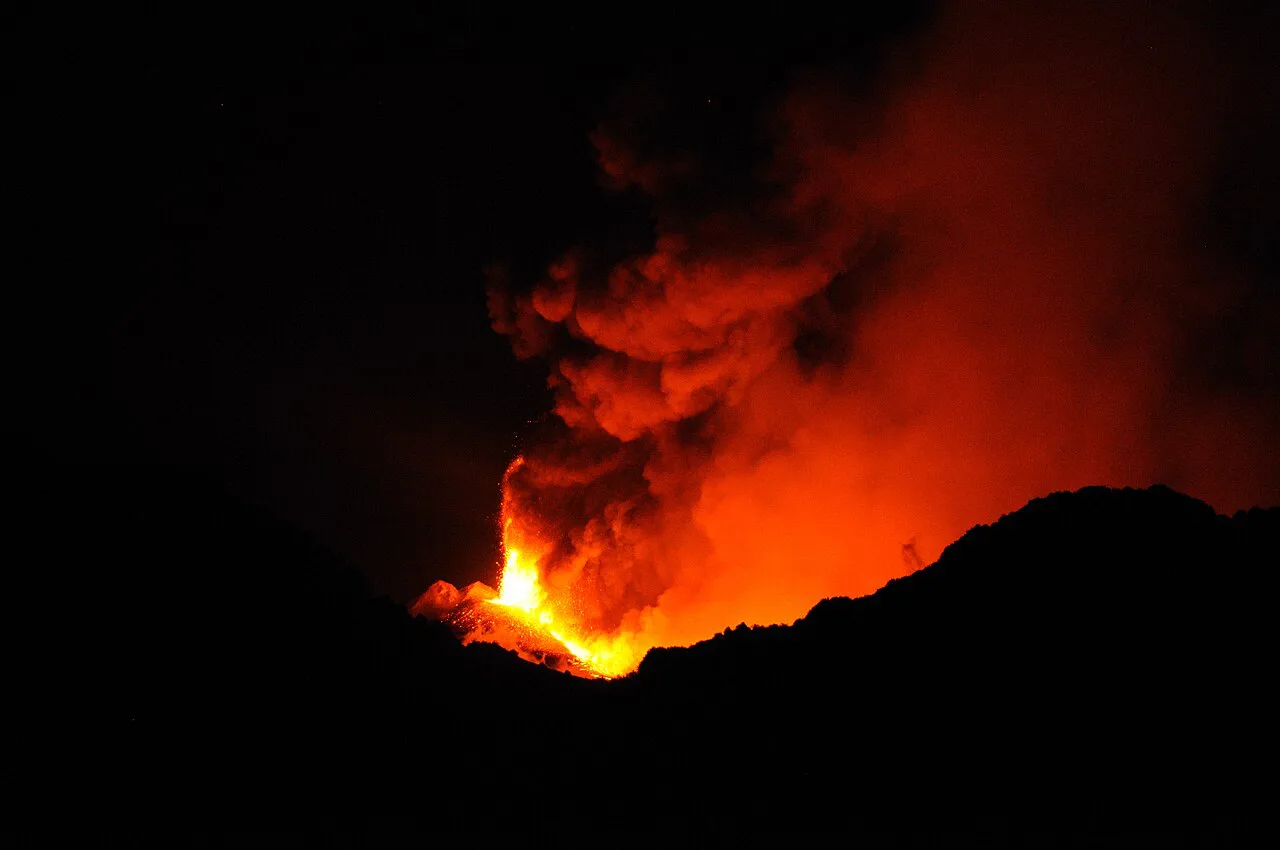
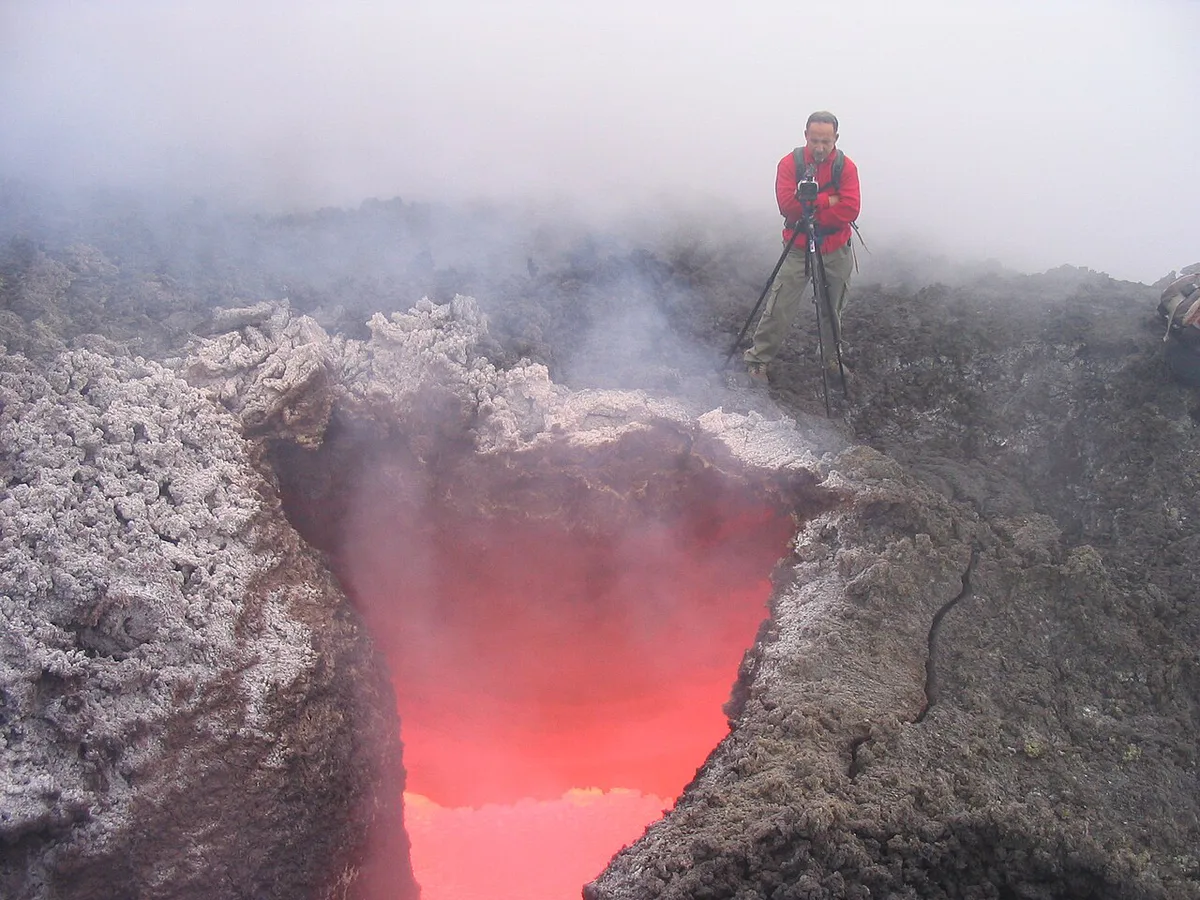
A lava tube forms when the surface of a lava flow cools and hardens into a crust. Molten lava keeps moving underneath. When the eruption ends, the lava drains and leaves a hollow tunnel. Etna produces many such tubes because its flows are frequent. Read more about Etna's lava flows.
Who should skip it
This outing is a poor fit in several situations. Skip or postpone it if any of these apply.
- You have no helmet or two light sources.
- You plan to enter alone.
- Snow, fog or an eruption alert affects the north side.
- You expect a signed, ticketed show cave.
- You have not asked the park about current cave rules.