6 Volcanoes in the UK You Can Visit (All Extinct)
Last updated November 2026: volcanoes in the UK are all extinct or ancient, so Great Britain and Northern Ireland have no active volcano and no eruption bulletin to watch. What remains are volcanic plugs, basalt columns and eroded volcanic centres. You can walk up some, sail to others, or view them from a city street. Six sites below show how to see them, with an access label for each.
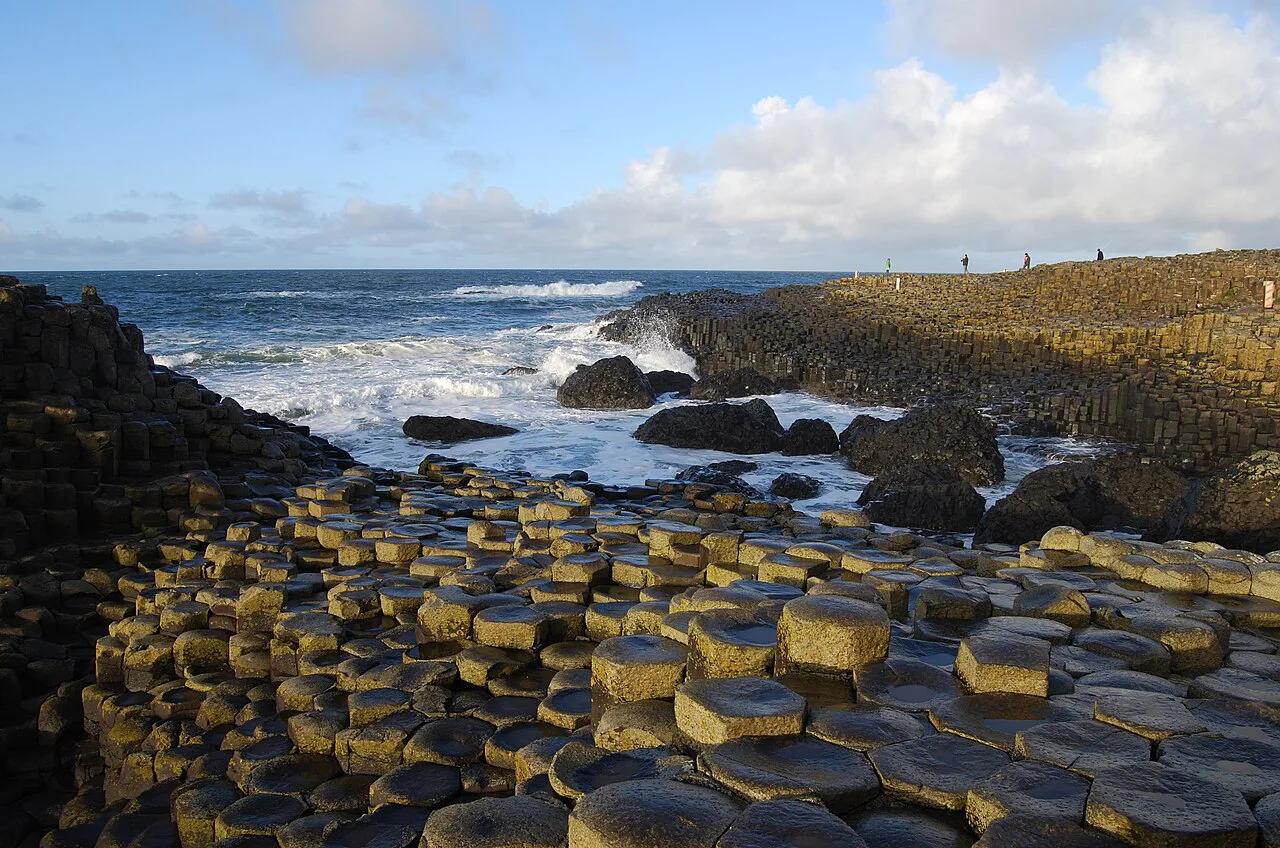
Featured image: Ermell, CC BY-SA 4.0, via Wikimedia Commons.
Are there volcanoes in the UK? What extinct really means
Yes, but none of them erupt. An active volcano is one with eruptions in recent history or ongoing signs of unrest. An extinct volcano has no magma supply and is not expected to erupt again. Britain's examples are far older than that, and erosion has stripped most of them down to their hard cores. A volcanic plug is the solidified magma from a volcano's throat, left standing after softer rock wore away. The British Geological Survey holds the geological record for UK volcanic rocks. Expect cliffs, crags and hexagonal columns rather than craters or lava. Active volcanoes do exist in a few British Overseas Territories, covered further down. Britain has no active volcanoes; for the ones that still erupt, see our guide to active volcanoes in Europe.
UK volcanoes at a glance: access and effort
Use this table to match a site to your time and fitness. Access labels are walk-up, boat-only, view from a distance and city viewpoint. Effort levels are relative, not measured.
| Site | Area | What you see | Access | Effort | Best conditions |
|---|---|---|---|---|---|
| Arthur's Seat and Castle Rock | Edinburgh | Eroded volcano and volcanic plug | City viewpoint and walk-up | Low to medium | Dry, calm days |
| Ben Nevis | Scottish Highlands | Roots of an ancient volcanic centre | Walk-up (mountain route) | High | Clear, settled weather |
| Fingal's Cave, Staffa | Inner Hebrides | Basalt columns | Boat-only | Low on land, weather-dependent | Calm seas |
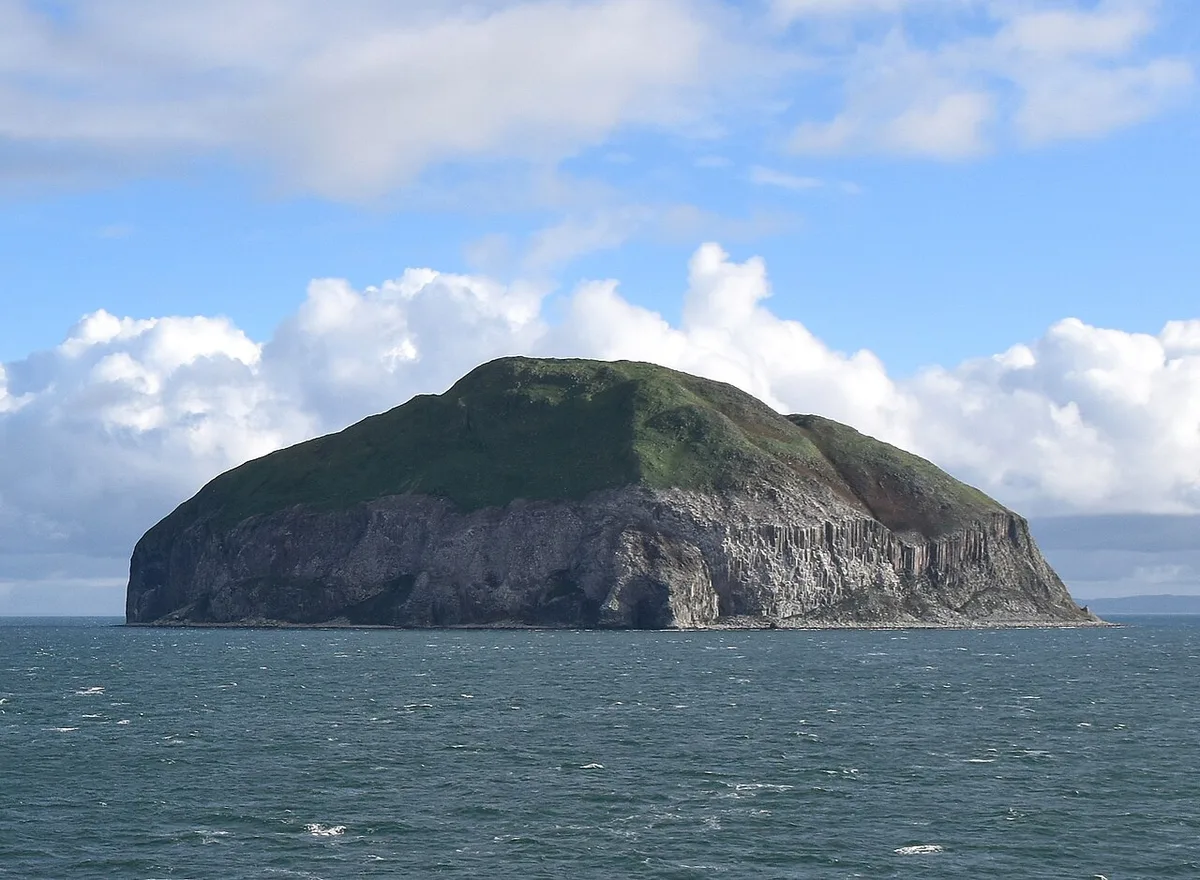
| Ailsa Craig | Firth of Clyde | Volcanic plug with seabird cliffs | Boat-only or view from a distance | Low | Calm seas, nesting season for birds |
| Bass Rock | Firth of Forth | Volcanic plug with gannet colony | Boat trip or view from a distance | Low | Calm seas, nesting season for birds |
| Slemish | County Antrim | Volcanic plug | Walk-up | Medium (short, steep) | Dry weather |
6 Volcanoes in the UK You Can Visit
Five sites sit in Scotland and one in Northern Ireland. For a wider Scottish overview, start with our guide to Scotland's volcanic sites. Details such as boat timetables and park rules change, so use each operator's or manager's own page before travelling.
1. Arthur's Seat and Castle Rock, Edinburgh
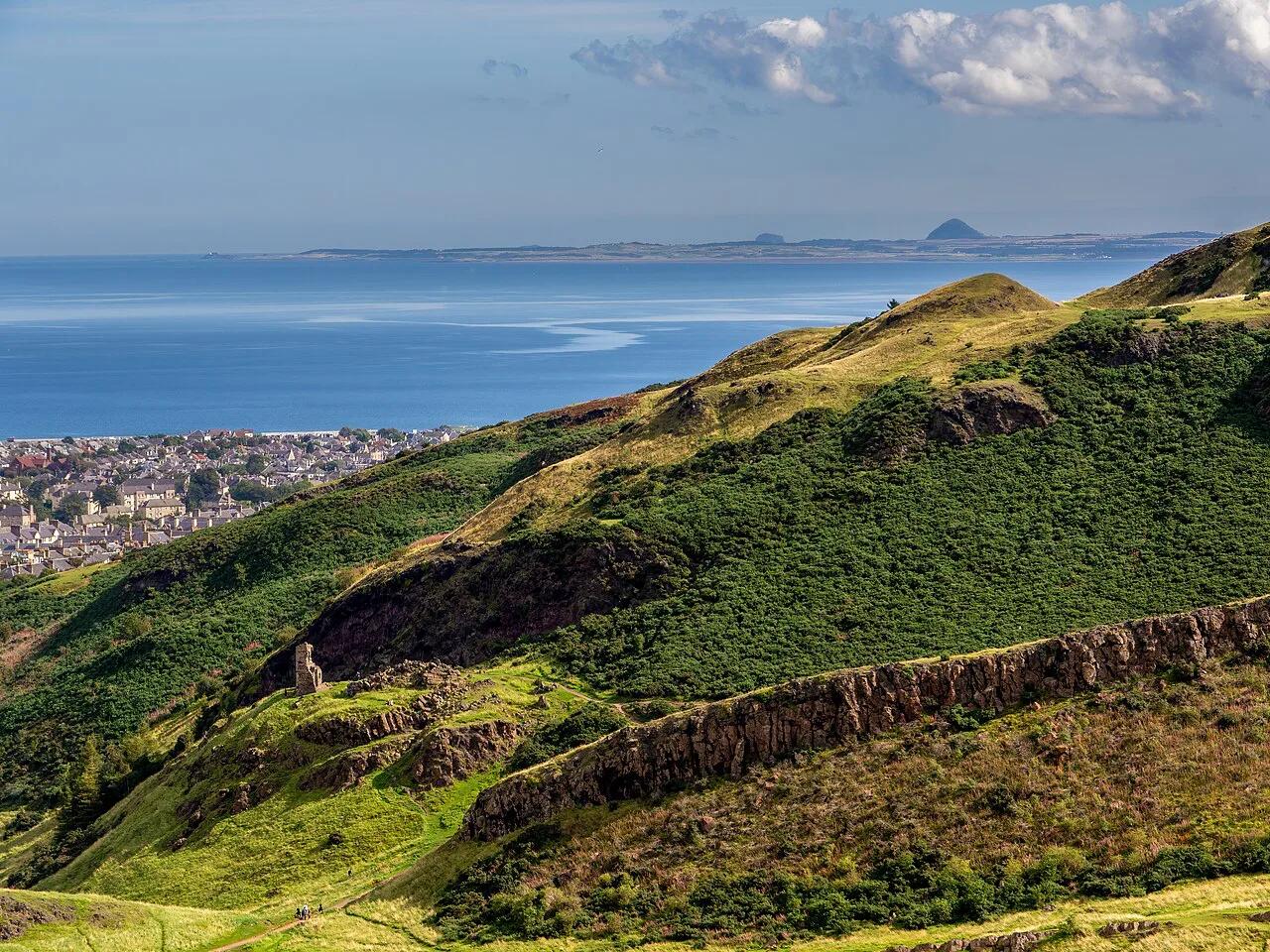
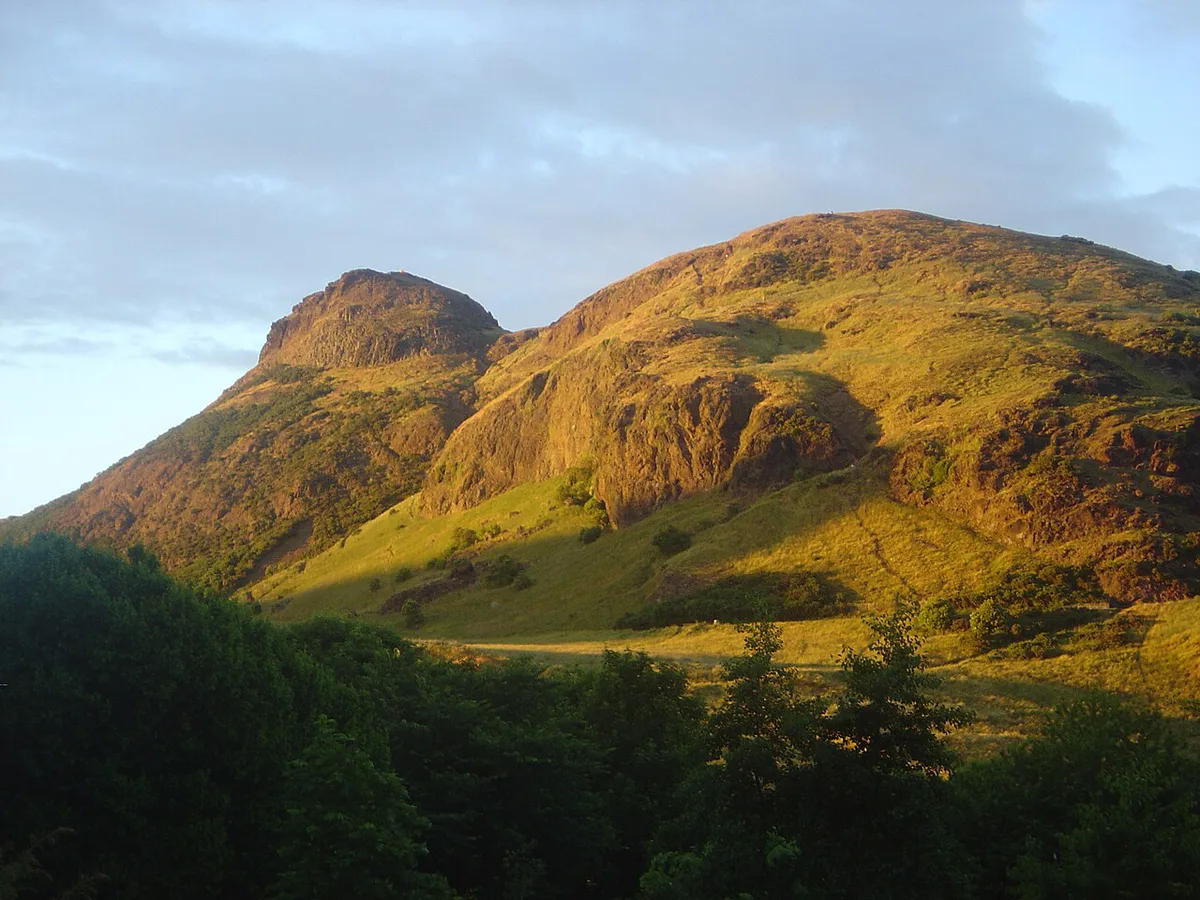
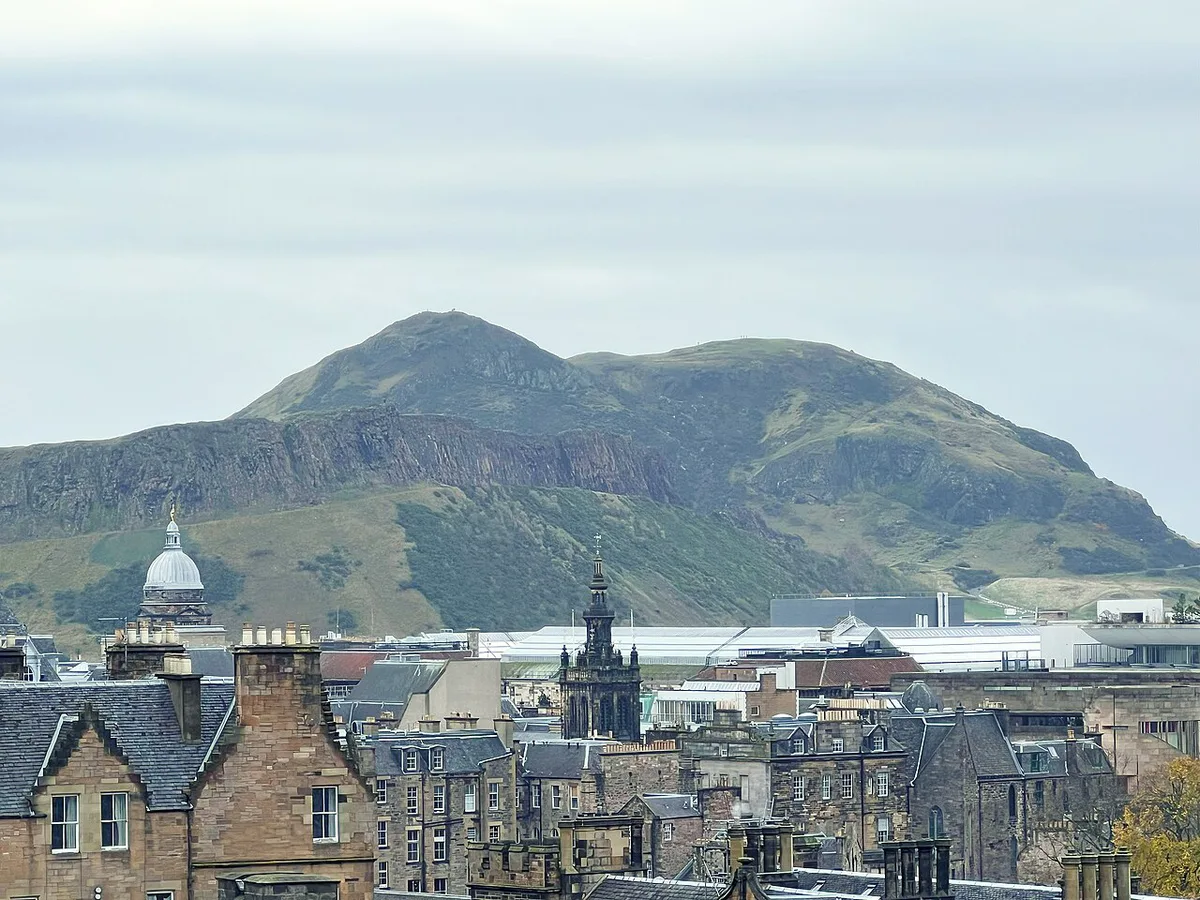
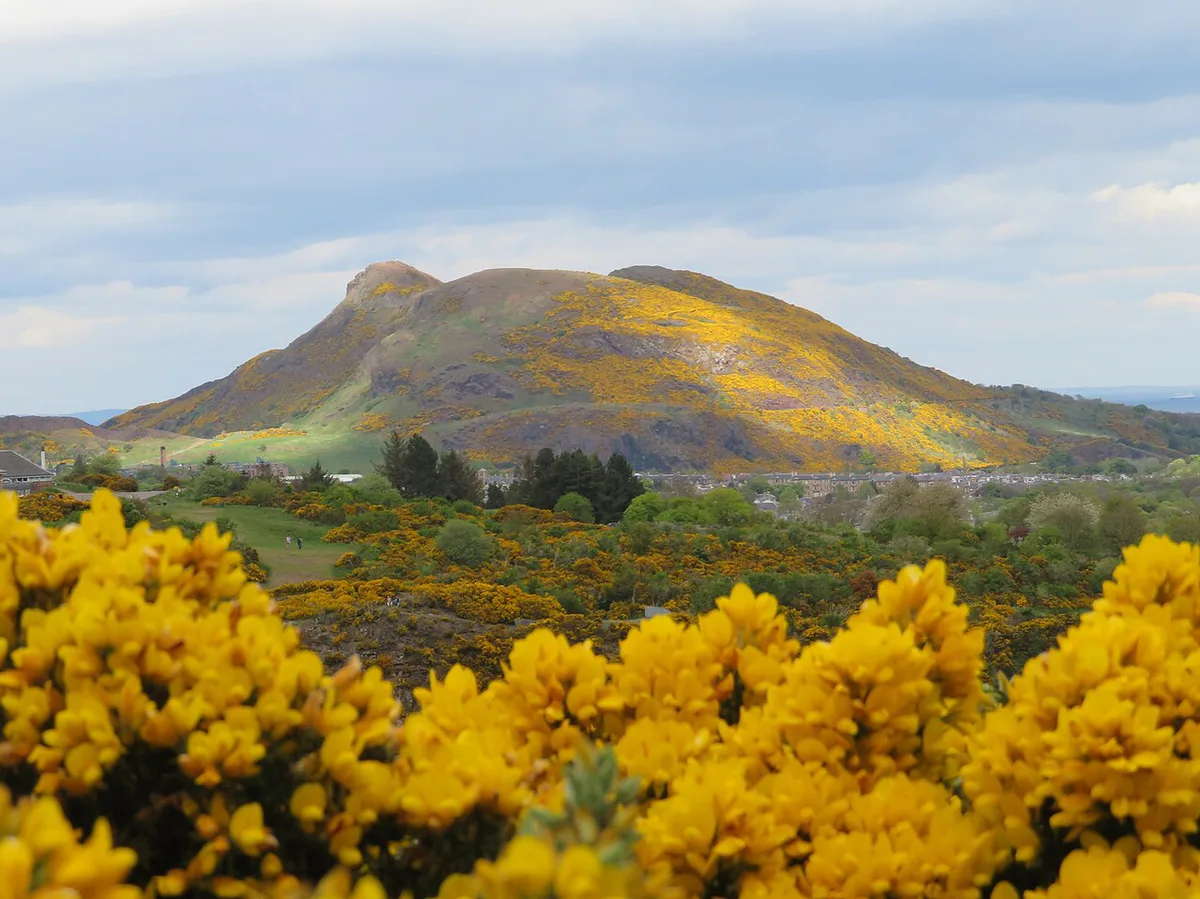
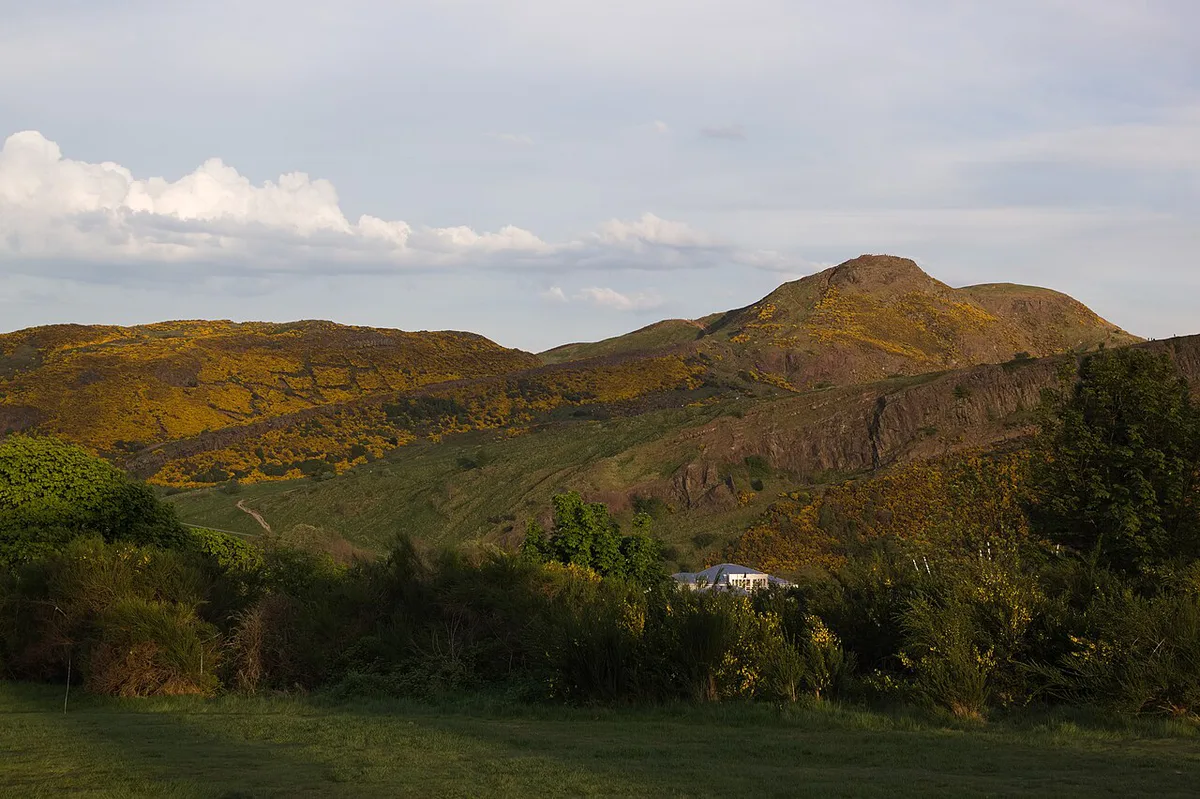
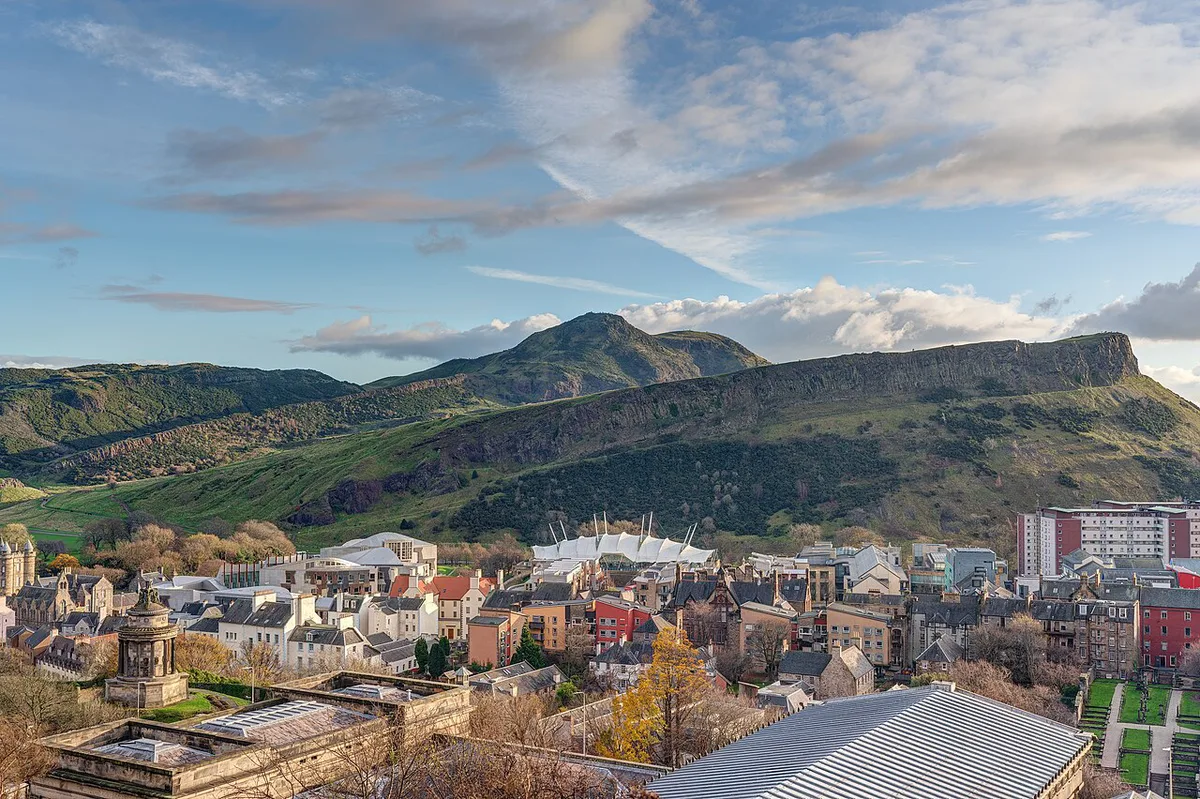
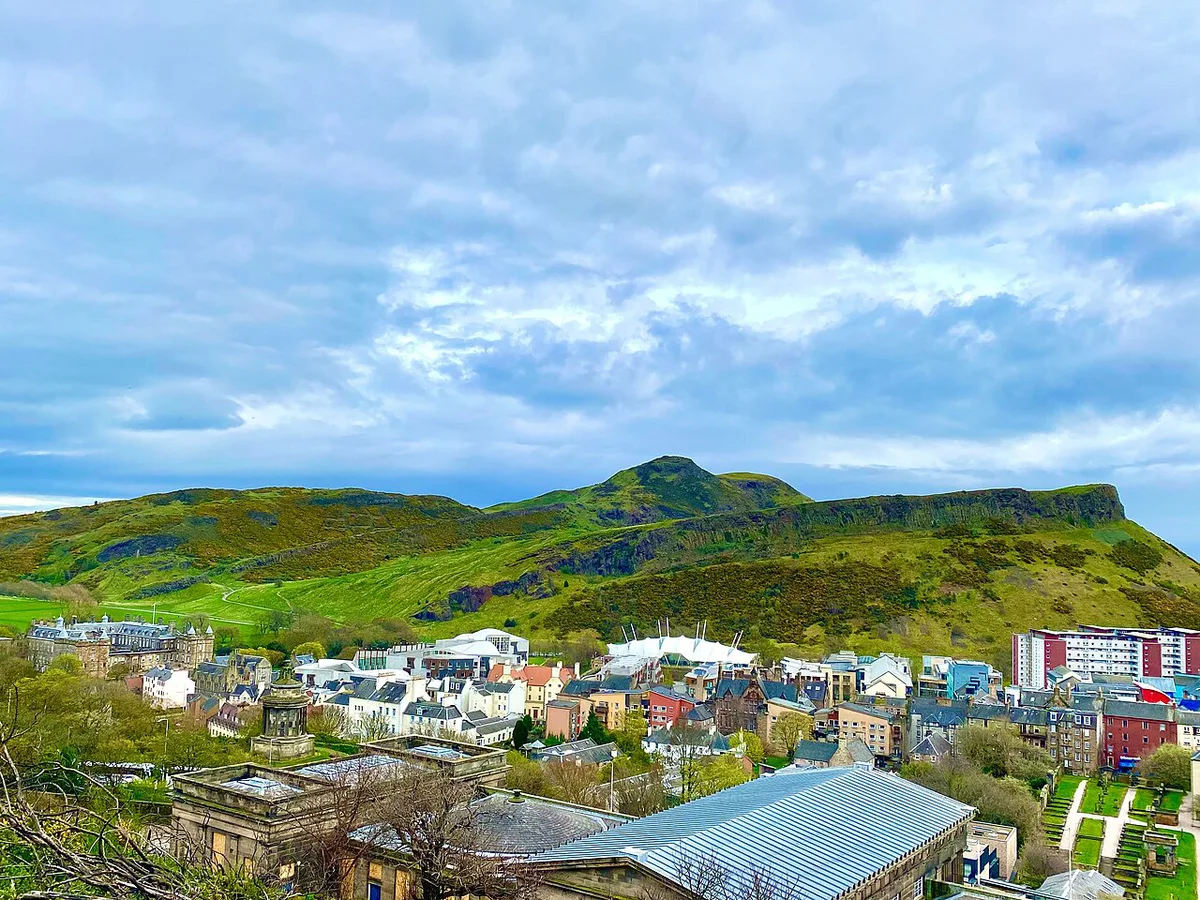
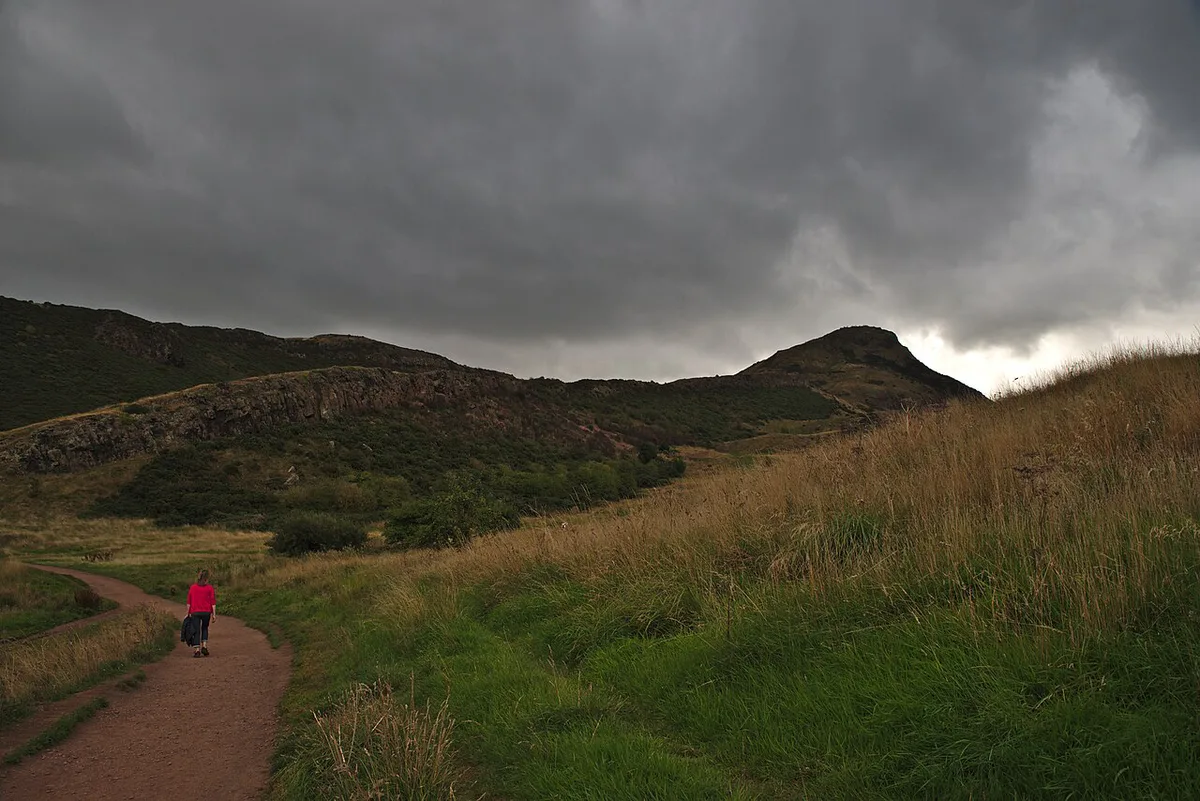
Edinburgh's volcanic remains are the easiest in the UK to reach, because they sit inside the city. Arthur's Seat in Holyrood Park is the worn-down remnant of an ancient volcano. Castle Rock, beneath Edinburgh Castle, is a volcanic plug. Historic Environment Scotland looks after Holyrood Park and publishes its rules and any path closures.
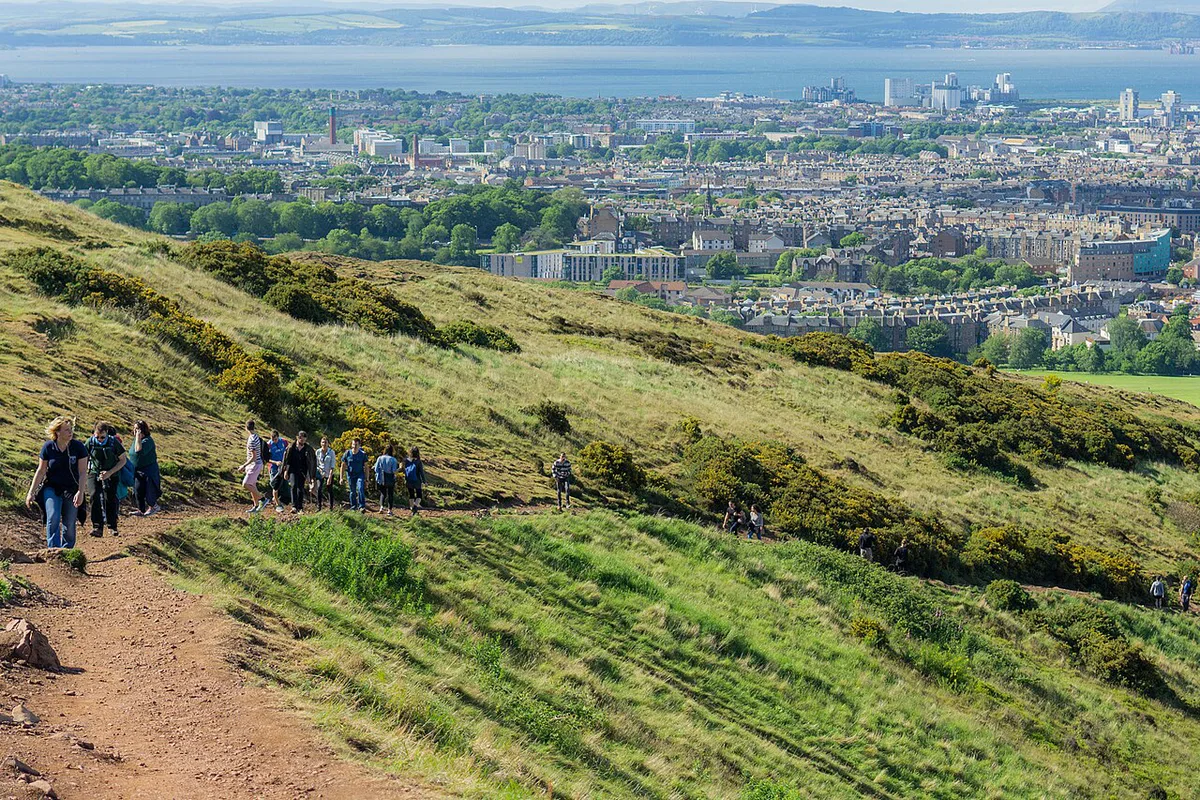
View Castle Rock from the street for a city viewpoint. Climb Arthur's Seat for the wider volcanic landscape. Wind and rain make upper paths slippery, so wear shoes with grip. Skip it if you expect craters or lava, because erosion has left hills and cliffs.
2. Ben Nevis, Scottish Highlands
Ben Nevis is a mountain first and a volcano second. Geologists read its rocks as the deep roots of an ancient volcano that collapsed inward, so you will not see a cone. Access is a serious hill walk that suits people with mountain experience, navigation skills and waterproof layers.
Summit weather can differ sharply from conditions at the base, so pick a clear, settled day. Skip it if you want an easy volcanic stop, because Arthur's Seat is the gentler choice.
3. Fingal's Cave, Staffa
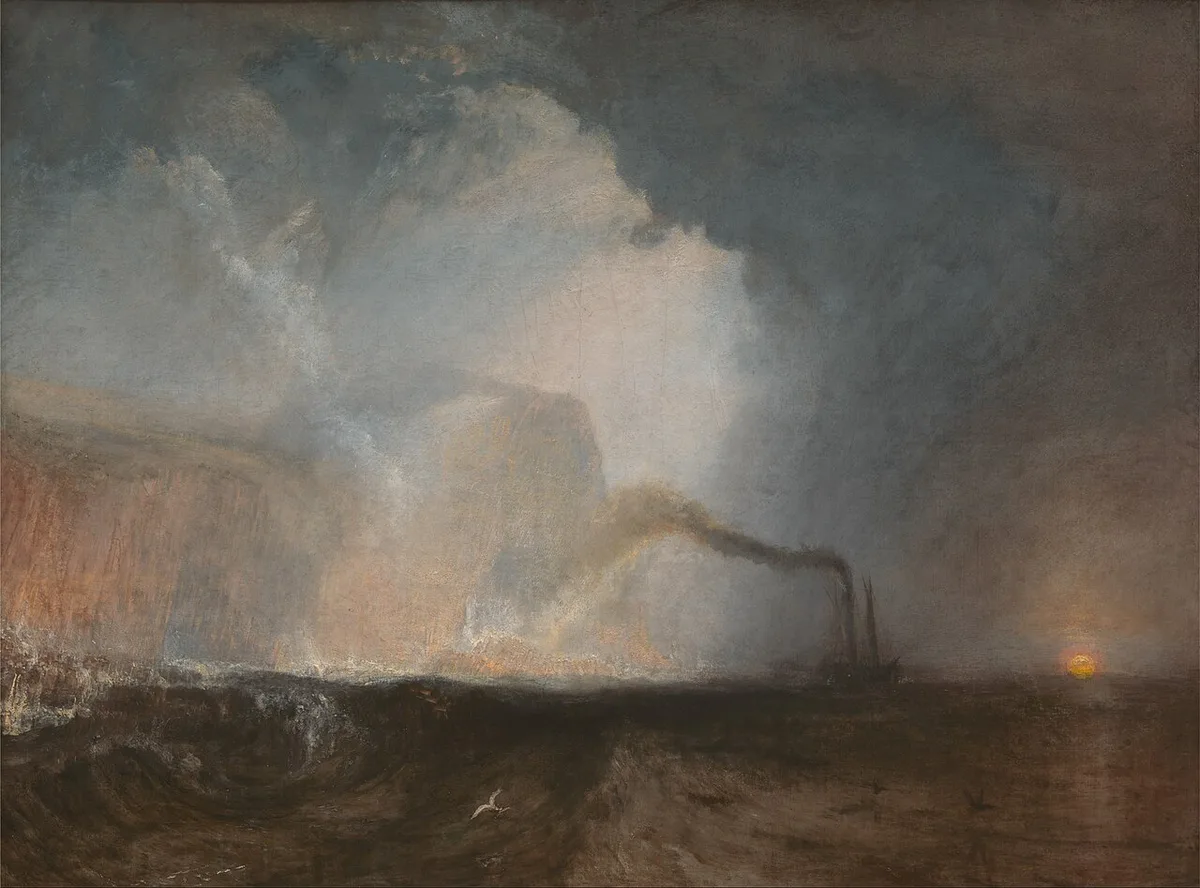
Fingal's Cave is a sea cave on the island of Staffa in the Inner Hebrides, framed by hexagonal basalt columns. Those columns formed as thick lava cooled and cracked into regular shapes. Access is boat-only, and operators set their own schedules and landing rules.
Sea state decides whether boats can land, so a landing is never guaranteed. Bring waterproofs and sturdy footwear, because the shoreline can be wet and uneven. Skip it if you are prone to seasickness or need a fixed itinerary.
4. Ailsa Craig, Firth of Clyde
Ailsa Craig: Visiting Scotland's Curling-Stone Island (Boats, Geology, Wildlife) is a rounded volcanic plug rising from the Firth of Clyde. Seabirds nest on its cliffs, and the RSPB publishes wildlife information for the island. You can take a boat cruise around the island or simply view it from a distance along the Ayrshire coast.
Nesting season and sea conditions shape what boats can do, so ask operators about landing before booking. Skip it if you need a guaranteed landing or a walkable summit.
5. Bass Rock, Firth of Forth
Bass Rock: Gannets, Volcano & How to See It is a volcanic plug off the East Lothian coast, crowded with nesting gannets. The Scottish Seabird Centre in North Berwick offers a base for boat trips and wildlife viewing. Check whether your chosen trip lands or only sails around the rock.
It pairs easily with Edinburgh as a two-stop volcanic day. Skip it if rough seas worry you, because trips depend on the weather.
6. Slemish, County Antrim
Slemish Mountain: Climb Guide, St Patrick Legend & Volcano Facts is a volcanic plug rising above the County Antrim countryside in Northern Ireland. Local tradition links the hill with Saint Patrick, so the site draws walkers as well as geology fans. Access is a short, steep walk-up, and the final stretch can be slippery after rain.
Wear boots and avoid it in wet or icy weather. Skip it if you want a flat stroll or a site with extensive facilities.
Northern Ireland, England and Wales: what else to know
Northern Ireland's other famous volcanic landscape is the basalt of the Giant's Causeway, looked after by the National Trust. The Republic of Ireland is not part of the UK, but our island-wide volcano guide covers both sides of the border. England and Wales hold older volcanic rocks, mostly hills and quarries rather than visitor sites. Use the British Geological Survey's resources if you want to study them.
Active volcanoes in the British Overseas Territories
Active volcanoes exist only in some Overseas Territories, not on the British mainland. Montserrat in the Caribbean is the best-known example, with its Soufrière Hills volcano. Read the UK government's FCDO travel advice and local authority notices before planning any trip there. Exclusion zones and conditions can change.
How to choose and plan your route
Match the site to your travel style, then fit the weather around it. Edinburgh suits a quick city stop and Slemish suits a short hill walk. Ben Nevis is for experienced hill walkers, while Ailsa Craig, Staffa and Bass Rock suit boat and wildlife days. Geology enthusiasts can combine Edinburgh with Bass Rock in one trip, or link west-coast island trips together. Common mistakes are expecting Iceland-style craters, underestimating mountain weather, and assuming boats will always land. Keep a flexible day for sea crossings, and stay well back from cliff edges.
Explore More Guides
Keep planning your trip with these guides.
Guides
- Volcanoes in Scotland: Extinct Sites You Can Visit
- Fingal's Cave, Staffa
- Ailsa Craig: Visiting Scotland's Curling-Stone Island (Boats, Geology, Wildlife)
- Bass Rock: Gannets, Volcano & How to See It
- Edinburgh Volcano: Arthur's Seat Facts and Visitor Guide
- Volcanoes in Ireland: Are There Any? Where to See Them
- Slemish Mountain: Climb Guide, St Patrick Legend & Volcano Facts
- Ben Nevis Volcano: Geology and Visiting Guide