Volcanoes in Ireland: Are There Any? Where to See Them
Last updated November 2026. There are no active volcanoes in Ireland, and no eruption risk for the island today. What remains is ancient volcanic geology, most visibly the lava of County Antrim in Northern Ireland. This guide shows where to see that rock and how it connects to the wider volcanoes across the UK.
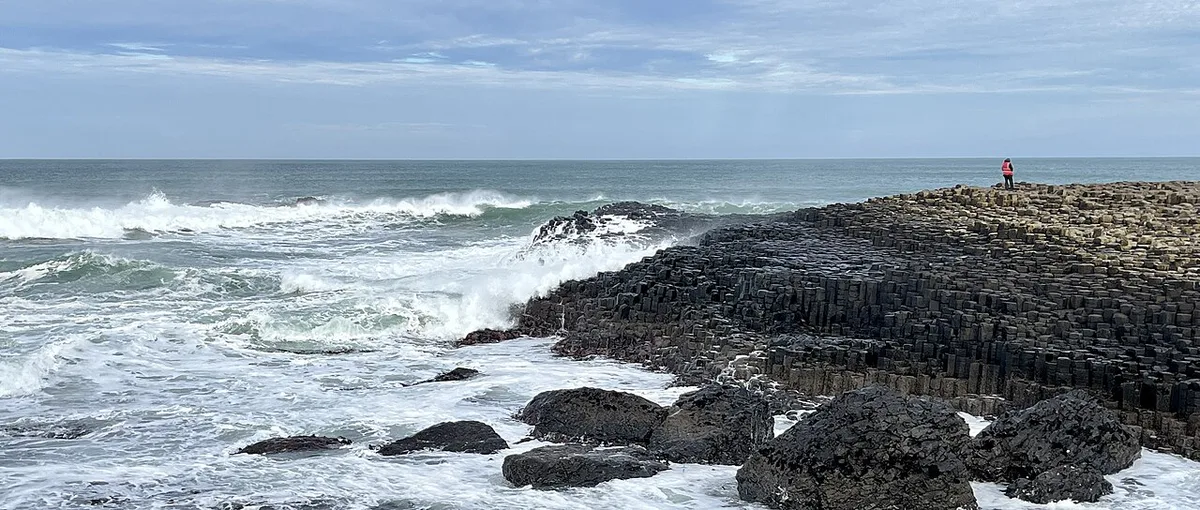
Featured image: Gillfoto, CC BY-SA 4.0, via Wikimedia Commons.
Are there any volcanoes in Ireland? The short answer
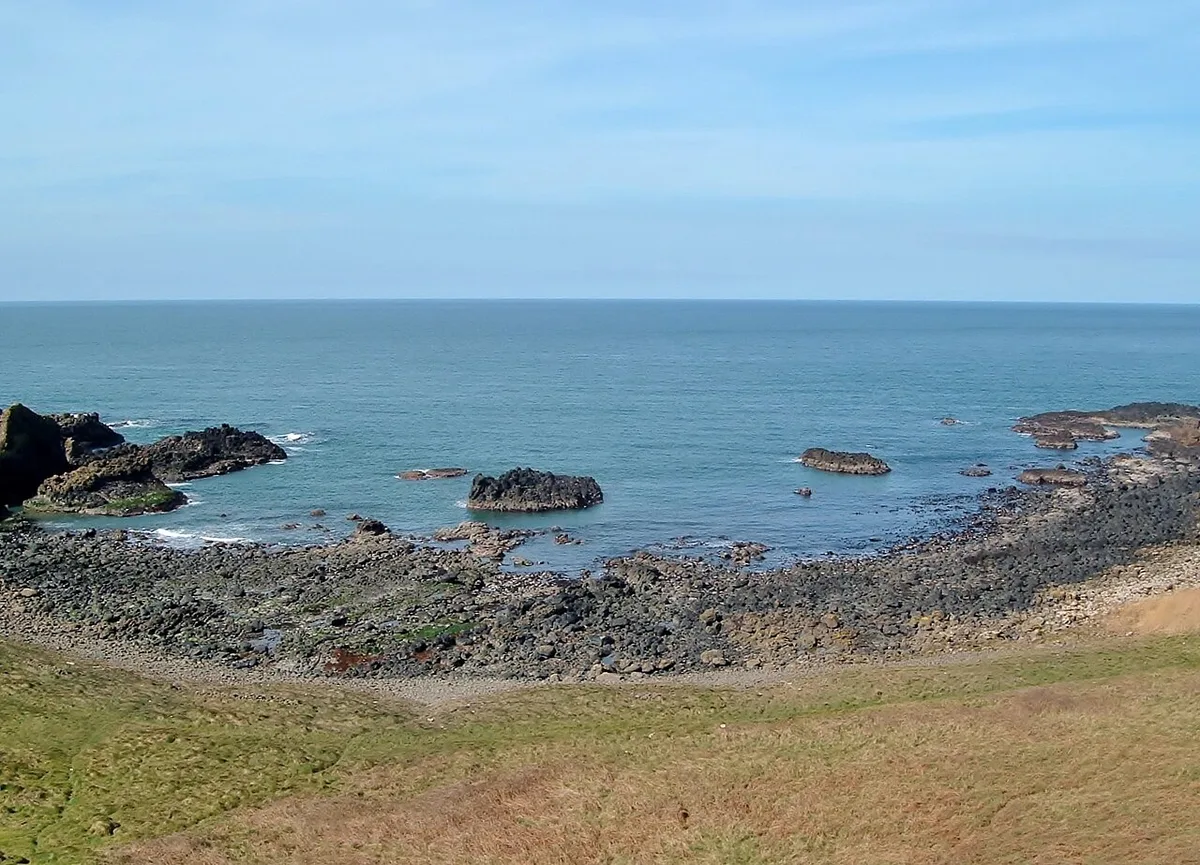
No. Nothing on the island of Ireland is erupting, and no volcano here is classed as active. Geological Survey Ireland and the British Geological Survey both describe the island's volcanic rocks as products of the distant past. Extinct volcanic rock is easy to find, but a cone with a crater is not.
| Status | What it means | Ireland |
|---|---|---|
| Active now | Erupting or expected to erupt | None on the island |
| Extinct | No eruption in millions of years | Ancient volcanic centres, long since inactive |
| Eroded remnants | Lava fields and plugs worn down by ice and sea | Antrim lava plateau, Giant's Causeway, Slemish |
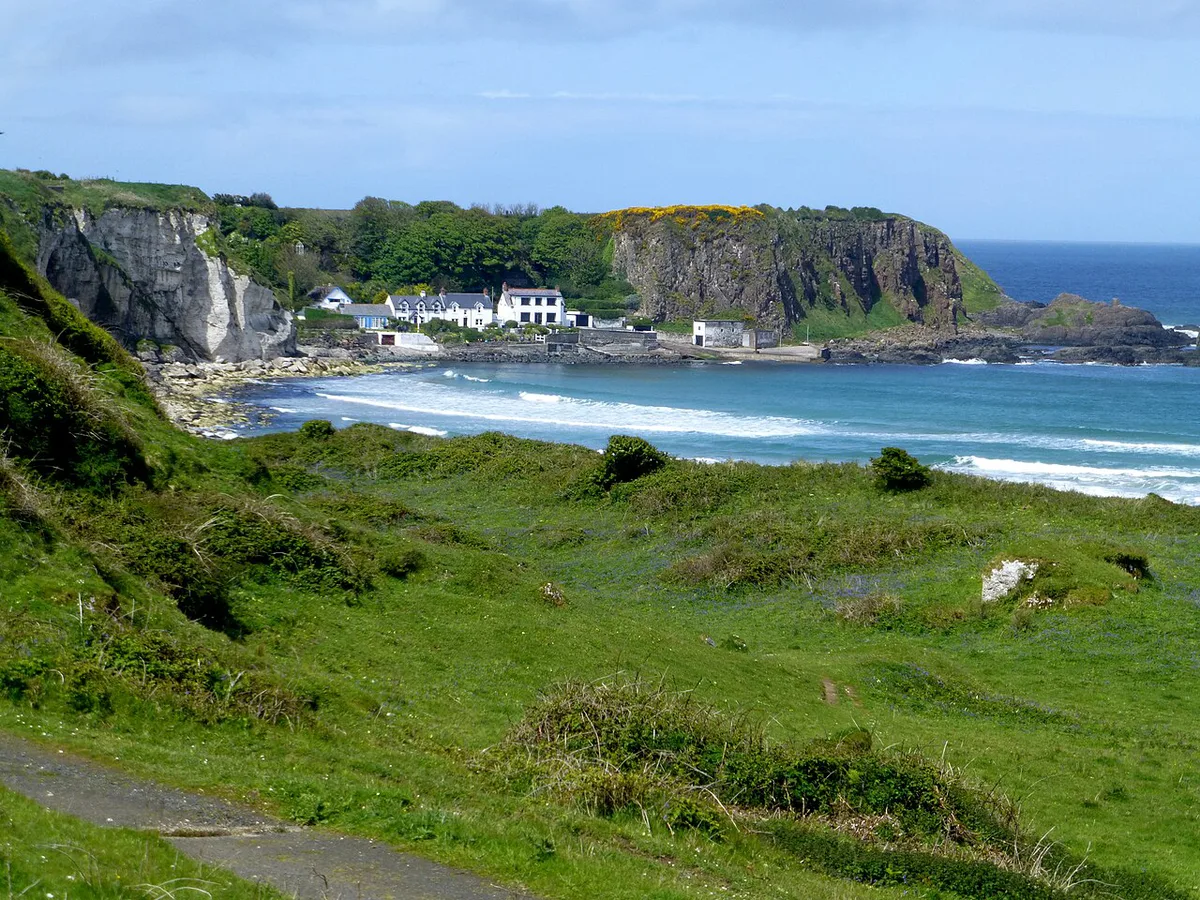
When Ireland was volcanic
The main episode happened roughly 55 million years ago. Lava poured across what is now the north-east of the island and built a thick plateau of basalt. Geologists link that outpouring to the opening of the North Atlantic, when the crust stretched and magma rose. Nothing comparable is under way now. Any new volcanism would be a matter of many millions of years, not something a visitor needs to plan around. For the official science, start with Geological Survey Ireland for the Republic and the British Geological Survey for Northern Ireland.
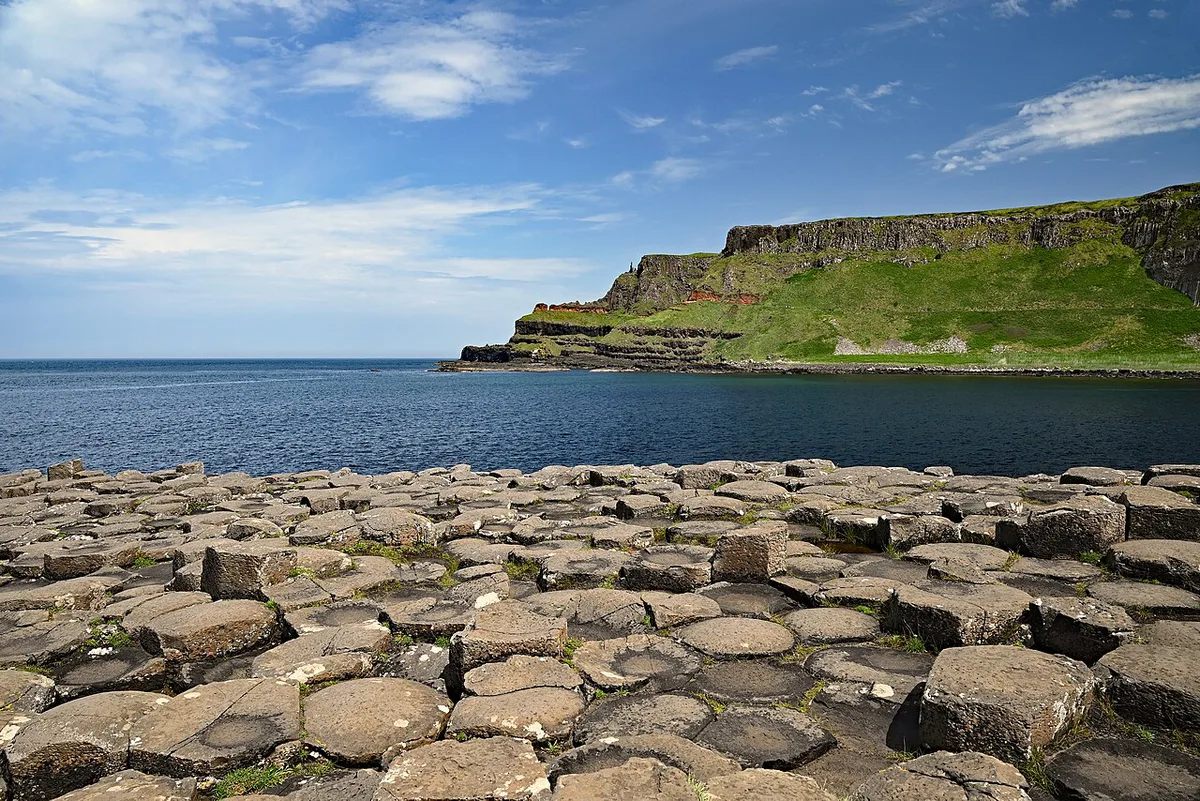
Where to see Ireland's volcanic legacy
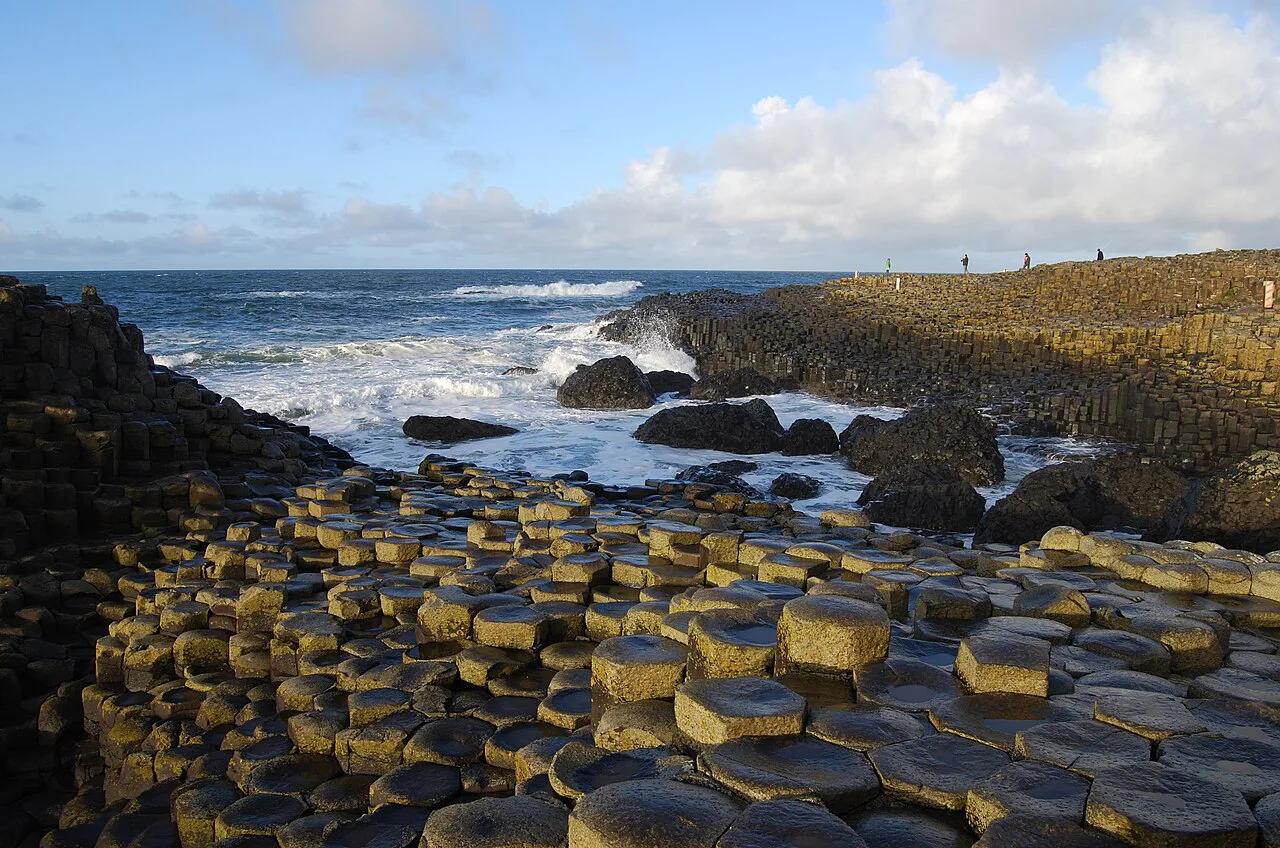
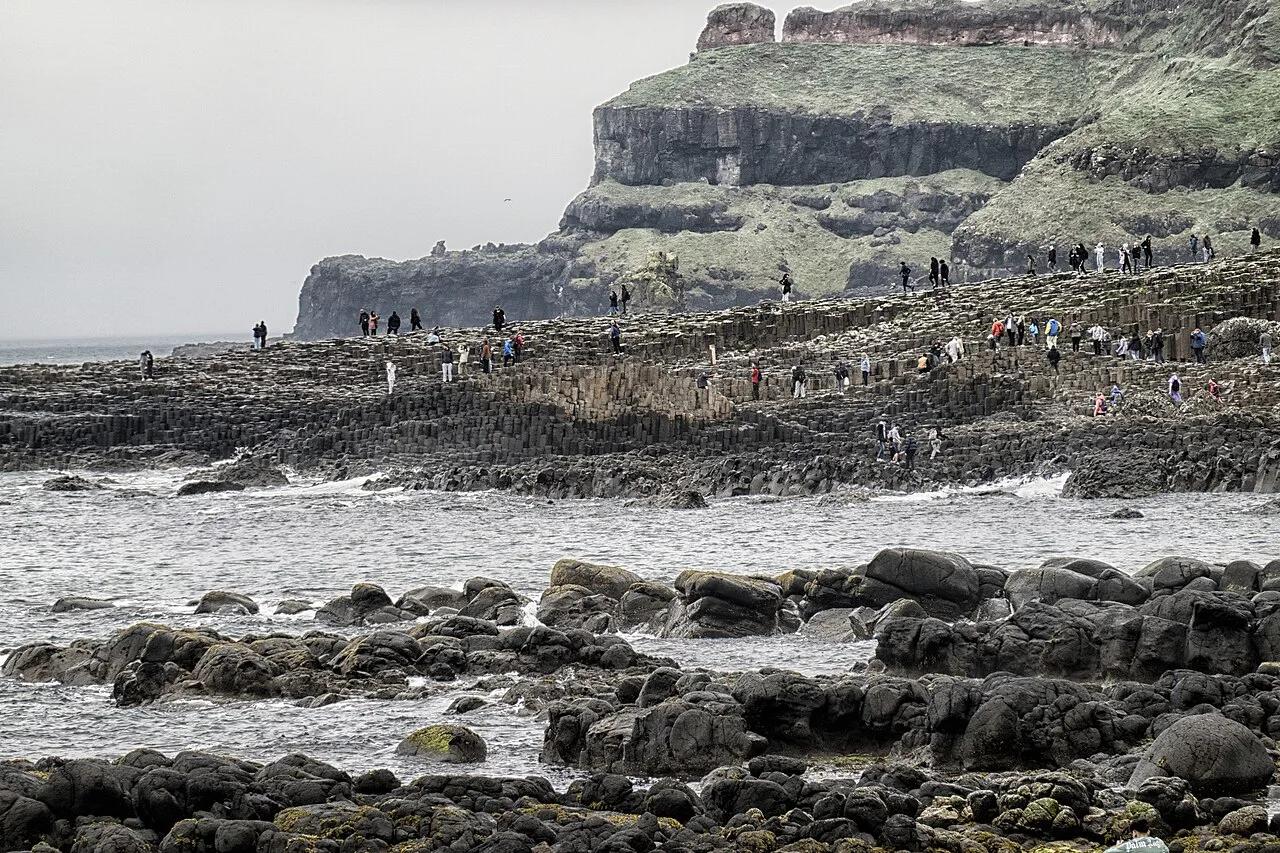
Start with the Antrim lava plateau on the north coast of Northern Ireland. The Giant's Causeway is the best-known stretch, where cooled basalt split into columns. The National Trust page for the Causeway covers visitor details. Inland in County Antrim, Slemish Mountain: Climb Guide, St Patrick Legend & Volcano Facts is commonly described as the eroded plug of an ancient volcano. In the Republic, older volcanic rocks exist, but they are subtle outcrops rather than headline sights. Geological Survey Ireland is the place to look for them.
Basalt columns on the Causeway coast cooled from the lava that spread roughly 55 million years ago, so the stop is a geology visit rather than an eruption site.
Which volcanic site fits which visitor
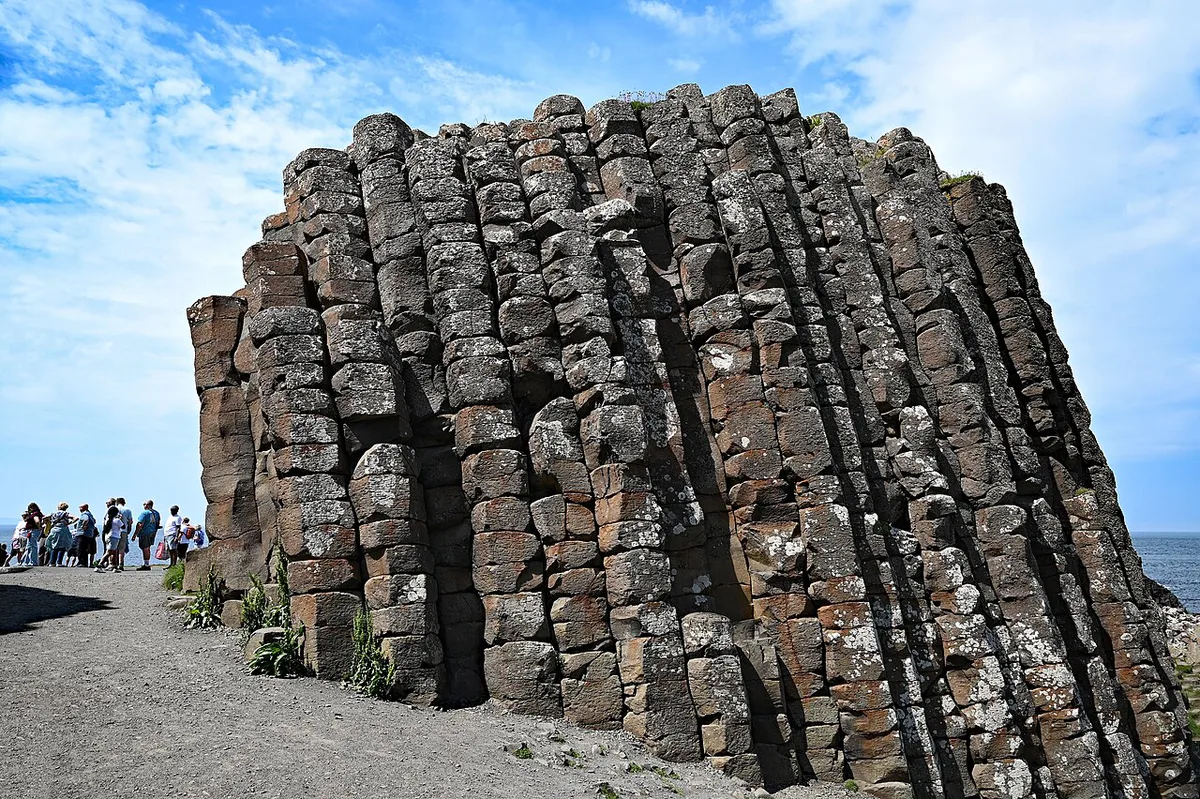
Match the site to your appetite for walking and your interest in geology. Entries marked "check official site" depend on operator details that change.
| Site | What you see | Access | Effort | Best time | Who should skip |
|---|---|---|---|---|---|
| Giant's Causeway (Northern Ireland) | Basalt columns on the coast | Run by the National Trust; check official site for access and fees | Check official site | Check official site | Anyone wanting a crater or cone |
| Slemish Mountain (County Antrim, Northern Ireland) | Rounded hill, the remnant of a volcanic plug | Check official site | Hill climb; check official site | Check official site | Visitors who want a staffed visitor centre |
| Republic of Ireland outcrops | Older volcanic rock in scattered locations | Varies by location; see Geological Survey Ireland | Varies | Varies | Casual sightseers short on time |
Practical logistics for a volcanic day out
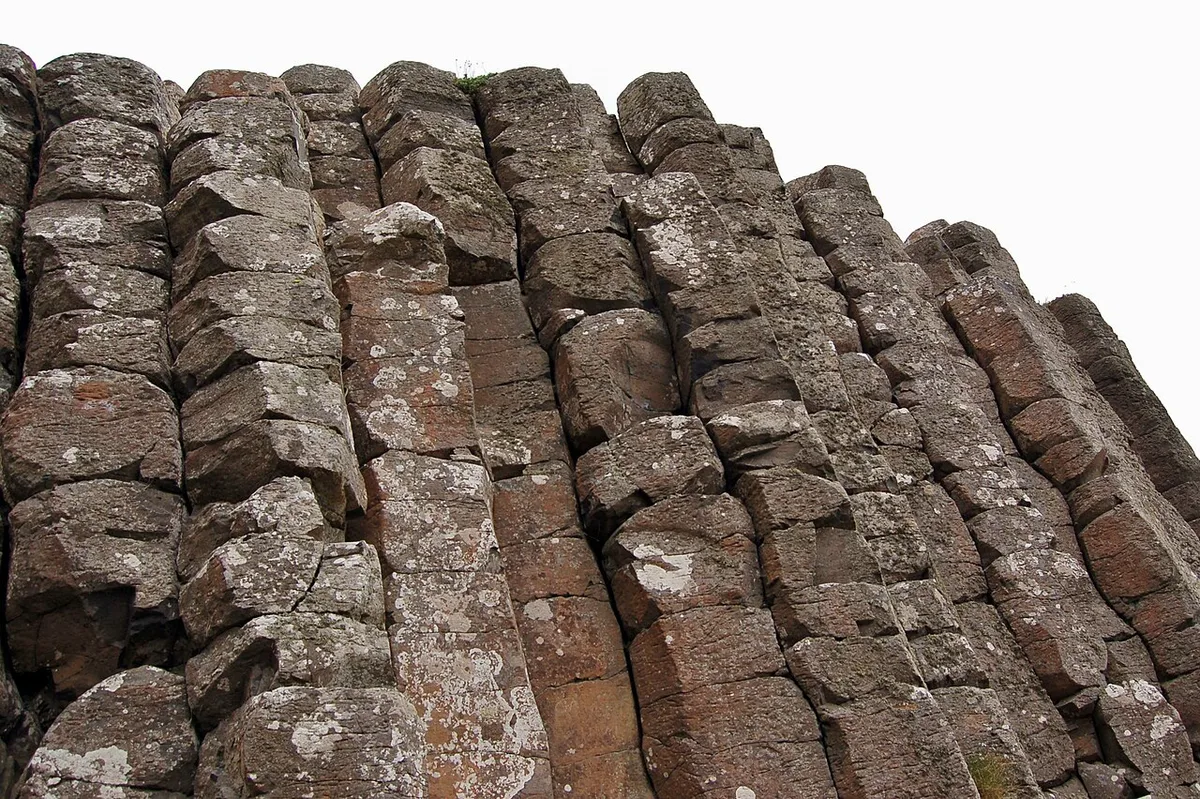
The Antrim coast sits in Northern Ireland, so a trip from Dublin crosses the border into the United Kingdom. Belfast is the usual starting point for the Causeway. A car gives you freedom to combine the Causeway with Slemish and other stops. A guided tour trades that flexibility for less planning. Fares, parking and entry arrangements change, so use the operator's own site for current details. If you walk the coastal paths, follow the National Trust's safety guidance for the day.
Common mistakes to avoid
A few misunderstandings come up again and again.
- Expecting a crater or cone. The Antrim lava is a flat plateau of basalt, worn down over millions of years.
- Calling the Giant's Causeway a live volcano. Its columns formed as lava cooled and cracked, and the eruptions ended long ago.
- Treating UK volcano sites as part of Ireland. Fingal's Cave, Ailsa Craig and Bass Rock are in Scotland.
- Mixing up jurisdictions. Northern Ireland sites follow UK operators, while the Republic of Ireland has its own agencies.
Beyond Ireland: related UK volcano sites
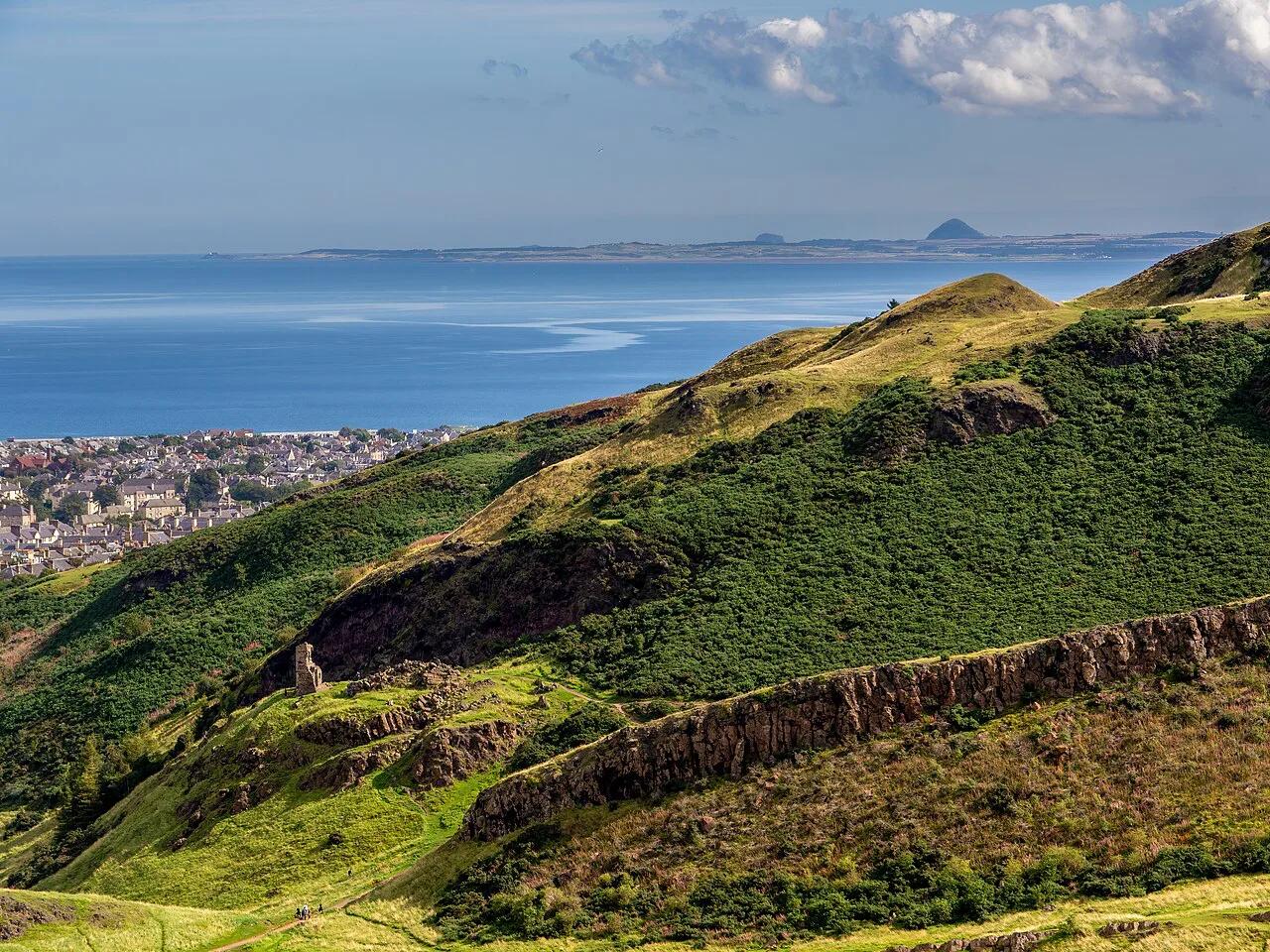
Scotland offers far more dramatic volcanic landscapes. Start with Volcanoes in Scotland: Extinct Sites You Can Visit for the full picture. Fingal's Cave has similar basalt columns, and our Fingal's Cave guide explains the setting. Other Scottish comparisons include Ailsa Craig: Visiting Scotland's Curling-Stone Island (Boats, Geology, Wildlife), Bass Rock: Gannets, Volcano & How to See It and the Edinburgh Volcano: Arthur's Seat Facts and Visitor Guide. For a mountain with volcanic roots, see Ben Nevis.
Is the Giant’s Causeway a volcano?
No. The Giant’s Causeway is not a volcano, crater or cone. It is a coastal rock formation made from basalt lava that cooled and cracked into columns.
Those eruptions happened roughly 55 million years ago, during a major volcanic episode in north-east Ireland. The lava spread across the area that became the Antrim lava plateau. Erosion later exposed the columned basalt seen on the coast today.
There are 0 active volcanoes on the island, so the Causeway is a geology destination rather than an eruption site. Visit it for the distinctive volcanic rock, then use the National Trust’s official information for current access, walking conditions and visitor arrangements.
Frequently Asked Questions
When was the last volcanic eruption in Ireland?
There is no eruption in recorded history. The island's volcanic activity ended tens of millions of years ago, and the Antrim lavas date from roughly 55 million years back. Today only eroded rock remains.