Fingal's Cave, Staffa: How to Visit, Boat Trips, Best Time
Last updated November 2026. Fingal's Cave is a sea cave of hexagonal basalt columns on the uninhabited island of Staffa in the Inner Hebrides. Anyone searching for fingals cave wants to know if they can go inside, and the answer is boat only. This guide covers tour types, the season, access and a no-car route. It also places the cave within the wider UK volcano story.
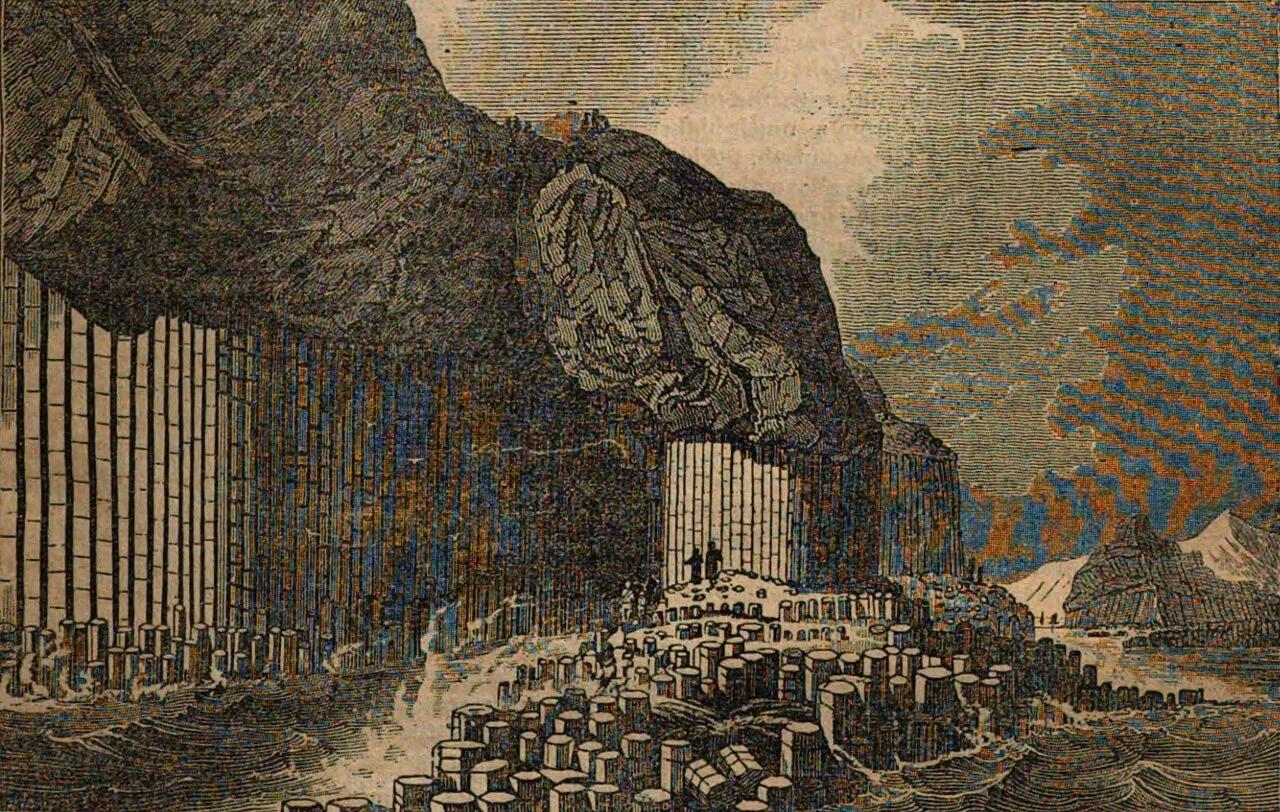
Featured image: Unknown artistUnknown artist, Public domain, via Wikimedia Commons.
Fingal's Cave at a Glance
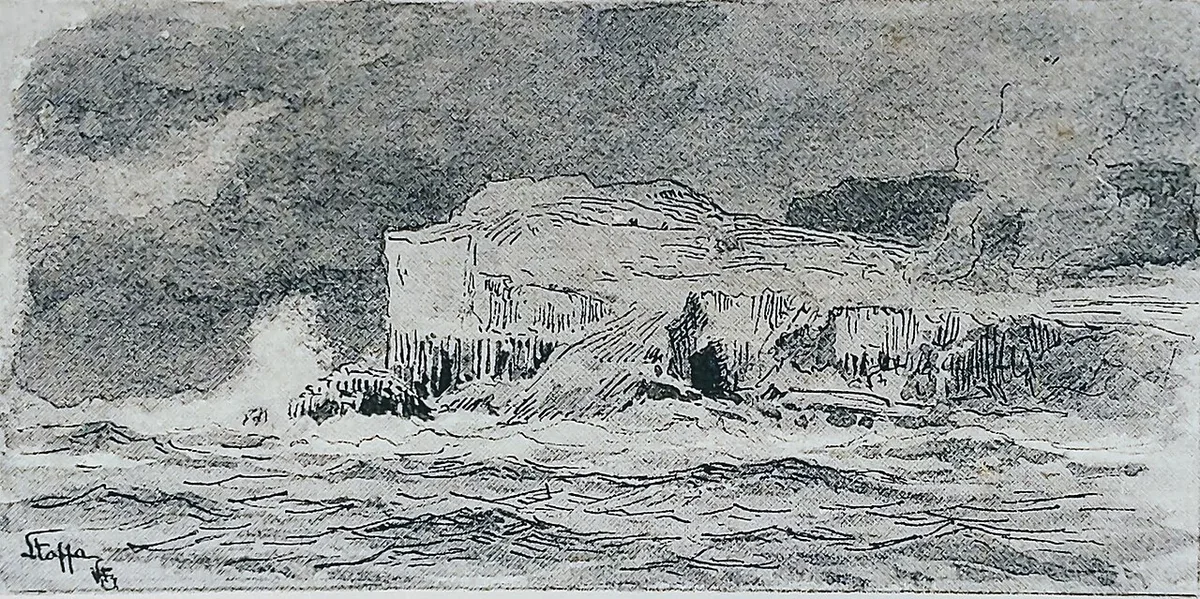
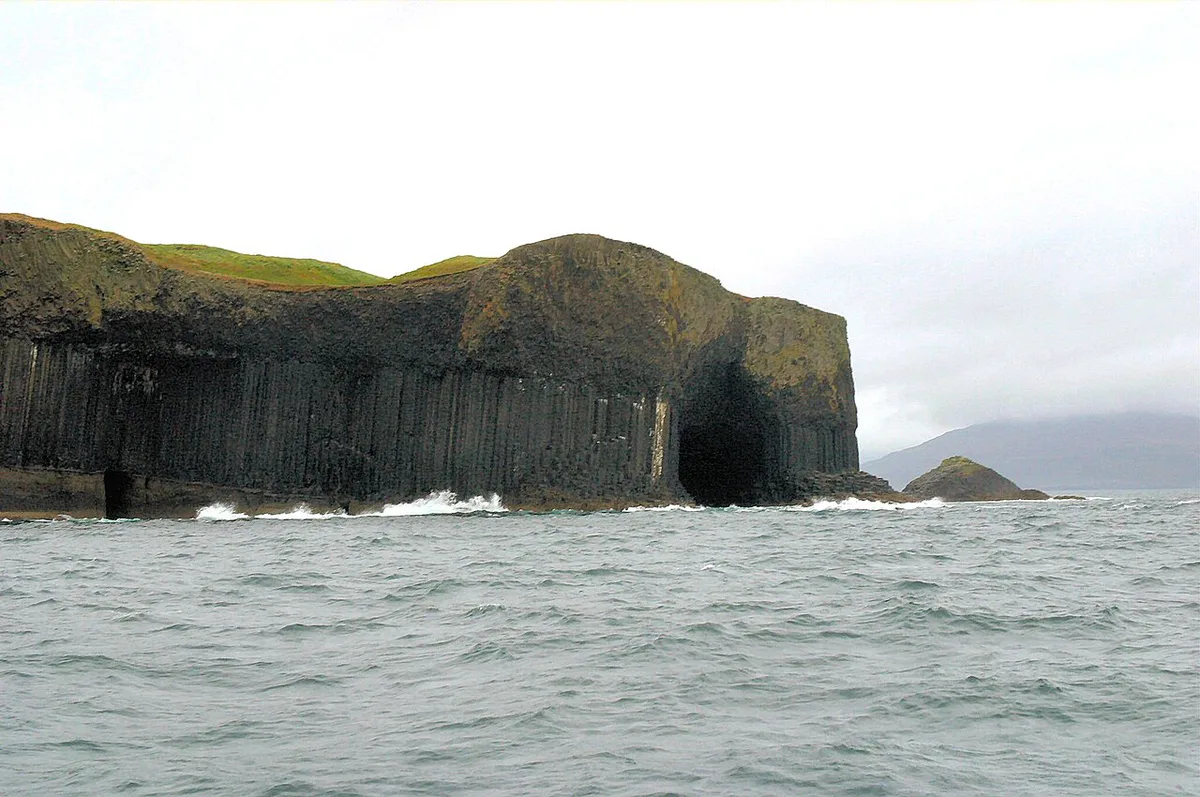
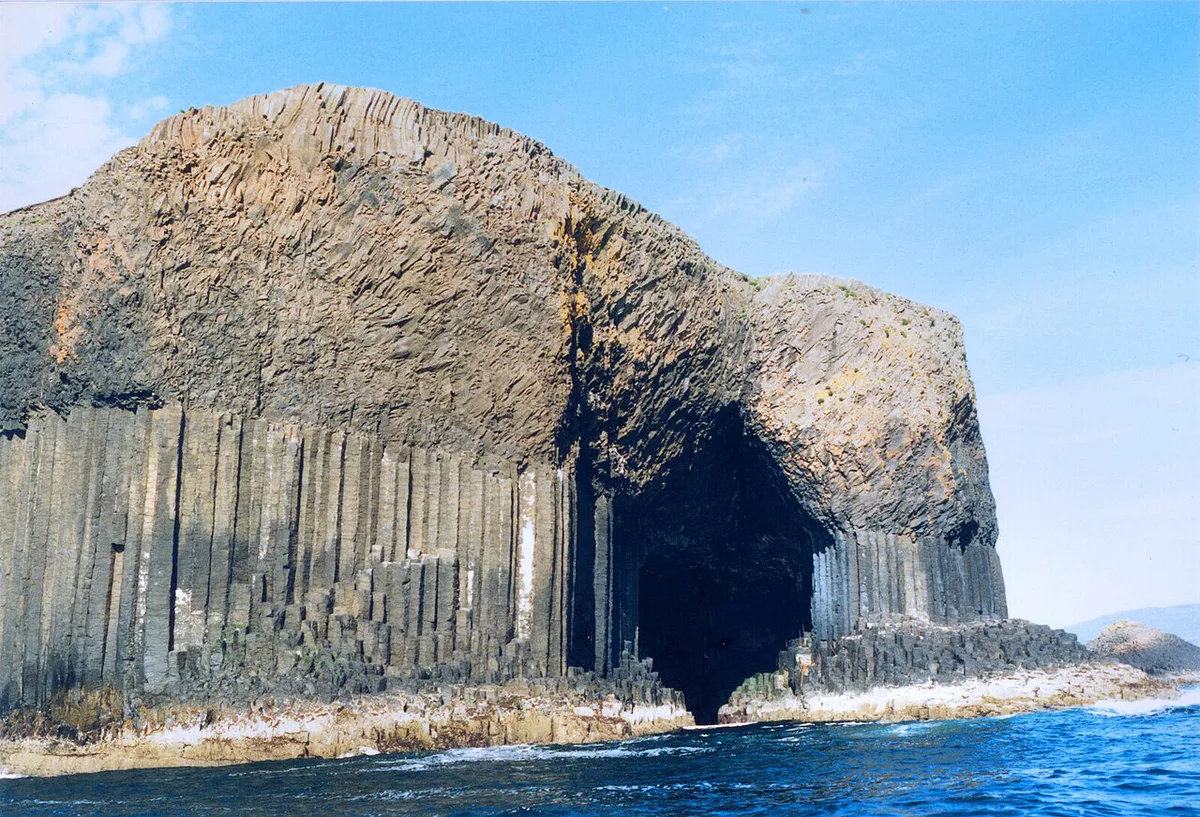
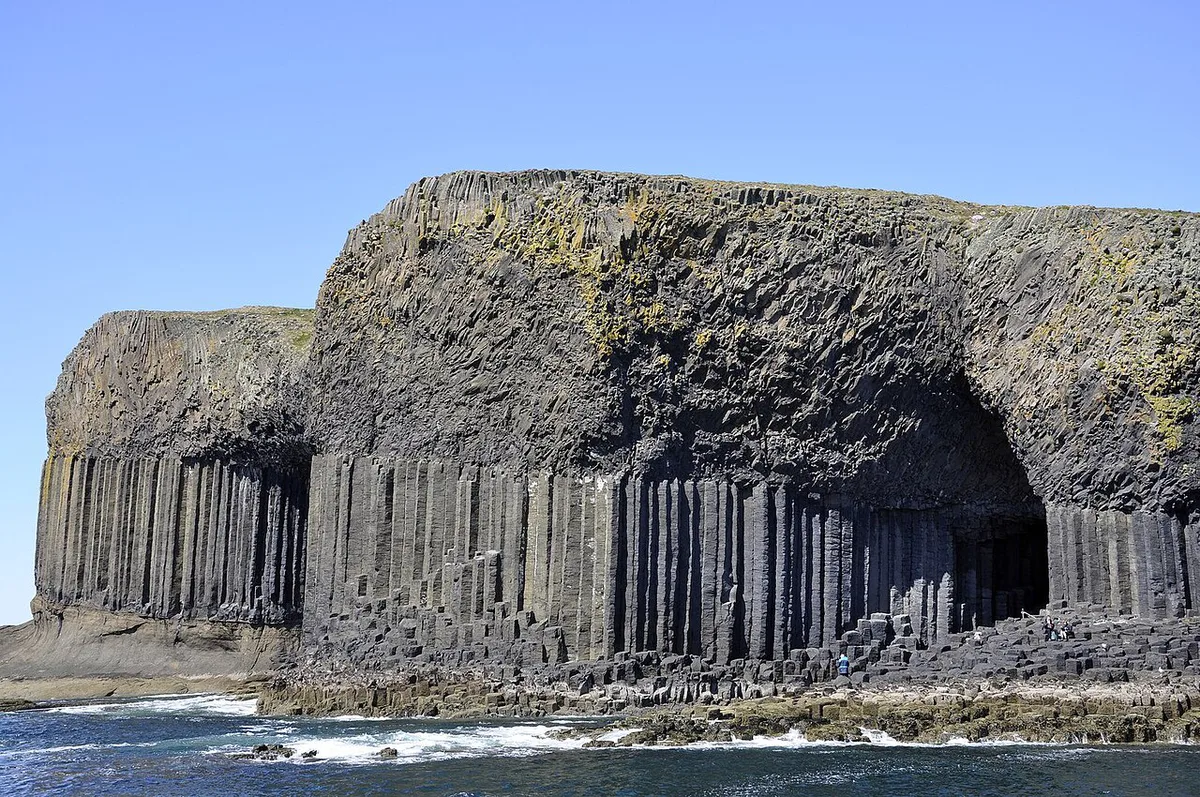
Fingal's Cave sits on Staffa, a small island west of Mull. No bridge, ferry or road reaches it. You get there on a small-boat tour, usually from Mull, Iona or an Oban-area operator. Landing is possible only when the sea is calm enough. The cave itself is a sea-filled arch lined with columns of lava that cooled into hexagons. Staffa is a National Nature Reserve, so you walk, watch wildlife and leave nothing behind.
- What it is: a volcanic sea cave in a Paleocene lava flow.
- Where: Isle of Staffa, Inner Hebrides, Scotland.
- How to reach it: boat tour only.
- Best months: spring to early autumn, when tours run and puffins are present.
- Suits: confident walkers and anyone happy with a small boat in open water.
How to Get to Fingal's Cave
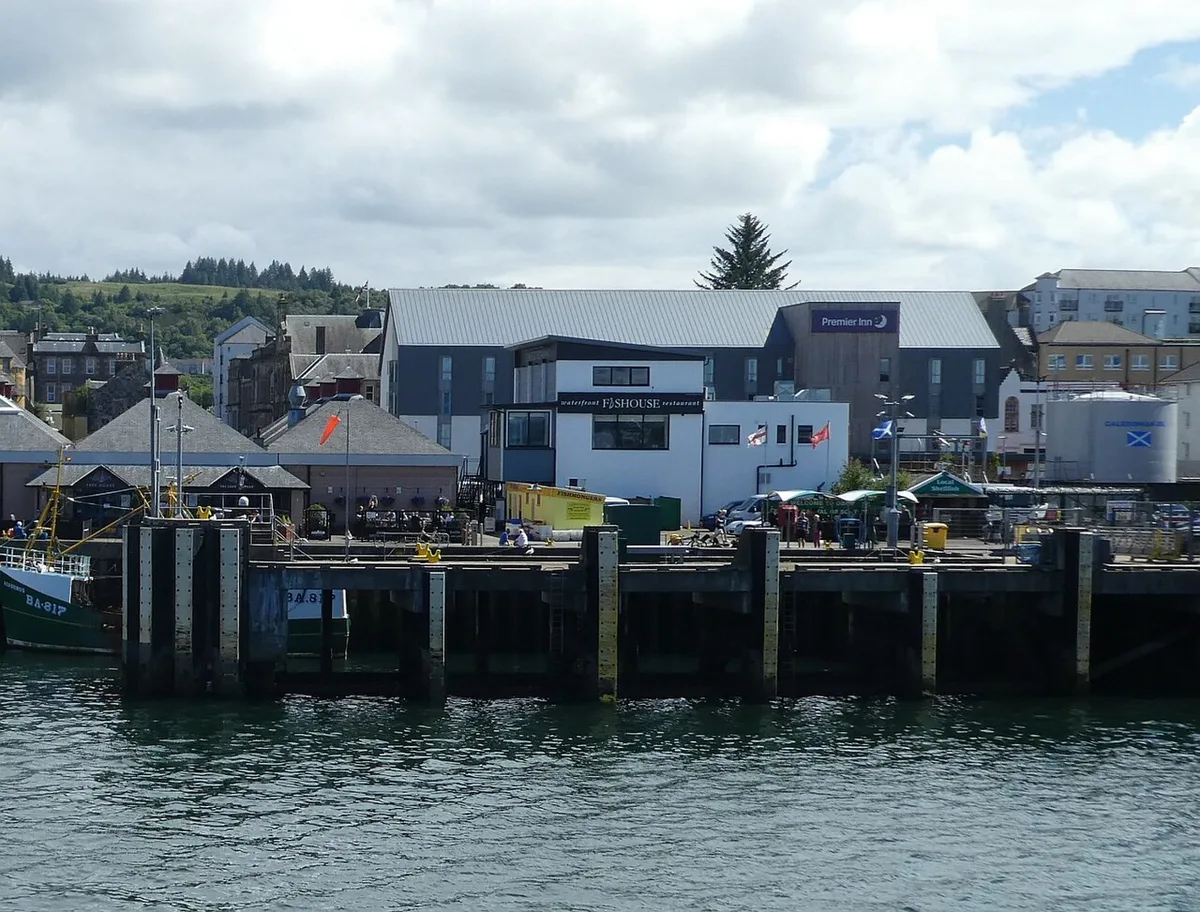
Every route ends on a boat. Most tours leave from small ports on Mull, and the crossing from Mull takes about 30 minutes. Journey time varies by departure port, so read the operator's page before you pick a start point. If you have a car, drive or take the ferry to Mull and park near your chosen departure port. Without a car, the route needs more planning but works. Oban-area operators offer another way to reach Staffa, and the chain below shows the stages.
- Glasgow or Edinburgh to Oban: train or bus.
- Oban to Craignure on Mull: CalMac car and passenger ferry.
- Craignure to your departure port: Mull bus or taxi.
- Departure port to Staffa: small-boat tour.
Fingal's Cave Boat Trips: Landing or Cruise-Only
Tours differ in whether they put you ashore. A landing tour lets you step onto Staffa and walk to the cave. A cruise-only trip passes the entrance and the columns from the water. Sea state decides which one you actually get. Ask each operator what happens if the swell is too high to land, and whether you can rebook or get a refund. Do not assume a booked landing is guaranteed.
| Tour type | What you see | Weather dependence | Best for |
|---|---|---|---|
| Landing tour | Cave walkway, columns, puffin area, seals | High: no landing in rough seas | Walkers who want time ashore |
| Cruise past the cave | Cave mouth and columns from the boat | Moderate: still affected by swell | Anyone wary of the landing |
| Combined trip with Iona or Mull stop | Staffa plus a second island | High: one rough leg can change the day | Visitors with a spare day |
Best Time to Visit
Tours run in the milder months, with sources giving the season as April to September, and some stretching to October. Operators set the real dates each year, so read the current schedule. Puffins nest on Staffa seasonally, so match your trip to the breeding season rather than the cave alone. Summer brings the busiest boats, while shoulder months mean quieter walkways but more cancellations from swell. Pack a waterproof jacket in any month. Mull weather changes quickly, and a calm morning can turn rough by afternoon.
Mull crossings take about 30 minutes, but a swell-cancelled landing can still cost you a whole day. Plan a spare day in case the trip is called off for weather.
What to Expect on Staffa
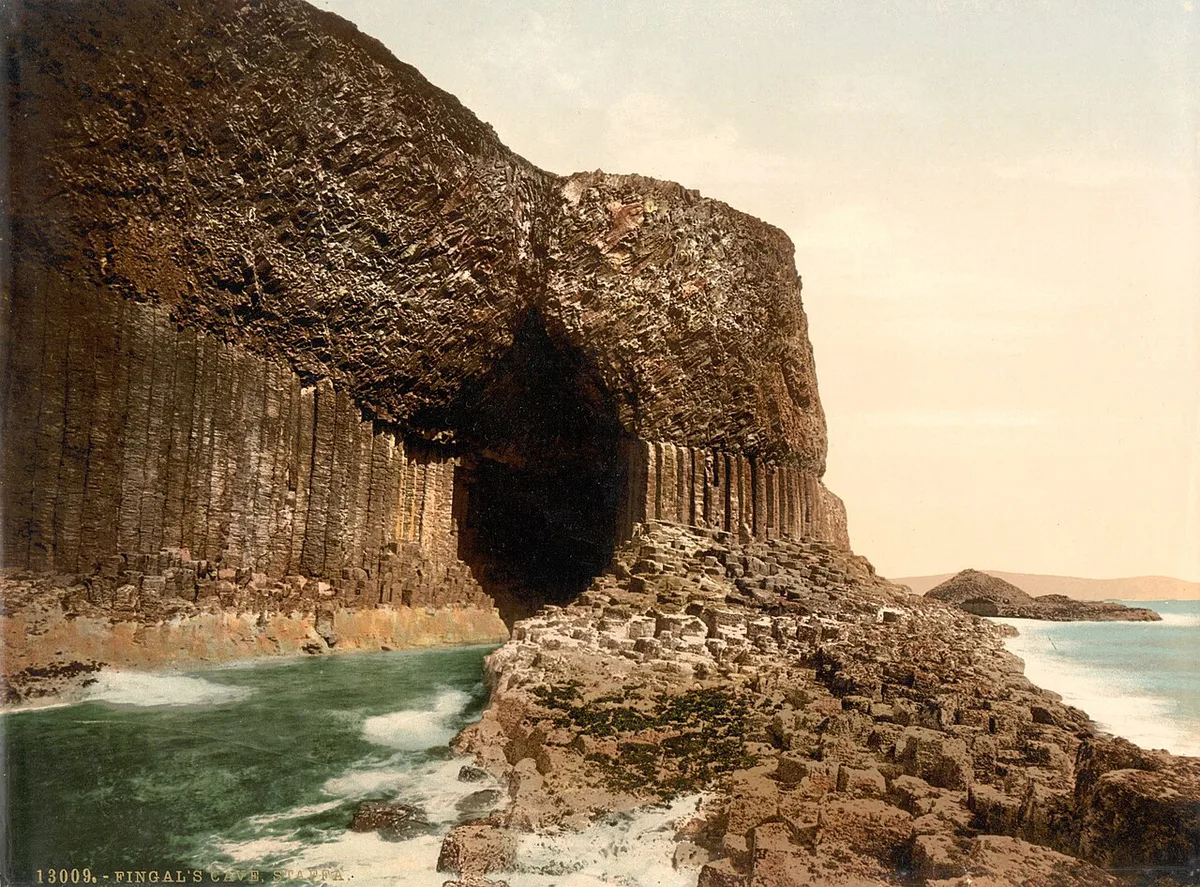
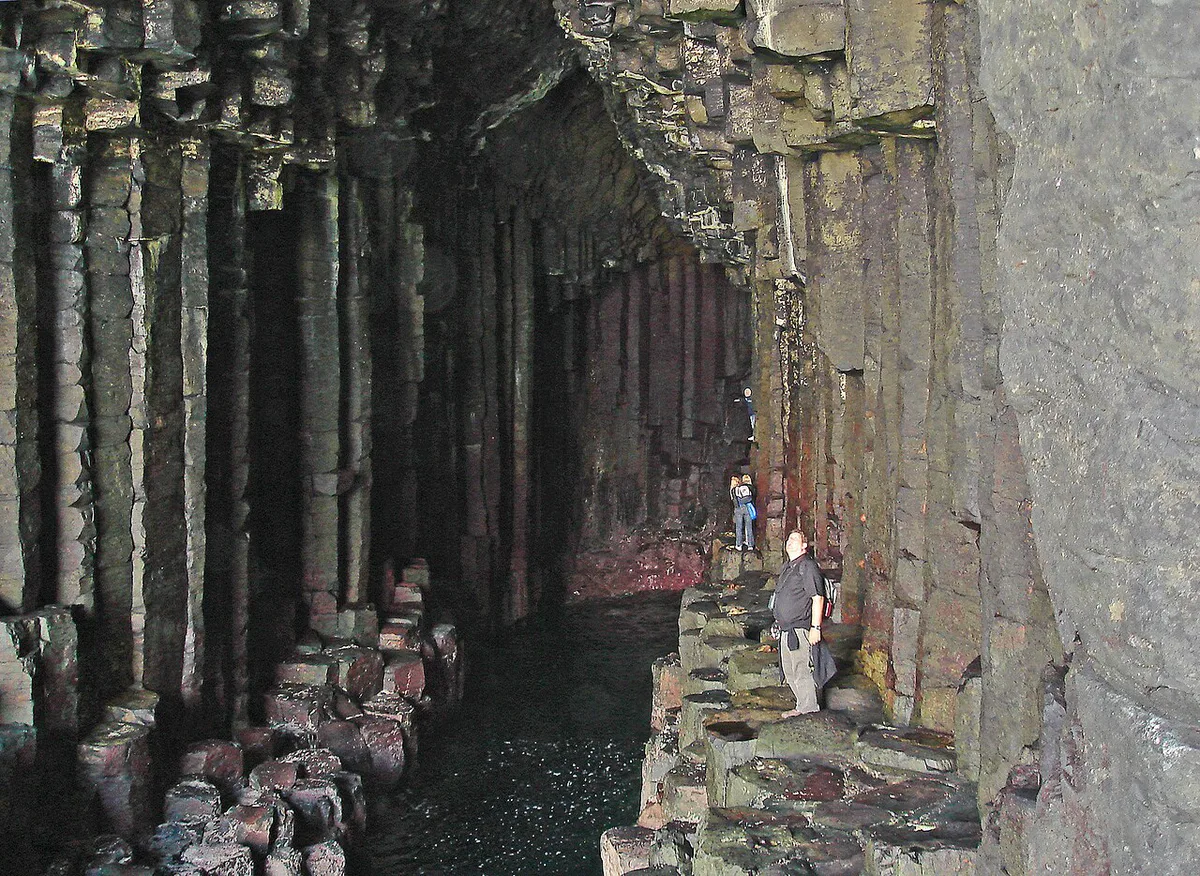
On a landing tour you step off at the island's landing place. A row of fractured columns then forms a walkway just above high-water level toward the cave. Inside, waves echo against the basalt. From within, the cave mouth frames the island of Iona across the water. Seals and seabirds are regular company on the way. Time ashore is set by the operator, so ask how long you get and split it between the cave walkway and the puffin area. Photographers get the best cave-mouth shot looking out, and the best column views from the boat. Staffa is uninhabited, so do not count on toilets or food on the island.
Accessibility and Who Should Skip It
Staffa is rugged. The walkway follows natural basalt columns, and the landing can be slippery. Visitors with limited mobility should ask operators directly about boarding and about the walk from the landing. The interior is not walkable in every sea condition.
- Skip it if you are prone to seasickness, since the open-water crossing can be rough.
- Skip the landing if mobility is limited and the operator cannot describe the route.
- Think twice with young children on days when the swell is up.
- Wear sturdy shoes with grip and bring waterproofs.
Costs, Tickets and Planning Your Day
Fares change by operator and season, so read the current price on the operator's own page. As a relative ladder, the tour fare is the core cost. Ferry crossings and onward Mull transport come next. Car hire or an overnight on Mull adds the most. Book early for summer, and leave a spare day in your Scotland plan in case a trip is cancelled for weather. Check each operator's rebooking rule before you pay. Pairing Staffa with Iona or a Mull walk gives you a Plan B if the sea stops a landing.
Where to Stay and Eat Nearby
Tobermory and Craignure are the usual Mull bases, and Oban works if you prefer a mainland start. Tobermory has a harbor front with restaurants and hotels, so it suits an overnight before an early tour. Craignure is the stop for the Oban ferry, which helps without a car. Oban gives better rail and bus links from Glasgow. Pick a base by how you travel, then check the departure port's distance from it.
Geology and Legend in Brief
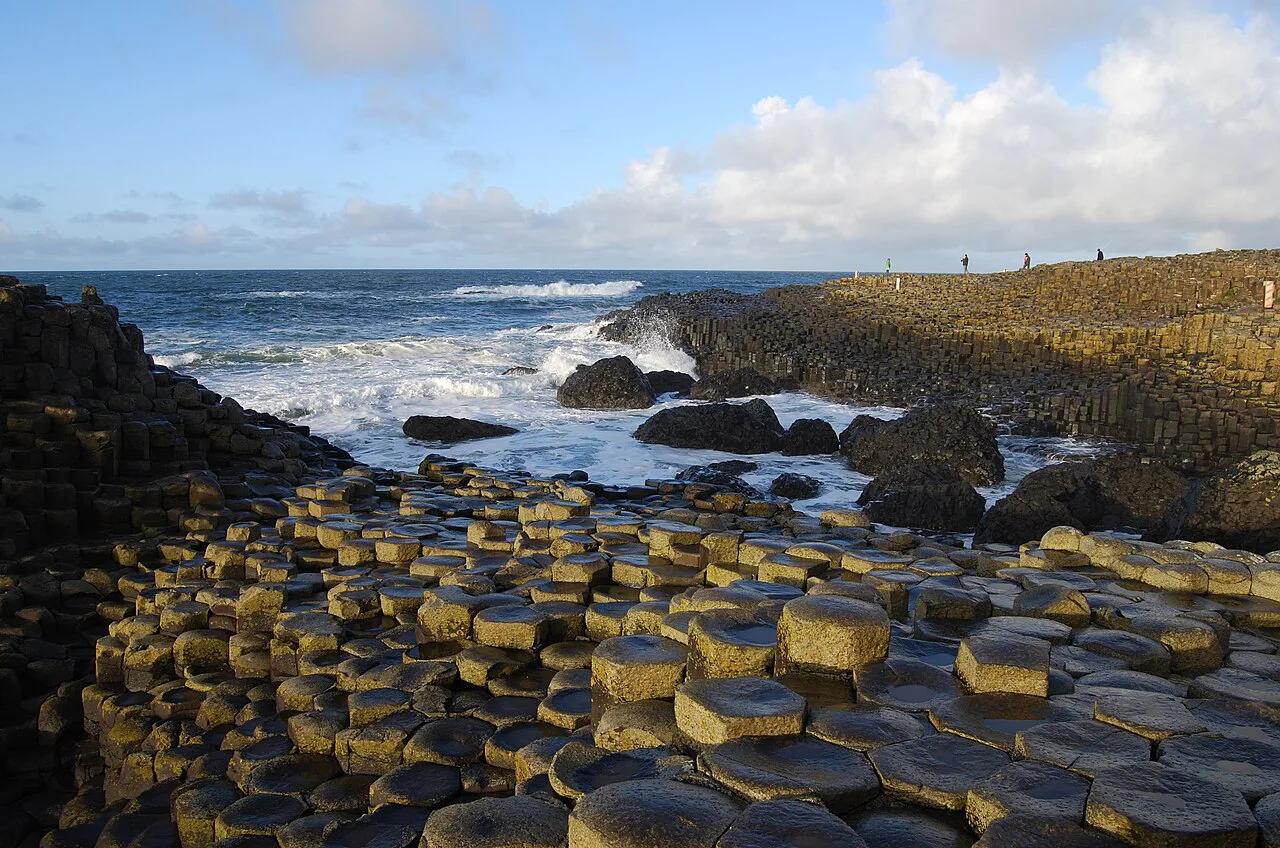
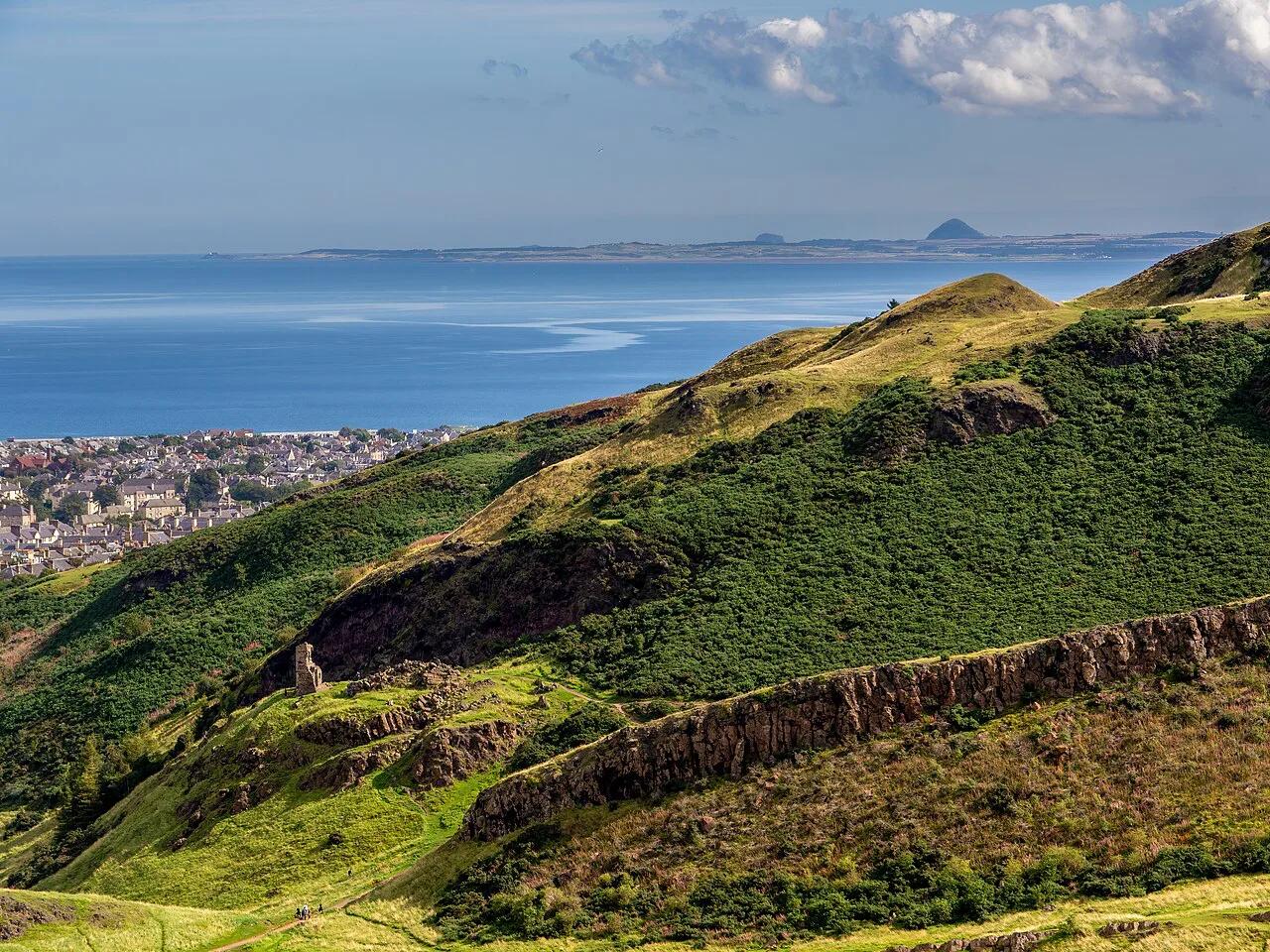
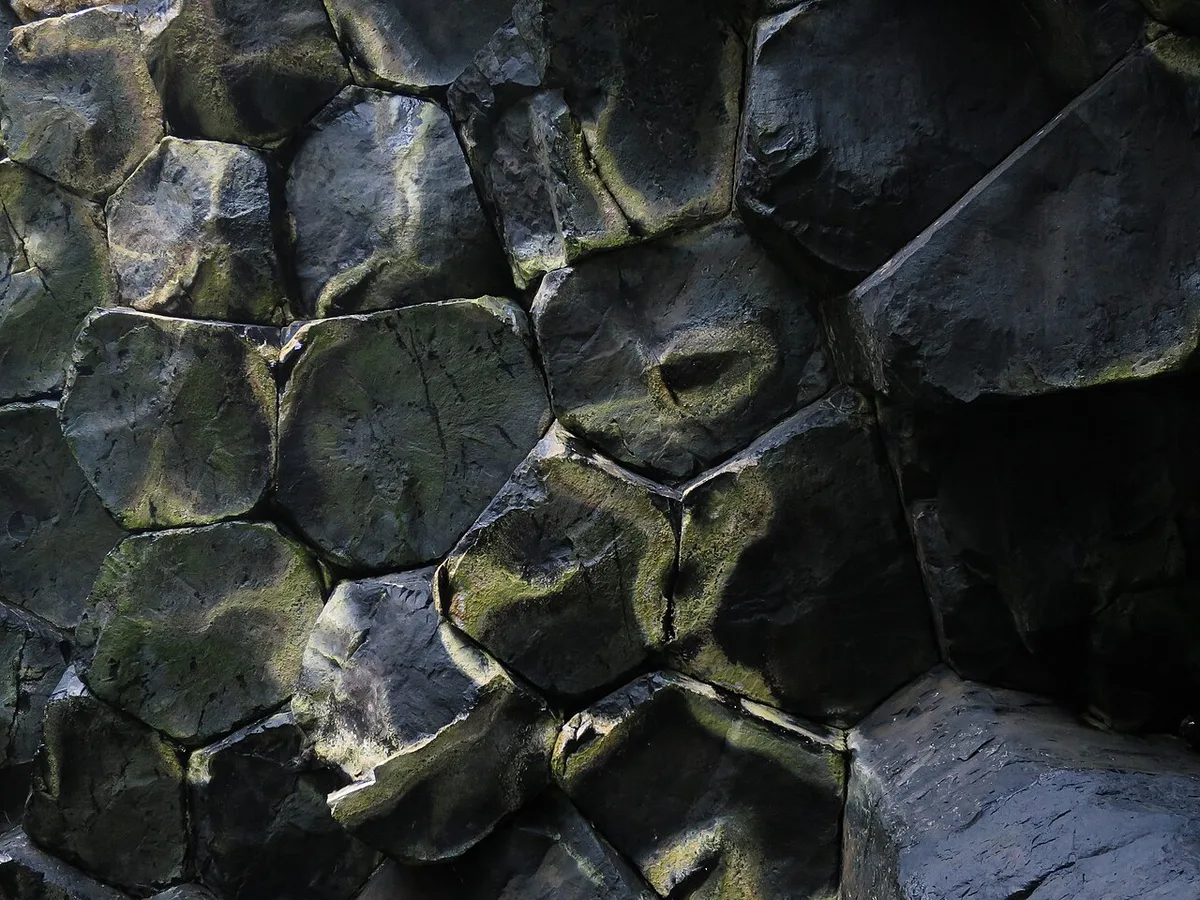
Fingal's Cave formed in a Paleocene lava flow that cooled and cracked into hexagonal columns. Similar structure appears in Northern Ireland's Giant's Causeway. The British Geological Survey covers how UK volcanic rocks formed. For more on volcanic Scotland, start with the national guide. Irish parallels are in volcanic Ireland. Legend links the cave and causeway as ends of a bridge built by the giant Fionn mac Cumhaill, and the cave takes its name from Macpherson's epic poem. Felix Mendelssohn visited in 1829 and wrote the Hebrides Overture afterwards. Staffa is said to mean Pillar Island in Old Norse. Combine the trip with other Scottish sites if you have time. Ailsa Craig's island cliffs are the natural island pairing. A Firth of Forth option is the Bass Rock seabird stack. In Edinburgh, see the extinct volcano in the city. Highland visitors can read about Ben Nevis's volcanic past.
Frequently Asked Questions
How do I travel to Fingal's Cave?
Take a boat tour to Staffa, usually from Mull, Iona or an Oban-area operator. Without a car, go Glasgow or Edinburgh to Oban, ferry to Craignure, then bus or taxi to your departure port.
Who composed Fingal's Cave?
Nobody composed the cave itself, since it is a natural formation. Felix Mendelssohn visited in 1829 and wrote the Hebrides Overture, also called Fingal's Cave Overture.
What's inside Fingal's Cave?
Inside is a sea-filled chamber lined with hexagonal basalt columns and a large arched entrance. A walkway of fractured columns runs above high water. Waves echo against the walls, and the mouth frames Iona.