Edinburgh Volcano: Arthur's Seat Facts and Visitor Guide
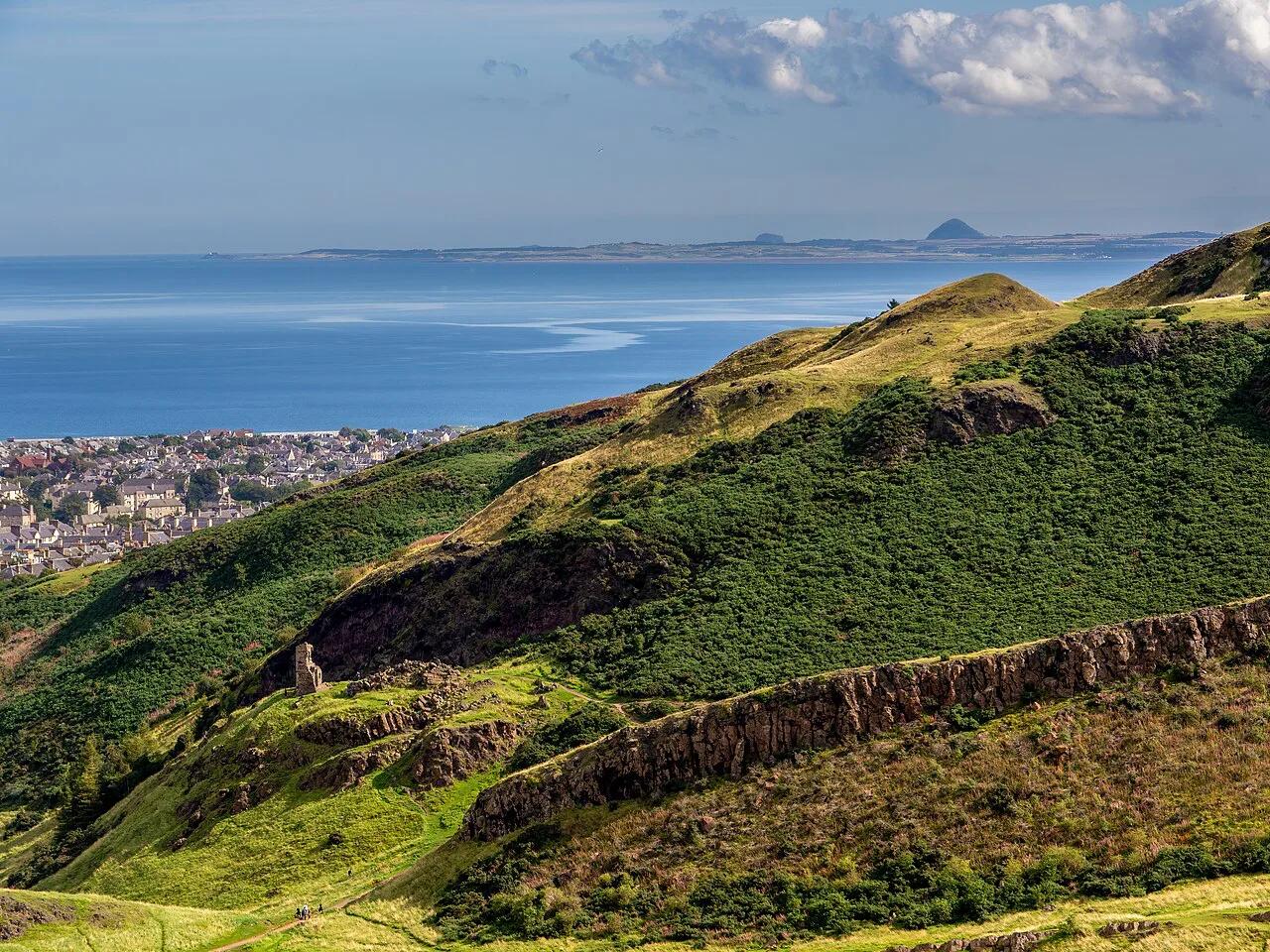
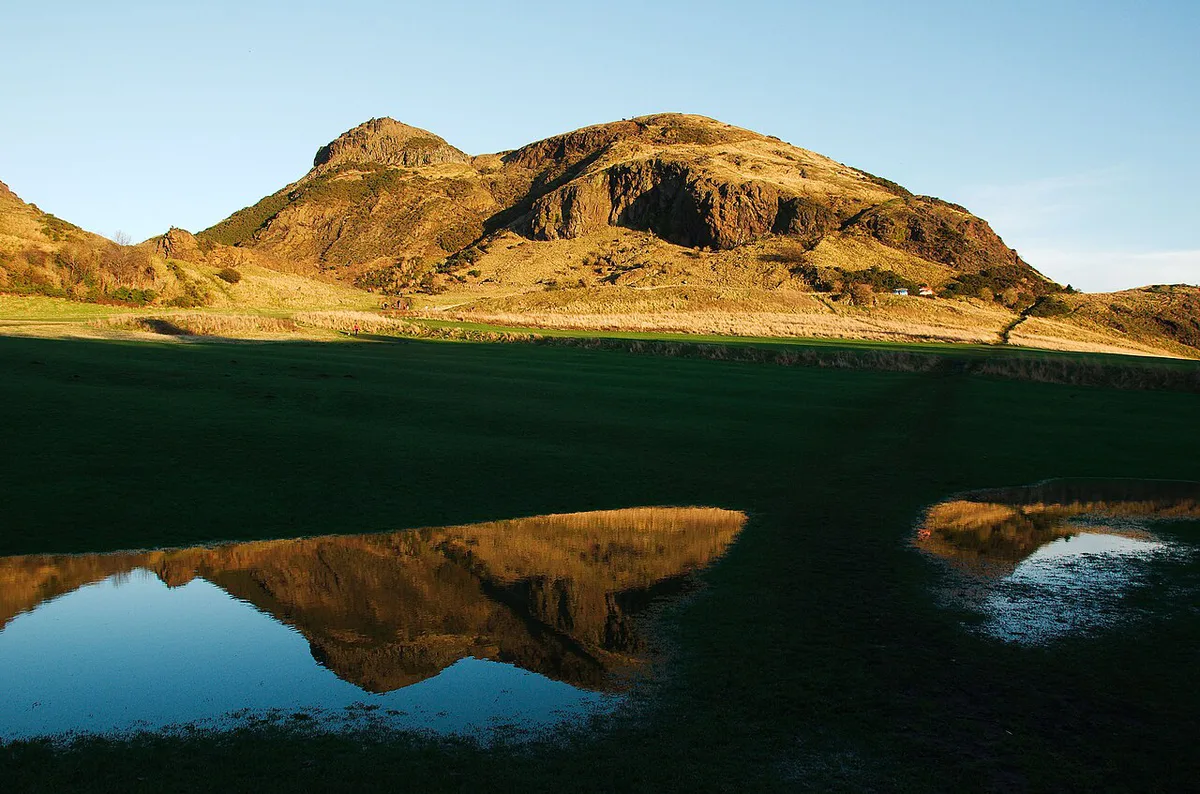
Last updated November 2026: the Edinburgh volcano is Arthur's Seat, an extinct volcano inside Holyrood Park. Its summit stands 251 m (823.5 ft) above sea level, according to VisitScotland, and it sits close to the Scottish Parliament and the Palace of Holyroodhouse. Below you will find what the volcano was, how to climb it safely, and where to see more volcanic landmarks.
Featured image: Chabe01, CC BY-SA 4.0, via Wikimedia Commons.
Is there really a volcano in Edinburgh?
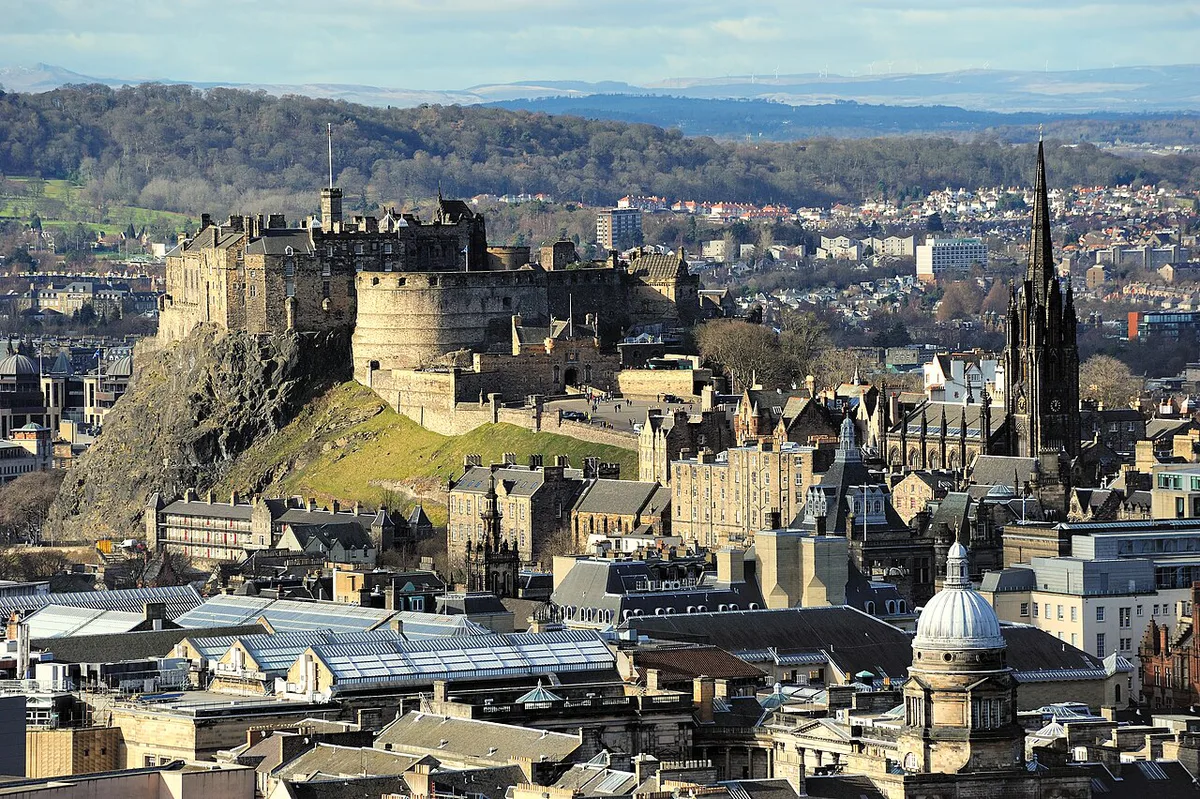
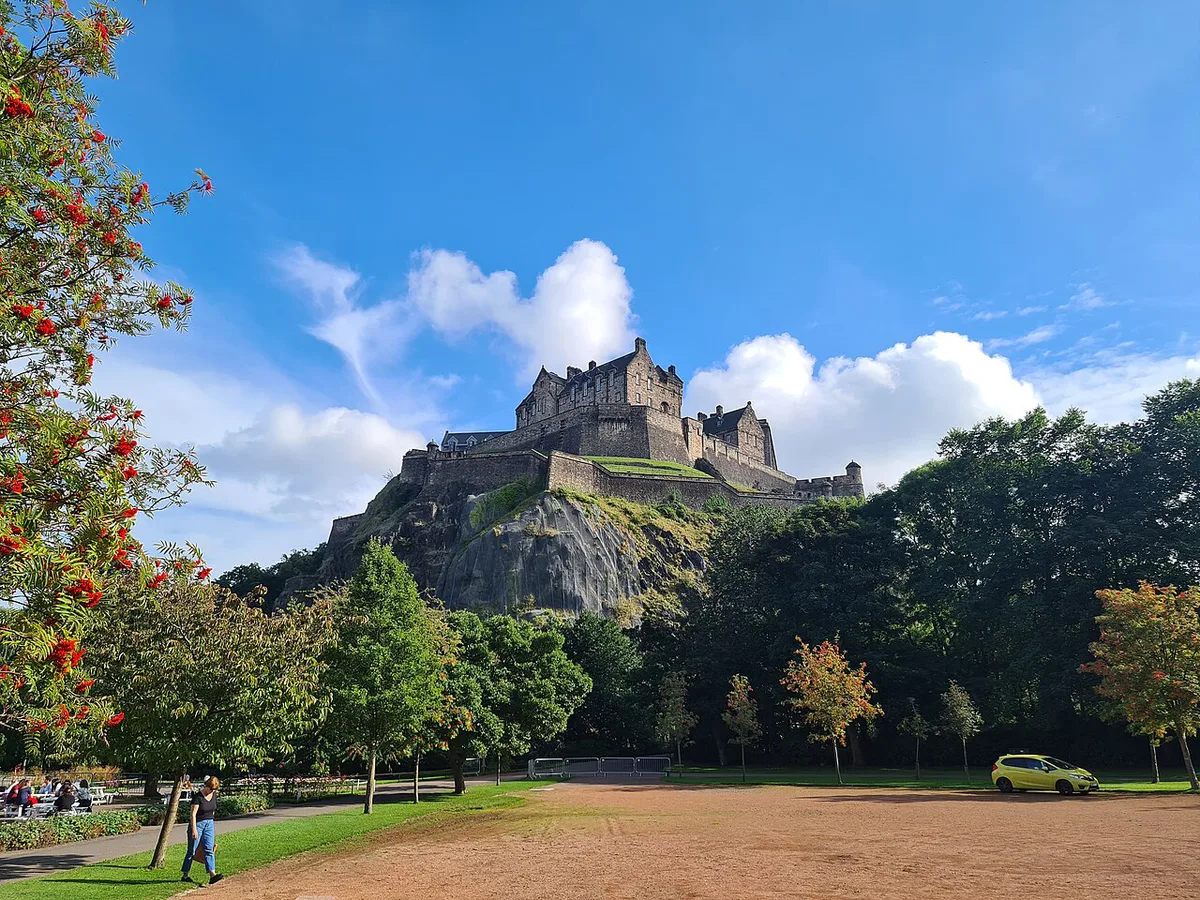
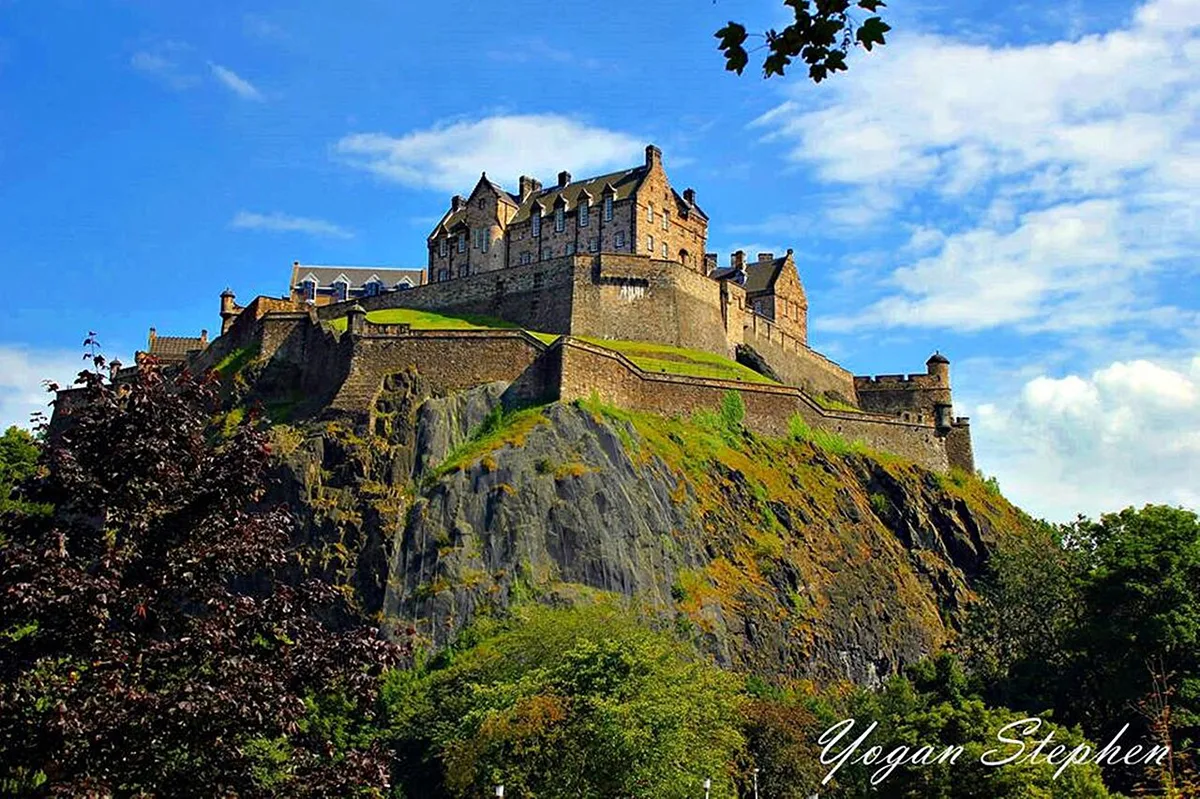
Yes. Arthur's Seat is the eroded remnant of a volcano that was active in the Carboniferous period. News reports often call it "dormant", but geologists treat it as extinct. Nothing under Edinburgh suggests it will erupt again. Arthur's Seat is a hill shaped by ancient lava, ash and later ice, not a live volcano. Castle Rock, which carries Edinburgh Castle, is a volcanic plug from the same landscape. Read the British Geological Survey's UK volcano material for the official geological wording.
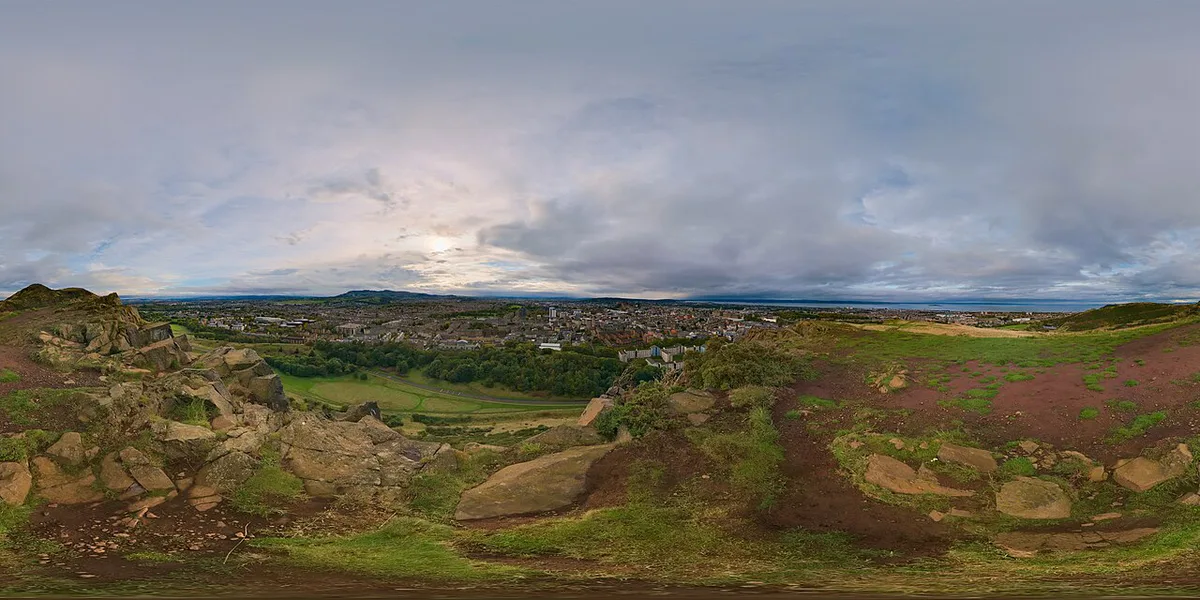
The Edinburgh volcano geology in plain English
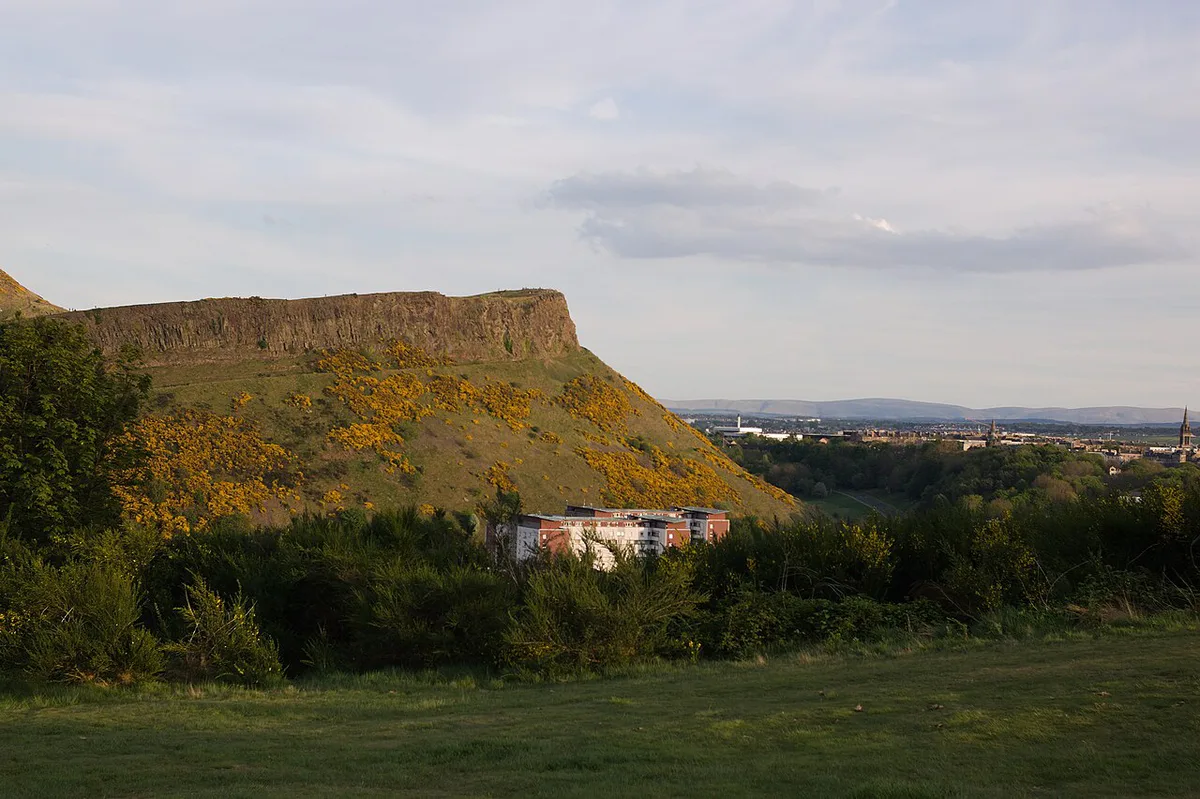
A volcanic vent once fed lava and ash across what is now the city. Over time softer rock around it wore away, and harder volcanic rock stayed standing. Glaciers then moved across the area from the west. They scraped the hill's western face and left a trail of softer material on the sheltered eastern side. Geologists call this shape a crag and tail. Castle Rock is the crag, and the Royal Mile runs down the tail toward Holyrood. Salisbury Crags, the rock cliffs on the edge of Holyrood Park, show the same hard-rock story from a different angle.
- Castle Rock: a volcanic plug, now topped by Edinburgh Castle.
- Royal Mile: the sloping tail of softer material running east from the castle.
- Salisbury Crags: a rock cliff inside Holyrood Park, shaped by erosion and ice.
- Arthur's Seat: the main eroded remnant of the volcano.
How to climb Arthur's Seat
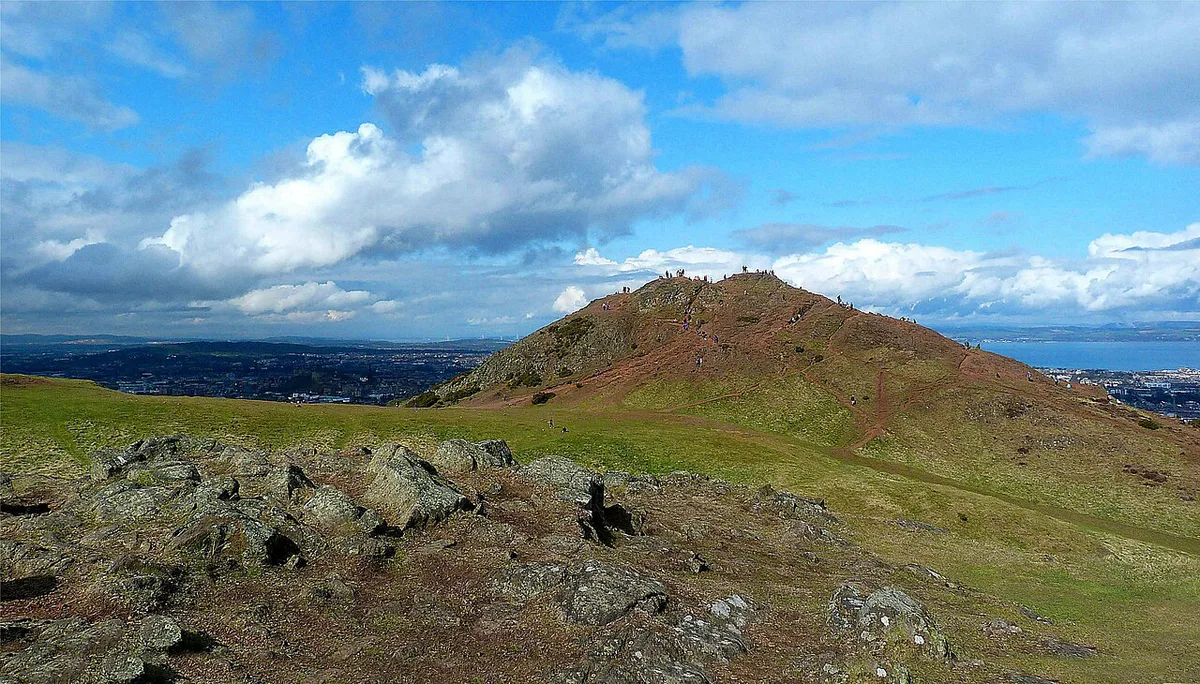
Holyrood Park is open land beside the Palace of Holyroodhouse, so most visitors start from the Holyrood end and walk up. Paths branch across the hill, and you can choose between a steeper direct line and a gentler loop. Historic Environment Scotland manages the park and publishes current access notices. Entry to the open hill is normally free, but paid sights nearby, such as the palace, have their own tickets. Use this table to pick a style of climb.
| Option | Effort | Views | Best for |
|---|---|---|---|
| Direct route to the summit | Short and steep | Widest views of the city | Fit walkers with grippy shoes |
| Gentler loop around the hill | Moderate, longer | Gradual views over Holyrood Park | Families and relaxed walkers |
| Salisbury Crags edge | Moderate | Old Town skyline and the rock cliffs | Photographers and geology fans |
| Lower viewpoints in the park | Easy | Partial city views | Short layovers and limited mobility |
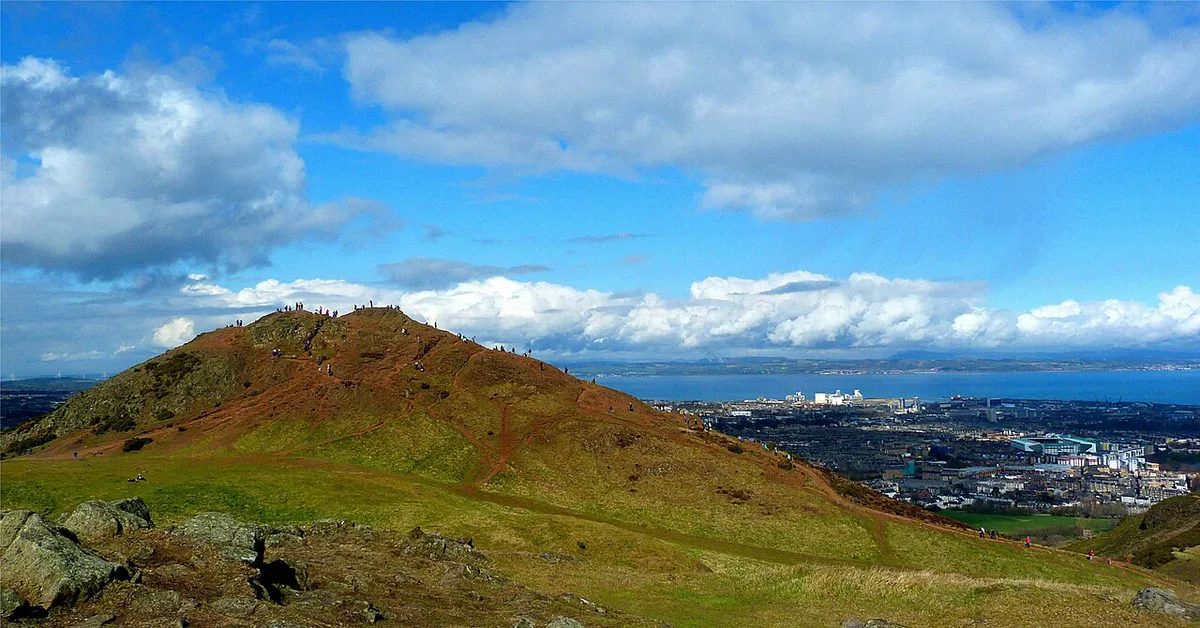
Time, difficulty and who should skip it
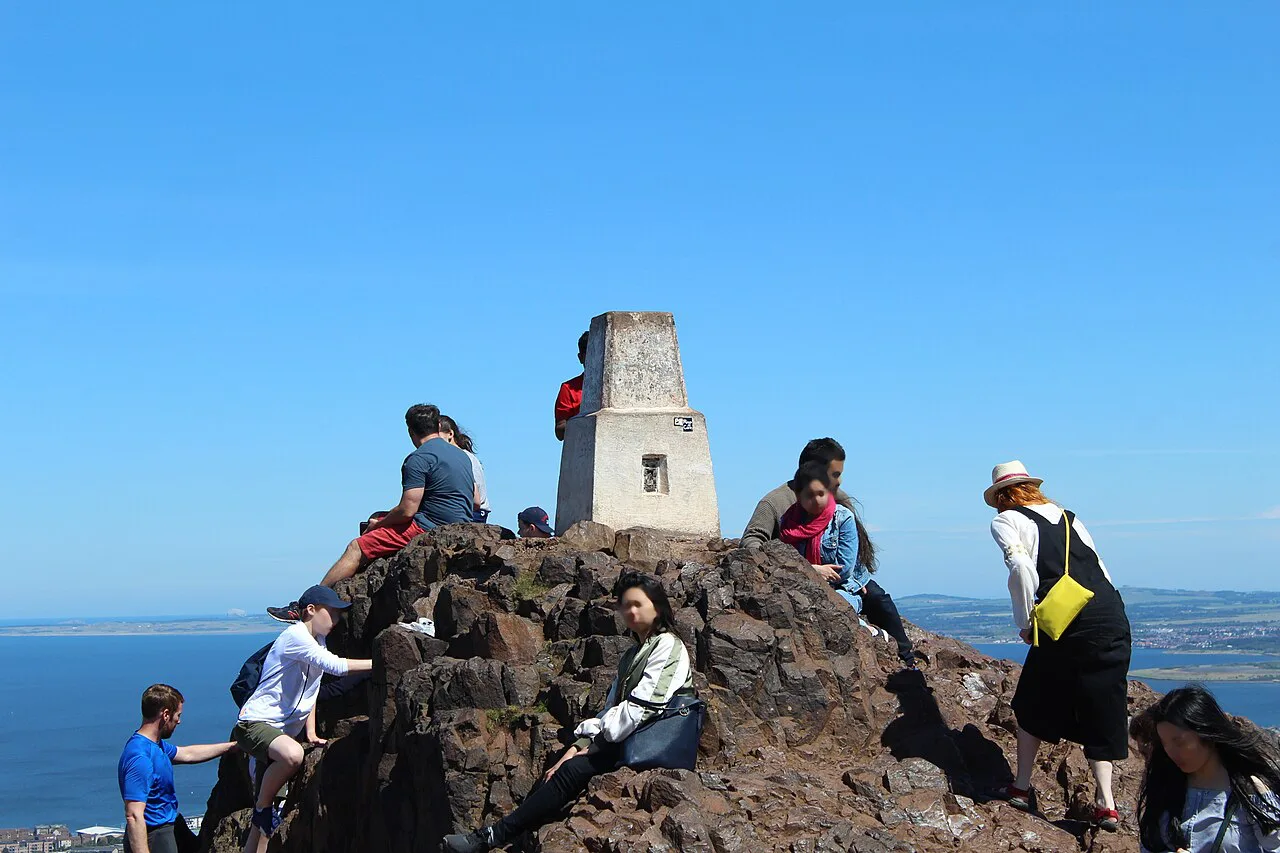
Do not treat Arthur's Seat as a city stroll. The summit rises 251 m above sea level, and the final stretch has steep and uneven ground. Rock turns slick after rain, and wind is stronger at the top than in the streets below. Wear shoes with real grip and bring a windproof layer. Most fit walkers need a half-day at most from the Old Town, but your pace and route will change that. Check the park's current notices on the day.
- Skip the summit in high wind, heavy rain or a posted closure.
- Skip it with young children who lack sturdy footwear.
- Skip it if steep, loose ground is a problem for your mobility.
- Skip it on a very short layover, and walk a lower viewpoint instead.
Fire risk, closures and park rules
Dry spells matter on this hill. A fire broke out on Sunday 10 August 2025, with the first calls at around 4:05 p.m. local time. The Scottish Fire and Rescue Service said a "large area" of shrubbery was affected and reported no casualties. It also said the blaze was still not out more than five hours later. Firefighters had responded to fires on the hill in 2019, 2020 and 2022 as well. The cause of the 2025 fire was not shared. Never light a fire or barbecue in the park, and follow any closure signs or advice from rangers.
History and sights on the hill
Volcanic rock is not the only draw. VisitScotland notes an ancient fort on the hill dating back around 2,000 years. St Anthony's Chapel, a 15th-century medieval ruin, also stands in the park. Both are worth a stop on the way up or down. Historic Environment Scotland holds the official detail on the fort and chapel.
Other volcanic sites to compare
Arthur's Seat is the easiest volcano to reach from a city centre. For a bigger volcanic hill, read about Ben Nevis's volcanic past. Sea-going options include the Ailsa Craig volcanic island and basalt columns at Fingal's Cave. A coastal volcanic plug is covered in Bass Rock's volcanic history. For a wider route, start with other Scottish volcanic sites. Readers planning beyond Scotland can use our UK volcano overview.
Plan your day: getting there and nearby stops
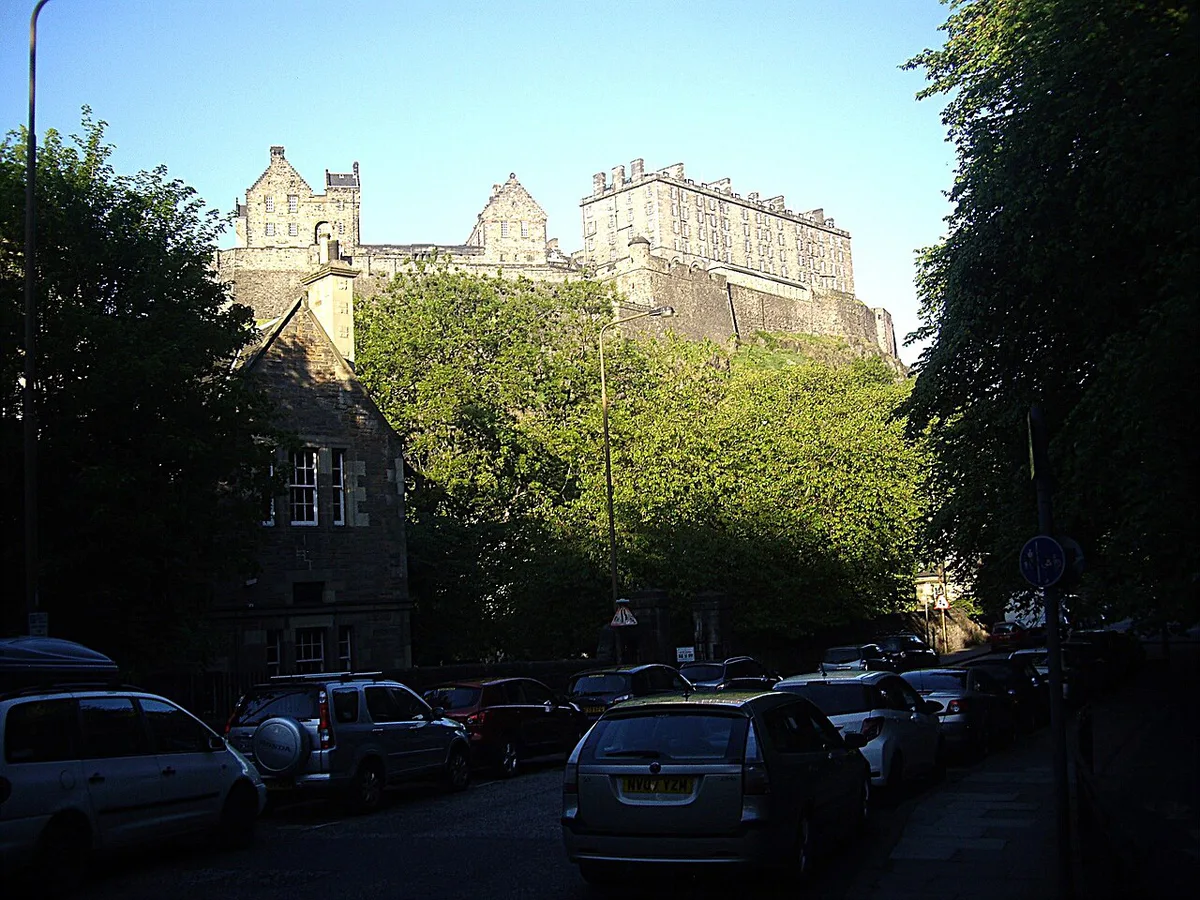
Walk down the Royal Mile from Edinburgh Castle to reach Holyrood, which follows the crag-and-tail slope in reverse. The Palace of Holyroodhouse and the Scottish Parliament sit beside the park, so they fit easily into one day. Pick an early start for quieter paths, or a late-afternoon climb for softer light over the city. Check VisitScotland for current transport and visitor information. Do the hill first, then use the palace or the Royal Mile as your wet-weather fallback.
Frequently Asked Questions
Where is Arthur's Seat?
Arthur's Seat is in Holyrood Park, close to the Scottish Parliament and the Palace of Holyroodhouse in Edinburgh. It rises 251 m above sea level.
How difficult is it to climb Arthur's Seat?
Expect a short, steep final section with uneven ground that gets slippery in the wet. Wear grippy shoes and a windproof layer. Choose a gentler loop if you want less effort.