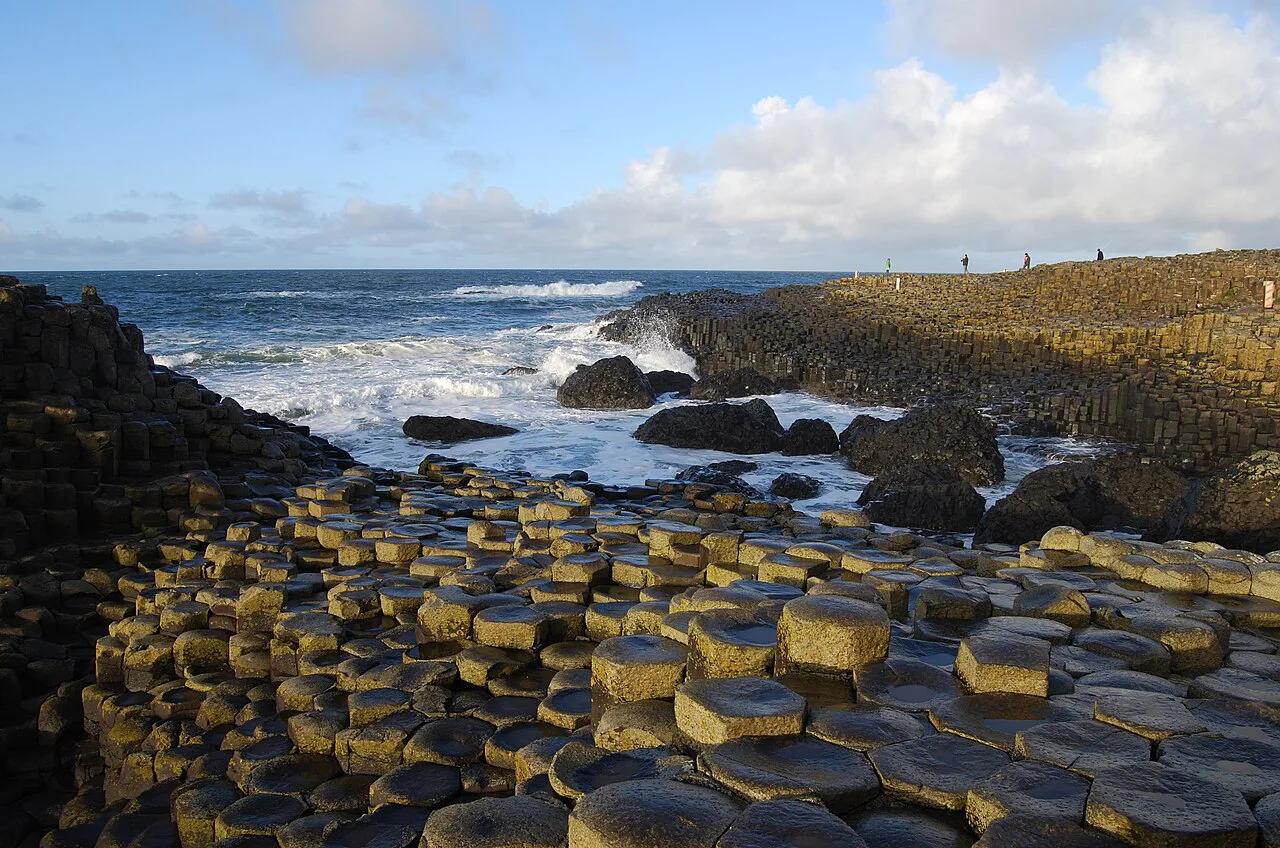
Volcanoes in Scotland: Extinct Sites You Can Visit
Last updated November 2026: volcanoes in Scotland are all extinct, so there is no eruption risk and you visit the remains rather than a crater. Eroded cores, lava cliffs and rocky islands survive from two main eras, and several make easy day trips. For the wider picture, start with our overview of UK volcanoes.
Featured image: 4300streetcar, CC BY 4.0, via Wikimedia Commons.
Are there volcanoes in Scotland?
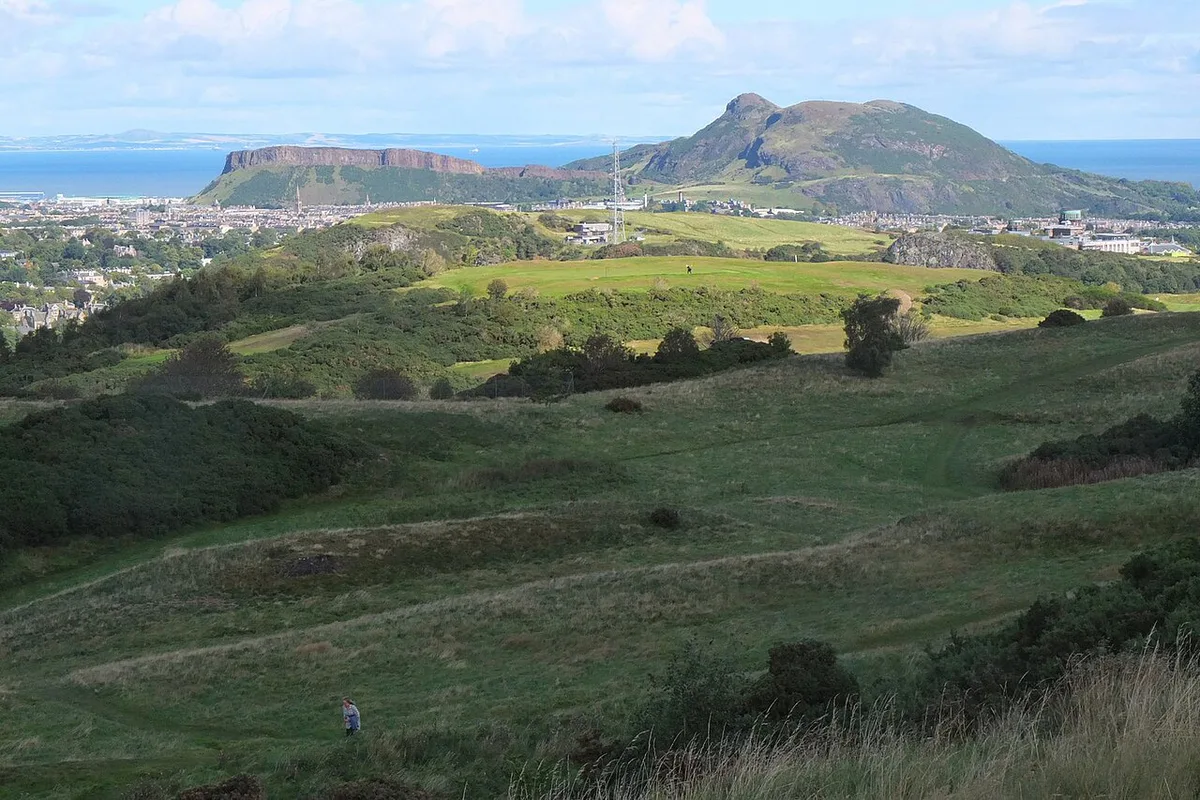
Scotland has no active volcanoes. Every site in this guide is extinct, and none can erupt again. What survives is the eroded interior of old volcanoes, so expect hills, crags, plugs and rock columns rather than cones with craters. Two eras matter for visitors. Carboniferous and Permian volcanism built the central Scotland sites, including Arthur's Seat and the Kintyre rocks. A later Paleogene phase followed the opening of the North Atlantic Ocean from about 60 million years ago, with magma arriving from the hotspot now under Iceland. Glaciers then ground away the tops of the western volcanoes and left their roots exposed. The British Geological Survey publishes the underlying geology for anyone who wants maps and rock descriptions.
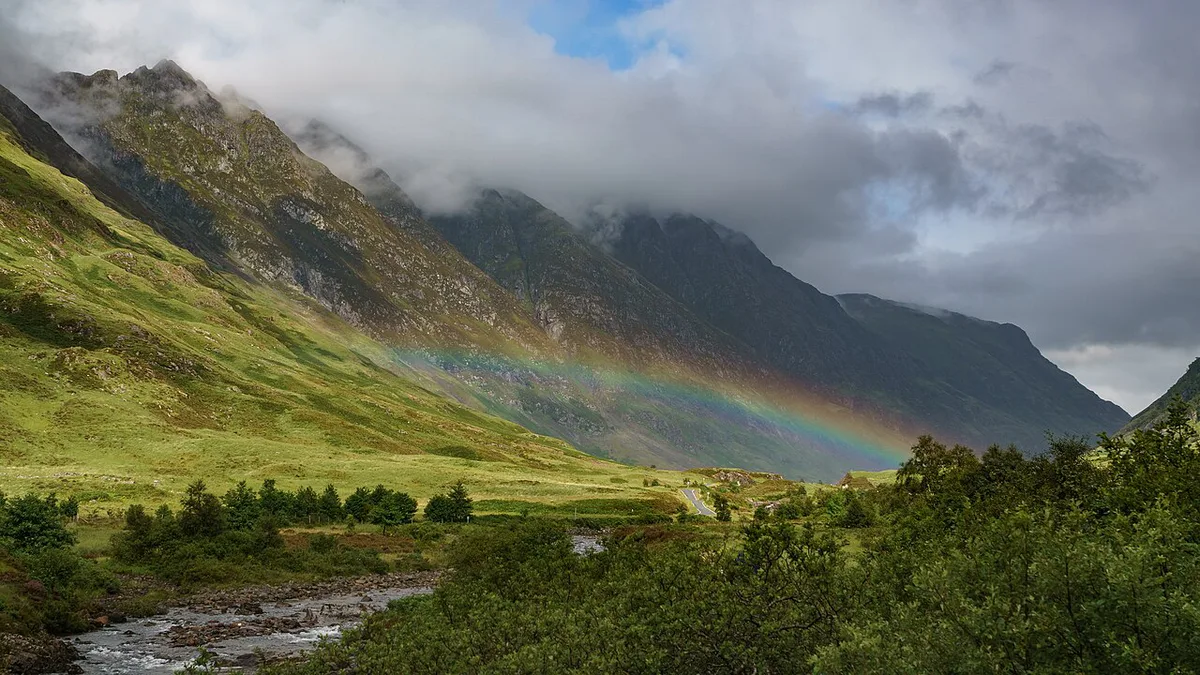
Scotland's volcanic sites at a glance
Use this table to match a site to your time and fitness. Effort levels are relative, and ages are given only where they are firmly established.
| Site | What you see | Region | How you see it | Effort |
|---|---|---|---|---|
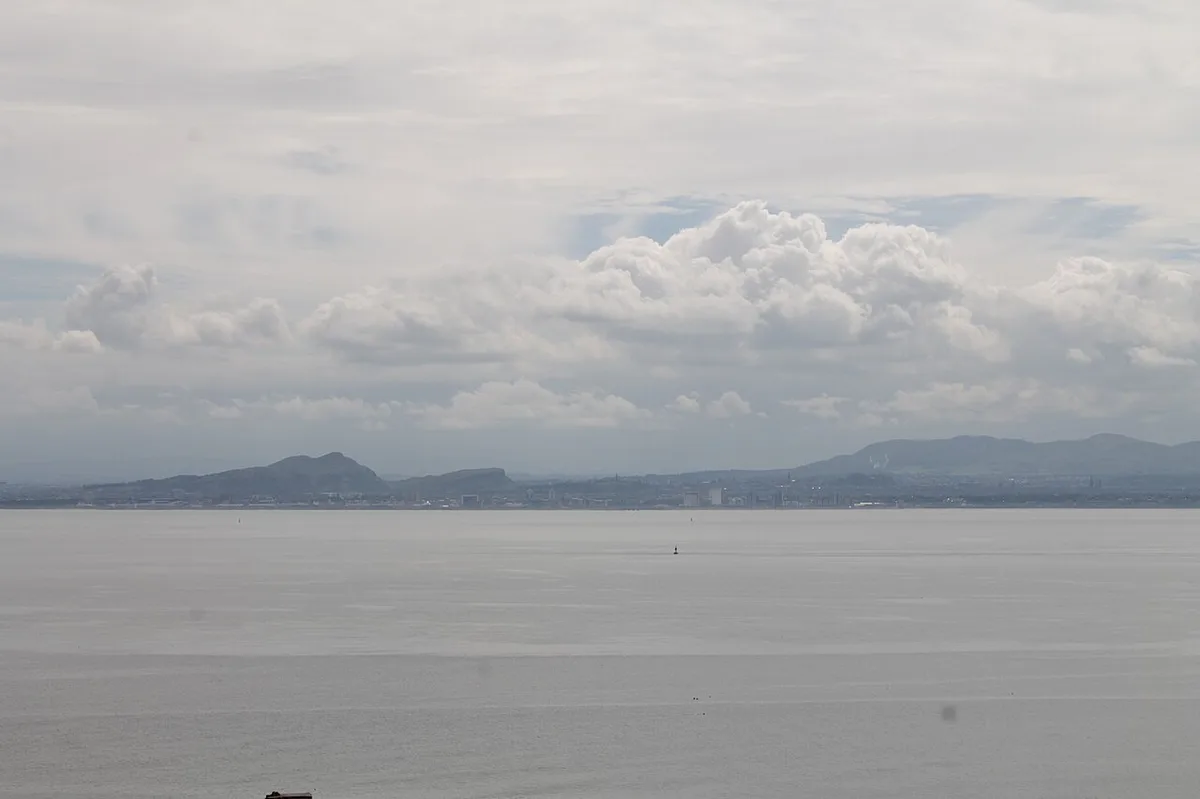
| Edinburgh's volcano (Arthur's Seat) | Eroded Carboniferous volcano in a city park | Edinburgh | On foot, from Holyrood Park | Short to moderate walk |
| Bass Rock | Steep rock island with a large seabird colony | Firth of Forth, East Lothian | Boat trip or viewpoint from the coast | Easy, weather-dependent |
| Ben Nevis | Highest mountain in Britain, with volcanic rock history | Lochaber, Highlands | Hill walk or distant views | Demanding, mountain conditions |
| Fingal's Cave (Staffa) | Basalt columns formed from lava | Inner Hebrides | Boat trip from the west coast or Mull | Boat-dependent |
| Ailsa Craig | Rocky island in the Firth of Clyde | Ayrshire coast | Boat only | Boat-dependent |
| Ardnamurchan | Eroded volcano with ring structures | Northwest coast | Drive and short walks | Long, remote journey |
Easy day: volcanoes you can reach from Edinburgh
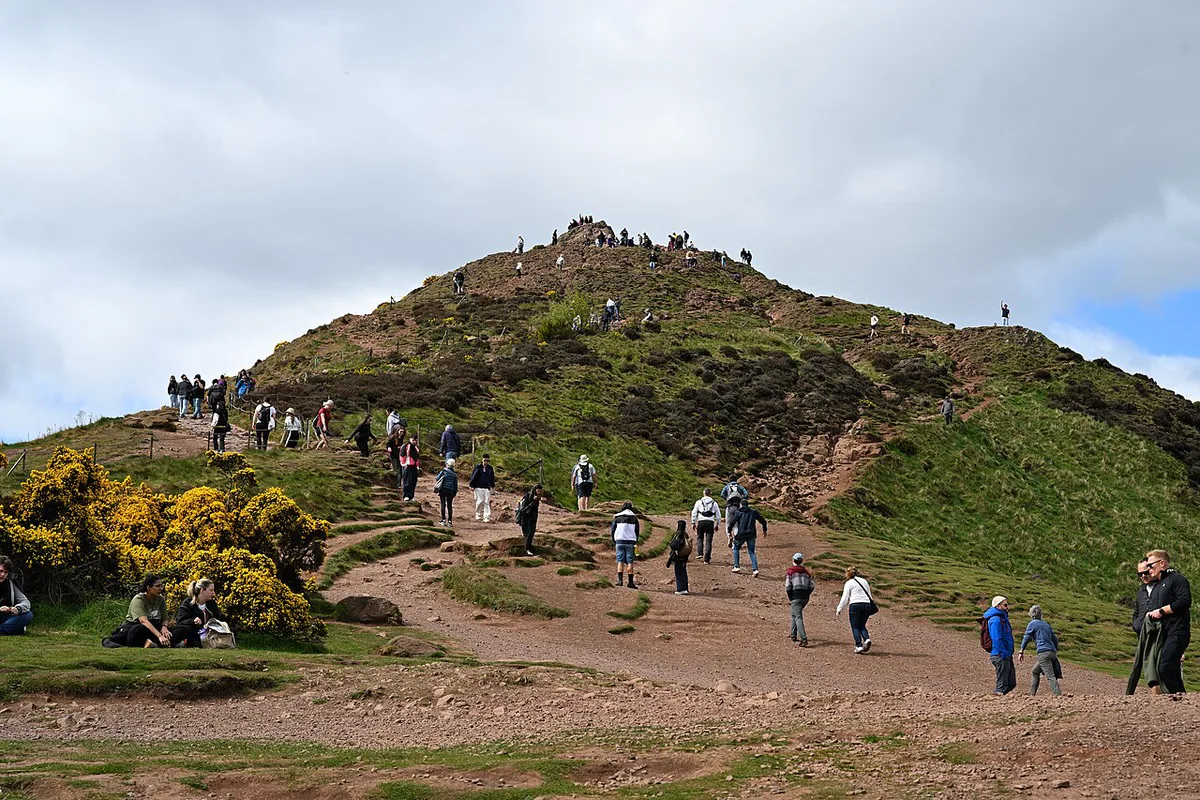
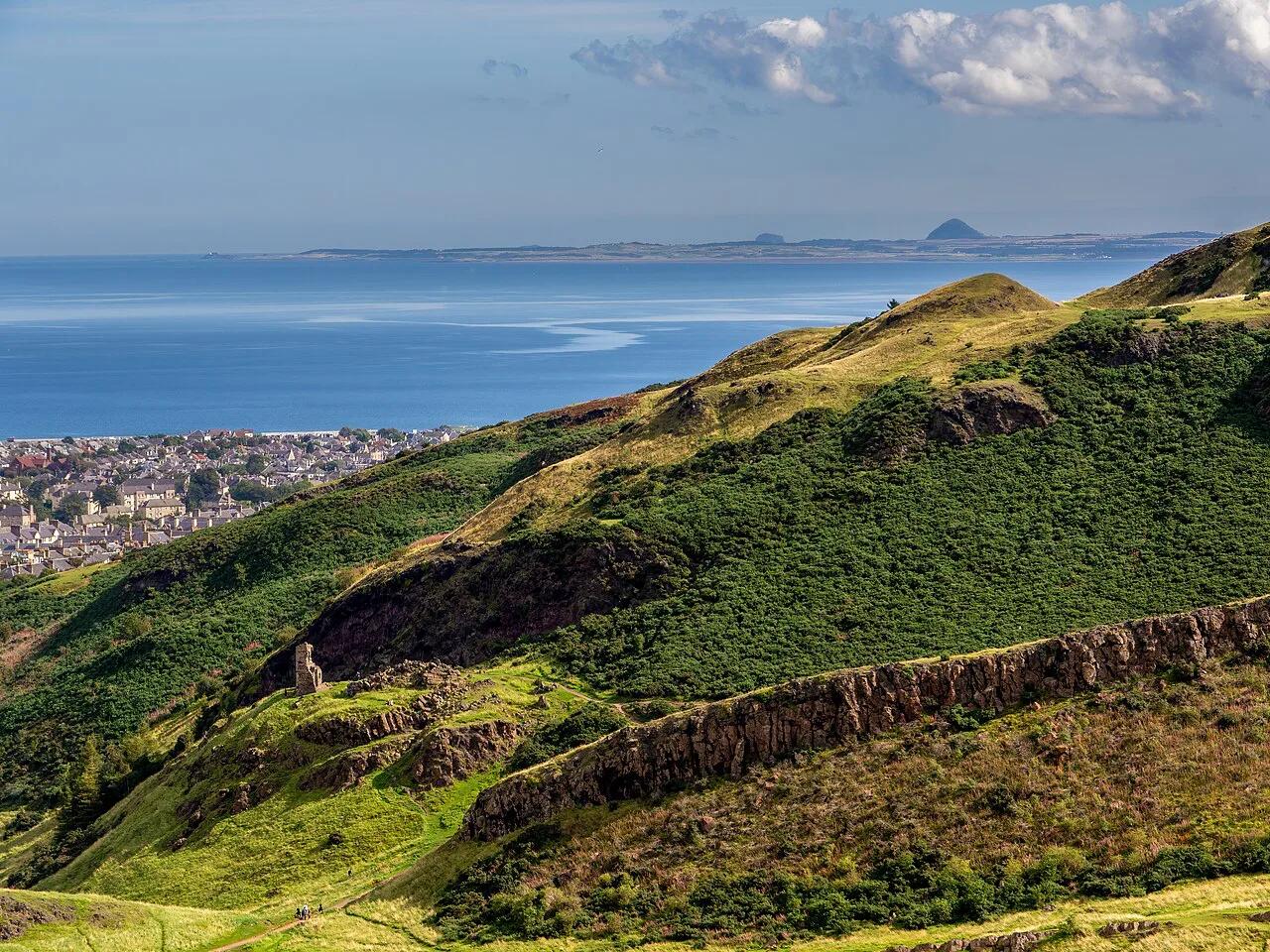
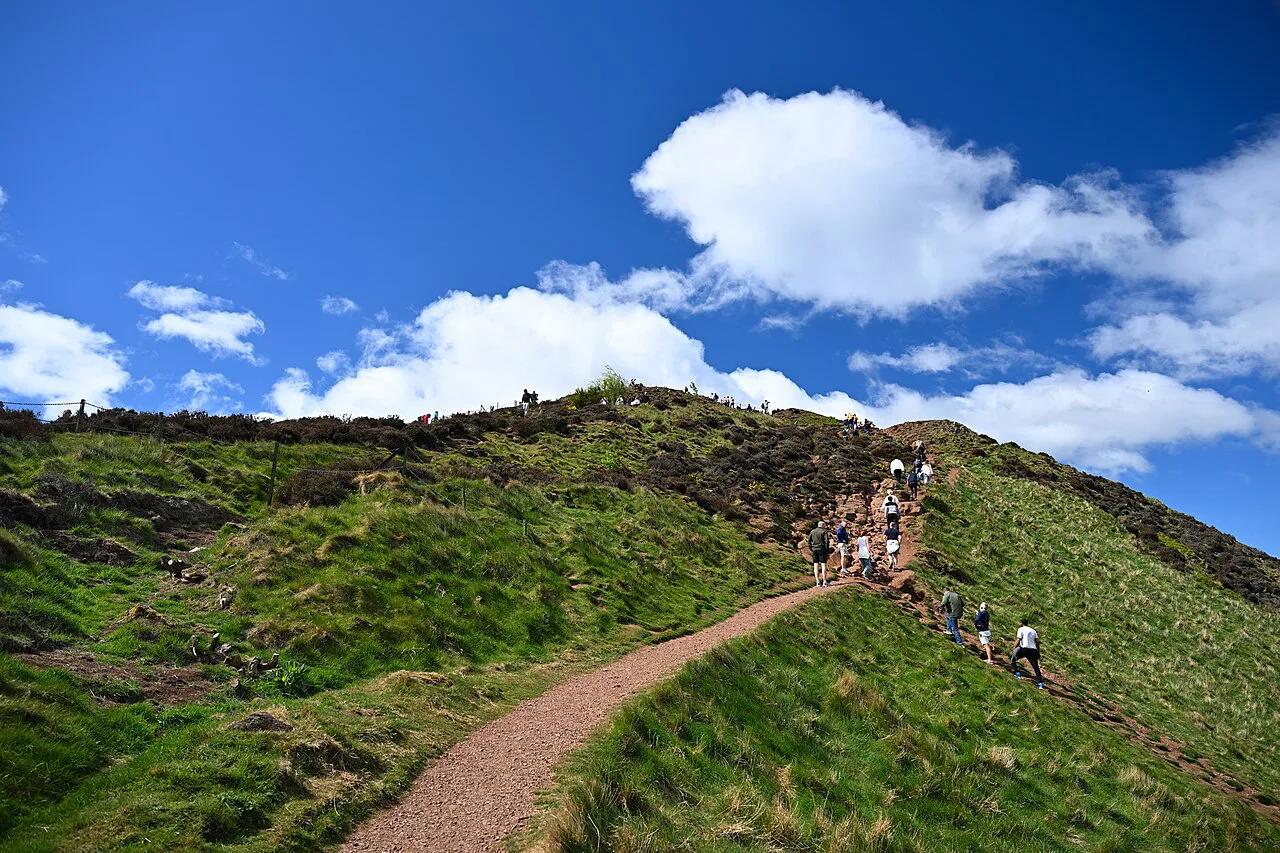
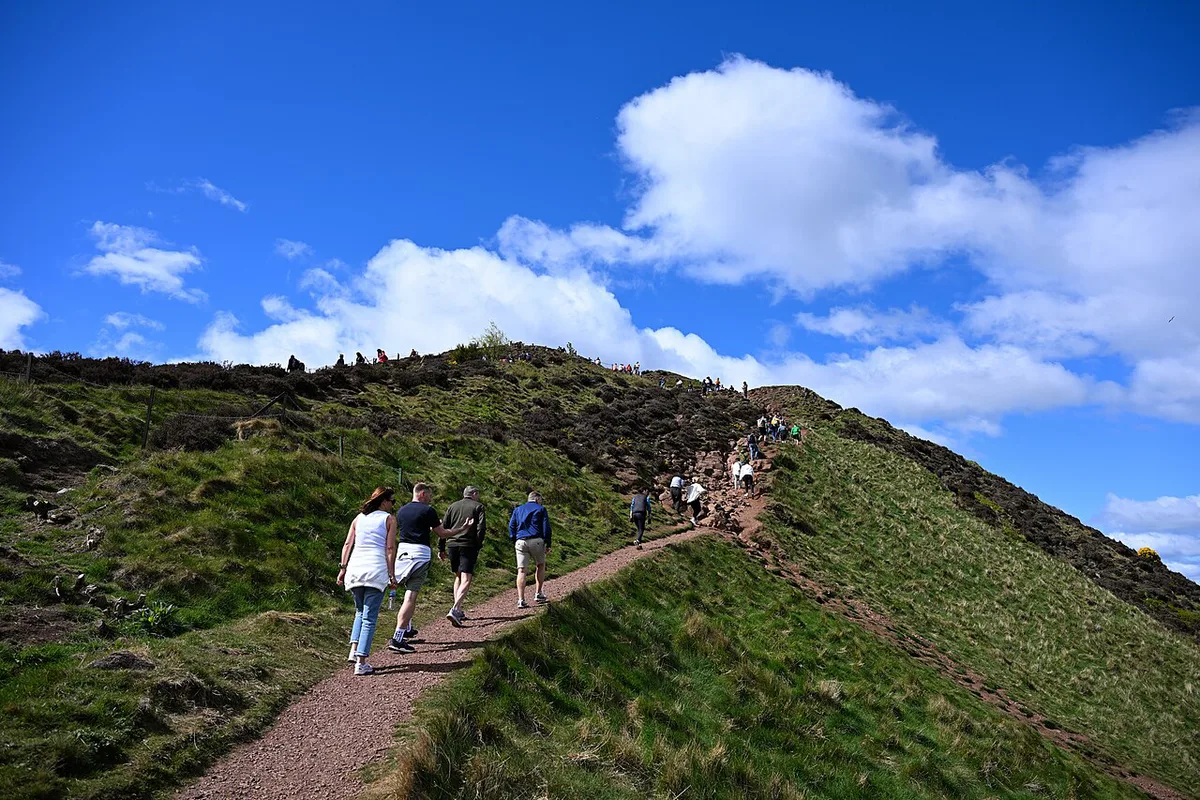
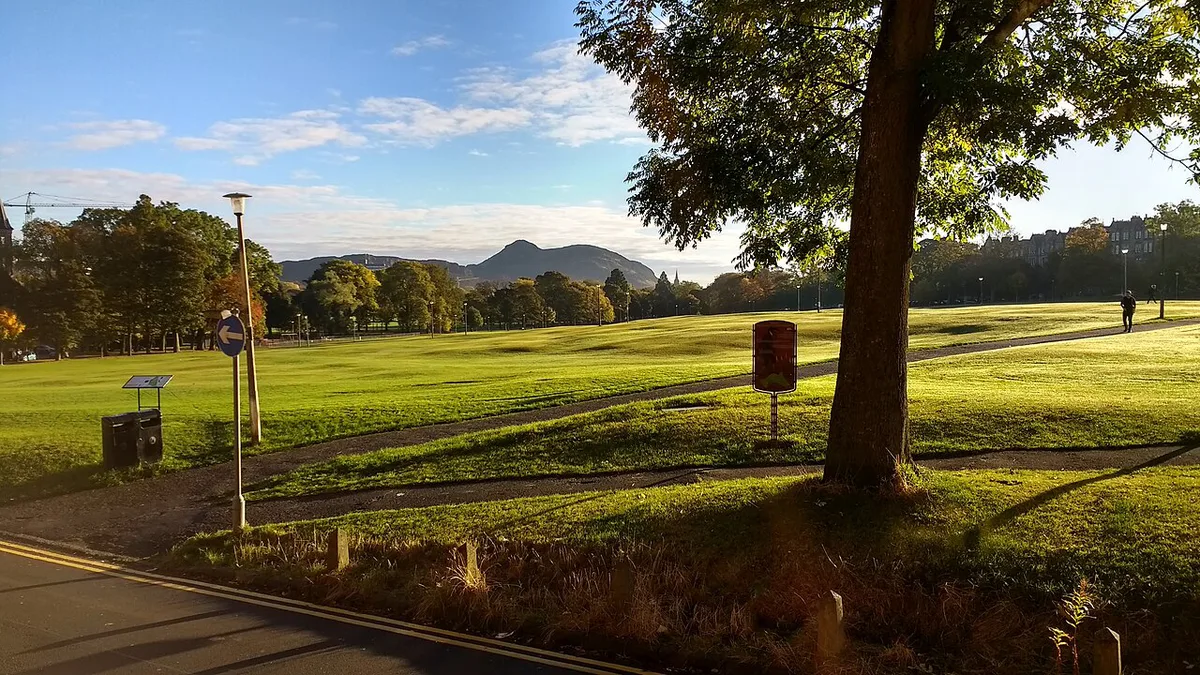
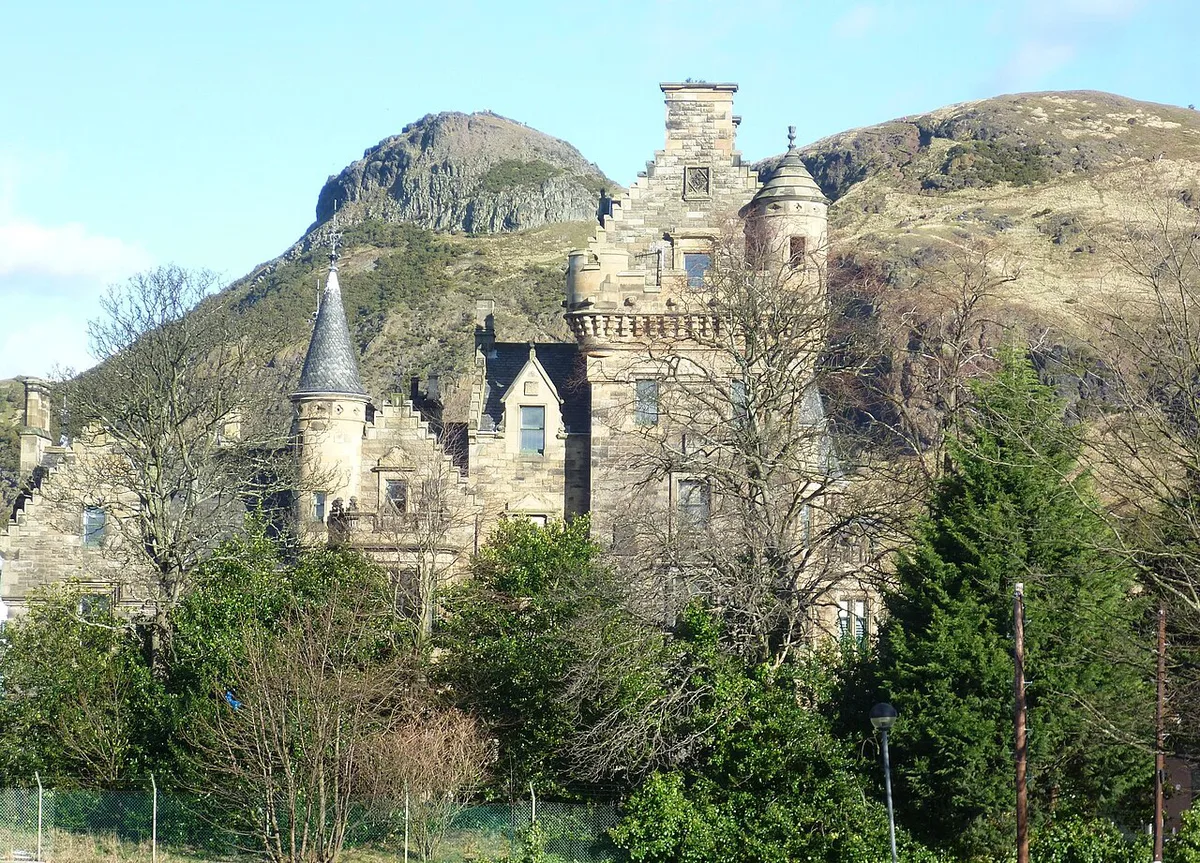
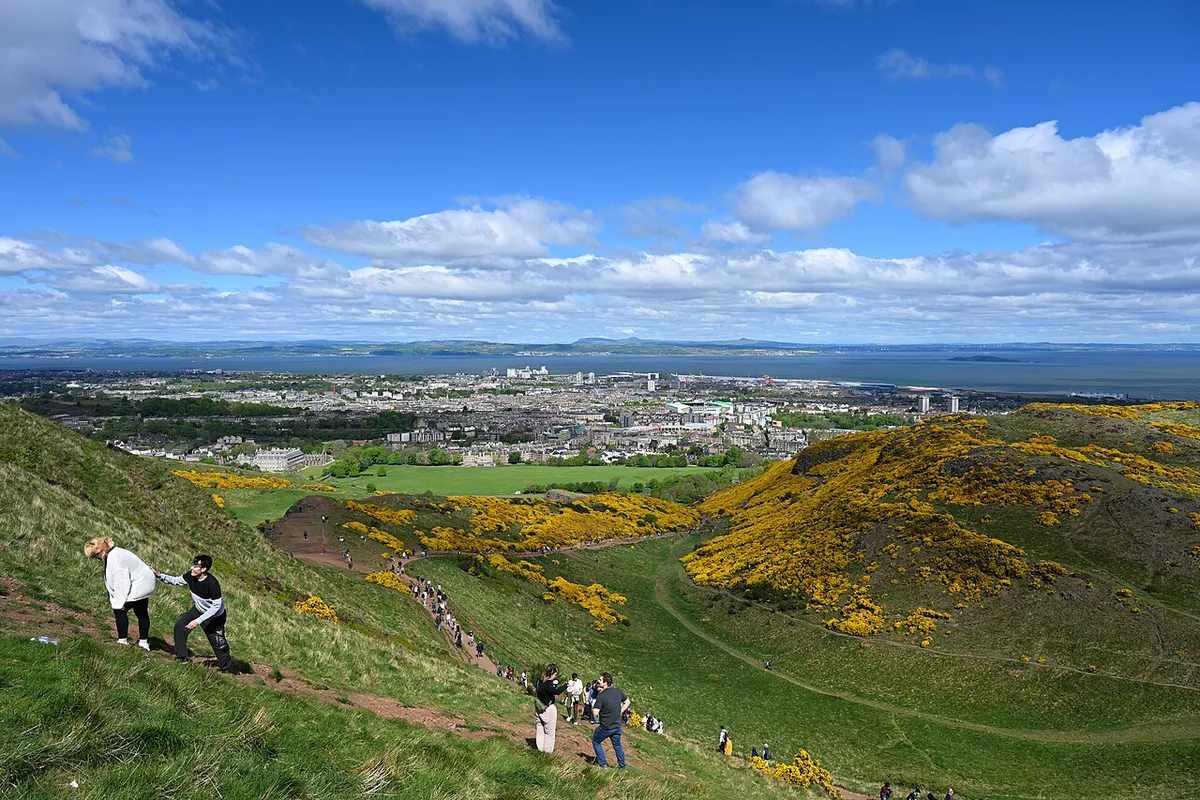
Edinburgh is the simplest place to start, because its volcano sits inside the city. Our guide to Arthur's Seat and Castle Rock covers routes and rock types in detail. The hill lies within Holyrood Park, and Historic Environment Scotland manages the park and publishes its access rules. Wear shoes with grip, because the upper paths are steep and loose in places. A half day is enough for the summit and a loop back. East of the city, Bass Rock in the Firth of Forth is a sheer island crowded with seabirds. You view it from the shore or from a boat, and landing is not part of a normal visit. The Scottish Seabird Centre in North Berwick runs the boat trips and sets the sailing conditions. North Berwick Law, a volcanic hill in the same town, adds a second short climb to the same day.
Highlands and Islands: remote, weather-dependent sites
Western Scotland rewards planning, because wind, sea state and daylight decide what is possible. Start with Ben Nevis and its volcanic past. This is a serious mountain walk, not a stroll, and conditions can change fast at the top. Read the mountain forecast before you set out and turn back if it deteriorates. Fingal's Cave sits on the island of Staffa, whose basalt columns formed from lava. Our Fingal's Cave guide explains how the boats work. Sailings depend on swell, and operators cancel when landing is unsafe. Plan a spare day on the coast or on Mull. Ardnamurchan is one of four extinct volcanoes on the northwest coast linked to the North Atlantic opening. Geology students travel there for its ring-shaped structures. Expect a long drive on single-track roads and very little public transport. NatureScot is the body to consult for protected coastal and island sites.
Which volcano in Scotland should you pick?
Match the site to the trip you actually have. Each traveler type below gets one recommendation.
- Short city break: Arthur's Seat, because it needs no transport beyond a walk from the Old Town.
- Hikers: Ben Nevis, with proper kit, an early start and a flexible weather day.
- Boat and wildlife fans: Bass Rock for seabirds, or Ailsa Craig if you want a longer sailing.
- Geology students: Ardnamurchan, where mapped ring structures are the draw.
- Families: Arthur's Seat for the first visit, then a boat trip from North Berwick when the sea is calm.
Trade-offs: time, cost and access
Time is the biggest cost. Arthur's Seat needs a morning, while Ben Nevis and Ardnamurchan each need a full day plus travel to reach them. Public transport covers Edinburgh and the North Berwick coast well. In the Highlands a car or a guided tour makes the day workable, though ferries and single-track roads limit how far a car helps. Boat trips carry the most weather risk. Ailsa Craig: Visiting Scotland's Curling-Stone Island (Boats, Geology, Wildlife) is reachable by boat only, so schedule it on a day with slack. Summer gives the longest daylight and the most sailings. Winter turns Ben Nevis into a mountaineering objective and cuts many island trips. Boat fares and sailing days change each season, so read the operator's own page when you book.
Common mistakes
These errors cost visitors the most time. Avoid them and the trip works.
- Expecting a cone-shaped crater. Most sites are eroded cores, plugs or lava cliffs.
- Expecting lava or activity. Scotland's volcanoes are extinct.
- Booking island boat trips with no weather backup day.
- Treating Ben Nevis as a casual walk.
- Relying on a car where ferries and single-track roads set the pace.
Beyond Scotland
Our UK volcanoes overview places Scotland alongside England and Wales. For a nearby comparison, see volcanic sites in Ireland. Slemish Mountain: Climb Guide, St Patrick Legend & Volcano Facts in Northern Ireland shows a similar eroded plug.
Frequently Asked Questions
Is there volcanic activity in Scotland?
No. Scotland has no active volcanoes and no eruption risk. Its volcanoes went extinct millions of years ago, and what remains is eroded rock you can walk on or view from a boat.
What are the top 3 most famous volcanoes in Scotland?
Arthur's Seat in Edinburgh is the easiest to visit. Ben Nevis is the highest mountain in Britain and has a volcanic history. Ardnamurchan is famous among geologists for its ring structures, which a 2013 study linked to one saucer-shaped magma chamber about 1.5 km below today's surface.