Ailsa Craig: Visiting Scotland's Curling-Stone Island (Boats, Geology, Wildlife)
Last updated November 2026. Ailsa Craig is an uninhabited volcanic plug in the Firth of Clyde, about 10 miles (16 km) off Girvan in South Ayrshire. Its granite is the source of Winter Olympics curling stones. Visitors see it by boat from the Ayrshire coast, so this guide covers what the island is, how a trip works and what to plan around it.
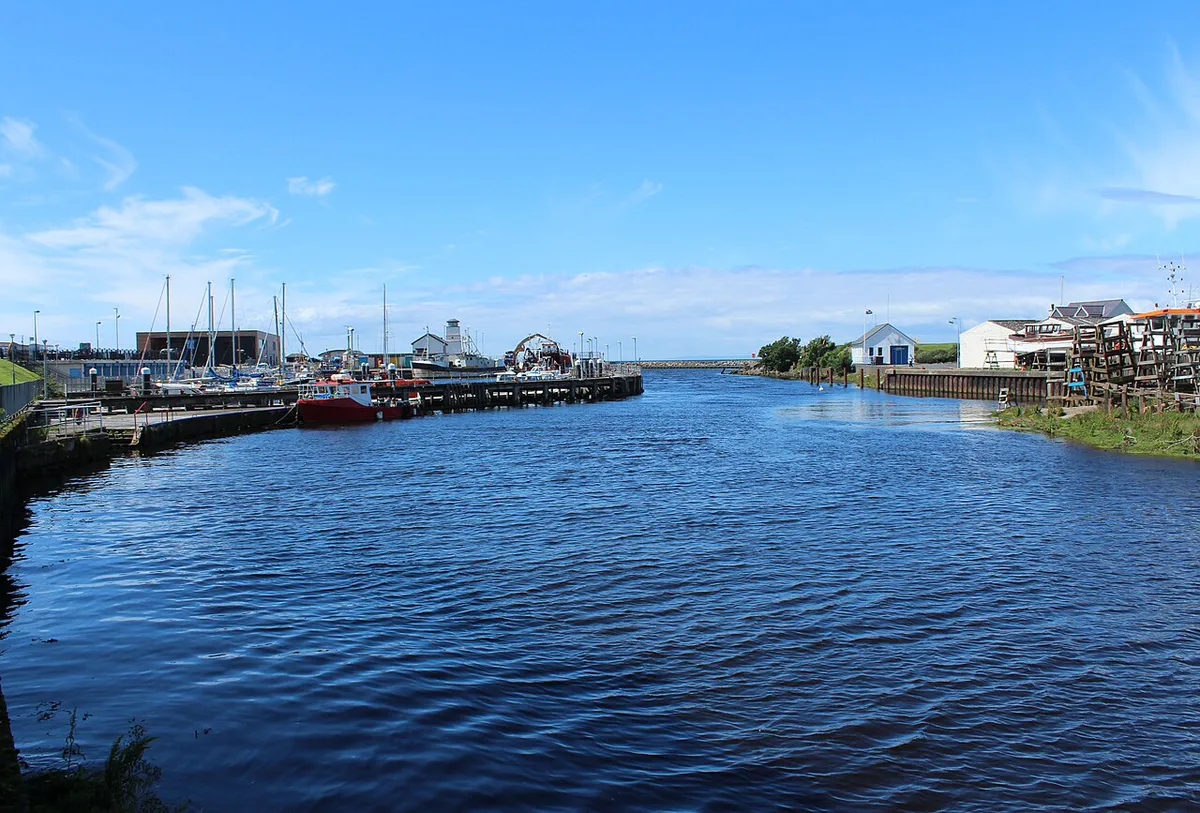
Featured image: Rosser1954, CC BY-SA 4.0, via Wikimedia Commons.
What Ailsa Craig is
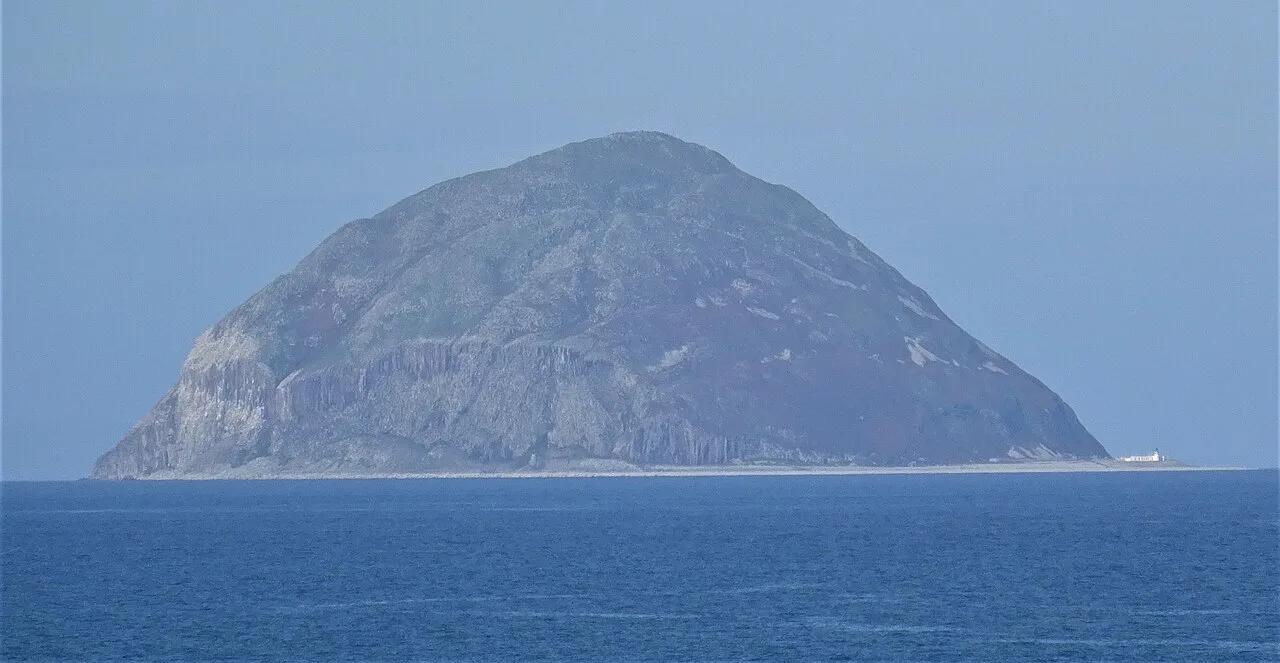
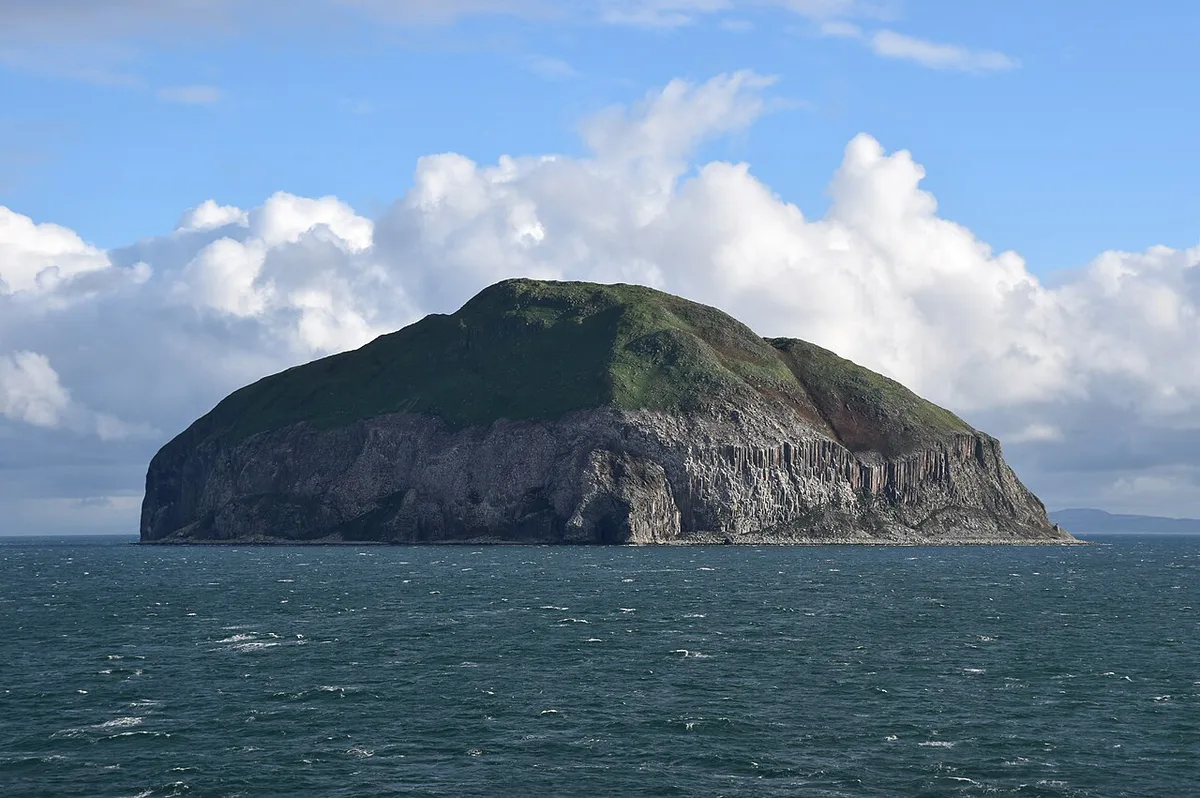
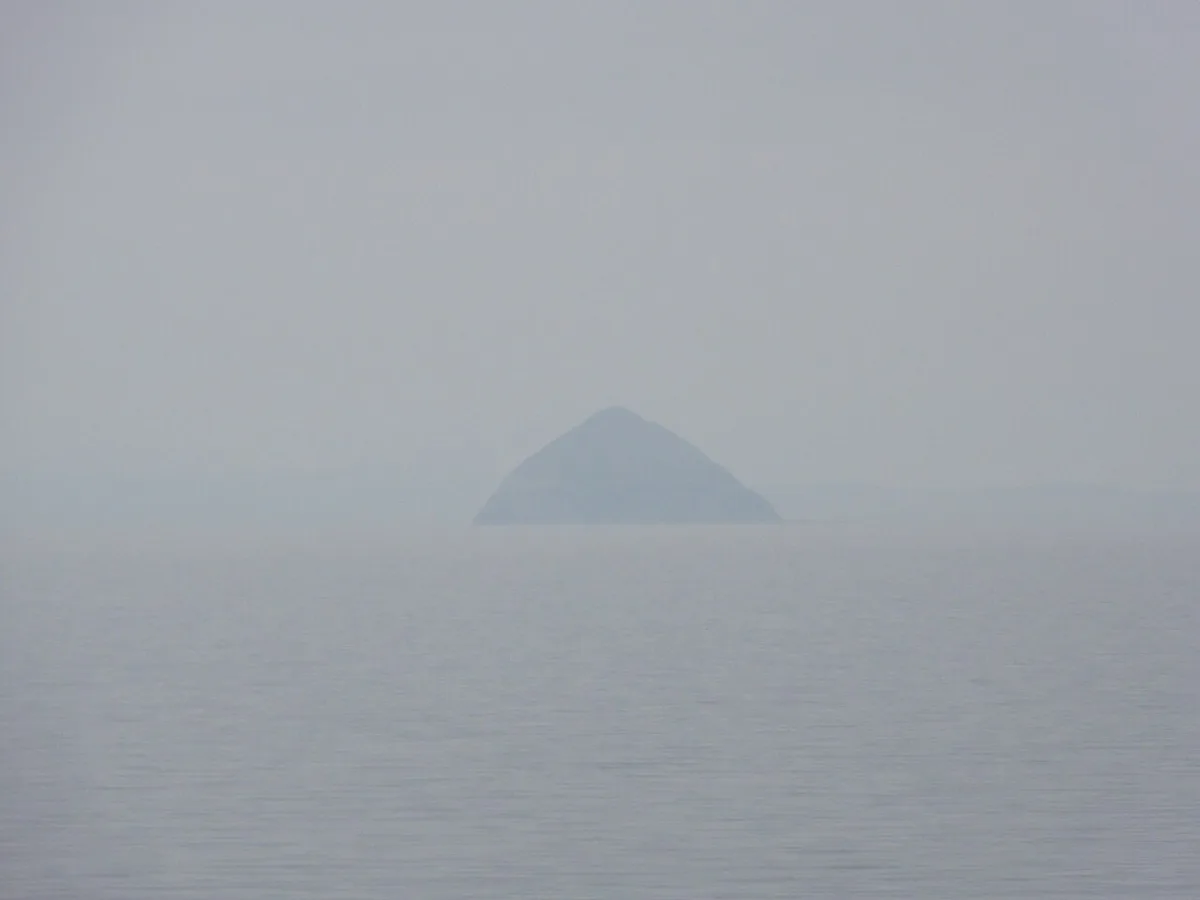
Ailsa Craig is a steep granite island that rises straight out of the Firth of Clyde. Nobody lives there. Geologists describe it as a volcanic plug, the hardened core of a volcano left standing after softer rock around it wore away. It sits among Scotland's volcanic sites, which our guide to Scottish volcanoes covers in full. Its fame comes from the rock itself. The island supplies the dense granite used for curling stones, which is why it appears in Winter Olympics coverage.
Can you visit Ailsa Craig?
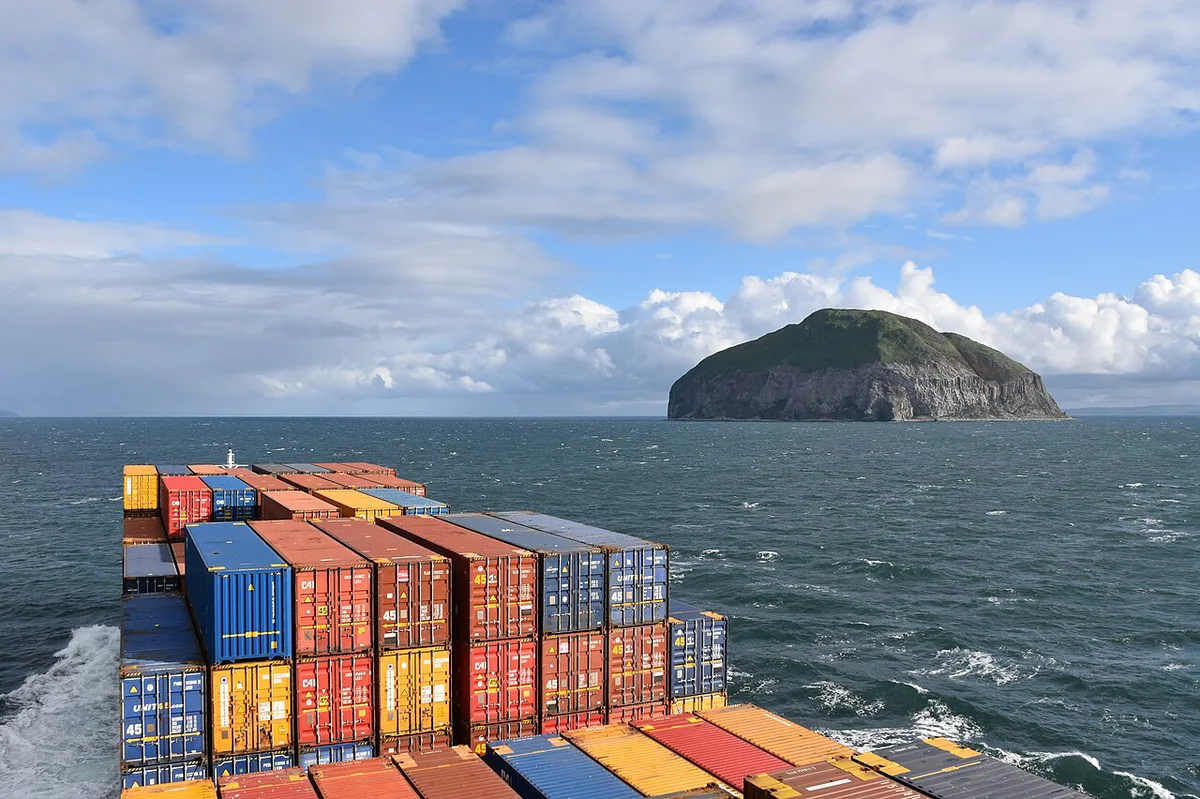
Most visitors see the island from the water rather than from its shore. Two kinds of trip are possible, and which one runs depends on the operator, the landowner's rules and the sea state on the day. Check the current operator schedule before you plan around either option. Landing is the weather-sensitive choice, because a swell can rule it out while a cruise still sails.
- Cruise around the island: best if you want views of the cliffs, seabirds and old quarry workings without walking on uneven ground.
- Landing trip, where operators offer one: best if you are steady on loose rock and want time ashore.
- Skip it if you are prone to seasickness. Skip it too if you expect cafés, toilets or shelter, because the island has no facilities.
How to get there from Girvan
Girvan is the usual mainland base for the crossing. The island lies roughly 10 miles (16 km) offshore, so it is a proper sea trip and not a harbour hop. Boats depart from the Ayrshire coast, and the operator's page gives the current sailing times, trip length and booking terms. Weather cancellations happen, so book flexibly where you can and keep a spare day. VisitScotland lists Ayrshire visitor information for planning the rest of your stay.
Why curling stones come from here
Ailsa Craig granite is very dense and takes a hard, even finish, which suits a stone that has to slide and take knocks. Two types are used. Common green granite forms the body of the stone. Blue hone granite forms the running surface that touches the ice. Kays of Mauchline is the maker associated with these stones. The island was once worked as a granite quarry, and the abandoned workings are still part of its story. In Girvan, the McKechnie Institute holds a collection of curling stones, which makes it a useful stop on dry days.
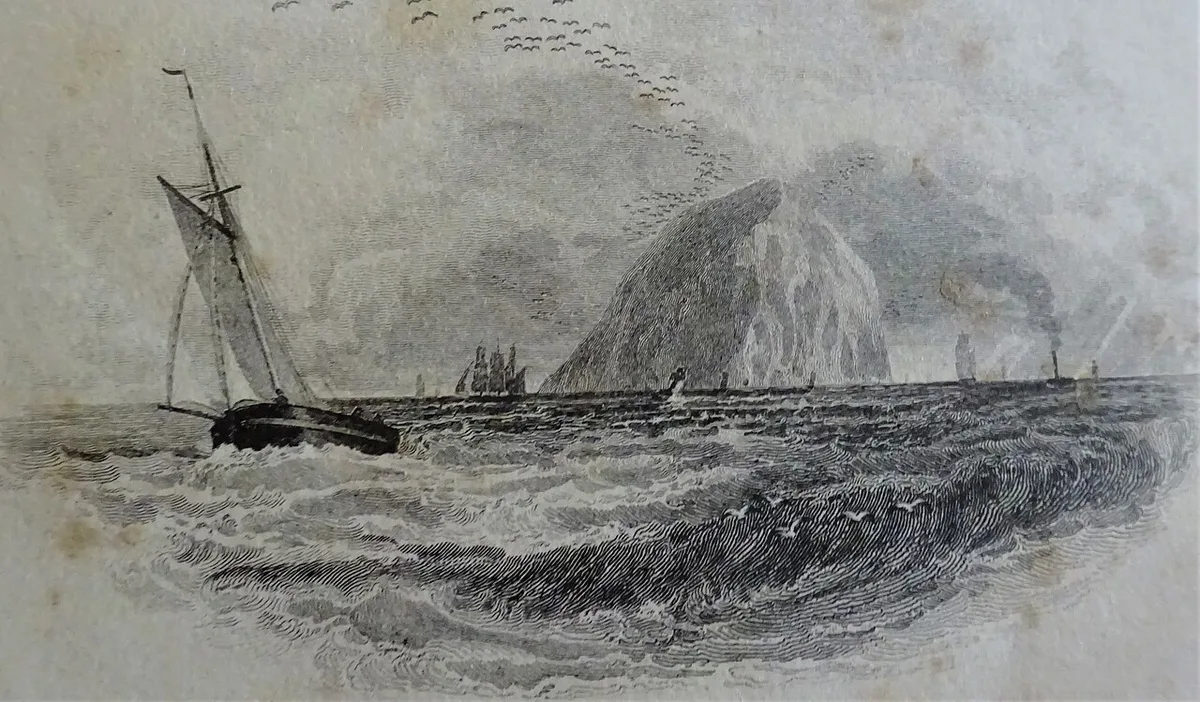
History, ownership and the lighthouse on Ailsa Craig
Ailsa Craig has no permanent residents, but people have worked it for centuries. Its history is mostly one of quarrying, lighthouse-keeping and private ownership, which explains the buildings you see from the water.
Who owns the island
The island is privately owned and has long been linked to the Kennedy family, the Marquess of Ailsa's line. That ownership is why landing rules and access depend on the landowner and the boat operator. Do not treat it as open land you can walk onto freely.
The lighthouse and the quarry remains
A lighthouse was built on the low eastern shore in the 19th century to guide shipping up the Firth of Clyde. It has since been automated, so no keepers live there now. Near it are the old foghorn and the cottages that once housed the keepers. The abandoned quarry workings sit on the same side of the island. These are the structures you will see from a cruise, with the granite cliffs rising behind them.
The name and its nickname
The name Ailsa Craig comes from the Gaelic, and the exact meaning is debated, so be wary of guides that state one translation as settled. Sailors have also called the island Paddy's Milestone, because it sits roughly halfway on the sea route between Glasgow and Belfast.
Why this matters for your trip
- Look for the lighthouse and keepers' cottages on the eastern shore as your orientation point.
- The quarry remains are best read from the water, in the context of the curling-stone story above.
- Ask the operator what you can and cannot walk to if a landing is offered, since the owner sets the rules.
Geology: a volcanic plug
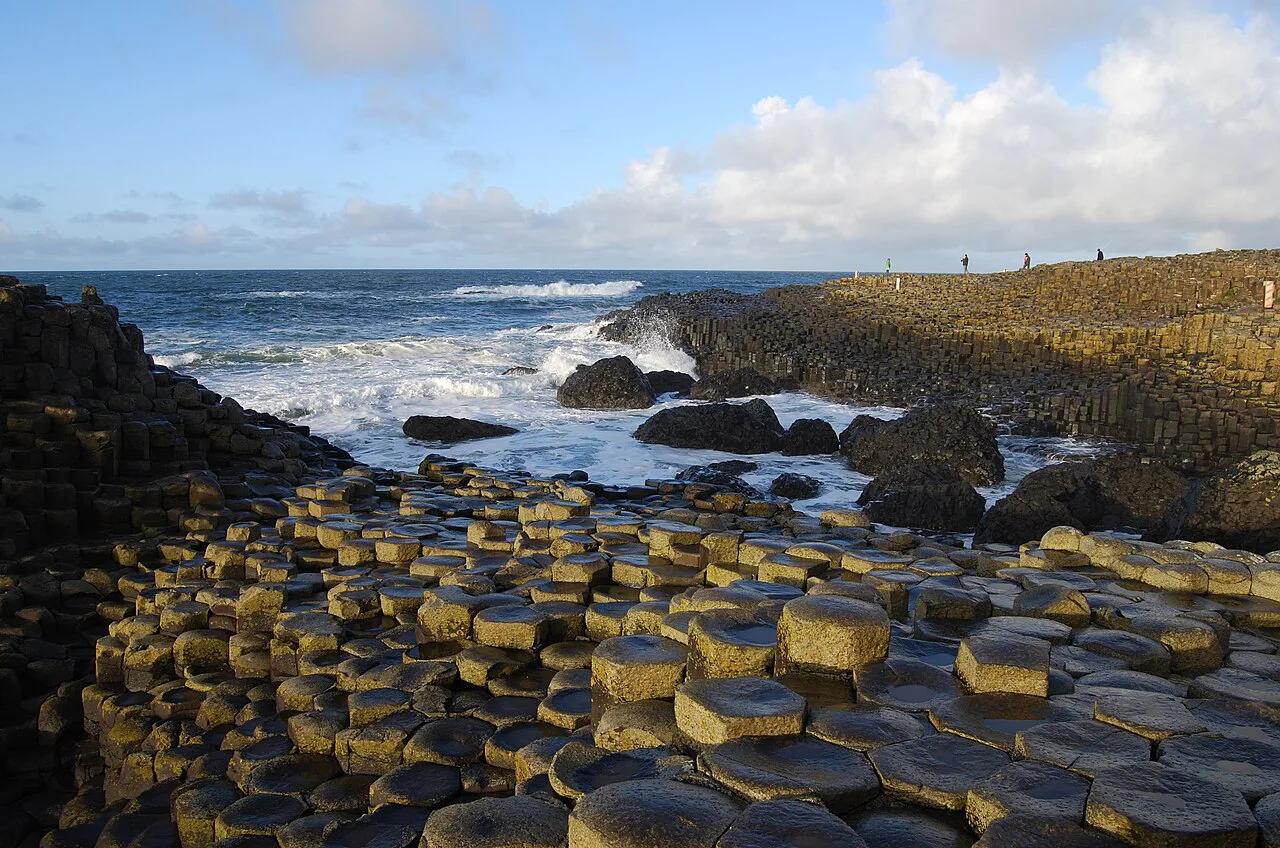
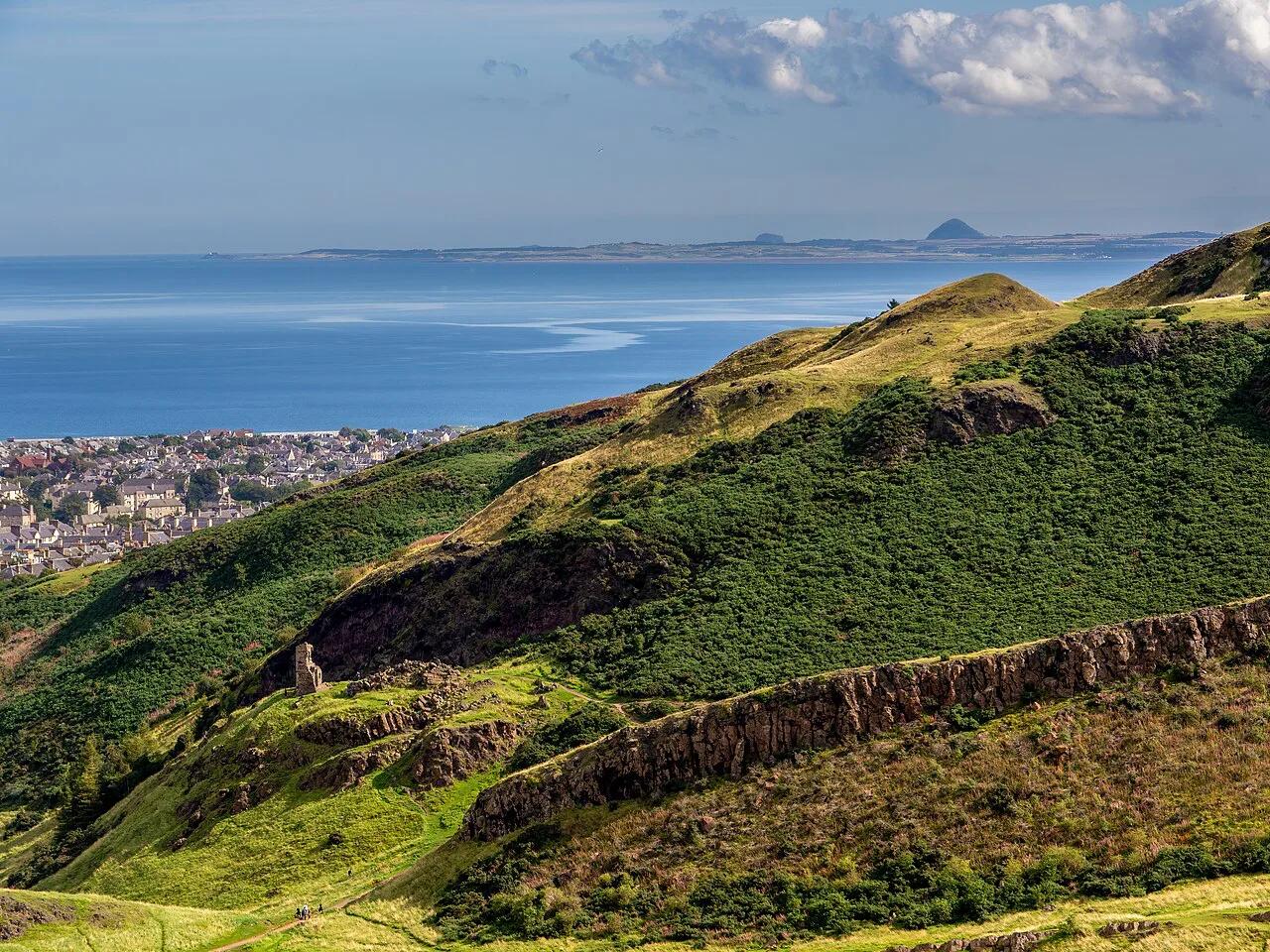
A plug forms when magma hardens inside a volcano's vent. Erosion then strips away the cone and leaves the tougher core. For exact rock type and age, rely on the British Geological Survey, which maps the UK's volcanic rocks. For wider context, our overview of UK volcanoes places Ailsa Craig alongside other sites. Seabird colonies on Bass Rock: Gannets, Volcano & How to See It make it the closest Scottish comparison. Basalt columns at Fingal's Cave show a different volcanic rock. Edinburgh's own extinct vent is covered in our Edinburgh volcano guide. Ancient volcanic roots also run through the Highlands, as explained in our Ben Nevis volcano guide.
| Site | What it is | What you see |
|---|---|---|
| Ailsa Craig | Volcanic plug of granite, uninhabited | Cliffs, quarry remains, seabirds |
| Bass Rock | Volcanic plug | Seabird colony on a steep rock |
| Fingal's Cave | Basalt lava columns | Regular rock columns and a sea cave |
Wildlife and what you'll see
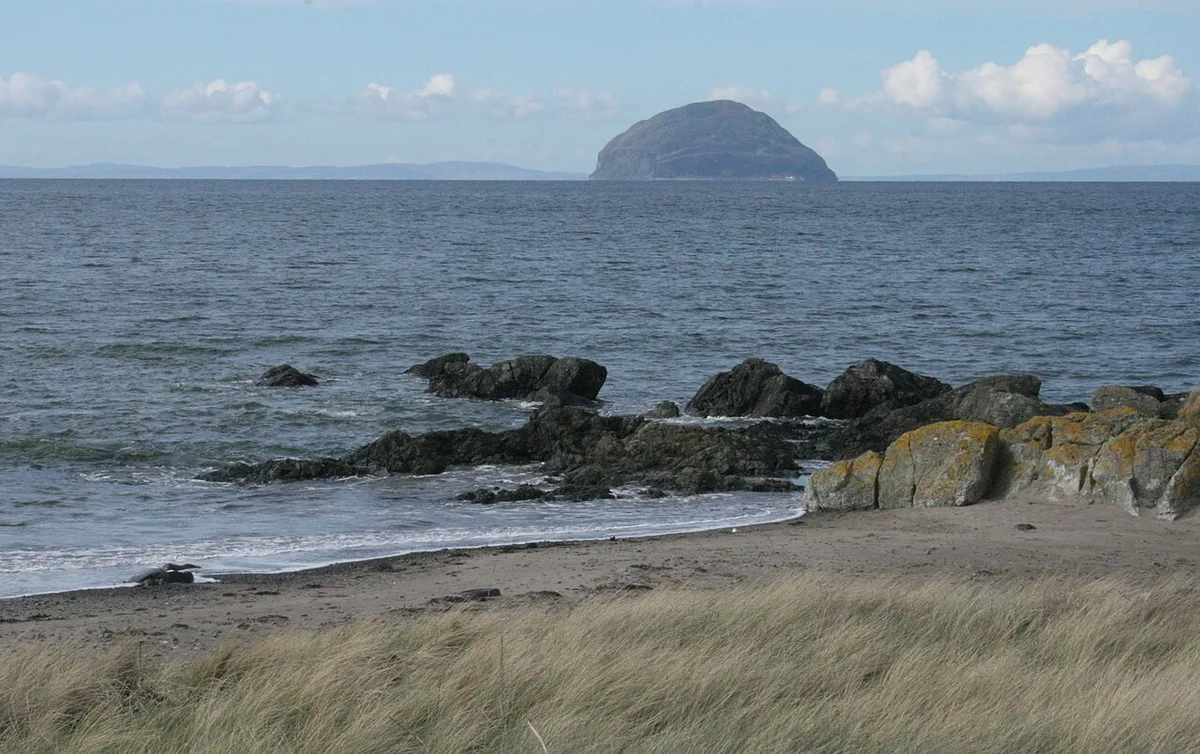
Seabirds are the main draw on the water. The cliffs hold nesting birds, and seals are a possible sighting around the shore. The RSPB is the right place to check which species are present and when. Do not disturb nesting birds, and do not collect stones or rock from the island. NatureScot publishes the rules that protect Scottish wildlife sites. Cliffs and loose rock are real hazards if you land, so stay on any route the operator gives you.
Planning a day around Girvan
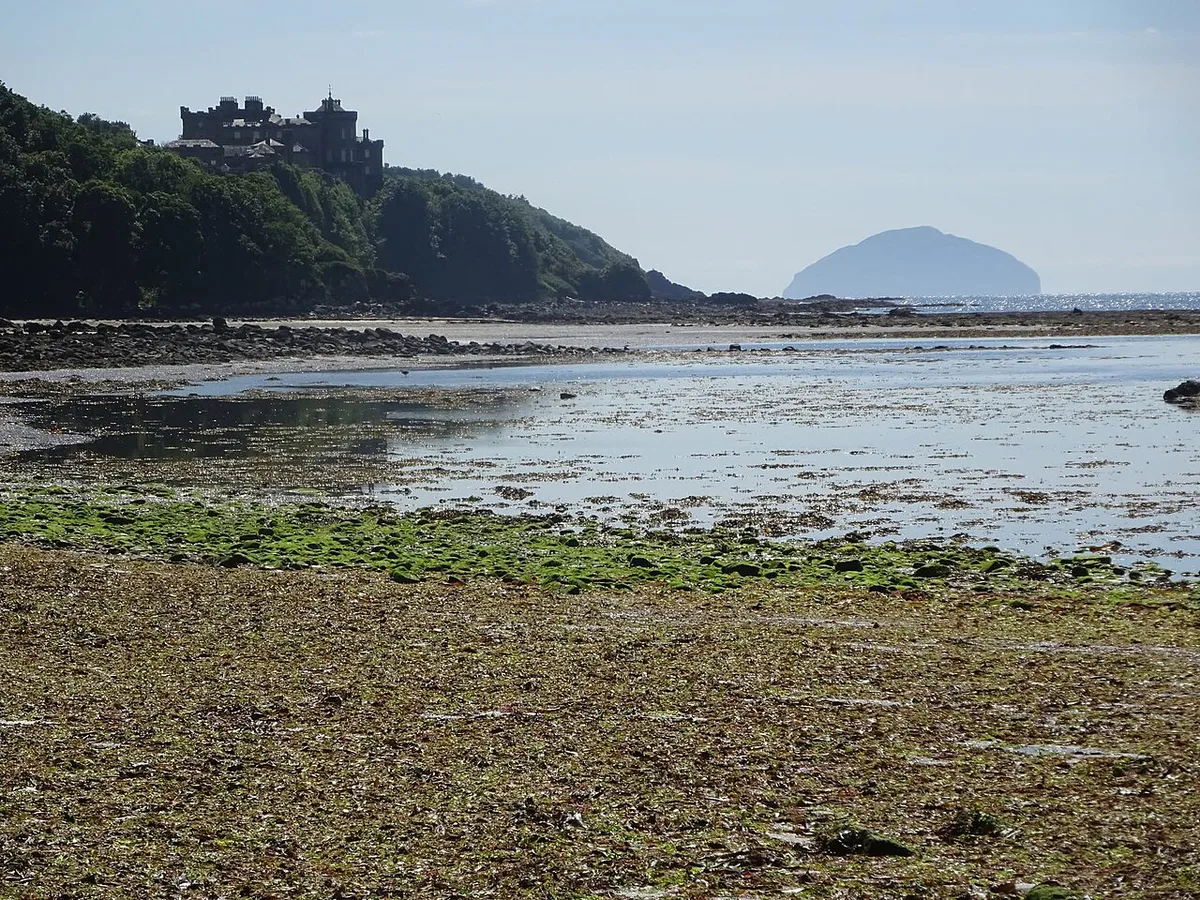
Treat the boat trip as the fixed point and build the day around it. Allow for a possible cancellation by keeping the McKechnie Institute as a fallback. Check its opening hours before you go. Pack warm, waterproof layers, because the sea is colder than the mainland. Bring food and water, since the island sells nothing.
Because the island is 10 miles (16 km) out, the McKechnie Institute is the sensible fallback if a boat is cancelled.
- Mistake to avoid: booking an inflexible, non-refundable trip without checking the forecast.
- Mistake to avoid: assuming a landing is guaranteed when only a cruise may run.
- Mistake to avoid: wearing smooth-soled shoes for a landing on loose rock.
- Mistake to avoid: taking a rock as a souvenir.
Frequently Asked Questions
Where does the granite come from for curling stones?
Winter Olympics curling stones use granite from Ailsa Craig. Common green granite forms the body of the stone, and blue hone granite forms the running surface.
How far is Ailsa Craig from Girvan?
Ailsa Craig lies about 10 miles (16 km) off Girvan in South Ayrshire. Some sources quote a much shorter distance, but the 10-mile figure is the one to use for planning.