Bass Rock: Gannets, Volcano & How to See It
Last updated November 2026. Bass Rock is a volcanic plug island in the Firth of Forth, off North Berwick in East Lothian, and a major gannet colony. Most visitors see it from mainland viewpoints or on a boat trip from North Berwick. This guide covers the geology, the birds, how to see it and what to check first, as part of our UK volcano guide.
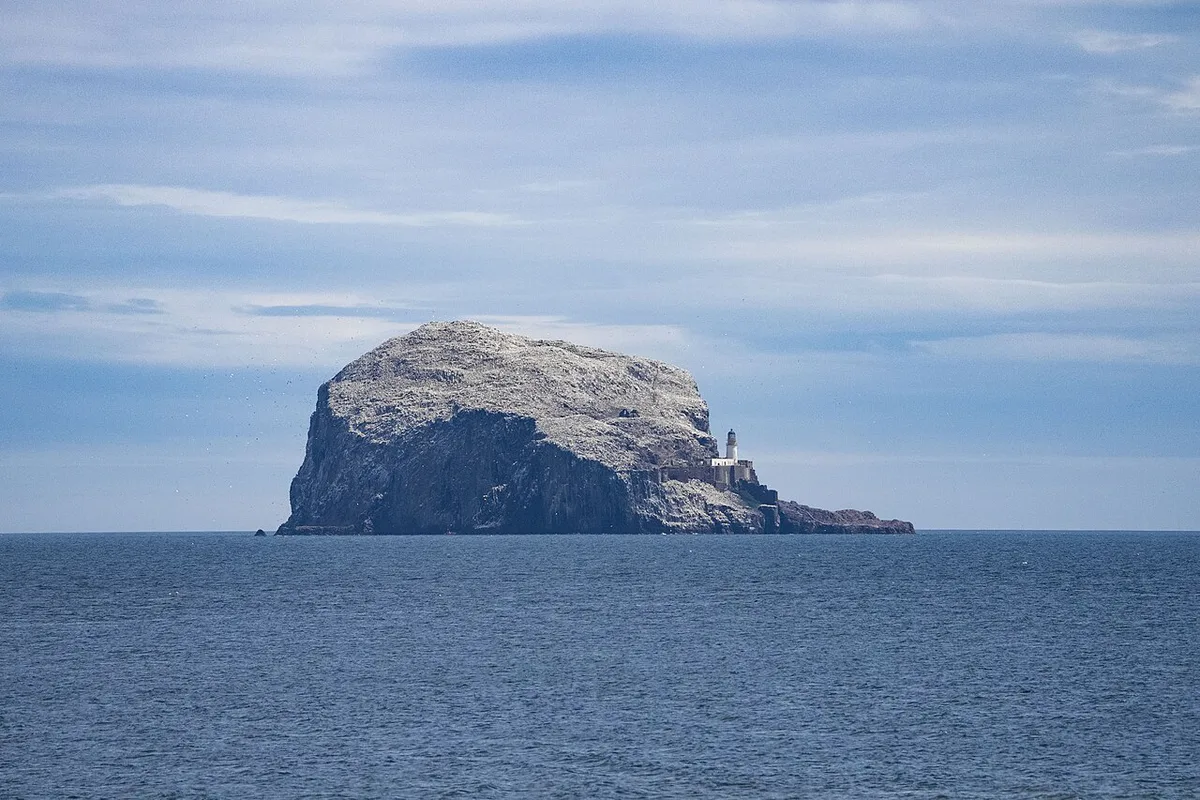
Featured image: Francis C. Franklin, CC BY-SA 4.0, via Wikimedia Commons.
What is Bass Rock?
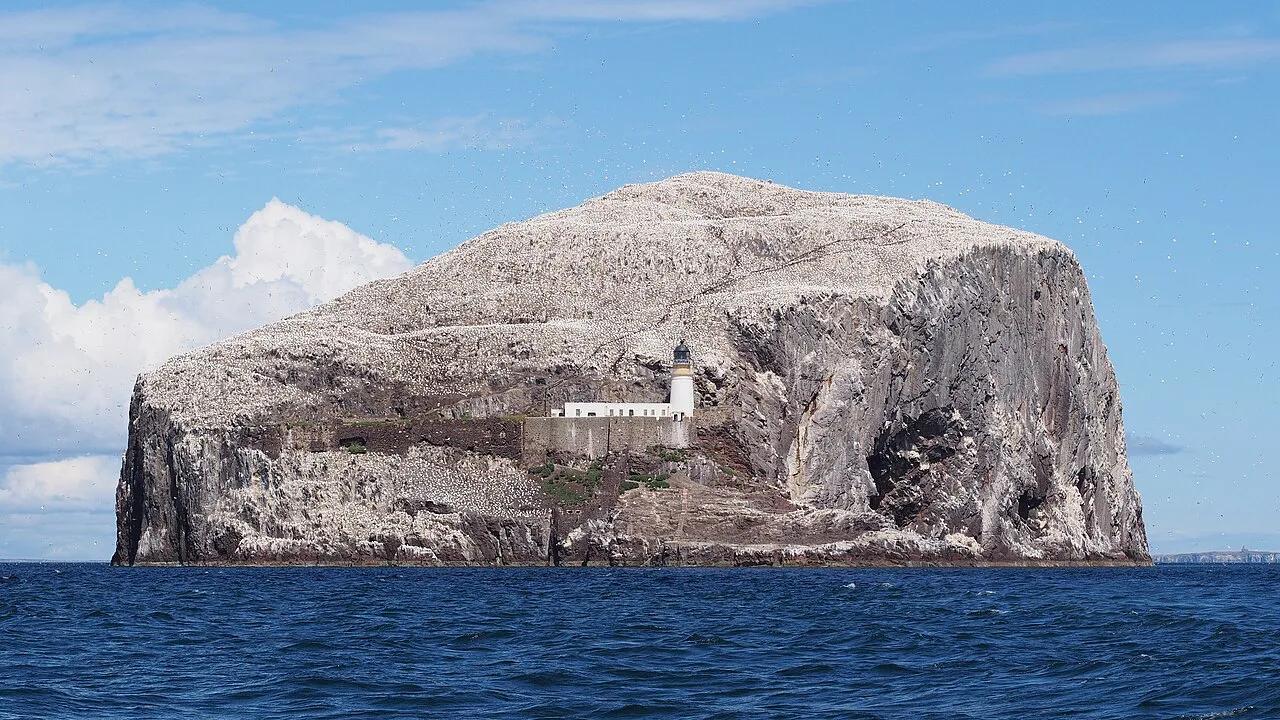
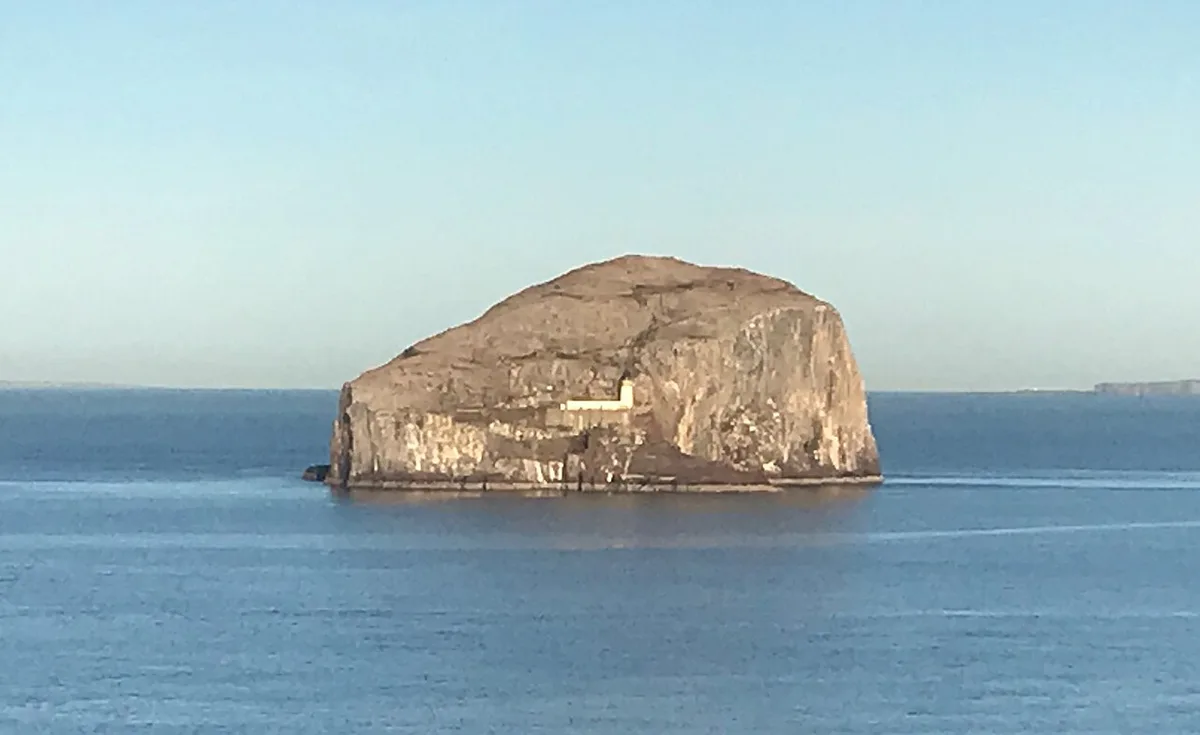
Bass Rock sits in the outer Firth of Forth, north-east of North Berwick. Sources put it roughly 1.5 miles (about 2 km) offshore. It is a steep-sided island that rises to about 107 m (351 ft). The rock is uninhabited, and a lighthouse stands on it. Gannets cover its ledges in spring and summer, which turns the dark cliffs white from a distance. Another way to place it in context is our overview of Volcanoes in Scotland: Extinct Sites You Can Visit.
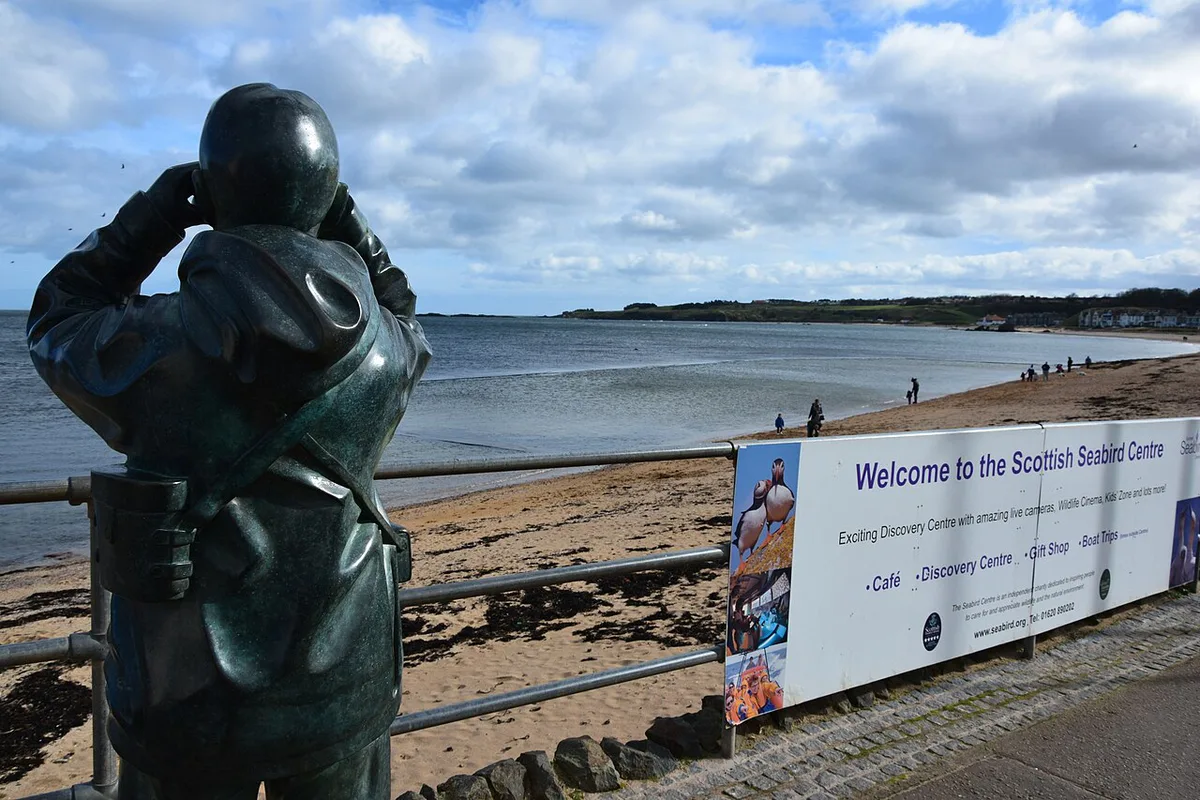
- Location: Firth of Forth, off North Berwick, East Lothian
- Type: volcanic plug island
- Height: about 107 m (351 ft)
- Residents: gannets, plus puffins, guillemots and kittiwakes
- Base for visits: North Berwick
The volcano behind the rock
A volcanic plug forms when magma hardens inside a volcano's vent. The surrounding ash and softer rock then wear away over time. Harder plug rock is left standing, and that is why Bass Rock stays upright while the land around it eroded. The British Geological Survey is the place to check the exact rock type and age before you quote them. Nearby, Edinburgh's volcanic hill has its own story in our guide to the Edinburgh Volcano: Arthur's Seat Facts and Visitor Guide. Another Scottish island with a volcanic rock and seabirds is covered in our Ailsa Craig guide. For more Scottish sites, see Fingal's Cave. Climbers and walkers can also read about the Ben Nevis Volcano: Geology and Visiting Guide.
Gannets and other wildlife (and when to go)
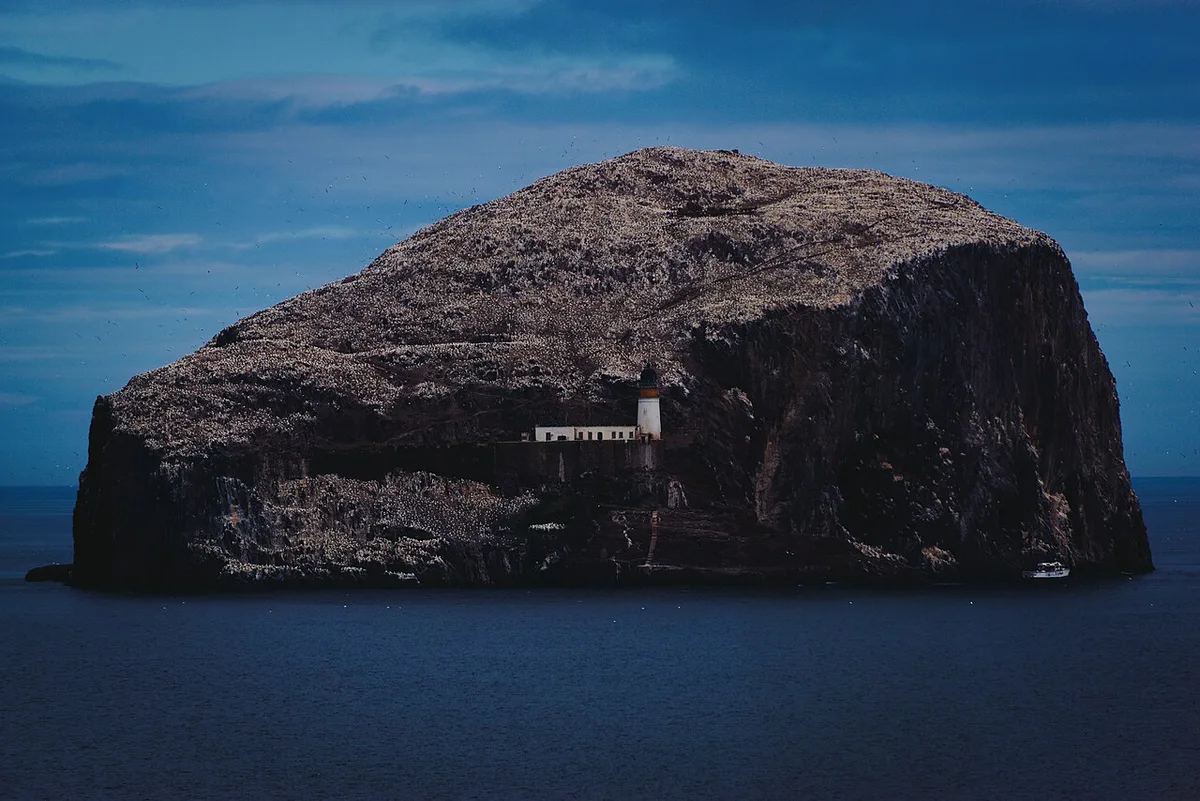
Gannets are most visible in spring and summer. That is when the island looks white from the shore. Puffins, guillemots and kittiwakes also use the rock. Bass Rock holds the largest colony of northern gannets in the world, well over 100,000 birds at the height of the season, and the bird's scientific name, Morus bassanus, comes from the rock itself. Gannets start arriving in late winter and most have left by late October. Do not expect a full colony in winter. Seabird colonies can be affected by avian influenza, so read the latest notices from the Scottish Seabird Centre and NatureScot before you plan a trip. Those pages also say whether any visiting limits apply this season.
How to see Bass Rock
You have three realistic options. Choose by effort, season and how close you want to get. One source describes boat trips running between April and October and lasting about 1½ hours. Confirm current sailings and whether a trip circles the island or includes a landing with the Scottish Seabird Centre. Landing rules are the operator's to state, so do not assume you can step ashore.
| Option | Effort | Best season | What you get |
|---|---|---|---|
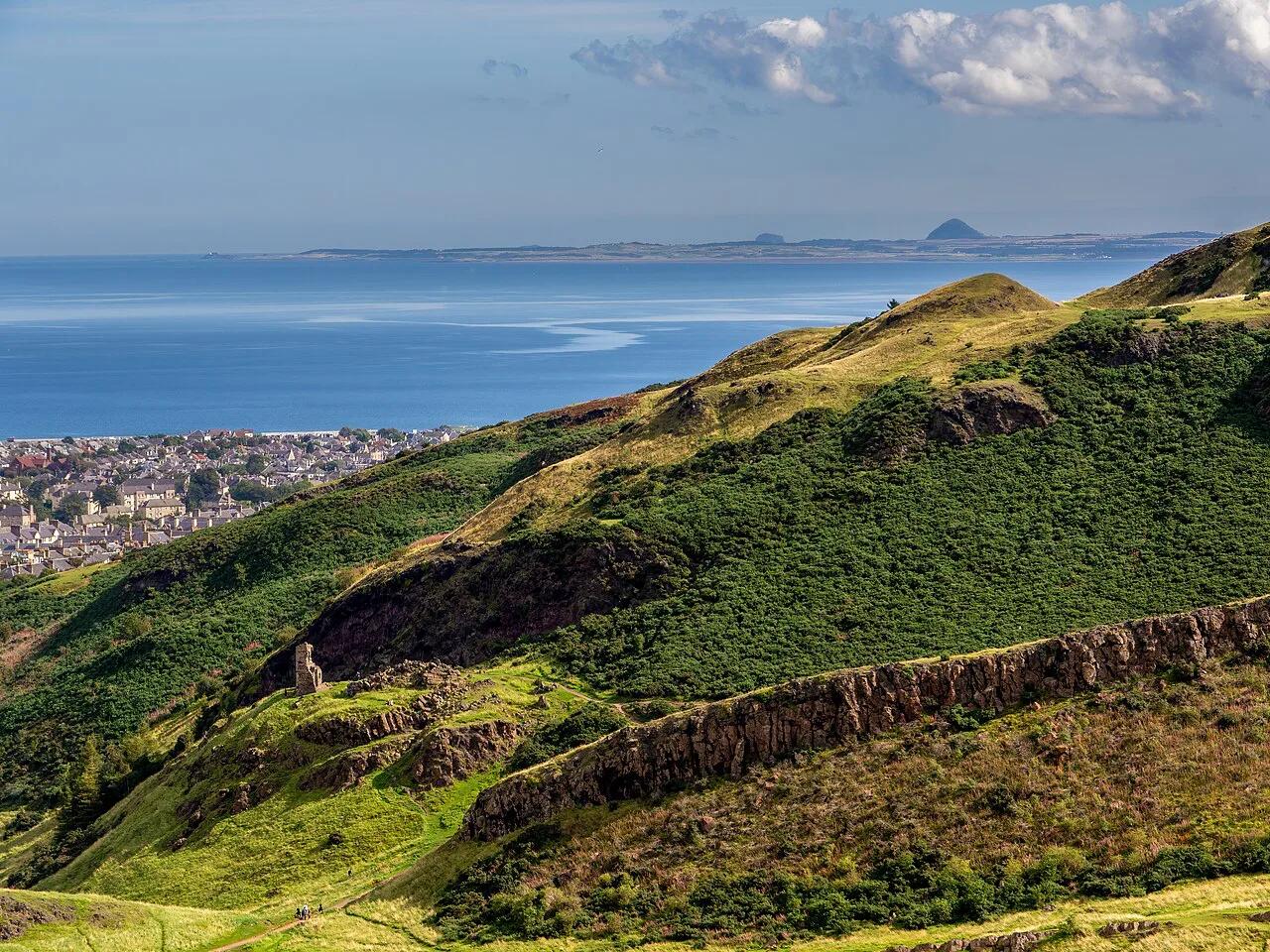
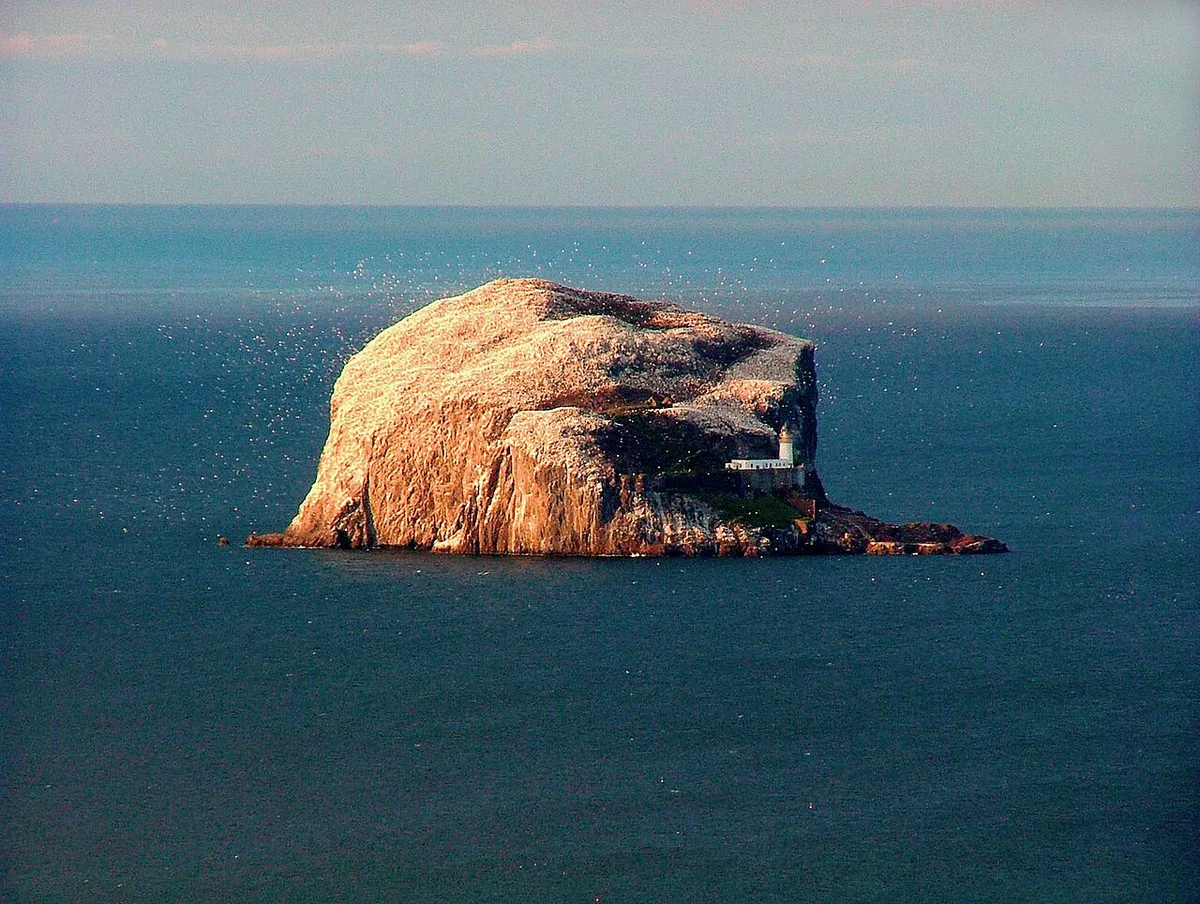
| Mainland viewpoints: West Bay Beach, North Berwick Harbour, North Berwick Law | Low; short walks in North Berwick | Clear days; gannets are busiest in spring and summer | Distant views of the white-streaked rock and lighthouse |
| Boat trip from North Berwick | Medium; depends on weather and sea state | Spring to early autumn | Close views of the cliffs and the colony |
| Live cameras at the Scottish Seabird Centre | Lowest; indoors | Whenever the cameras run | Close-up bird behaviour without leaving the centre |
Getting to North Berwick
North Berwick is the base for Bass Rock. Edinburgh is the usual starting point, and Edinburgh Castle is about 38 km away in a straight line. Glasgow is about 103 km by road, a drive of roughly 1 h 51 according to one distance estimate. Treat those as rough figures. Without a car, ScotRail trains run from Edinburgh Waverley to North Berwick in a little over half an hour, and East Coast Buses route 124 links the city centre with the town. The Scottish Seabird Centre and the boat departures are at the harbour, about a 10-minute walk from the station, so a car-free day trip is easy. Nearby stops include Tantallon Castle at about 3.4 km, Dunbar at about 11 km and the Isle of May at about 13 km. Distances are straight-line estimates from the rock.
Edinburgh Castle is about 38 km away, and a boat trip lasts about 1½ hours, so an early start leaves room for a second stop.
A short history
Accounts describe an early Christian hermit living on the rock. A castle was later built there and became a prison after the Commonwealth period. The remains of a chapel survive. The lighthouse dates to 1902 or 1903 depending on the source, and it is now automated. Dates and ownership vary between accounts, so use the Scottish Seabird Centre for current facts.
A few chapters are well documented. The government of Charles II bought the rock in 1671 and used its fort as a prison for Covenanters. In 1691 a small group of Jacobite prisoners took over the fort and held it for the exiled James VII until 1694, making it the last place in Britain to hold out for him. The Hamilton-Dalrymple family has owned the island since the early 18th century. The lighthouse was designed by David Alexander Stevenson, of the Stevenson family of lighthouse engineers, and stands partly on the site of the old fort.
More volcanic rock around North Berwick
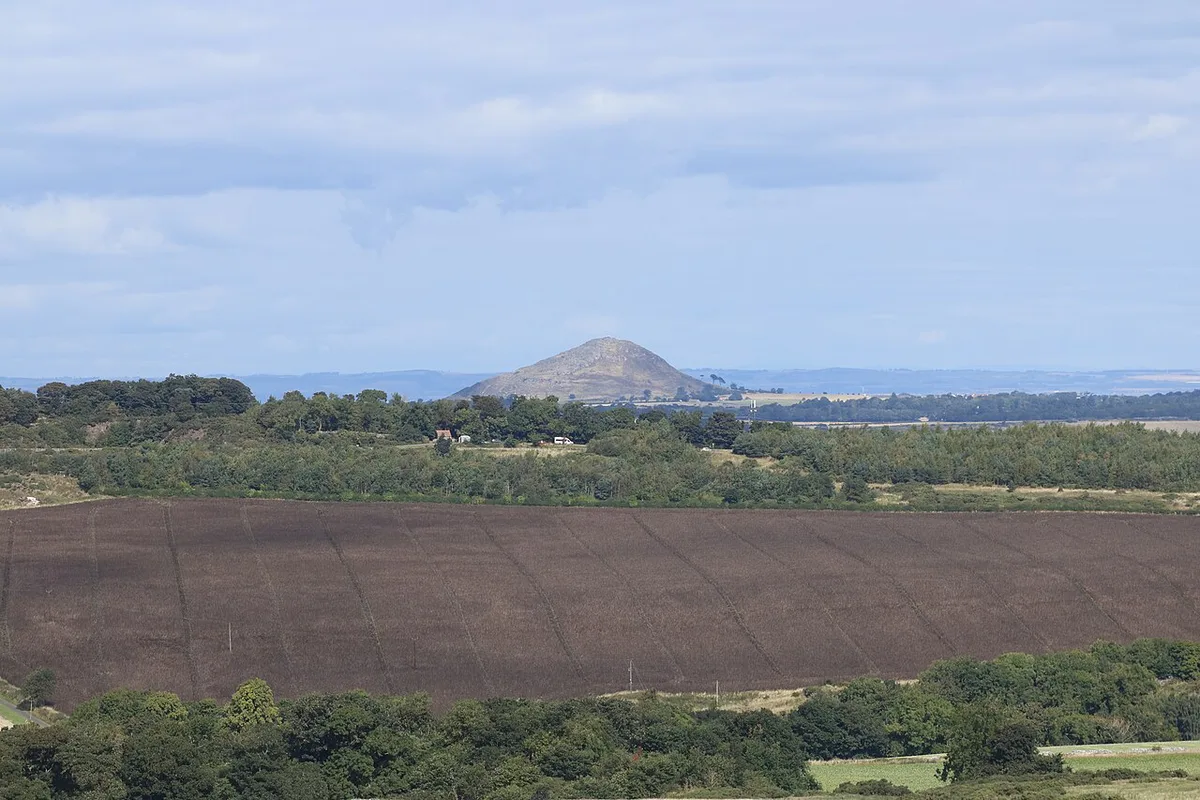
Bass Rock is one of several volcanic remnants along this stretch of coast, and you can see the others in the same day. North Berwick Law, the cone-shaped hill behind the town, is another volcanic plug, about 187 m high. A steep path climbs it in under an hour and the summit looks straight out to Bass Rock. Offshore, the low island of Craigleith is a smaller plug from the same volcanic episode, and puffins nest on it in summer. East of town, the ruined 14th-century Tantallon Castle sits on the cliffs facing the rock. Walking or cycling between the harbour, the Law and Tantallon gives you the whole volcanic coastline without a boat.
Mistakes to avoid and who should skip it
Most disappointments come from wrong expectations. Check each point with the operator before you travel.
- Expecting to walk on the island: landing policy is the operator's call.
- Skipping the weather check: sea conditions affect boat trips.
- Visiting in winter and expecting a full colony.
- Treating the distance as walkable: the rock is offshore.
- Booking without checking whether the trip is a circuit or a landing.
- Skip it if you only have a few hours in Edinburgh and dislike boats. The viewpoints in North Berwick are a lighter option.
Frequently Asked Questions
Where is Bass Rock in the UK?
Bass Rock is in the outer Firth of Forth, off North Berwick in East Lothian, Scotland. It lies roughly 1.5 miles offshore. You can see it from West Bay Beach, North Berwick Harbour and North Berwick Law on clear days.