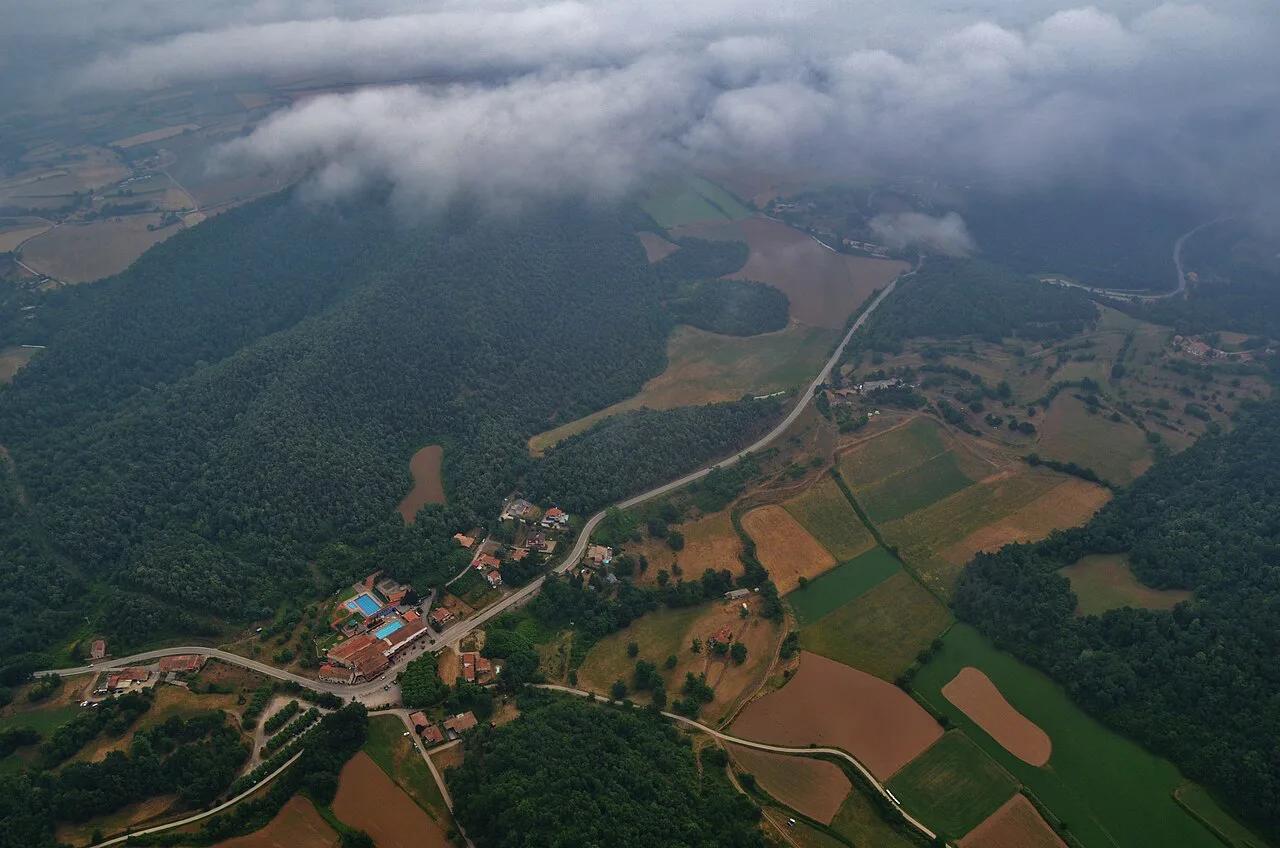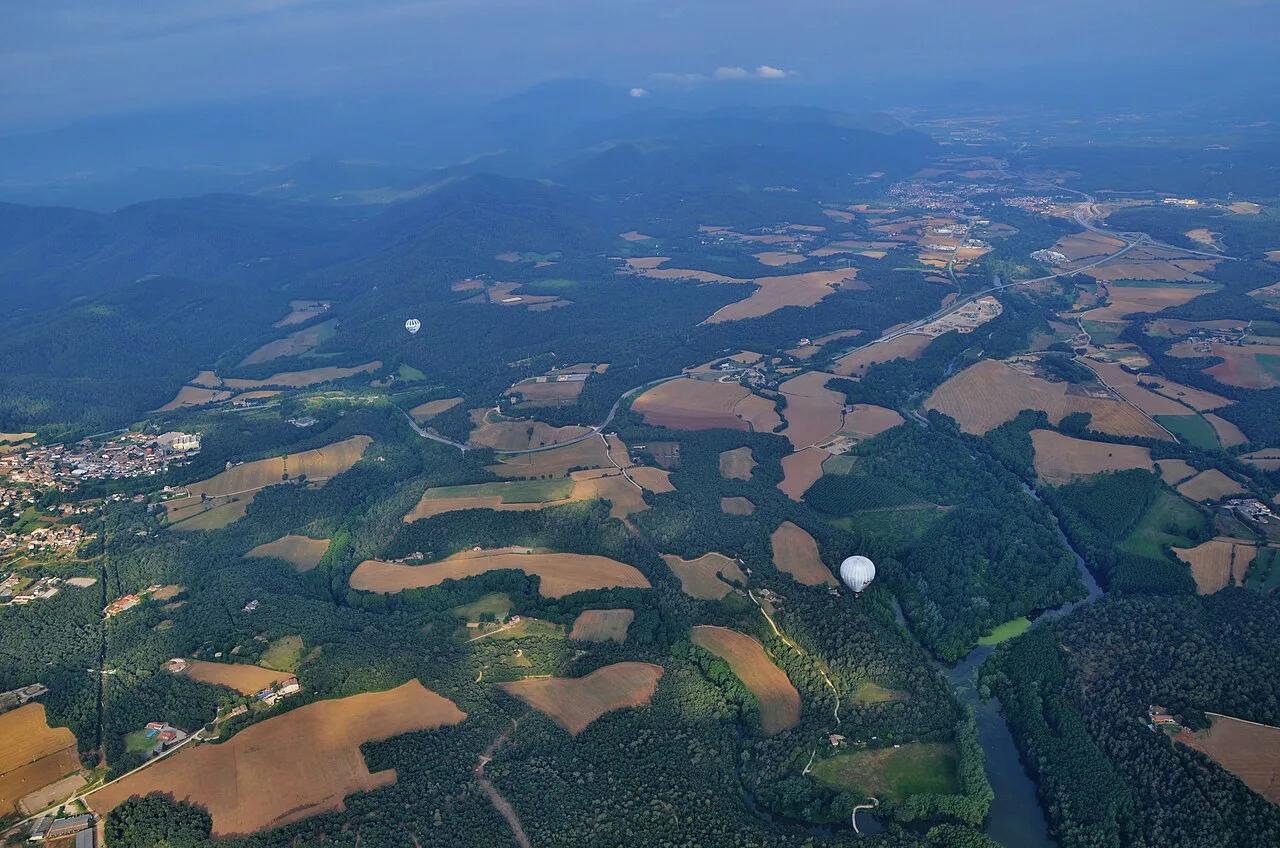
Garrotxa Volcanic Zone: How to Visit, Where to Go & Plan
Last updated November 2026: garrotxa is a comarca in north-east Catalonia, between the Pyrenees and the Costa Brava, with a protected volcanic natural park across its southern half. It suits hikers, families and slow travelers based in Olot, but anyone expecting active craters or headline sights may find it thin. Garrotxa is also the name of a Catalan goat's-milk cheese, which gets a short note near the end.
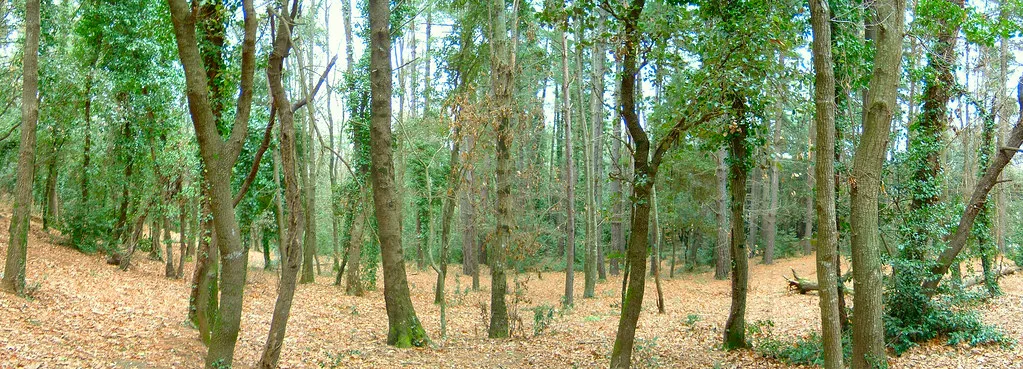
Featured image: MARIA ROSA FERRE ✿, CC BY-SA 2.0, via Wikimedia Commons.
What the Garrotxa Volcanic Zone Is
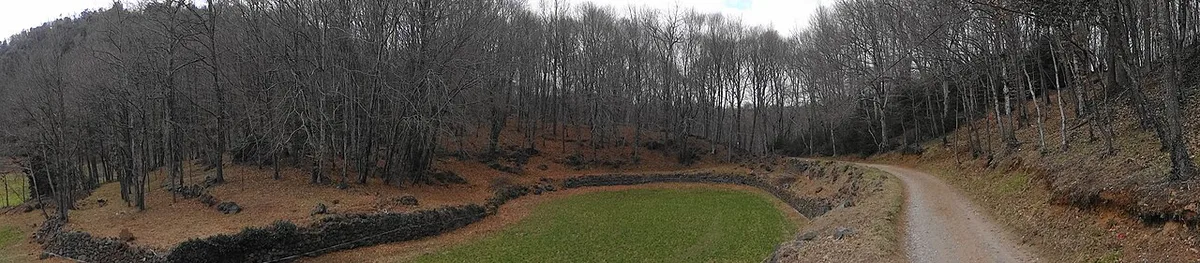
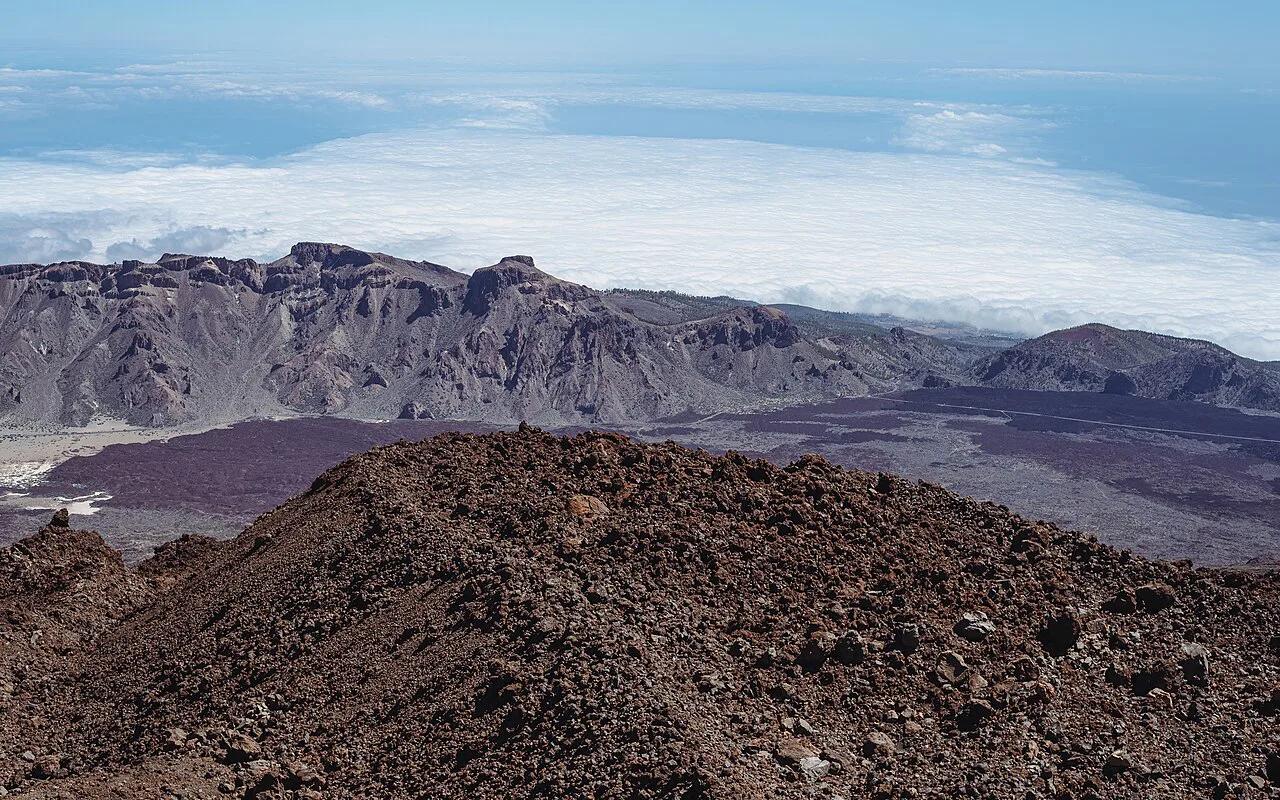
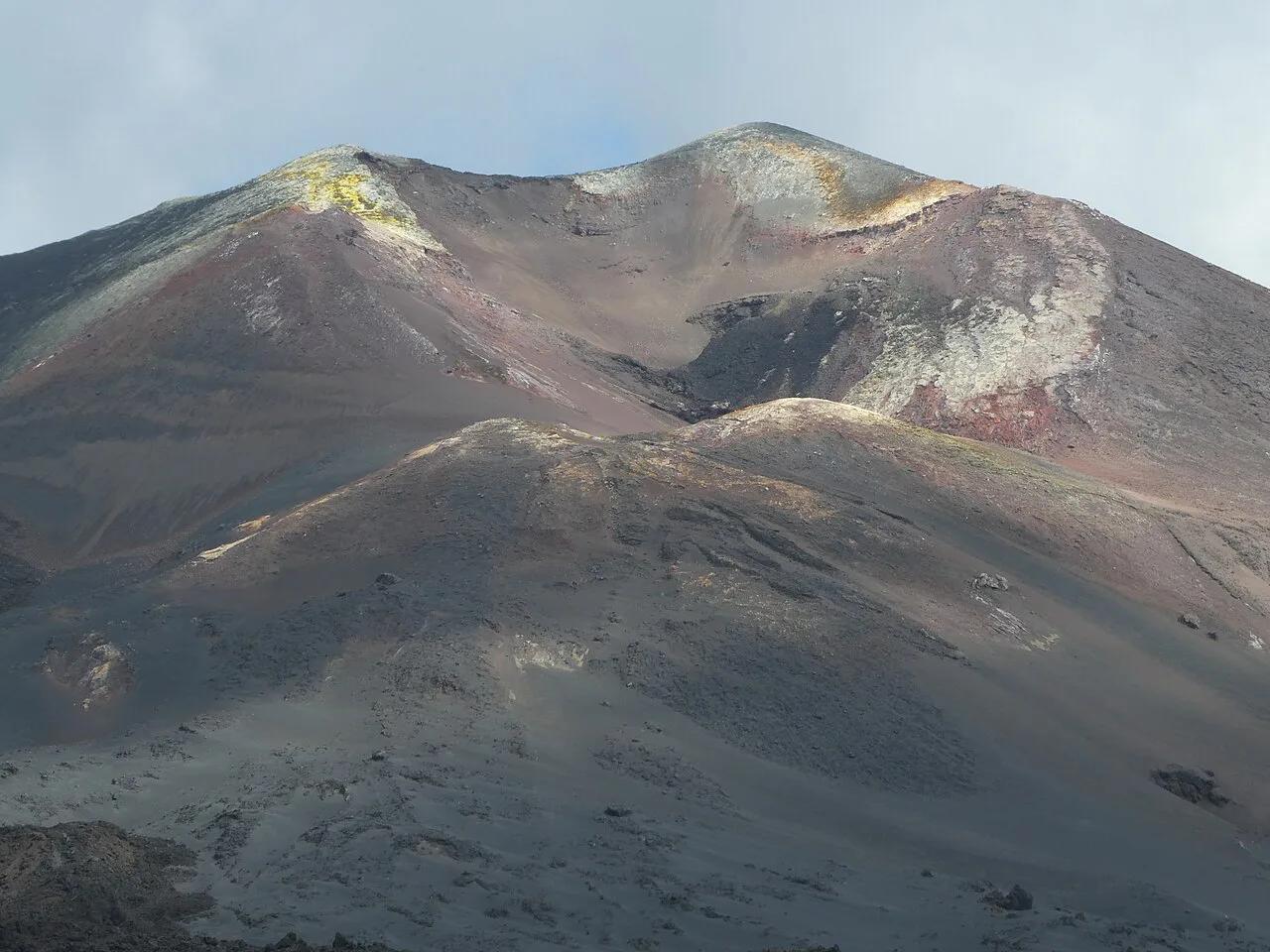
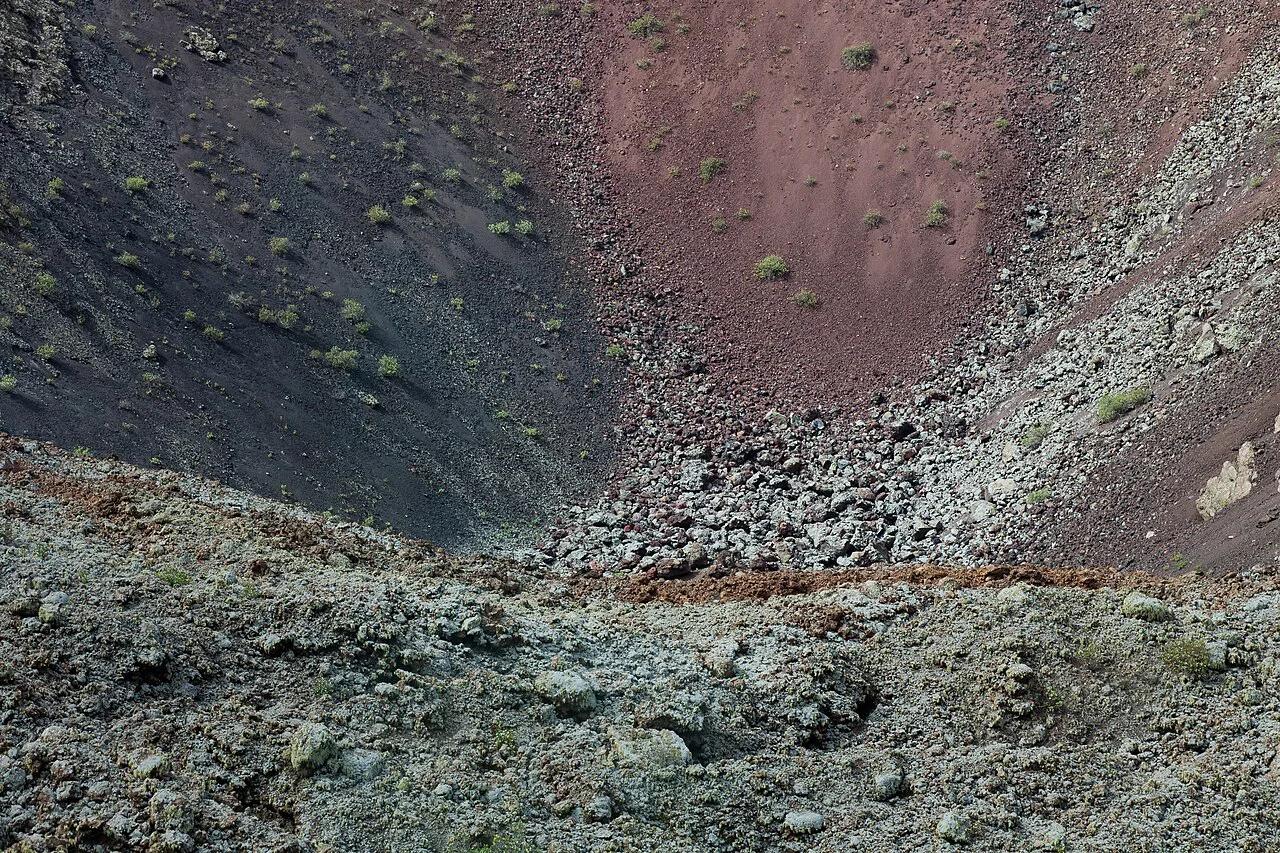
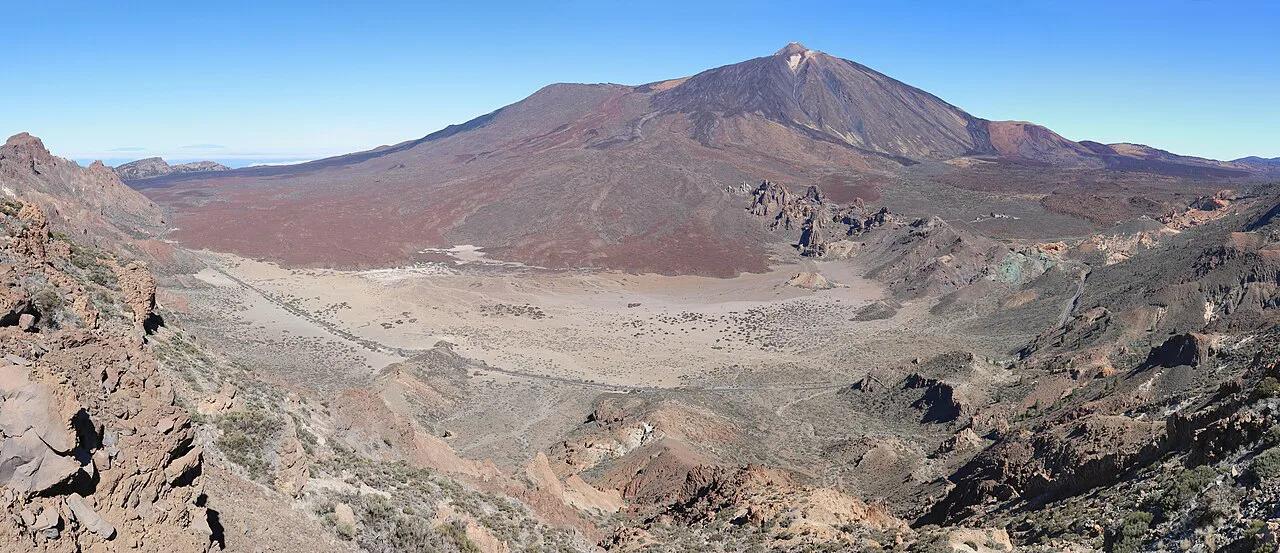
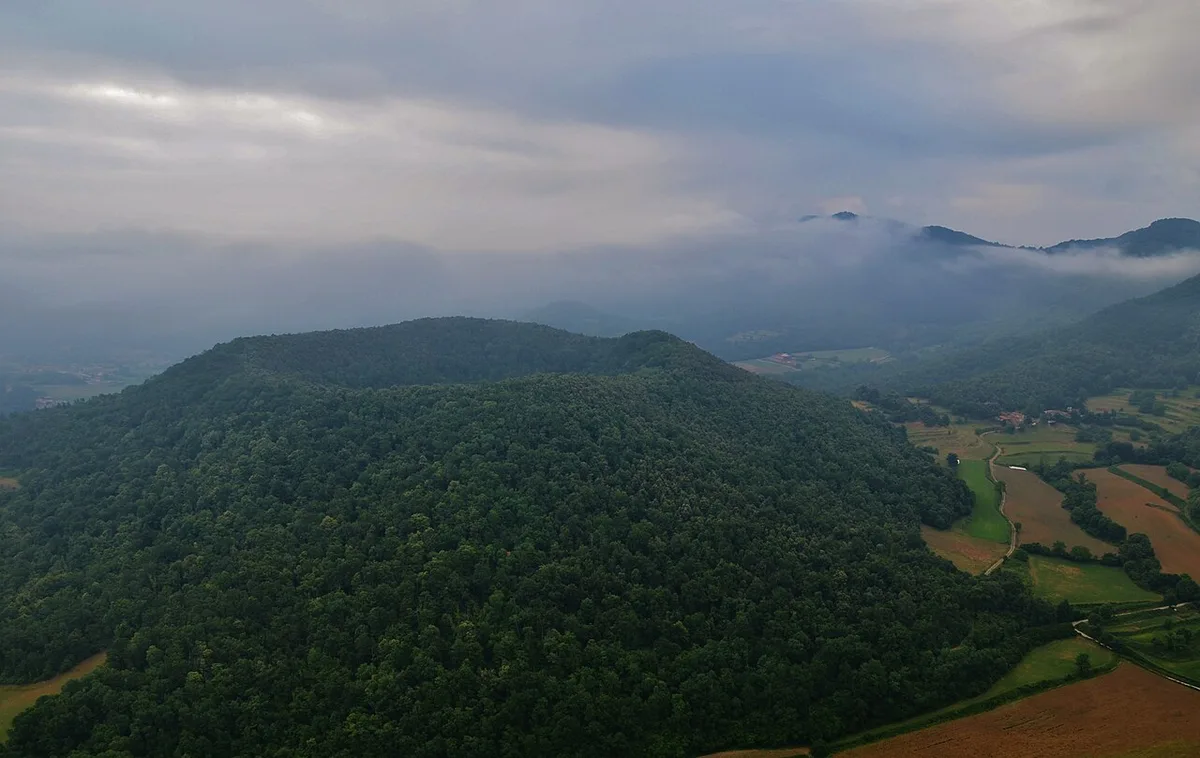
Garrotxa has two landscapes, split by the Fluvià river. South of the river, roughly forty volcanic cones and several lava flows form a smoother, flatter landscape inside the Garrotxa Volcanic Zone Natural Park. North of the Fluvià, ravines and narrow rock passages lead into Alta Garrotxa, which is steeper and more rugged. All the volcanoes are dormant, so you will see forested craters and lava cliffs rather than eruptions. Beech trees grow in the damper spots, while oak and holm oak cover much of the rest. Natura 2000 protection covers these areas, along with the Fluvià itself.
Best Things to Do in Garrotxa
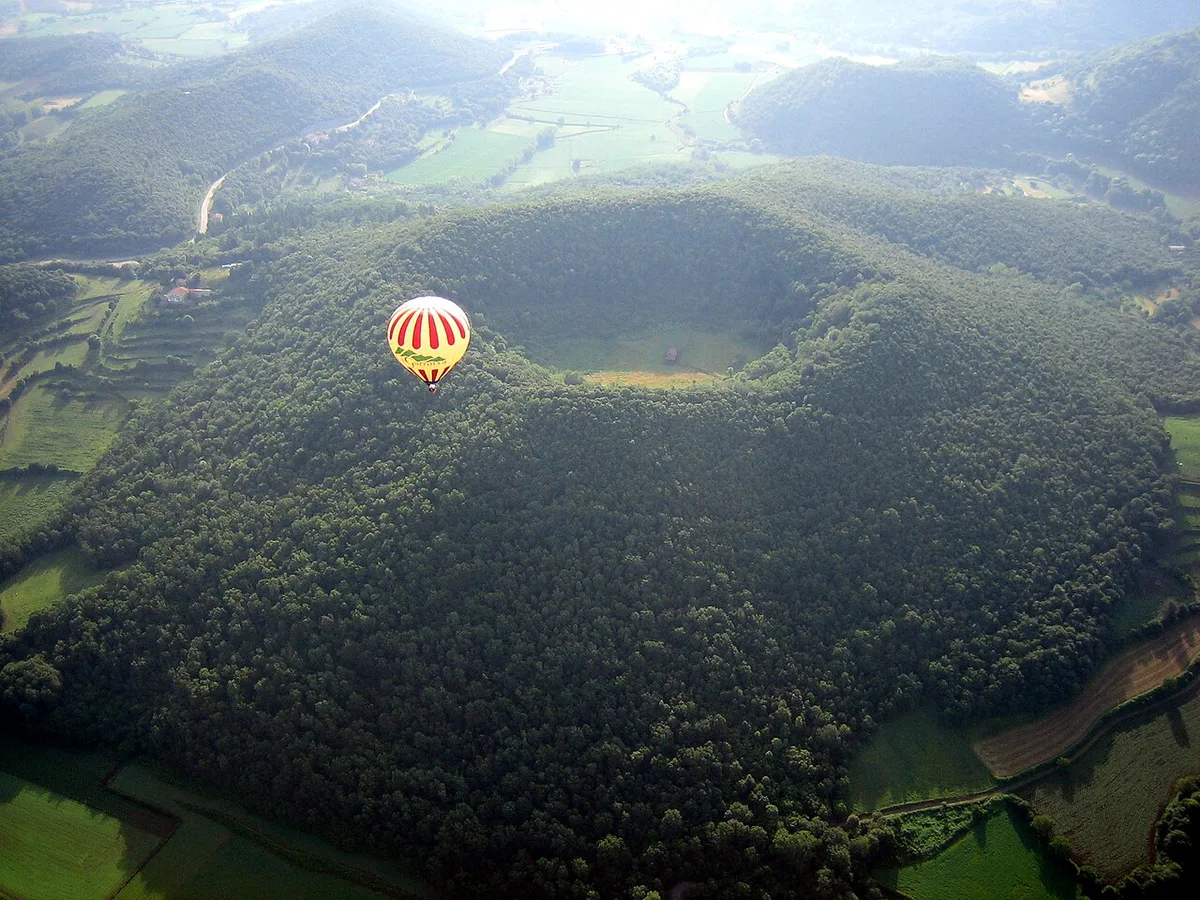
Group your stops by the kind of day you want, rather than trying to tick off every cone.
| Stop | What you get | Best for |
|---|---|---|
| Santa Margarida | Crater views on an easy walk | Families and first-timers |
| Croscat | A cone and its quarry cross-section | Anyone curious about how volcanoes are built |
| Castellfollit de la Roca | Village on a lava cliff, plus viewpoints | Short photo stops |
| Olot | Markets, museums and restaurants | Base for rainy hours and evenings |
| Itinerànnia trails | Multi-hour routes through forest | Confident hikers |
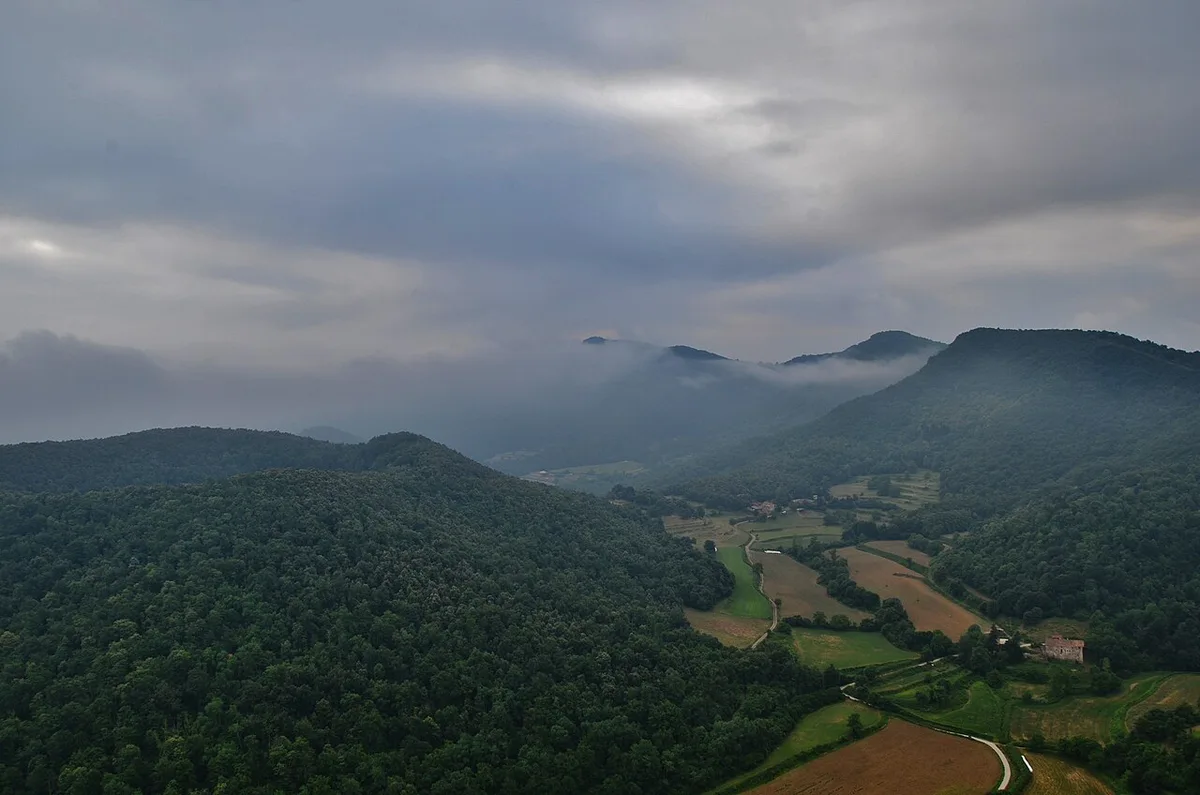
- Easy crater walk: Santa Margarida Volcano: Crater Walk & Visitor Guide gives you crater views on a gentle route.
- Inside a volcano: Croscat Volcano: Visitor Guide to Garrotxa's Cone shows a cone cut open by a quarry, so you can see its layers.
- Lava-cliff village: Castellfollit de la Roca: Visitor Guide to the Basalt Cliff Village is the village-and-viewpoint stop.
- Town base: Olot covers food, markets and museums, and Montsacopa and the Fageda d'en Jordà beech forest belong to the same Olot-area volcanic set.
- Longer trails: the Itinerànnia network links signposted routes, and Visit Garrotxa material cites more than 700 km of trails and around 90 itineraries.
- Other options: the Carrilet greenway toward the Costa Brava, horse riding, hot-air balloon flights and guided Garrotxa Experiences.
How Many Days to Plan in Garrotxa
A day trip from Barcelona takes just over 1 hour each way by road, which leaves little time for walking and sights. One overnight in Olot changes the plan, because you can start trails early and still eat well in town. Read our volcano day trips from Barcelona guide if a single day is all you have.
| Time | What fits | Transport | Best for |
|---|---|---|---|
| 1 day | One or two stops, such as Santa Margarida plus Castellfollit de la Roca | Car is the easiest option | Day-trippers from Barcelona or Girona |
| 2 days | Olot overnight, Croscat and one longer walk | Car helps; plan around timetables without one | Couples and families |
| 3+ days | Itinerànnia routes, the Carrilet greenway and Alta Garrotxa | Car for trailheads, bike or foot between them | Hikers and slow travelers |
Getting There and Getting Around
By road, Garrotxa sits just over 1 hour from Barcelona. Girona airport is about 50 minutes away, and Barcelona El Prat is about 1 hour 30 minutes. Without a car, base yourself in Olot and check bus and train timetables from Barcelona and Girona on the operators' sites. Sunday and winter service can differ from weekdays. Ask the park about trailhead parking, crater access rules and any closures in high fire-risk periods.
- Car: more stops per day and easy trailhead access, but you must park and plan loops.
- Public transport: fewer logistics on the road, but you build the day around timetables and stay near Olot.
Costs, Tickets and Opening Hours
No fixed fees or hours are listed here, because they change by season and operator. Check the park's official page for visitor-centre details, and the regional tourism site for guided tours and balloon flights.
Best Time to Visit
Regional tourism sources describe rain spread across the year, with winter the driest season. Summers are cool, and the Pyrenees make winters cold. Autumn is the usual time to look for colour in the beech forest. Exposed trails can feel hot in midsummer, and winter can bring cold or fog, so pack layers whichever month you choose.
Where to Stay
Olot is the practical base, with restaurants, shops and the shortest drives to the main volcano stops. Rural farmhouses, known as masies, suit a slower trip among the villages and forest. Staying near Girona or on the coast adds driving time each morning and evening, so it works best when you also want beach days.
Staying near Girona or on the coast adds driving time to the 1 hour each way from Barcelona.
Local Food Note
Garrotxa cheese is a semi-firm goat's-milk cheese with a grey rind, aged for roughly 1 to 3 months. Treat it as a local product rather than assuming a protected designation. Restaurants in the Volcanic Cuisine group reinterpret traditional Garrotxa dishes, so look for them when you eat in Olot.
Common Mistakes to Avoid
Most disappointments here come from mismatched expectations and overpacked days.
Girona airport is about 50 minutes away, so a car-free plan needs timetables checked before you travel.
- Expecting lava and eruptions: every volcano here is dormant.
- Trying too many volcanoes in one day: two stops with time to walk beat five from the car window.
- Skipping sturdy shoes: crater paths get slippery after rain.
- Relying on a car-free plan without checking timetables, especially on Sundays and in winter.
- Treating the cheese and the region as one trip: the cheese is a small food note, not a reason to visit.
Where to Go Next in Spain's Volcano Country
For the wider picture, start with our guide to 6 Volcanoes in Spain to Visit: Active vs Dormant. Inland Castilla-La Mancha offers a different volcanic landscape in Campo de Calatrava: Volcanoes, Castles & Almagro Guide. Off the Valencia coast, the Columbretes Islands: How To Visit Spain's Volcanic Reserve are a marine reserve reached by boat, a contrast with Garrotxa's forested walking country.