Croscat Volcano: Visitor Guide to Garrotxa's Cone
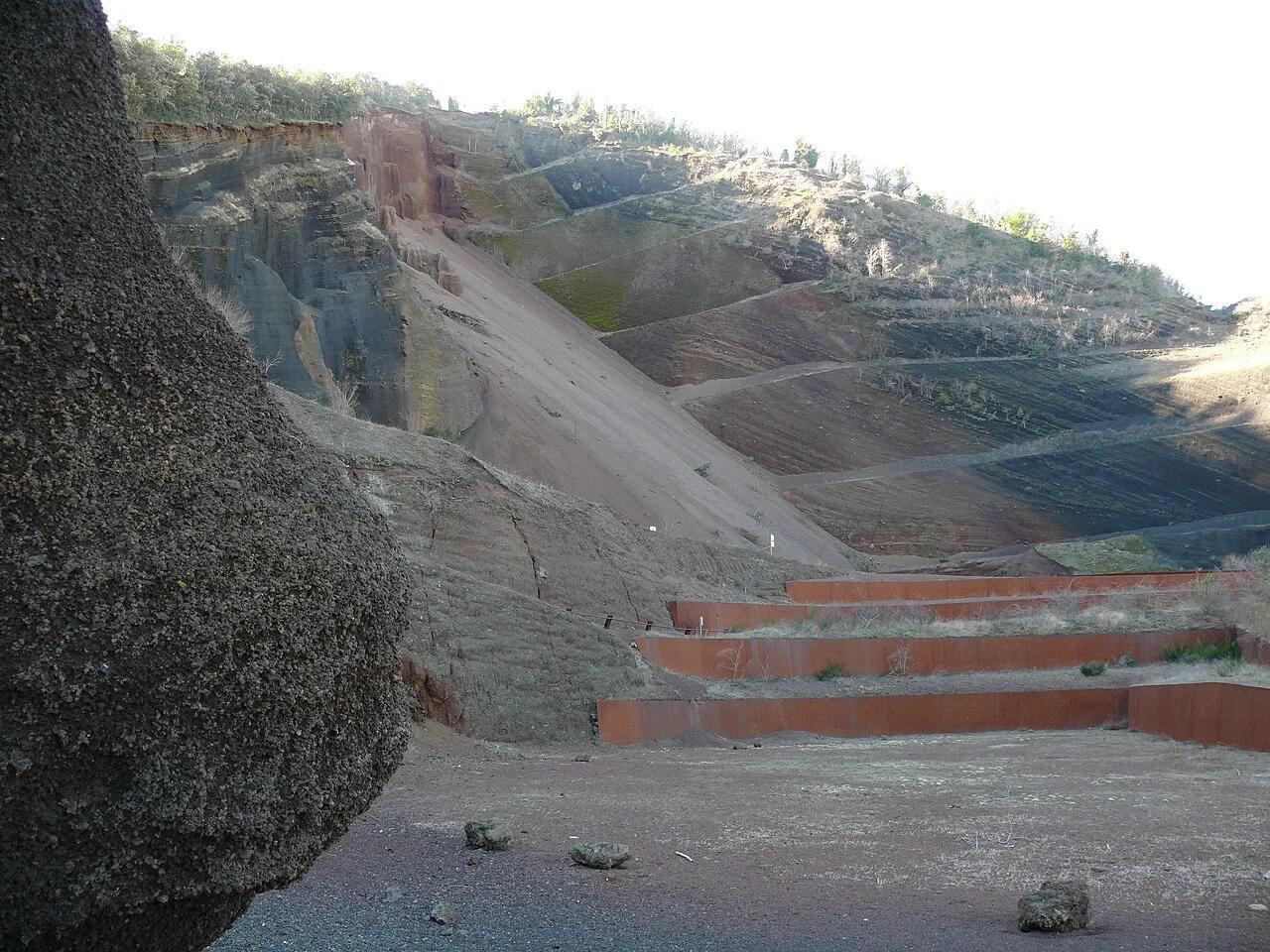
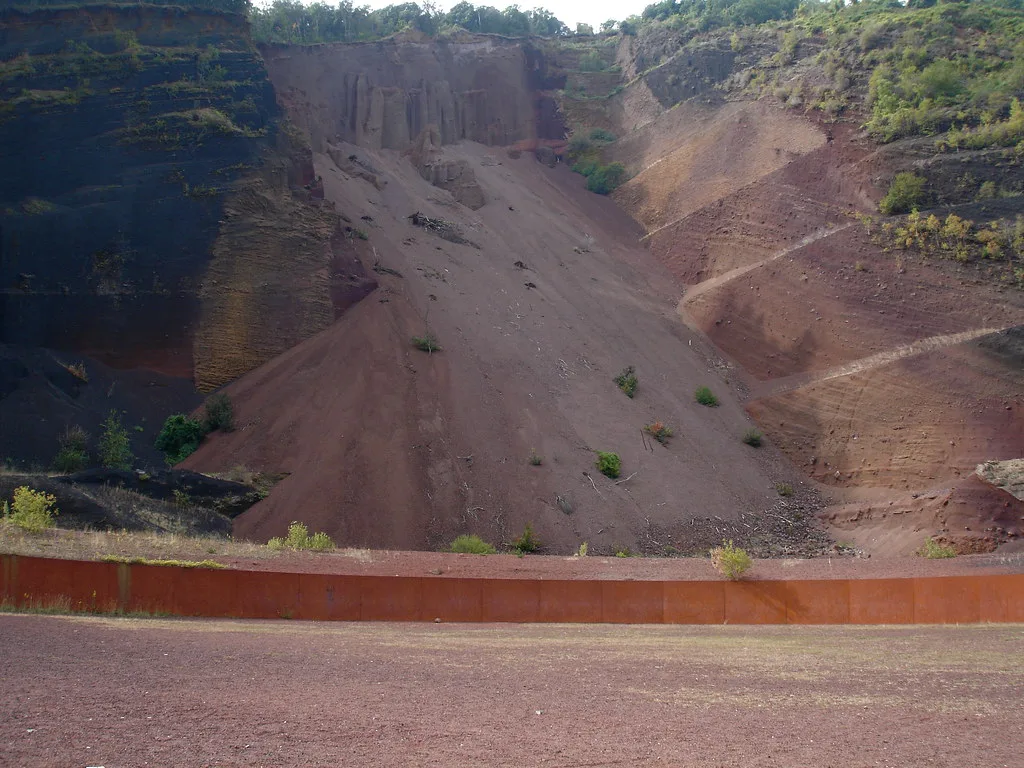
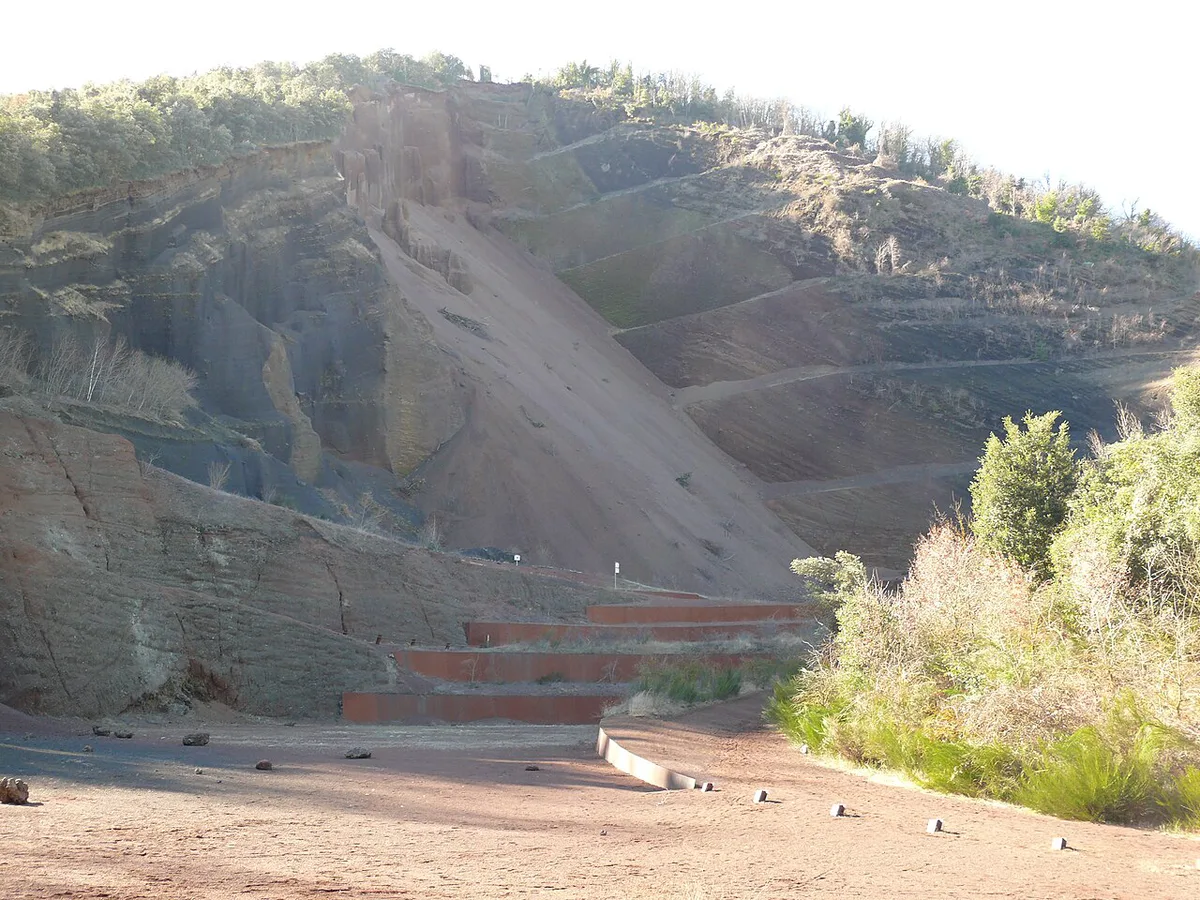
Last updated November 2026. The Croscat volcano (Volcà del Croscat, or volcán Croscat in Spanish) is the youngest and largest cone in the Garrotxa Volcanic Zone: How to Visit, Where to Go & Plan. Its quarried flank cuts the cone open and shows bands of red, black and yellow scoria in a clean cross-section. This guide covers what you see, how it compares with neighbouring cones, and who should skip it.
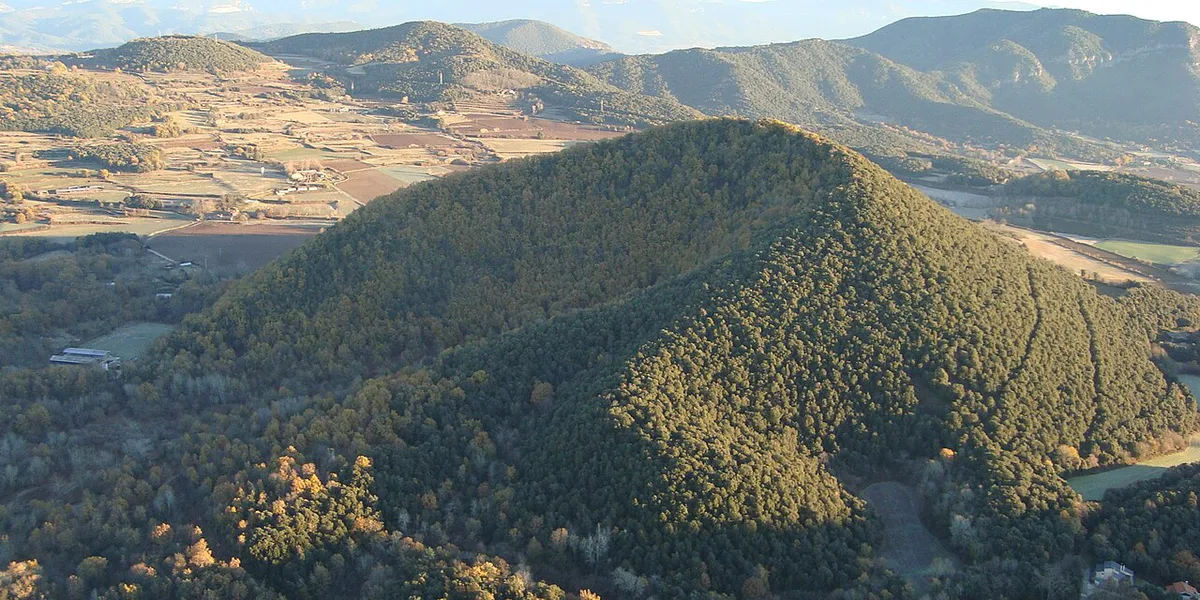
Featured image: DagafeSQV, CC BY-SA 3.0, via Wikimedia Commons.
Croscat at a glance
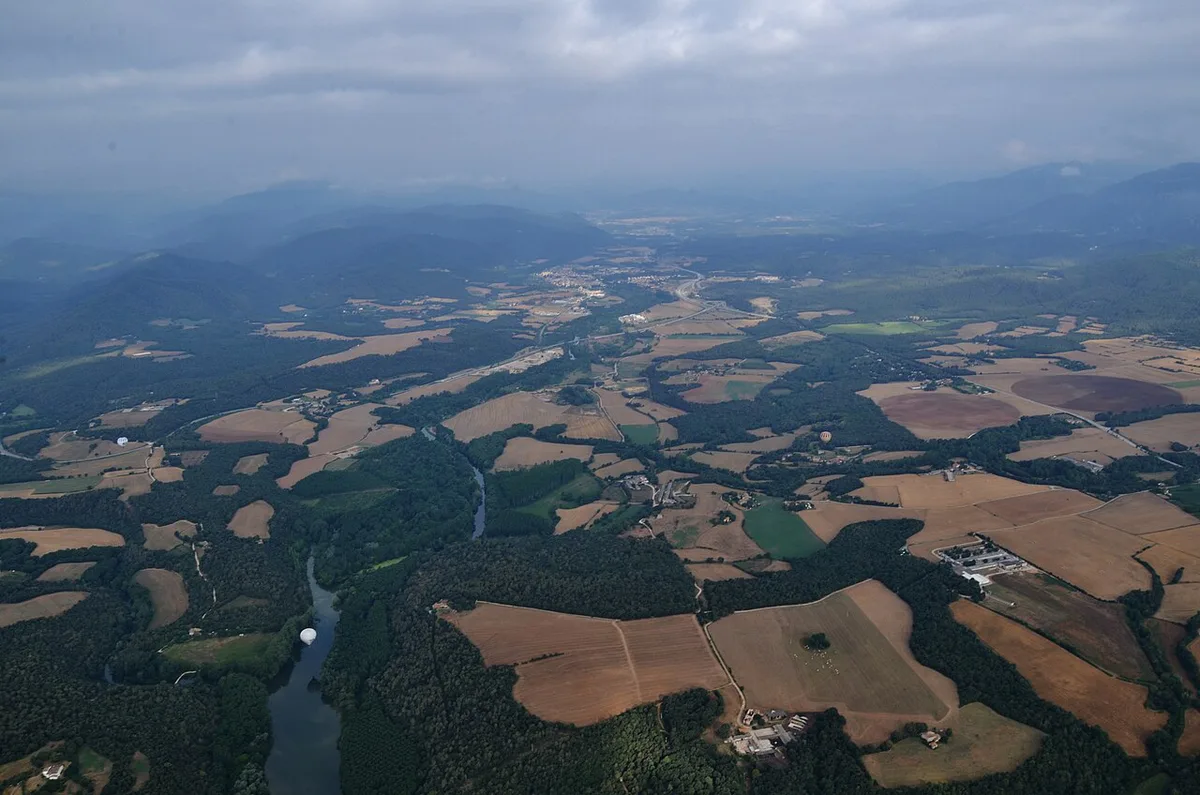
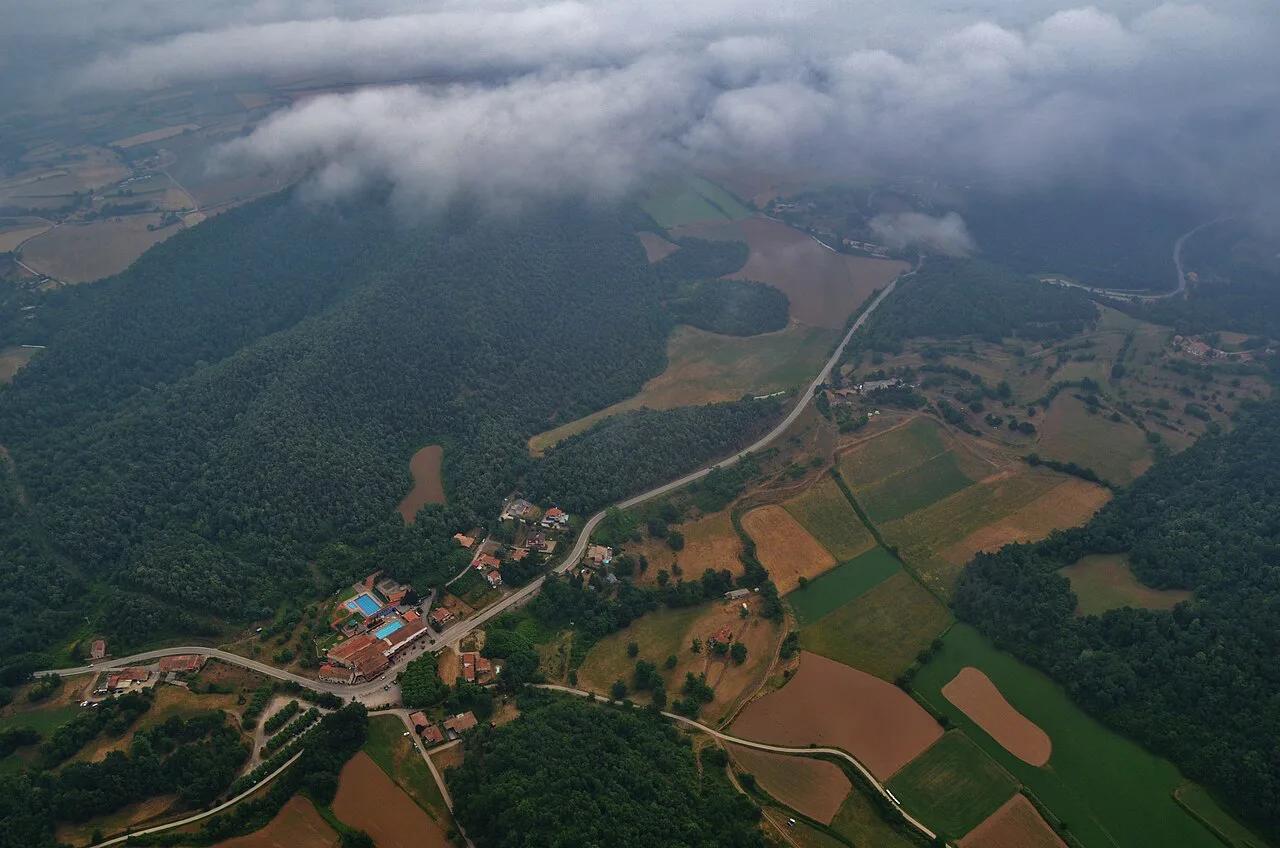
Croscat sits in the Garrotxa Volcanic Zone Natural Park in Girona province, Catalonia. It is one cone in a dormant volcanic field, and nothing about it suggests imminent activity. Olot is the practical base for the area. Spain has other volcanic regions too, and the pillar page on 6 Volcanoes in Spain to Visit: Active vs Dormant places Garrotxa among them.
- Place: Garrotxa Volcanic Zone, Girona province, Catalonia
- Status: dormant volcanic field
- Headline feature: quarried flank with layered scoria
- Nearest base: Olot
- Best for: geology-minded visitors and photographers
What you actually see at Croscat
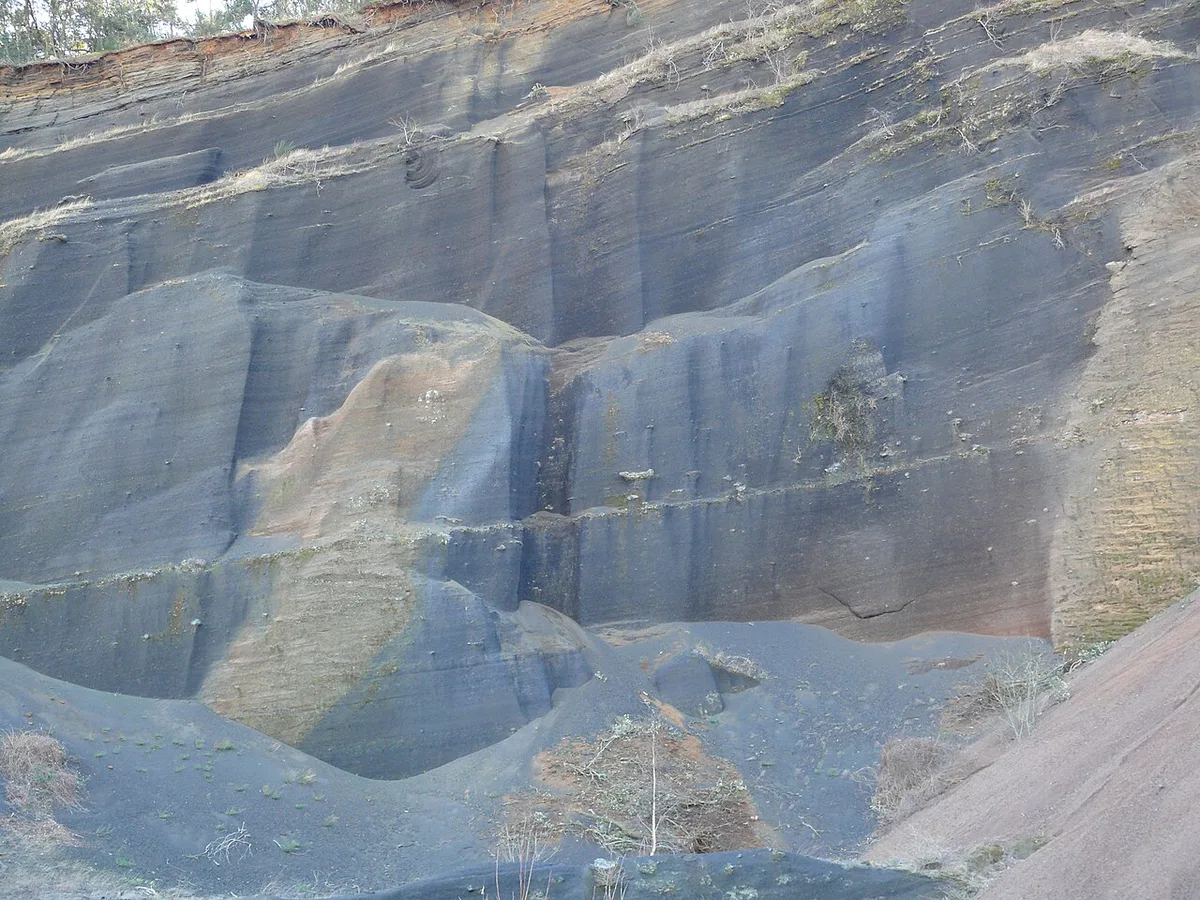
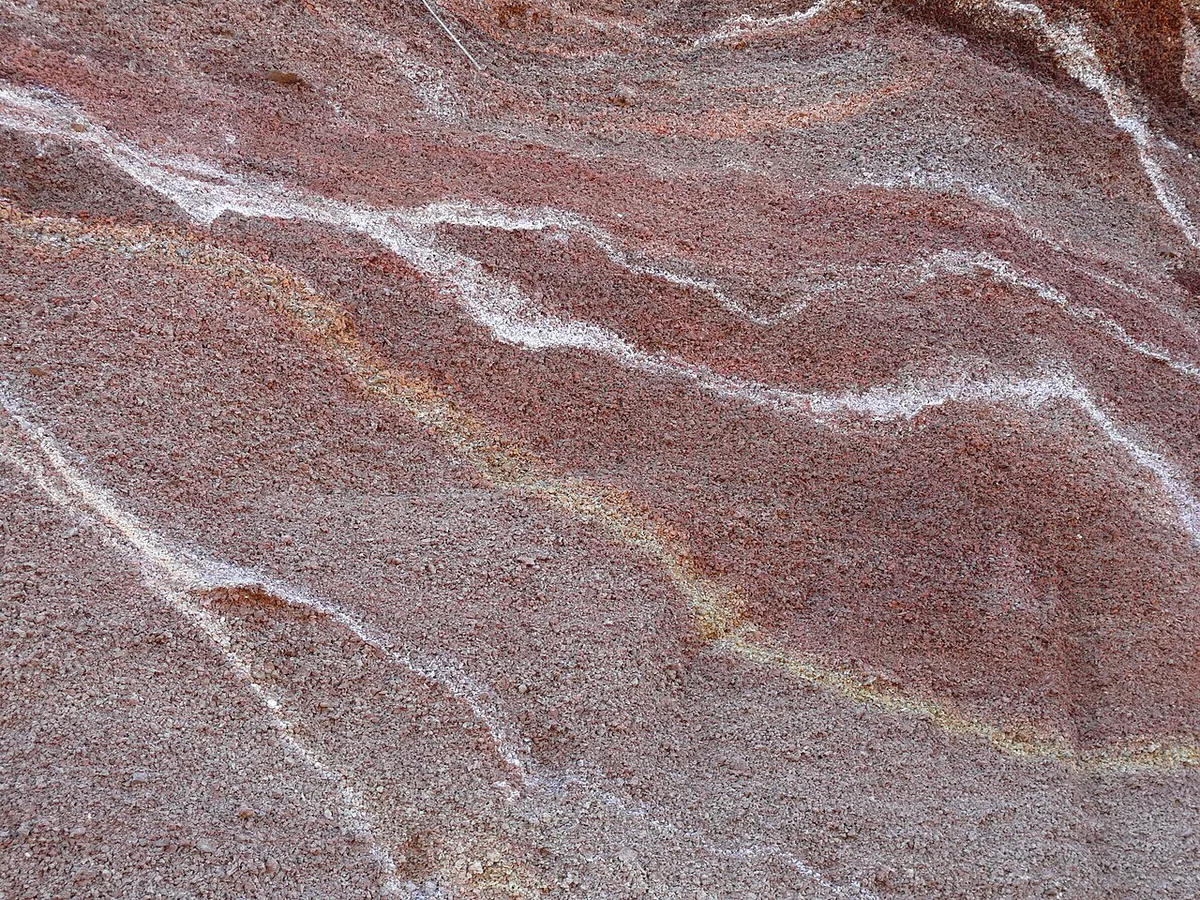
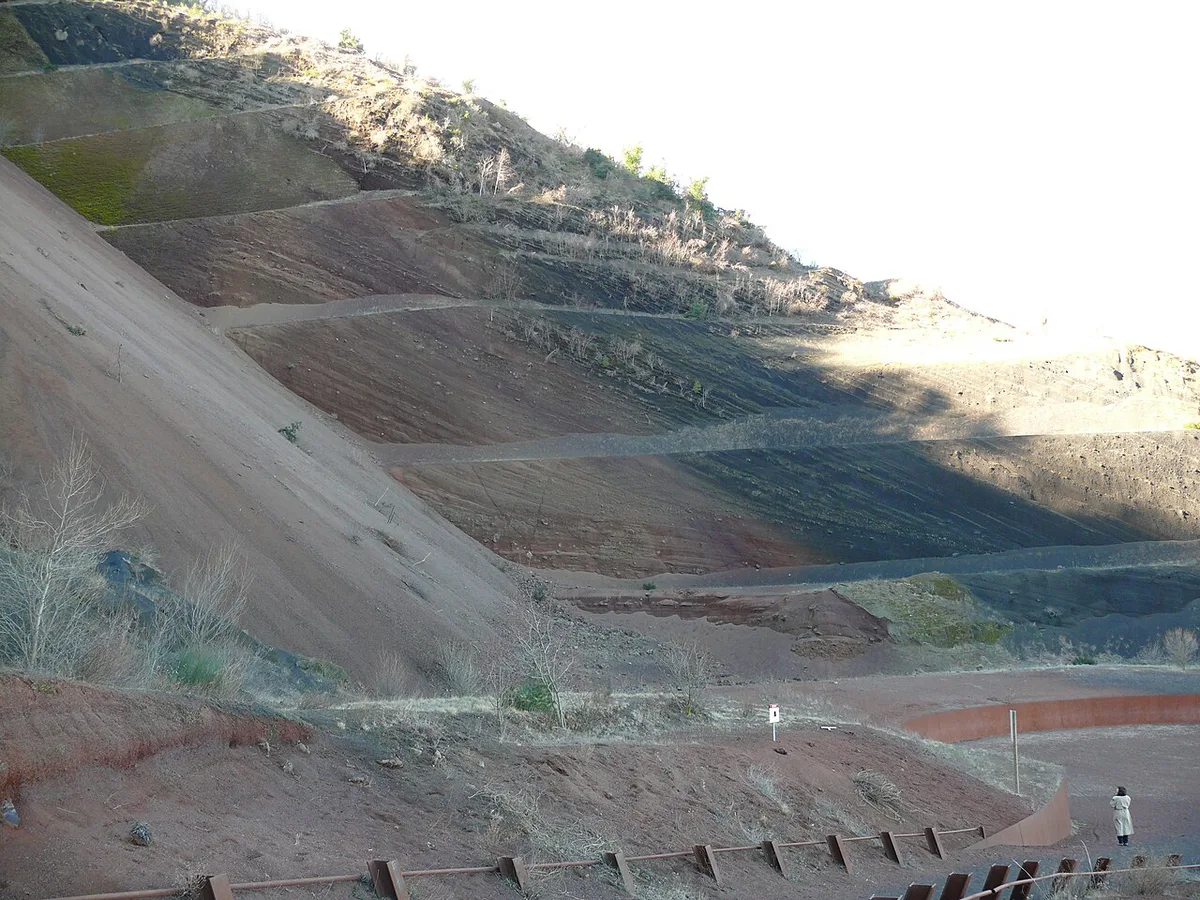
Most volcanoes show you a green slope and a crater rim. Croscat shows you its insides. Quarrying removed part of the cone, and the open face now displays stacked layers of scoria in red, black and yellow. Scoria is the light, gas-bubbled volcanic gravel thrown out during an eruption. Each colour band records a different phase of the cone's building, so the face reads like a book of the eruption. Oxidised material gives the red tones. Darker layers are less altered. That is why geologists and photographers both come for the section rather than for a summit view. Park information on the cone is published on the Garrotxa natural park site.
Can you walk it? Access, trails and rules
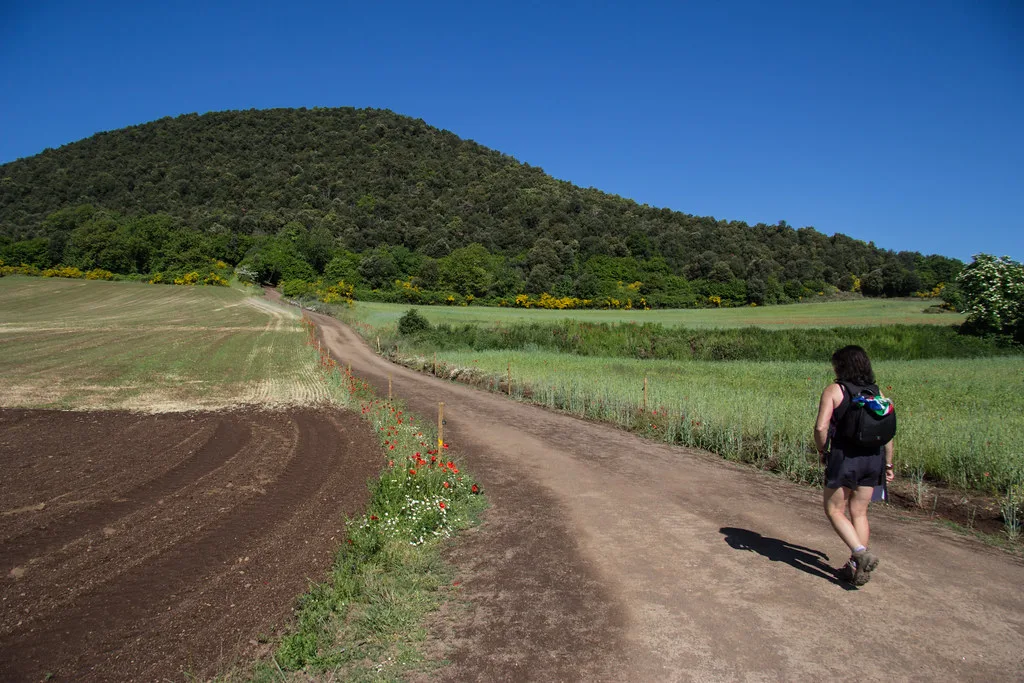
Walking routes through the Garrotxa park pass near the cone, and the area is a natural space rather than a ticketed attraction in the sources checked. Rules for the crater, the quarry face and any viewpoint can change with conservation work. Confirm with the park office whether you may approach the open face or enter the crater before you set out. Summer brings fire-risk restrictions in Catalan woodland, and these can limit access to forest paths. Park staff and Visit Garrotxa are the right places to ask about guided visits, trailheads and parking. Stay on marked paths. The loose scoria is easy to dislodge, and the quarried face is not a place to climb.
Croscat vs the other Garrotxa volcanoes
Croscat is the one to choose for geology. Other cones in the field are better for crater walks and forest scenery. The table compares them in qualitative terms. For the nearest sibling, read the guide to Santa Margarida Volcano: Crater Walk & Visitor Guide.
| Stop | What you see | Best for |
|---|---|---|
| Croscat | Quarried flank with red, black and yellow scoria layers | Geology and cross-section photos |
| Santa Margarida | A forested cone and crater in the same field | Crater walk and woodland |
| Castellfollit de la Roca | Village on a basalt cliff | A different style of day |
Getting there and how long to allow
A car is the simplest way to reach the cone from Olot, and parking and trailhead details should be confirmed with the park. Public transport to the volcano zone is limited, so check timetables with the tourist office before you commit to travelling without a car. From Girona or Barcelona, treat this as a day trip. Our guide to Volcanoes Near Barcelona: Garrotxa Day Trip Guide helps you plan that longer drive. A half-day covers the cone and its viewpoint. Add a full day if you want to link several cones on foot or include a second stop in the park.
Best time to visit and what to avoid
Spring and autumn suit walking in the Garrotxa woods, with the cone's colours clear against green or turning leaves. Summer can bring fire-risk limits on forest access. Rain turns scoria paths slippery and muddy, so wear boots with grip. The most common mistake is assuming the crater or quarry face is open without checking. Look at the park's current notices first. Go early on weekends if you want the face to yourself.
- Wear boots with a grippy sole, not smooth trainers
- Carry water, as shade and services are limited on forest paths
- Check fire-risk notices before any summer visit
- Do not climb the quarry face
Who should skip it, and what to do instead
Skip Croscat if you want a dramatic summit, a long hike or a village stop. A visit rewards curiosity about layers of rock more than it rewards scenery. For a different style of day, head to Castellfollit de la Roca: Visitor Guide to the Basalt Cliff Village, where houses sit on a basalt cliff. For lodging, restaurants and market streets, base yourself in Olot and treat the cones as day outings. If volcanic landscapes beyond Catalonia interest you, Campo de Calatrava: Volcanoes, Castles & Almagro Guide shows a very different volcanic region in central Spain.