Castellfollit de la Roca: Visitor Guide to the Basalt Cliff Village
Last updated November 2026: Castellfollit de la Roca is a small village in Garrotxa, Girona province, built along a basalt cliff almost 1 km long. Plan 1.5 to 2 hours here, not a full day. Pair it with Olot and the volcano country around it to fill the rest of your Garrotxa day.
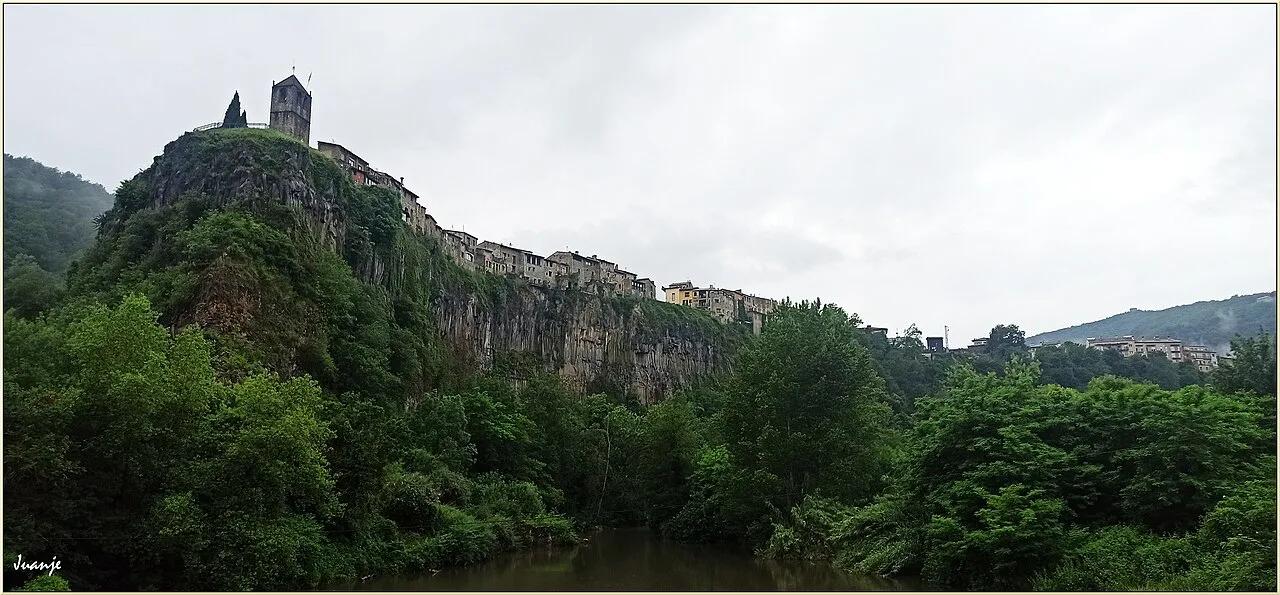
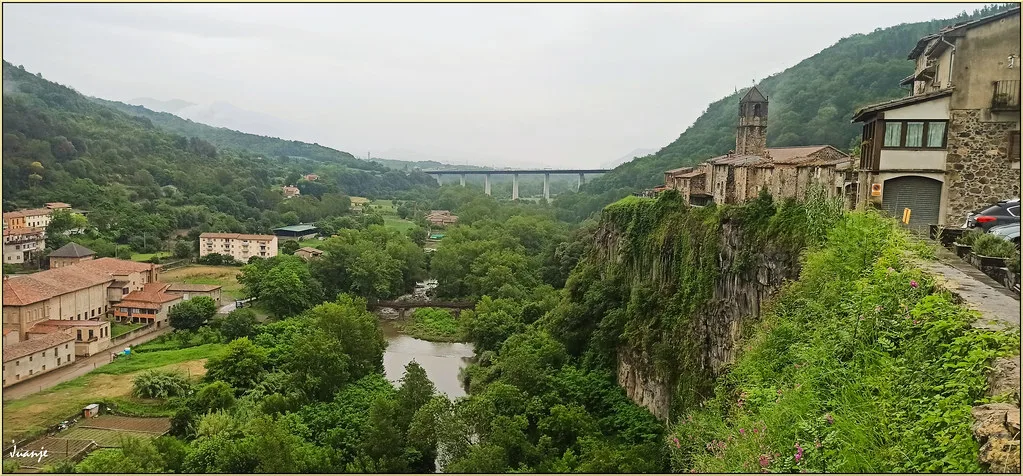
Featured image: Juanje Orío from Logroño, España (Europa), CC BY-SA 2.0, via Wikimedia Commons.
Is Castellfollit de la Roca worth visiting?
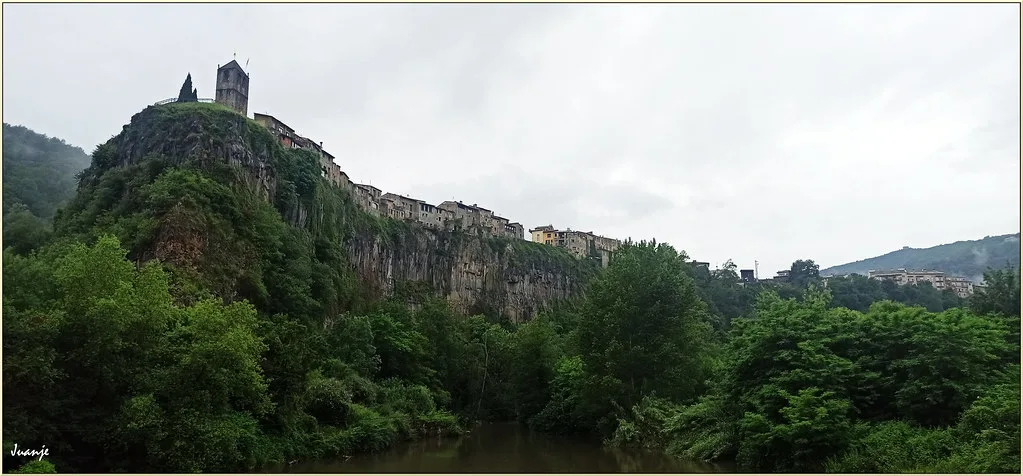
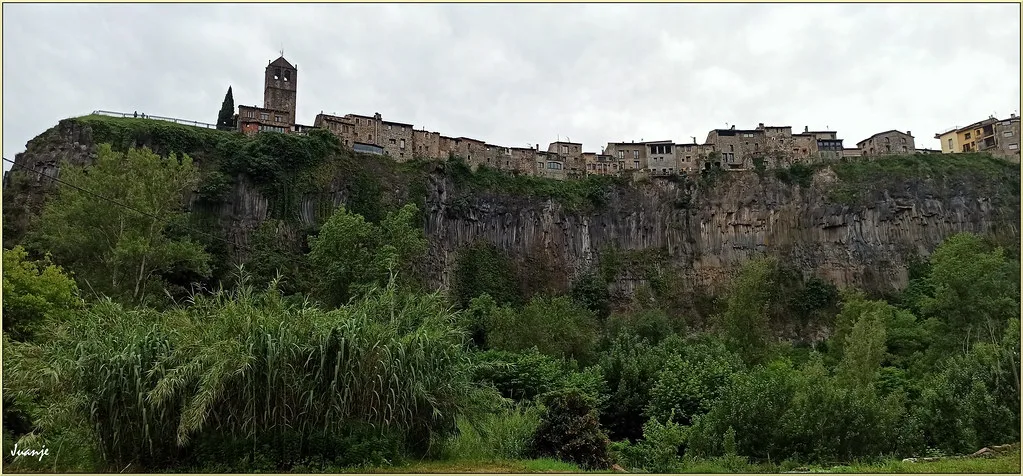
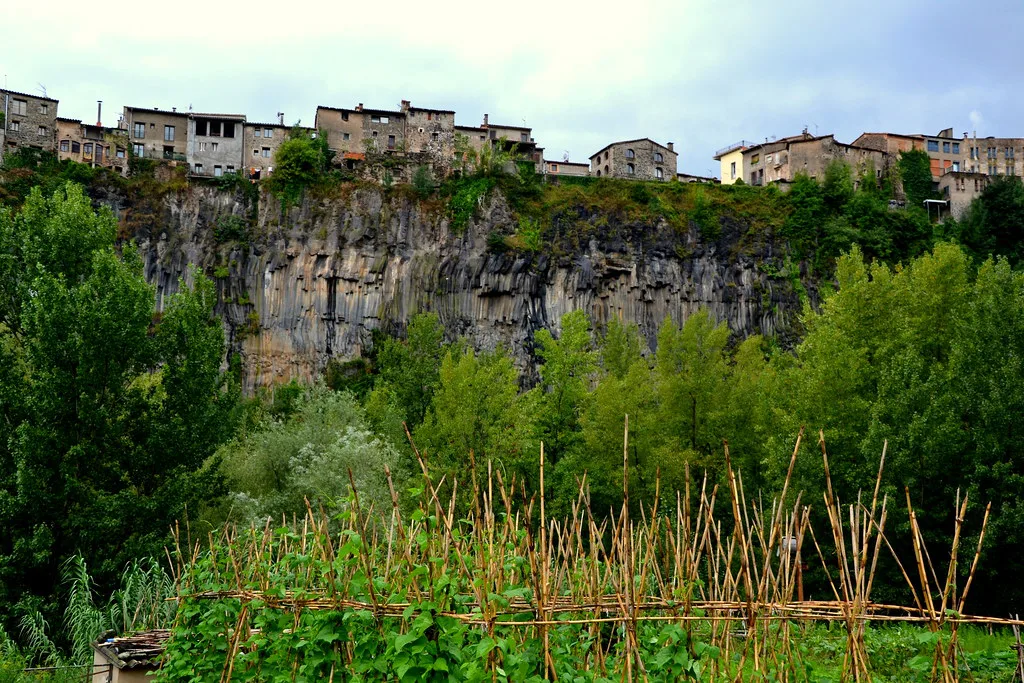
Yes, if you want one of Catalonia's most photographed village-and-cliff views and you accept that it is a short stop. Houses and the Sant Salvador church tower stand right at the cliff edge above the Fluvià and Toronell rivers. The village sits at 296 m and the cliff stands over 50 m high. You can see the old town in under an hour. Most visitors add a walk down to the cliff base for the view from below. Use the table below to pick a time budget.
| Visit style | Time (estimate) | What you do |
|---|---|---|
| Quick stop | 30-45 minutes | Walk in from the car park, see the Josep Pla viewpoint and stroll the old streets |
| Standard visit | 1.5-2 hours | Add the Església Vella and the Passarel·la bridge for the view from below |
| Half-day combo | About 4 hours | Add part of the cliff-base loop, then lunch and a nearby stop such as Olot |
Getting to Castellfollit de la Roca
Castellfollit de la Roca lies in the Garrotxa comarca of Girona province, between Olot and Besalú. By road it is about 50 minutes from Girona and about 1 hour 40 minutes from Barcelona, in normal traffic. Regional tourism information lists regular buses to the base town Olot and to Girona. Operators and frequencies change, so ask locally before you plan around a bus. Our guide to day trips from Barcelona to volcanoes covers the wider Barcelona-based options.
| Option | Best for | Trade-off |
|---|---|---|
| Car | Combining several Garrotxa stops in one day | Parking at the cliff base is roadside only |
| Bus via Girona or Olot | Travellers without a car | Fewer departures, so check the last return before you go |
| Guided tour from Barcelona or Girona | A fixed plan with no driving | Less time to walk below the cliff |
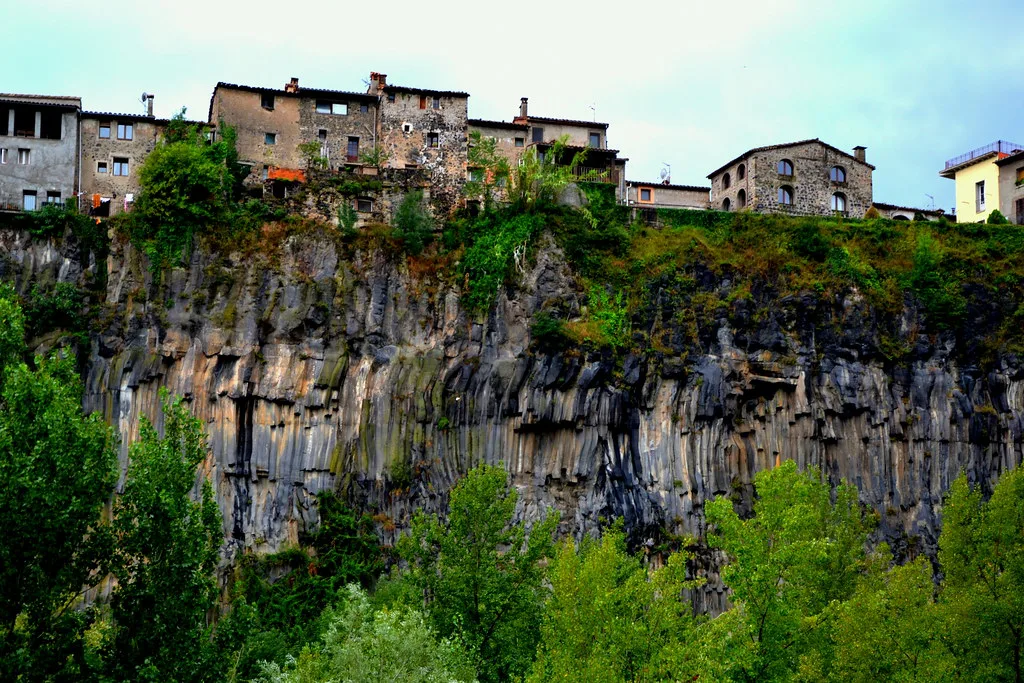
Parking and getting around on foot
Park in the free car park just outside the old town. From there it is about a 5-minute walk into the narrow medieval streets. Do not try to drive into the old town, because the lanes are very narrow. For the view from below, you can only drive part of the way down. Leave the car roadside and walk about 7 minutes to the Passarel·la, a wooden footbridge. Remember that the return is uphill. Skip the descent in wet weather, with a pushchair or with limited mobility.
- Car park: free, just outside the old town, about 5 minutes on foot
- Cliff base: roadside parking, then about 7 minutes down to the footbridge
- Cliff-base loop: signposted, about 1 hour
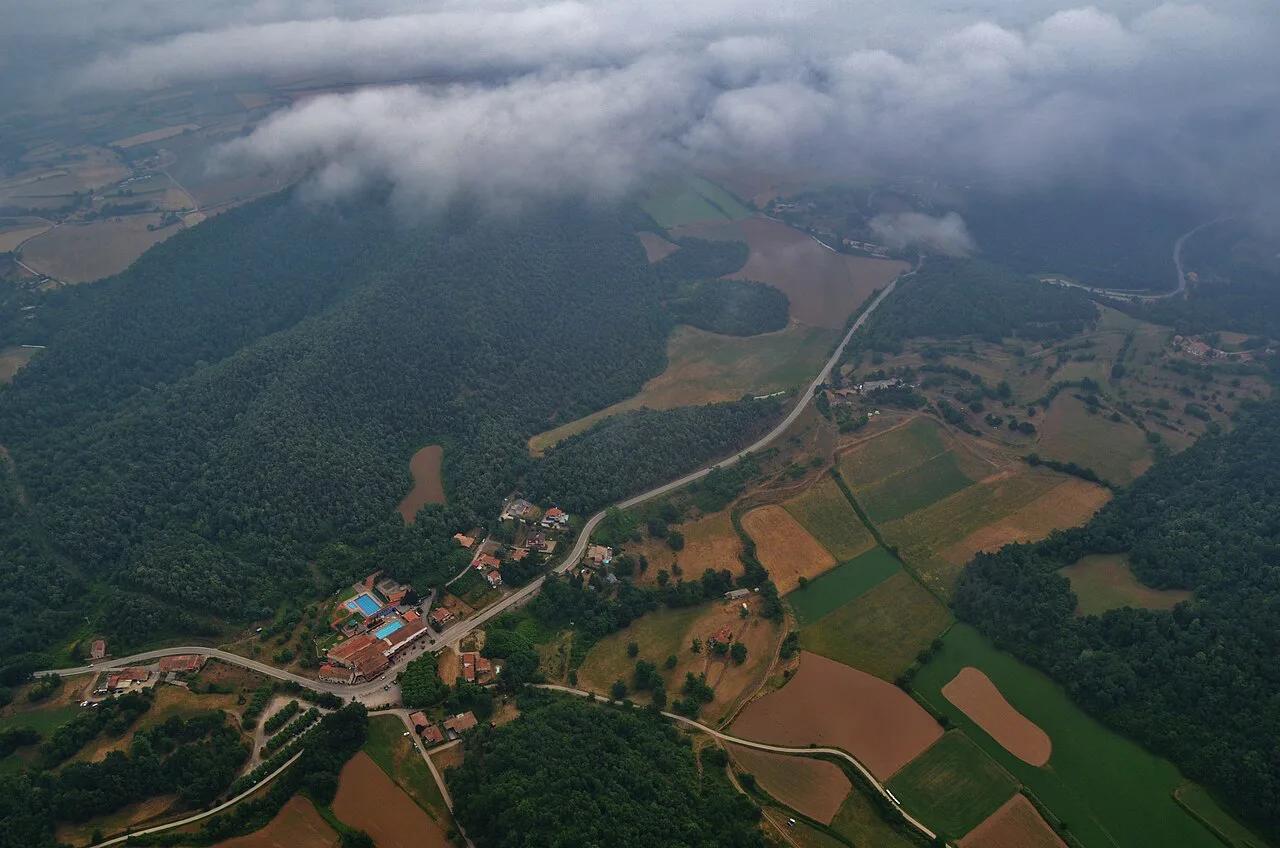
The basalt cliff: why the village sits on a lava flow
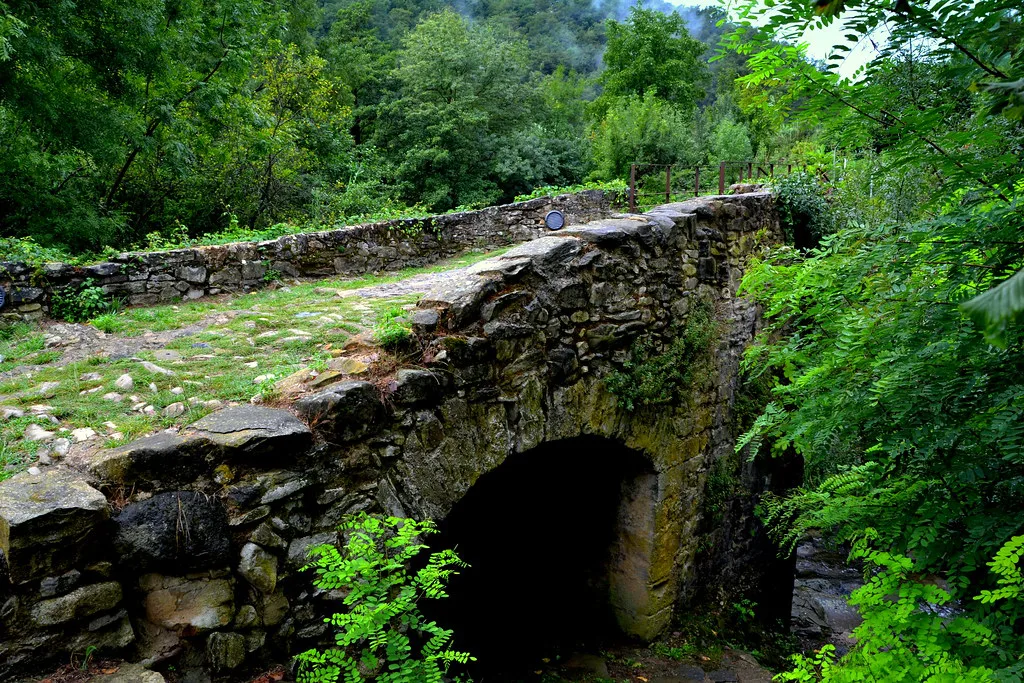
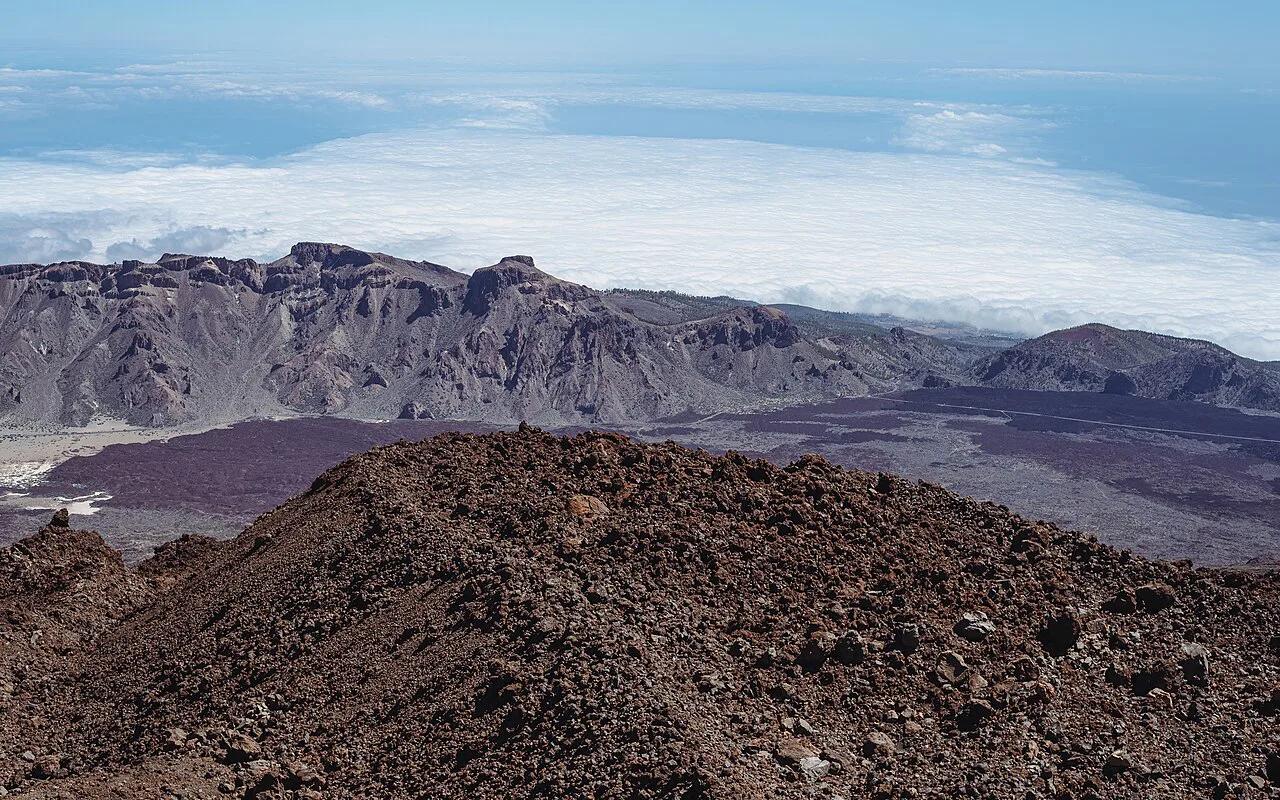
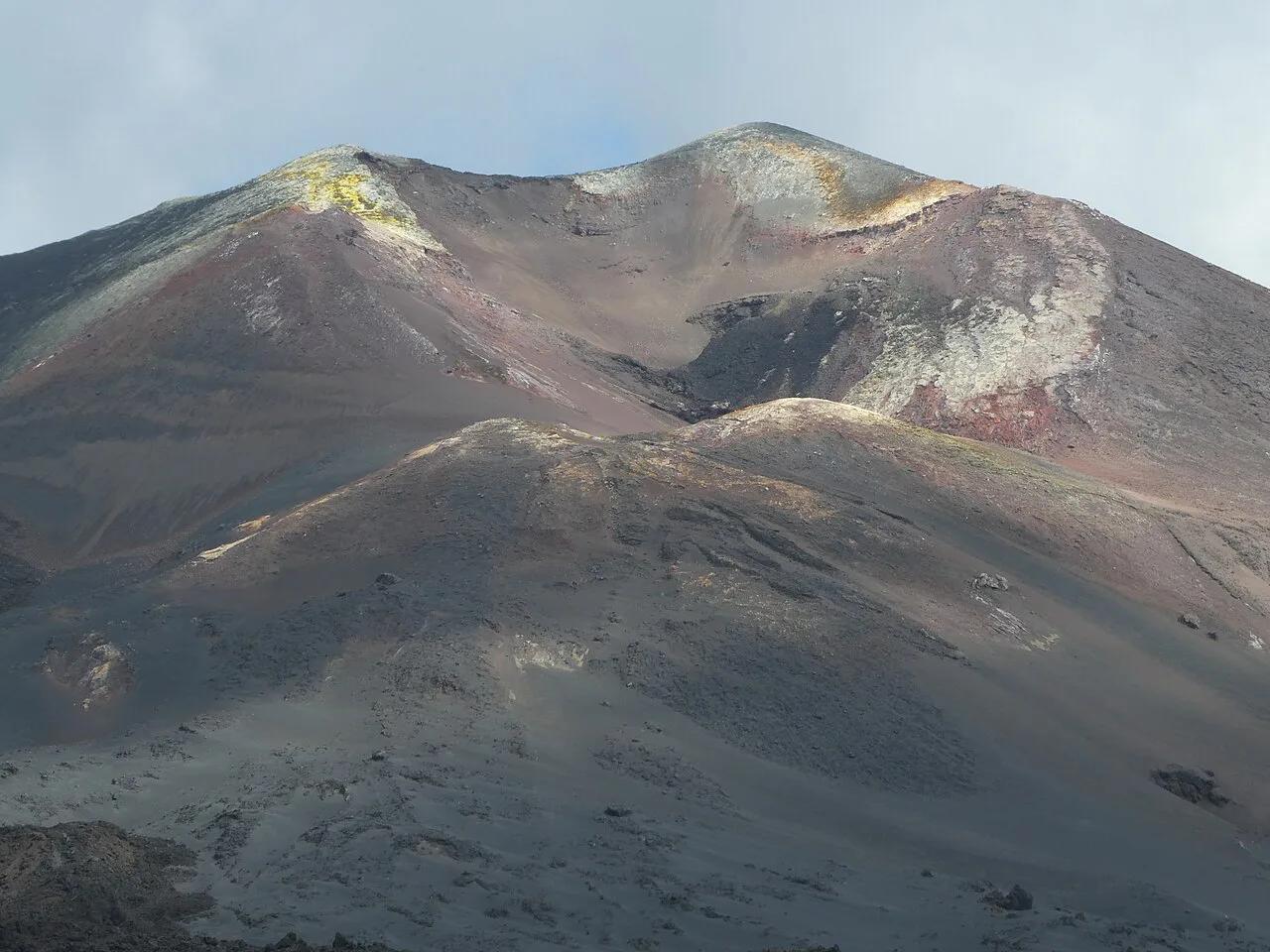
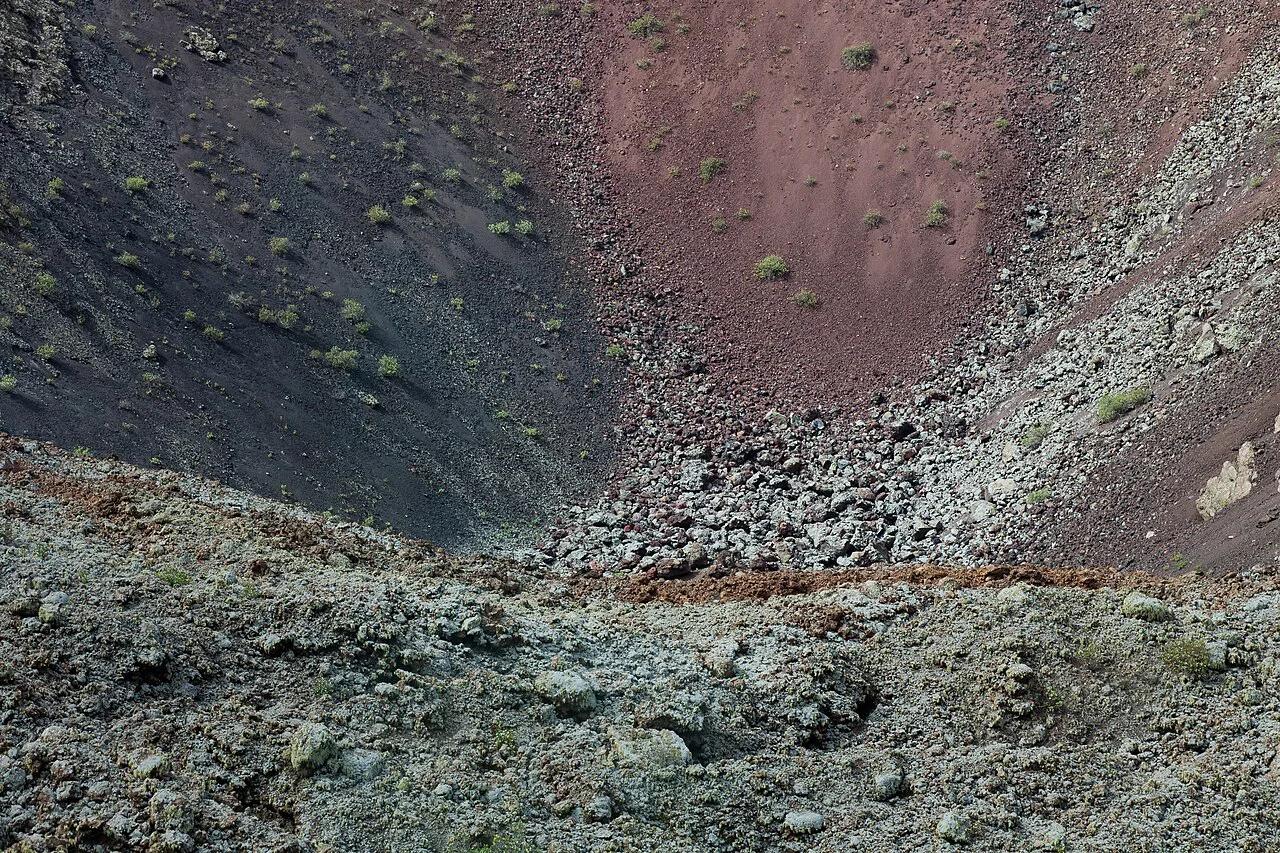
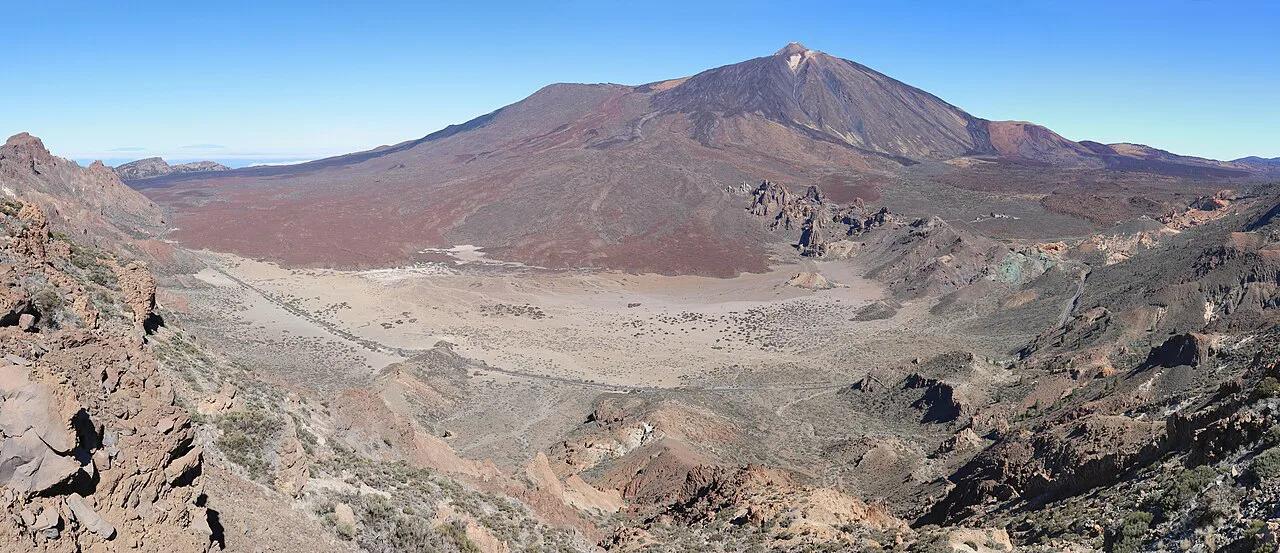
The cliff exists because lava from the Garrotxa volcanic field flowed into a river valley and cooled into basalt. A second flow later covered the first. Rivers then cut into the rock at the meeting point of the Fluvià and Toronell. The result is a wall over 50 m high and almost a kilometre long. Sources give the younger flow an age of roughly 192,000 years, and some give about 217,000, so treat the figures as approximate. Castellfollit is part of the Garrotxa Volcanic Zone Natural Park, and our overview of the volcanic field and its cones explains the wider setting. You will not walk a crater here. For that, head to Croscat's cone or the Santa Margarida crater.
What to see and do in Castellfollit de la Roca
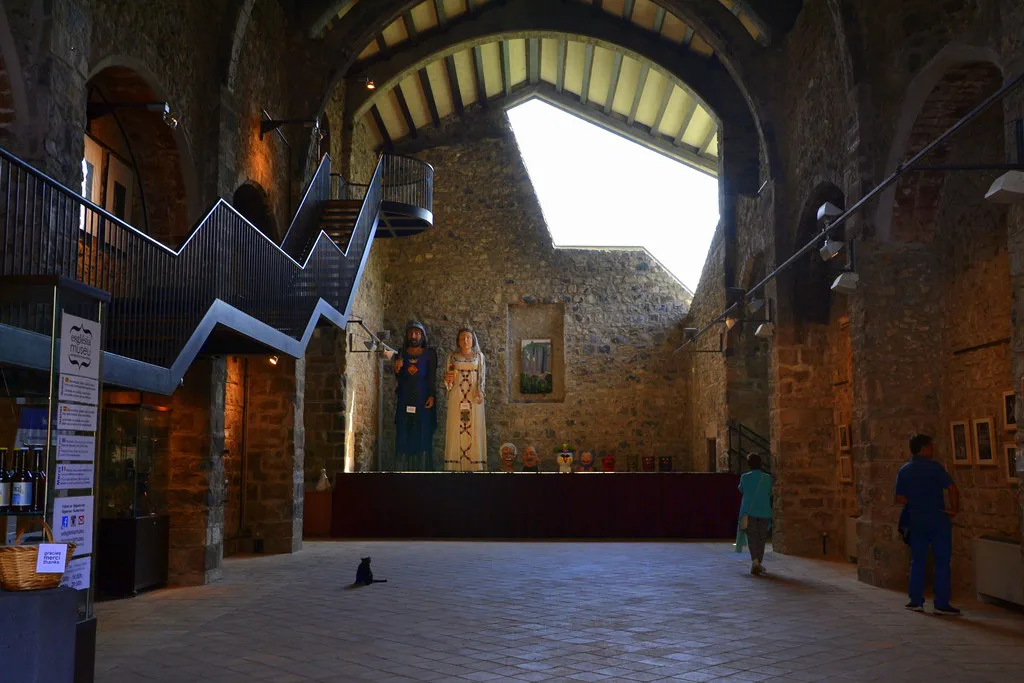
Start at the Josep Pla viewpoint, a terrace at one end of the cliff with views over the Fluvià valley. Next to it stands the Església Vella, the old Sant Salvador church. It dates from the 13th century and was damaged by an earthquake and war. The old building now serves as a cultural centre. Some accounts put a bell tower climb at about €1 per person; ask locally about access and the current fee. Then wander the old quarter, where many buildings are made of the local volcanic stone. Finish below the cliff, since both views matter.
| View | Where | Best when |
|---|---|---|
| From above | Josep Pla viewpoint and Església Vella tower | Short on time, wet ground, or limited mobility |
| From below | Passarel·la bridge and the cliff-base trail | Dry weather and you have 1.5 hours or more |
Museums, quarry and other stops: what to confirm first
Some older guides list a Vietnam museum and a cured-meats museum, the Museu de l'Embotit. Recent visitor reports say the cured-meats museum has closed and that the Vietnam collection is private, with no current visiting details. Do not plan your day around either. Ask at the Castellfollit de la Roca town council for current status. Some guides also describe a working basalt quarry. Treat it as a landscape fact, not a visitor attraction, unless the council confirms tours.
Best time to visit Castellfollit de la Roca
The village draws visitors year-round, and the climate is Mediterranean mountain. Winter frosts are common, and spring is the wettest season. Summer nights are cool. Tourism pages list a Saturday-morning market in the Plaça Major and the Sant Roc festival on 16 August. They also list giants' gatherings on Sundays in September. Festival days change the parking and crowd picture, so ask the town council for this year's dates. Late afternoon light on the cliff is a good bet for photographs, though it can vary by season.
Where to eat and stay near Castellfollit de la Roca
Castellfollit is small. Expect a few restaurants and a small supermarket in the village, with a handful of lodging options. For more choice, base yourself in Olot or Besalú. Montagut, about a 10-minute drive away, is reported to have a well-regarded restaurant. Look at the Visit Garrotxa tourism site for current listings, and book ahead on festival weekends.
Combine it with nearby stops
Garrotxa packs several short stops into a small area. Use these two sample plans and check each stop's current opening before you go.
Castellfollit is about 50 minutes from Girona, so the 1.5 to 2 hour village stop fits easily into a full-day loop with Olot.
- Half-day: Castellfollit old town and Passarel·la in the morning, then lunch in Montagut or Besalú
- Full day: Castellfollit in the morning, Sant Joan les Fonts next, Olot and its Espai Cràter volcano museum in the afternoon
- Volcano add-on: Croscat and Santa Margarida cones from Olot
- Rainy day: Olot museums and the Espai Cràter, with a short viewpoint stop here
Mistakes to avoid and practical tips
A few planning errors cost visitors time here. They are easy to avoid.
Keep the Sant Roc festival on 16 August in mind. Expect fuller car parks and bigger crowds that day.
- Do not drive into the old town; use the free car park outside
- Do not plan around the two museums without confirming status
- Do not skip the view from below; walk to the Passarel·la
- Do not expect a full day of activities; add a nearby stop
- Check bus returns if you travel without a car
- Spain has other volcanic areas too: see Spain's wider volcanic landscapes, Campo de Calatrava: Volcanoes, Castles & Almagro Guide and the Columbretes Islands: How To Visit Spain's Volcanic Reserve
Frequently Asked Questions
What is the history of Castellfollit de la Roca, Spain?
The first records mention a castle here in the 11th century. A powerful earthquake in 1428 nearly destroyed the town. The Sant Salvador church dates from the 13th century, and the old building became a cultural centre in the mid-1980s.