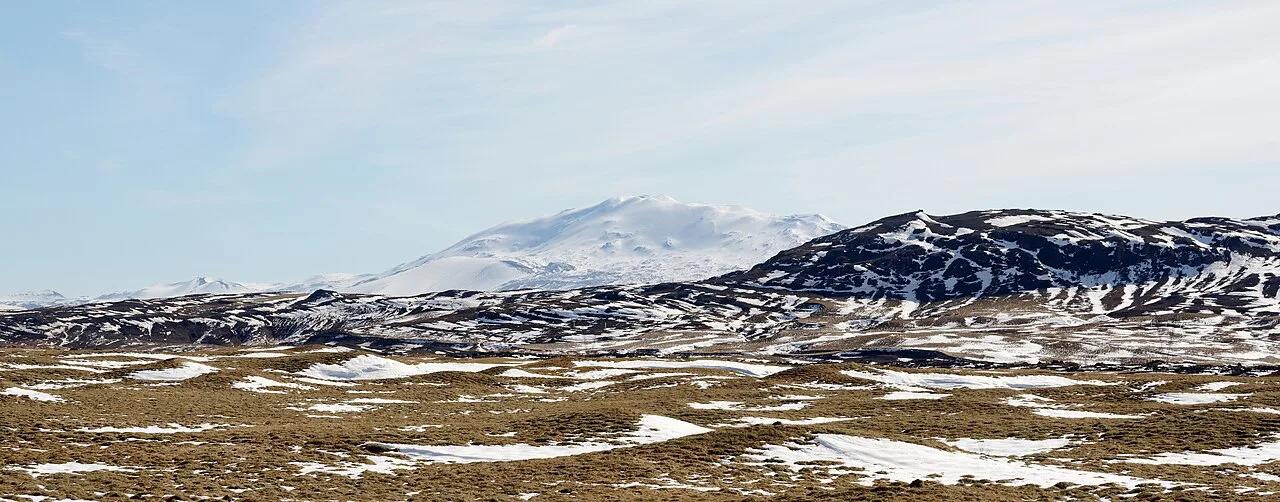
Hekla Eruption: Last Eruption, Warning Signs & Visiting Safety
Last updated November 2026: the most recent Hekla eruption began in 2000, and no one can say when the next one will start. Hekla can erupt with less than an hour of seismic warning, so live status matters more than any date prediction. Check the Icelandic Met Office before any trip, then use this guide for the eruption record, flight impact and hiking rules.
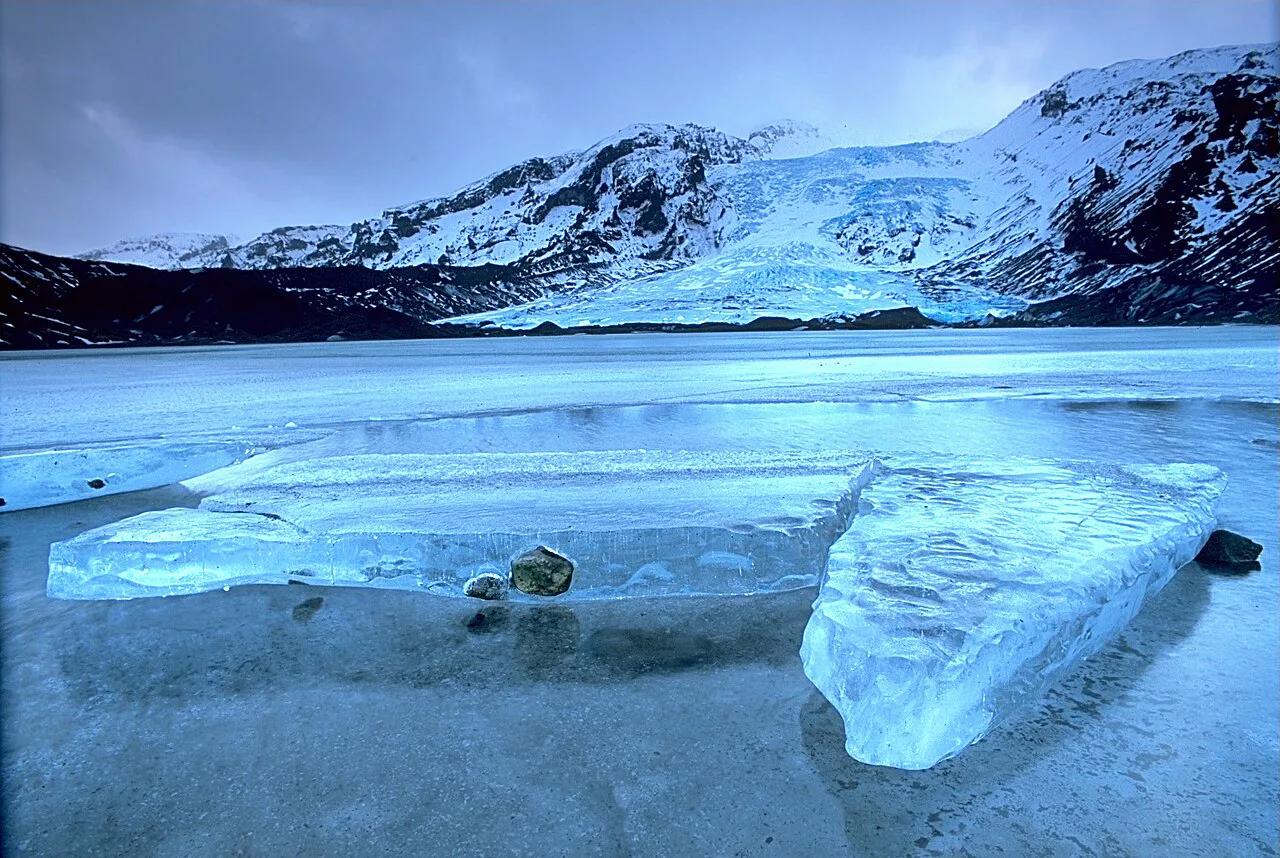
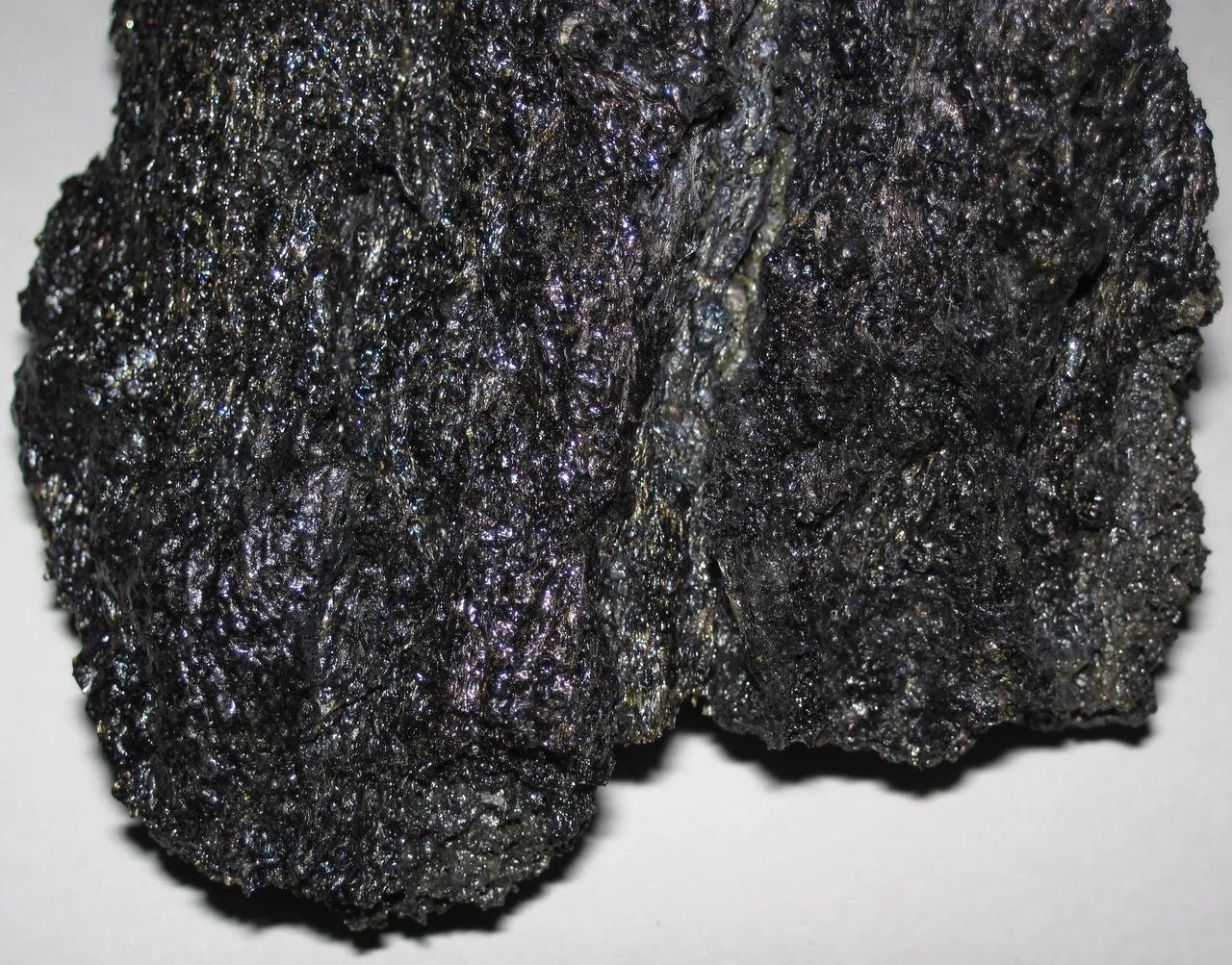
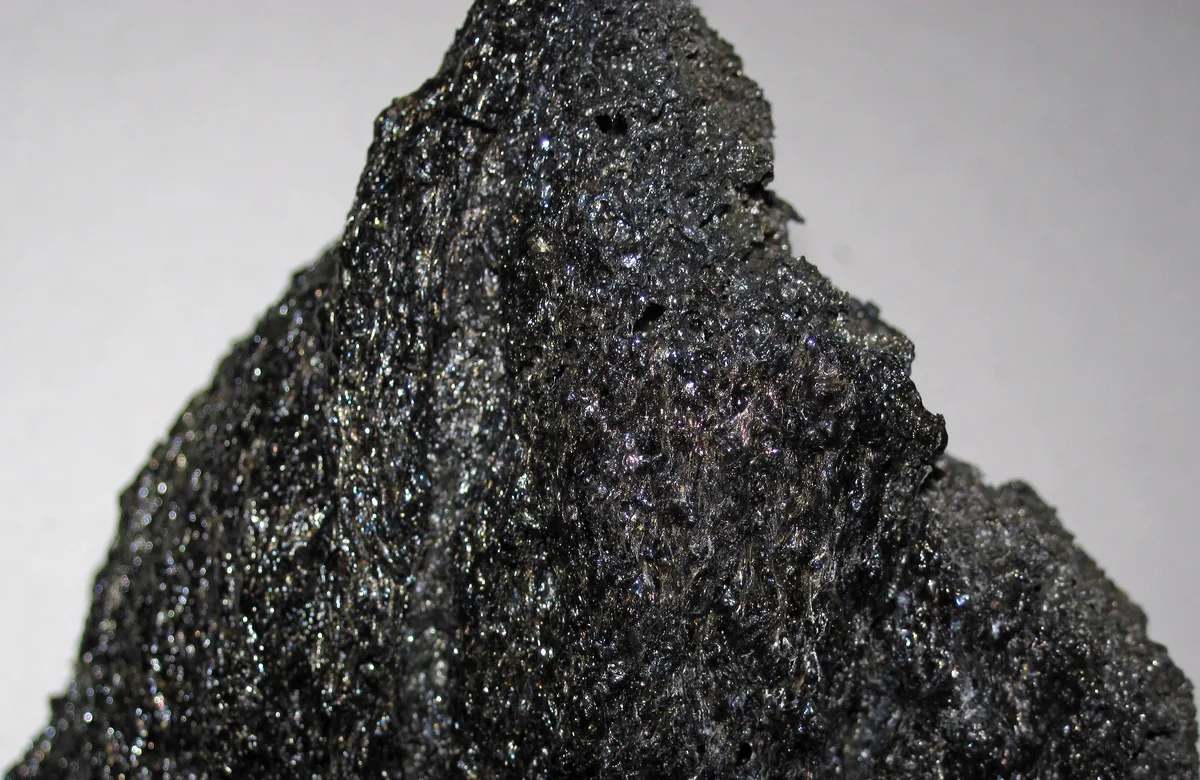
Featured image: James St. John, CC BY 2.0, via Flickr.
Is Hekla erupting now? Last eruption and current status
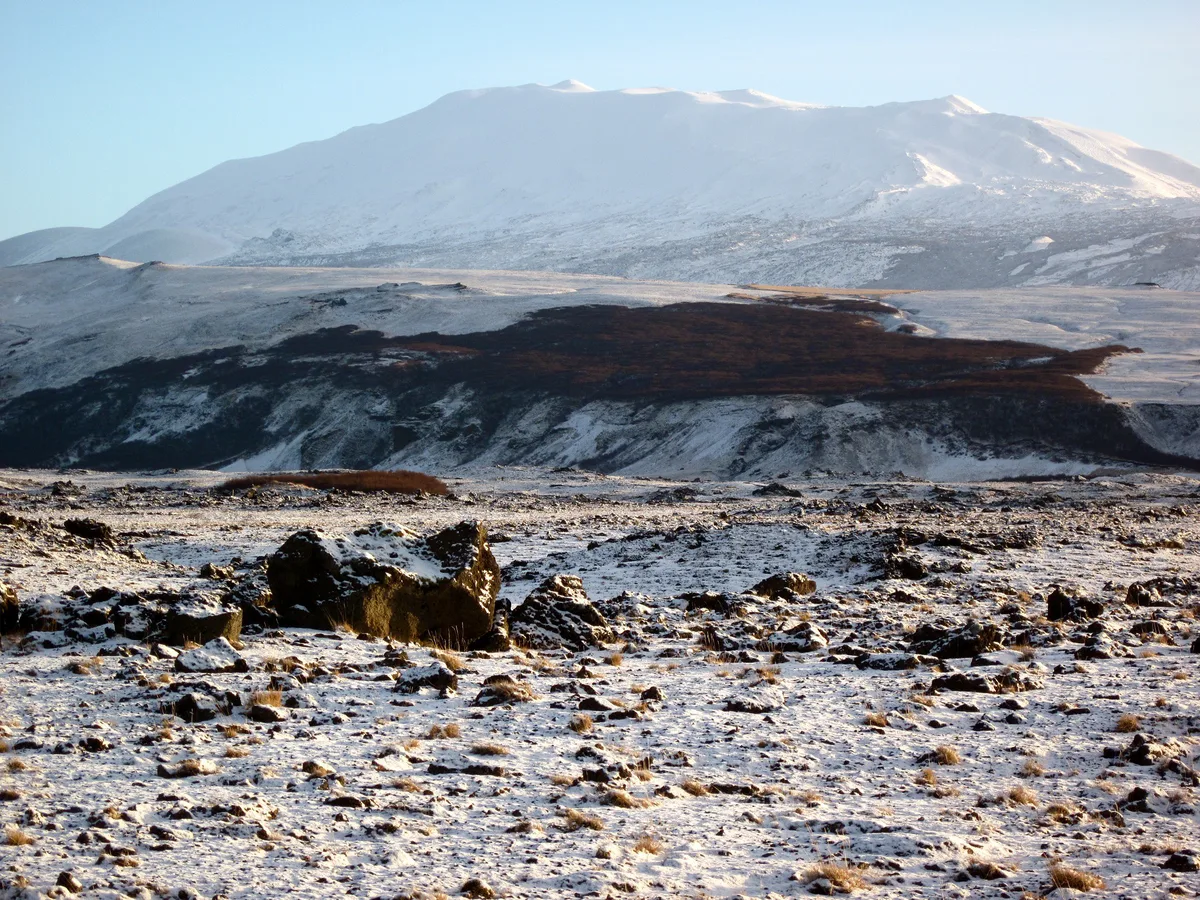
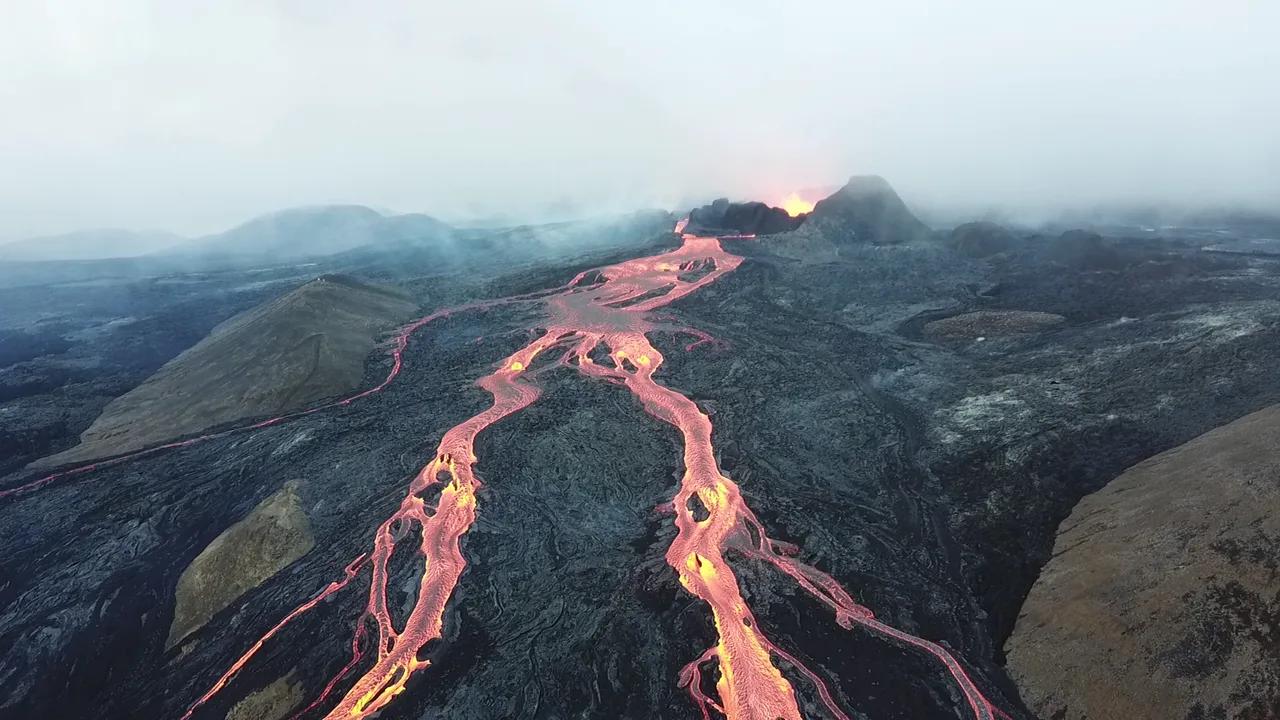
Hekla's last eruption was in 2000. One source describes a 7 km (about 4.3 mile) fissure and an ash plume 15 km (about 9 miles) high. Older media stories that say it could blow "at any minute" date from 2016 and do not describe a current eruption. Only an official alert means something is happening today. Prices and hours are not covered here, and tour or rental costs vary by operator.
- Open the Icelandic Met Office for volcano monitoring and alert levels.
- Check Safetravel Iceland for alerts, road closures and travel advice.
- Read Civil Protection alert levels before heading toward the highlands.
- Look at your airline's disruption page if you fly within a few days.
Hekla eruption history: timeline and pattern
Hekla has erupted more than 20 times since Iceland was settled in the 9th century. Historical gaps between eruptions run roughly 10 to 50 years, though recent gaps have been shorter. Sources disagree on some details, such as how long the 1947 eruption lasted, so treat the dates below as the broad record. Hekla is a stratovolcano of about 1,491 m (roughly 4,890 ft) on a fissure system about 40 km (25 miles) long.
| Eruption | Key facts |
|---|---|
| 1104 | First recorded eruption; thick tephra across the south |
| 1693 | Large explosive eruption with heavy ashfall on farmland |
| 1845–46 | Lava flows and ash that damaged agricultural land |
| 1947–48 | One of the 20th century's largest; ash reached Helsinki |
| 1970s–1991 | Series of shorter eruptions in the following decades |
| 2000 | Most recent; 7 km fissure and a 15 km ash plume |
Why Hekla gives so little warning, and what "overdue" means
Reports of warning time vary. One source says seismic activity starts less than 1 hour before an eruption, another says possibly under 30 minutes, and a third says eruptions are not preceded by earthquakes. Treat that as a range, and assume you would have almost no time on the slopes. "Overdue" is also misleading. In 2011, Icelandic geophysicists said Hekla was "due" on a timescale of roughly a decade, while headlines implied days. A long quiet spell tends to precede a larger opening eruption, but that is an observed correlation, not a forecast.
What a Hekla eruption would mean for travelers
Hekla's 1947 eruption dropped ash as far away as Helsinki, and its fluorine-rich ash has been linked to livestock poisoning in 1846. The 2010 ash cloud from a neighboring volcano interrupted flights across Europe. Read our 2010 eruption explainer for that reference case. Flight impact would depend on wind and plume height, so you cannot predict it in advance. Track airspace notices via Eurocontrol if you fly in a few days.
- Check with your airline first, then Safetravel and the Met Office.
- Stay clear of the area and avoid the slopes.
- Follow evacuation or closure orders immediately.
- Keep your rental-car and insurance paperwork handy.
Can you visit or hike Hekla? A decision matrix
A summit hike takes 7 to 8 hours round trip, with snow near the top year-round. Icelandic authorities do not recommend it because an eruption could start with under 1 hour of warning. Our Hekla visitor guide covers the mountain itself. If you want a safer option, a lower-slope visit or a guided trip carries less exposure.
Budget 7 to 8 hours round trip for the summit, and remember Hekla is about 2 hours from Reykjavík by road before you set off.
| Option | Time | Access | Risk | Suits |
|---|---|---|---|---|
| Summit hike | 7–8 hours round trip | F225, 4WD, summer | Highest; authorities discourage | Experienced hikers only |
| Lower-slope or road viewing | 1–2 hours | F225 in season | Lower, but still near the volcano | Most drivers |
| Guided or other tour | Varies by operator | Operator handles access | Lower; follows operator advice | Anyone without a 4WD |
Getting there: F-road, 4WD, season and rental-car cautions
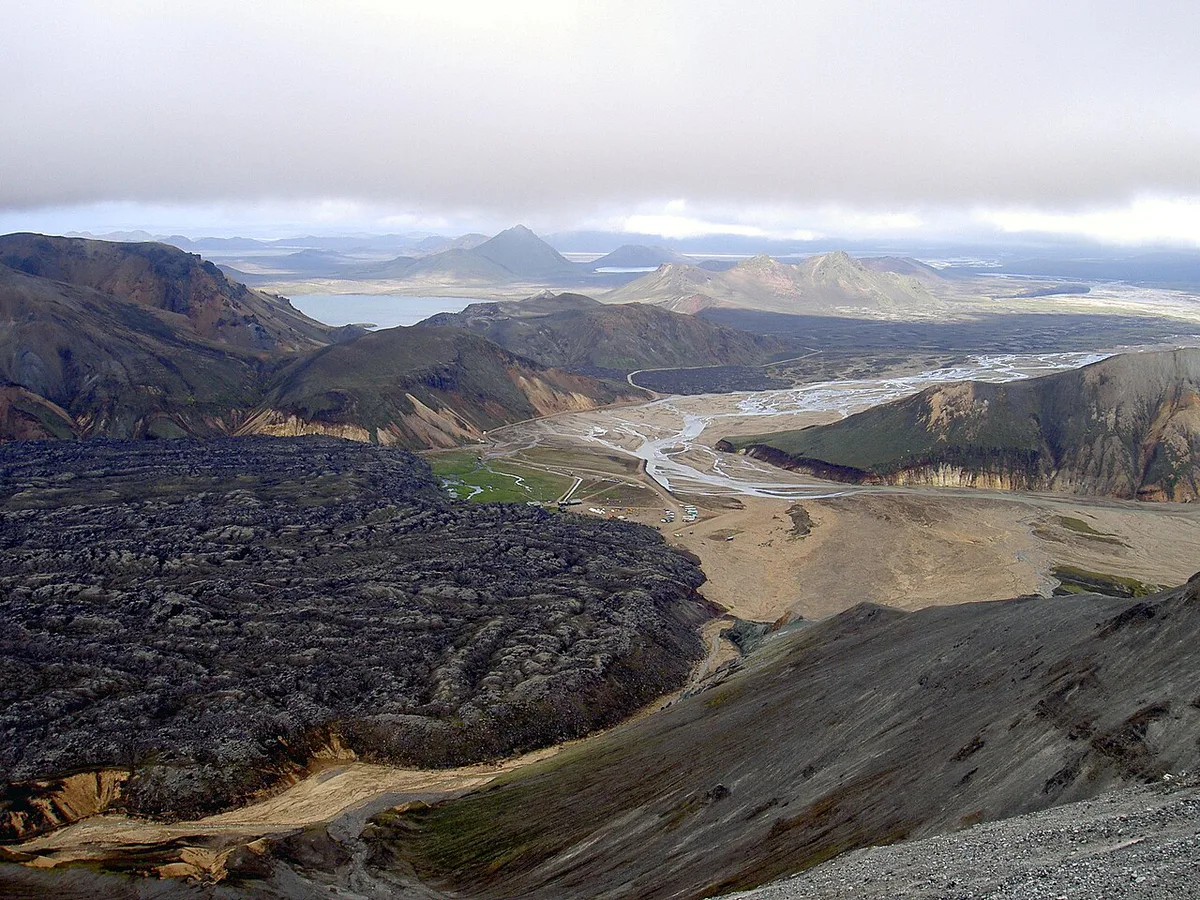
Hekla is about 2 hours from Reykjavík by road. Access is via the F225 mountain road, which needs a 4WD vehicle. The typical summer window is June to September. Expect river-crossing risk and no services nearby. Many rental contracts exclude F-roads and ash or gravel damage, so read the clause before booking. The same route logic applies to the nearby highlands around Landmannalaugar, and the Visit South Iceland site is a good starting point for regional planning.
Why Hekla was called the "Gateway to Hell"
Medieval Europeans feared Hekla as the entrance to the underworld. Some believed the souls of the damned passed through its crater. Its long ridge is visible across southern Iceland's farmland, which added to the reputation. Frequent, violent eruptions and strange sounds from its vents fed the belief. Medieval maps are said to label it a prison of souls.
Hekla compared with Katla and Eyjafjallajökull
Hekla is an elongated stratovolcano that has erupted often, with short warning. Its neighbors have different records and different access. Read our Katla volcano guide for the glacier-covered system. Our Katla eruption overview covers its own history. Eyjafjallajökull is known for the 2010 ash cloud, and the Eyjafjallajökull guide covers access. If you would rather learn about volcanoes indoors, try the Lava Centre exhibition.
Frequently Asked Questions
Is Hekla volcano active?
Yes. Hekla is one of Iceland's most active volcanoes, with more than 20 eruptions since settlement and its latest in 2000. It is monitored continuously, so check the Icelandic Met Office for the current alert level.