Belfast to Giant's Causeway: Train, Bus, Tour or Car
Last updated November 2026. Getting from Belfast to Giant's Causeway comes down to four options: self-drive, public transport, an organised day tour, or a taxi or private driver. Your best pick depends on budget, time, flexibility and whether you drive. This guide compares each one before you commit to the basalt columns of the Causeway on the Antrim coast.
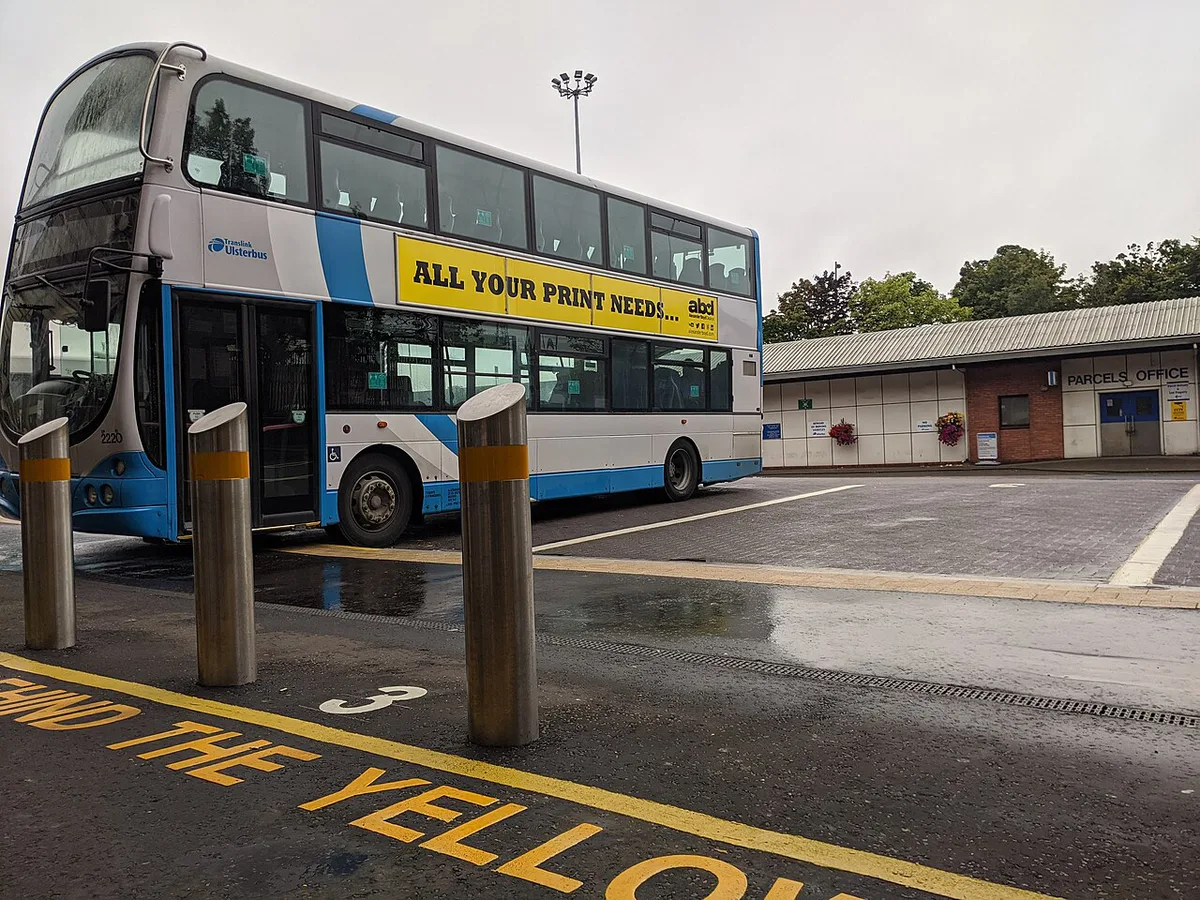
Featured image: Dean Molyneaux, CC BY-SA 2.0, via Wikimedia Commons.
Quick answer: the best way to get from Belfast to the Giant's Causeway
Match the mode to your situation. Each choice trades money against time and freedom.
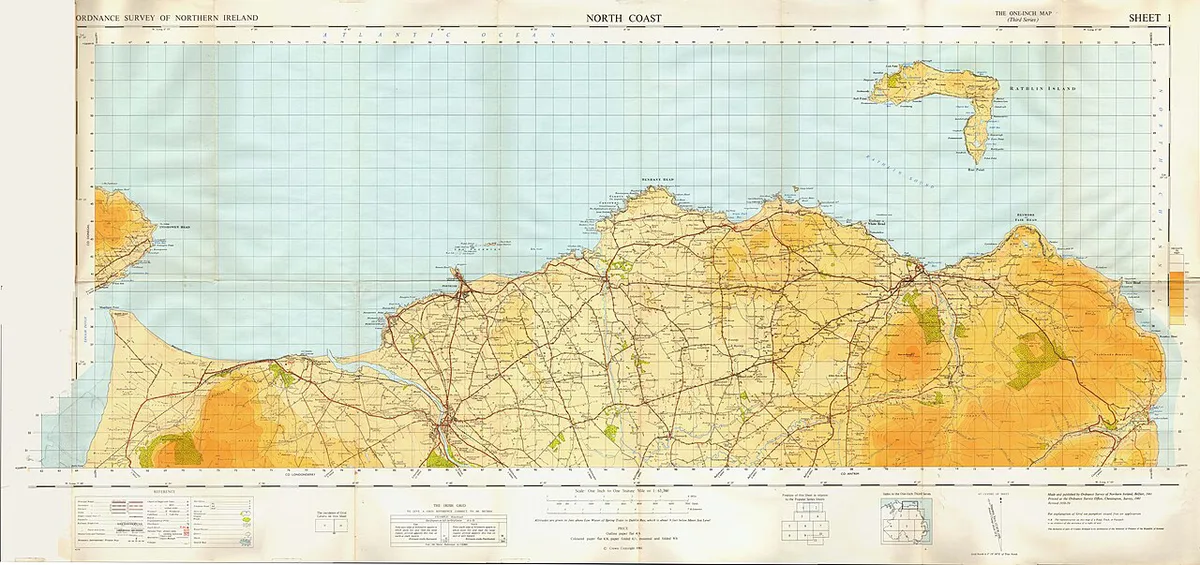
- Want total flexibility and extra stops? Drive the Causeway Coastal Route.
- Want the lowest cost and have no car? Take Translink public transport.
- Want no planning or driving? Book an organised day tour.
- Travelling as a group of three or four? A taxi or private driver can make sense when the cost is split.
Compare your options at a glance
This table uses relative terms, because fares and timetables change by season. Entry costs at the site are separate from transport costs, so budget for both.
| Mode | Time | Cost level | Flexibility | Best for |
|---|---|---|---|---|
| Self-drive | Shortest door to door on a good day | Moderate, plus fuel and parking | Highest | Travellers who want stops along the Antrim coast |
| Train and bus (Translink) | Longest, with a change | Lowest | Low, tied to timetables | Budget travellers with a relaxed schedule |
| Organised day tour | Full day, fixed schedule | Higher, usually bundles several stops | Low, fixed time at each stop | First-timers who do not want to drive |
| Taxi or private driver | Similar to driving | Highest per person for solo travellers | High | Groups splitting the fare |
By public transport: train and bus
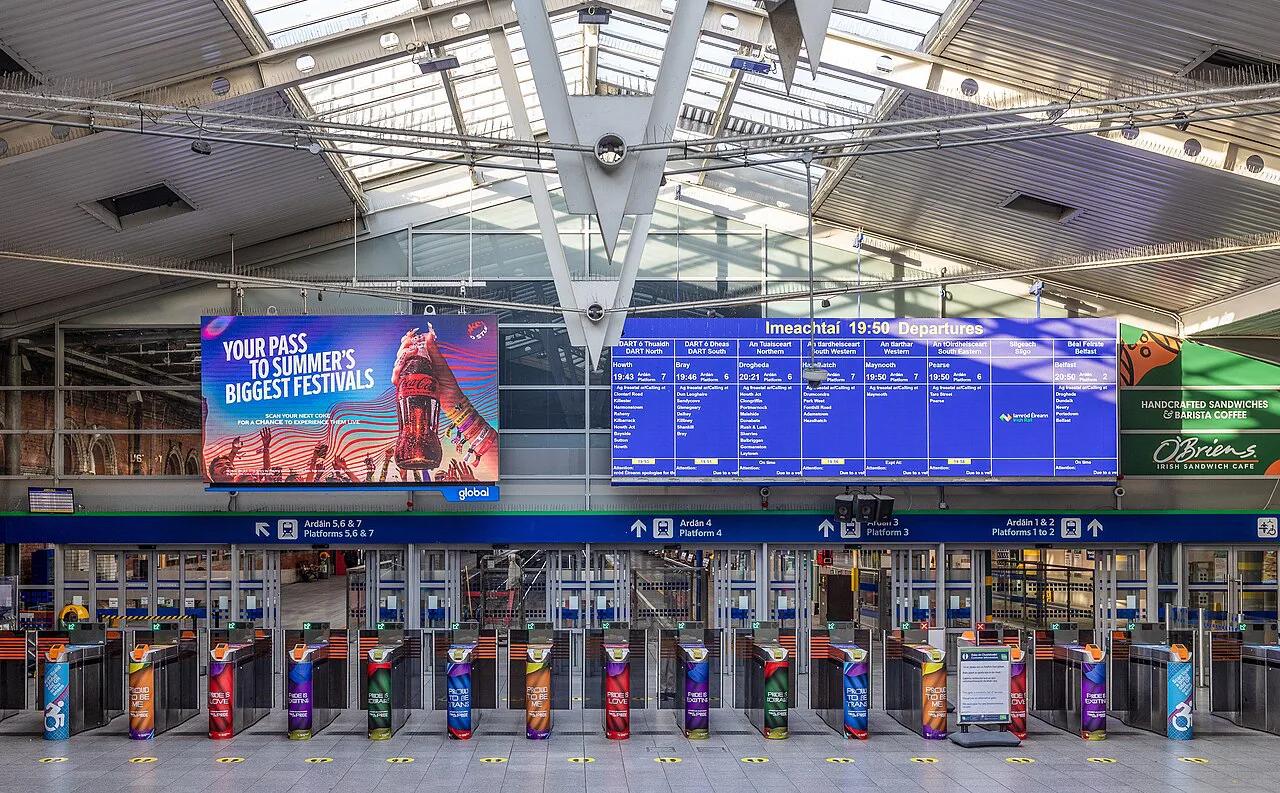
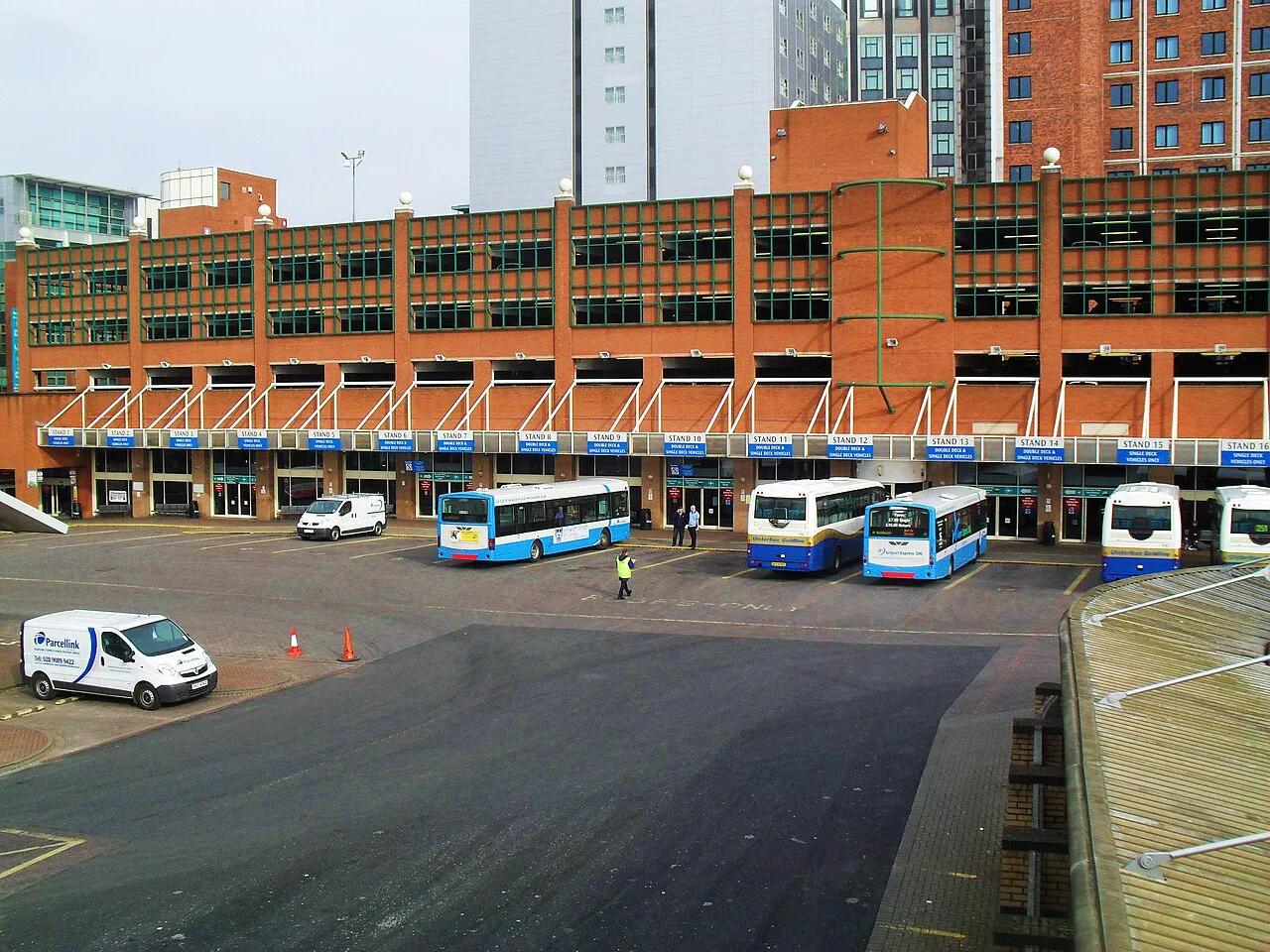
Translink runs the trains and buses across Northern Ireland. Start at Belfast Europa Buscentre for the bus, or take the train towards Coleraine and continue by bus. No train runs directly to the site, so plan on a change. Prices and hours were checked November 2026, but Translink's timetables are the source to use for current routes and fares.
The onward bus leg is where plans fail. Frequency drops on weekends and outside the summer season. Ask where the bus drops you, because you will still walk to the visitor centre from the stop. Check the last return before you leave Belfast, since a missed bus can strand you on the coast after dark.
Skip this option if you are on a tight schedule or arriving late in the day. It suits travellers who value cost over speed.
By car: self-drive from Belfast
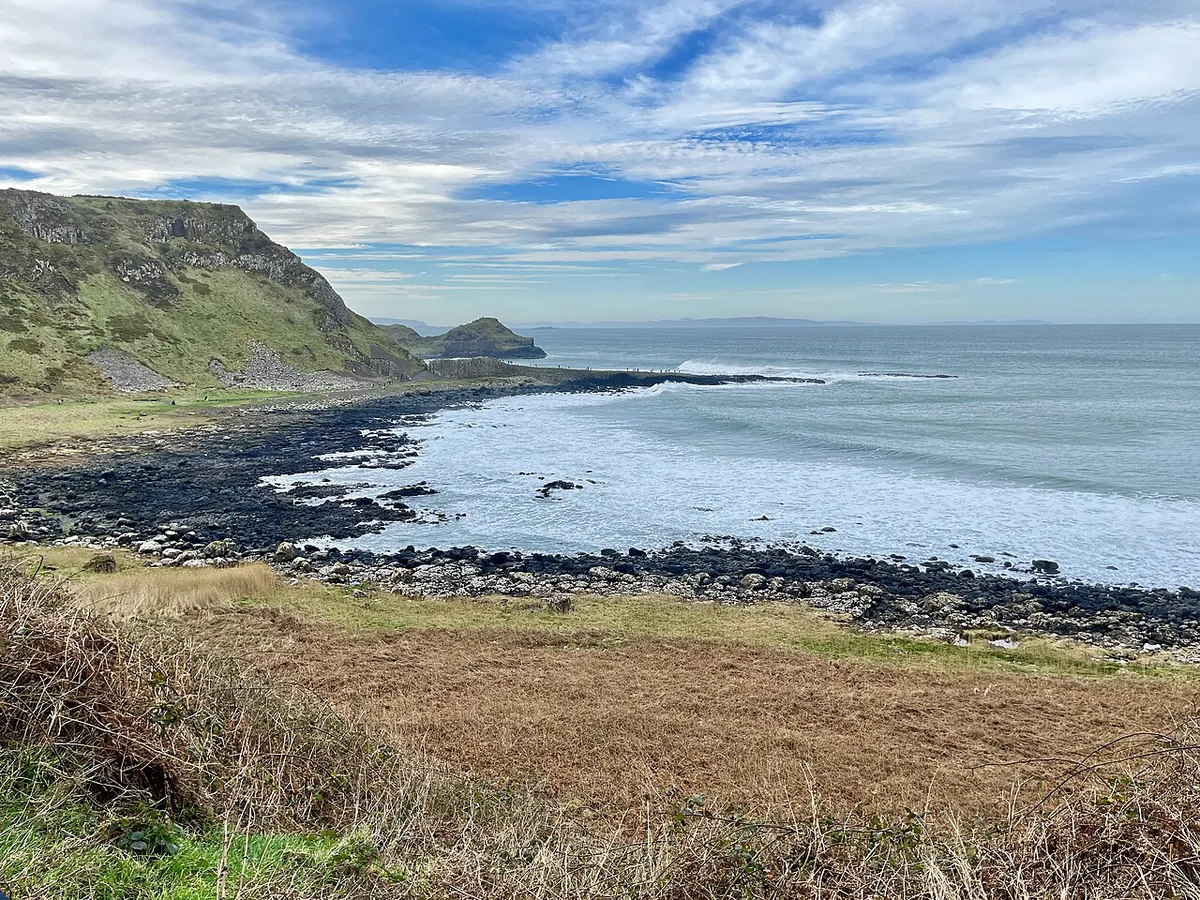
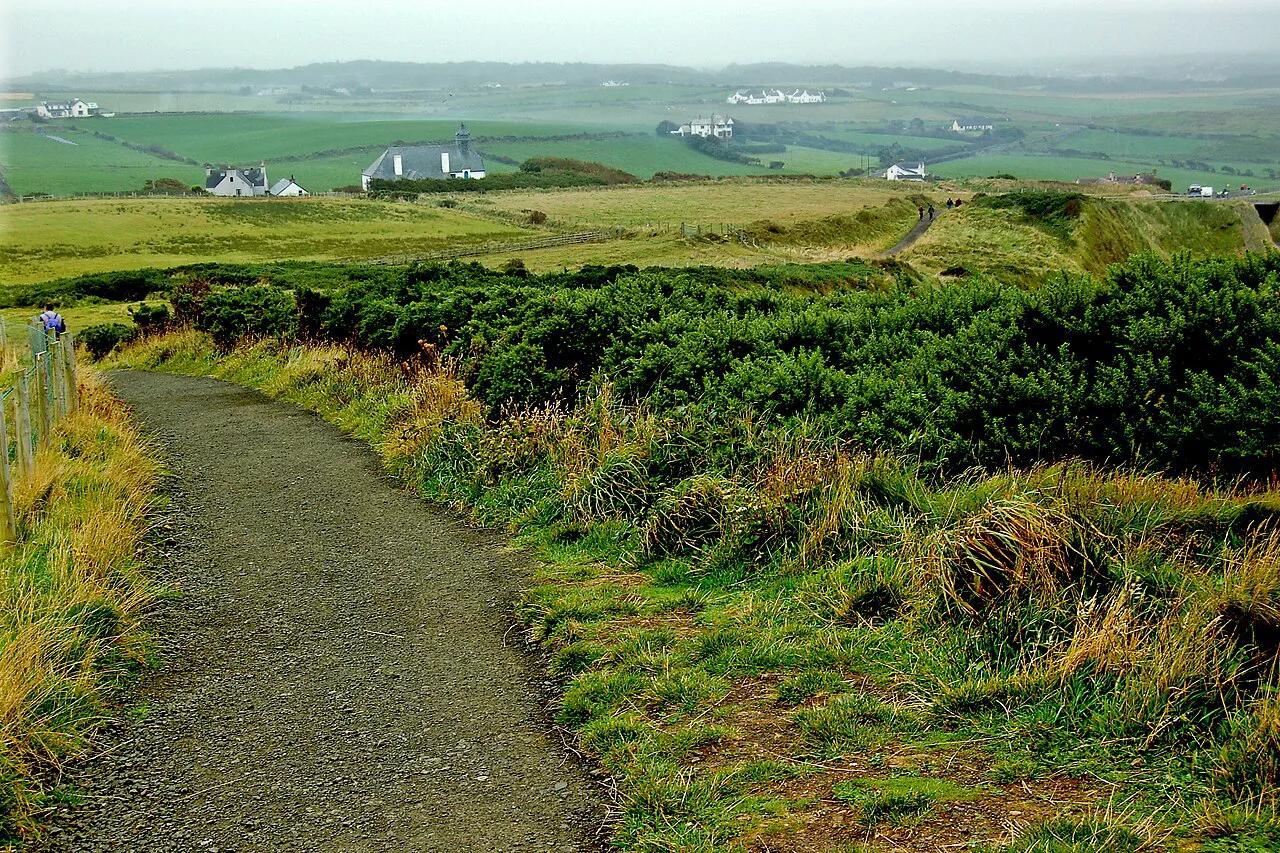
Driving gives you the most control. The scenic choice is the A2 Causeway Coastal Route, which follows the Antrim coast and invites stops. A faster inland route usually saves time, but you lose the coastal views. Look at both on a live map before you set off.
Plan your arrival as carefully as your route. Parking at the site is linked to the visitor centre and its ticketing arrangements. The National Trust page lists the current arrangements.
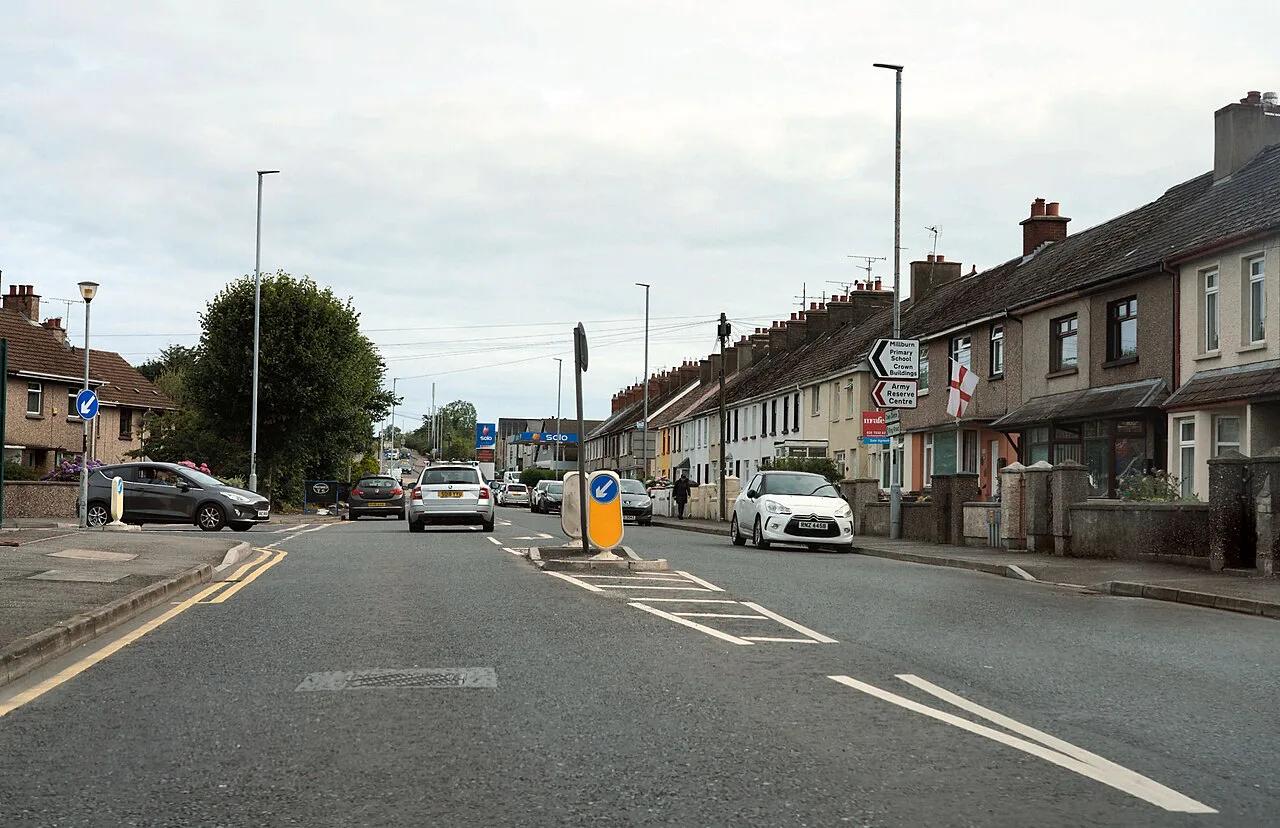
Overseas visitors drive on the left in Northern Ireland. Collect your rental car in Belfast when you are rested, not straight off a long flight. Coastal roads can be narrow and windy.
Best stops on the Causeway Coastal Route from Belfast
The coastal route is a drive of about 60 miles (roughly 97 km) from Belfast, and it turns a transfer into a half-day of sightseeing. Without stops, allow around two hours for the coast road. The inland motorway-and-main-road route is usually faster, so choose the coast only if you want the views. These are the stops most worth making, in the order you meet them heading north from Belfast.
- Carrickfergus Castle: A Norman fortress on the shore, about 20 minutes from the city. It is a quick first stop if you leave early.
- Ballygally and the Antrim coast road: The road hugs the sea here, with pull-ins for photographs. Use them rather than stopping on the carriageway.
- Carnlough and the Glens of Antrim: A small harbour village with a cafe stop. The glens inland add detours if you have spare daylight.
- Carrick-a-Rede Rope Bridge: Near Ballintoy, about 7 miles before the Causeway. It is run by the National Trust, so check its page for current entry rules and timed tickets before you plan around it.
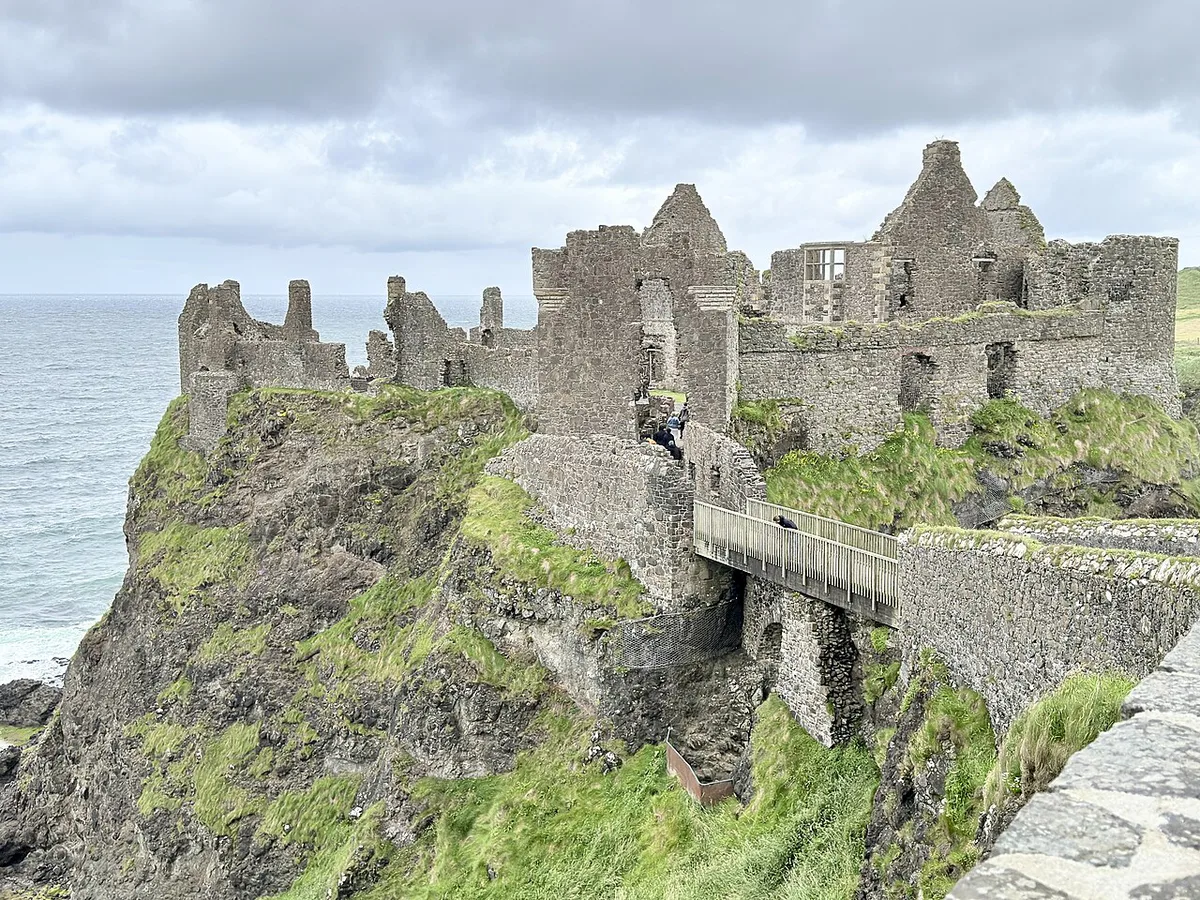
- Dunluce Castle: A clifftop ruin a few miles west of the Causeway. It sits on the way back towards Portrush, so it works best as a final stop on a longer day.
The Dark Hedges, the beech-lined road near Armoy, lies a short detour inland. Pick two or three stops at most. Every extra stop eats into the time you have at the stones, and on a winter day the light fades fast.
If you only have a half-day, drive the coast road one way and return by the quicker inland route. That gives you scenery on the outward leg and a predictable return in the dark.
By organised day tour
Guided coach tours remove the logistics. You do not need to drive, read timetables or find parking. Many itineraries add stops such as the Dark Hedges, Carrick-a-Rede or Dunluce Castle, but each operator differs. Read the listing to see whether entry fees are included, because they often are not.
Compare guided day tours on pickup point, time allowed at the stones and extra stops. The trade-off is a fixed time at the site. If you want to linger on the columns or walk the cliff path, a tour can feel rushed.
By taxi or private driver
A taxi or private driver works for small groups who split one fare. It combines car-like flexibility with no driving or parking worries. Fares vary by operator and season, so get a quoted price before you book. Solo travellers will usually find a tour or public transport better value.
Tickets, visitor centre and timing
Keep entry costs separate from transport in your budget. The National Trust manages the site and sets the current ticket model, including whether to pre-book. Opening hours change by season, so read its page before you travel. Details of what each ticket covers are on the visitor centre ticket options page.
Pairing the A2 Causeway Coastal Route with a winter visit means combining narrow, windy roads with short daylight. Set your turnaround time before you leave Belfast.
Times of day matter. Coach tours tend to arrive mid-morning, so arriving early or later in the afternoon helps you avoid crowds. From November to February, daylight is short, so build in a buffer and plan to leave before dark.
Walking at the Causeway: trails, shuttle and time needed
The stones are not beside the car park. From the visitor centre it is roughly a 1 km walk down to the main stone formations, which takes about 15 to 20 minutes at an easy pace. The return is uphill, so allow longer. A paid shuttle bus has run between the visitor centre and the stones in the past, so check the National Trust page for whether it is operating on your date.
Plan your time around what you want to see:
| Plan | What it covers | Time to allow |
|---|---|---|
| Stones only | Walk down to the main columns, then back to the visitor centre | About 1.5 hours including photos |
| Stones plus cliff path | The clifftop trail gives views back over the columns and the coast | About 2.5 to 3 hours |
| Full circuit | Both routes combined, with time at the visitor centre | About 3 to 4 hours |
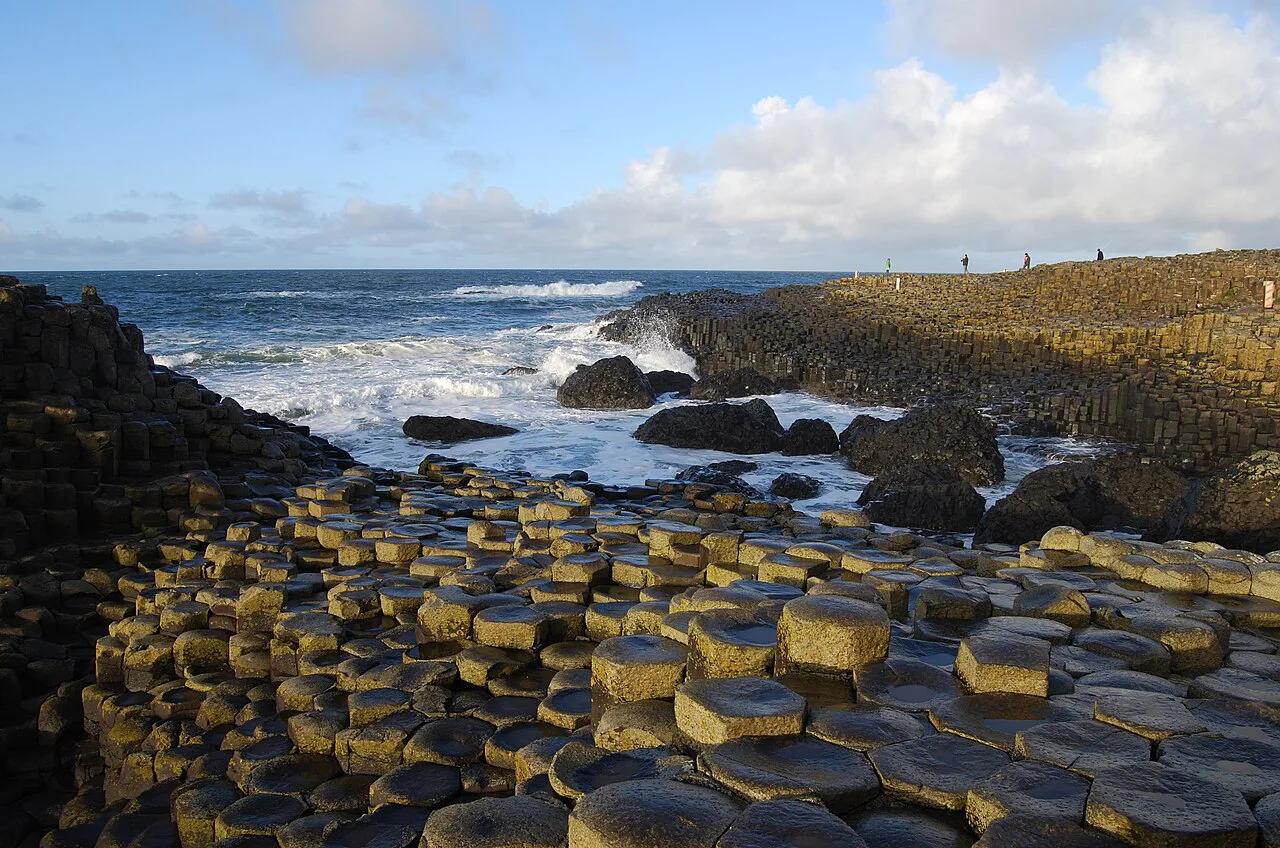
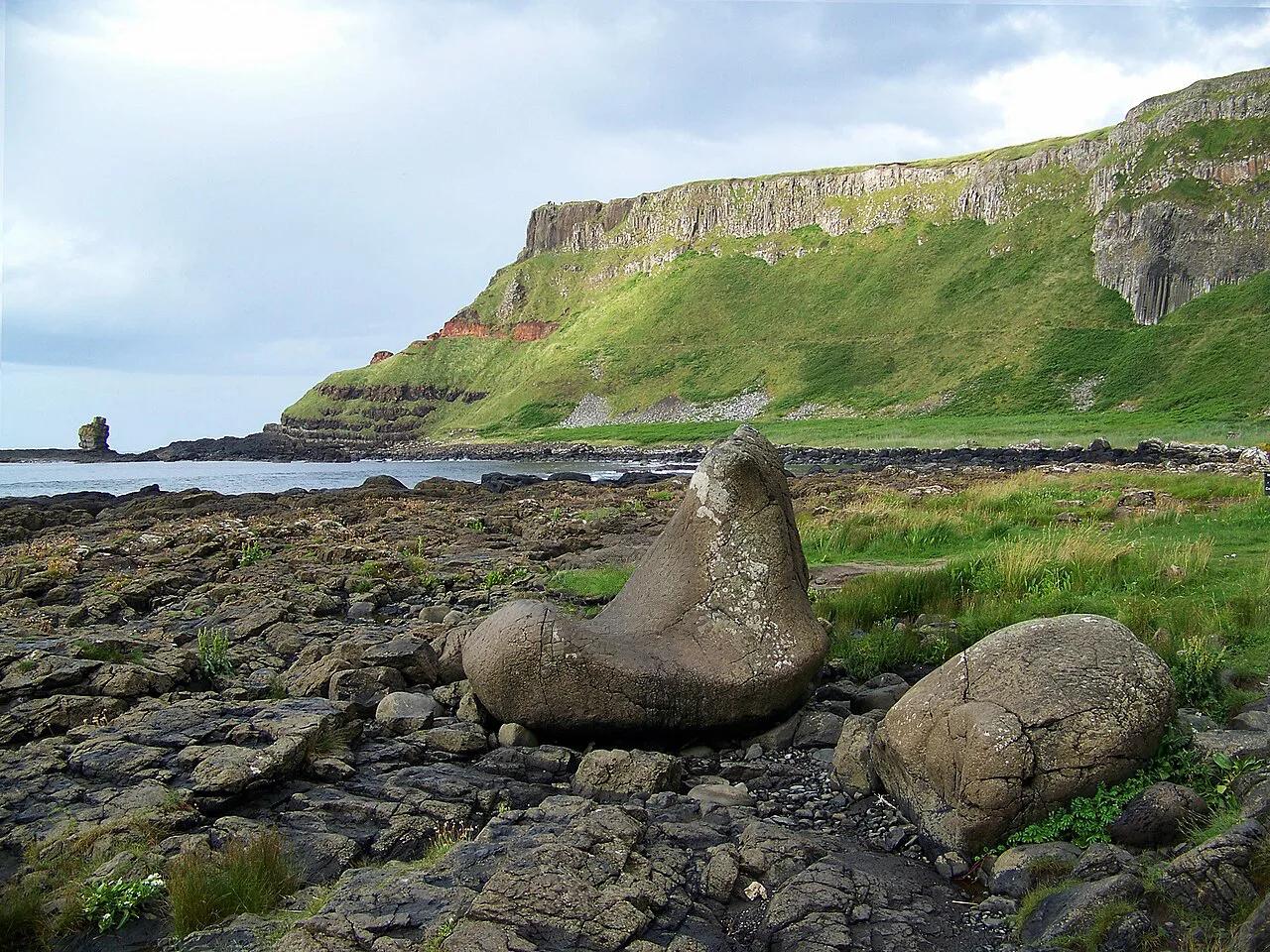
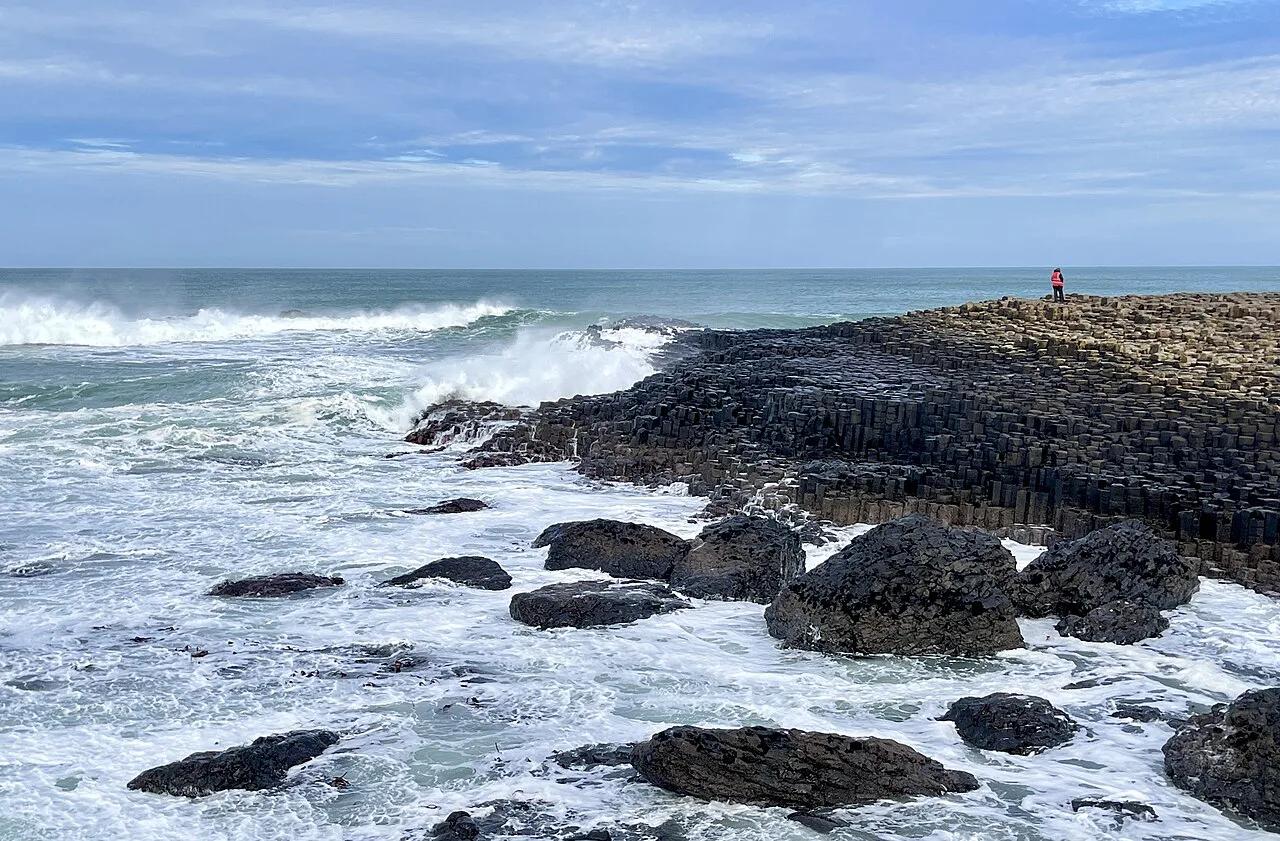
The formations have names worth looking for, including the Giant's Boot, the Wishing Chair and the Organ. The columns are slippery when wet, and spray from the Atlantic can make the lower rocks hazardous, so stay on the marked paths and keep back from the water's edge.
This is the main reason tours can feel rushed. If a tour gives you around an hour at the site, you will see the stones but probably not the cliff path. If you want both, travel independently or ask a private driver to wait for you.
In winter, check sunset time before you set off and start the cliff walk no later than mid-afternoon.
Sample day plans
Use these as timing frameworks, then adjust to the current timetable or booking.
- Half-day by bus: Morning departure from Europa Buscentre, change at Coleraine if needed, walk to the stones, then take an early return bus with a buffer.
- Full day by car: Leave Belfast early on the A2 Causeway Coastal Route, stop at one or two coastal viewpoints, spend a midday block at the Causeway, then add Dunluce Castle or Carrick-a-Rede only if daylight allows.
Mistakes to avoid
Most problems with this trip come from a handful of assumptions.
- Assuming a direct train reaches the site.
- Leaving no buffer before the last return bus.
- Ignoring wind and rain on the exposed coast.
- Wearing smooth-soled shoes on wet basalt.
- Packing in too many stops on a short winter day.
Choosing a base and what to read next
If you are still deciding where to base yourself, or you are coming from the Republic, read our guide to a trip from Dublin. Once you arrive, the Finn McCool story explains the site's mythology. It is a good read on the journey there.
Frequently Asked Questions
How do you get from Belfast to Giant's Causeway?
You can drive the A2 Causeway Coastal Route, take a Translink train and bus, join a day tour, or hire a taxi. Self-drive and tours need the least planning on the day.
Is entry to Giants Causeway free?
Walking to the stones and paying for the visitor centre are separate questions. The National Trust sets current ticket and parking arrangements, so read its Giant's Causeway page before you go.
What is the best Giant's Causeway tour from Belfast?
It depends on how long you want at the stones and which extra stops you want. Compare pickup points, time at the site and inclusions on the tour listings.