La Palma Tsunami: Myth, Risk and Visitor Safety
Last updated November 2026. A La Palma tsunami is a hypothesised worst case from a single scenario, and scientists treat it as extremely unlikely rather than as a reason to change a holiday. Visitors face other volcanic hazards that deserve more attention, and this guide separates the two. For the wider picture, read our guide on whether La Palma is safe to visit.
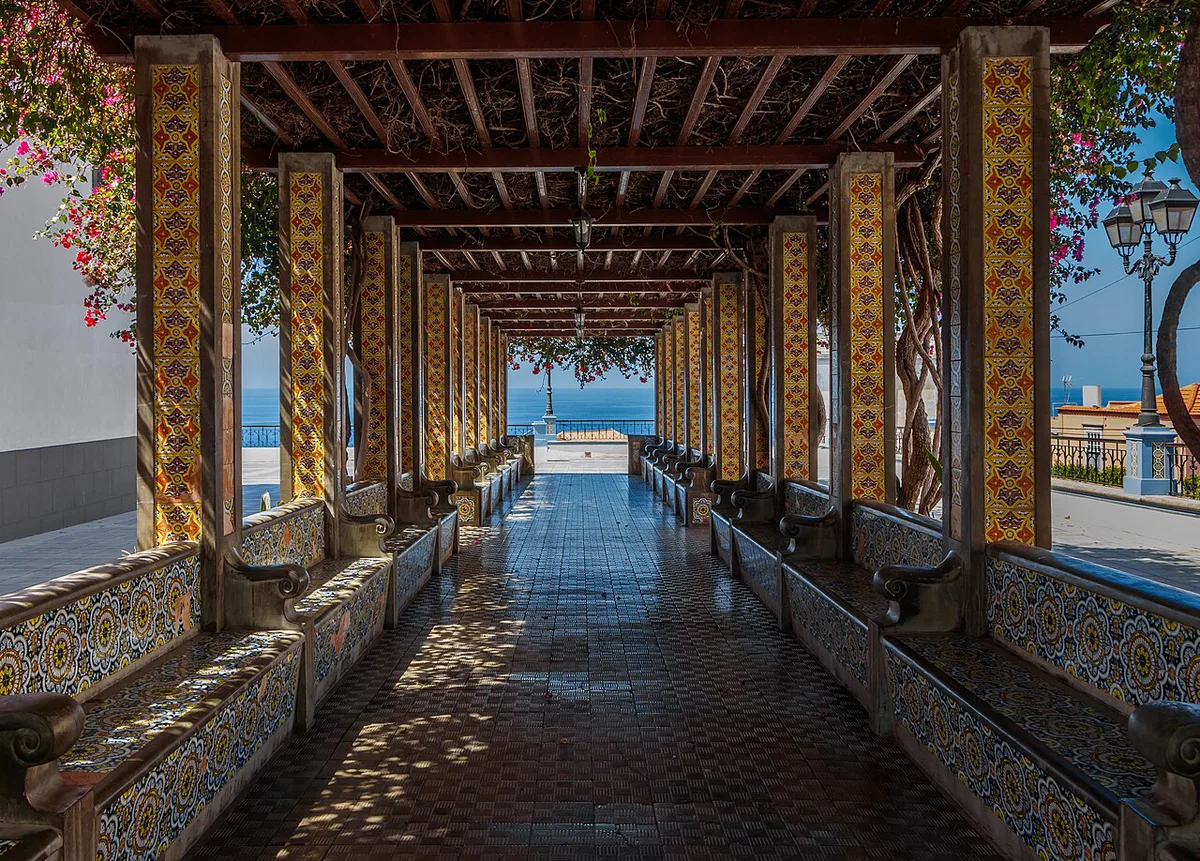
Featured image: Syrio, CC BY-SA 4.0, via Wikimedia Commons.
Where the La Palma mega-tsunami idea comes from
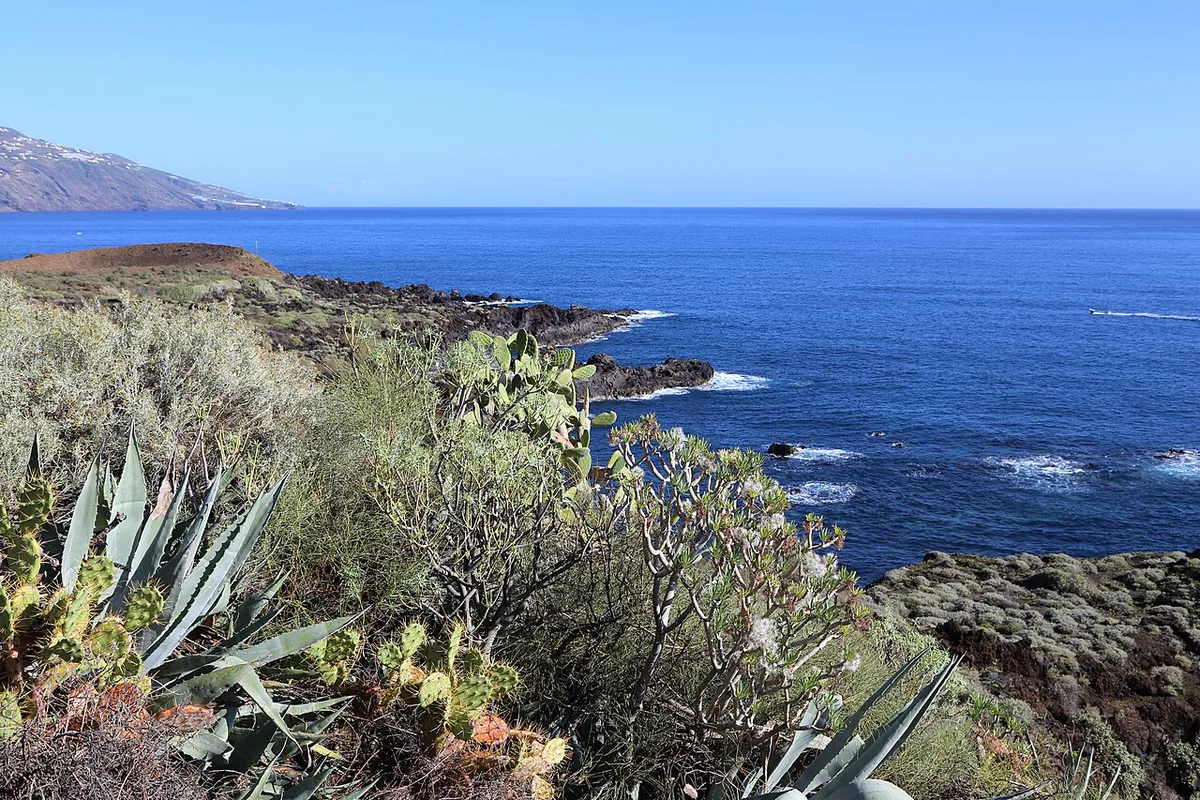
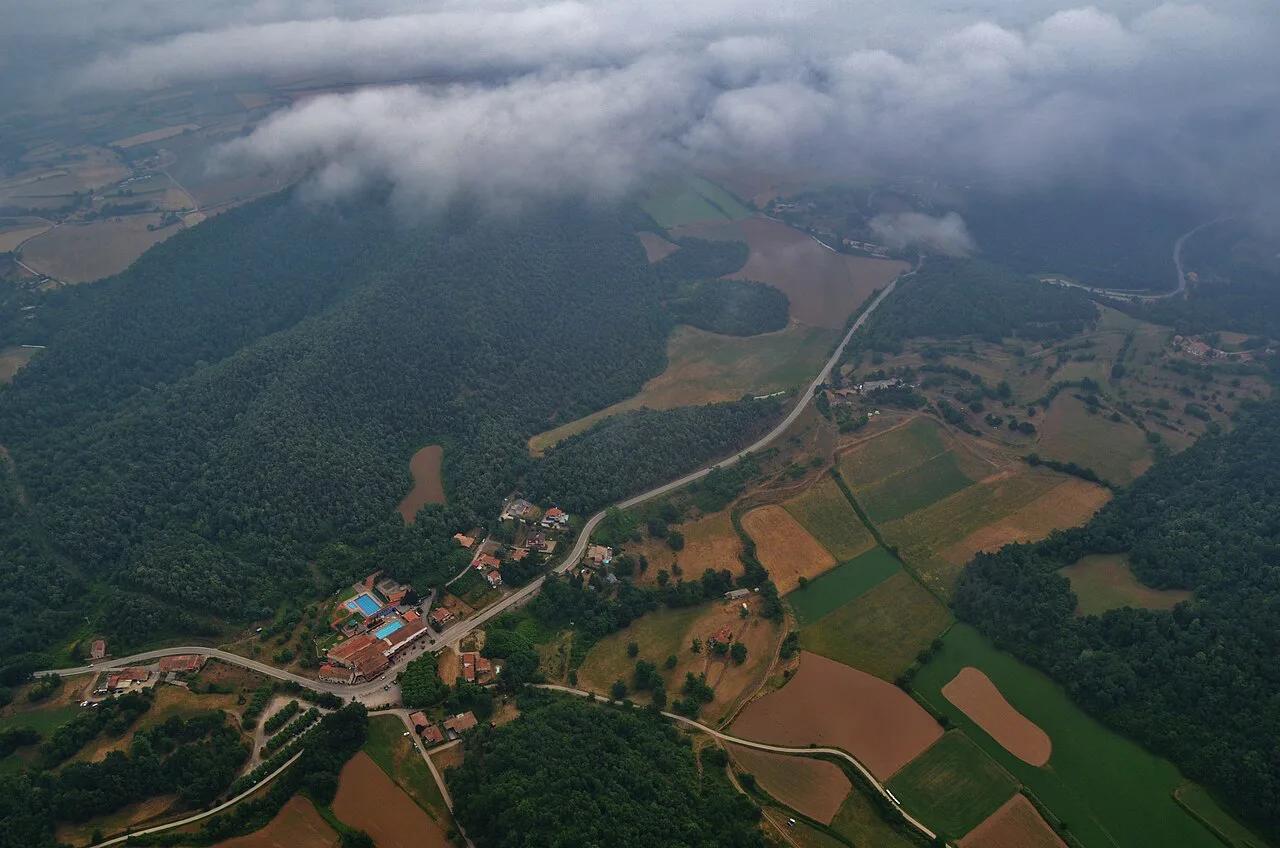
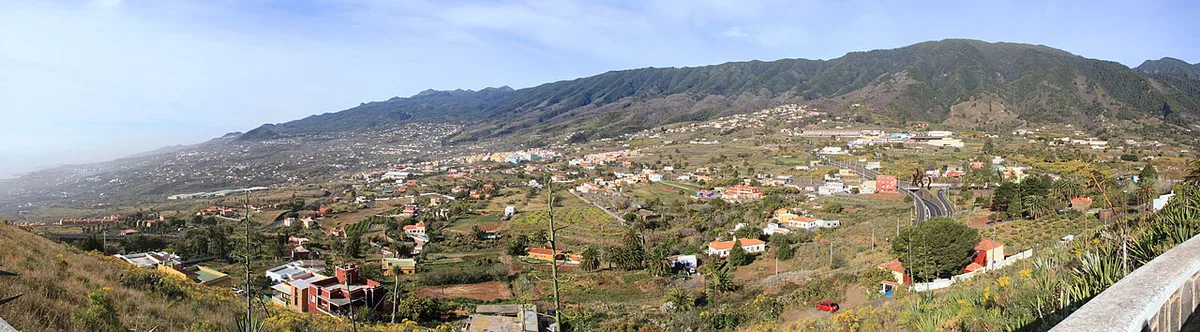
The idea traces to a BBC Horizon programme broadcast on 12 October 2000. Two geologists proposed that during a future eruption, the western flank of Cumbre Vieja could slide into the Atlantic. They suggested the slide might generate a giant wave, which they called a megatsunami. Tabloid and video coverage later repeated the scenario with ever larger wave heights. Nothing in that coverage means a collapse is under way. Cumbre Vieja is the active volcanic ridge covering the southern part of the island, and our guide to the Cumbre Vieja ridge explains its geology. A 2017 seismic swarm, with quakes of magnitude about 1.5 to 2.7 that nobody felt, produced headlines about an imminent wave. No collapse followed. Treat old swarm stories as history, not as current status.
Viral wave stories can recycle the 2000 scenario, so compare any new article's date with the 12 October 2000 broadcast.
What scientists say about a Cumbre Vieja collapse
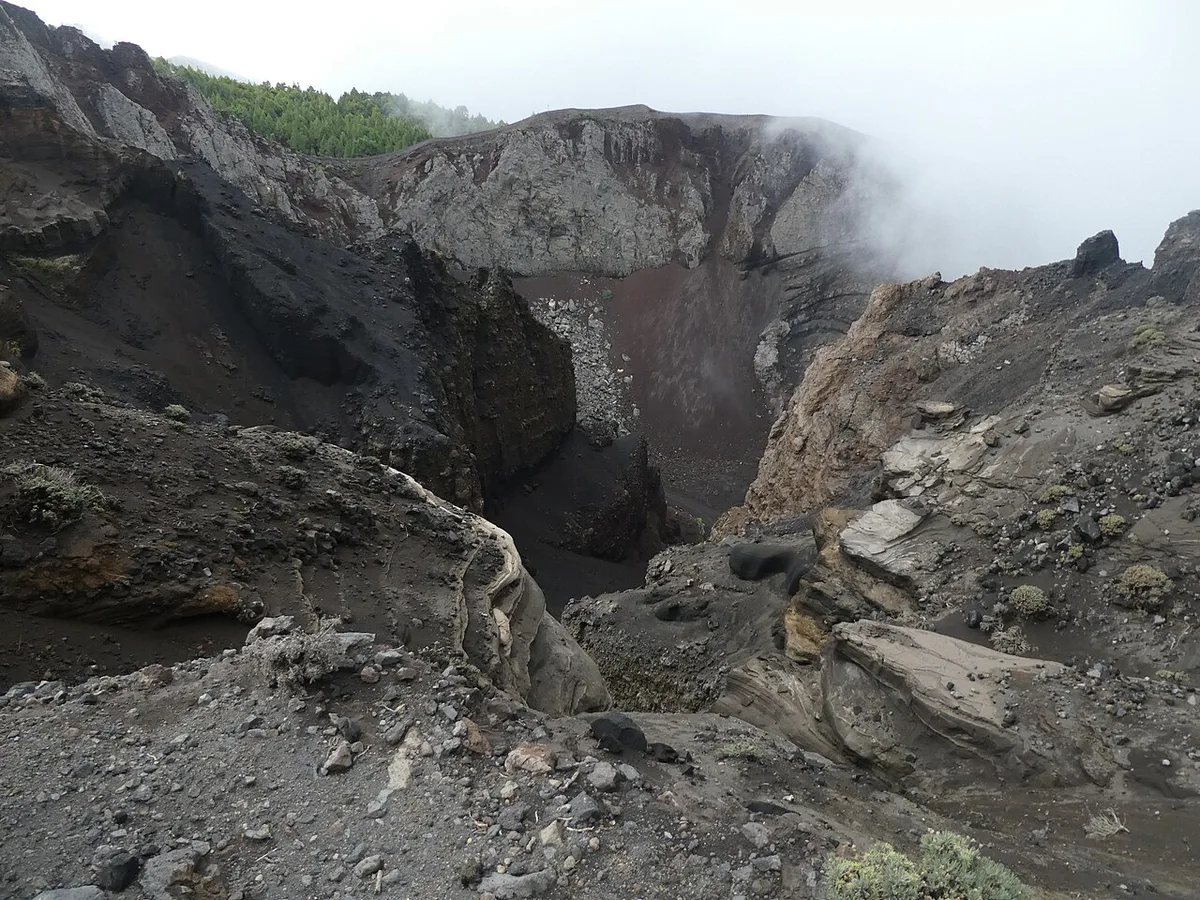
The original scenario assumed one very large, fast slide of the whole western flank. Later modelling and geological work questioned that assumption. Many researchers argue that flank failures in the Canary Islands happen in stages, as smaller blocks, rather than in one sudden event. Smaller, slower slides would produce far smaller waves, and a wave loses height as it spreads across open ocean. Lituya Bay in Alaska, where a 1958 landslide raised a wave of about 525 m, is sometimes quoted as proof. It is only an analogy, because a narrow bay behaves very differently from an open ocean. Claims of a 600 m wave crossing the Atlantic have no support in this research. For the volcano itself, start with our La Palma volcano guide. For current science, the Canary Islands volcanology institute INVOLCAN is the local reference.
The 2021 "lava tsunami": what actually happened
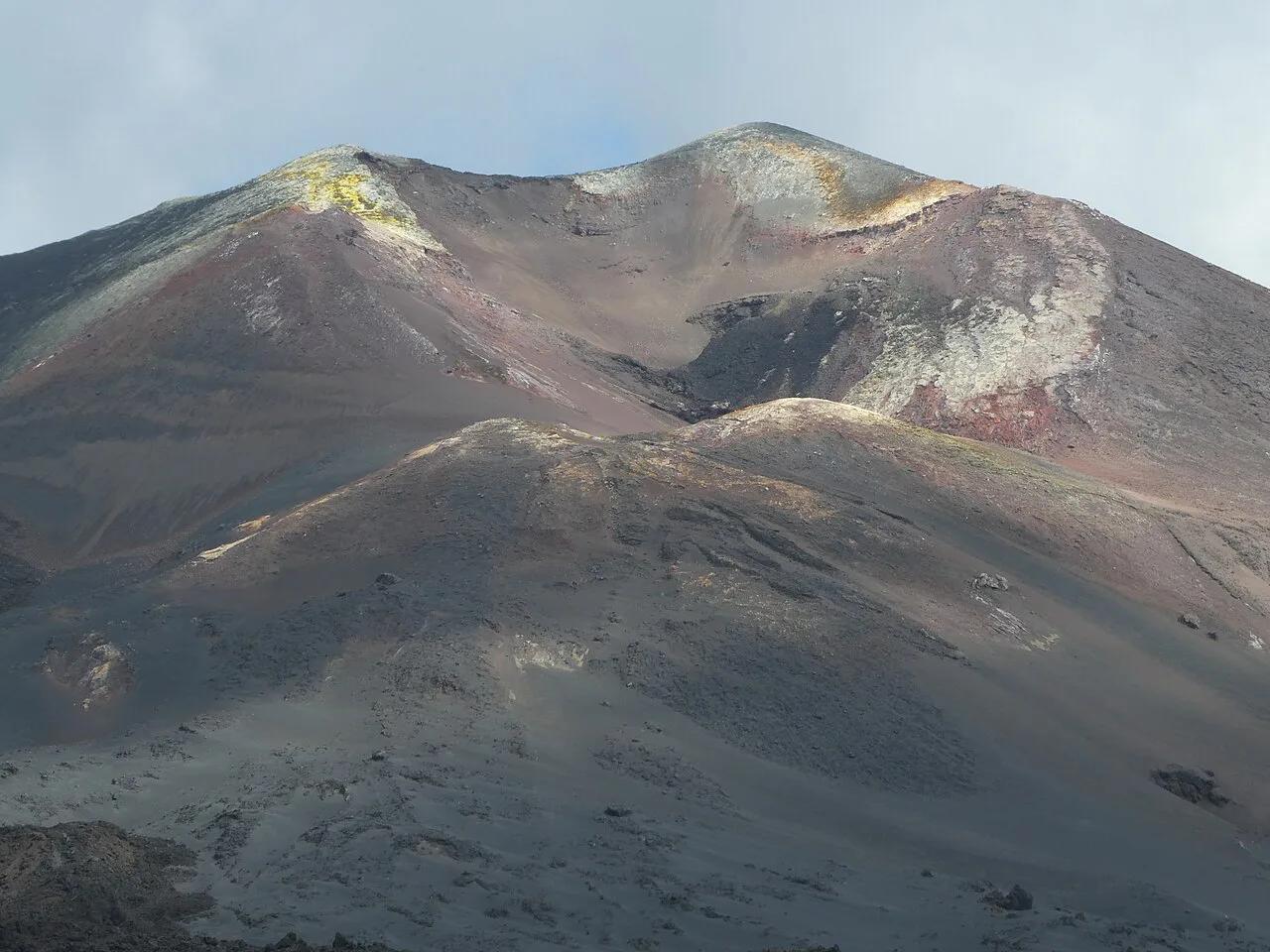
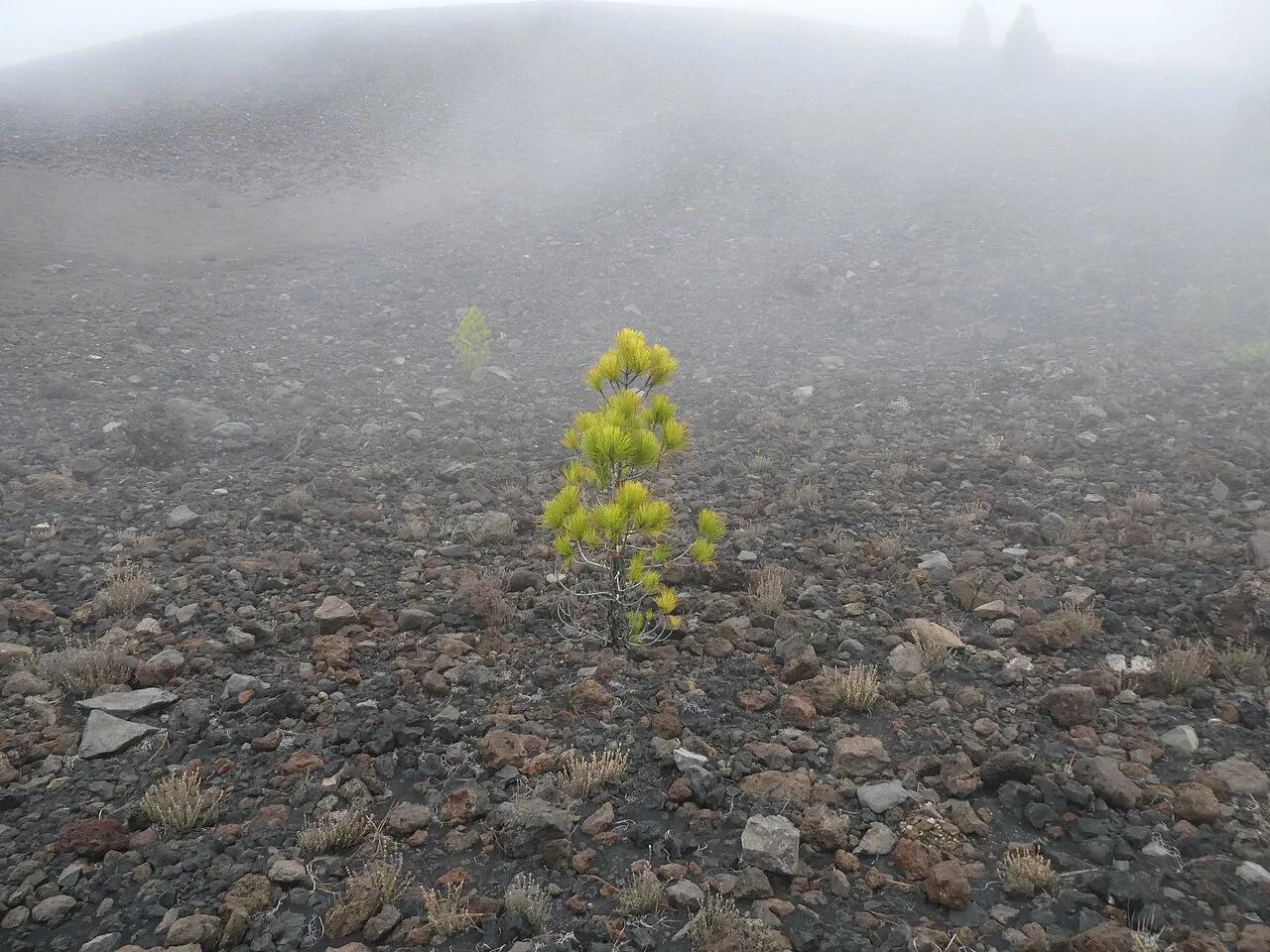
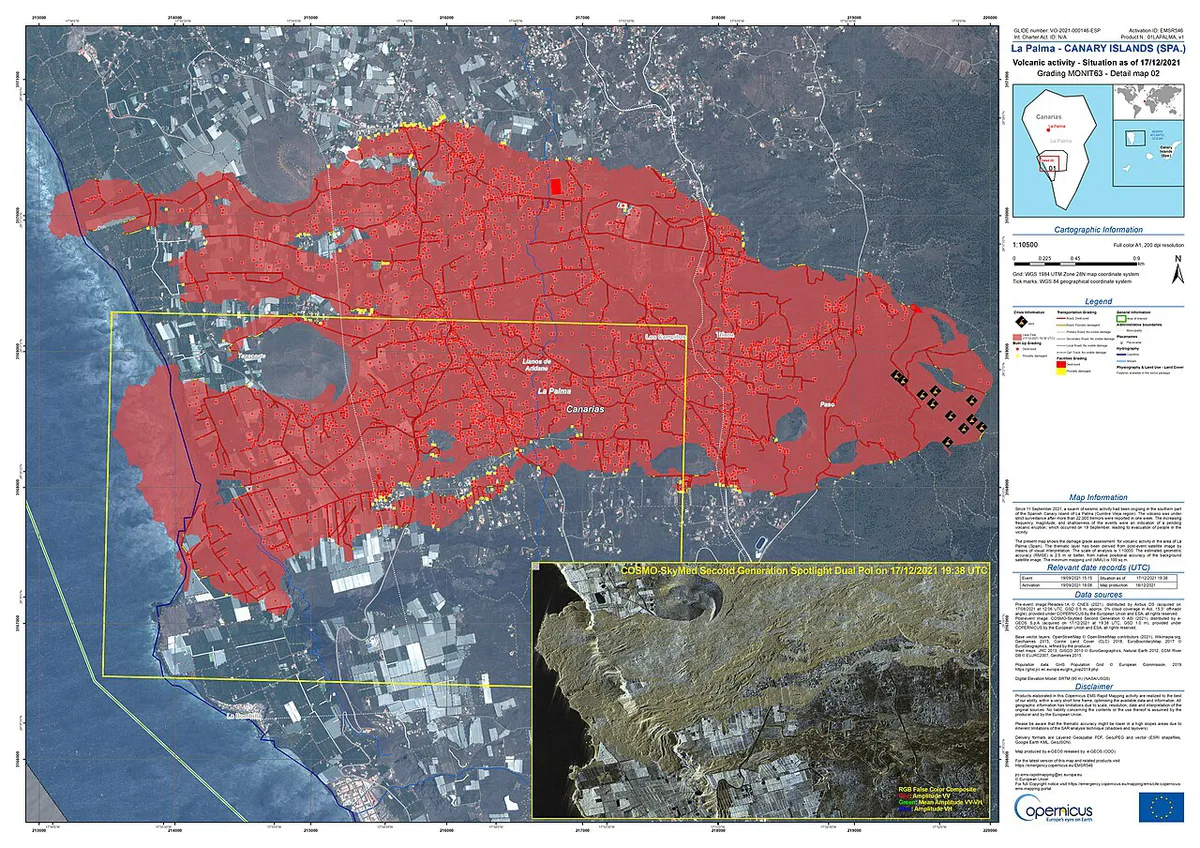
The Tajogaite eruption began on 19 September 2021 and ended on 13 December 2021. It did not trigger a flank collapse, and it did not produce an ocean-wide wave. The phrase "lava tsunami" came from video of fast-moving lava flows swallowing houses. That is a lava flow, not a tsunami. Lava reached the coast and built a lava delta, a platform of new rock at the shoreline. Such deltas bring steam, gas plumes and unstable ground near the water, which is a local hazard and not a wave. Read about the cone and its flows in our Tajogaite eruption guide. Houses in one of the worst-hit neighbourhoods are covered in our Todoque article.
Read 2021 lava-coast news against the Tajogaite timeline: it ran from 19 September 2021 and ended on 13 December 2021.
- Lava flow: molten rock moving downslope over land.
- Lava delta: new land formed where lava enters the sea.
- Tsunami: a wave set off by a displacement of water, such as an undersea slide.
La Palma tsunami risk vs real hazards for visitors
Volcanic gas, ash and road closures are the issues most likely to touch a trip. Earthquakes are also possible on a volcanic island. The table ranks them by relevance to visitors, in our editorial assessment, and not by any official score.
| Hazard | Relevance for visitors | What it means for a trip | Where to check |
|---|---|---|---|
| Mega-tsunami from a flank collapse | Hypothetical; scientists treat it as extremely unlikely | No change to travel plans | INVOLCAN and national geological institute |
| Volcanic gas and ash | Possible during eruptions | Air quality and flight disruption | Official alerts and airline notices |
| Earthquakes | Possible on a volcanic island | Mostly small and unfelt, as in 2017 | National geographic institute |
| Exclusion zones and closed roads | Can follow an eruption | Some areas stay restricted | Island council and tourism office |
| Lava delta coastline | Local, after an eruption | Keep out of cordoned shore areas | Local authority notices |
How La Palma is monitored and what the alerts mean
Several bodies watch the island. The national geographic institute (IGN) records seismic activity. INVOLCAN carries out volcanological monitoring and research. PEVOLCA is the Canary Islands emergency plan for volcanic risk, and it uses colour-coded alert levels. Read the current level on official channels, because the level can change quickly. Visitor-facing status and access notes are on the official La Palma tourism site. If an alert is raised, follow instructions from local civil protection and your accommodation. Do not rely on social media clips.
Planning a trip to La Palma: checklist and mistakes
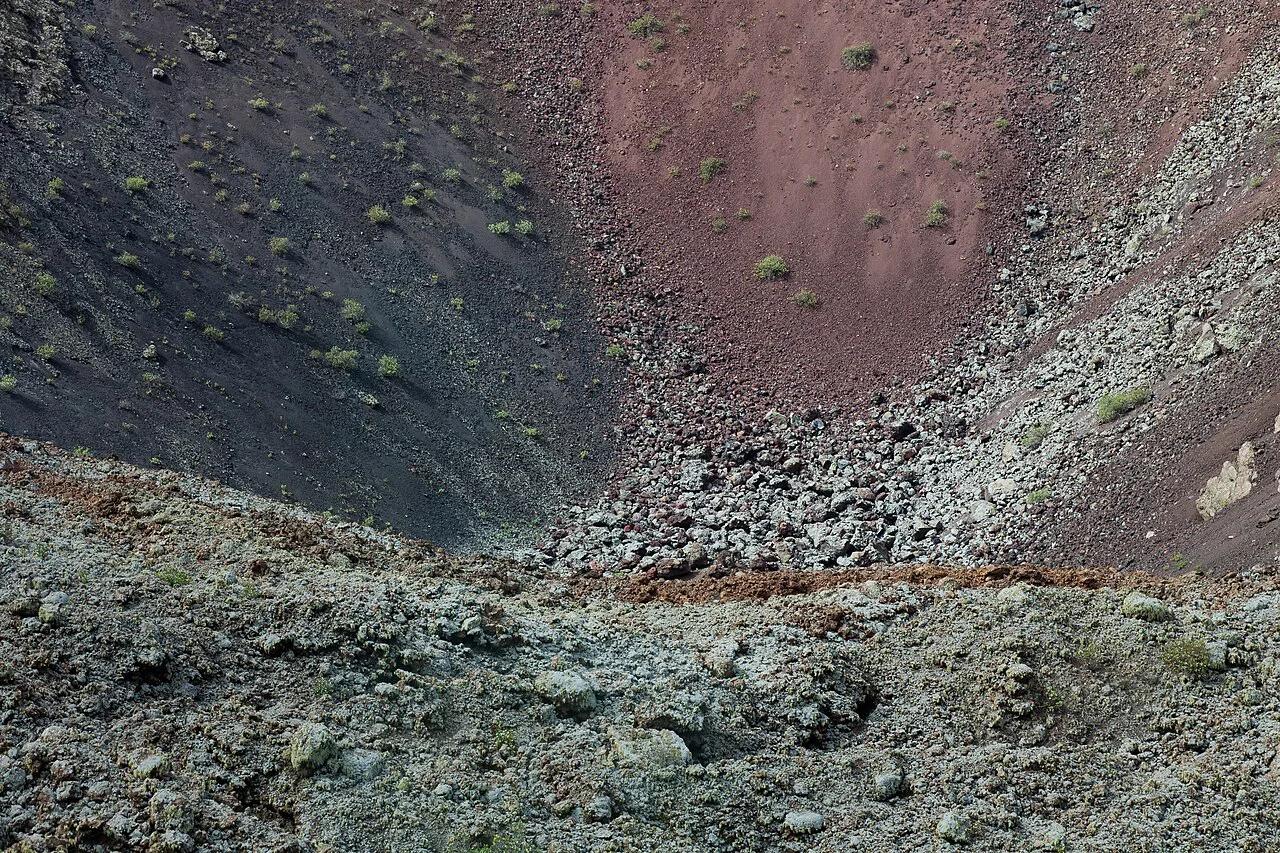
A short routine covers the real risks. Check official status before you book and again before you fly. Read your travel insurance wording for volcanic disruption and flight cancellations. Confirm with the park or island council that any trail you want is open. Safe places to see volcanic terrain include the San Antonio volcano crater. Another option is the long trail described in our Ruta de los Volcanes guide. Clear nights suit the observatory area described in our La Palma stargazing guide.
- Relying on viral videos: check INVOLCAN or the tourism site instead.
- Treating a 2017 swarm story as current news: look at the date on any article.
- Confusing a lava delta with a tsunami: one is new land, the other is a wave.
- Entering cordoned areas near the 2021 lava coast: obey closures.
Frequently Asked Questions
Could La Palma cause a mega-tsunami?
It is a hypothesis from a 2000 programme and later papers, and many scientists consider the single-collapse scenario implausible. Visitors should not plan around it.
What is the "lava tsunami" in La Palma?
It was a nickname for fast lava flows during the 2021 Tajogaite eruption. It was not a wave of water, and no ocean tsunami occurred.