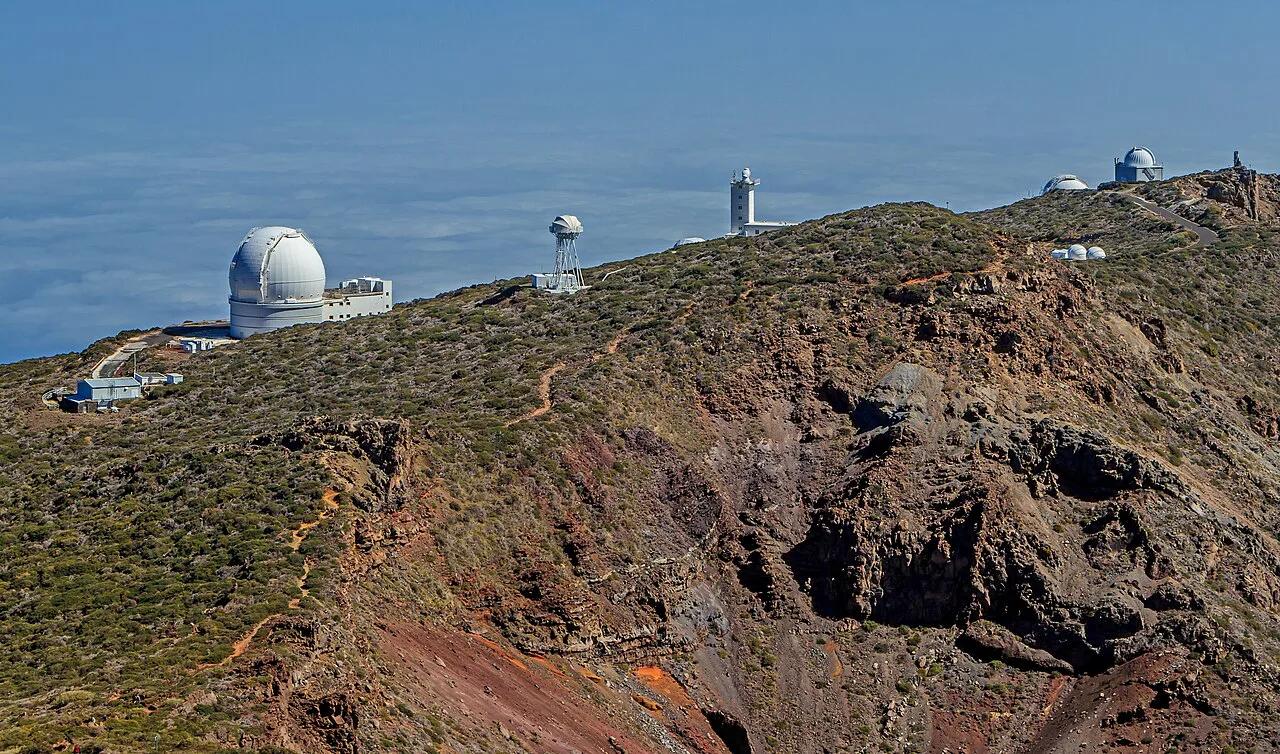
Roque de los Muchachos: Visiting La Palma's Summit
Last updated November 2026. Roque de los Muchachos is the highest point on La Palma, a rocky summit of about 2,426 m on the rim of the Caldera de Taburiente. It is also home to the island's astronomical observatory, run by the Instituto de Astrofísica de Canarias, and it is a viewpoint and a night-sky site. This guide explains how to get up, what you can enter, and how to choose between a daytime, sunset or night visit.
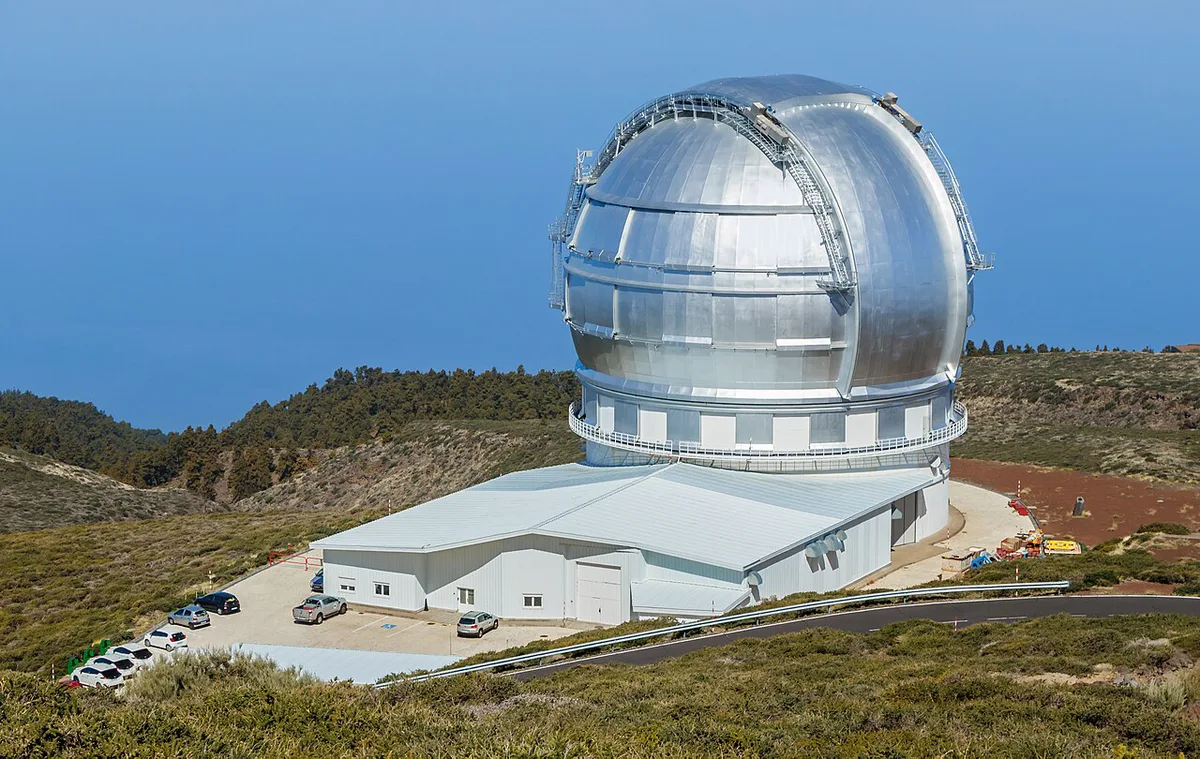
Featured image: H. Zell, CC BY-SA 3.0, via Wikimedia Commons.
What Roque de los Muchachos Is (and What You Can Actually Do There)
Roque de los Muchachos is a summit of about 2,426 m, roughly 7,960 ft, and the island's high point. It sits on the northern rim of the Caldera de Taburiente, a depression about 7 km across at its widest. Three things share the site. One is the summit viewpoint, where you look down into the caldera. Another is the Roque de los Muchachos Observatory, a research site that is not a theme-park attraction. The third is the night sky, which is the reason the telescopes were built here. Expect a short, high-altitude stop with open views and no town, so plan food, fuel and warm layers before you leave the coast. Anyone who wants the volcanic story of the island should start with our La Palma volcano overview.
- Elevation: about 2,426 m (roughly 7,960 ft)
- Location: rim of the Caldera de Taburiente, northern La Palma
- Best for: caldera views, sunset, clear-night stargazing
- Not for: walk-in observatory tours, shopping or dining
How to Get There
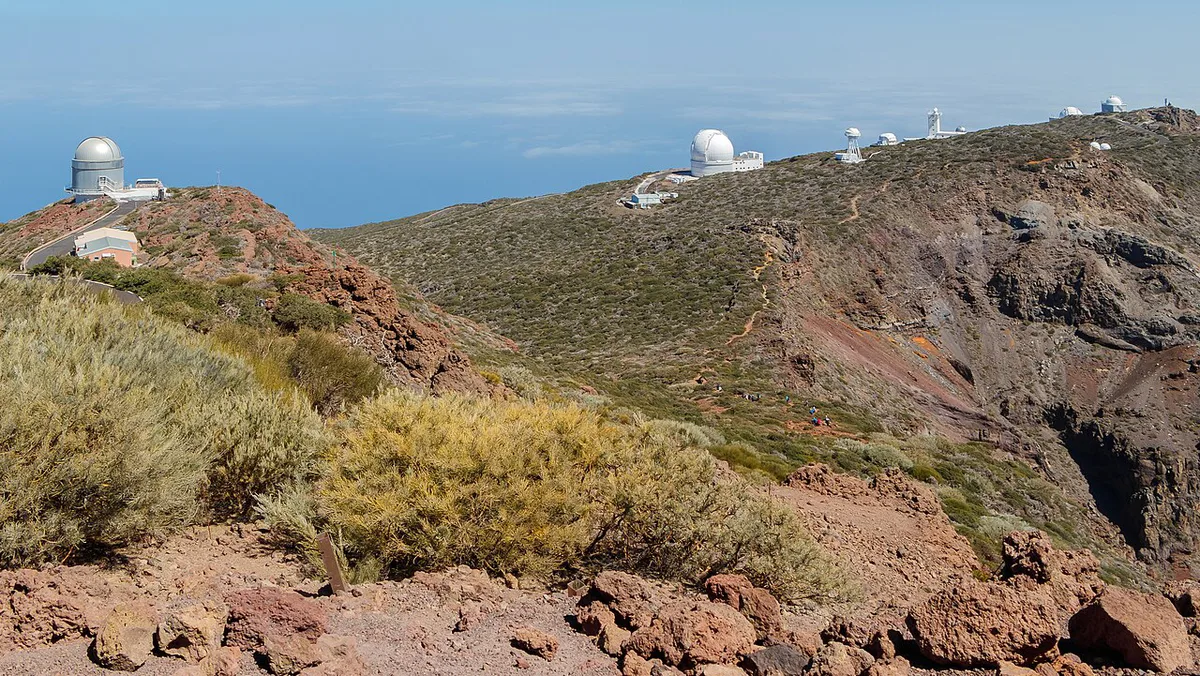
The summit is reached by a mountain road that climbs from the island's lower towns and ends at the observatory area. Most visitors drive a rental car, because public transport to the top is limited. A guided tour or stargazing excursion is the alternative if you dislike hairpin bends. Allow extra time for the climb itself, since the road is slow and winding rather than long on the map. Your drive down after dark needs the most care, so check the headlights and the fuel gauge before you start. There are no services at the top, so fill the tank in the valley. Phone signal can drop out on the upper road, so download your map first. Our La Palma safety guide covers road conditions and practical risks across the island.
- Self-drive: most flexible, but you handle the bends and the dark descent.
- Guided tour: no driving stress, and fixed timing and group size.
- Stargazing excursion: includes the night-time drive and often guidance on what you see.
Observatory Visits and Opening Rules
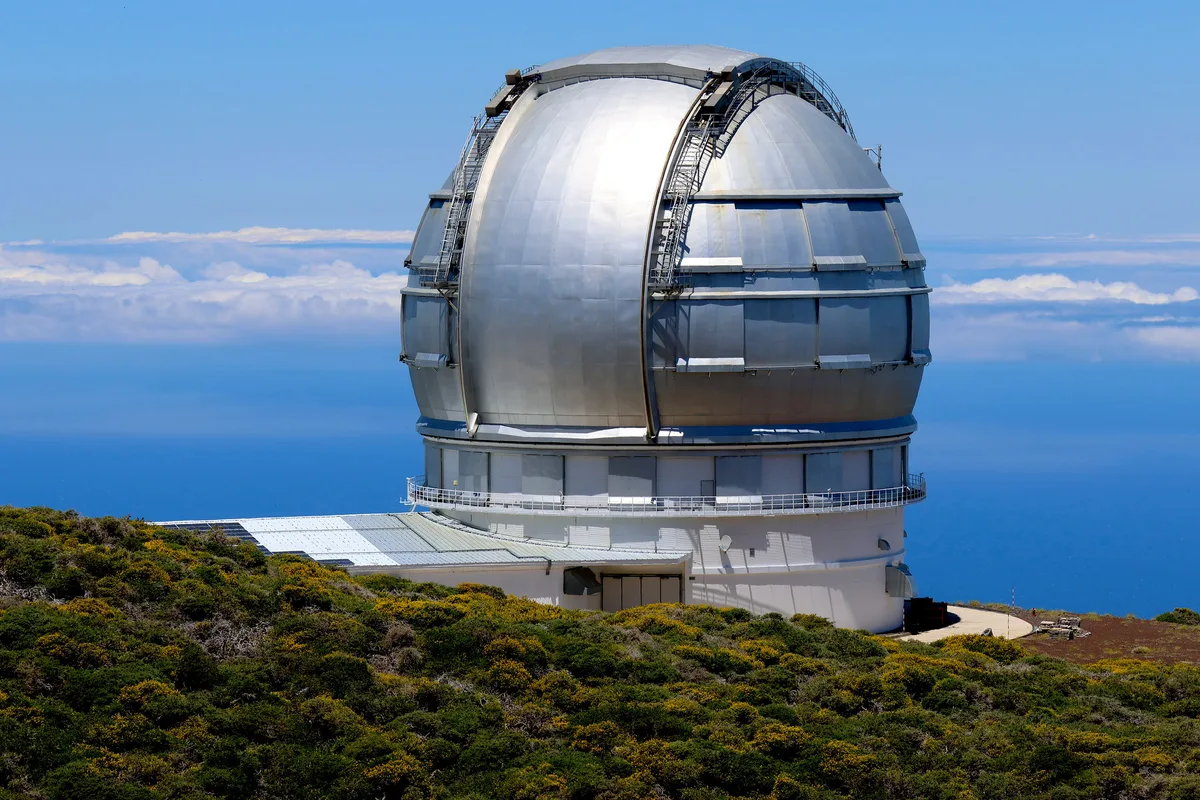
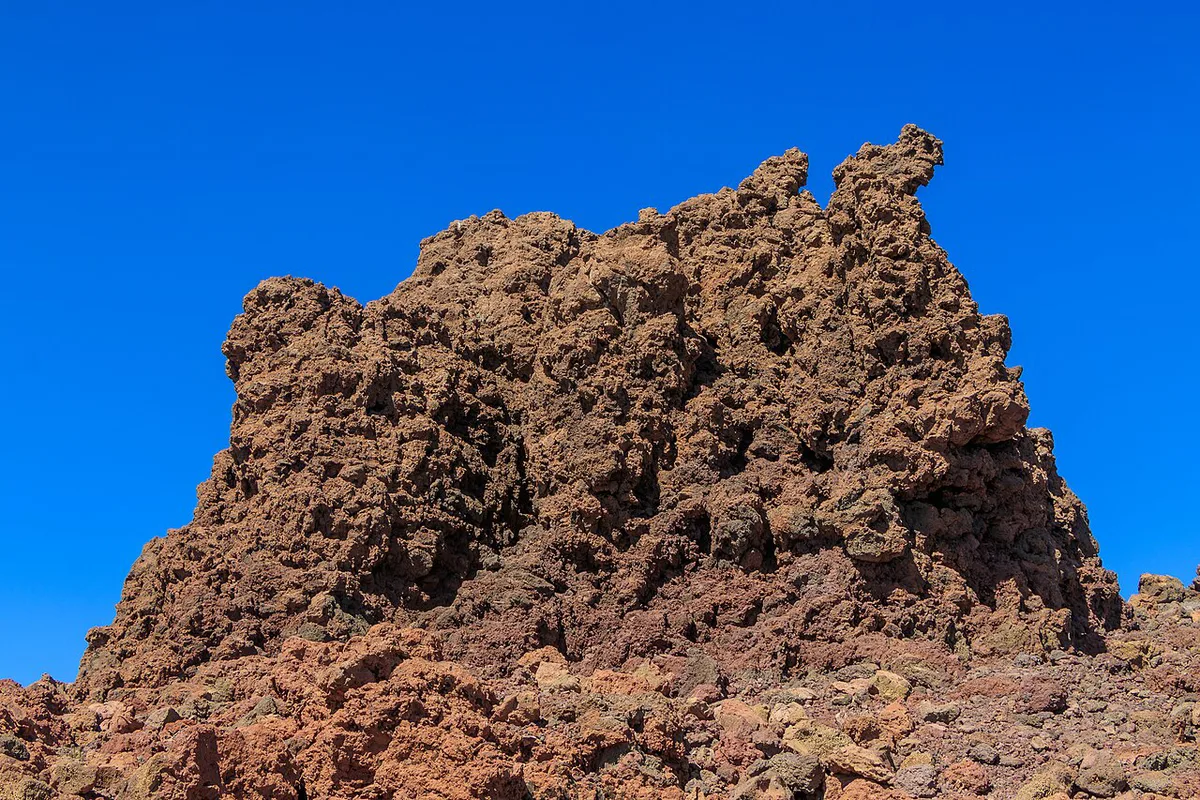
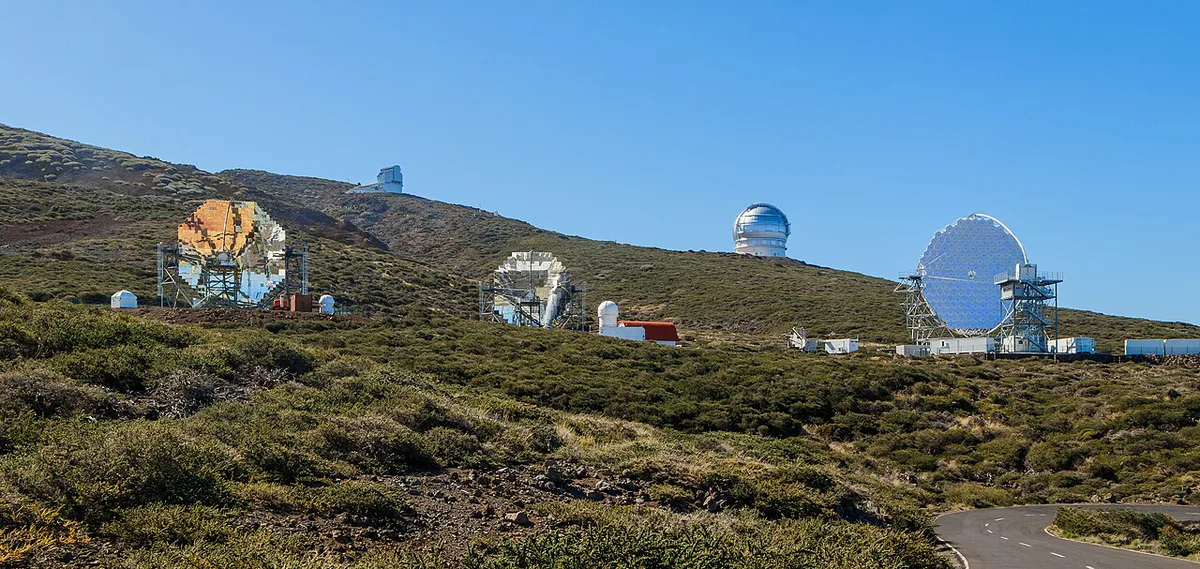
The observatory opened in 1985 and hosts telescopes operated by several countries, including the Gran Telescopio Canarias. It is a working research site rather than a planetarium, so you cannot simply walk into a dome. Public visits have historically been limited to a few guided dates, with summer sign-up in July and August and the schedule announced around May. Rules change, so read the IAC observatory page for the current booking channel, dates and any fee. Book ahead if a visit matters to you. Without a reservation, plan on viewing the domes from outside and treating the summit as a viewpoint.
A research site that opened in 1985 means dome access depends on booking, not on the drive up.
Weather, Altitude and What to Bring
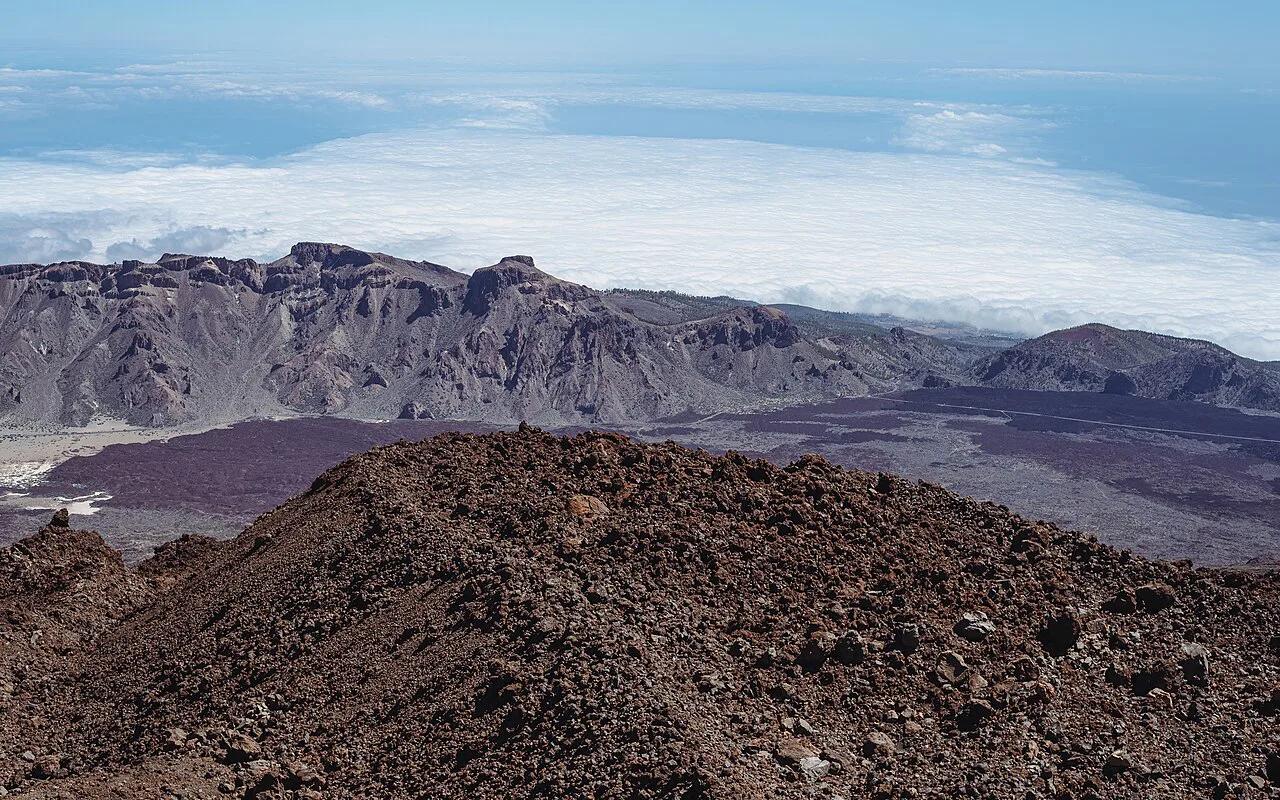
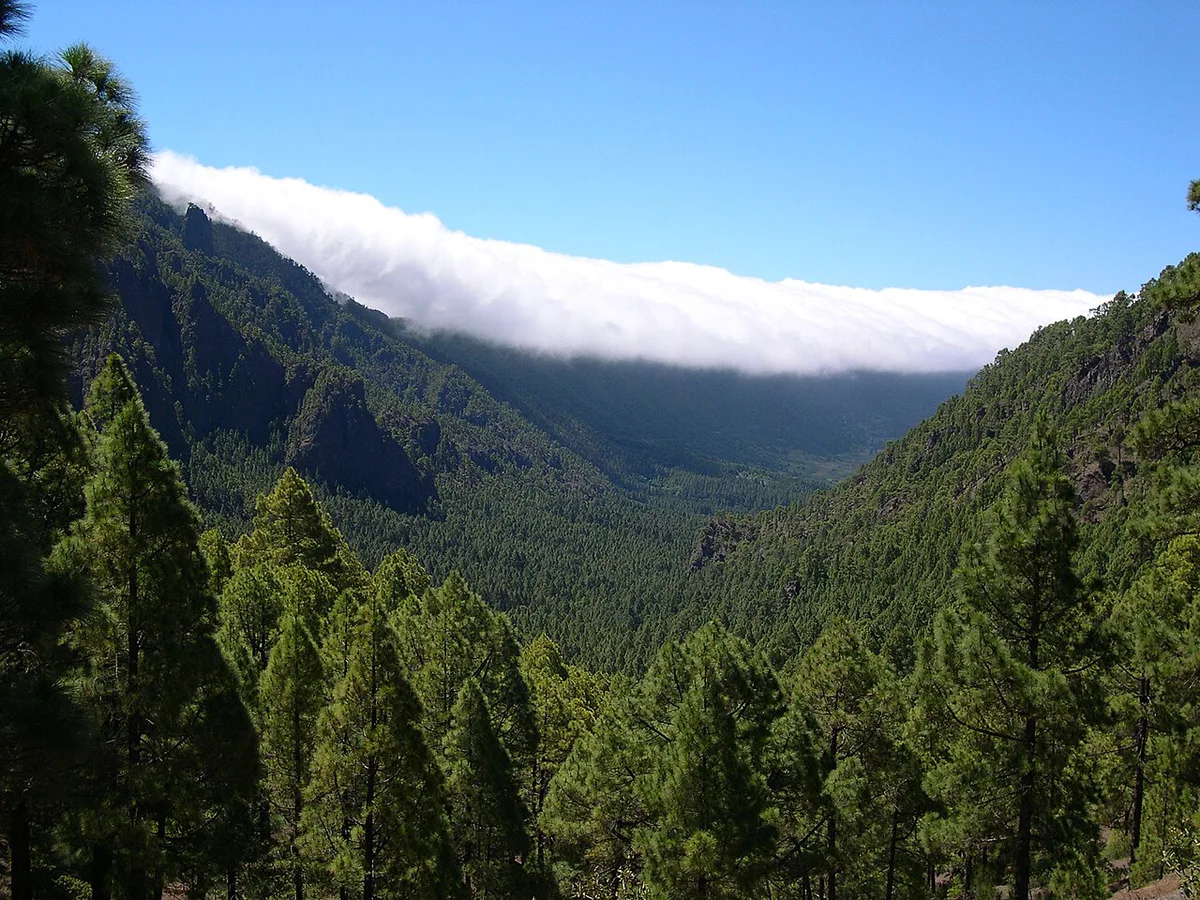
At about 2,400 m the air is colder and windier than at the coast, even on a sunny day. The ground can be icy in winter, and the road may be affected by snow or bad weather. Check the forecast for the mountain, not for your beach town. Cloud often sits below the summit, which can give a clear view above a sea of cloud. Fog or storms can also hide everything, so treat a clear forecast as the rule for committing to the drive. Bring a windproof jacket, warm layers, a hat and gloves for night visits, and sturdy shoes. Carry water and snacks, because nothing is sold at the top. Some people feel mild altitude effects, so move slowly and rest if you feel dizzy.
Start from the coast, then remember that about 2,400 m up, the summit can still be colder and windier.
Stargazing at the Summit vs. Elsewhere on La Palma
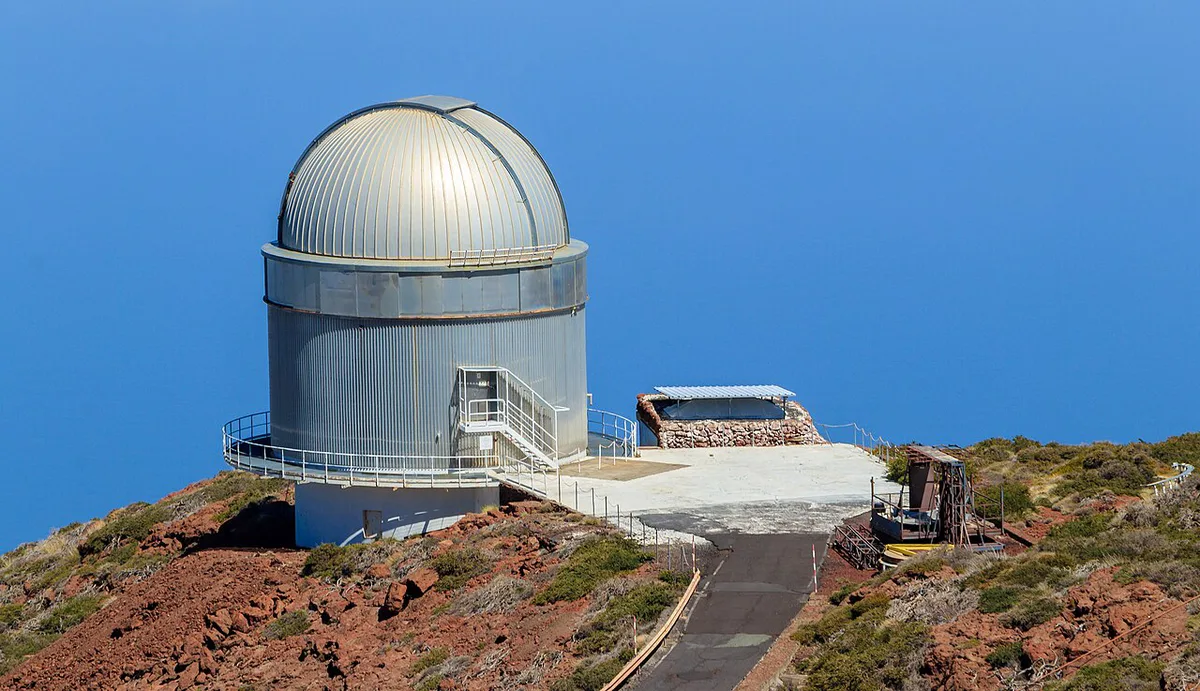
The observatory sits where it does because the sky is dark and the air is steady. That makes the summit area an outstanding place for night skies, but it is also a long, cold drive in the dark. Other viewpoints and organised excursions on the island give a similar experience with shorter drives. Read our La Palma stargazing guide to compare locations and tour styles. The official La Palma tourism site lists visitor information and the island's starlight offer. Pick the summit if you want maximum altitude and are comfortable driving back at night. Choose a guided excursion if you would rather focus on the sky than on the road.
Visit Types Compared
Pick the format that fits your confidence behind the wheel, your schedule and your tolerance for cold. Costs here are relative, so check current operator prices before booking.
| Visit type | Best for | Time needed | Access/booking | Main constraint |
|---|---|---|---|---|
| Daytime viewpoint | Caldera views, easy first visit | Half a day with the drive | Self-drive, no booking | Cloud and wind |
| Sunset | Light on the caldera rim | Late afternoon into evening | Self-drive or tour | Dark descent after sunset |
| Night stargazing | Clear skies | Evening to late night | Tour or careful self-drive | Cold, dark road |
| Guided observatory visit | Seeing a telescope | Fixed tour slot | Advance booking via the IAC | Limited dates |
| Hiking the rim | Walkers who want the caldera edge | A full day | Self-guided or guided | Fitness, weather, trail access |
Combining It With Other La Palma Stops
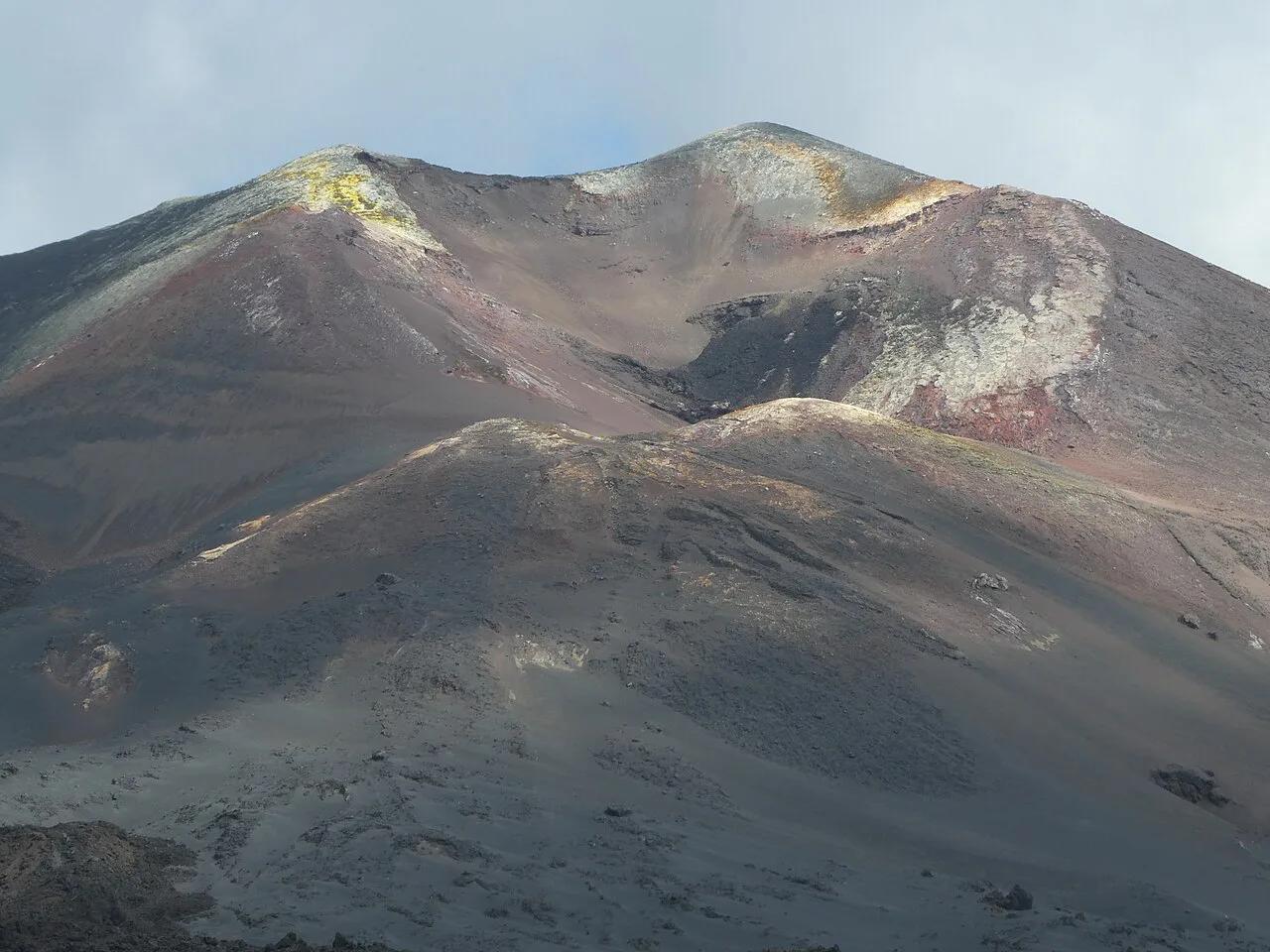
Pair the summit with the island's volcanic sights for a full day. Our Ruta de los Volcanes guide covers the walk along the Cumbre Vieja ridge in the south. The 2021 eruption created the Tajogaite volcano in the same ridge area. For hazard monitoring and current volcanic status, see INVOLCAN's monitoring updates. Treat the summit as its own day if the weather is clear, because the drives and the cold make a combined trip tiring.
Planning Mistakes to Avoid
Most problems come from underestimating the altitude and the road. These are the common ones.
- Underdressing: it is much colder and windier than on the coast.
- Driving up late with low fuel: there are no services at the top.
- Assuming the observatory takes walk-ins: tours need advance booking.
- Relying on phone signal: download maps before you go.
- Ignoring road closures or weather: check conditions on the day.
- Skipping the trip if you dislike mountain roads: book a guided option instead.
Roque de los Muchachos Is Not the Main Caldera Trailhead
Roque de los Muchachos is the high rim viewpoint, not a short walk down into the heart of Caldera de Taburiente National Park. At about 2,426 m, it is a place for summit views, observatory scenery and rim hiking. The caldera below is about 7 km across at its widest, so do not expect to explore it fully from a quick stop at the summit.
A rim walk can begin or pass near the summit area, but it needs proper time, weather awareness and suitable footwear. Treat it as a separate hiking plan rather than an add-on after sunset. Visitors hoping for a valley walk should check the relevant trail access and transport arrangements before driving uphill. This distinction matters most when cloud, wind or limited daylight make the mountain less forgiving.
Frequently Asked Questions
Which Canary island has an observatory?
La Palma has the Roque de los Muchachos Observatory, run by the Instituto de Astrofísica de Canarias. It sits at the island's highest point on the rim of the Caldera de Taburiente.
Is the volcano on La Palma still active?
The 2021 eruption formed the Tajogaite volcano, and the island's volcanic system is still monitored. Check INVOLCAN for current status. Our safety guide covers day-to-day visitor risks.