La Palma Stargazing: Best Spots, Tours & Planning Guide
Last updated November 2026: La Palma stargazing works best when you match the format to your budget, your energy and the moon. The island's sky is protected as a Starlight Reserve, and the Roque de los Muchachos area is the best-known high-altitude base. You can join a guided night or go self-guided, and this guide helps you choose.
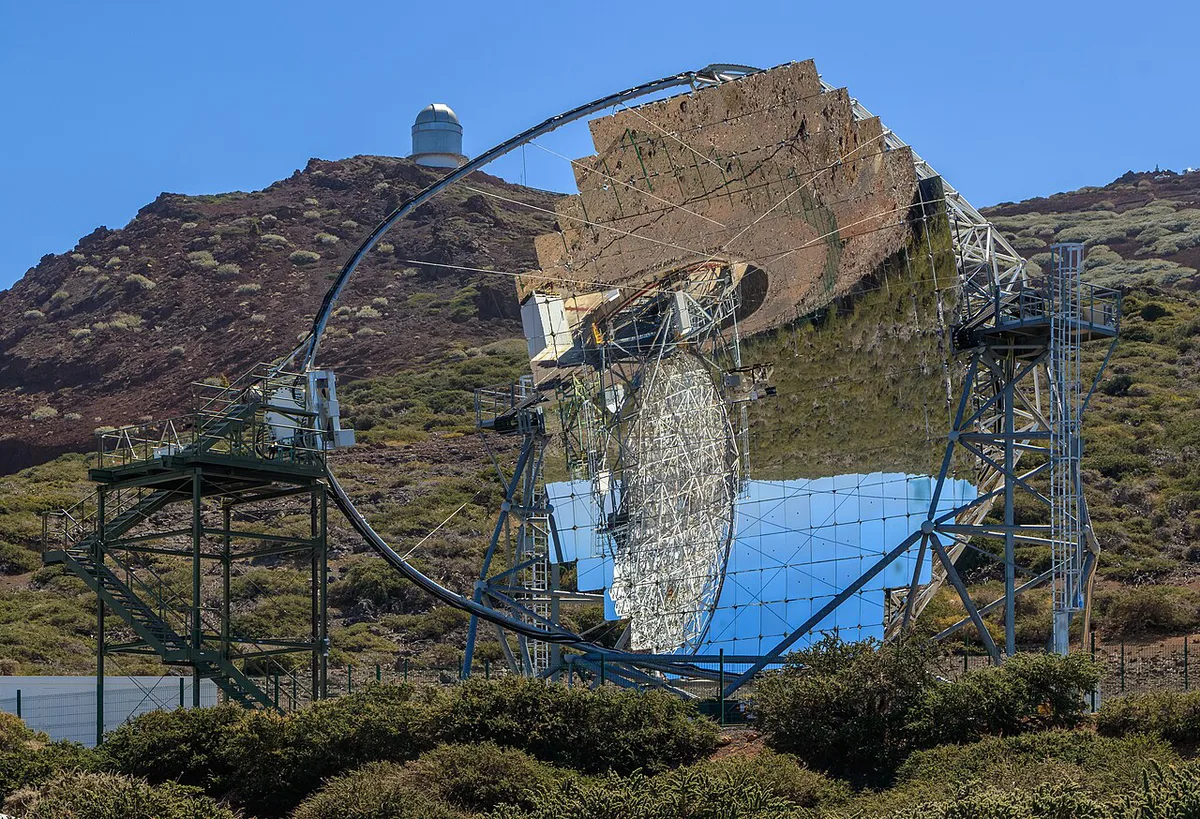
Featured image: H. Zell, CC BY-SA 3.0, via Wikimedia Commons.
Why La Palma's sky is exceptional for stargazing
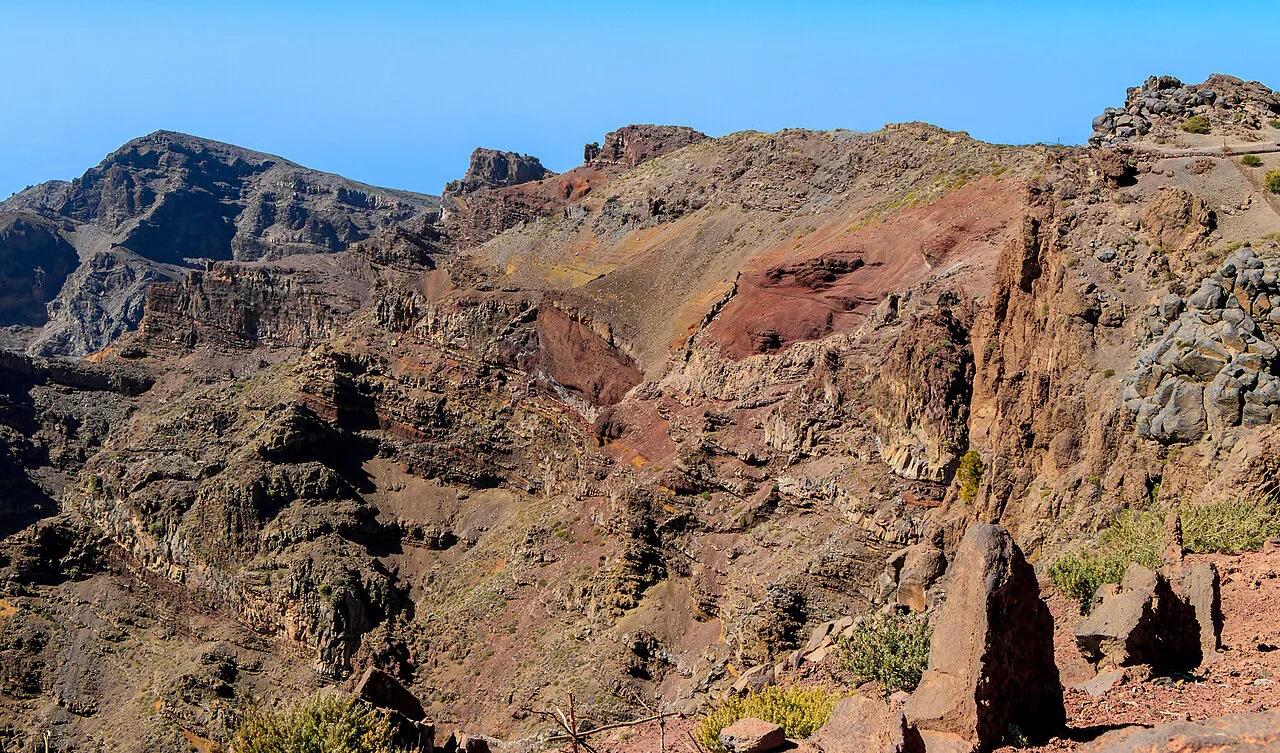
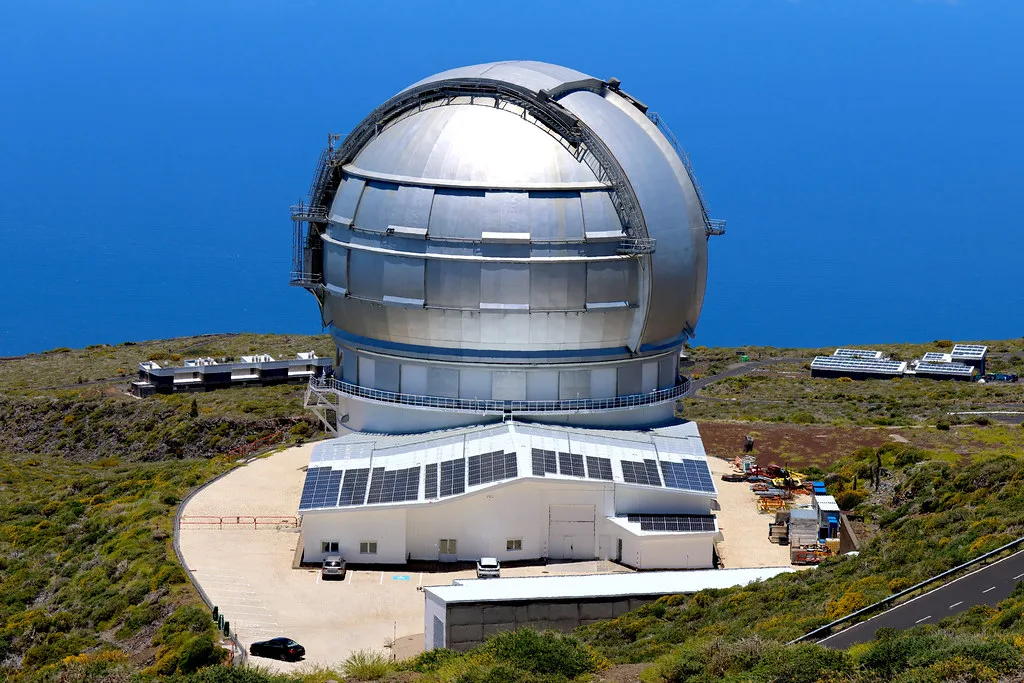
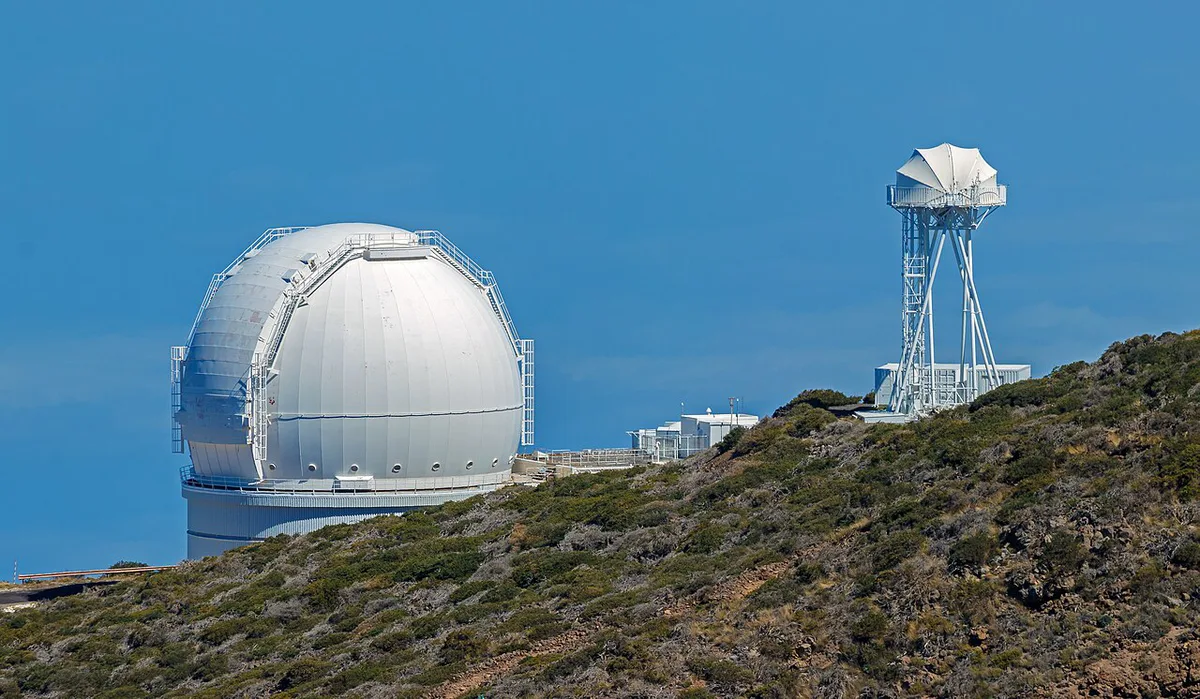
La Palma holds Starlight Reserve and Starlight Destination recognition, and local rules limit artificial light across the island. Research at Roque de los Muchachos Observatory has run since 1988, led by the Instituto de Astrofísica de Canarias. Telescopes there sit above the cloud layer on the island's highest peak. That height is why the summit area is the benchmark for a high-altitude night. For astrotourism listings, the official island tourism site is the place to start. Volcanic terrain adds drama to the horizon, and the island's volcanic story explains how that landscape formed.
Guided vs self-guided: which should you choose?
Guided nights supply an astronomer, telescopes and often transport. Self-guided nights cost only fuel and warm clothing, but they demand more planning. Budget options run from free self-guided, through mid-range guided tours, to premium photography workshops. Ask any operator about its weather-cancellation policy before you pay.
| Factor | Guided night | Self-guided |
|---|---|---|
| Cost | Paid; check current rates with the operator | Free apart from fuel and food |
| Equipment | Telescopes and expert commentary usually supplied | Bring binoculars, a red torch and a star app |
| Transport | Often included or arranged | Rental car or taxi; you drive in the dark |
| Group size | Set by the operator | Just your party |
| Flexibility | Fixed schedule and site | Choose your own site and time |
| Weather cancellation | Policy varies by operator | You decide on the night |
| Skip it if | You want total solitude or a long photo session | You dislike night driving on mountain roads |
Best places to watch the stars
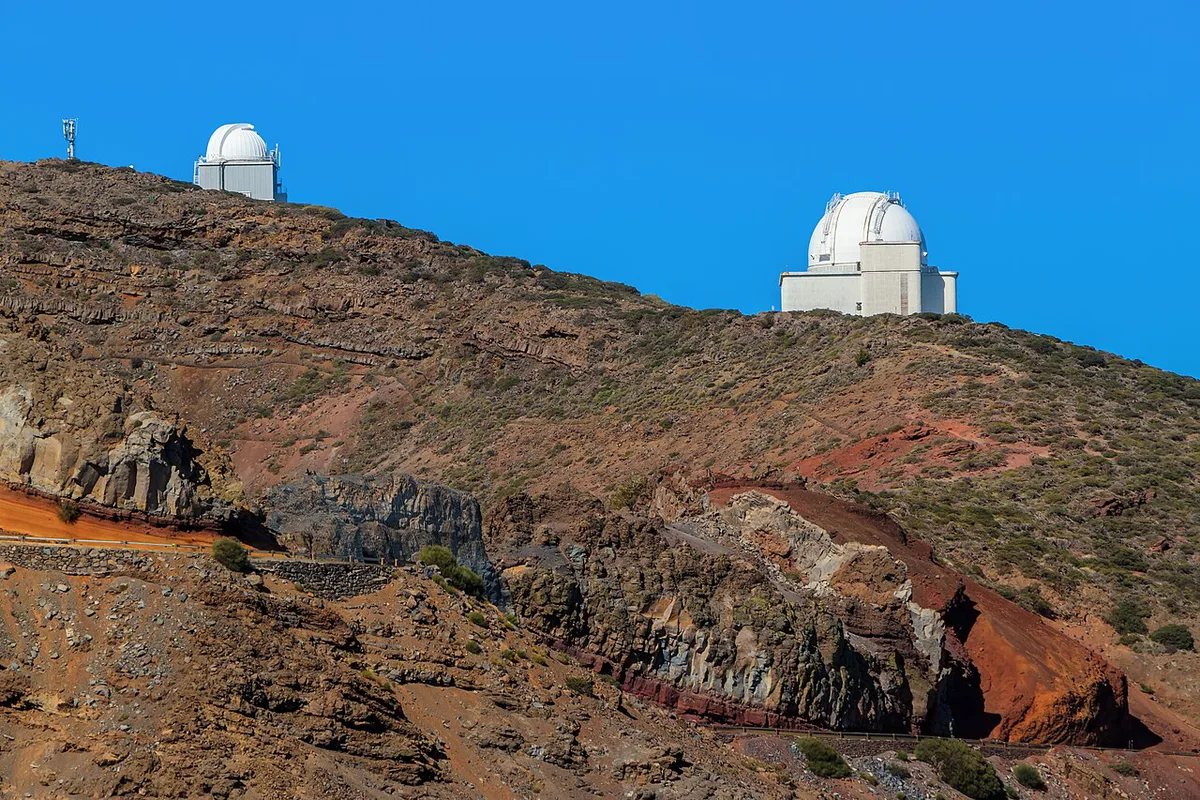
Roque de los Muchachos is the island's highest point and hosts the observatories. Access is by mountain road, so allow driving time and expect cold. Lower options include rural lodging away from town lights. Check each viewpoint's access on the official tourism site before you drive.
- Roque de los Muchachos area: the highest vantage point, best for deep, dark skies, with the coldest air and the longest drive.
- Mountain pull-offs on the road up: handy for a first look, but stop only where it is safe and well clear of traffic.
- Rural accommodation away from town lights: easy for families, since you can walk back to bed in minutes.
- Operator-chosen sites on guided nights: the guide picks the spot based on wind and cloud, so you skip the guesswork.
When to go: seasons, moon phase and weather
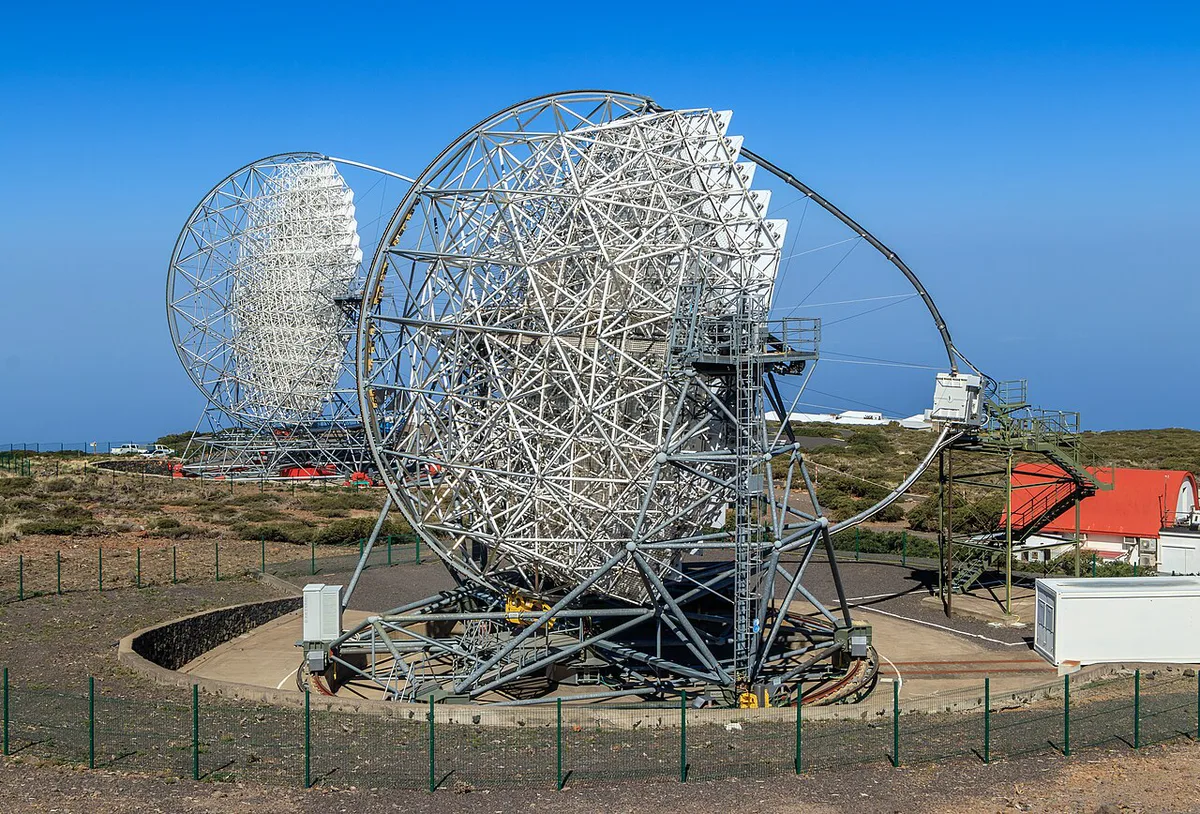
New-moon windows give the darkest skies, and a full moon washes out the Milky Way. Look up a current moon calendar and the forecast before choosing your night. Clouds often pool below the summit area, so a cloudy coast does not always mean a cloudy summit. Still, fog and wind can close in fast. Milky Way core season falls in summer, when Sagittarius sits low in the south. Meteor showers add reasons to go, but dates change every year, so use a live calendar.
What you can see by season
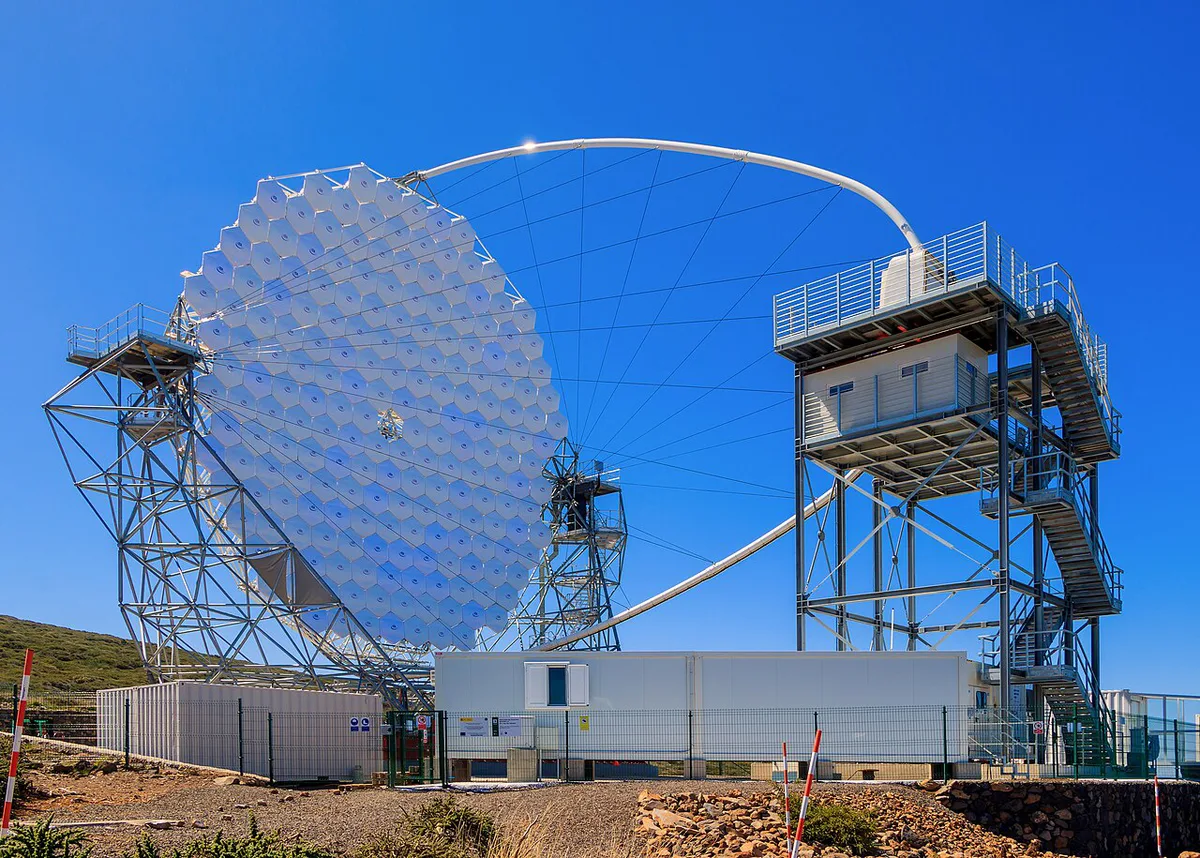
These highlights suit La Palma's northern-hemisphere latitude. Bright planets and meteor showers vary by year, so a sky calendar helps more than a fixed list.
| Season | What to look for |
|---|---|
| Winter | Orion, with the bright star Betelgeuse |
| Spring | Leo, easy to spot by its lion shape |
| Summer | Scorpius, Sagittarius and the Milky Way core |
| Autumn | Andromeda and Pegasus, plus the autumn Milky Way band |
Practical logistics: driving, clothing, safety and gear
Mountain roads to the summit area twist through fog and can ice over in cold weather. Drive up before dark, and plan your descent for when you are alert. Temperatures at altitude fall well below coastal readings, so pack layers, a hat and gloves. A red-light torch protects night vision, while white light ruins it for everyone nearby. Fill the tank and buy food before climbing. Phone signal drops on parts of the route, so download offline maps first. Rental cars give you freedom, whereas an organized transfer removes the night drive. For wider context, read general safety guidance for the island.
Combine stargazing with a volcano day

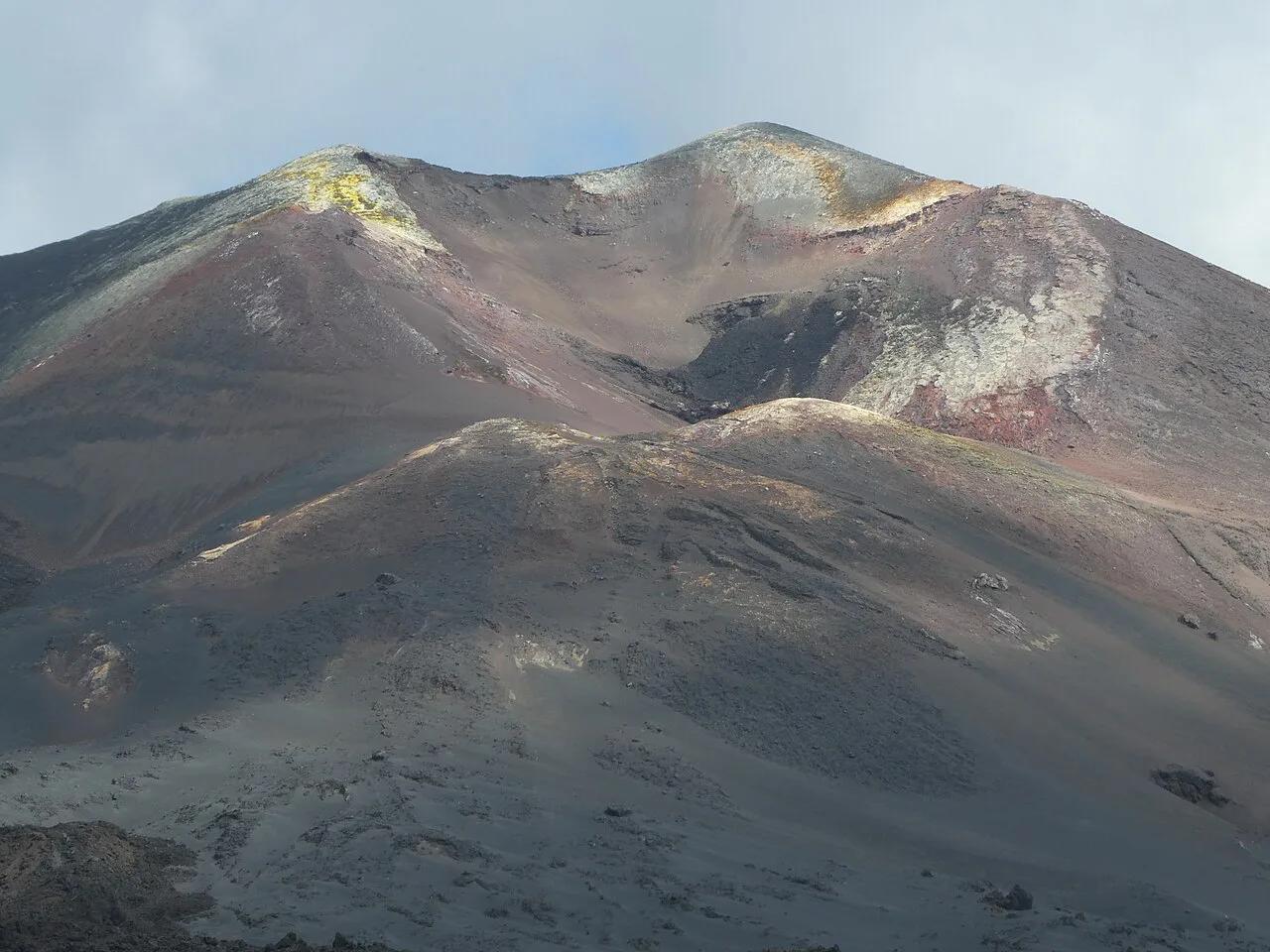
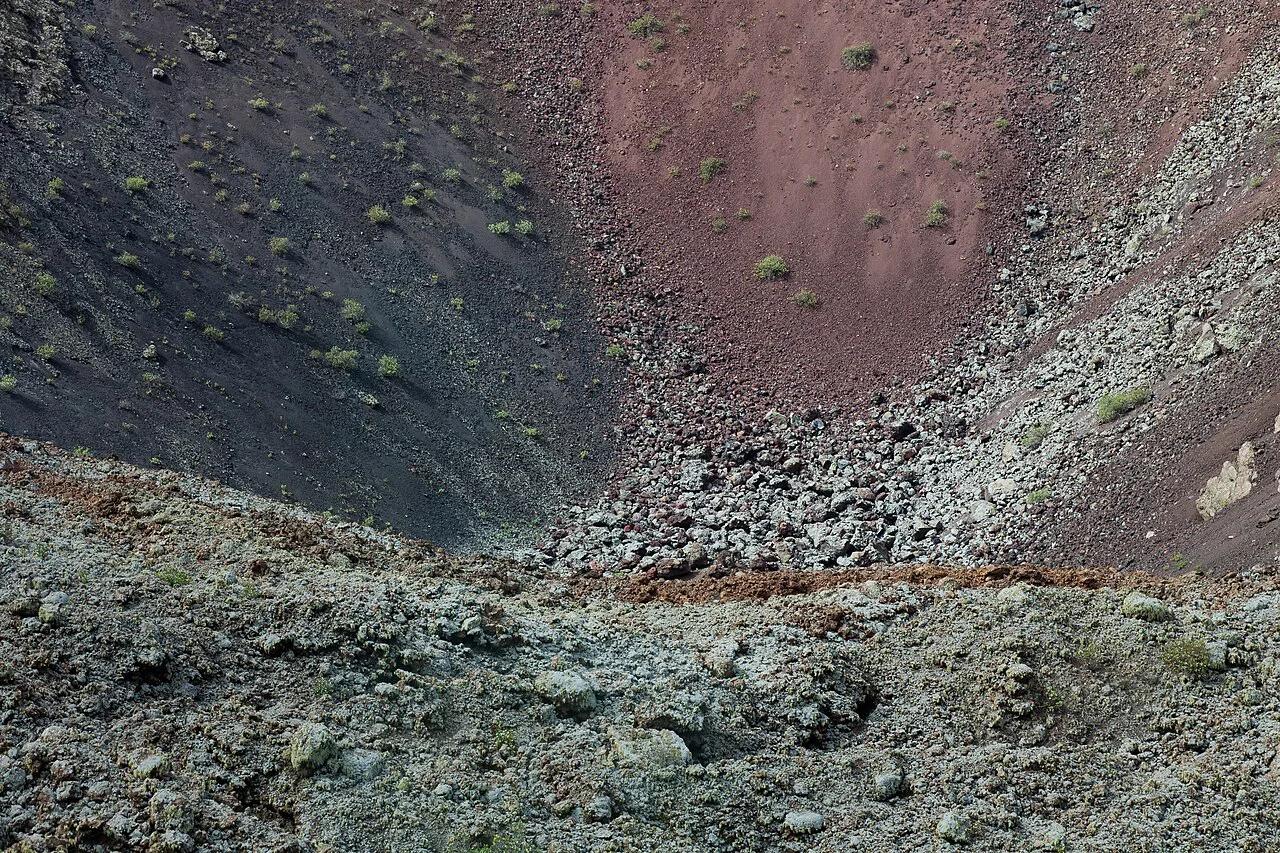
Pair a morning crater walk with a night drive, but treat it as one long day. Walk part of the Ruta de los Volcanes trail in daylight. Alternatively, add a visit to the Tajogaite eruption zone. Ridge views along the Cumbre Vieja ridge fit the same day. A shorter option is the San Antonio crater. Rest and eat between the hike and the drive up. Fatigue and the long drive back are the cost of doing both. If you are tired, split them across two days.
Common mistakes to avoid
Most disappointing nights trace back to a handful of avoidable errors.
- Going on a full-moon night, when bright moonlight hides faint stars.
- Arriving at dusk without checking the forecast.
- Underdressing for altitude, where it is much colder than on the coast.
- Driving down in fog instead of waiting for it to lift.
- Relying on phone maps where there is no signal.
- Using white light, which ruins night vision for you and others.
Frequently Asked Questions
Which Canary Island has an observatory?
La Palma does. Roque de los Muchachos hosts the Instituto de Astrofísica de Canarias observatory, high above the cloud layer.
Where is the best place to see lots of stars at night?
Pick a high, dark site far from town lights, with a clear forecast and a new moon. On La Palma, that means the Roque de los Muchachos area or a rural spot away from the coast.