Volcanoes in France: Where to See Them & Plan a Visit
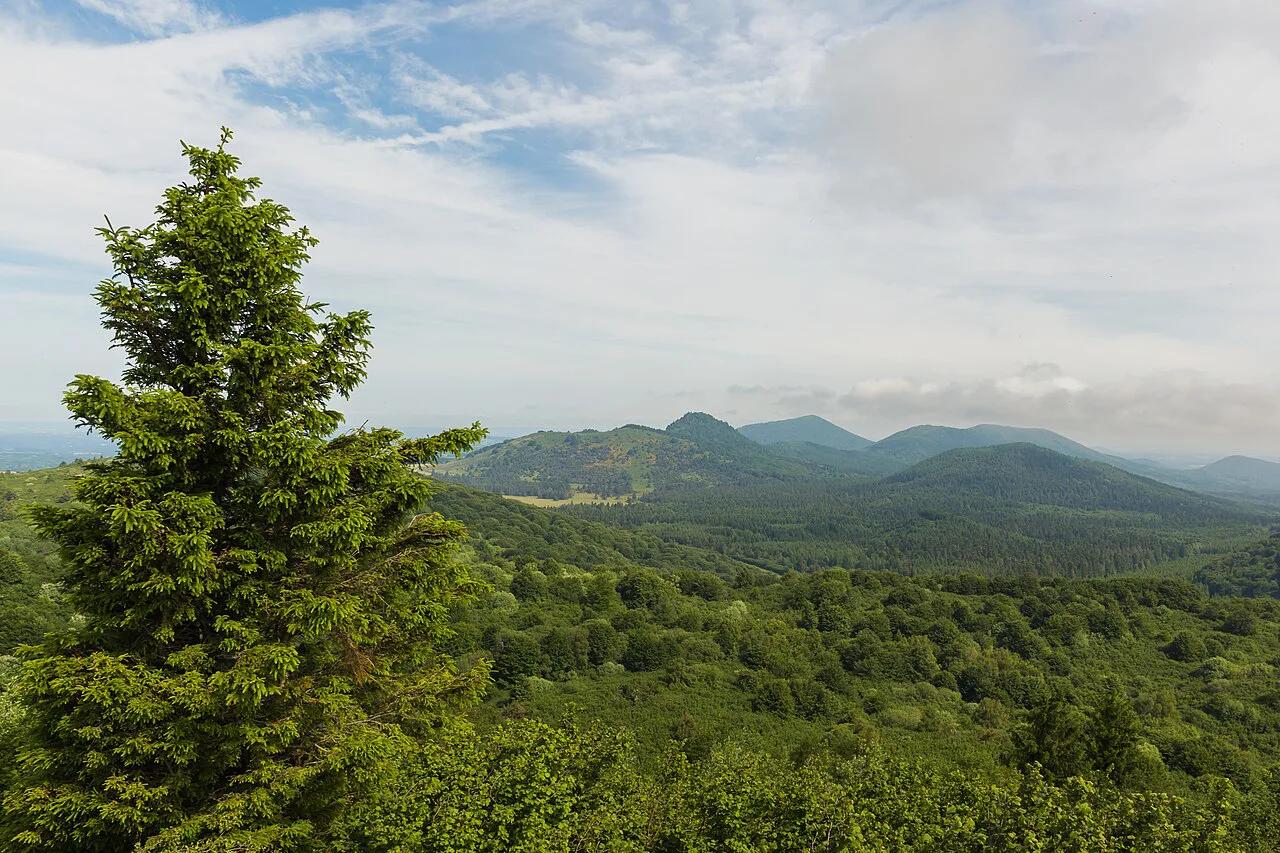
Last updated November 2026. Volcanoes in France cluster in the Massif Central, and the best-known visitable group is the Chaîne des Puys in the Auvergne. Mainland France has no erupting volcano today, so you hike dormant cones, crater rims and a crater lake instead of watching lava. Sancy, Cantal and the Clermont-Ferrand area round out the options, and this guide helps you pick one.
Featured image: mikelo, CC BY-SA 2.0, via Flickr.
Are there active volcanoes in France?
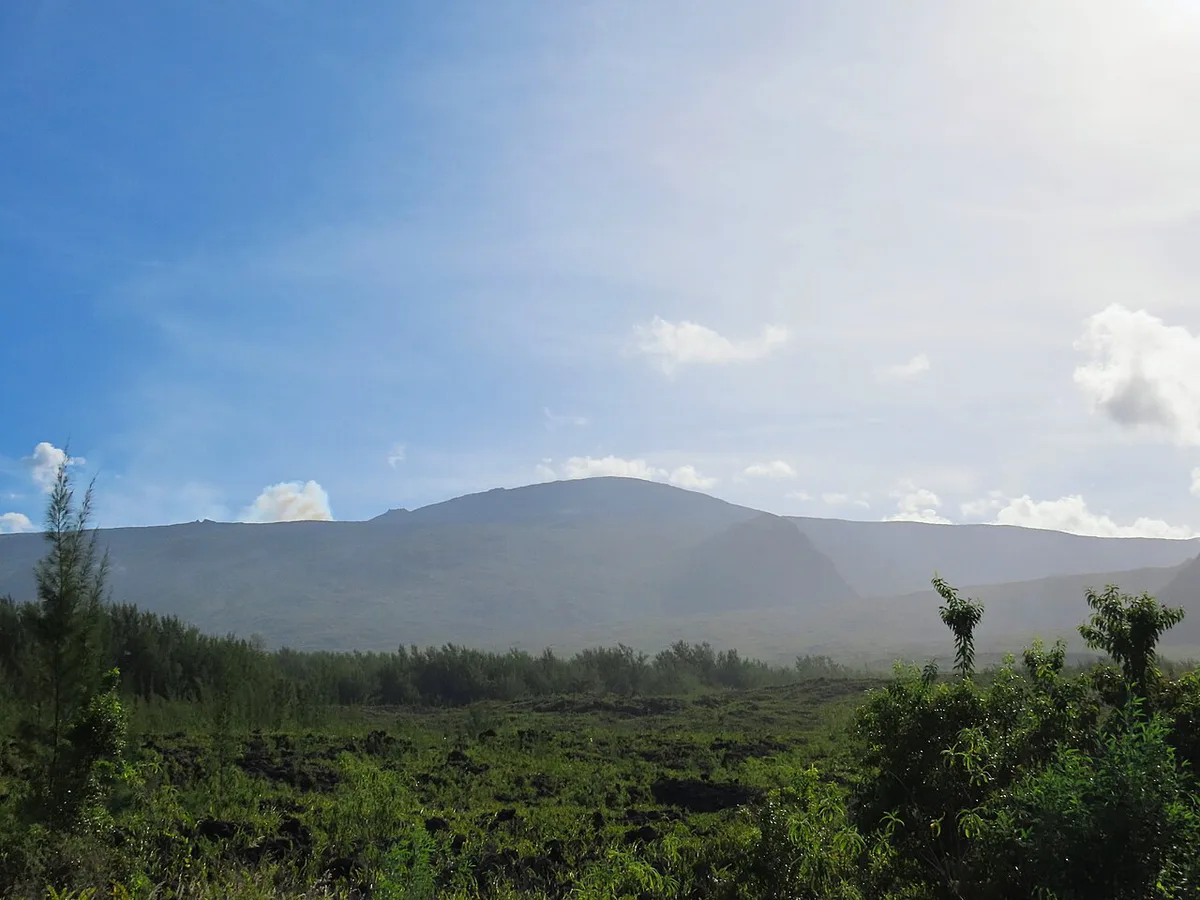
No volcano on mainland France is erupting now. Auvergne's cones are geologically young but quiet, so a visit means walking old craters rather than watching smoke. The Clermont-Ferrand observatory, the Observatoire de Physique du Globe, is the local scientific authority. Check its pages for the exact wording on activity and monitoring. Piton de la Fournaise sits on Réunion, an island in the Indian Ocean, so it is a separate trip from any mainland itinerary. For its current status, see the IPGP volcano observatories. Expect ordinary hiking risks in the Auvergne, such as weather, steep slopes and slippery rock. Eruptions are not part of the planning.
Main volcanic regions: volcanoes in France at a glance
Four areas cover most visits. The table compares them, and the short notes below add the details that matter for planning. Landform labels are general descriptions, so check each site's official page for trail rules and current access.
| Area | Landform | Best for | Access | Effort | Season note | Non-hikers |
|---|---|---|---|---|---|---|
| Chaîne des Puys | Chain of cones and craters | First visit, summit views | Car is easiest | Easy to moderate | Best in clear weather | Yes, at some sites |
| Monts Dore / Sancy | Large volcanic massif | Higher-altitude hiking | Car or local transport | Moderate to hard | Snow possible on high ground | Limited |
| Cantal | Eroded volcanic landscape | Scenery, long walks | Car is practical | Moderate | Weather changes fast | Some viewpoints |
| Near Clermont-Ferrand | Quarry and spring areas | Short, easy visits | City base | Easy | Flexible | Yes |
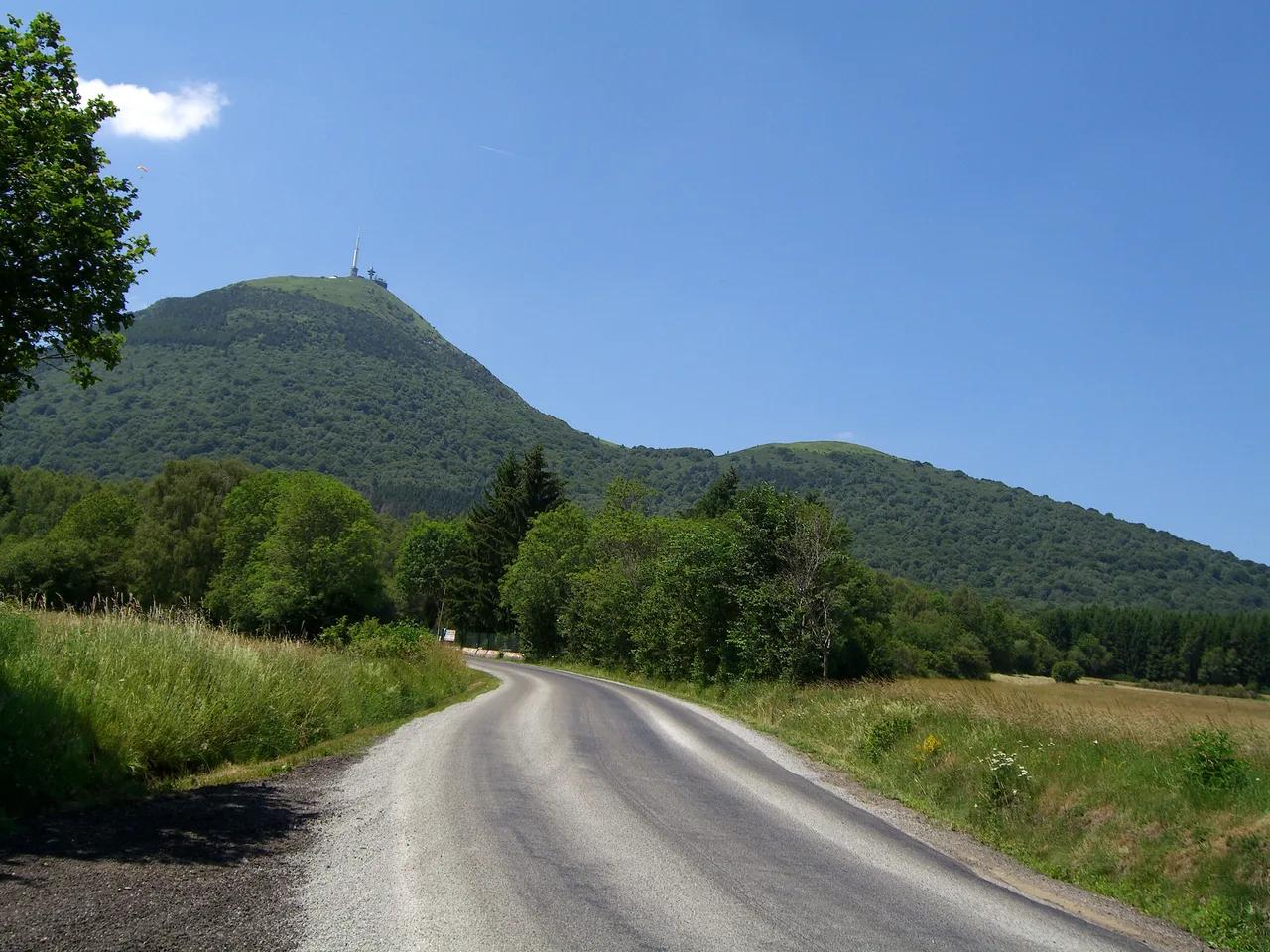
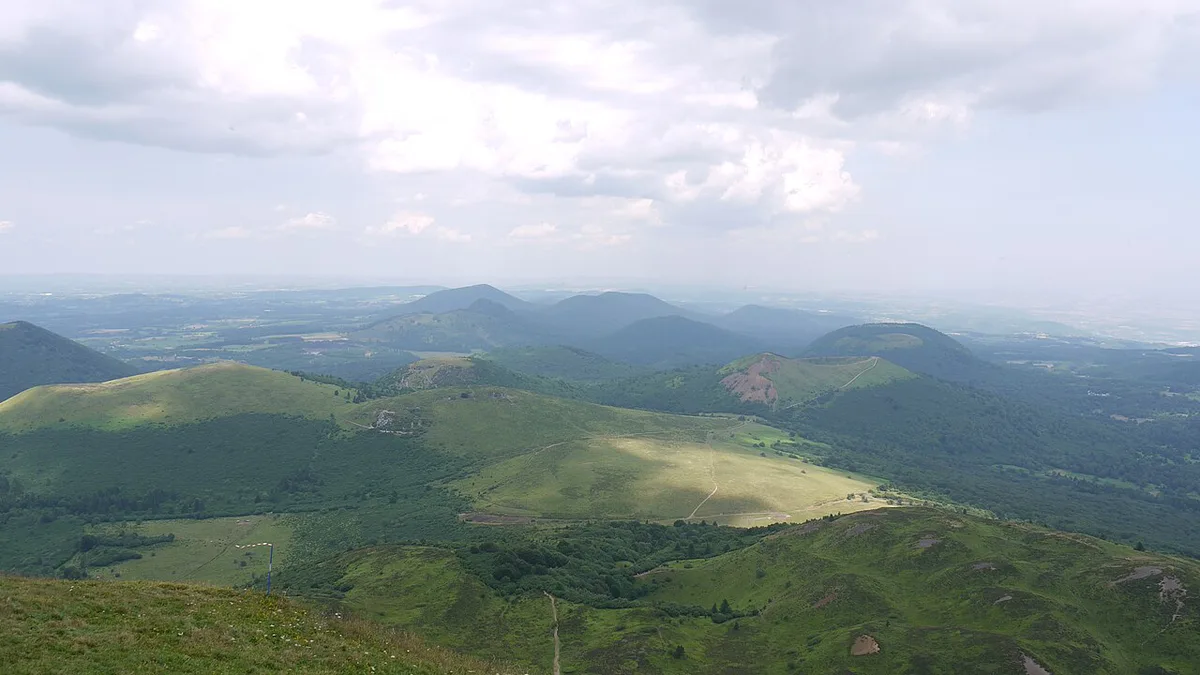
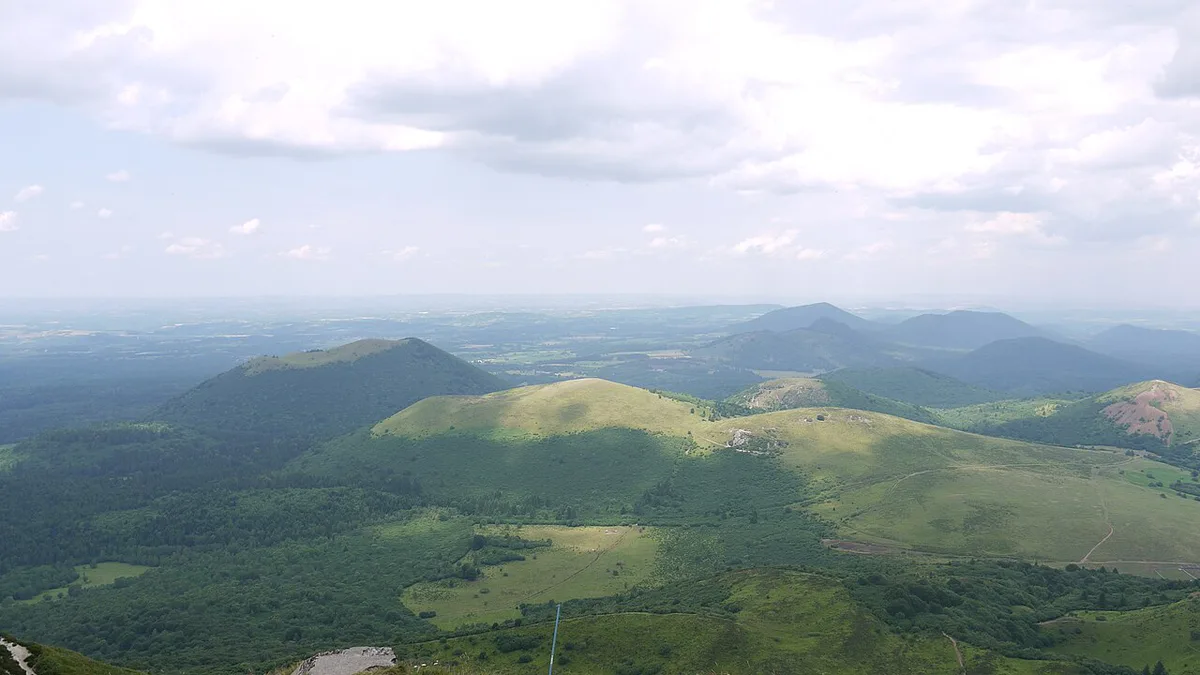
- Chaîne des Puys: the Puy de Dôme is the headline summit. Crater-rim walks include Puy de Pariou: Crater Walk, Access and Visit Tips and Puy de la Vache and Lassolas: Hike and Access Update.
- Sancy: Puy de Sancy Guide: Routes, Season & Cable Car is the high point of the Monts Dore. Lac Pavin Guide: Volcanic Lake Hike, Access & Tips is a crater lake, so check which massif it belongs to before you plan your route.
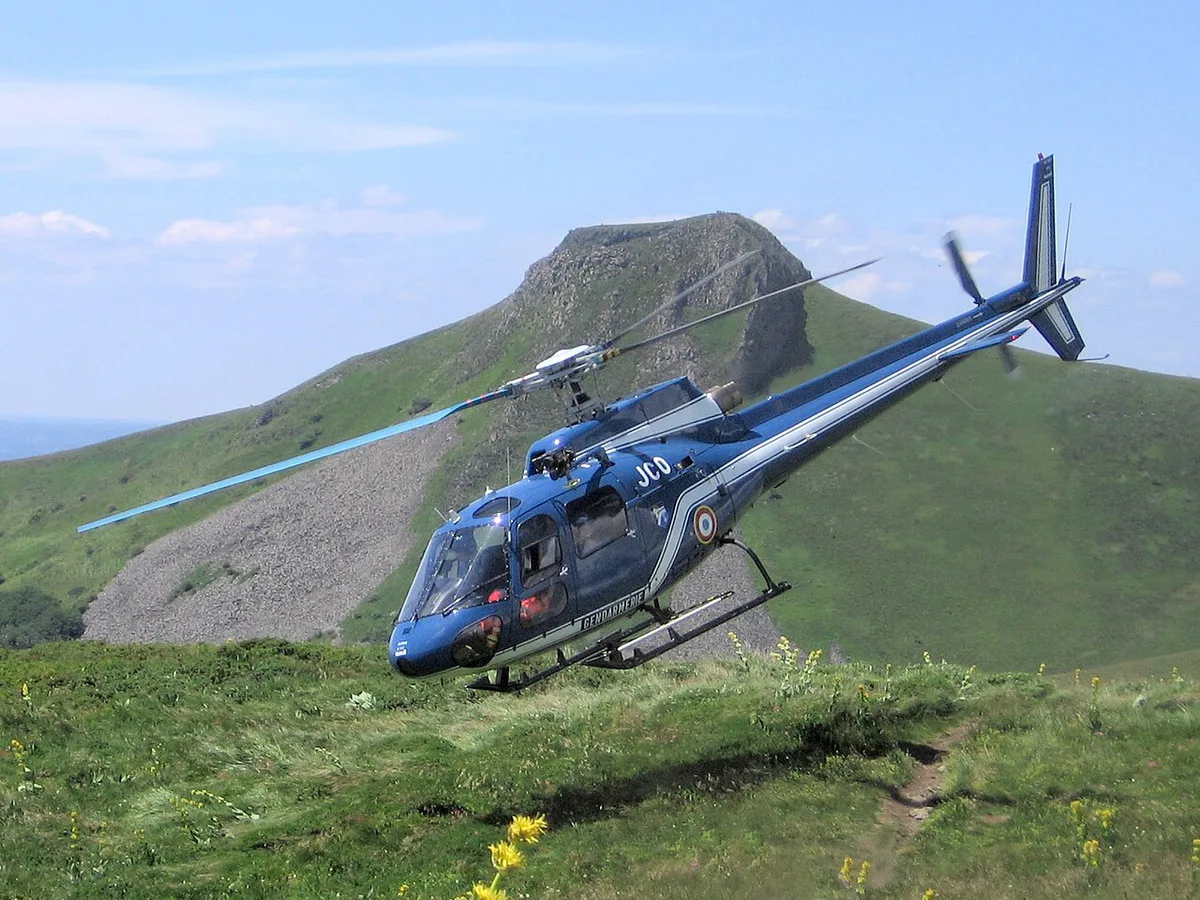
- Cantal: Puy Mary Guide: Summit Hike, Routes & Planning and the Plomb du Cantal: Hiking Routes, Difficulty & Access are the main stops. The Grand Site du Puy Mary is the managing site for visitor information.
- Near the city: volcanoes around Clermont-Ferrand work for short trips. A stop at Volvic fits the same day.
Which volcano should you visit?
Pick by time and mobility, not by fame. Short on time and travelling by car, start with the Puy de Dôme. Hikers who like a crater rim should choose Puy de Pariou first. Families and low-mobility visitors suit Volcan de Lemptégy, a quarry-visit site that avoids a summit climb. Geology enthusiasts get the most from the Chaîne des Puys as a whole, since its cones show different stages of erosion. Photographers should aim for Sancy or Puy Mary on clear mornings. Allow a half day for one easy site, a full day for two or three sites in one area, and two to three days to combine Chaîne des Puys with Sancy or Cantal. Treat these as approximate blocks.
Getting around and where to base yourself
A car is the most practical way to link separate volcanic areas. Public transport and organised access vary by site, so confirm timetables on each operator's page. Clermont-Ferrand is the natural city base, with the most services and quick access to the Chaîne des Puys. Smaller villages put you closer to trailheads but offer fewer evening options. The Parc des Volcans d'Auvergne sets rules for hiking and conservation. Some summit areas restrict access to protect the terrain, so follow posted signs. For Puy de Dôme specifically, use the official Puy de Dôme site to check how to reach the summit, whether a fee or booking applies, and current hours. Popular summits fill up on clear summer days, so go early.

Best season, costs and booking
Summer gives the easiest hiking, but popular summits are busiest then. Snow can affect higher peaks such as Sancy and Cantal outside summer. Mountain weather rarely matches Clermont-Ferrand, so check a mountain forecast on the day. The Sancy tourism office and Le Lioran publish local conditions for their areas. Walking the cones and craters is generally free, while quarry visits and other managed attractions charge admission. Fees and hours change, so prices and hours should be checked on each official page before you go. The Chaîne des Puys and the Limagne fault hold UNESCO World Heritage status, which is why conservation rules matter on the trails.

Mistakes to avoid
Most problems come from mismatched expectations.
- Underestimating the hike: Sancy and Cantal routes are harder than a stroll around a crater rim.
- Assuming city weather applies: check conditions at the summit, not in Clermont-Ferrand.
- Expecting lava and smoke: these are extinct or dormant cones, so the draw is landscape and geology.
- Skipping booking checks: confirm whether timed tickets or reservations apply at paid sites.
- Cramming too much in: keep each day to one area, because drives between massifs add up.