Stromboli Eruption: What's Normal, What's Dangerous, and Visiting Safely
Last updated November 2026: a Stromboli eruption usually means small explosions every few minutes, not a disaster. Rarer paroxysms, lava overflows and pyroclastic flows are what make the news and can close the summit. Current status and access rules decide what you can do, so look at those first, then use our Stromboli volcano guide to plan the rest of the trip.
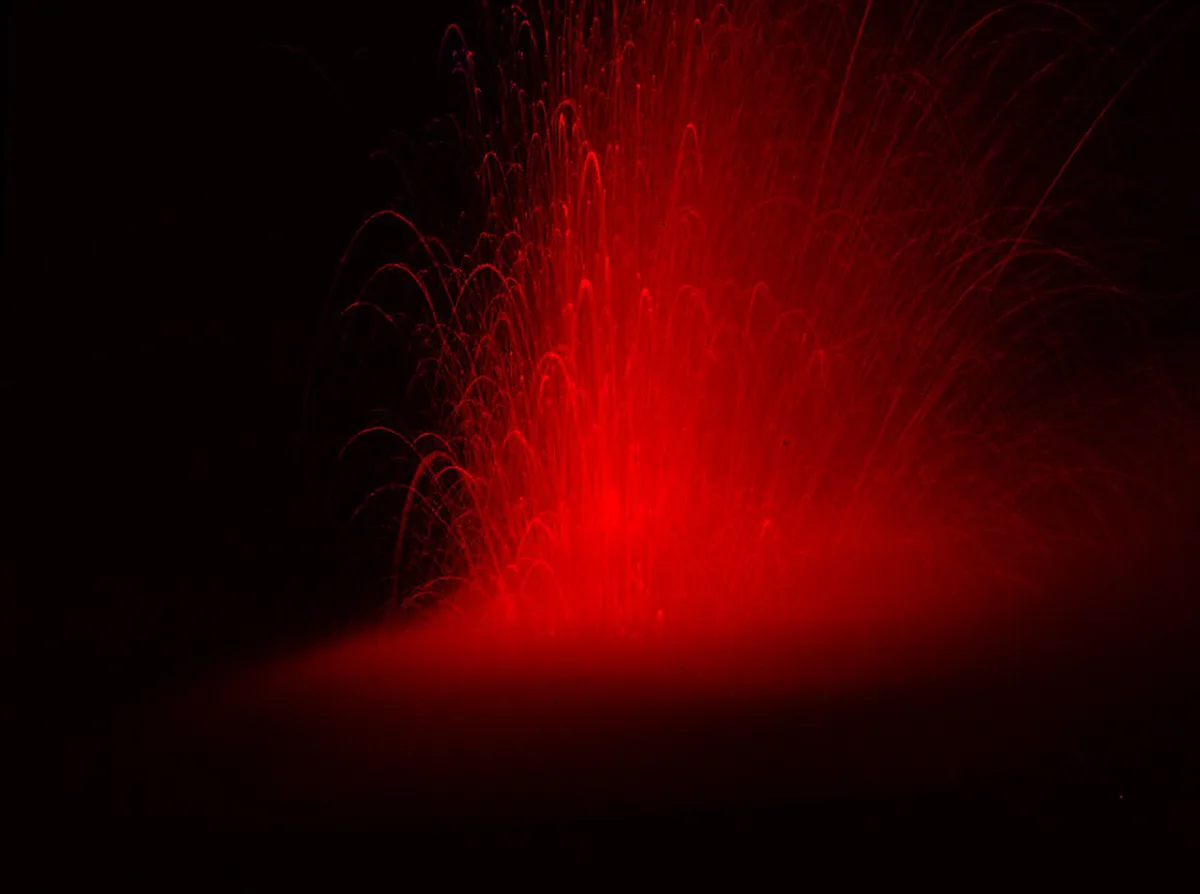
Featured image: Mark Ireland (https://www.flickr.com/people/mark_i_geo/), CC BY 2.0, via Wikimedia Commons.
Is Stromboli erupting right now?
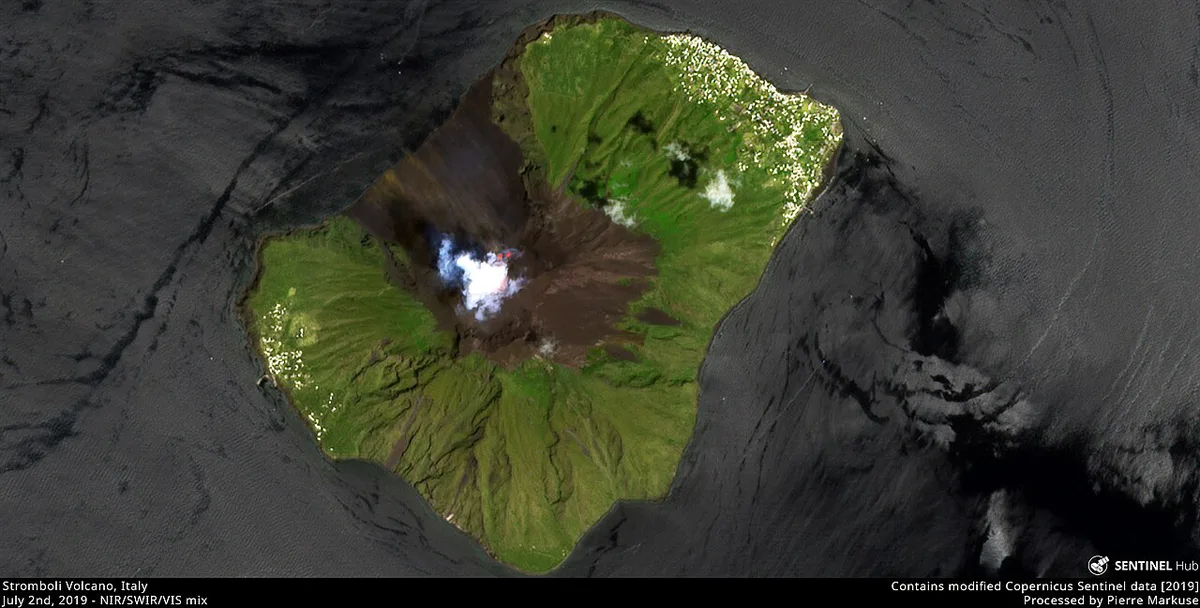
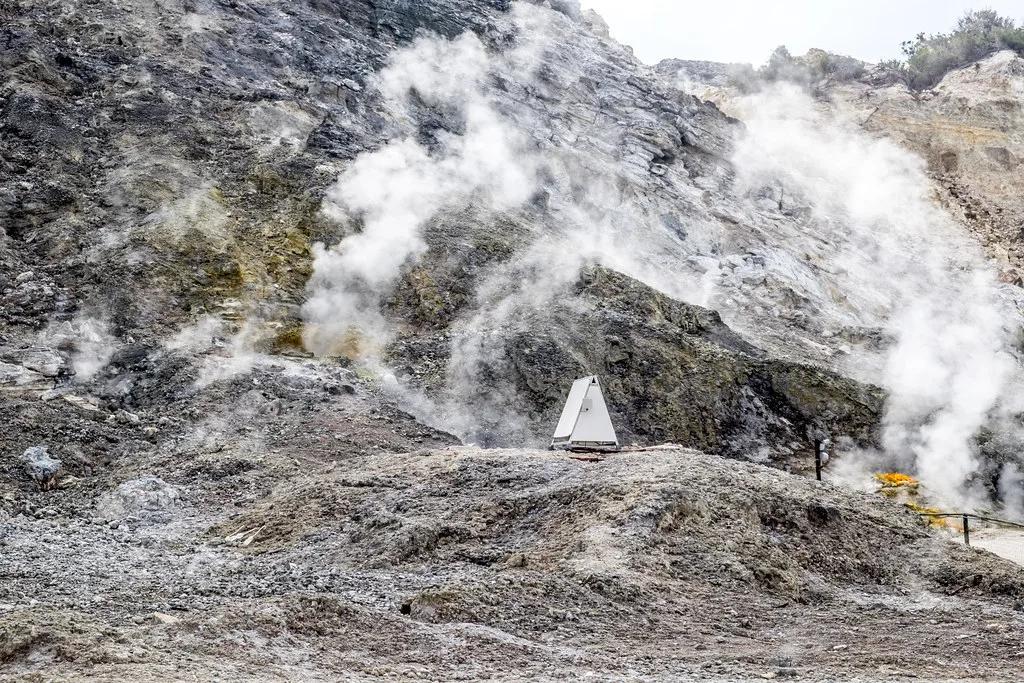
This page is not a live bulletin. Stromboli almost always shows some activity, so the word "erupting" on its own is not an alarm. INGV publishes monitoring updates on its Stromboli volcano page. Italian Civil Protection publishes the alert level and regional notices. For a live look at the craters, open the Stromboli Volcano Webcam: Live Cameras and What They Show. Reports describe near-continuous activity since 1932, with explosions every few minutes.
Stromboli eruption types: normal activity vs a major event
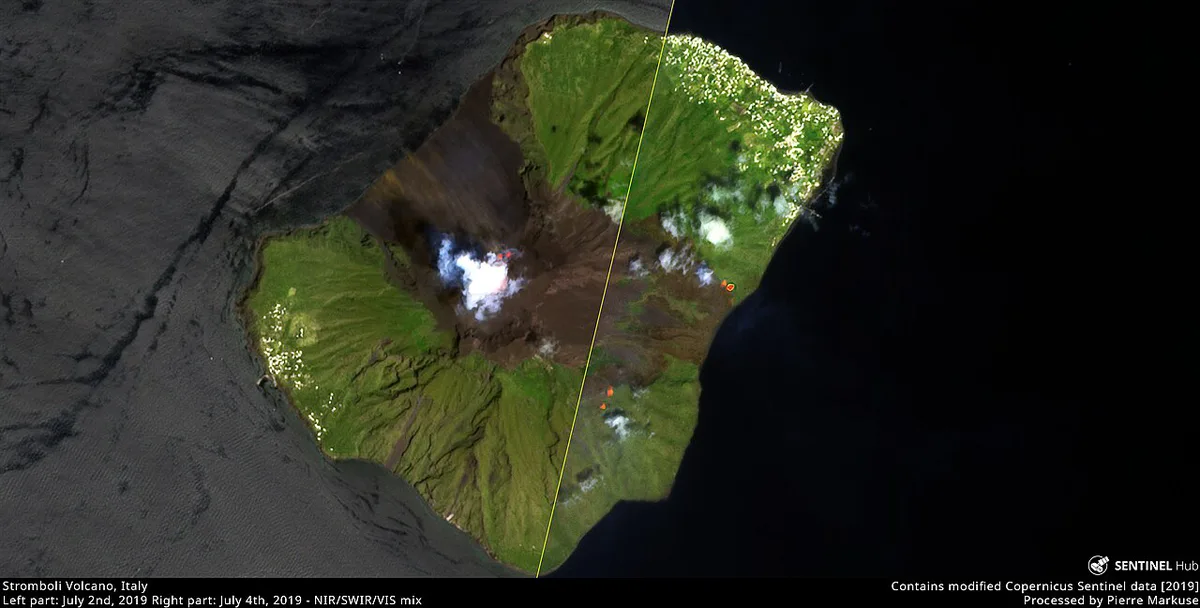
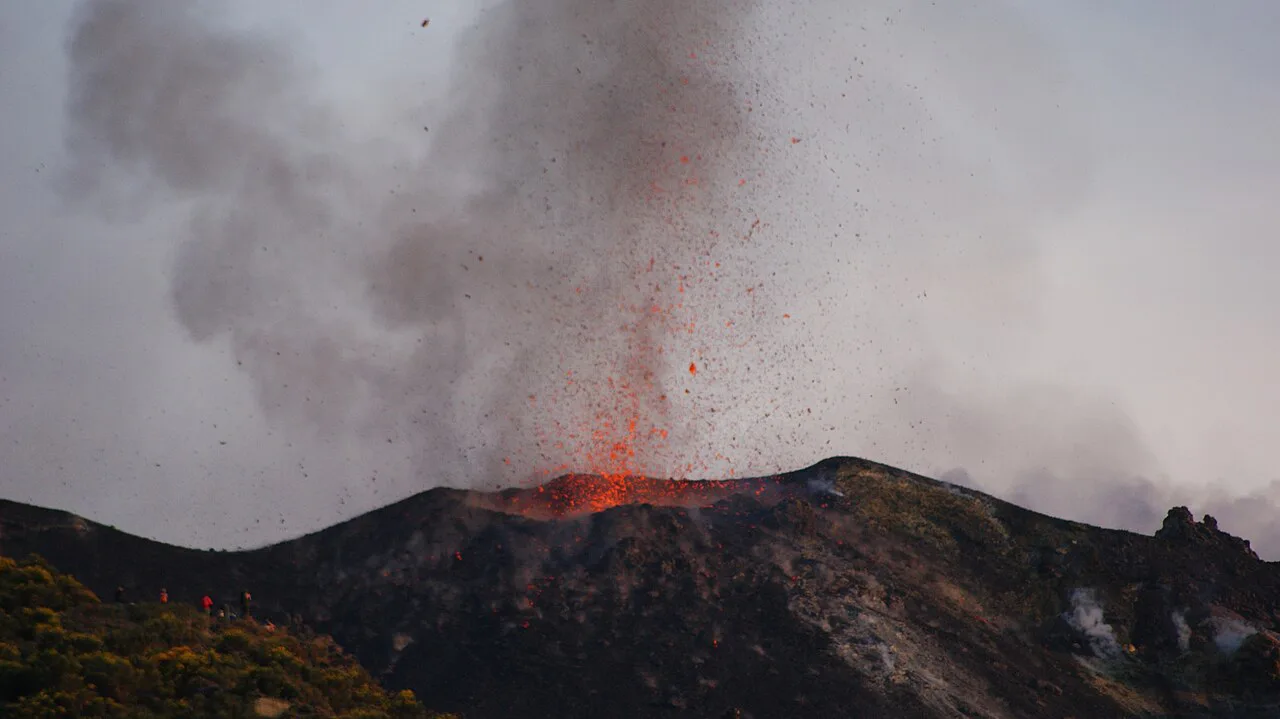
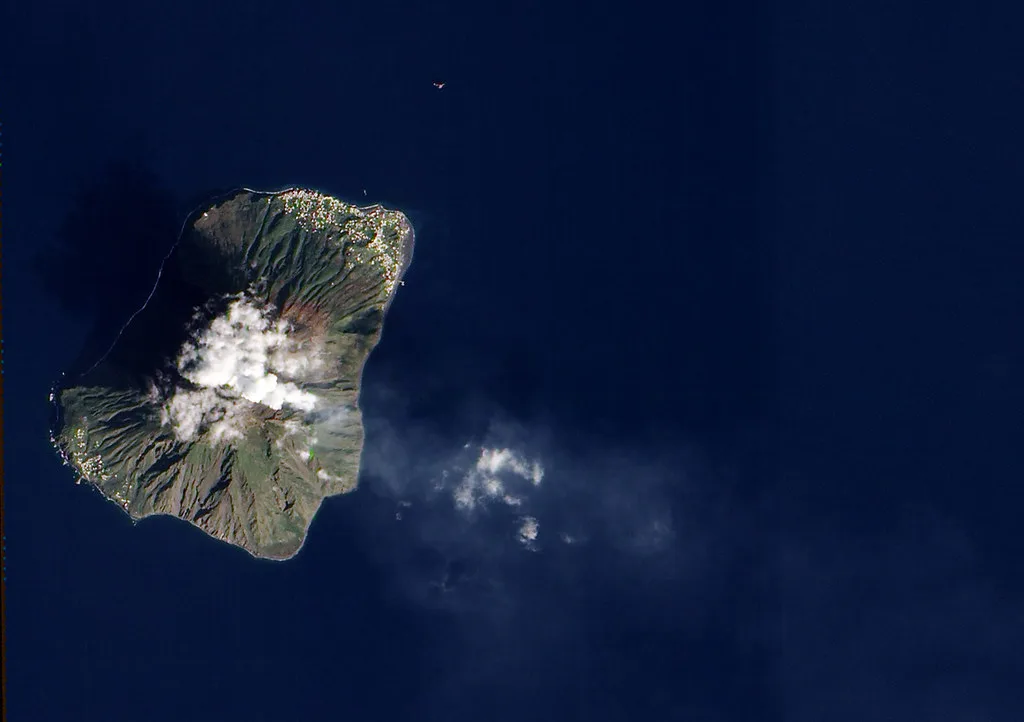
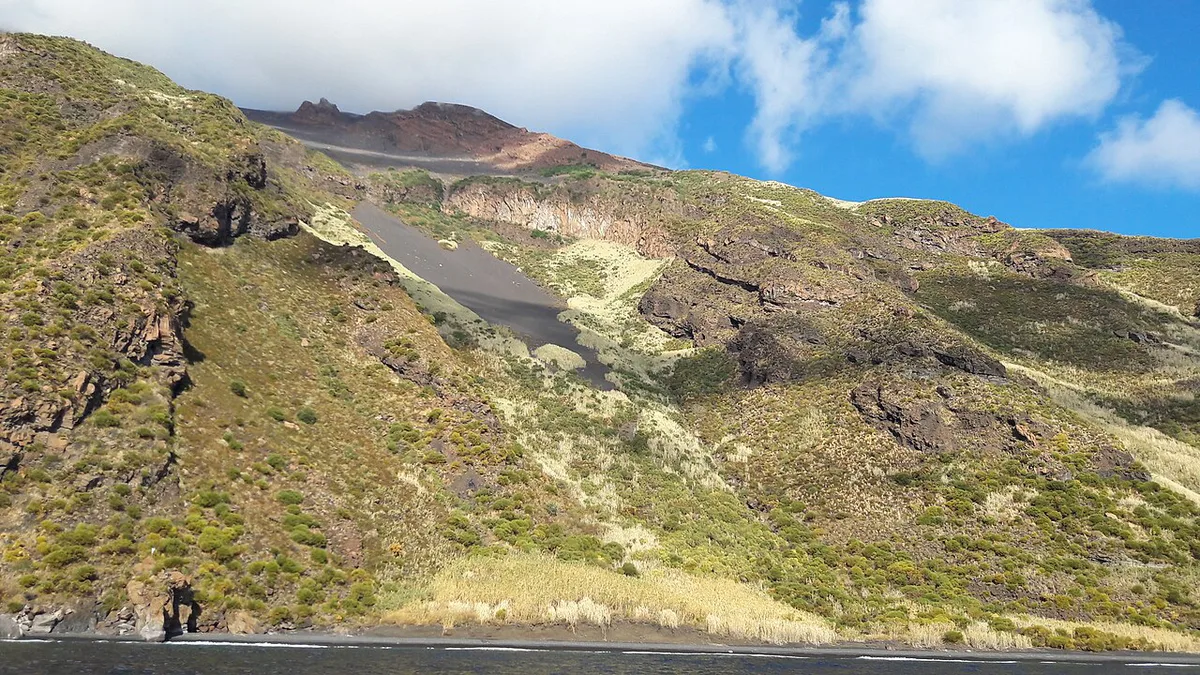
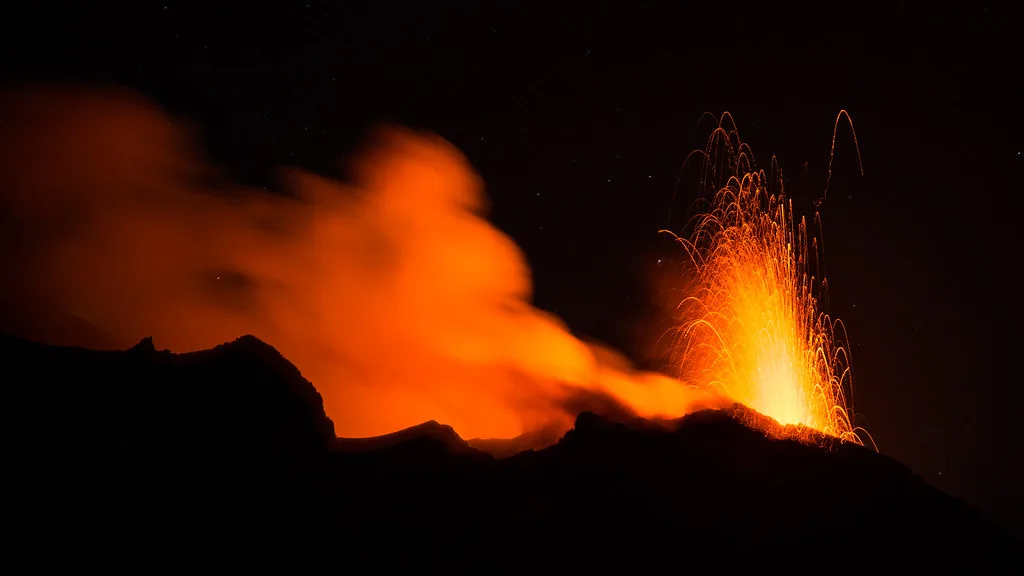
Stromboli gave its name to "Strombolian" activity: short, mild explosions that throw incandescent fragments from the summit craters. Our guide to what type of volcano Stromboli is covers the science. Bigger events are far less common. Lava that overflows the crater rim runs down the Sciara del Fuoco, Stromboli: What It Is and How to See It, the steep scar on the volcano's northwest flank. The table below separates the routine from the rare.
| Event type | What it looks like | How often | Impact on visitors |
|---|---|---|---|
| Strombolian explosion | Short bursts of glowing fragments from the craters | Frequent | Part of normal activity; summit access still follows local rules |
| Lava overflow | Lava spills over the crater rim and runs down the Sciara del Fuoco | Rare | Can close paths and trigger boat restrictions near the coast |
| Pyroclastic flow | Hot rock and gas sweeping down the slope, sometimes after a rim collapse | Rare | Serious hazard; summit and trails are closed |
| Paroxysm | A far larger explosion with ash cloud and lava bombs | Rare | Possible evacuations, ferry disruption and ash on the island |
Notable events on record
Dated incidents show what a major event looks like. Each entry below is attributed to its reporting source, and INGV bulletins remain the primary record.
- 3 July 2019: an eruption led to at least 70 people being evacuated, and hundreds more left the island by ferry for the Calabrian coast, according to news reports.
- 28 August 2019: an explosion began around 12:00 local time, sending up an ash cloud and pushing lava toward the sea. Reports say a hiker died, and the summit area had already been closed for weeks because of high activity.
- 9 October 2022: INGV reported that a lava overflow in the central crater sector collapsed part of the crater rim at 9:22 am local time. The collapse produced a pyroclastic flow, and no injuries were reported.
What an eruption means for people on the island
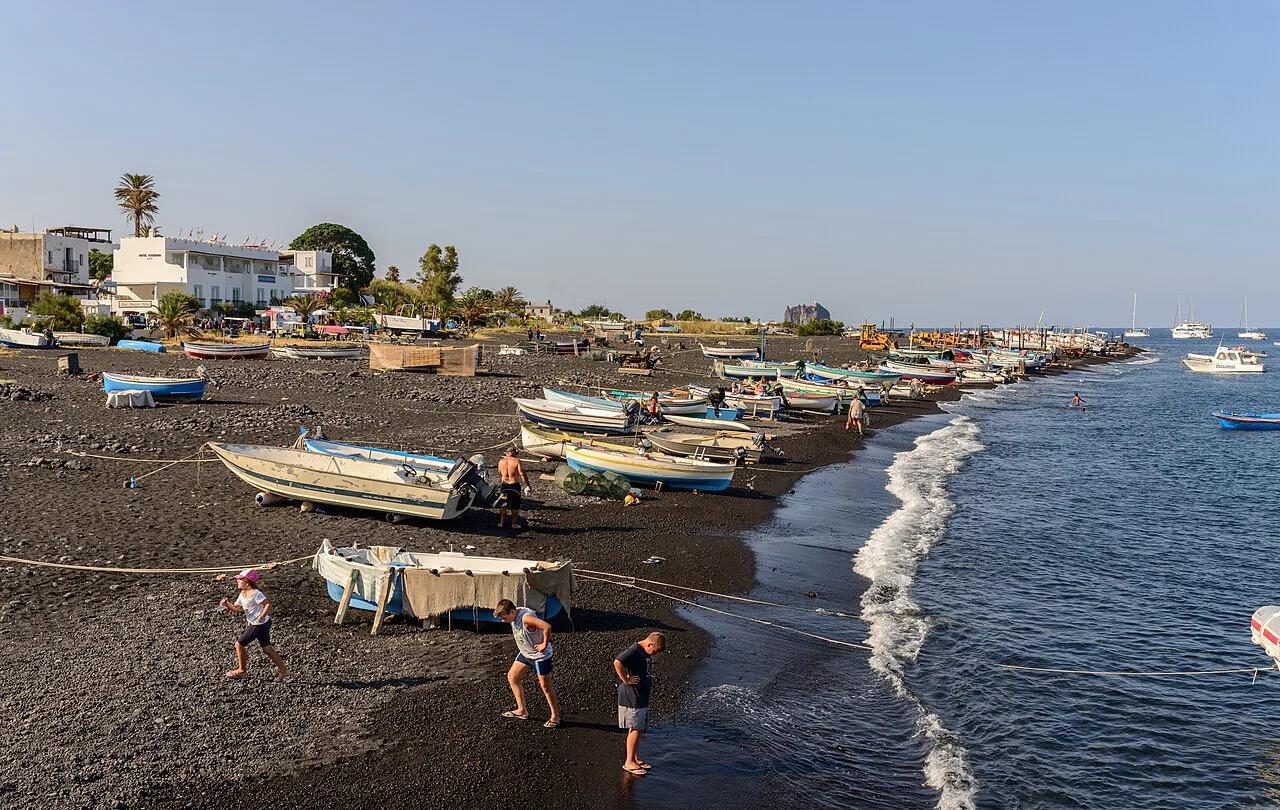
Stromboli has about 500 residents, so a large event affects the whole island at once. Ash and a sulfur smell can reach the villages. Evacuation, when ordered, happens by boat. Ferry and hydrofoil schedules can change at short notice, so watch the Liberty Lines timetables for notices. Remote Ginostra has no road link to the main village, so boat access matters even more there. In August 2019 the summit was closed before the explosion happened, a reminder that closures can precede headline events.
Ferry notices matter here: with about 500 residents, the 2019 evacuation of at least 70 people was a large local event.
Can you still hike or tour during activity?
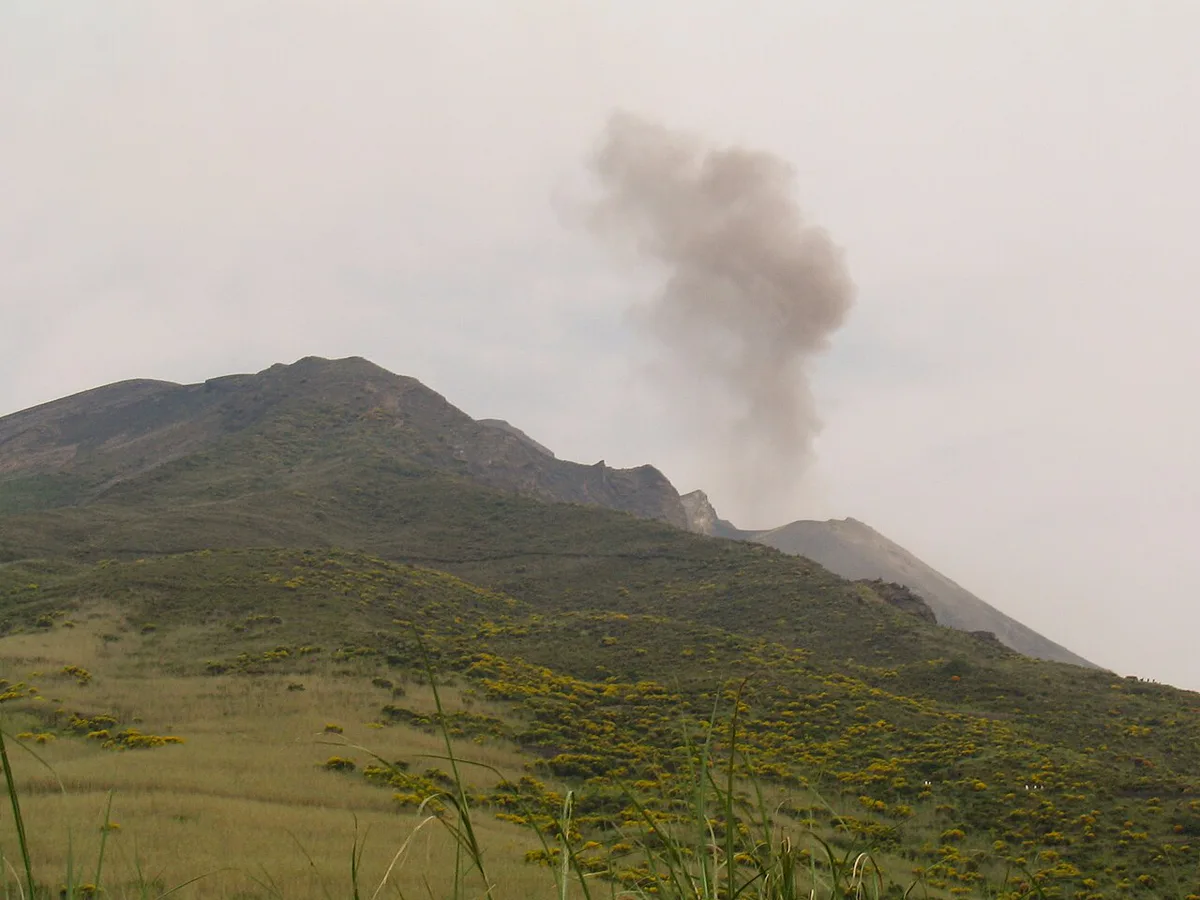
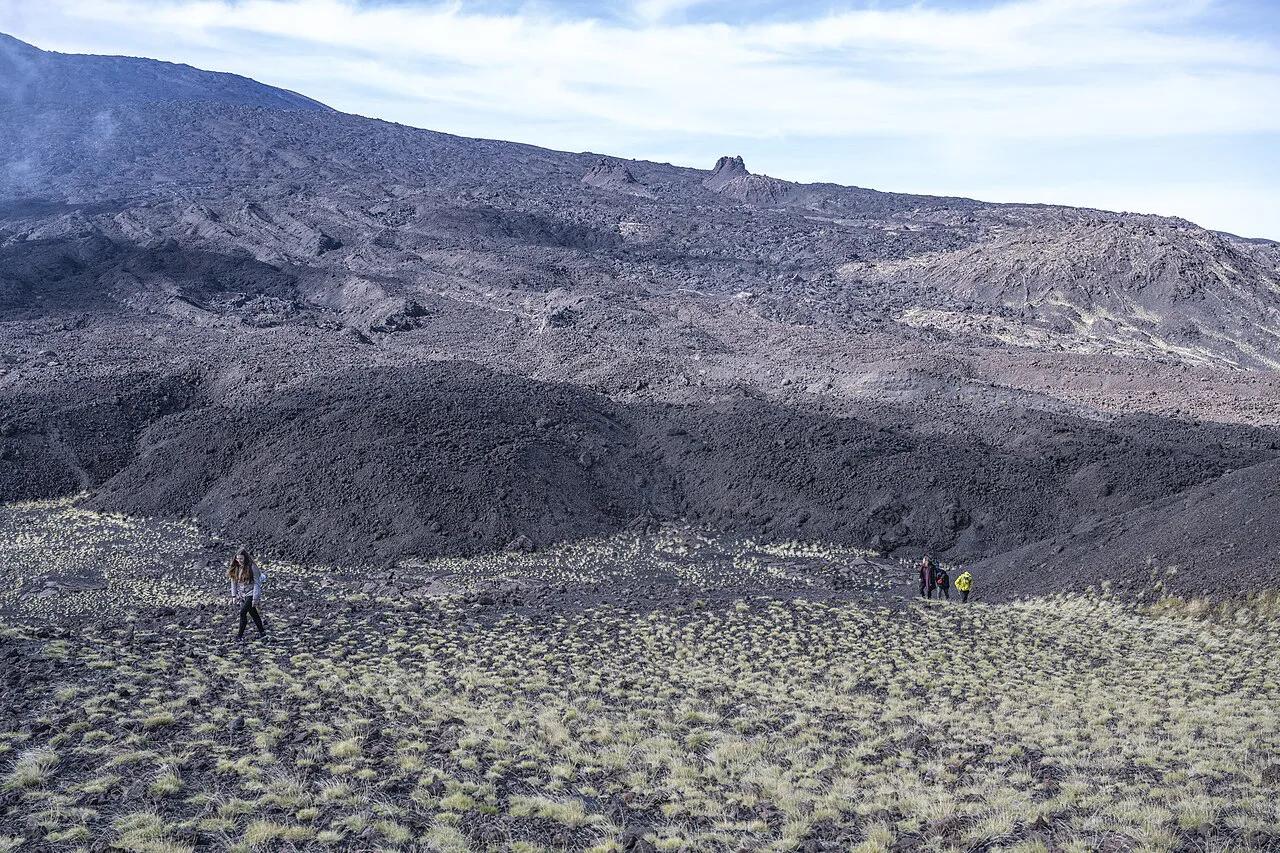
Summit closures, guide requirements and altitude limits are local rules, and they change with the volcano's behavior. The Comune di Lipari is the official starting point for current ordinances. Civil Protection notices apply on top of those. No altitude limit is quoted here because rules are revised, so rely on your operator and the official notices. Our Stromboli volcano hike guide explains the route in normal conditions. Compare organized options in the Stromboli Volcano Tour: Which One to Book overview. Use the Stromboli Volcano Map: Craters, Trails & Access Zones to see where trails and viewpoints sit.
Summit closures can come before headline events, as in August 2019, so keep plans flexible in the 24 to 48 hours before you travel.
Seeing eruptions safely without climbing
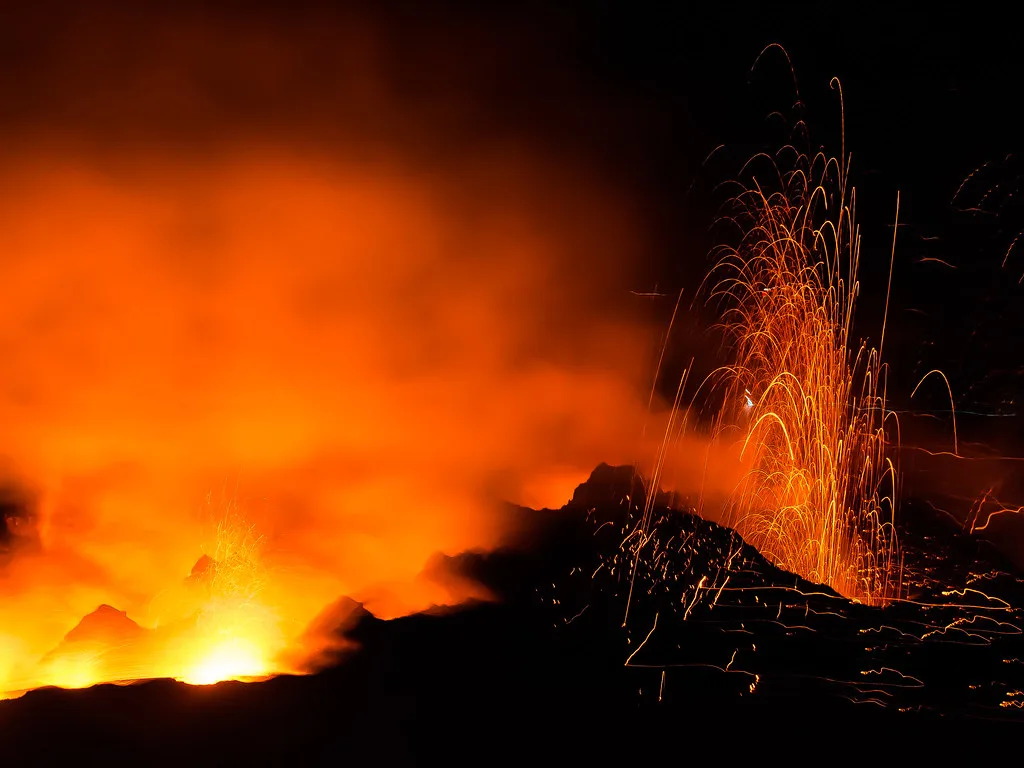
You can watch Strombolian explosions from a distance. Each option has trade-offs.
- Night boat trip to the Sciara del Fuoco: medium cost, a few hours, and the best view of glowing fragments rolling toward the sea. Rough seas cancel departures, and anyone prone to seasickness should skip it. See the Sciara del Fuoco guide for what you will see.
- Webcam: free and weather-proof, but it shows less depth than being there. Open the live webcam page before you book anything.
- Village viewpoints: low cost and flexible, though the view of the craters is limited compared with the boat.
- Daytime boat add-on: some trips also stop at Strombolicchio, the rock stack off the coast, which suits visitors who want scenery rather than lava.
How to check status and plan around risk
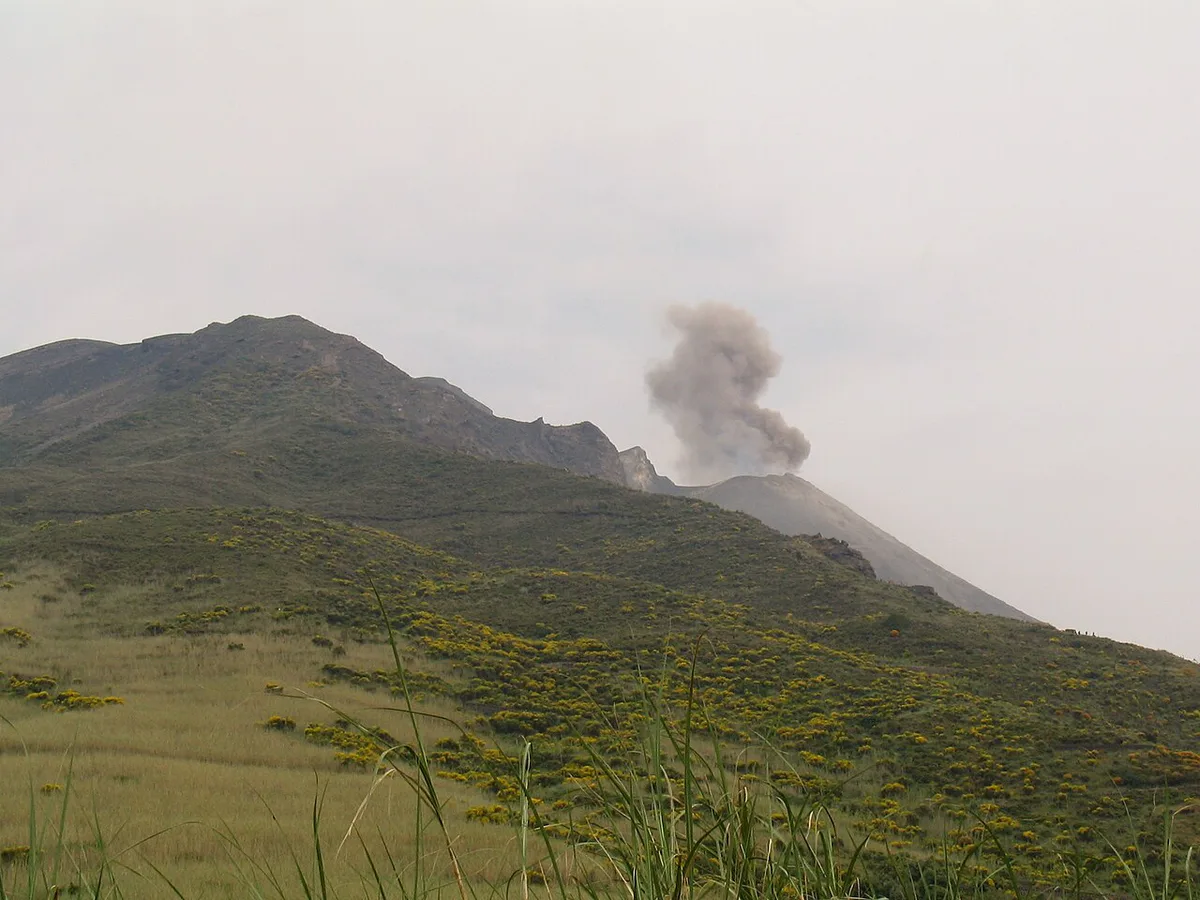
Build a short routine into your trip. Read the INGV bulletin and the Civil Protection alert level in the days before travel. Confirm with your operator 24 to 48 hours ahead. Leave a buffer day on each side of your visit, because weather and sea conditions can delay boats. Read your insurance wording for volcano-related disruption before you pay.
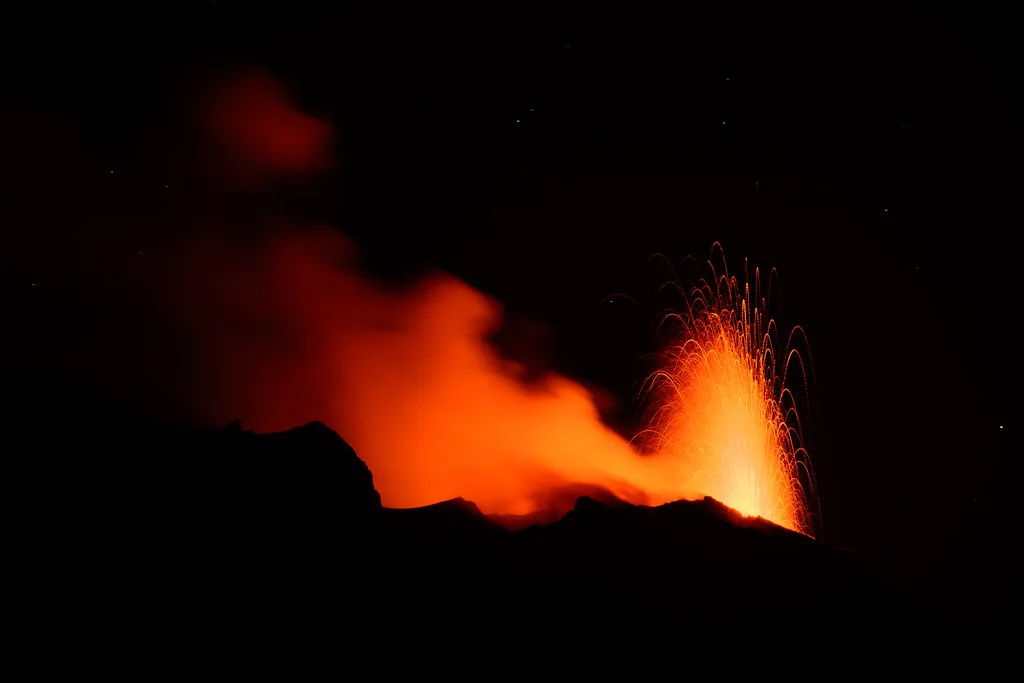
- Go: the INGV bulletin shows normal activity, your operator confirms the trip, and local rules allow your plan.
- Adjust: access rules are tightened or the sea is rough. Switch to a boat view or the webcam.
- Postpone: an alert is raised, ferries are suspended or the operator cancels. Move the trip rather than push ahead.
- Mistake to avoid: relying on old news clips. Many videos online are archive footage described as recent.
- Mistake to avoid: climbing without a guide when rules require one.
- Mistake to avoid: booking non-refundable tours with no flexibility.
Comparing nearby Vulcano
Readers weighing the islands can compare the Gran Cratere on Vulcano and the Vulcano Mud Baths: Costs, Access and Whether to Go, which have their own access conditions.
Frequently Asked Questions
How long has Stromboli been erupting?
Reports describe near-continuous activity since 1932, and volcanologists have long recorded explosions every few minutes. INGV publishes the current monitoring updates.
Is it worth visiting Stromboli?
Yes, if you want to see regular explosions from a safe distance, for example on a night boat trip below the Sciara del Fuoco. Flexibility matters, because closures and sea conditions can change plans.