Raufarhólshellir Lava Tunnel: Getting There, Tours and Who Should Go
Last updated November 2026. Raufarhólshellir (spelled Raufarhólshellir with its accents) is a lava tube beside the Þrengsli road in Ölfus, roughly 30 minutes from Reykjavík by road. Searching for raufarholshellir usually means you want a short verdict, so here it is: this is the easiest lava tube in our guide to Iceland's lava caves to fit into a Reykjavík-based trip. The sections below help you decide if it suits you, and how it compares with the alternatives.
Featured image: Jakub Hałun, CC BY-SA 4.0, via Wikimedia Commons.
Raufarhólshellir at a Glance
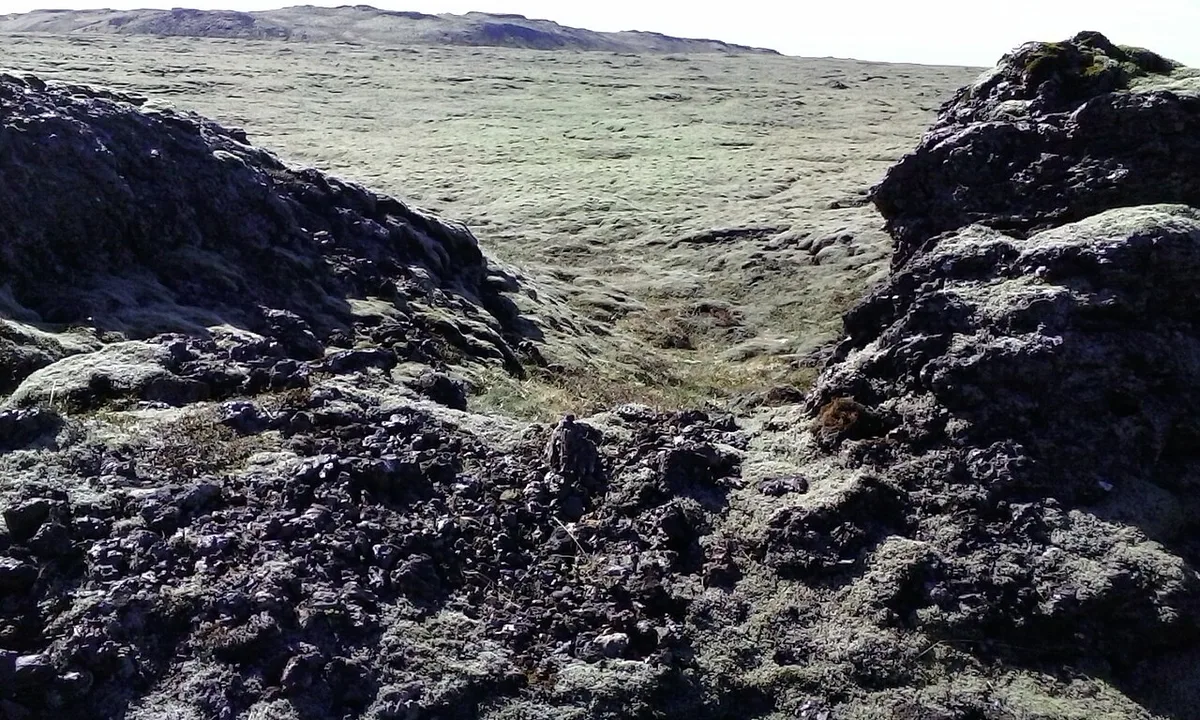
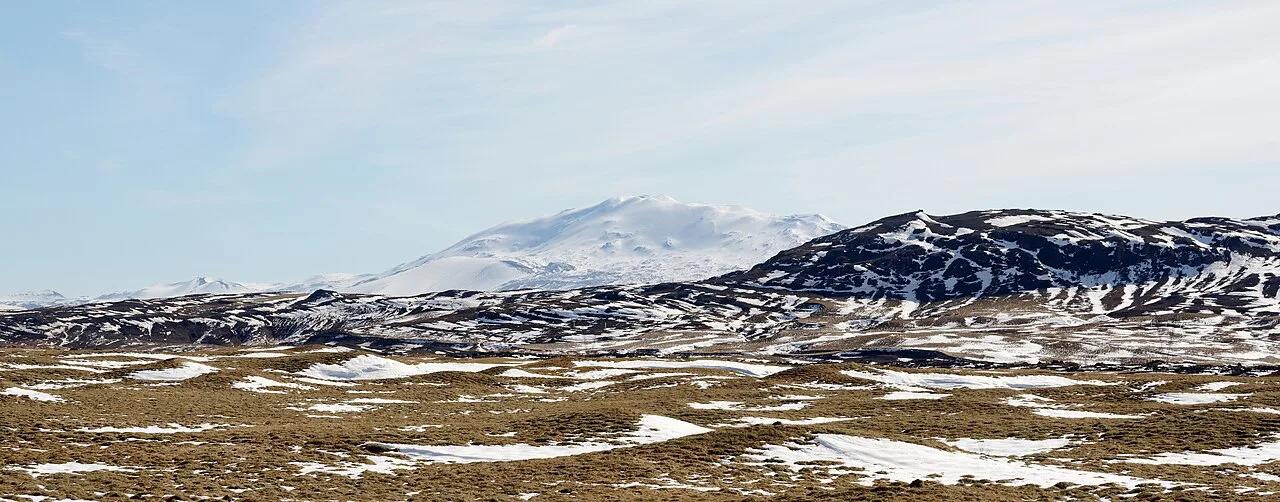
Raufarhólshellir sits in the Leitahraun lava flow in Ölfus, next to the Þrengsli road. Reykjavík is roughly 30 minutes away by road, which makes it a half-day outing rather than a full expedition. It suits travelers who want to walk inside a real lava tube without a long drive. Rely on the operator's own page for tour times, tickets and entry rules. The official Raufarhólshellir site is the place to read them.
- Location: Leitahraun lava flow, beside the Þrengsli road, Ölfus
- Distance: roughly 30 minutes by road from Reykjavík
- Cave type: lava tube, not an ice cave or a geothermal cave
- Best for: first-time cave visitors and travelers based in Reykjavík
- Less suited to: anyone who needs a heated, fully dry or step-free experience
What a Lava Tube Is
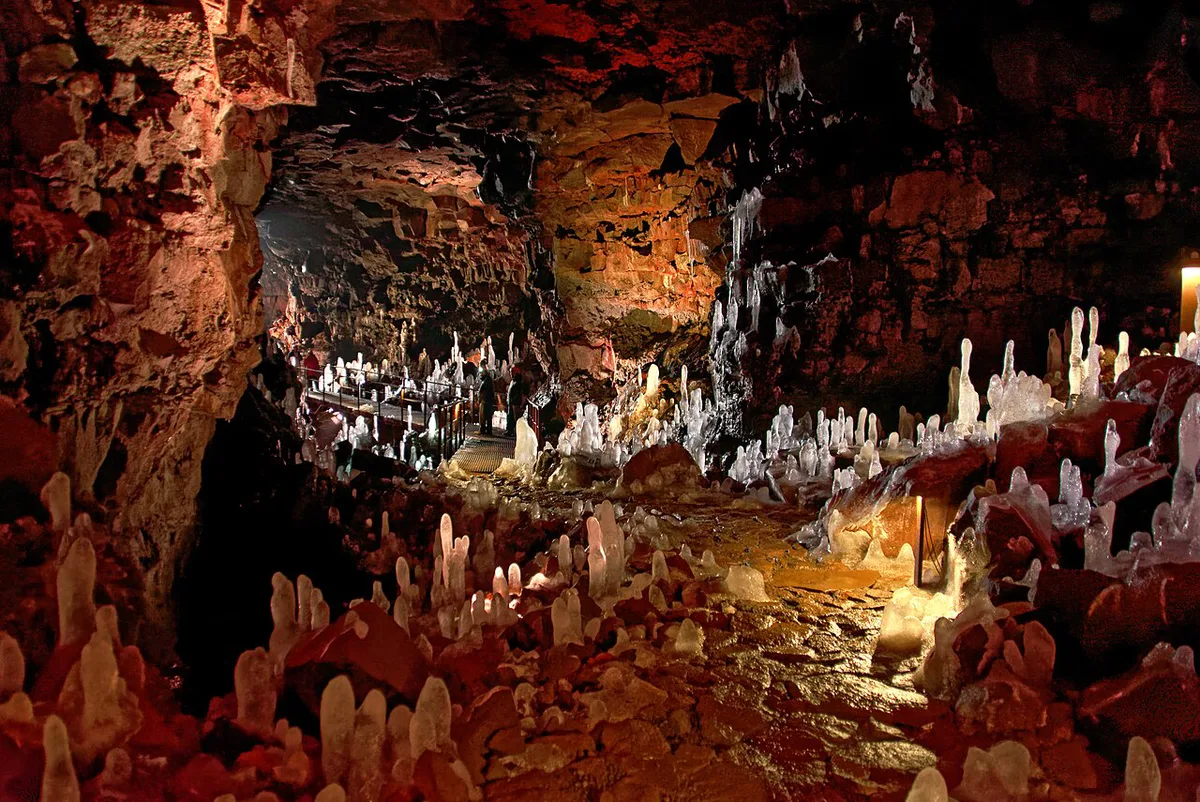
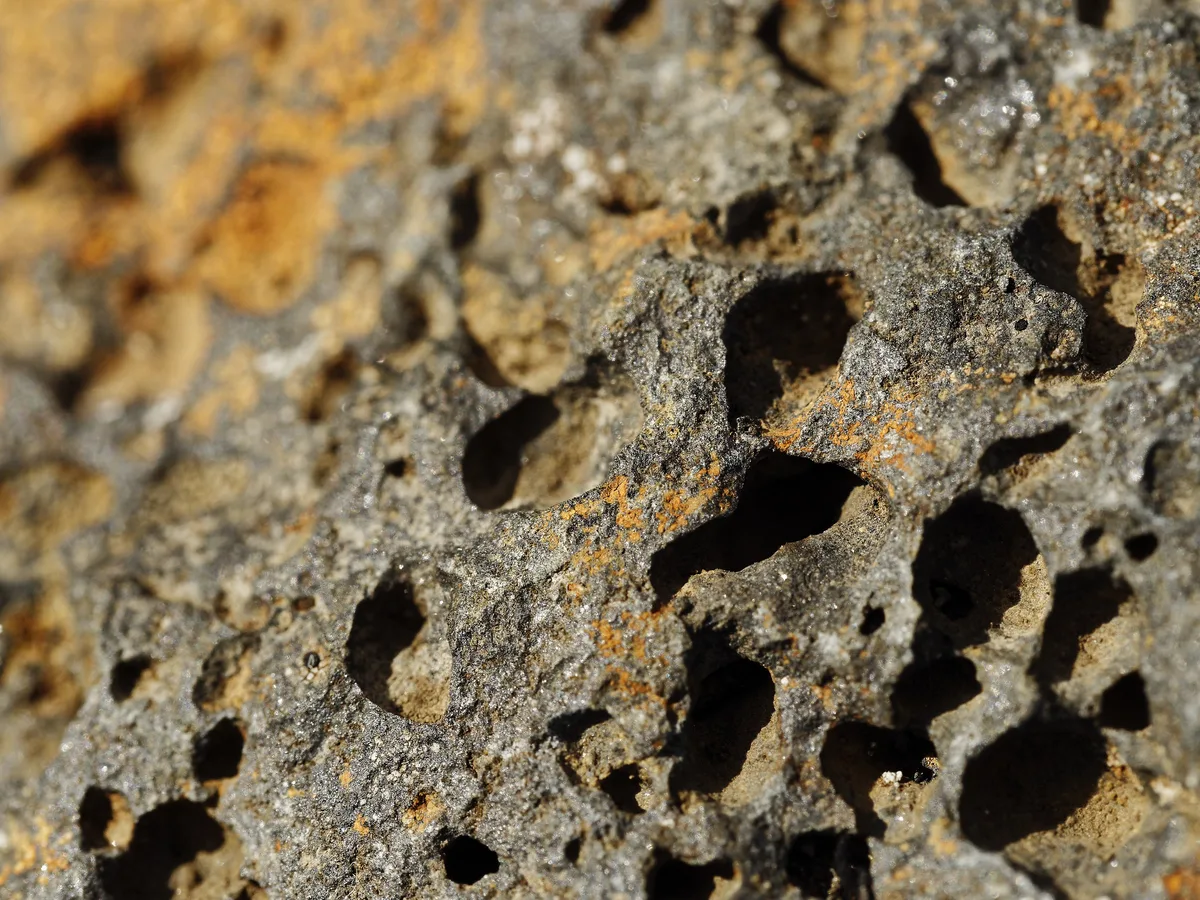
A lava tube forms when the surface of a lava flow cools and hardens while molten rock keeps moving underneath. When the flow drains away, a hollow tunnel remains. Raufarhólshellir formed this way inside the Leitahraun lava flow. Expect rough, dark basalt walls and a floor of broken rock rather than a smooth path. Lava tubes differ from the ice caves and geothermal fissures that Iceland also offers. Our overview of lava caves across Iceland sets out those differences region by region.
What You See Inside the Cave: Walls, Floor and Light
Raufarhólshellir is a working example of the process described above, and the details are worth knowing before you go, because the cave rewards slow walking and looking up.
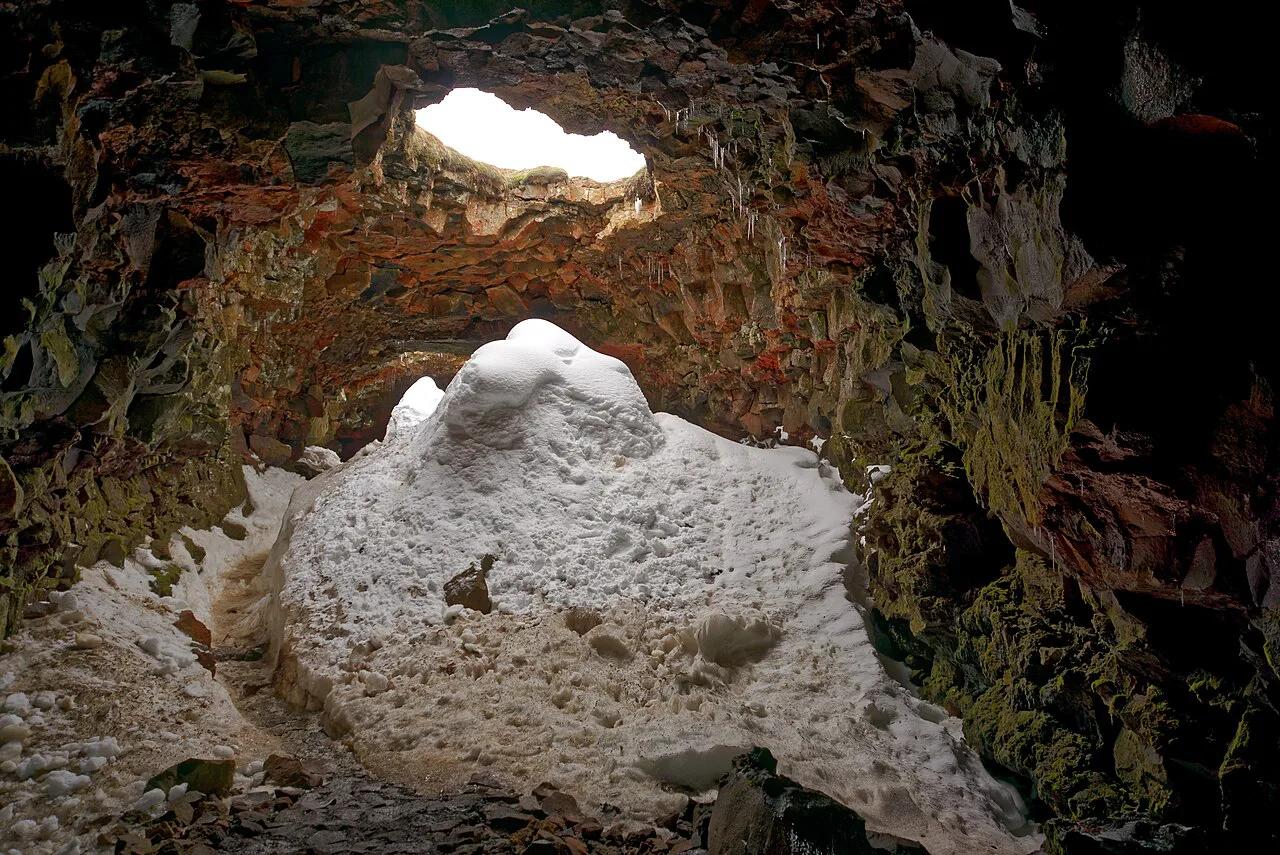
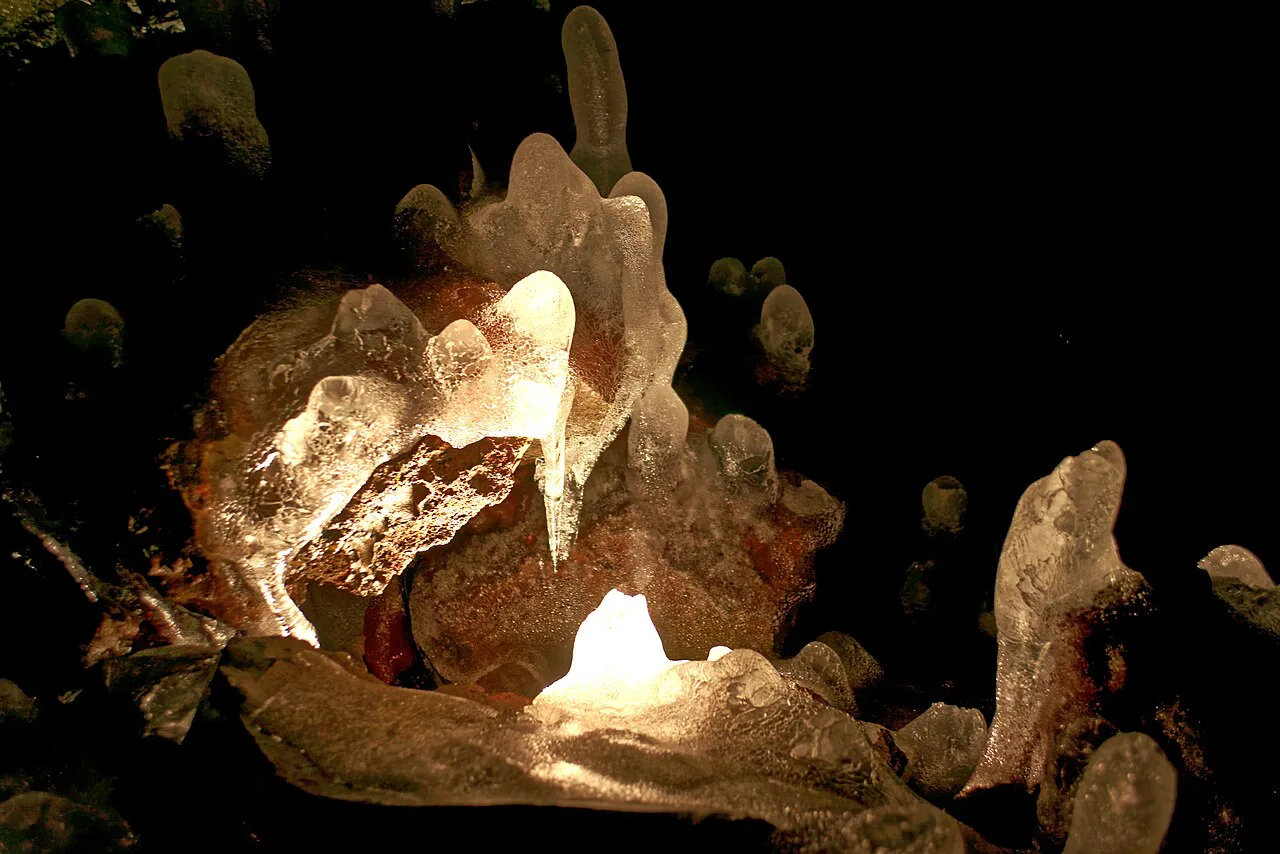
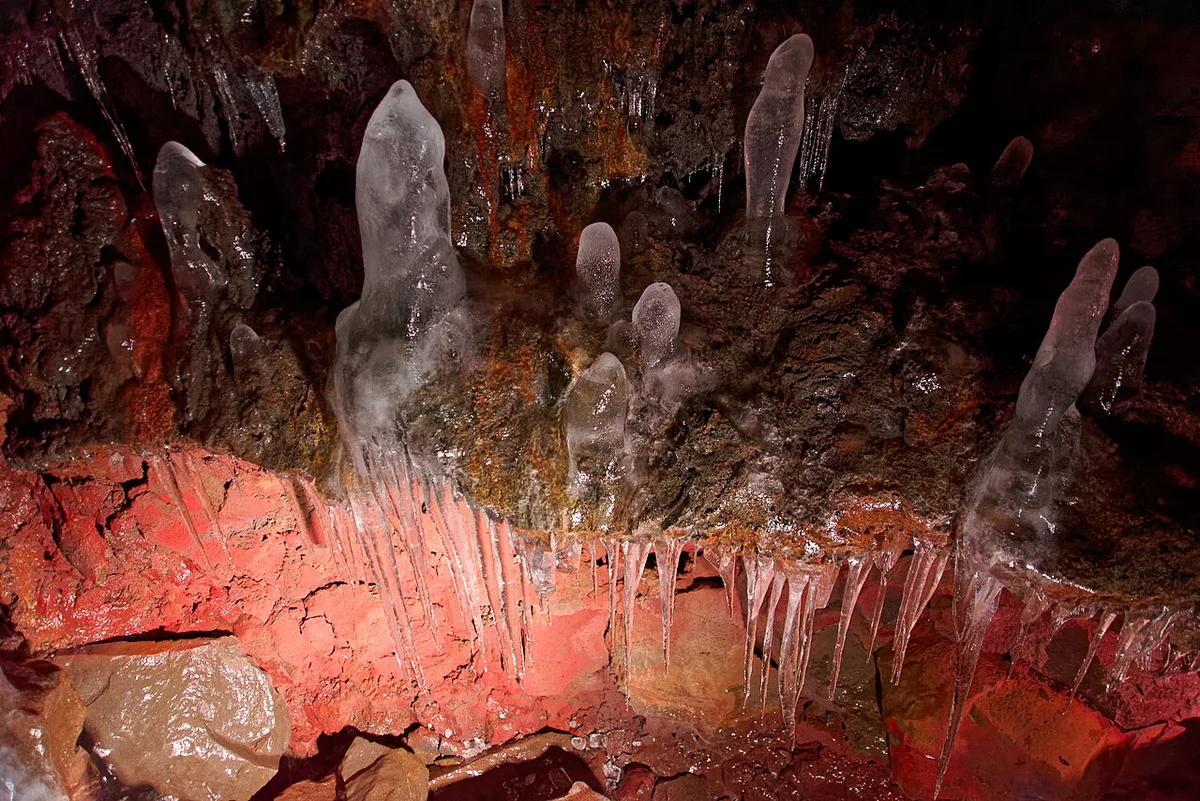
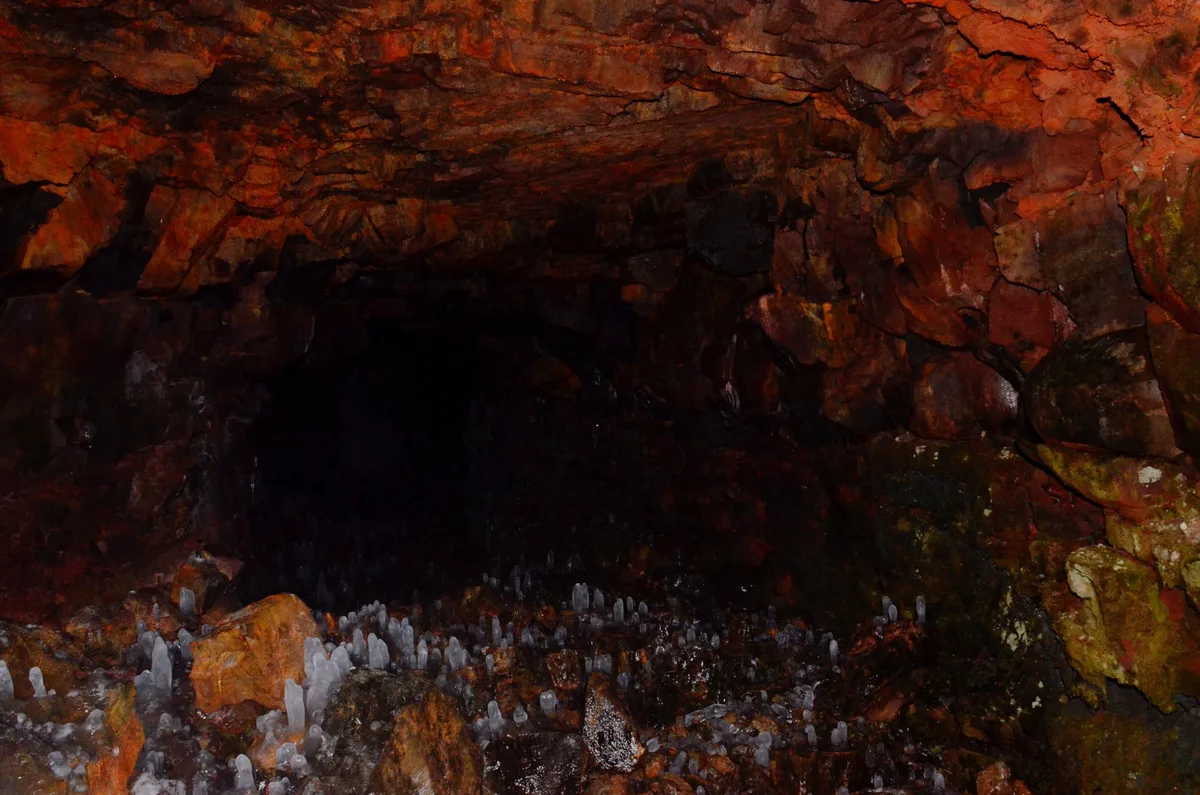
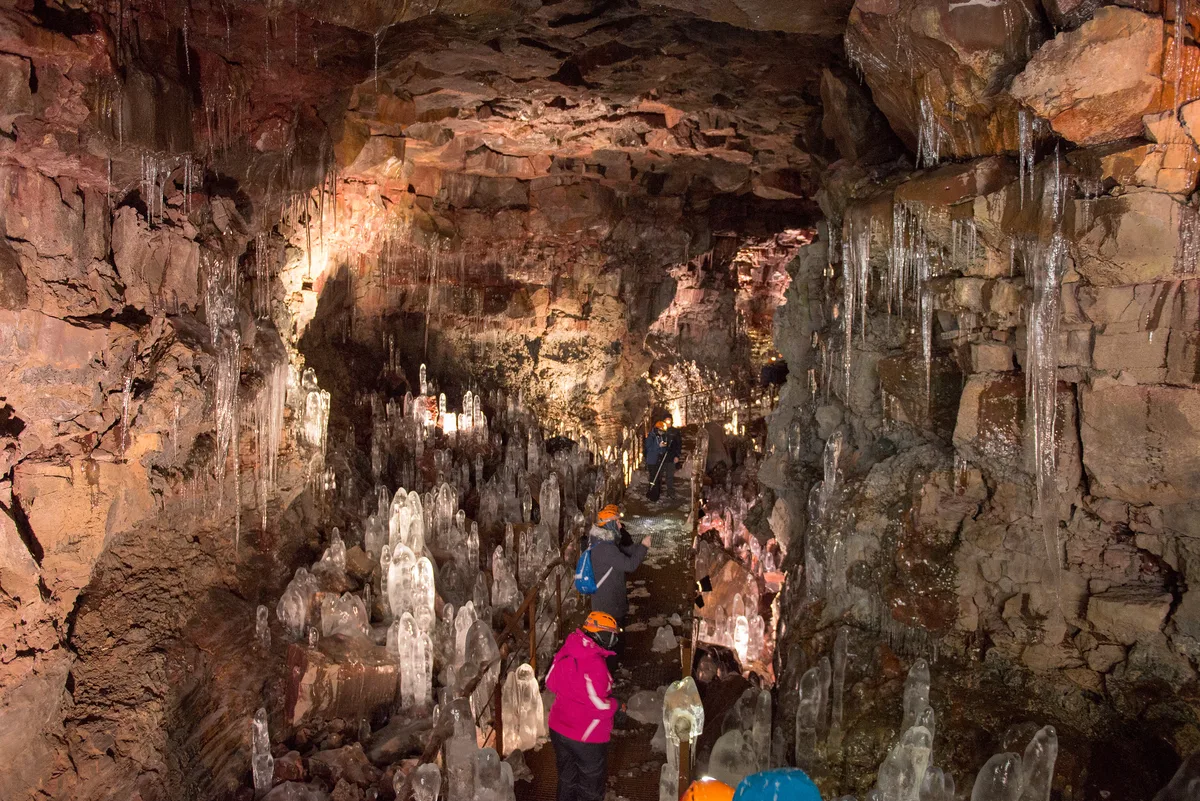
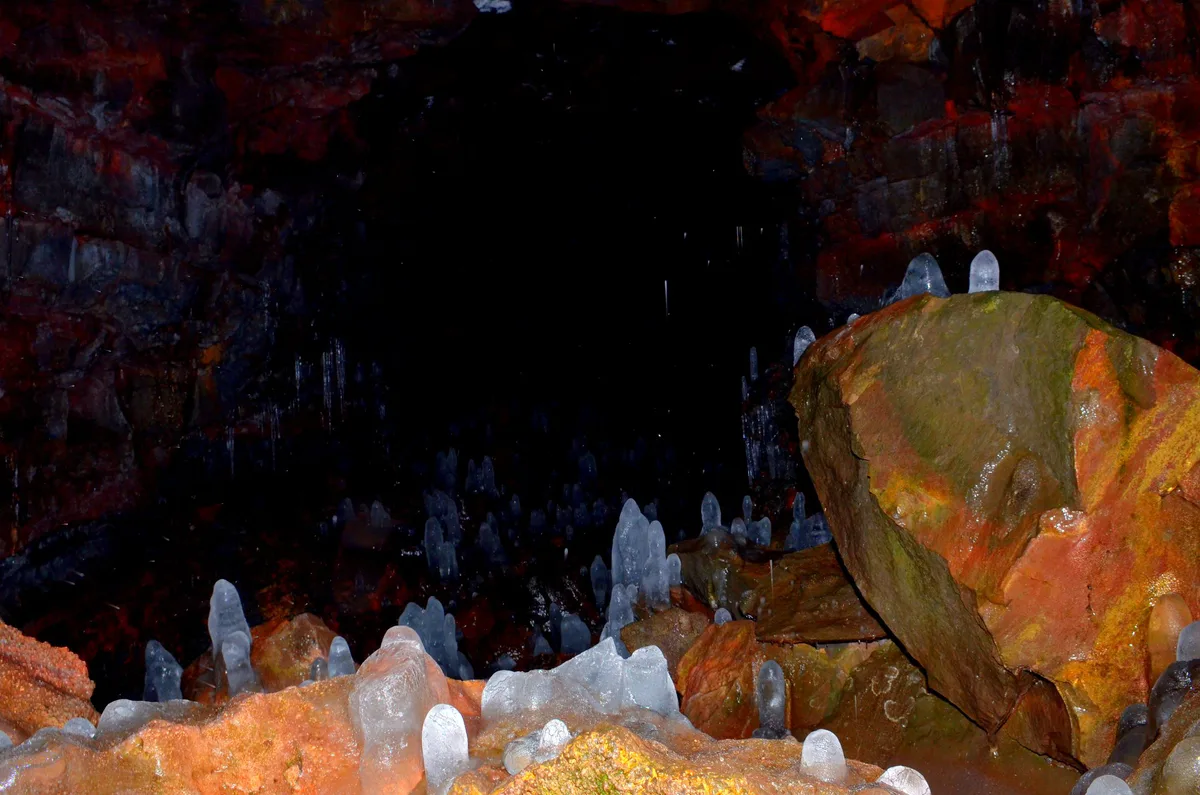
- Ceiling and walls: look for lava stalactites and drip marks, which formed as molten rock dripped from the hot roof. Mineral staining can tint the basalt in rust and dark tones under a torch.
- Floor: broken blocks of rock and sections of smoother, ropey lava. Footing changes every few steps, so watch your feet more than the ceiling.
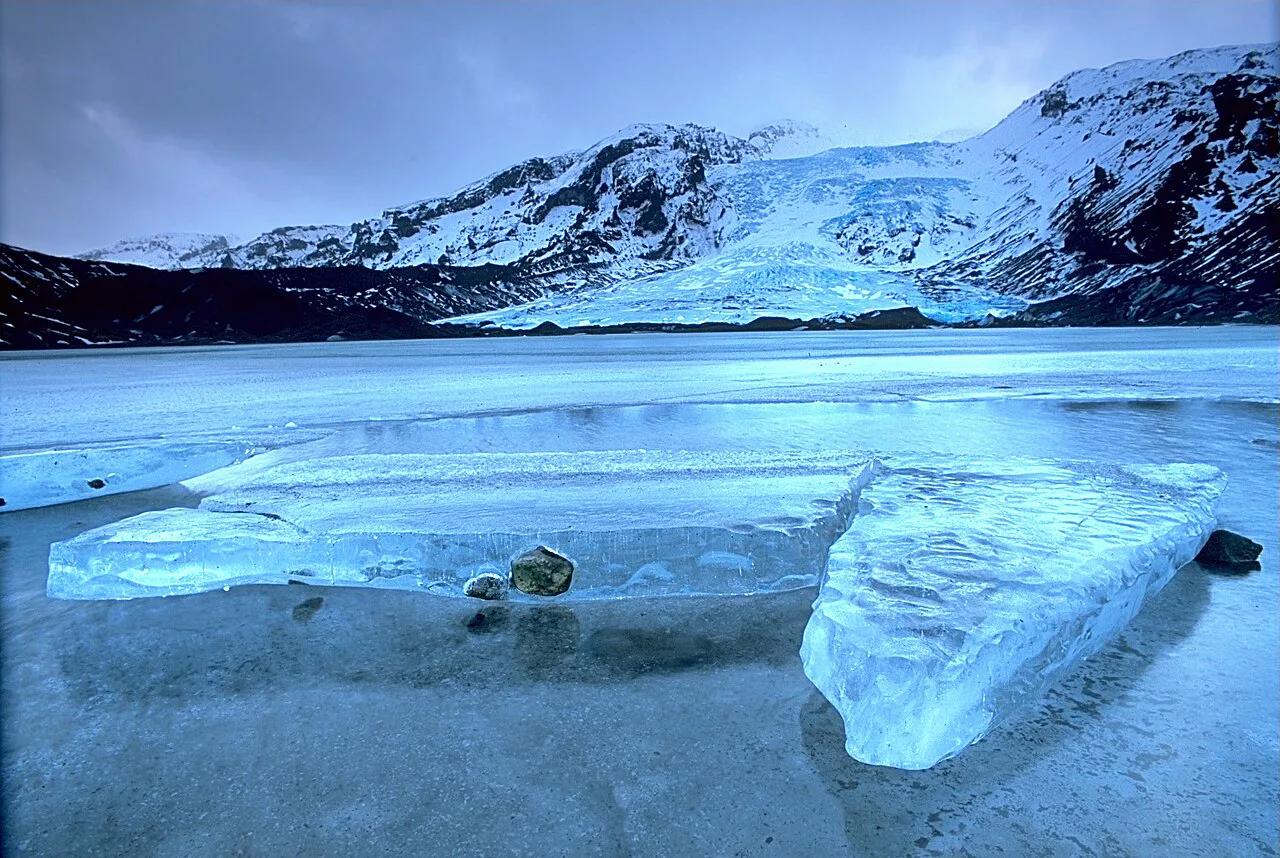
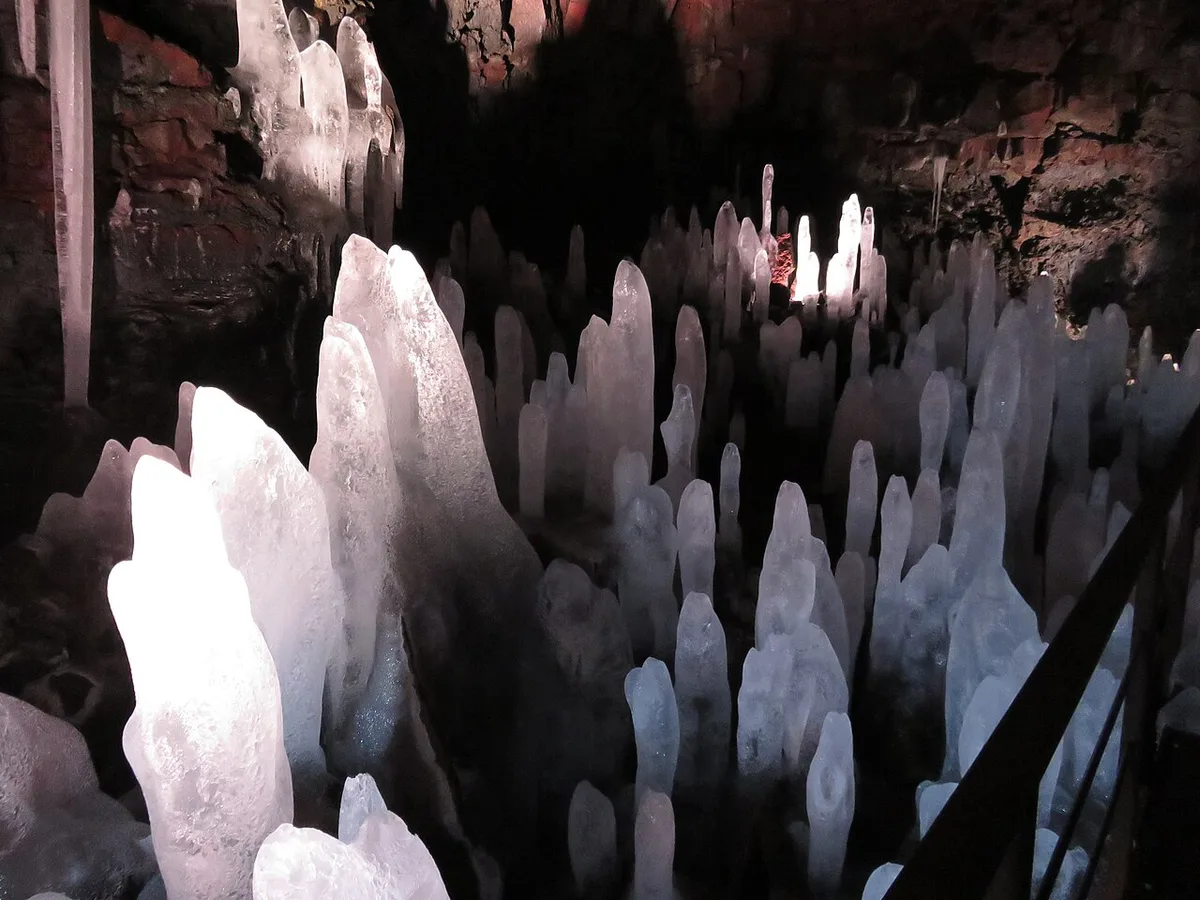
- Ice: in cold months, meltwater can freeze inside lava tubes into glassy formations. Whether any are present depends on the winter, so ask the operator rather than counting on it.
- Light and sound: beyond the entrance daylight fades quickly. Without the operator's lighting, it is fully dark, and the cave is very quiet.
Photographs inside a lava tube are harder than they look. Phones struggle with low light, so hold still, brace against your body rather than the wall, and take several frames of the same view. Check the operator's rules on tripods and flash before you pack them.
How to Get to Raufarhólshellir from Reykjavík
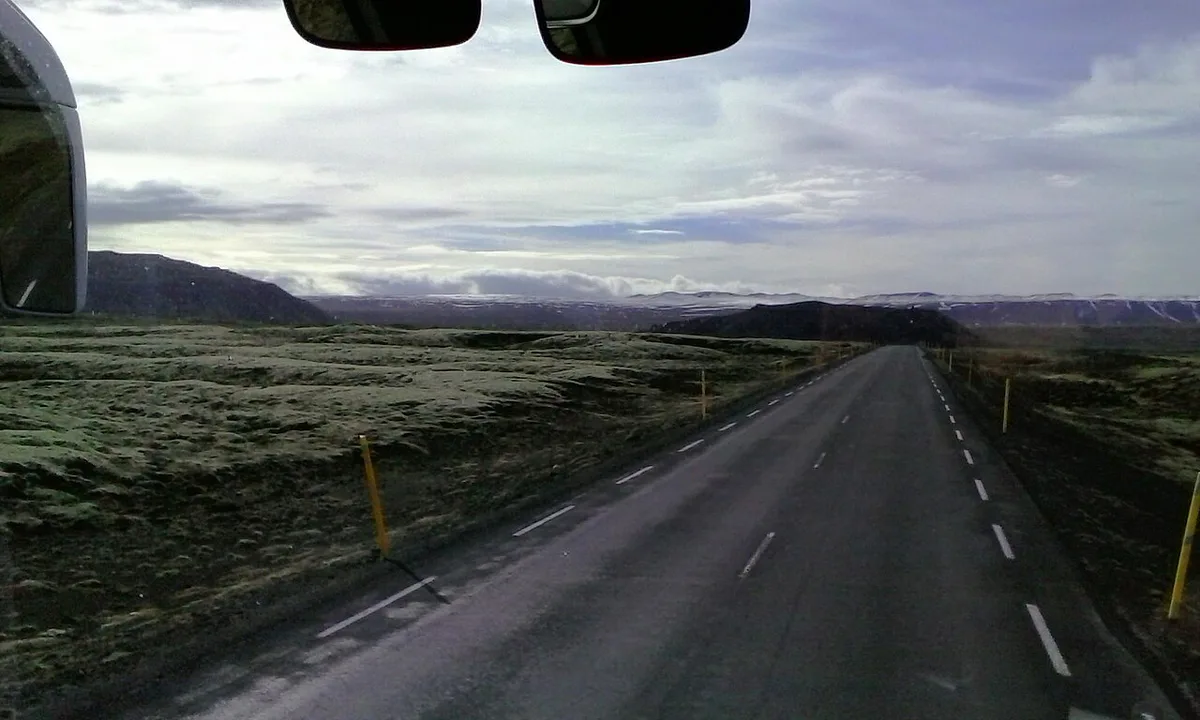
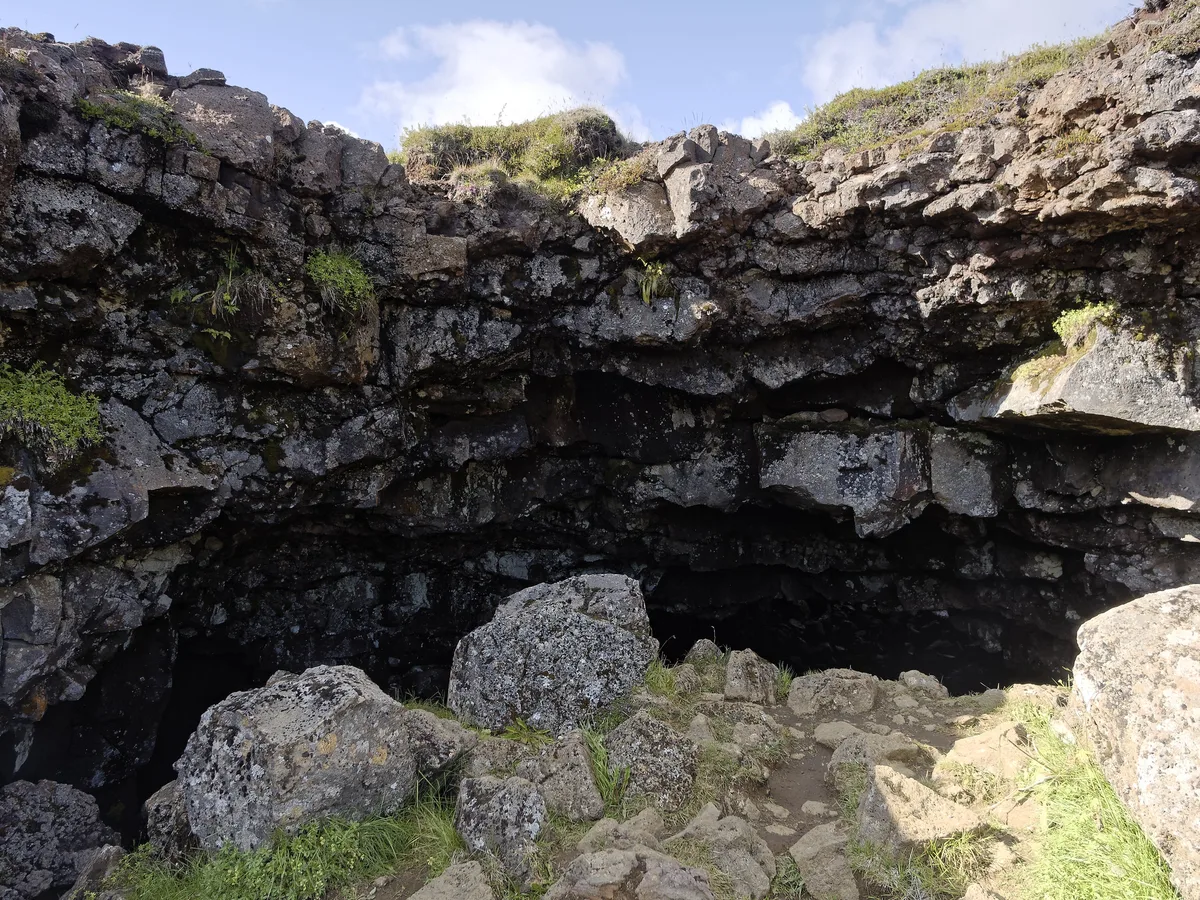
The cave lies beside the Þrengsli road in Ölfus. By car, the drive from Reykjavík takes roughly 30 minutes. Driving yourself gives you control over timing, and it lets you pair the cave with other southwest stops. Winter changes the picture. Snow, ice and wind can close or slow roads at short notice. Check the Icelandic Met Office for weather warnings before you set out. Any road conditions page should also be on your list on the morning of your visit. Ask the operator whether a meeting point or transfer is part of your booking.
Tours, Tickets and What's Included
Tour types, ticket prices, durations, minimum ages and included gear are set by the operator and can change by season. Read them on the official Raufarhólshellir site before you book, and treat that page as the only source for current rates.
Best Time to Visit
A lava tube holds a steady, cool interior whatever the weather outside. That makes it a sensible rainy-day or winter option. The outdoor leg changes more. Summer gives long daylight and easier driving. Winter brings short days, icy car parks and the chance of cancelled departures. Tour availability also shifts by season, so check the operator's calendar when planning around November to March travel. Book earlier in busy summer weeks, and keep a flexible backup day in winter.
What to Wear and Bring
Dress for a cold, damp cave with uneven ground. Operators normally set their own gear and footwear rules, so read those on the booking page.
- Sturdy shoes with grip, since the floor is broken lava rock
- Warm layers and a windproof outer shell
- Gloves, because cave walls are rough and cold
- A small camera or phone you can carry one-handed
- Tripod and flash rules: ask the operator, as cave lighting is low
Raufarhólshellir vs. Other Icelandic Lava Caves
Each cave serves a different traveler. Raufarhólshellir wins on convenience from Reykjavík. For a larger, longer tube in West Iceland, look at Víðgelmir cave. The operator's Víðgelmir site and Visit West Iceland give the details. In the north, Lofthellir ice cave sits near Mývatn. Read about the region on Visit Mývatn. For another option, Leiðarendi lava cave offers a more adventurous trip. And Inside the Volcano is a volcanic chamber rather than a lava tube. Use the table to match each one to your trip.
| Cave | Type | Region | Best for |
|---|---|---|---|
| Raufarhólshellir | Lava tube | Ölfus, near Reykjavík | Easy half-day from Reykjavík |
| Víðgelmir | Lava tube | West Iceland | Travelers touring the west |
| Lofthellir | Lava tube with ice formations | North Iceland, Mývatn area | Winter-leaning north Iceland trips |
| Leiðarendi | Lava cave | Ask the operator | Adventure-minded visitors |
| Inside the Volcano | Volcanic magma chamber | Ask the operator | Travelers wanting something different |
Who Should Skip It and Safety Notes
Skip Raufarhólshellir if you need a guaranteed-dry, heated or step-free experience. Claustrophobia, limited mobility and very young children are all worth discussing with the operator first. Follow the operator's rules once inside. Typical policies are to stay on the marked route, avoid touching formations and wear any helmet or light provided. Treat those as operator policy, and read the current version on the booking page.
Sample Half-Day Plan from Reykjavík
Leave Reykjavík in the morning and drive the roughly 30 minutes to Ölfus. Do the cave tour first while you are fresh, then pick a lunch stop in the region. Return to Reykjavík by mid-afternoon. In winter, plan an earlier finish for daylight and road safety. Do not plan Grjótagjá into this day. It is a geothermal cave in north Iceland, a different type of cave and far from this route.
Adding Hveragerði and the South Coast to Your Cave Day
The Þrengsli road leads you toward the south of Iceland rather than back toward the capital, so a cave visit fits well into a longer loop. If you have a full day instead of a half day, these are sensible additions.
- Hveragerði: a small town on the Ring Road, known for geothermal activity and greenhouses. It is a practical lunch and coffee stop after the tour.
- Selfoss: the largest town in the region, with supermarkets, fuel and cafés if you need to restock.
- Coastal villages: Eyrarbakki and Stokkseyri on the south shore are quiet, flat stops that suit a relaxed afternoon after a cold, dark cave.
Whichever stop you add, set a return time for Reykjavík before you leave, because daylight is short from November to February. Check the Icelandic Met Office and road conditions again in the afternoon, since weather on the Ring Road can change faster than the morning forecast suggests.
Plan the cave tour first and the extras second. A booked tour has a fixed start time, while lunch stops and village walks can shift.
Frequently Asked Questions
Is the lava tunnel tour worth it?
It is a good fit if you want a close look at a lava tube without a long drive from Reykjavík. If you want a larger or more remote cave, compare the options in the table above.