Grjótagjá Cave, Mývatn: Can You Still Bathe? Visitor Guide
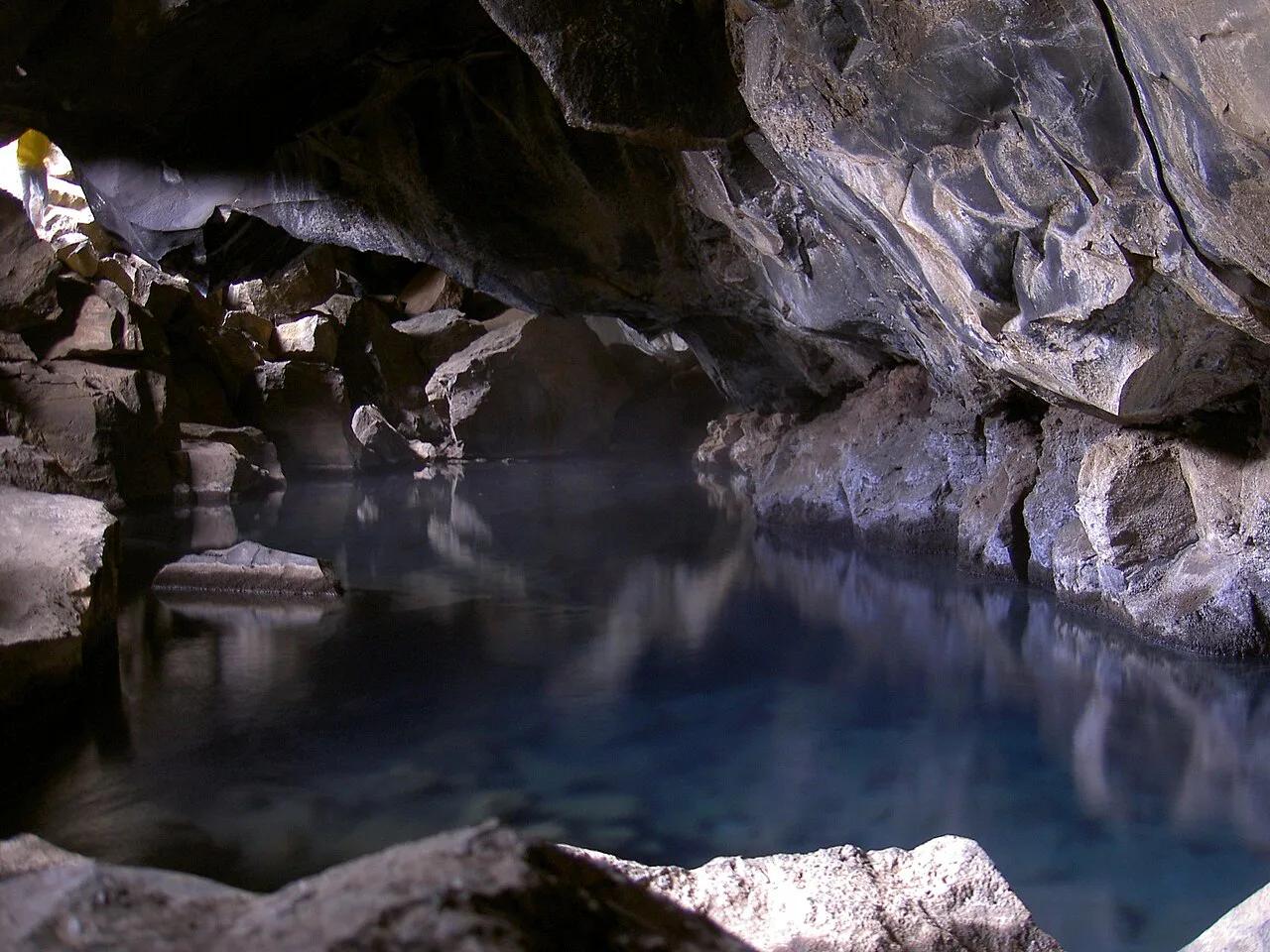
Last updated November 2026: Grjotagja is a small lava cave with a geothermal spring beside Lake Mývatn in North Iceland. You can look in and photograph it, but bathing is no longer allowed. Read on for access, safety, Game of Thrones facts and where to soak instead.
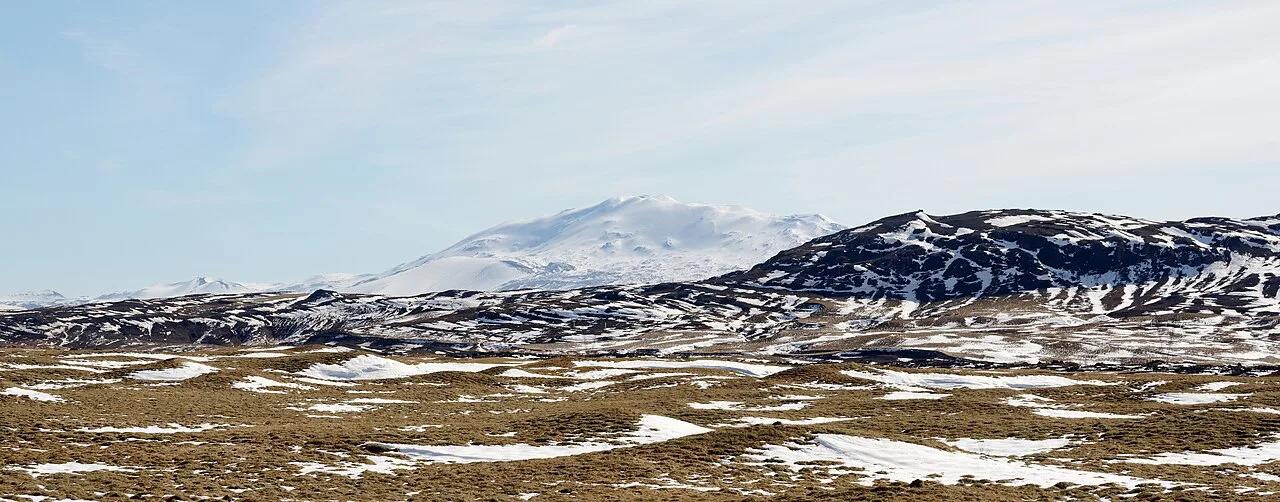
Featured image: Chris 73, CC BY-SA 3.0, via Wikimedia Commons.
What Grjótagjá is and what you can do there now
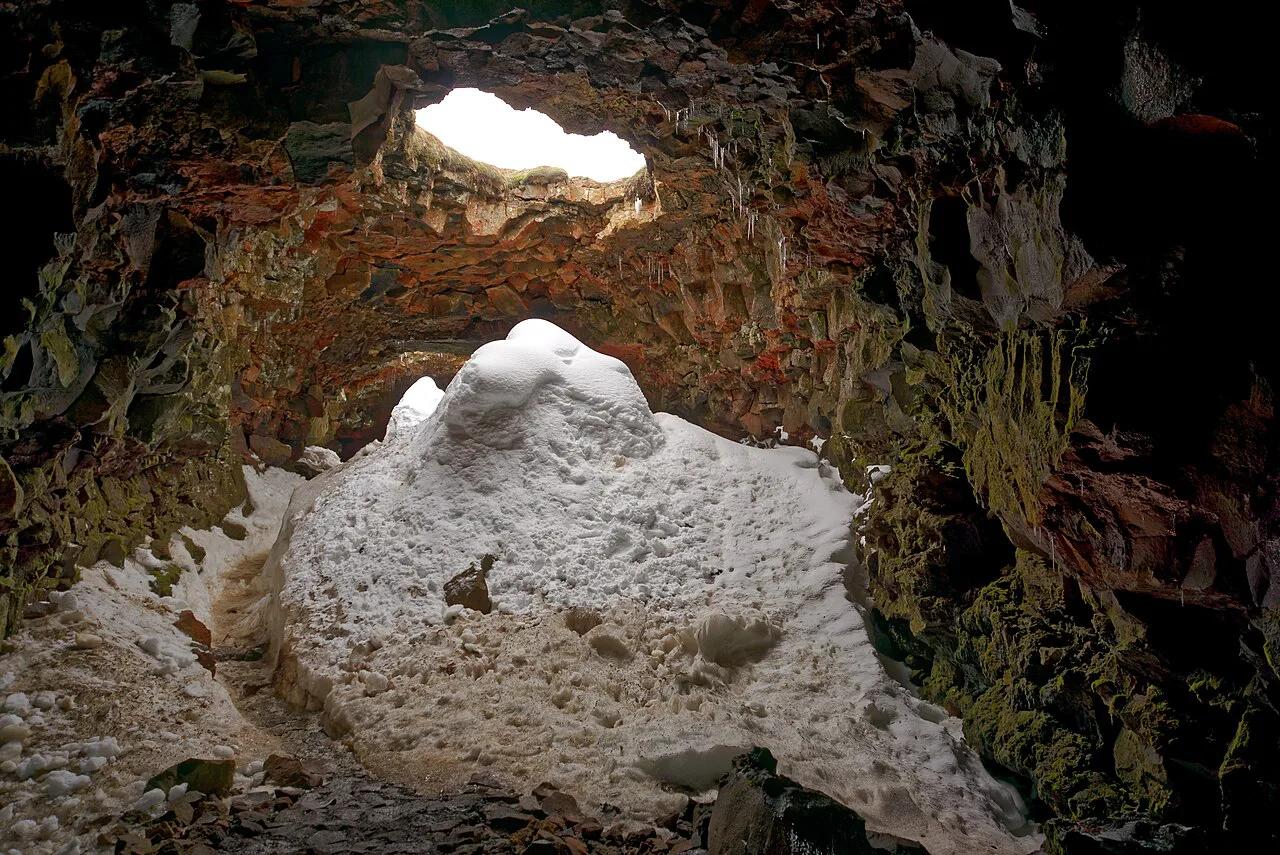
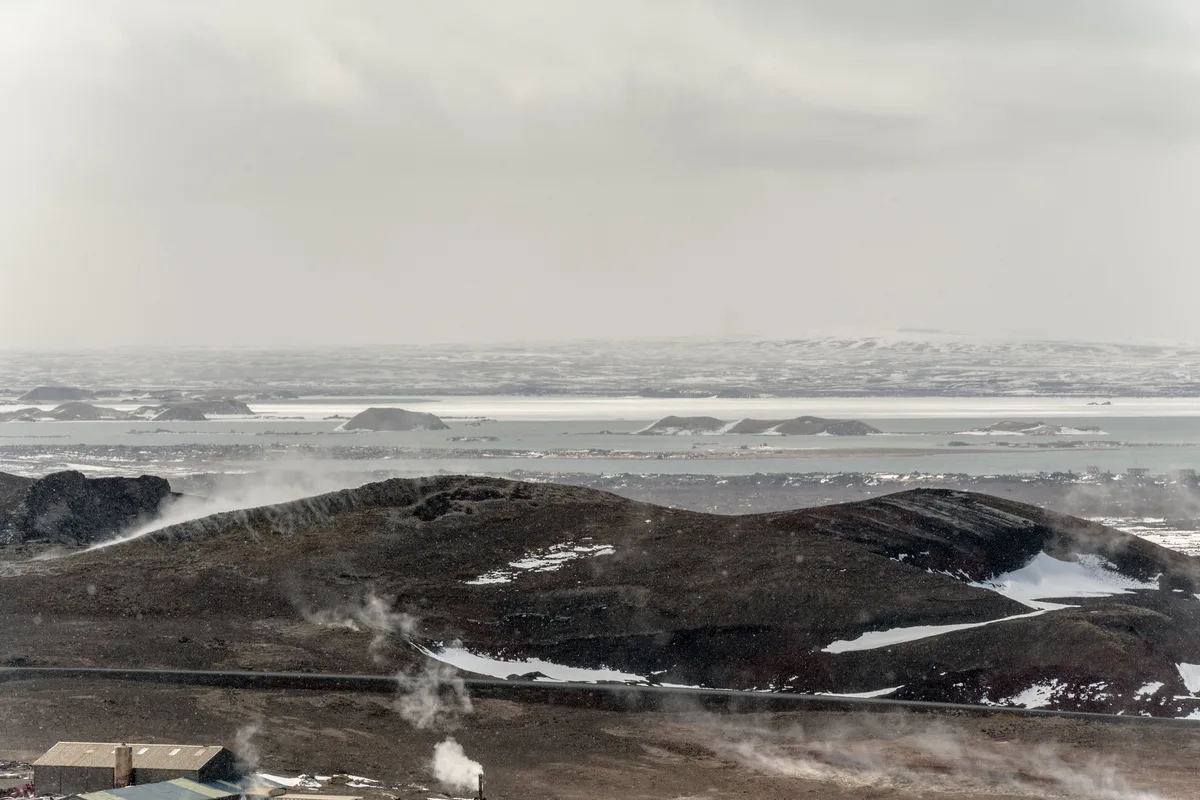
Grjótagjá is a fissure in the rift zone near Reykjahlíð, on the Ring Road side of Mývatn. Hot groundwater collects in a pool at the foot of a narrow lava cave. It is a viewing stop, not a swimming spot. Treat it as a short roadside visit inside a longer Mývatn day. It also belongs to Iceland's wider set of lava caves to compare.
- Look and photograph: yes, from the entrance area.
- Bathe: no, see the next section.
- Entry fee: none is listed for this natural site. Check local signage on arrival.
- Time needed: a short stop, usually well under an hour.
Can you swim in Grjotagja? The bathing rule
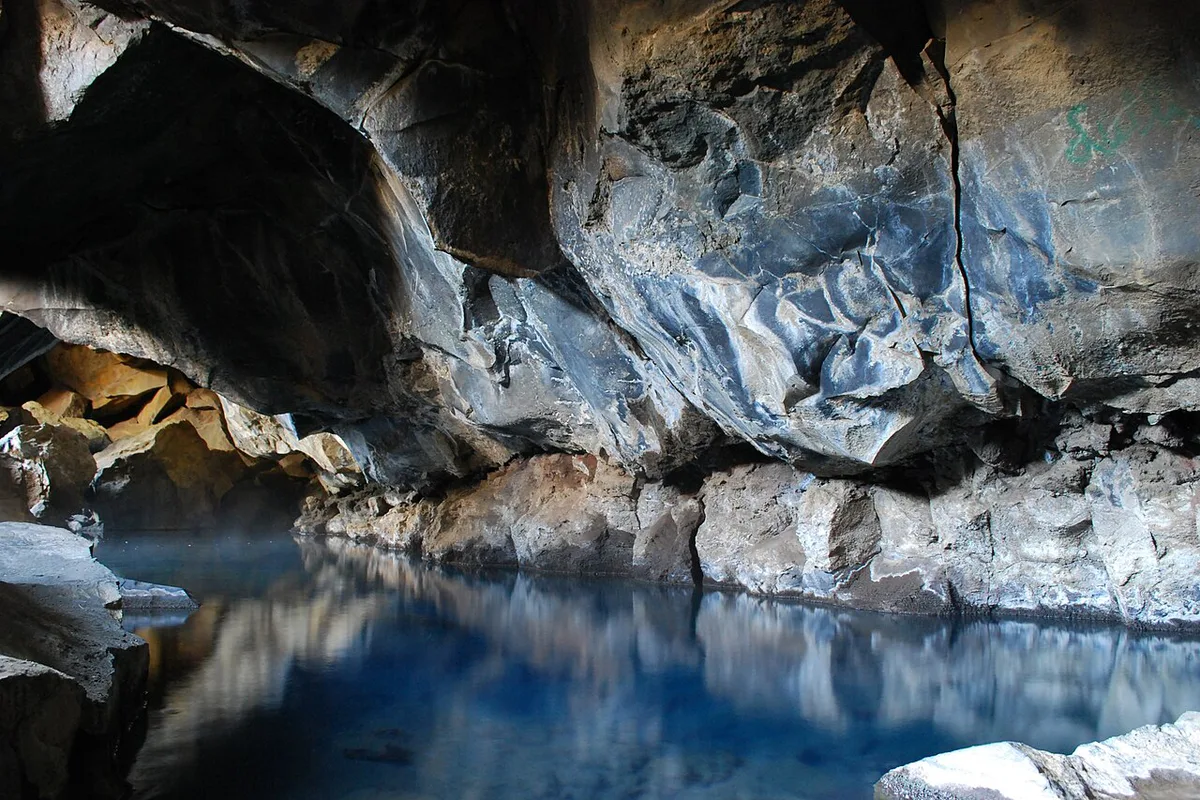
No. Bathing in Grjótagjá is no longer permitted for safety reasons, and visitors should stay out of the water. Temperature is the core problem. Reports say the water rose above 50 °C during the Krafla eruptions of 1975 to 1984. It has since cooled but is still unreliable and can swing without warning. Local advice from Visit Mývatn is the place to check current notices. If you want a soak, use Stóragjá or the Mývatn Nature Baths instead.
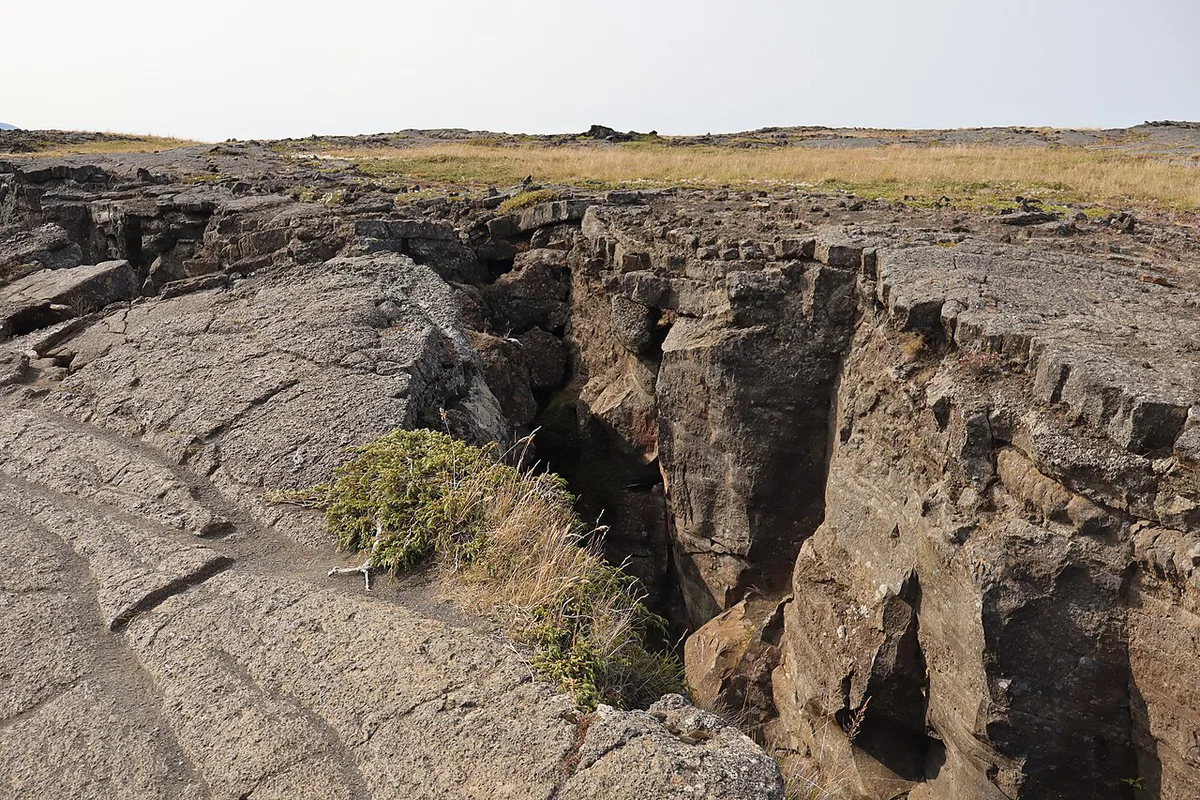
The heat comes from below. Grjótagjá is a crack in the lava on the rift zone that runs through the Mývatn area, where the North American and Eurasian plates are pulling apart, and groundwater filling the fissure is warmed by the geothermal system under Krafla. Before the eruptions of the 1970s, people from Reykjahlíð used the cave as a bathing spot. Those same eruptions heated the water beyond safe bathing temperatures, which is why the old custom ended.
| Option | Bathing allowed | Access | Cost level | Best for |
|---|---|---|---|---|
| Grjótagjá | No | Short roadside stop | Free to view | Photos, Game of Thrones fans |
| Stóragjá | Status changes; ask locally | Nearby cave pool | Check locally | Curious visitors who accept limits |
| Mývatn Nature Baths | Yes, public baths | Built facility with services | Paid; prices on the official site | Relaxed soak, all travelers |
How to get to Grjótagjá
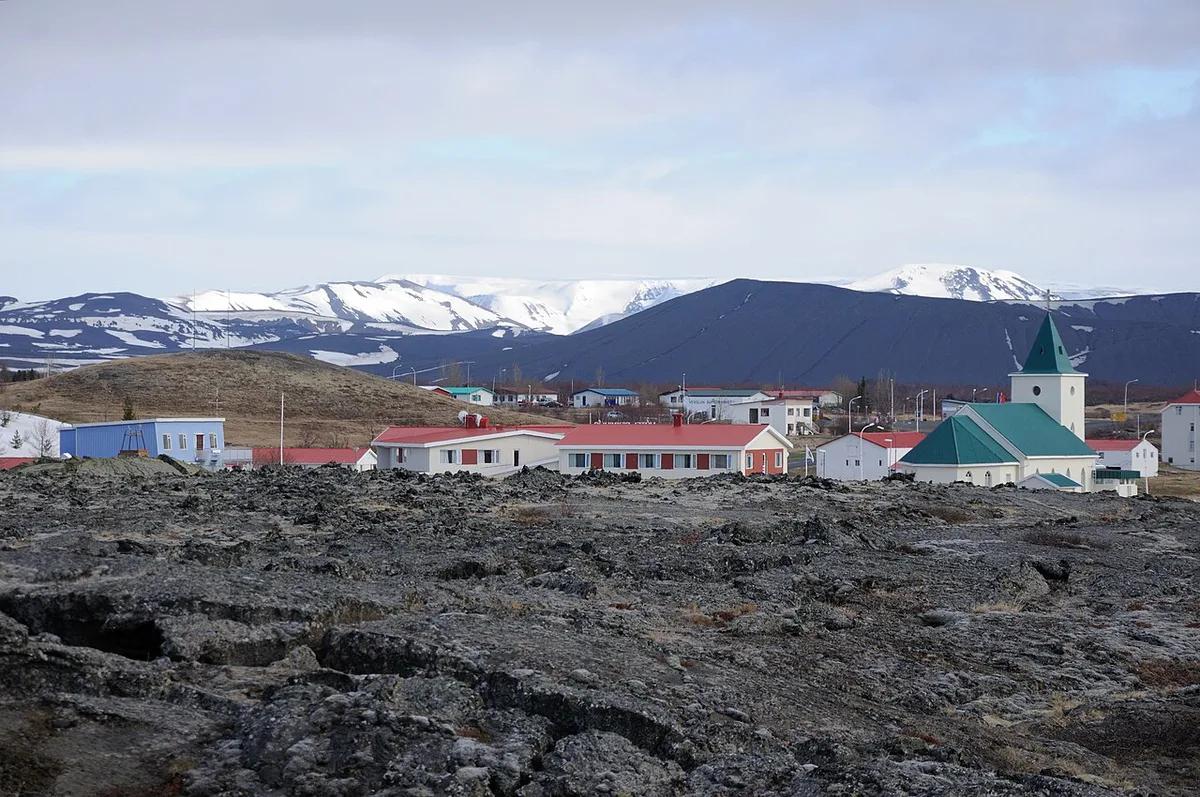
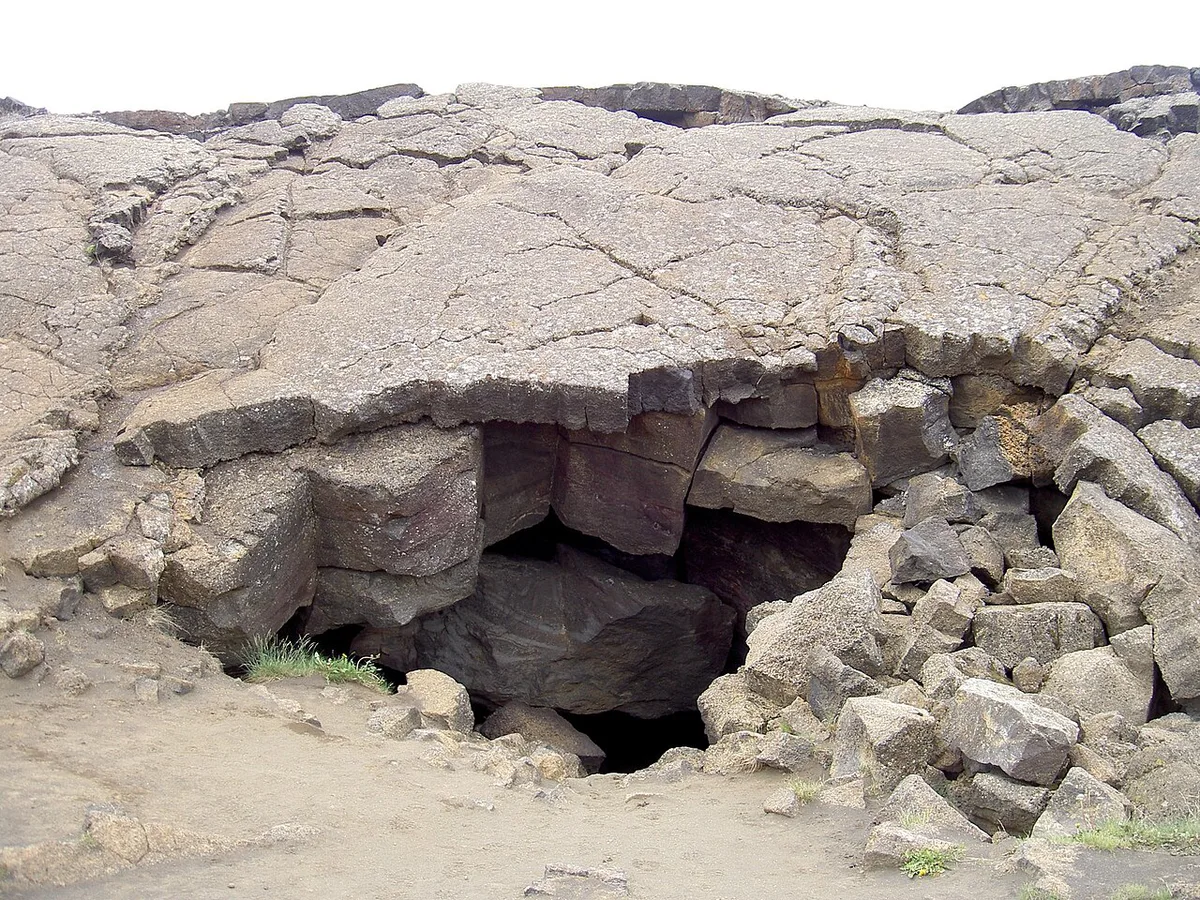
Drive from Reykjahlíð, the main settlement on Lake Mývatn. Grjótagjá sits a short distance away off the Mývatn ring road area. Follow local road signs and use an official map for the exact turn-off and parking spot. Public buses reach Reykjahlíð, but onward transport to the cave is limited, so a rental car or taxi works best. Winter driving needs a road check on safetravel.is and road.is before you leave.
Opening hours, parking and facilities at Grjótagjá
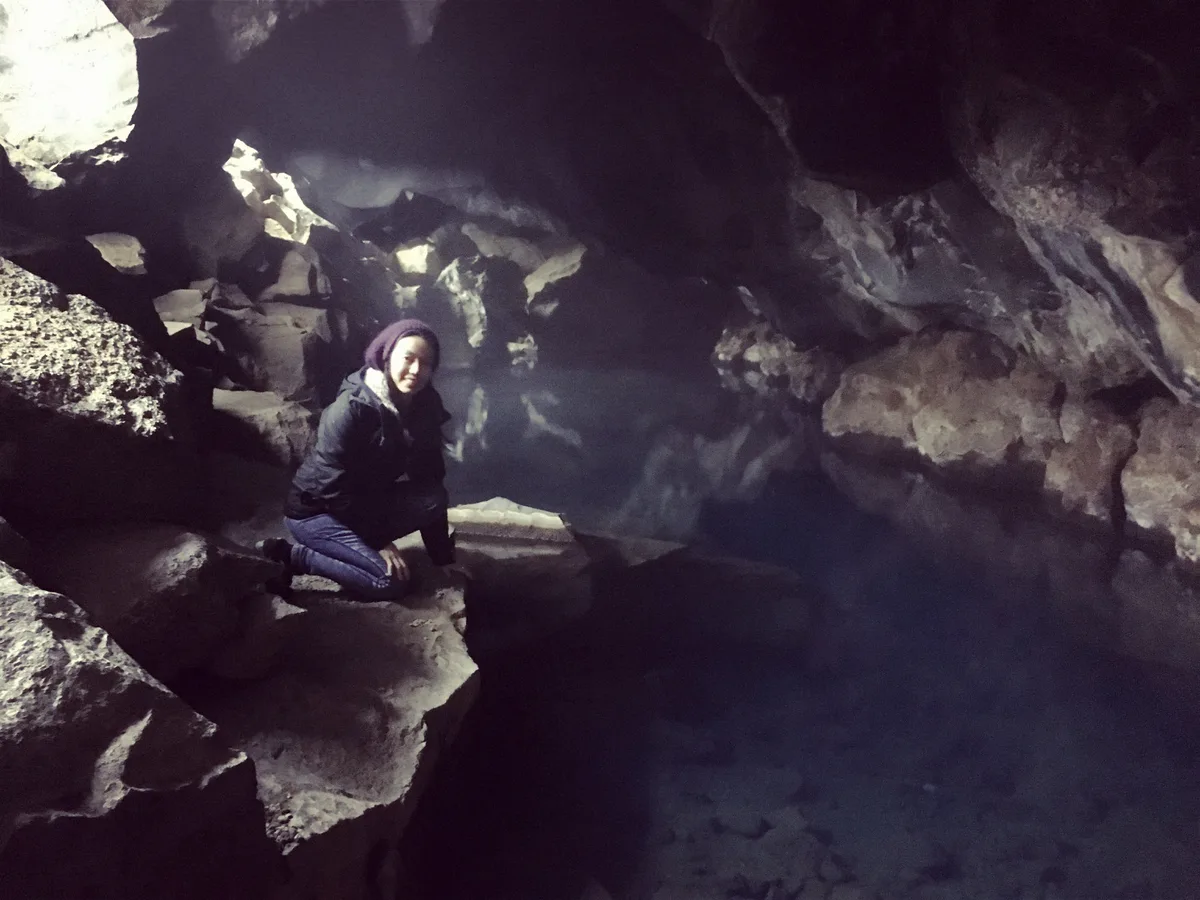
Grjótagjá is an open natural site, not a ticketed attraction. There is no gate, no staffed entrance and no published opening hours, so in practice you can arrive at any time of day. Light and weather decide when a visit is sensible, not a timetable.
| Detail | What to expect |
|---|---|
| Opening hours | None posted. The site is accessible year-round unless a closure notice is in place. |
| Entry | No fee is listed for the cave itself. |
| Parking | A small informal lot near the cave. It fills quickly around midday in summer, so allow a few minutes to wait or come early or late. |
| Toilets and food | None at the cave. The nearest services are in Reykjahlíð, so use them before you set out. |
| Path | Short and uneven, with loose lava rock. Wear sturdy shoes, and expect ice in winter. |
Planning your timing
- Early morning or evening: fewer people, softer light at the entrance and an easier time getting a clear photo.
- Winter: daylight is short, and a cave opening in low light gets dark quickly. Bring a head torch or phone light and check conditions before you drive.
- Closures: access can be restricted when the geothermal conditions change. Look for signs on arrival and follow them.
Because the facilities are minimal, most visitors combine Grjótagjá with a stop in Reykjahlíð for fuel, food and a restroom before continuing around the lake.
Is Grjótagjá worth the stop?
Yes, if you treat it as a quick detour. It suits photographers, geology fans and Game of Thrones viewers. Skip it if you have little time and want a bathing experience, because the Nature Baths do that better. For a real cave interior, Lofthellir is the natural pairing in the Mývatn area. Visitors who want a guided descent can look at Inside the Volcano. Larger lava tubes such as Raufarhólshellir offer far more space than Grjótagjá.
| Traveler type | Verdict |
|---|---|
| Game of Thrones fan | Go, it is a quick stop |
| Photographer | Go, but expect low light and steam |
| Short on time | Skip or do it only if passing |
| Wants to bathe | Skip, use the Nature Baths |
Best time to visit and what to expect
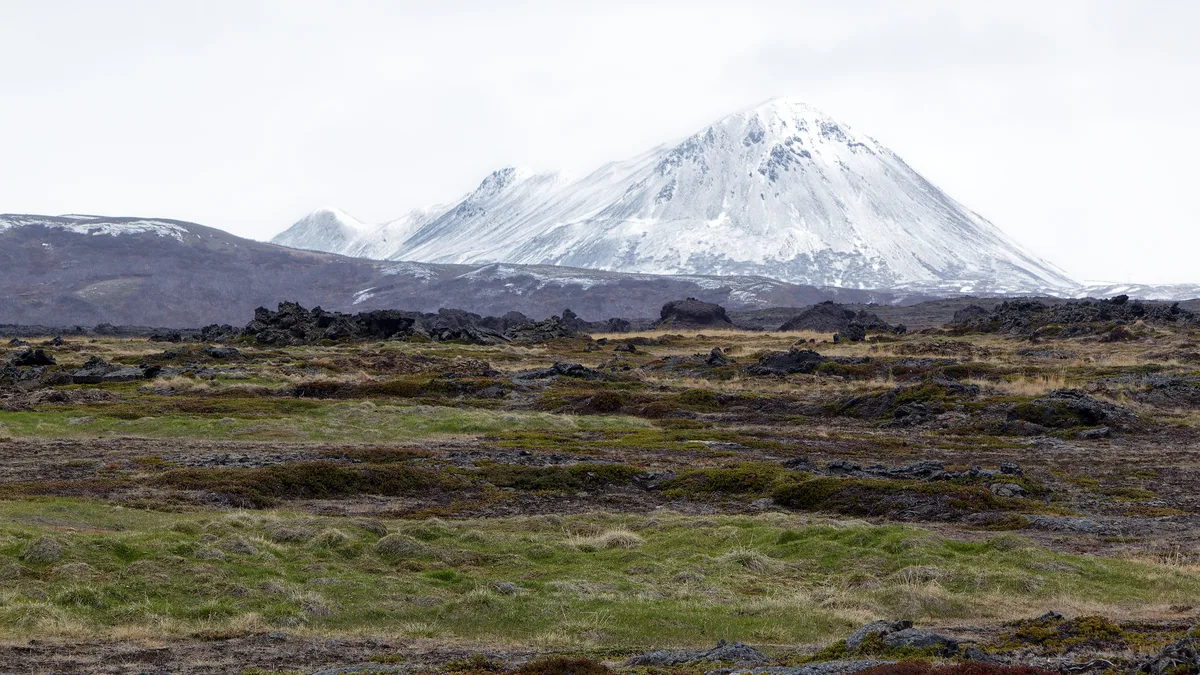
Summer brings milder weather and long daylight, which helps with photos of the cave opening. Winter shortens the day and makes roads and paths icy, so allow extra margin. Dress in layers in either season, since Mývatn weather changes quickly. Inside the cave it is dim and humid, so a phone torch helps. Crowds peak at midday in summer.
Grjótagjá and Game of Thrones
Grjótagjá is known as the cave where Jon Snow and Ygritte share a scene in Game of Thrones. That link draws many visitors today. Published accounts differ on the episode details, so the production's own credits are the reference for naming a specific episode.
What to combine nearby
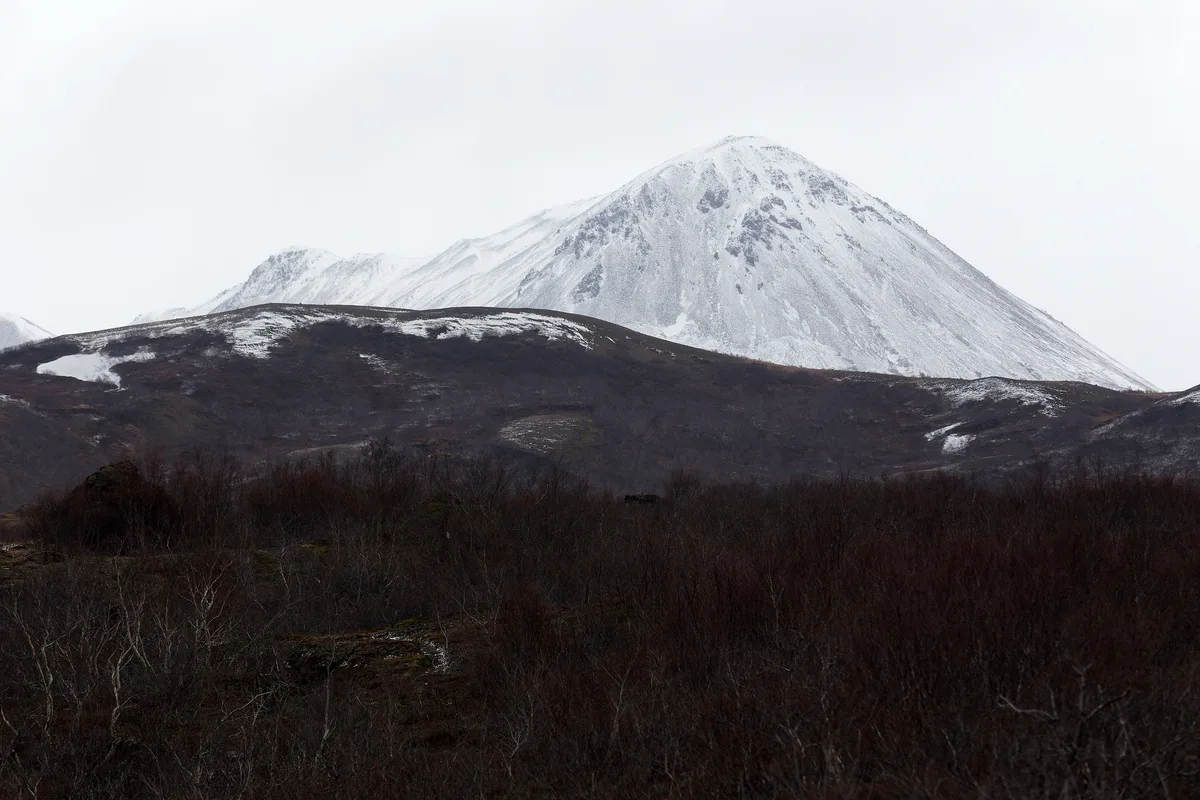
Grjótagjá fits a half-day loop around Lake Mývatn. Start at Reykjahlíð, then add stops by energy level. Good companions include Hverfjall, Dimmuborgir, Skútustaðagígar and Námafjall with Hverir. Goðafoss suits a longer day. Plan the order by daylight and by where you want to end for a soak. Tourism information for the region is on Visit North Iceland.
- Hverfjall: crater walk for views.
- Dimmuborgir: lava formations and short trails.
- Skútustaðagígar: pseudocraters beside the lake.
- Námafjall and Hverir: steaming geothermal ground.
- Goðafoss: waterfall for a longer day.
Safety and respect for the site
Confined space, steam and hot water are the main hazards. Do not touch or enter the pool, and obey any signs or closures. Loose rock can fall in lava caves, so keep your stay brief. Track current volcanic and geothermal conditions with the Icelandic Met Office. Mistakes to avoid: expecting to swim, lingering in steam, arriving without checking closures, and driving in winter without a road check.
Frequently Asked Questions
What is Krafla Crater?
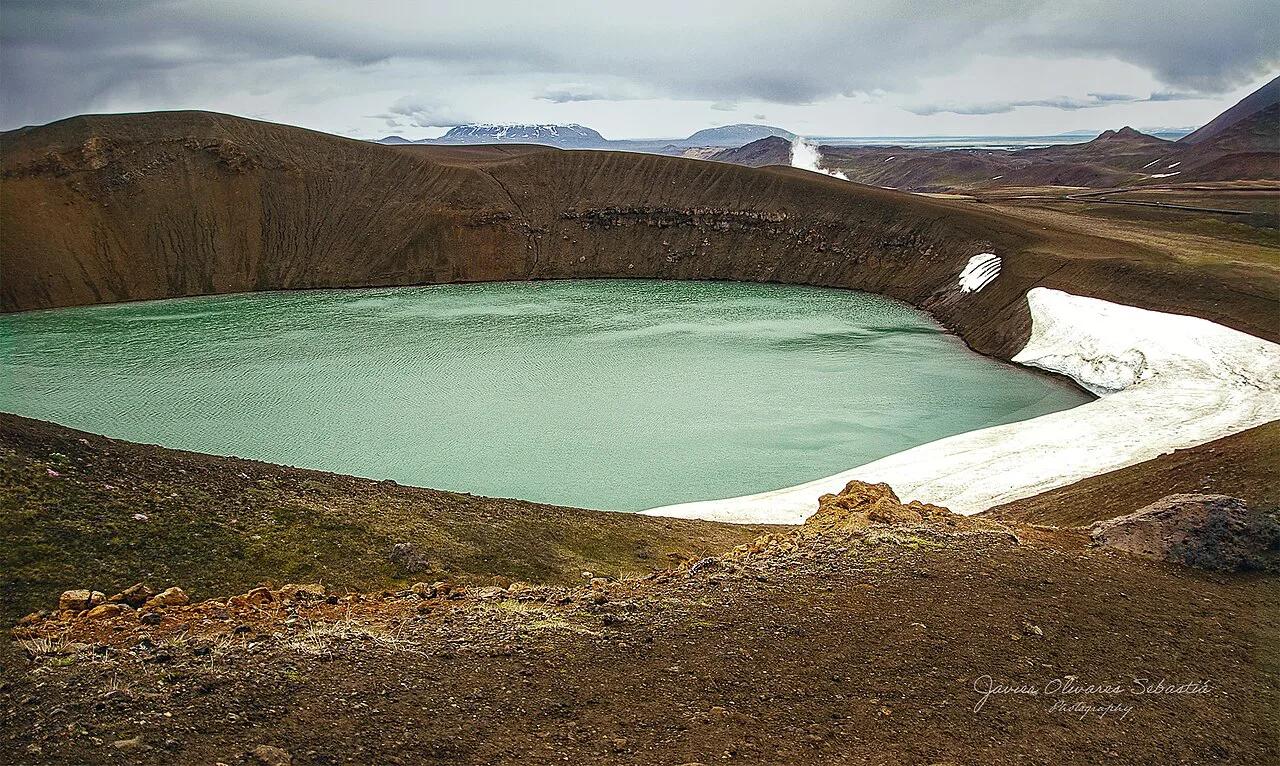
Krafla is the volcanic system near Mývatn that heats the area's groundwater. Its eruptions between 1975 and 1984 raised the temperature of the water at Grjótagjá.