Gruta do Natal, Terceira: Visitor Guide and Tips
Last updated November 2026: Gruta do Natal is a lava tube on Terceira in the Azores, surveyed at about 697 m (roughly 2,287 ft) of passage. It suits first-time lava-tube visitors, rainy-day plans and short stops, and the cave plus the detour fits inside about two hours. For most travelers, Terceira's volcanic chimney is the stronger underground stop, but this cave earns a short detour if you pass nearby.
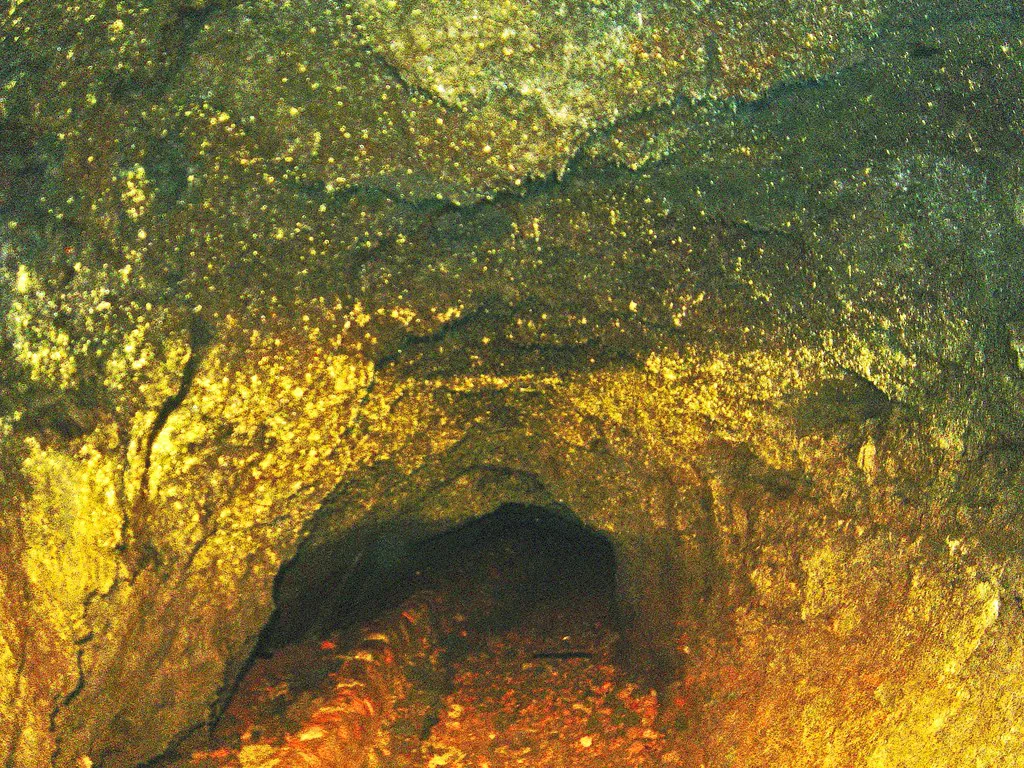
Featured image: Diego Delso, CC BY-SA 4.0, via Wikimedia Commons.
What Gruta do Natal is
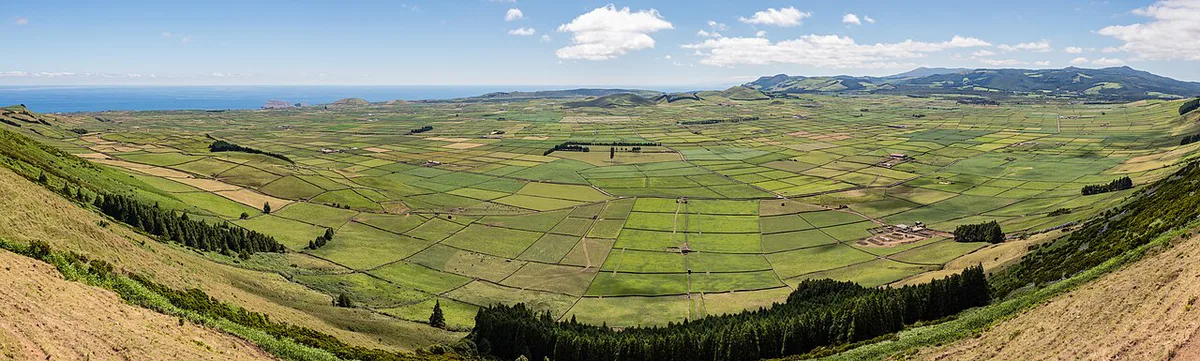
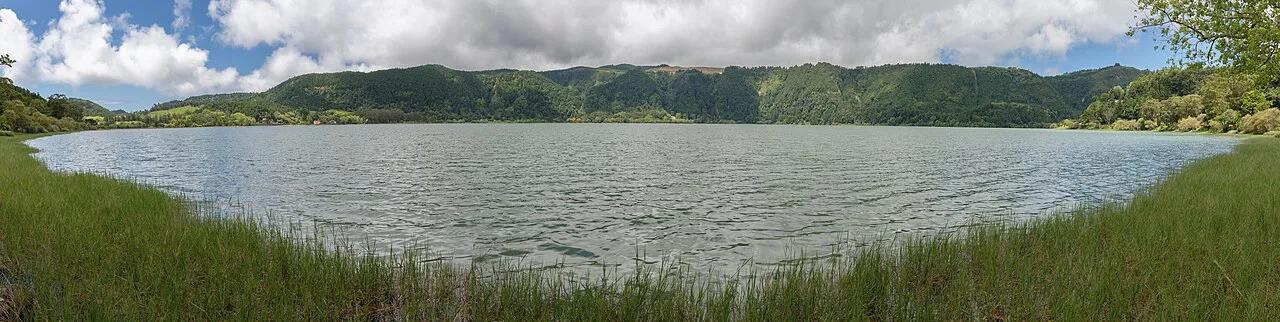
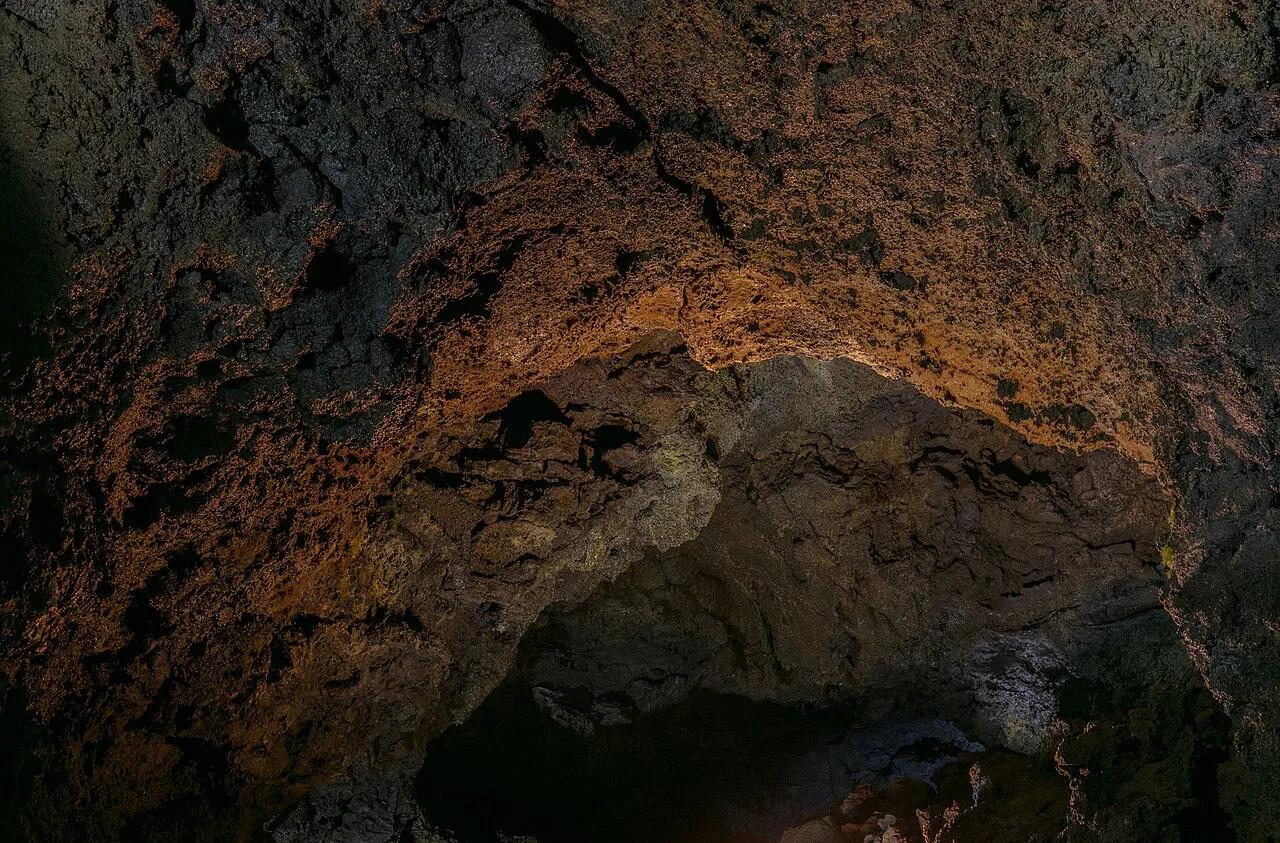
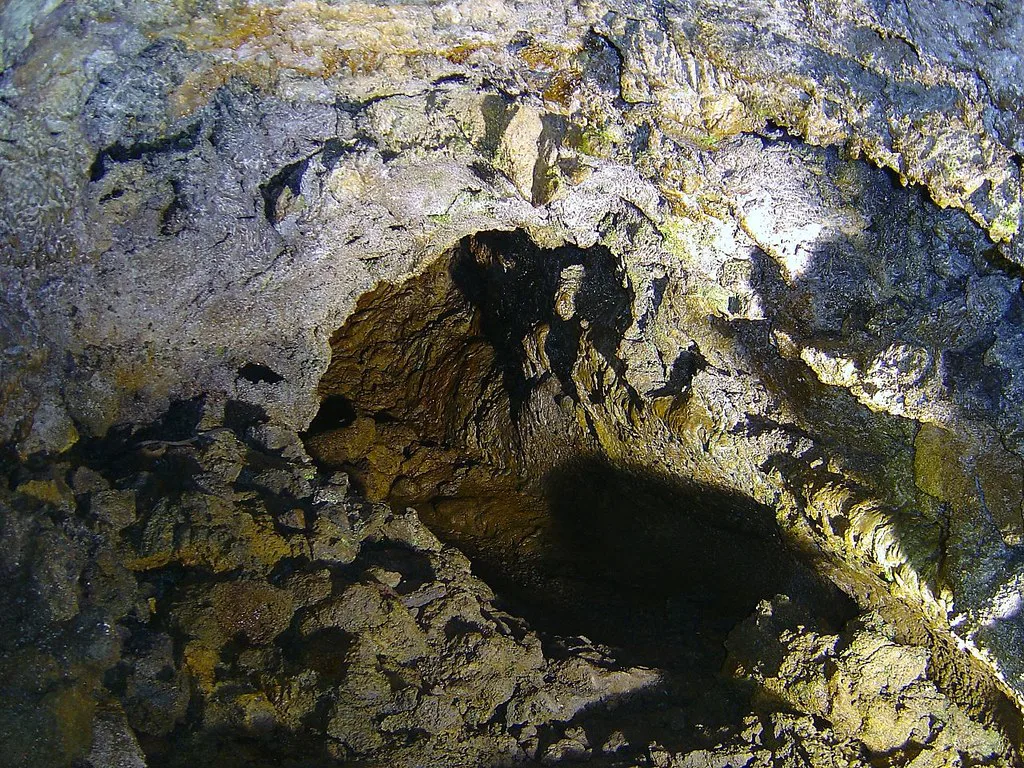
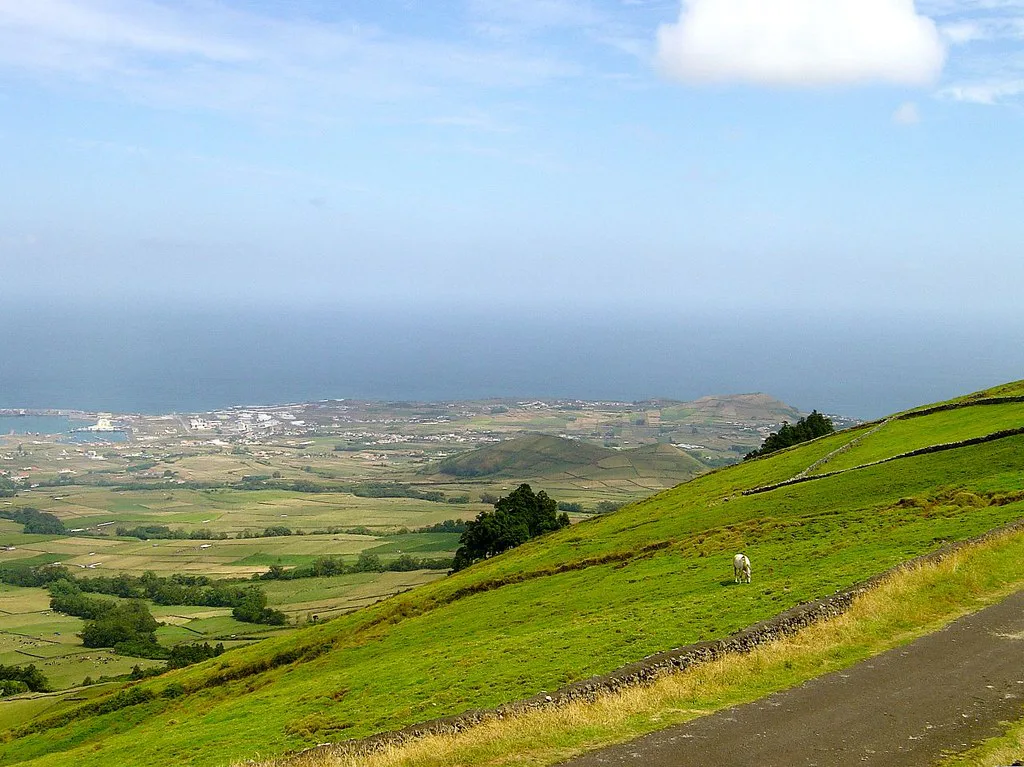
Gruta do Natal (also written Gruta de Natal, or Cueva de Navidad in Spanish) is a basaltic lava tube. Lava tubes form when a lava flow cools and crusts over on the surface while molten rock keeps running underneath. When the eruption ends and the lava drains away, a hollow passage stays behind. You find it on Terceira in the Serra do Cume and Algar do Carvão area, inside the island's Nature Park. Lagoa do Negro lies opposite the entrance, part of the cave runs beneath it, and Japanese cedar (cryptomeria) forest surrounds the site. The cave was first known as Galeria Negra, then as Gruta do Cavalo after Os Montanheiros, the Angra do Heroísmo caving association founded in 1963, explored it. A Christmas Day Mass held inside in 1969 gave it the name it carries today. A 1998 survey raised the mapped length from 510 m to 697 m. The current building and access date from 1998, regular tourist visits began the following year, and the building was extended in 2006.
Is Gruta do Natal worth visiting?
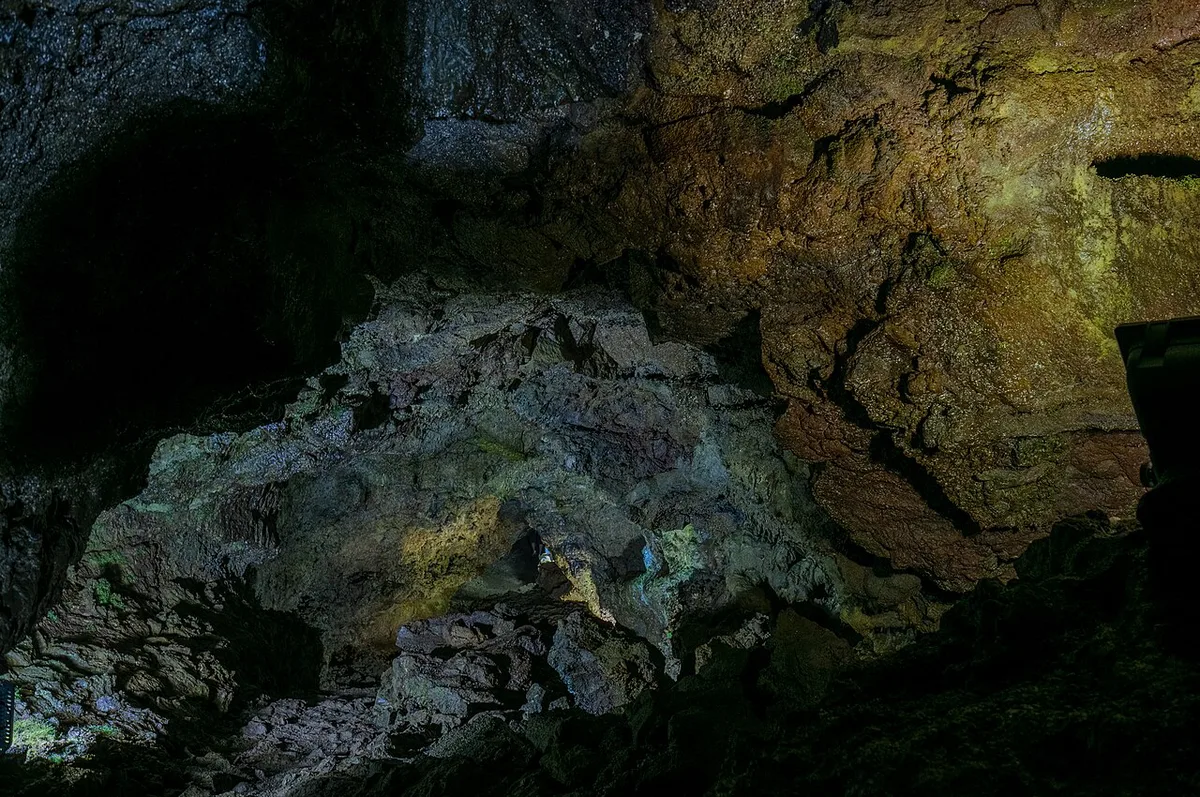
Treat it as an easy introduction to lava tubes rather than the main event on Terceira. Most visitors find the whole stop, detour included, takes at most about two hours.
- Go if this is your first Azores lava tube and you want something simple.
- Go if rain has cancelled coastal plans, since the visit is mostly underground.
- Go if you are already driving near Lagoa do Negro and have a spare hour or two.
- Skip it if time is tight and you have already planned Algar do Carvão.
- Skip it if uneven floors or a low, stooping passage are a concern.
What you see underground
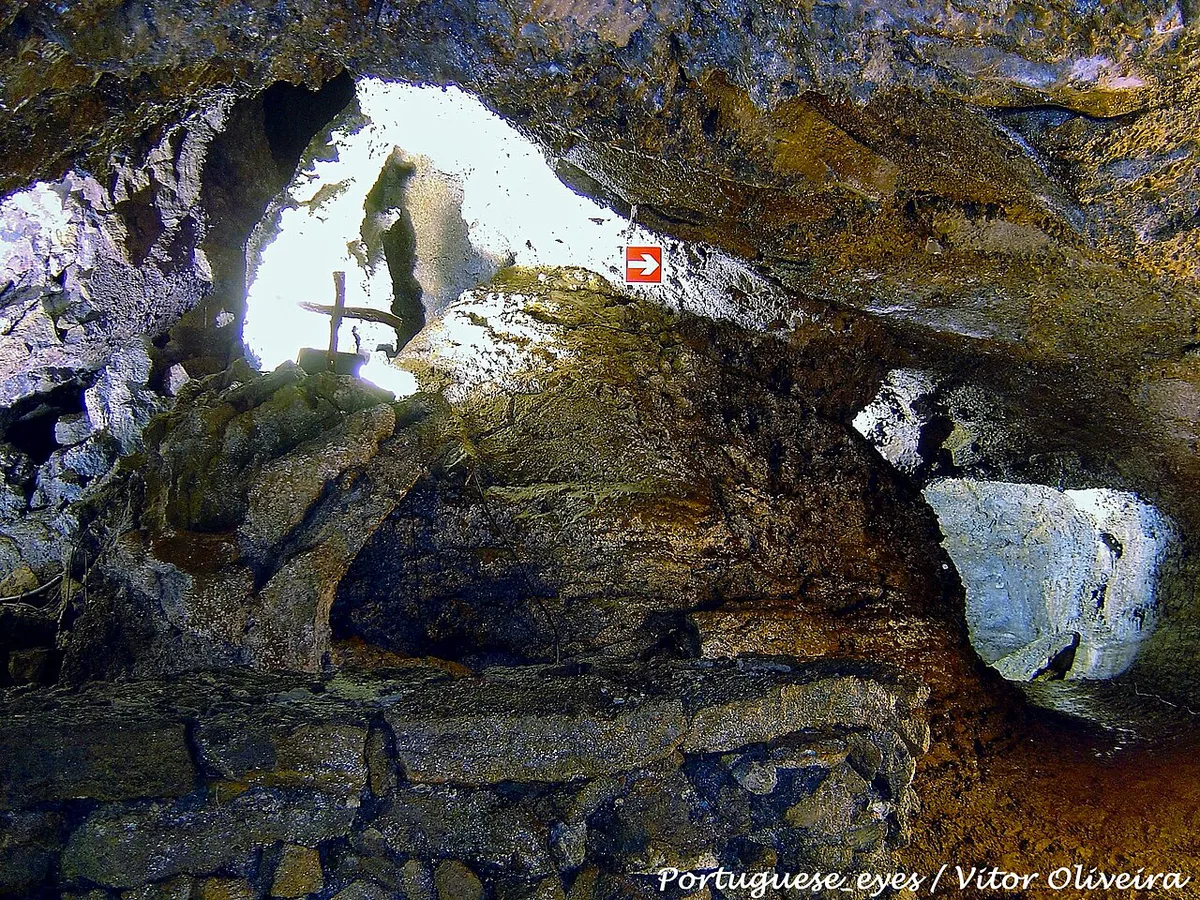
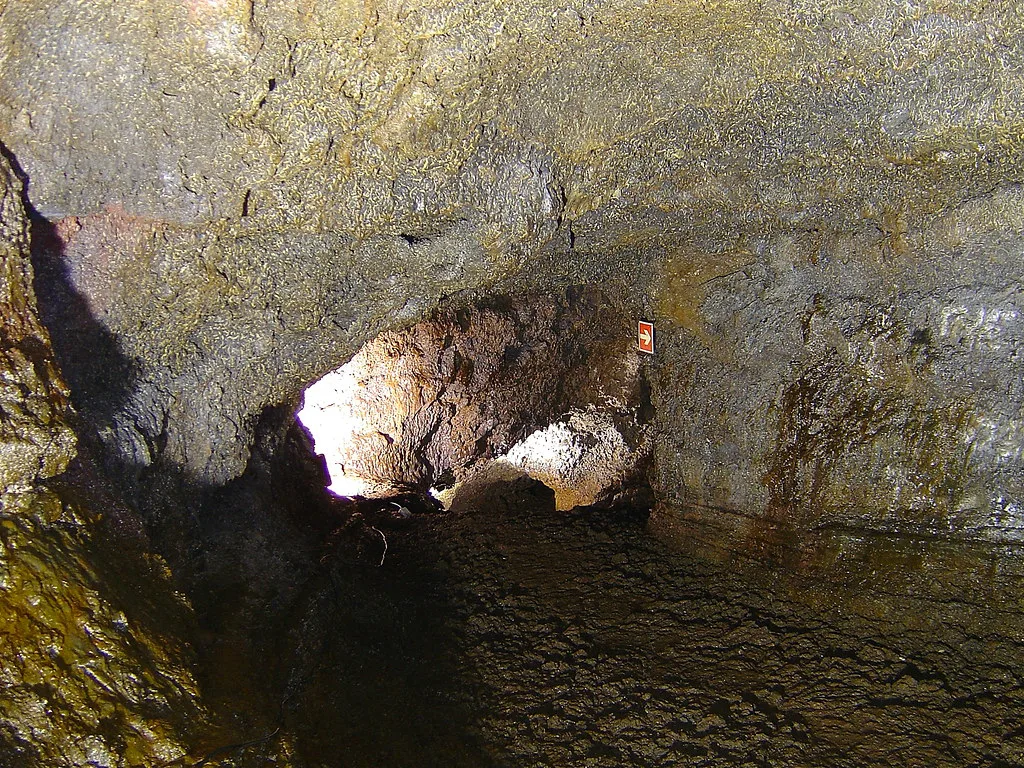
The ticket desk, the access staircase and a small geology museum share one building. Visits are self-guided, so the lights stay on and green algae patches show near the lamps. A door after the first stairs must be closed behind you to protect the cave's microclimate. From there you choose between two routes, and the table compares them.
| Route | Where it goes | What to expect |
|---|---|---|
| Northern gallery (left) | About 100 m each way, passing beneath the lagoon | Easiest and least interesting. This is where the 1969 Mass was held. The floor is original and uneven. |
| Circular route (south) | Starts up a narrow stair to your left, just before the entry point, and loops back to the door | Most colourful and varied section. Floor is more uneven, and one low section needs stooping and may be waterlogged. |
- Museum: samples of biscoitos, ash and lapilli, plus photos and explanatory panels.
- Do the northern gallery first, then the circular route, then finish in the museum.
Tickets, hours and getting there
Ticket prices, seasonal opening hours and last-entry times are not confirmed here. Check Os Montanheiros' Gruta do Natal page or the official Visit Azores site for current details, including parking and toilets.
What to wear and bring
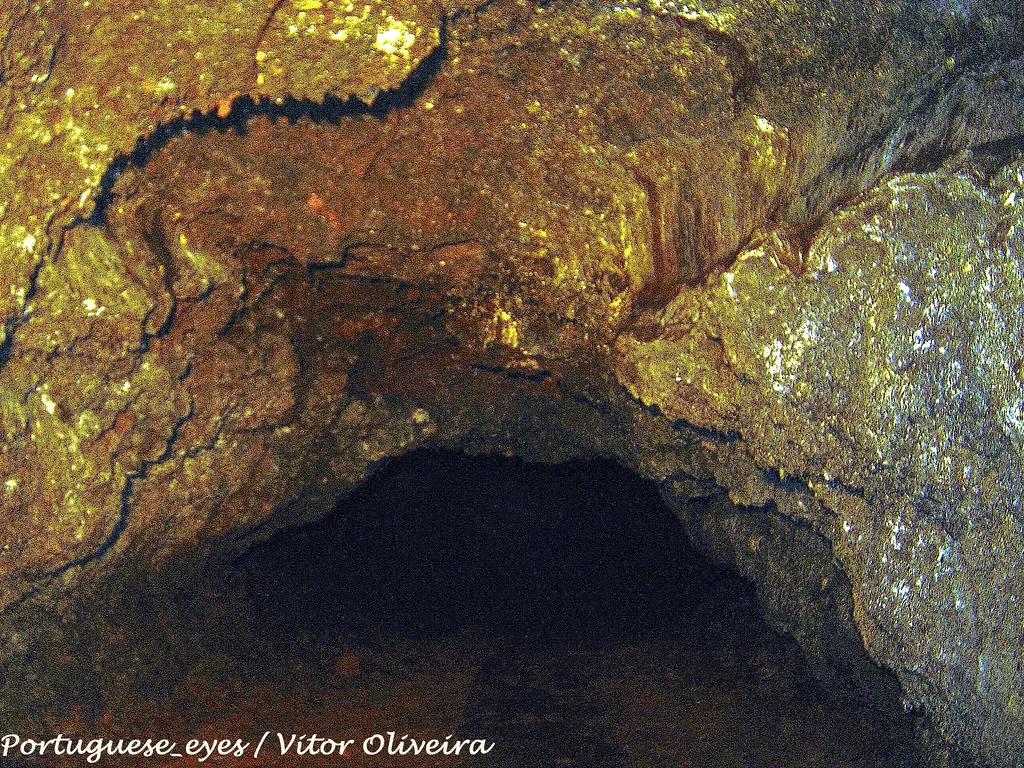
Wear non-slip shoes that can get wet, because the stooping section may be flooded. Add a light layer, since caves stay cool. Lights are on throughout the 697 m survey's visitable sections, so a headlamp is not essential. Leave sandals in the car.
- Mistake: leaving the door open. Close it behind you every time.
- Mistake: touching walls and formations. Keep your hands to yourself.
- Mistake: expecting a smooth path. The floor is original rock, and even the easy 100 m gallery is uneven.
Planning a day on Terceira
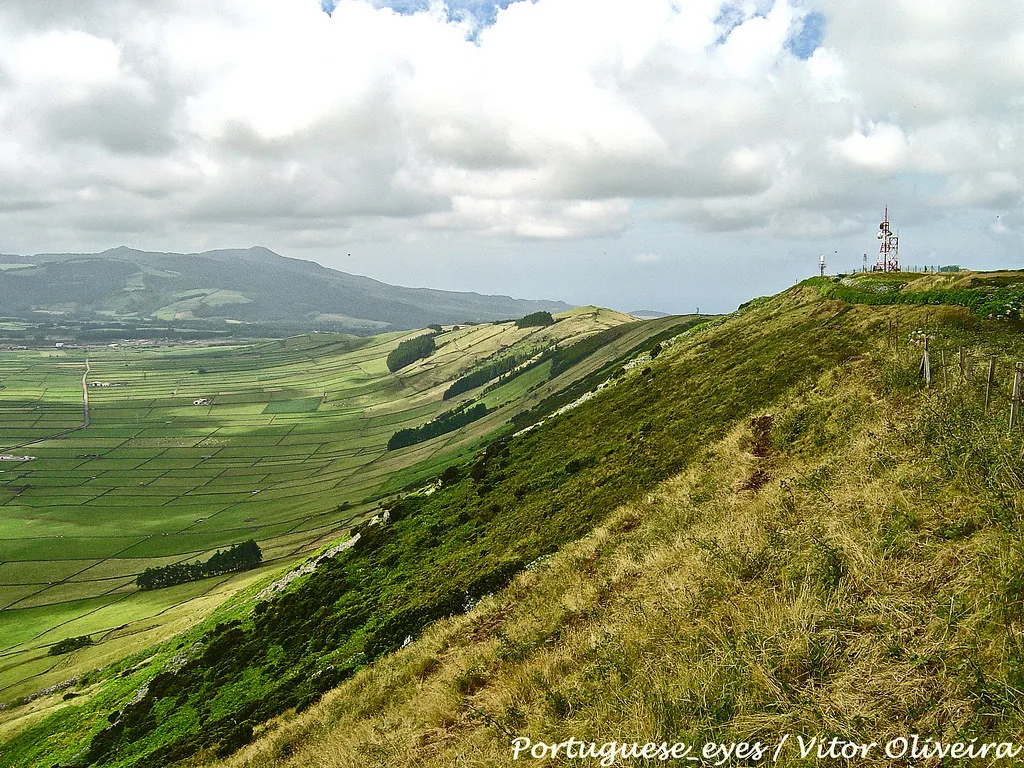
Pair the cave with one other stop rather than stacking several. Combining it with Algar do Carvão makes a natural half-day for anyone interested in underground volcanism. The table shows how the options differ.
| Stop | What it adds | Extra time | Who it's for |
|---|---|---|---|
| Gruta do Natal | Horizontal lava tube, two routes, small geology museum | Up to about 2 hours with the detour | First-timers, rainy days, short stops |
| Algar do Carvão | A vertical volcanic chimney, a very different experience | Check its official page | Anyone with time for one stronger stop |
| Gruta das Torres (Pico) | Cross-island comparison of another lava tube | Not a same-day stop | Travelers also visiting Pico |
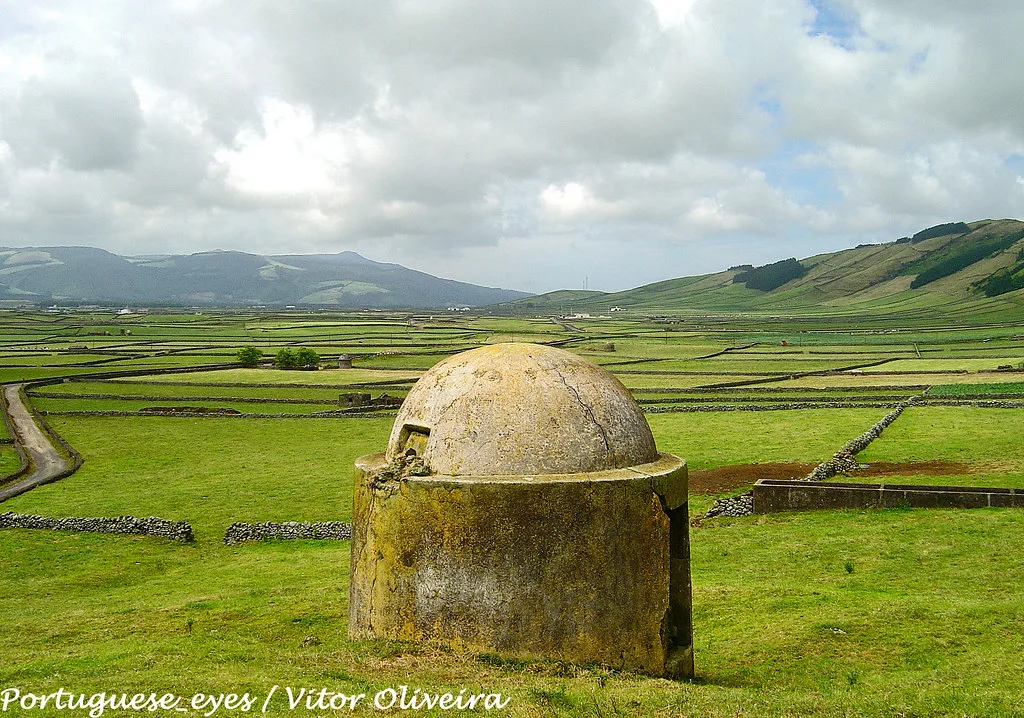
- For a cross-island comparison, read about the lava tube on Pico.
Beyond Terceira
For the wider picture, start with our guide to Azores volcanoes. Our Azores Volcano Tour: Which One to Book (and When to Skip) shows how to link islands. São Miguel adds Lagoa do Fogo crater lake, Caldeira Velha hot springs and Furna do Enxofre, Graciosa: Visiting the Lava Cave. On Faial, see Capelinhos volcano and the Faial caldeira. These sit on other islands, so plan them as separate stops.