Algar do Carvão, Terceira: Visiting the Volcanic Chimney (Hours, Tickets, Tips)
Last updated November 2026. Visiting algar do carvao means descending a volcanic chimney on Terceira to a rain-fed pool, past ceiling formations of silica. It suits geology fans, photographers and families with older kids. Opening days are limited, so fix the schedule first, then the drive, then the pairings below.
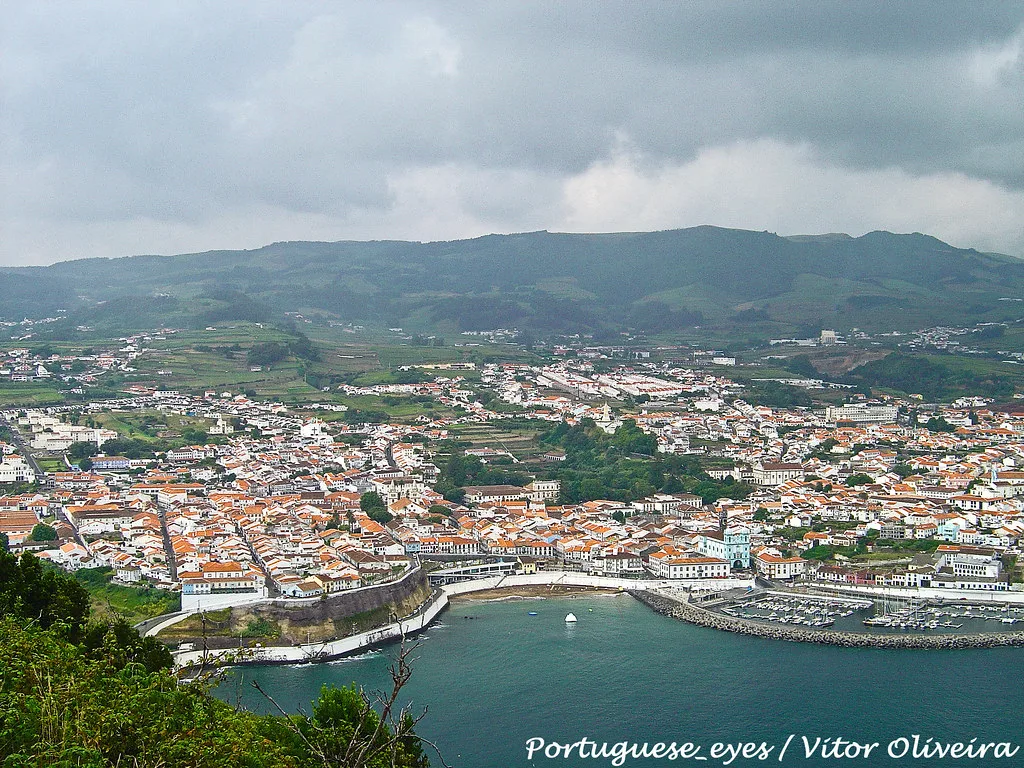
Featured image: Portuguese_eyes, CC BY-SA 2.0, via Flickr.
Algar do Carvão at a glance
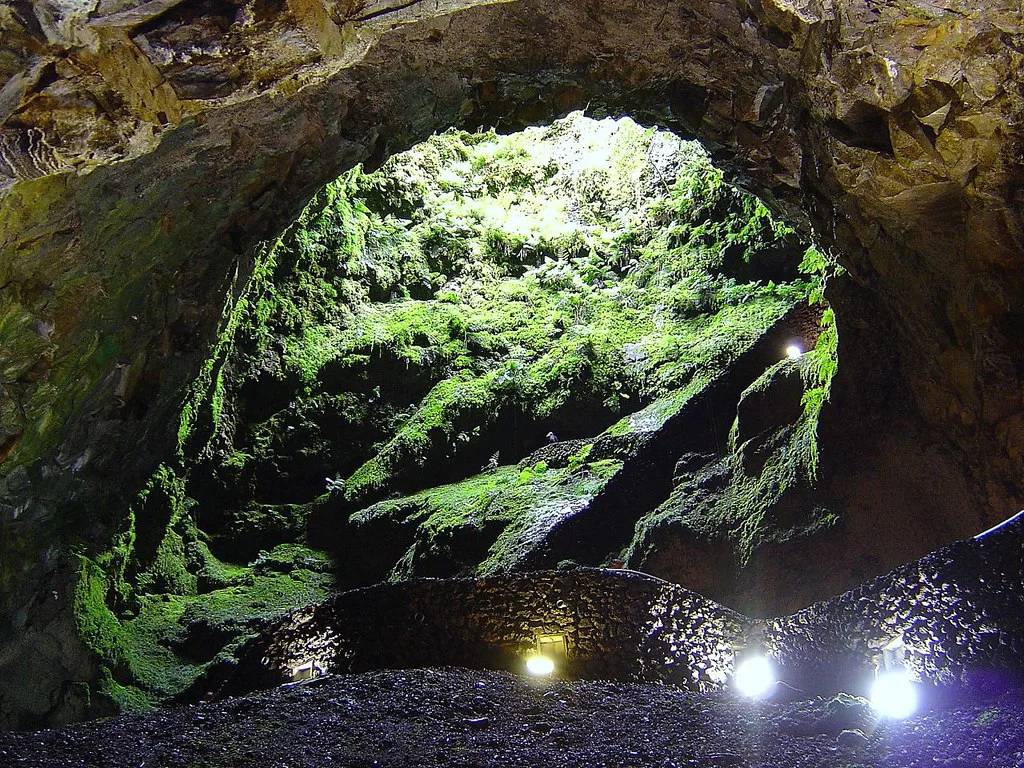
Algar do Carvão is a volcanic vent and lava-tube cave in central Terceira, in the Azores. Visitors walk in through a tunnel, then descend a concrete staircase of 338 steps to a chamber with a silica-stalactite ceiling and a pool. Os Montanheiros, a local association, runs the site, which has been open to visitors since December 1968.
- What it is: a volcanic chimney roughly 90 m deep that formed about 3,200 years ago.
- How you enter: a tunnel, then 338 concrete steps linking viewing platforms.
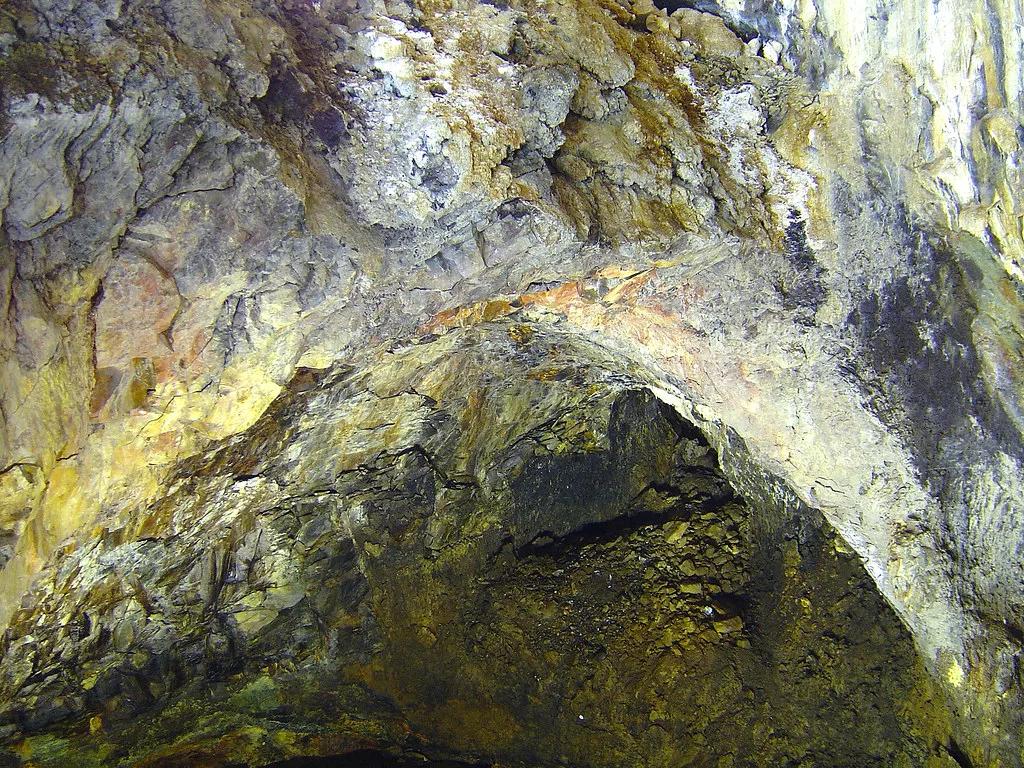
- What you see: silica stalactites, a rain-fed pool and daylight through the open chimney.
- Interior temperature: 12–13 °C all year.
- Best for: geology fans, photographers and families with older kids.
Is Algar do Carvão worth visiting?
Yes, if you want scale rather than spectacle. Few caves let you stand inside a former volcanic throat, with daylight and ferns overhead and mineral formations below. Geology fans and photographers will get the most from it. Visitors expecting a ride, a lit show or a quick roadside look may find it underwhelming. Expect a guided, timed descent, followed by a climb back up 338 steps. Skip it if stairs are a problem or you cannot commit an afternoon slot. A walk-in lava tube such as Gruta do Natal, Terceira: Visitor Guide and Tips may suit you better in that case.
How to get to Algar do Carvão
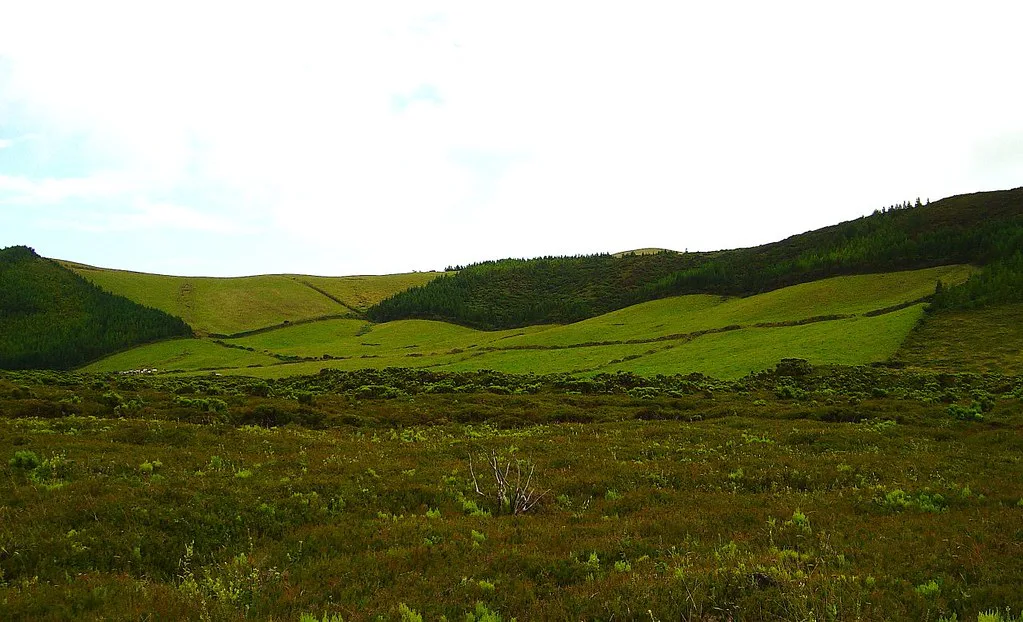
No public bus reaches the site, so you need your own wheels or a driver. Algar do Carvão sits roughly 12 km north of Angra do Heroísmo, inside the Santa Bárbara forest reserve. The route is reported to be well signed. Interior roads are narrow, and the highlands are often foggy. Three options work.
- Rental car: the most flexible choice, and it lets you pair the Algar with other stops. Drive slowly in mist.
- Taxi: no driving stress, but agree a return pickup time, because there is no bus fallback.
- Guided tour: a guided volcano tour can bundle caves, fumaroles and this chimney into roughly 3 hours, with transport included.
Opening hours, tickets and booking
Opening days are the main planning trap. In 2020, visitors reported winter hours of 15:00–17:00 on Monday, Wednesday and Friday only. Summer hours that year ran 15:00–17:00 daily. Prices were €6 for the Algar alone and €9 for a combined ticket with Gruta do Natal. Those figures date from 2020 and have not been re-verified for 2026. Confirm the current schedule on Visit Azores before building a day around it. Treat the visit as a fixed afternoon slot, and schedule everything else around it. Bring cash, because card signal near the site can be weak.
Reports from 2020 put winter visits at 15:00–17:00 on set weekdays, so time the drive from Angra backward from that slot.
What the descent is like
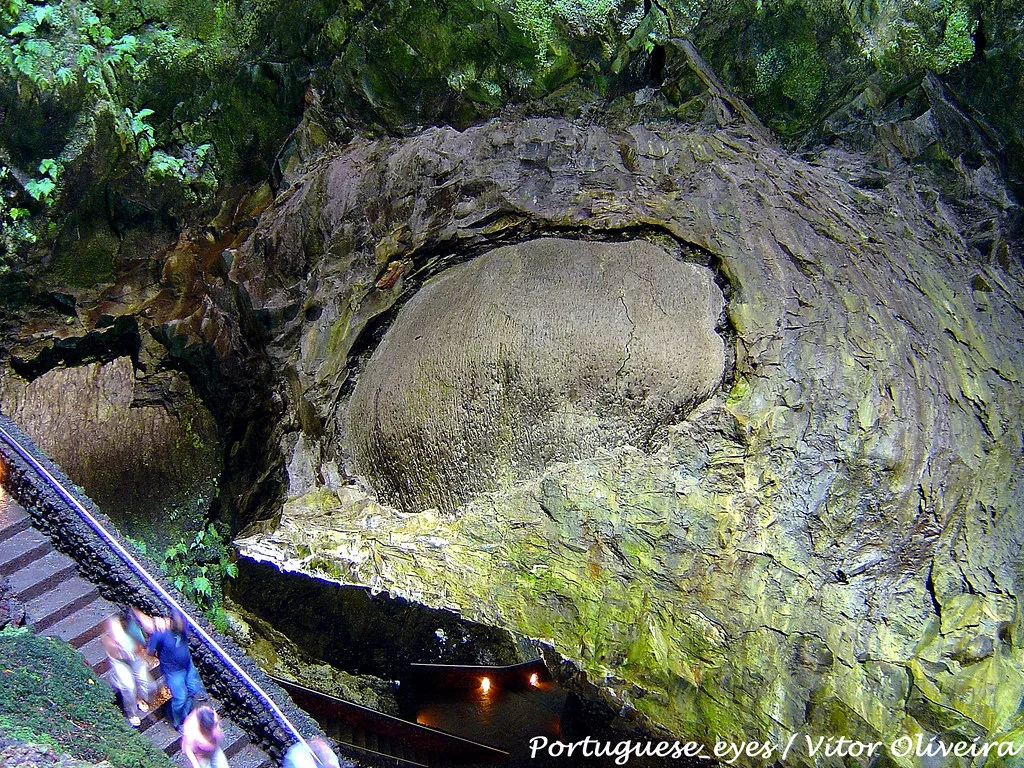
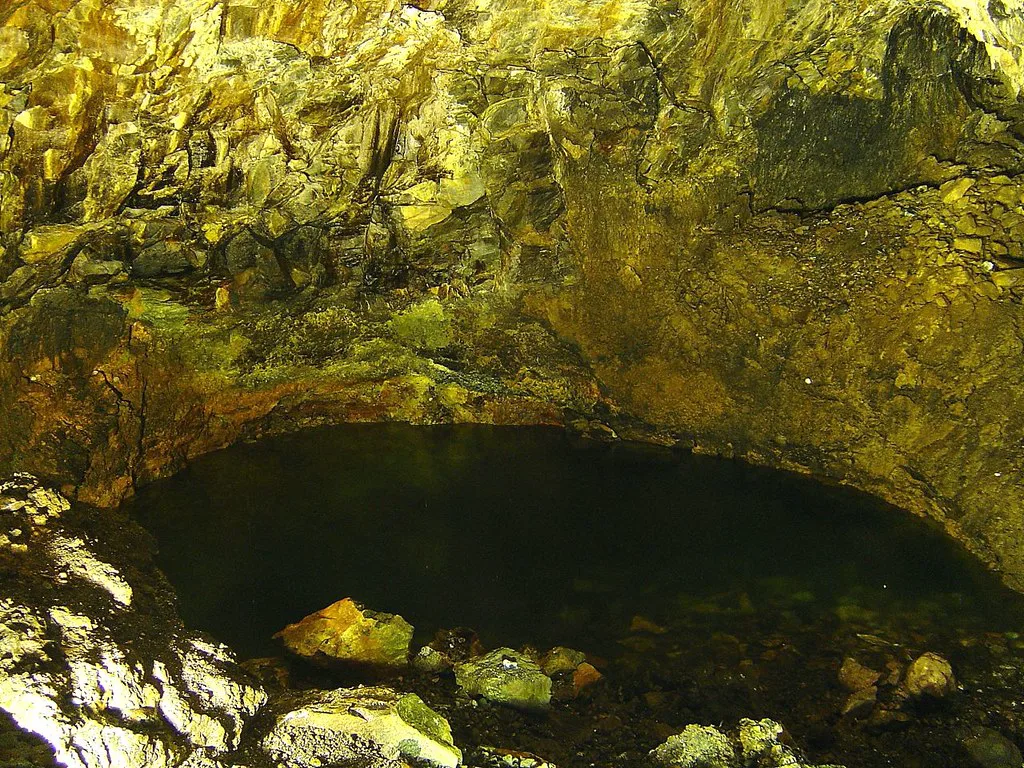
You pass the visitor centre, then walk a tunnel of about 44 m before the staircase begins. Concrete steps, 338 in total, connect several viewing platforms. Daylight enters through the open chimney, so you see vegetation on the walls and hear rain falling. At the bottom, a rain-fed pool can reach about 15 m deep and cover roughly 400 m². After a dry summer it may nearly disappear. Silica stalactites and stalagmites coat the walls, and some reach about 1 m. Interior temperature holds at 12–13 °C, and the steps stay damp. Wear shoes with grip and bring a warm layer. Tripods are not allowed, so plan handheld photos.
How long to plan and how to combine it
Allow a full afternoon for the Algar alone once you add the drive from Angra do Heroísmo. Gruta do Natal lies about 6 km away and is a lava tube 697 m long where you can mostly walk upright. If both caves share the same 15:00–17:00 window, you may need two afternoons. Furnas do Enxofre is a free fumarole field with a wooden walkway and no set hours. A sensible half-day puts the fumaroles in daylight first and the Algar in the afternoon slot.
Pairing with Gruta do Natal cost €9 in 2020, against €6 for the Algar alone, so check whether the combined ticket still applies.
| Option | Best for | Time commitment | Cost approach | Access effort | Weather sensitivity |
|---|---|---|---|---|---|
| Algar do Carvão alone | Geology fans, tight schedules | One afternoon slot plus the drive from Angra | One entry ticket plus fuel or taxi | 338 steps down and up | Low inside; misty drive |
| Algar + Gruta do Natal | Cave fans with a car | Long afternoon; caves about 6 km apart | Combined ticket existed in 2020 at €9 | Stairs plus uneven lava-tube floor | Low to medium |
| Algar + Furnas do Enxofre | Contrast of cave and surface steam | Morning fumaroles, afternoon cave | Fumarole field was free in 2020 | Wooden walkway, easy | High: steam is hard to see in mist |
| Guided volcano tour | No car, no navigation | Fixed block of about 3 hours | Tour fee covers transport | Same stairs, no driving | Operator may reorder stops |
Best time to visit and weather
Rain barely matters inside the chimney, and it feeds the pool. Cloud matters more outside. Terceira's highlands are frequently misty, which slows the drive and dims the light that reaches the shaft. Azores temperatures run about 13–24 °C across the year, and June to September is warmer at roughly 18–25 °C and drier. Summer offers more open days and more visitors. Winter has fewer open days, so a short trip needs earlier planning. Wet weeks raise the pool, and a dry summer can leave it nearly empty.
Geology and history in brief
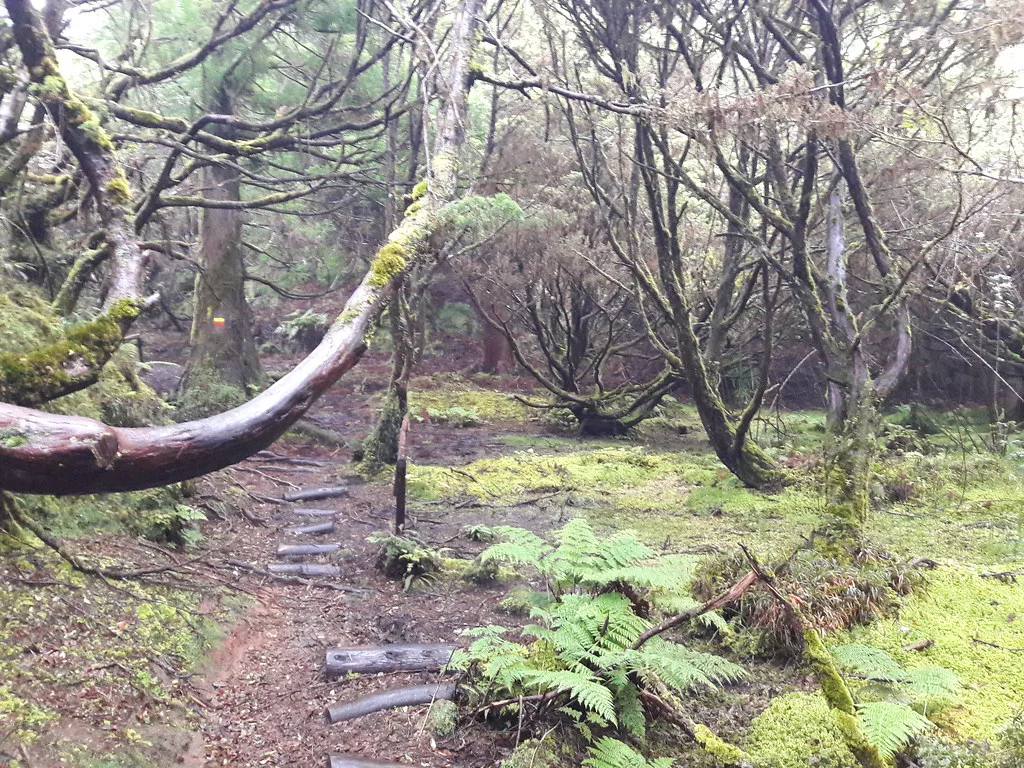
Algar do Carvão formed about 3,200 years ago when magma drained away and left a vertical shaft open to the sky. Water seeping through the walls deposited the silica and opal stalactites that coat the interior. Few volcanic cavities hold such formations. The site lies in the Santa Bárbara forest reserve and is protected as a Regional Natural Monument. For the wider picture, read our Azores volcano guide. Volcanic monitoring across the archipelago is handled by the IVAR/CIVISA observatory.
Practical tips and mistakes to avoid
Most problems come from timing and preparation, not the cave itself. Avoid these mistakes.
- Wrong day: opening days are limited, so confirm them before you drive up.
- No transport: no bus runs here, so arrange a taxi return or a tour.
- No layers: it is 12–13 °C inside and damp.
- No cash: card signal may be weak.
- Wrong shoes: 338 steps of damp concrete need good grip.
- Tripod in the bag: tripods are not allowed.
- Mobility needs: tell staff in advance, because very young children, pregnant visitors and people with limited mobility are advised against the descent without notice.
- Swimming plans: diving and swimming in the pool are reported as not allowed, to protect the site.
Nearby stops on Terceira
Beyond the two stops above, three more places fit the same day. Other volcanic sites such as Capelinhos sit on other islands and need separate trips.
- Angra do Heroísmo: Terceira's main town, a UNESCO World Heritage city since 1983.
- Serra do Cume: a popular viewpoint with a wooden platform over green fields.
- Biscoitos: natural pools on the north coast, used for swimming and snorkeling.