Charco de los Clicos, Lanzarote: How to Visit the Green Lagoon
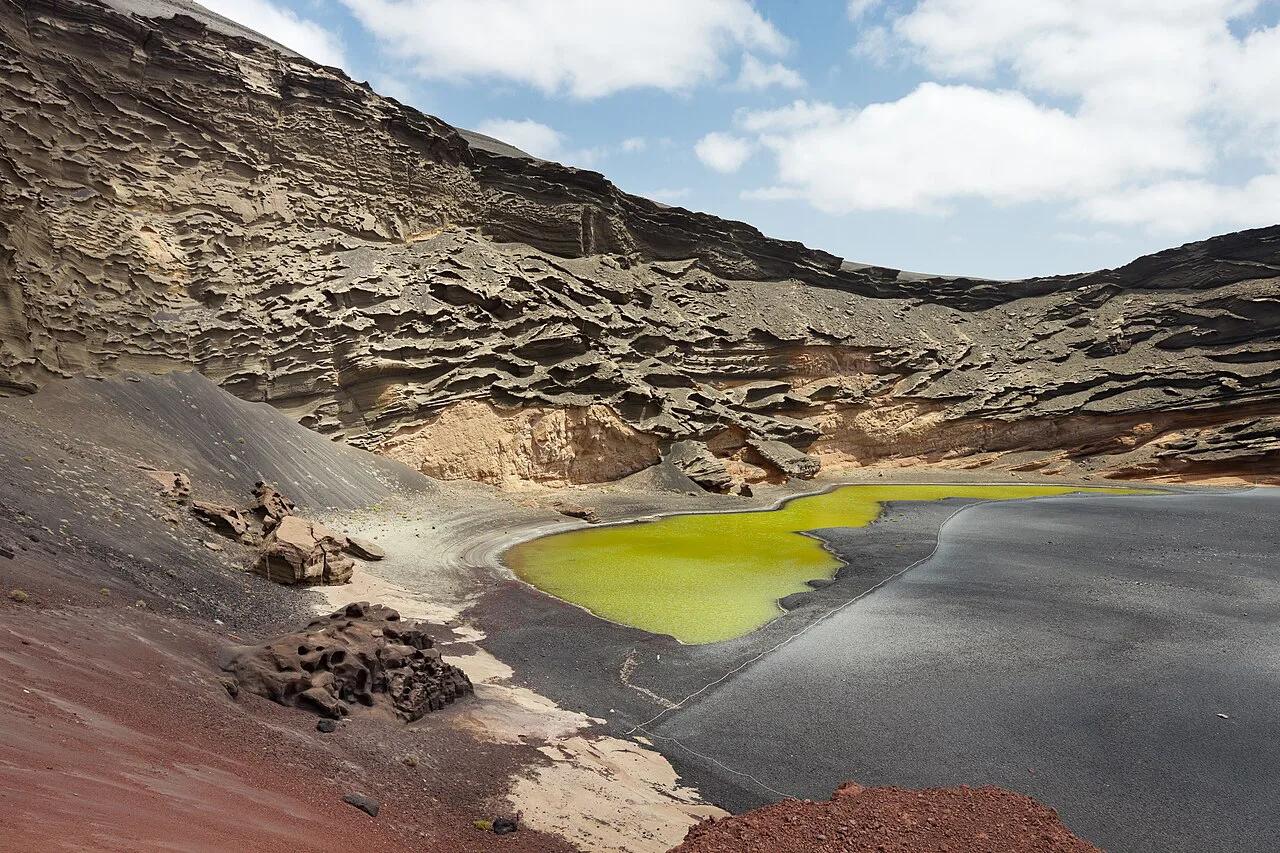
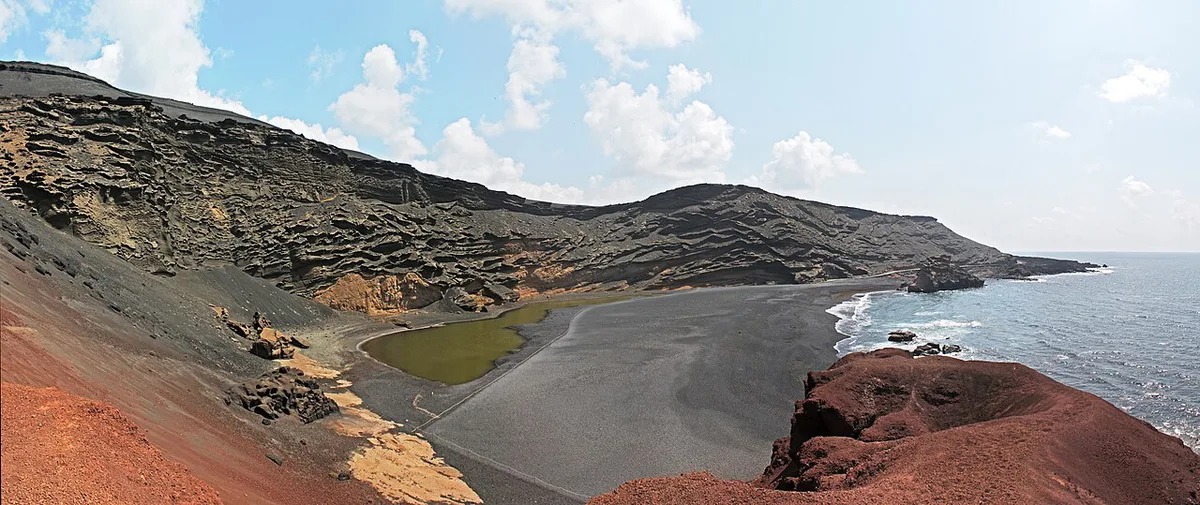
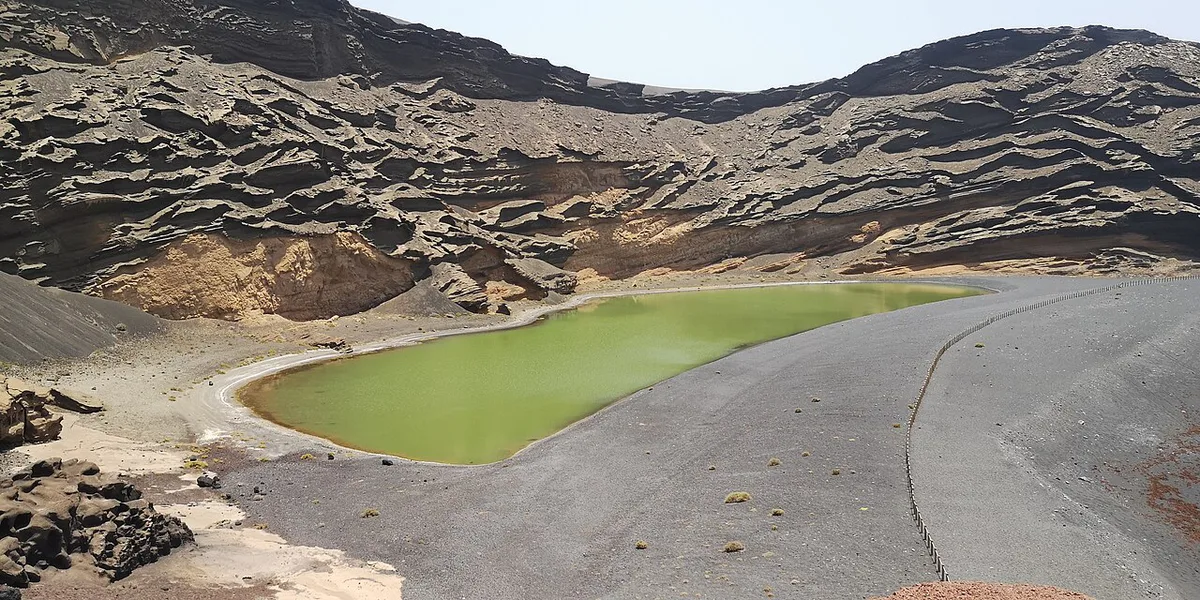
Last updated November 2026. The charco de los clicos is a green lagoon inside a partly eroded volcanic crater at El Golfo, on Lanzarote's west coast. You view it from a short path above a black-sand shore, and you cannot swim in it. Entry is free, so it fits easily into a loop that also takes in Lanzarote's volcano sites.
Featured image: Luis Miguel Bugallo Sánchez (Lmbuga), CC BY-SA 3.0, via Wikimedia Commons.
What the Charco de los Clicos is
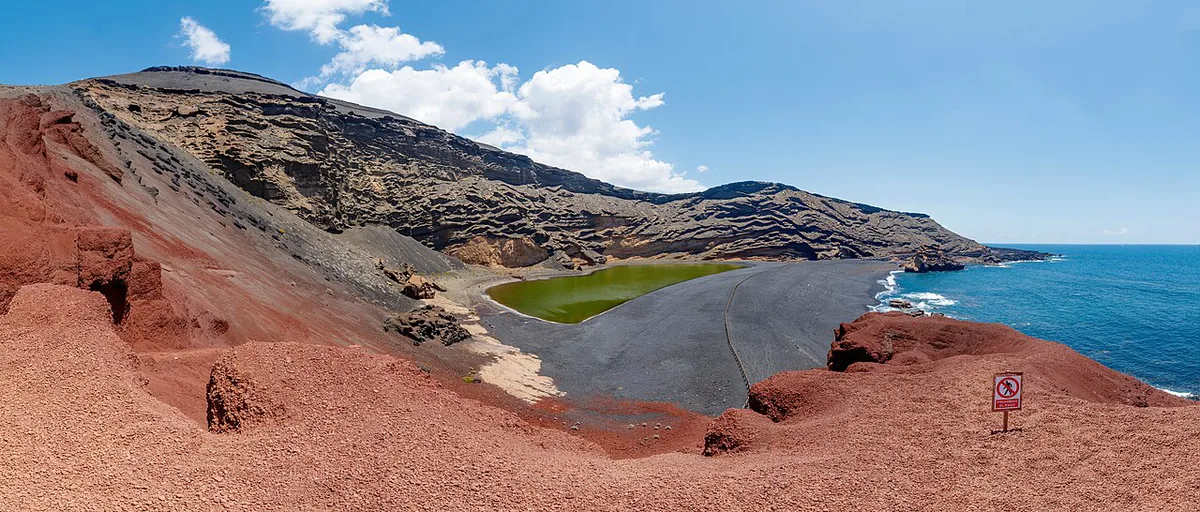
Locals also call it Charco Verde, Lago Verde or Laguna Verde. It sits beside the village of El Golfo, in the municipality of Yaiza, within the Parque Natural de los Volcanes. Seawater seeps into the crater through the ground, so the water is salty. You look at it from a natural balcony, not from the water's edge. Entry costs nothing, and there are no set opening hours.
- Where: El Golfo, west coast of Lanzarote
- Setting: a partly eroded volcanic crater next to the Atlantic
- Cost: free
- Access: view only, from the mirador
Why the water is green
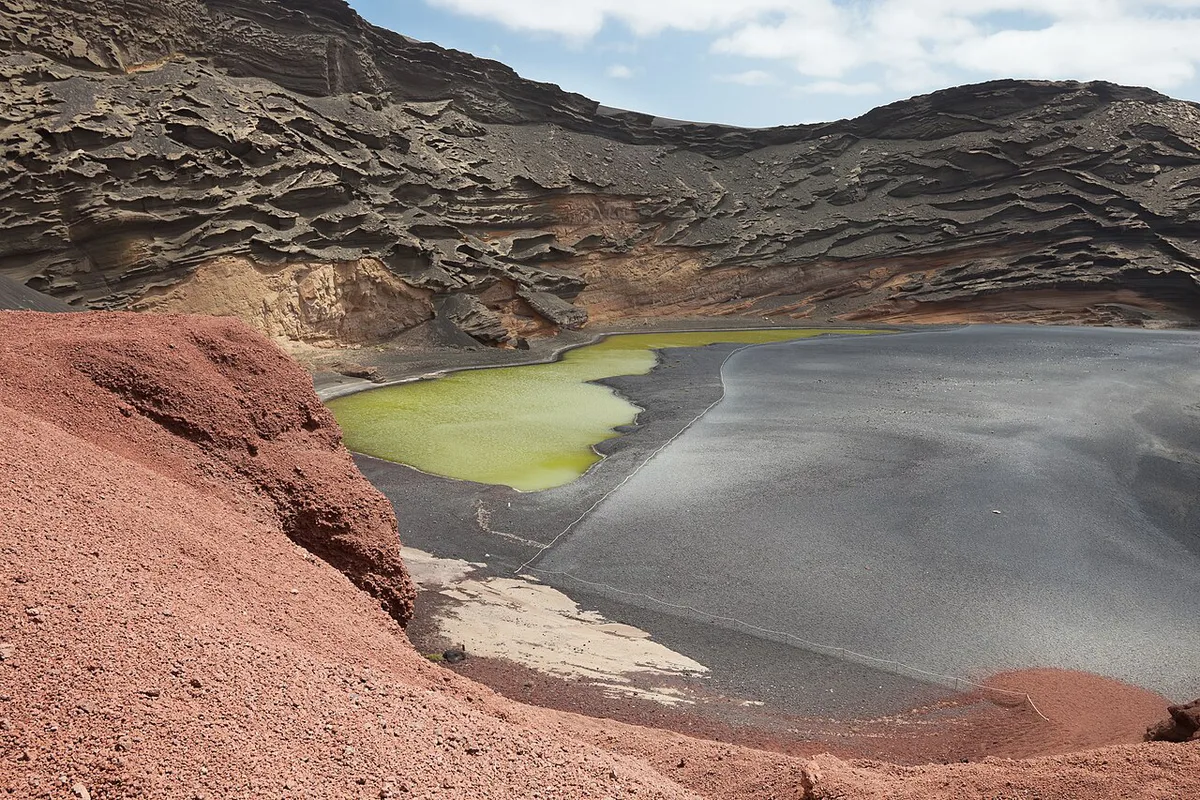
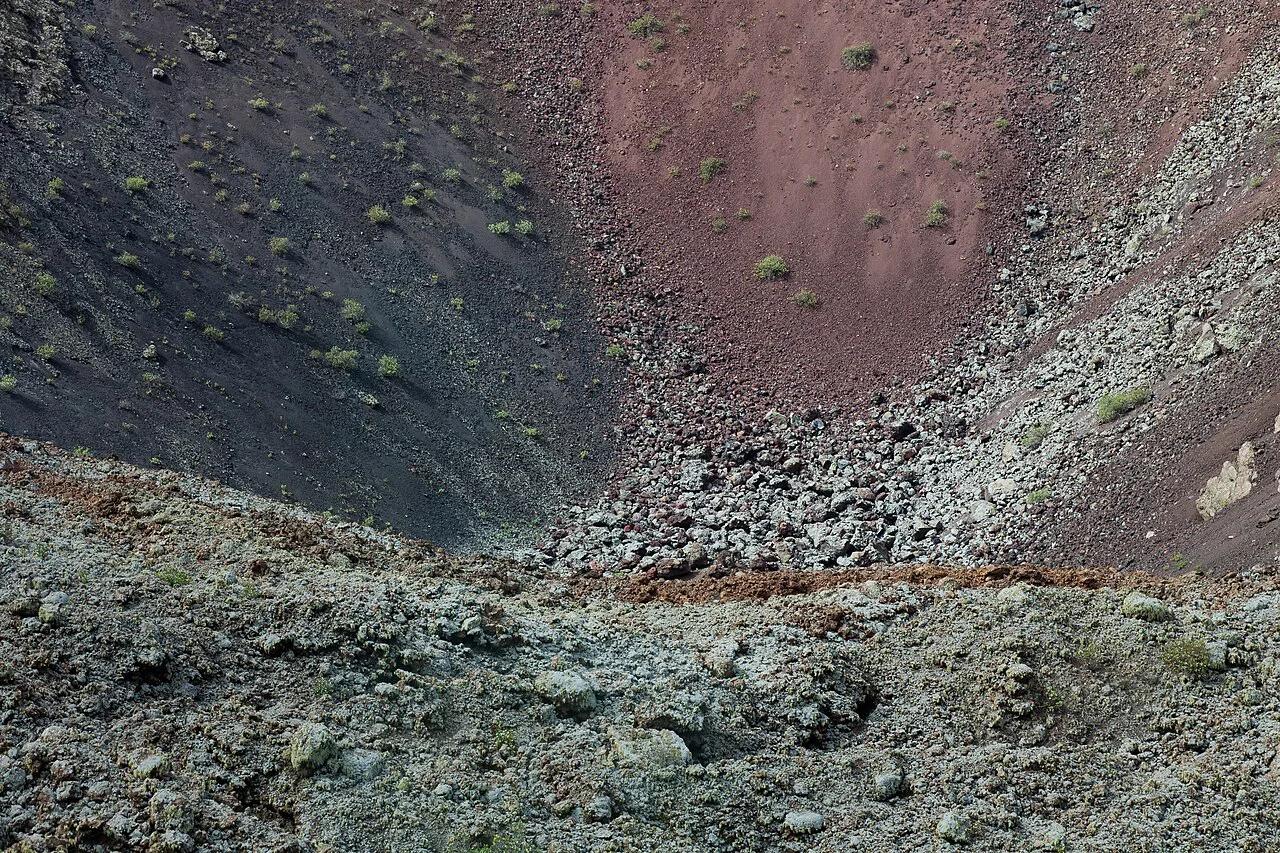
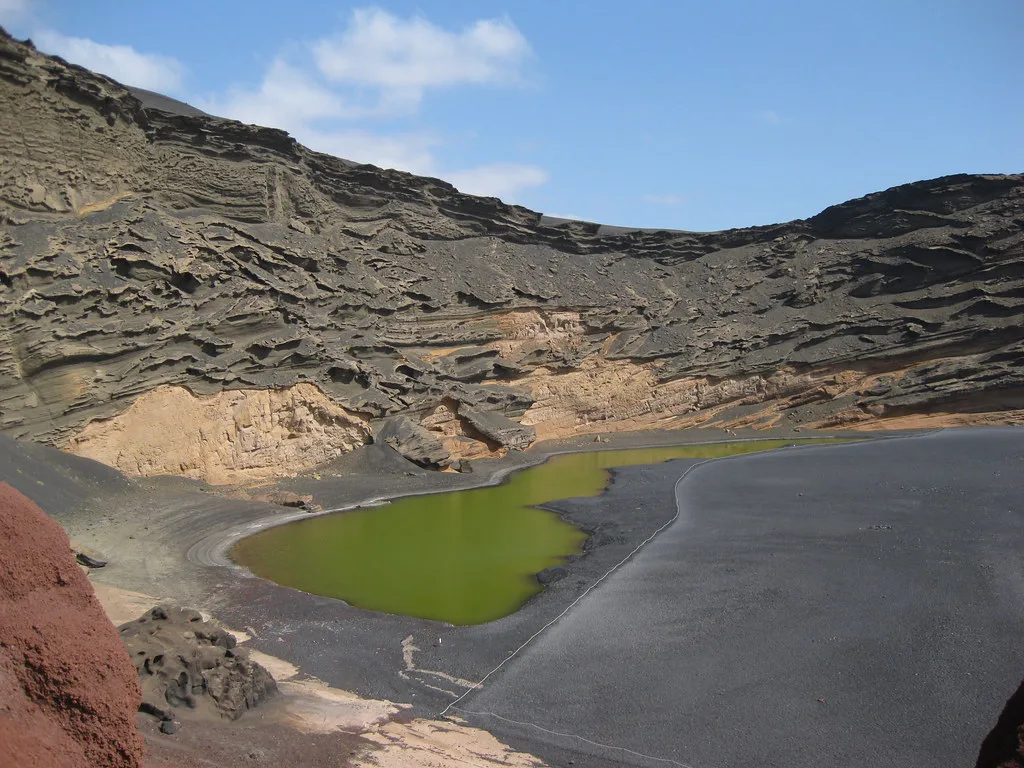
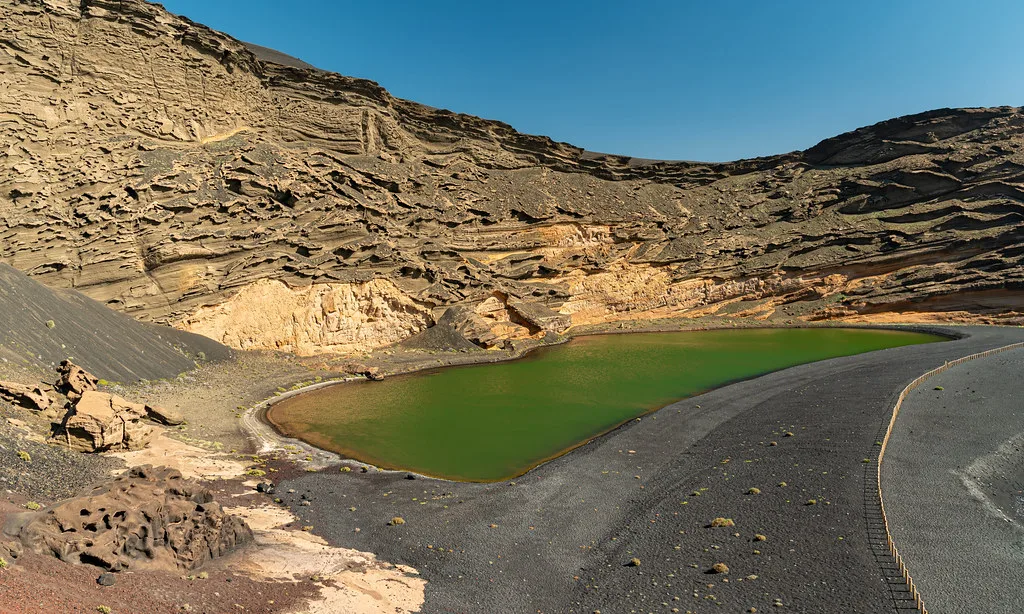
The colour is usually explained by two things working together. One is a Ruppia maritima alga living in the lagoon. The other is dissolved sulphur from the island's volcanic activity. Together they give the water an emerald tone against red rock, black sand and blue ocean. That four-colour contrast is the real reason people stop here. A popular claim says the lagoon links to the Atlantic through underground passages. Seepage through the rock is the more modest fact worth repeating. For the wider story of how Lanzarote's craters formed, read about the 1730 eruptions.
- Name: it comes from clicos, an edible shellfish once common in the area and now reportedly extinct
- Films: scenes from Almodóvar's Los abrazos rotos (2009) were shot here, along with One Million Years B.C. (1966) and La iguana (1988)
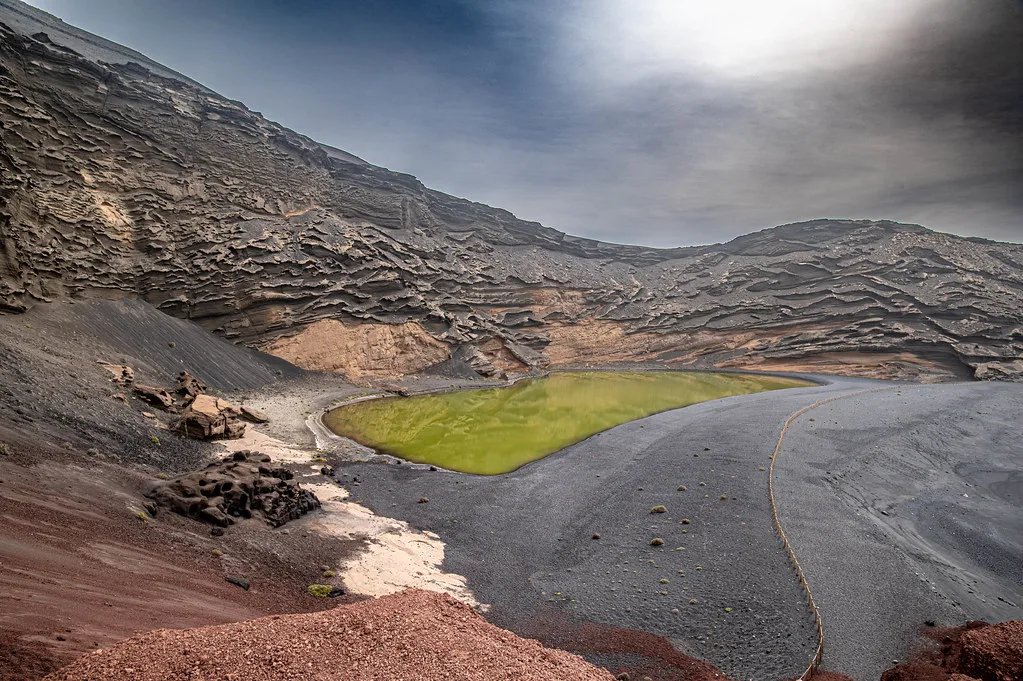
How to get to the Charco de los Clicos and where to park
Drive to the entrance of El Golfo on the LZ-703. A car park sits on the left, next to a few shops, and the path to the viewpoint starts there. Walking the path takes you about 160 ft (50 m) on an easy surface, so children manage it without trouble. On the way you pass the black-sand beach on your right. A second path from the same car park leads down to it. There is no lighting, so plan the visit for daylight. Check the Lanzarote tourism board for current access notices.
Can you swim at the Charco de los Clicos?
No. The lagoon is a protected natural space, and swimming there is prohibited. The beach is a separate question. It runs roughly 980 ft (300 m) along volcanic sand, but strong sea currents make bathing there discouraged. Walk the shoreline for the sea air and a different angle on the crater, and keep out of the surf. One common claim blames the lagoon's mineral content for the ban. Protection and currents are the actual reasons to stay out.
| Spot | Swim? | Why |
|---|---|---|
| Green lagoon | No | Protected natural space; view from the mirador only |
| Black-sand beach below the crater | Not recommended | Strong currents; read the signs on the day |
| Other Lanzarote beaches and sheltered pools | Check locally | Choose a spot with calm water and a lifeguard or clear signage |
How long to allow and the best time to visit
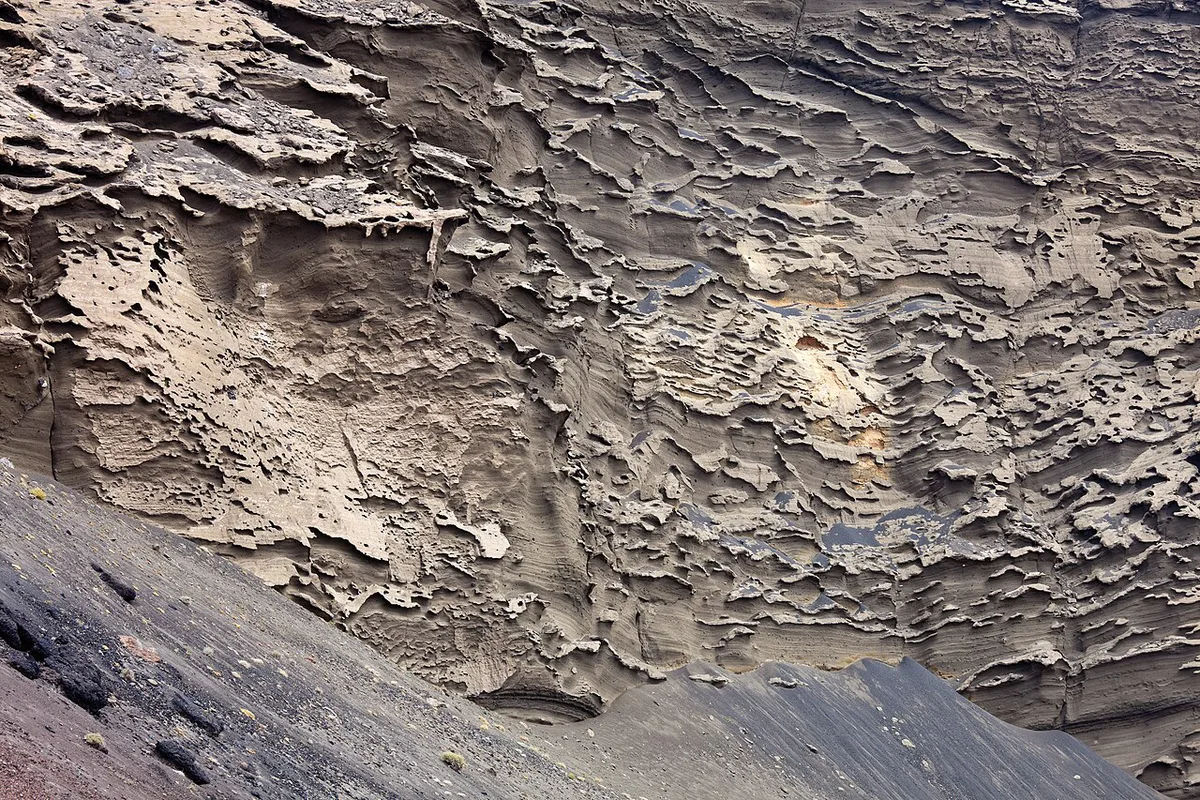
The mirador alone is a quick stop, because the path is only 160 ft (50 m) each way. Adding the beach walk and a meal in El Golfo turns it into a longer break. Mornings and late afternoons give you lower sun and softer shadows on the crater wall. Colour shifts with cloud and wind, so a grey sky can flatten the green. Treat the lagoon as a short stop in a larger day, not a full destination.
Nothing here is lit, so pair the 160 ft (50 m) walk with a morning or late-afternoon slot while there is still daylight.
| Option | Effort | Best for |
|---|---|---|
| Viewpoint only | Very low; about 160 ft of flat path | Short itineraries and road-trip stops |
| Viewpoint plus beach | Low; a walk of about 980 ft along the sand | Photographers and families |
| Viewpoint, beach and lunch in El Golfo | Low, but a longer stop | A relaxed west-coast loop |
Combine it with nearby stops
Pair the lagoon with Los Hervideros, Lanzarote: When to Go, Parking and Safety Tips, the nearest stop on the same coast route. Seafood in El Golfo village fits naturally between the two. To go further inland, the Timanfaya area has its own visitor options, listed by Centros de Lanzarote. A short walk up Caldera Blanca Hike, Lanzarote: Route, Time & Wind Tips adds a crater-rim view. The vineyards of La Geria, Lanzarote: Wine Route, Zocos & Tasting Guide make a good last stop. If you prefer someone else to drive, a guided volcano tour often passes through the area.
Costs, hours and rules
Viewing the lagoon is free, and no hours are set. Daylight is the practical limit because nothing is lit. Stay on the marked paths and do not collect rocks or sand. Check the signs at the viewpoint for the current drone rules. Guided tours that stop here are optional and priced by each operator.
Don't confuse it with other charcos
"Charco" means pool or pond, and Lanzarote has several. Charco de San Ginés is a boat-filled inlet in Arrecife. Charco del Palo and Charco de la Laja are separate coastal spots. None of them is the green lagoon at El Golfo, so check the name in your map app before you set off.