Methana Volcano Guide: Hot Springs, Hikes & Lava Domes
Last updated November 2026: Methana is a volcanic peninsula in the Saronic Gulf, with a spa town, hot springs and hiking over lava domes. It suits walkers, spa visitors and anyone building a Greek volcano route through the volcanoes of Greece. Skip it if you expect a crater with an open vent, because this is a quiet lava-dome landscape.
Featured image: koupakia, CC BY 3.0, via Wikimedia Commons.
Methana at a Glance
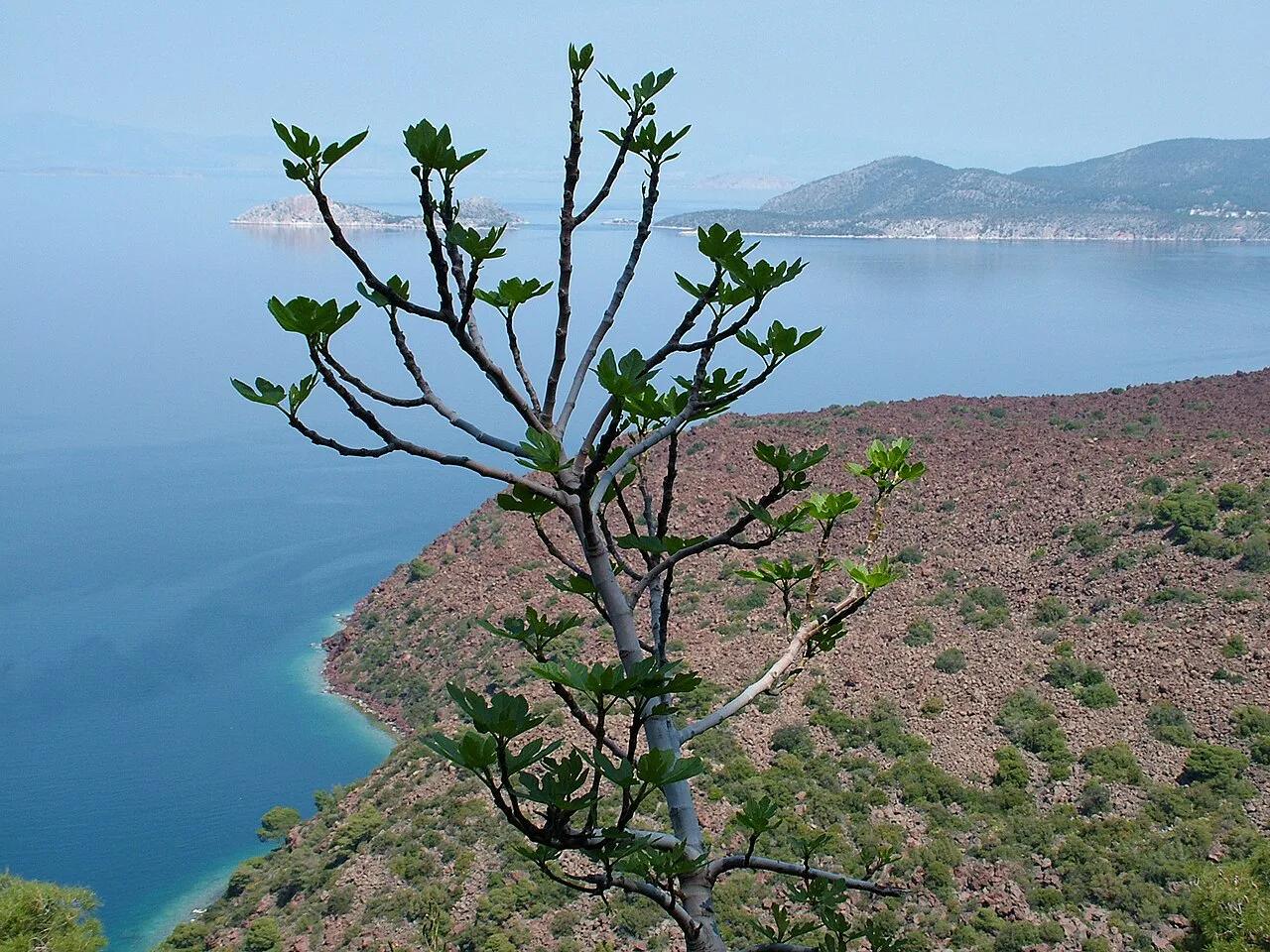
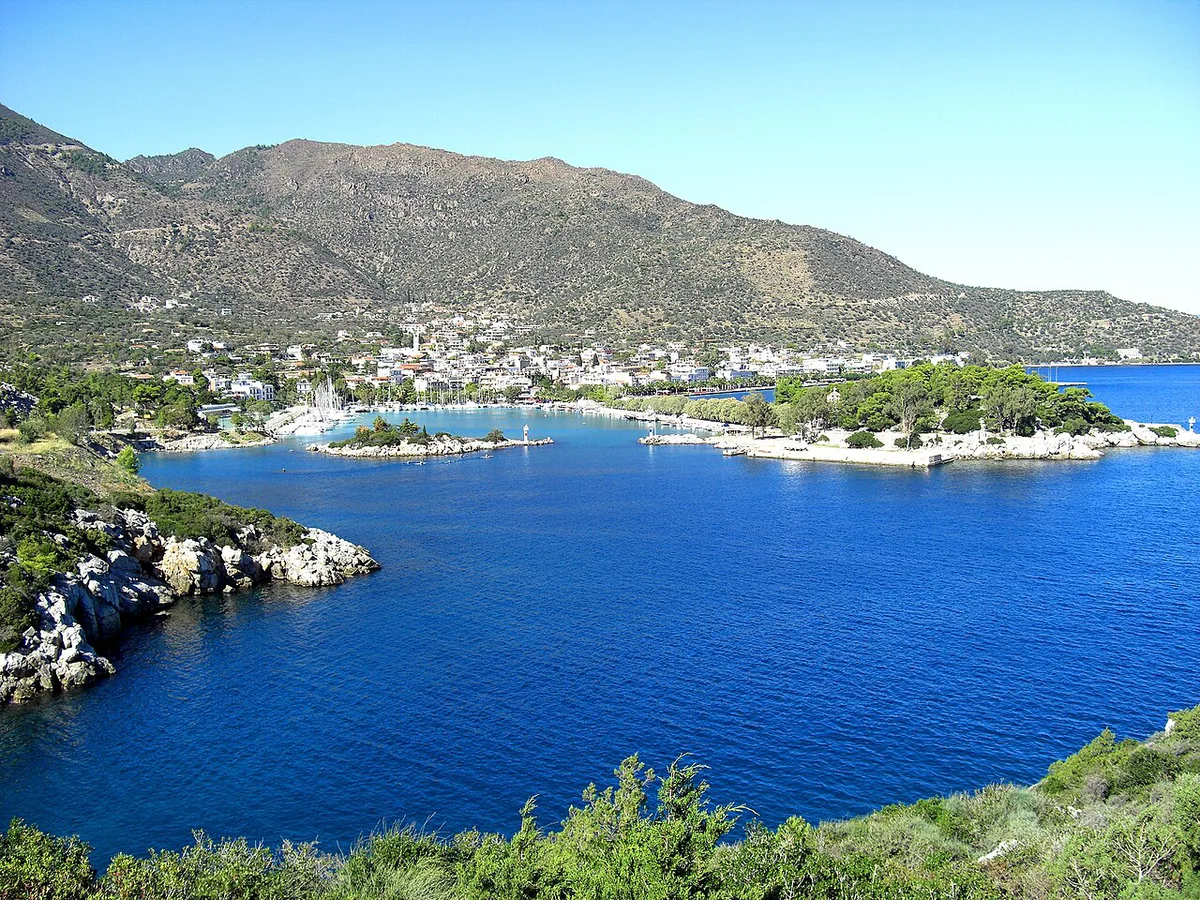
Methana sits on the Peloponnese side of the Saronic Gulf, in the Troizinia-Methana municipality. Its volcanic story is long, but what you can see today is gentle: domes, old lava flows, a spa and a sulfur smell.
Its last eruption was about 240 BC, so today you get warm springs and lava domes rather than an open crater.
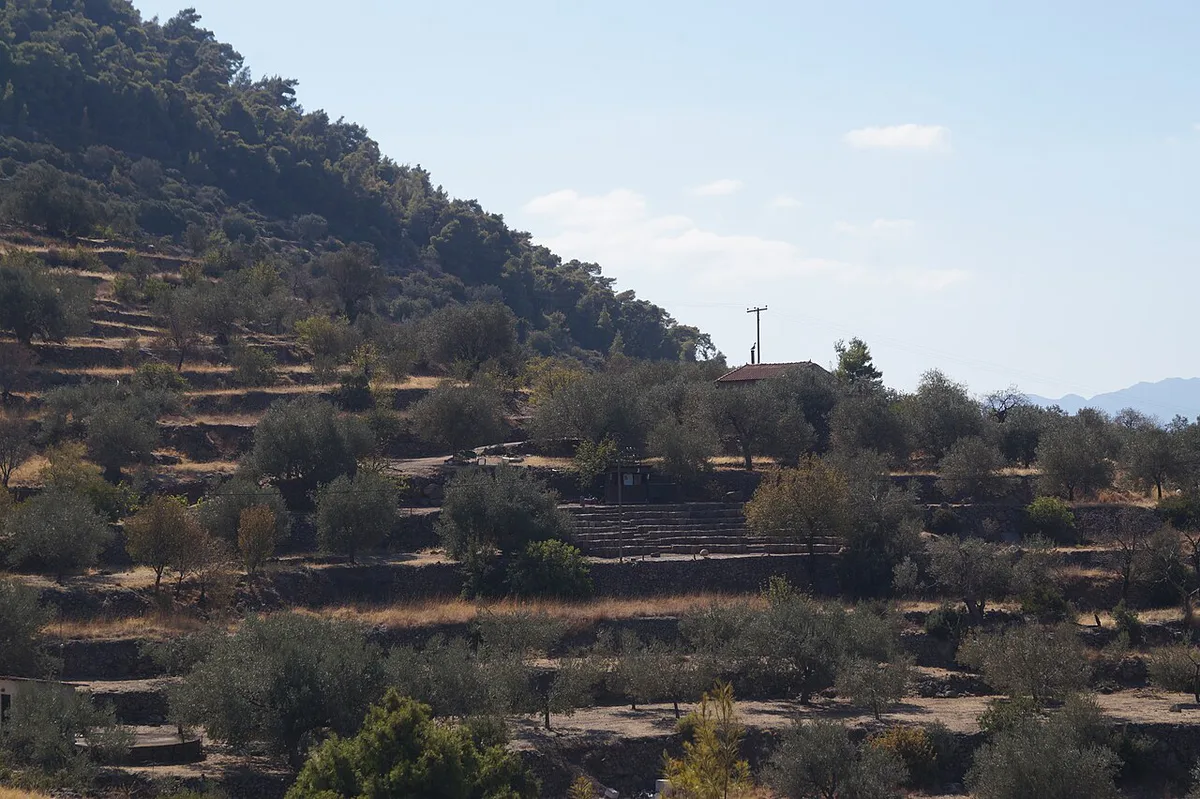
- Geology: the youngest volcanic products of the Saronic volcanic field, which also includes Aegina and Poros.
- Last eruption: about 240 BC, on the northwest side of the peninsula.
- Volcanic signs today: two hot springs, one in Methana town and one on the north coast.
- Best for: a spa stop, a hike over lava terrain, or a slow overnight on the coast.
What Makes Methana a Volcano
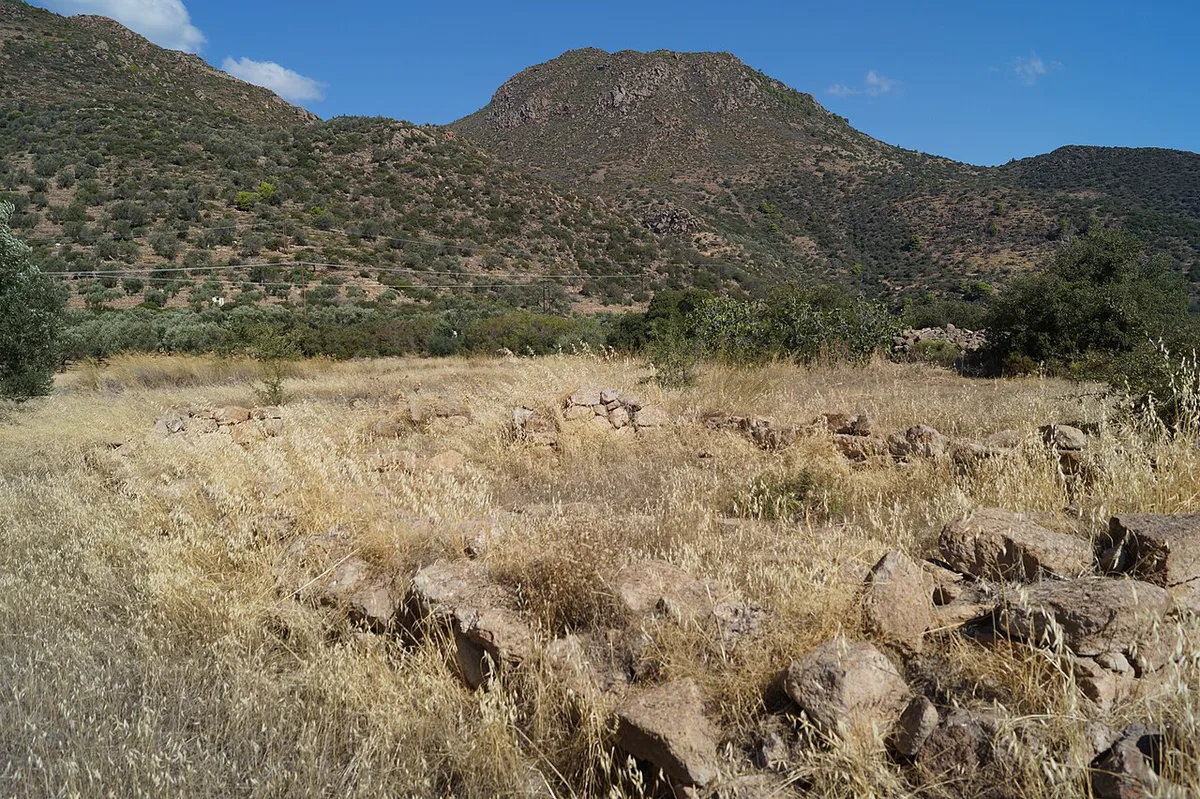
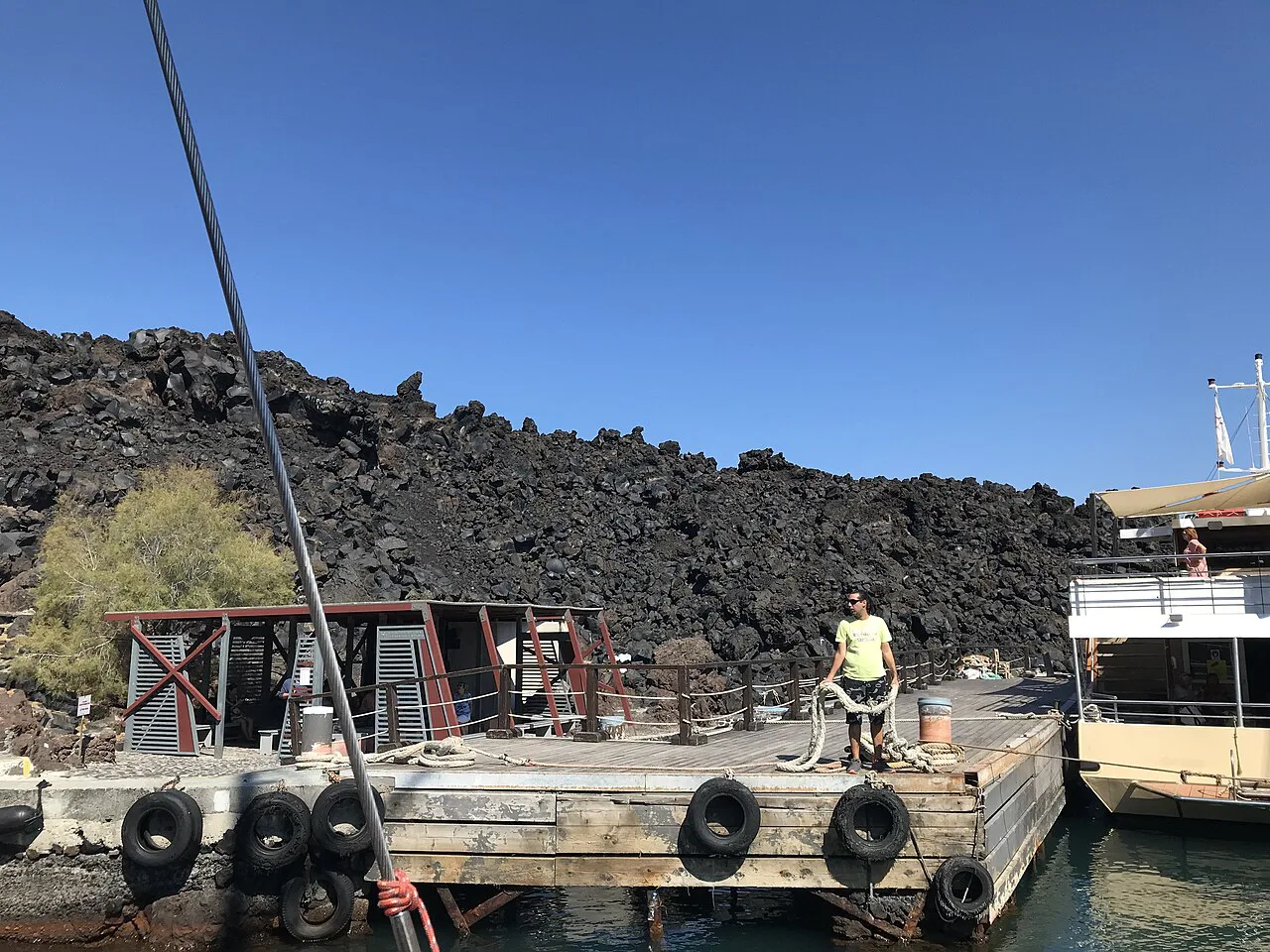
Methana's first volcanic activity ran from about 3.6 million to 1 million years ago. A second phase, from 0.9 to 0.25 million years ago, built most of the peninsula as dacitic-andesitic lava domes. Activity was mild and mostly non-explosive. Steep young domes sometimes collapsed, sending small ash flows into the valleys. Greece's geological survey, EAGME, dates the last eruption to about 240 BC, when the Kameni Chora dome and its lava flows formed on the northwest side. Strabo described that event. He wrote of a mountain rising from fire that was too hot and sulfurous to approach by day and glowed at night. He added that it warmed the sea for about five stadia offshore. Pausanias links the same episode to the hot baths, which he placed about thirty stadia from the old town. Submarine volcanic centers also lie north of Kameni Chora toward Angistri, and one is named Pausanias. For another seabed system, read about Kolumbo's underwater volcano.
Hot Springs and Spa Town: What to Expect
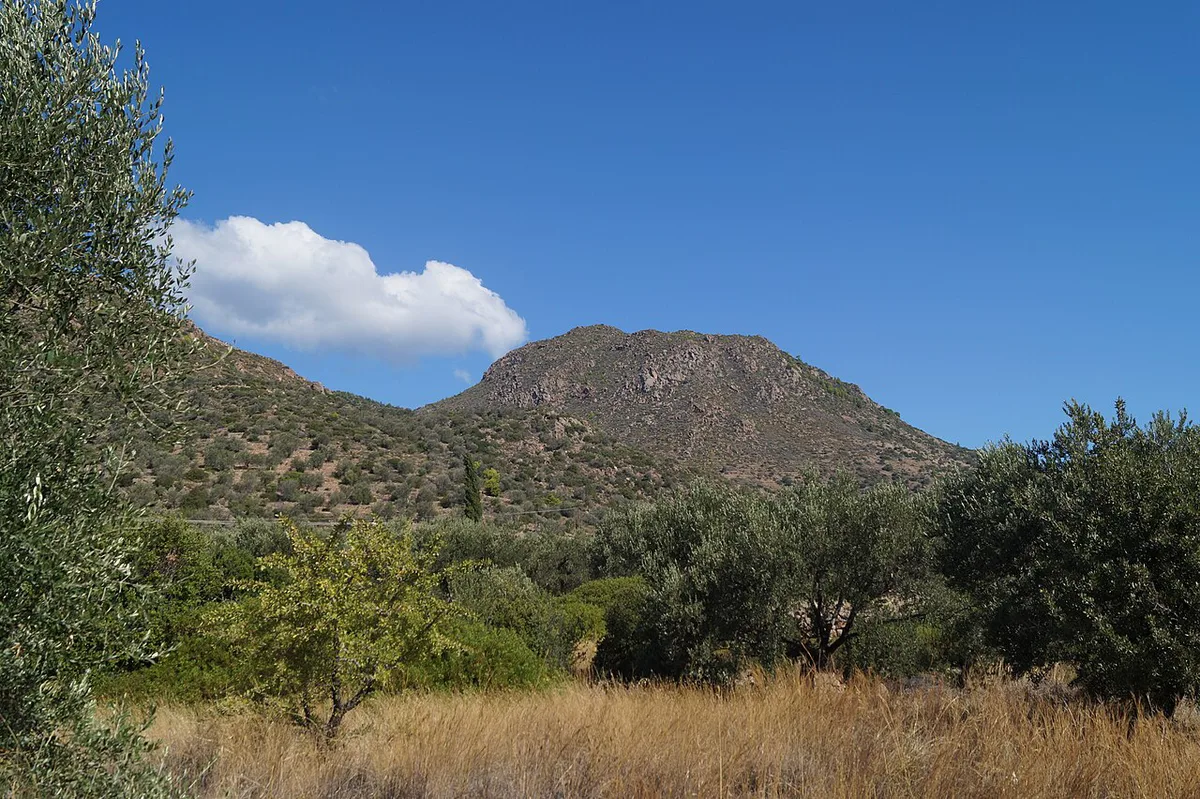
Methana town has been one of Greece's busiest spa towns. Its spring is known for treating skin conditions, circulation problems and arthritis. Expect the smell of methane and hydrogen sulfide around the bath facilities, which is normal here. Opening hours and treatment prices change by season and operator. Check Greece's official tourism site or the municipality before you plan around a specific bath. A second spring emerges on the north coast, which is worth a short stop if you are already driving the peninsula.
Hiking the Volcanic Landscape
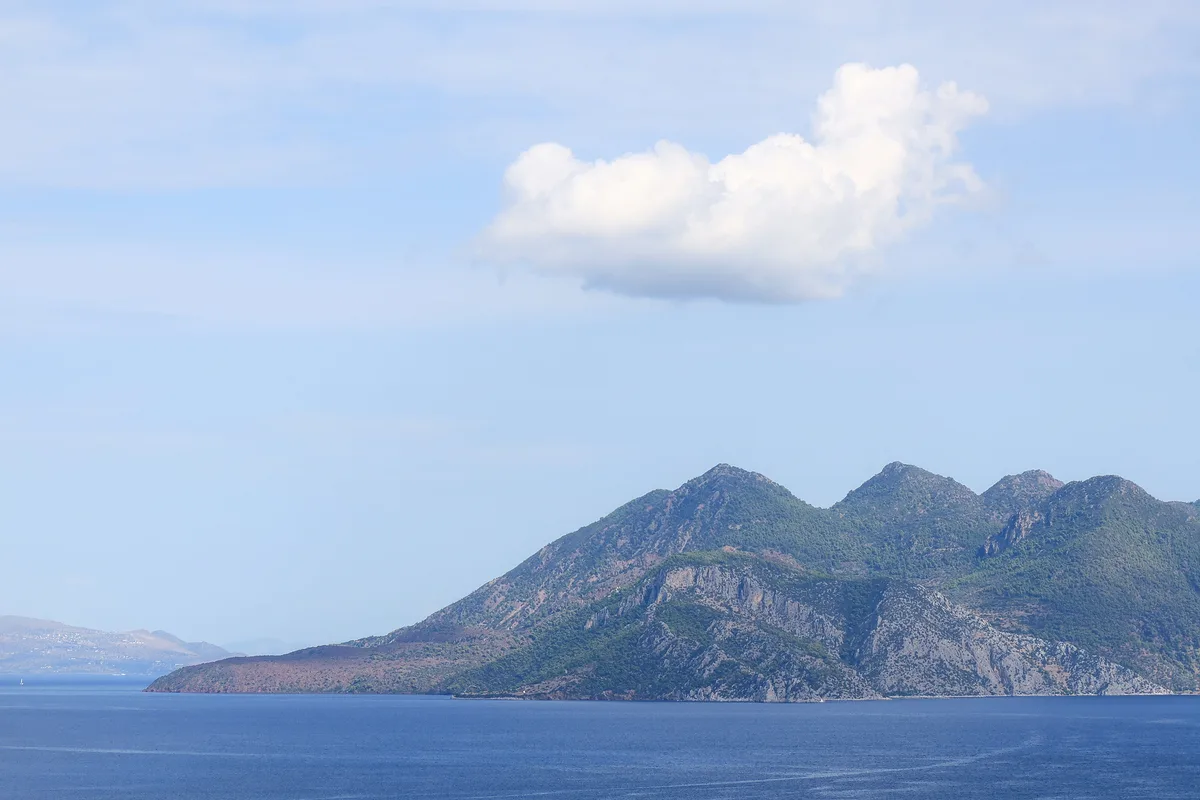
EAGME marks three geotrails across the peninsula. Pick by time and effort, and carry water, because lava domes offer little shade. Summer heat on exposed slopes is the main hazard. Uneven lava underfoot is the other. Loose rock can turn an ankle on the longer routes.
Methana – Sterna takes about 5.5 h, so it pairs with the overnight option and a relaxed spa evening.
| Geotrail | Distance | Elevation | Time | Effort |
|---|---|---|---|---|
| Akro Punta – Burnt Country | About 6.5 miles (10.5 km) | 0–1,243 ft (0–379 m) | About 4 h 45 min | Moderate |
| Methana – Sterna | About 7.6 miles (12.25 km) | 26–2,044 ft (8–623 m) | About 5.5 h | Demanding |
| Loutra Pausania – Agios Nikolaos | About 1.1 miles (1.83 km) | 26–302 ft (8–92 m) | About 45 min | Easy |
- Short on time: walk Loutra Pausania – Agios Nikolaos and pair it with a bath visit.
- Want a full day: take Methana – Sterna, which climbs the most.
- Interested in ash layers: Akro Punta is where EAGME records the peninsula's only significant explosive deposits.
How to Get to Methana and Get Around
Ferry and road options from Athens and Piraeus change by season. Check current timetables with the ferry operators and Greece's national tourism portal before you travel.
Day Trip or Overnight? When to Go
One hike plus a bath fits a long day. Two hikes, or a hike and a slow spa evening, need an overnight. Summer heat makes the exposed dome trails harder, so spring and autumn suit walking better. Skip Methana if you want an explosive crater view.
| Choice | Best for | Plan |
|---|---|---|
| Day trip | Spa plus one short walk | Loutra Pausania – Agios Nikolaos, about 45 min, then the baths |
| Overnight | Long hike plus relaxed evening | Methana – Sterna, about 5.5 h, then the spa |
| Skip | Crater views, active vents | Choose another Greek volcano |
- Mistake: starting a long dome hike in midday summer heat.
- Mistake: expecting a crater rim or visible steam vents.
- Mistake: booking a bath without checking the current opening hours.
Methana vs Other Greek Volcanoes
Methana is gentler than the islands. Milos's volcanic coast gives you colored cliffs and mining history. Sousaki's fumaroles offer a more raw, sulfur-stained stop. Lesvos's petrified forest shows what ancient eruptions preserved. Methana's strengths are the spa, the walking and the ancient accounts. Browse the full Greek volcano guide to build a route.
Frequently Asked Questions
When did Methana last erupt?
EAGME dates the last volcanic activity to about 240 BC. It built the Kameni Chora dome and lava flows on the northwest side of the peninsula. Strabo and Pausanias both describe the episode.
Is Methana worth visiting?
Yes, if you like spa towns, lava-dome hikes and volcanic history. Expect a sulfur smell near the baths and gentle terrain rather than a crater. For live monitoring and seismic updates, see the Institute of Geodynamics at NOA.
What country is the Methana Volcano in?
Methana is in Greece, on a peninsula of the Peloponnese in the Saronic Gulf. It belongs to the Troizinia-Methana municipality.